Top 5 Natural Monuments around Condé-Sur-Vesgre
Best natural monuments around Condé-Sur-Vesgre include a variety of natural sites characterized by woods, rivers, and meadows. The region is situated on the edge of the Rambouillet forest, offering extensive natural beauty and ecological interest. These locations provide opportunities to explore diverse landscapes and observe local flora and fauna. The area is known for its ponds, forests, and unique geological formations.
Best natural monuments around Condé-Sur-Vesgre
- The most popular natural monuments is Étang de Saint-Hubert, a lake that was developed during the reign of Louis XIV. This set of ponds and hydraulic structures was designed to supply water to the basins of the Domaine de Versailles.
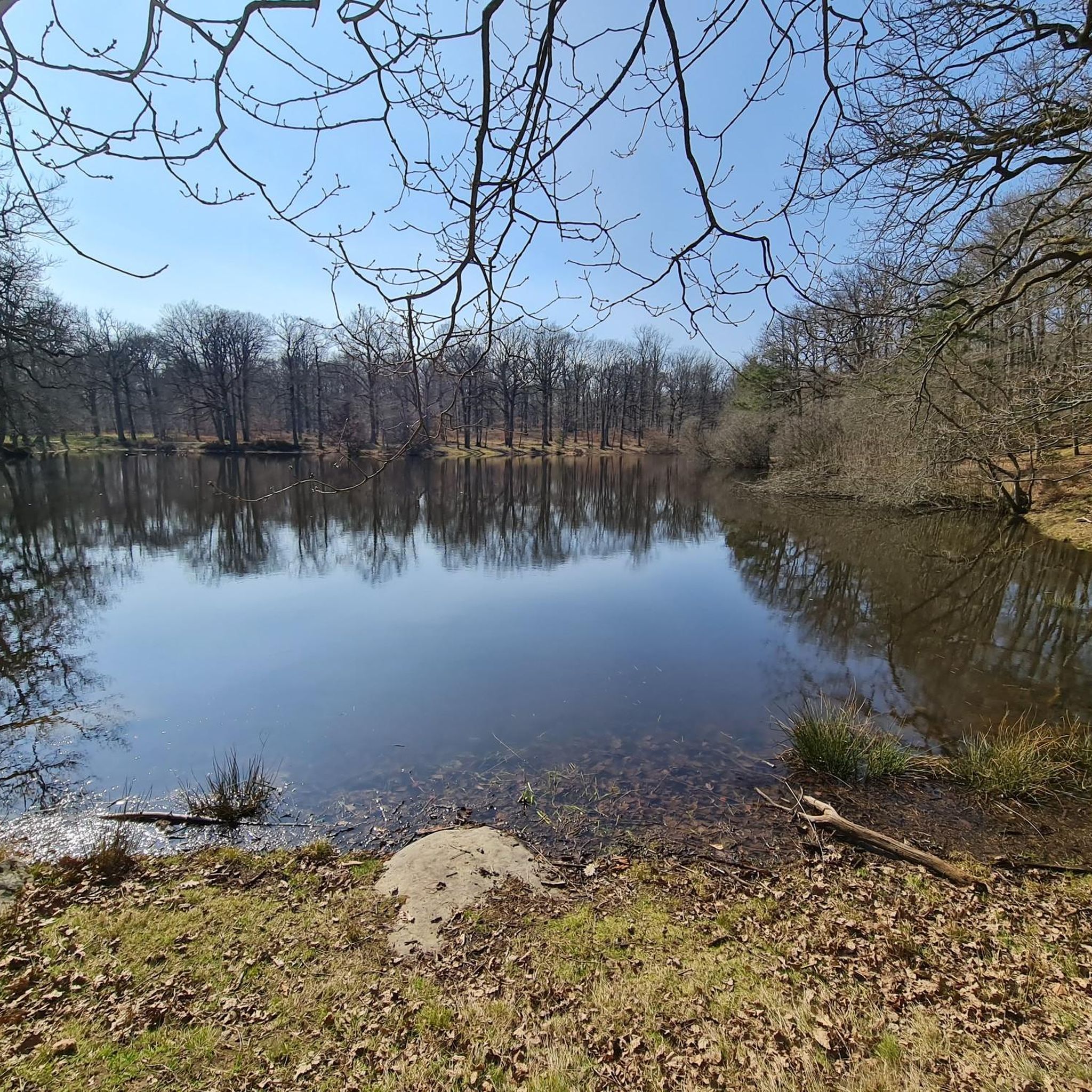
- Another must-see spot is Rompu Pond, a lake located within the Rambouillet forest. It is known for its scenic reflections and is fed by the Ponts-Quentin stream.
- Visitors also love Étang de Hollande, a lake that was developed under the supervision of Vauban. This historical site also served to supply water to the basins of the Domaine de Versailles.
- Condé-Sur-Vesgre is known for its lakes, forests, and unique geological formations. The region offers a variety of natural monuments to see and explore, from protected areas to ancient trees.
- The natural monuments around Condé-Sur-Vesgre are appreciated by the komoot community, with more than 90 upvotes and 15 photos shared by visitors.
Last updated: July 4, 2026
Rompu Pond
Highlight • Lake
Translated by Google •
Tip by

Guiperreux Toad Crossing
Highlight • Natural Monument
Each year, during the thaw (roughly from February to April), a "toadstool" is installed on the road that runs along the pond.
But what is a toaddrome exactly? So, it is not a place where one could indulge in clandestine bets on toad races, but a device intended to prevent these poor beasts from being crushed by cars in crossing the road to breed and lay their eggs in the pond on the other side of the road.
Indeed, thousands of common toads, but also frogs and newts, begin their long prenuptial migrations around March each year. They go to the nearest pond or pond to breed. Once their duty is done, they leave the aquatic environment to return to their summering areas where they will spend most of their time feeding.
In order to avoid a carnage of amphibians on the road, a tarpaulin is planted 600m on each side of the road to block their passage. In various places a hole has been made in which a bucket is buried. By looking for a passage all along the tarpaulin, the toad will inevitably end up at the bottom of a bucket. Every morning, volunteers come to collect toads and other frogs and drop them off on the other side of the road.
Translated by Google •
Tip by

Sign up now to discover places like this
Get recommendations on the best single tracks, peaks, & plenty of other exciting outdoor places.
Sign up for free
Étang de Saint-Hubert
Highlight • Lake
Translated by Google •
Tip by

Étang de Hollande
Highlight • Lake
Translated by Google •
Tip by

Ascension Oak
Highlight • Natural Monument
Translated by Google •
Tip by
Sign up for free to discover even more natural monuments around Condé-Sur-Vesgre.
Sign up for free
Already have an account?
Start today with a free account
Your next adventure awaits.
Login or Signup



Tips from the Community

This former retention basin was part of the network that was used to supply water to the Palace of Versailles. Today, it is a beautiful bird sanctuary where it is pleasant to walk.
0
0

Remarkable classified tree *** Pedunculate sessile oak with a height of 26m and a diameter of 1.55m.
0
0

Napoleon's bridge crossing the ponds of the Cheuvreuse valley. Very nice place to get some air in the Paris region
1
0
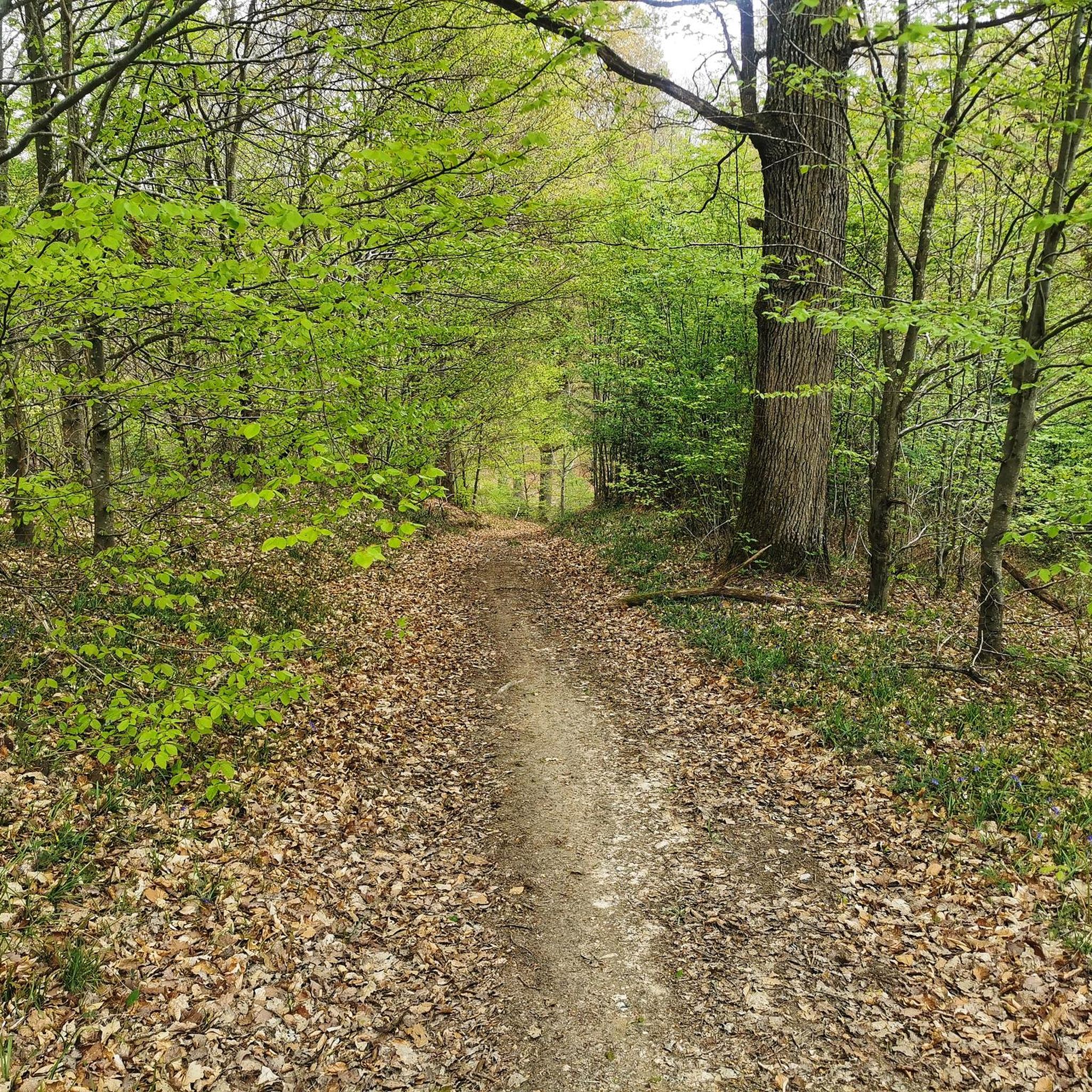
One of the many beautiful trees in the area! Symptom of the region of the Cheuvreuse valley with its large forests, trees and imposing vegetation.
0
0
Passing over the Pont Napoléon between the Etangs de Saint-Hubert and de Pourras in the heart of the Cheuvreuse Valley
1
0

At the edge of this road a pond which forms with the forest which surrounds it a protected natural area. Each year, during the thaw (roughly from February to April), a "toadstool" is installed on the road that runs along the pond. But what is a toaddrome exactly? So, it is not a place where one could indulge in clandestine bets on toad races, but a device intended to prevent these poor beasts from being crushed by cars in crossing the road to breed and lay their eggs in the pond on the other side of the road. Indeed, thousands of common toads, but also frogs and newts, begin their long prenuptial migrations around March each year. They go to the nearest pond or pond to breed. Once their duty is done, they leave the aquatic environment to return to their summering areas where they will spend most of their time feeding. In order to avoid a carnage of amphibians on the road, a tarpaulin is planted 600m on each side of the road to block their passage. In various places a hole has been made in which a bucket is buried. By looking for a passage all along the tarpaulin, the toad will inevitably end up at the bottom of a bucket. Every morning, volunteers come to collect toads and other frogs and drop them off on the other side of the road.
1
0


Great course...thanks Komoot
0
0
Frequently Asked Questions
What are some unique natural features or geological formations to explore around Condé-Sur-Vesgre?
The region offers diverse natural features. You can explore the unique geological formations at Les Grottes de l'Enfant Pâtre. Additionally, the area is known for its ponds, such as Rompu Pond, which offers scenic reflections, and the vast Rambouillet Forest, home to remarkable flora like ten varieties of wild orchids and other rare flowers.
Are there any historical natural monuments in the Condé-Sur-Vesgre area?
Yes, several natural monuments have historical significance. The Étang de Saint-Hubert and Étang de Hollande are notable examples. These ponds, developed under the supervision of Vauban during the reign of Louis XIV, were crucial for supplying water to the basins of the Domaine de Versailles.
What kind of wildlife can I expect to see near Condé-Sur-Vesgre's natural monuments?
The extensive Rambouillet Forest, bordering Condé-sur-Vesgre, is rich in wildlife, including deer, does, fawns, and wild boars. At the Crapaudrome de Guiperreux, you can observe local conservation efforts for migrating common toads, frogs, and newts, especially during their breeding season from February to April.
Are there family-friendly natural monuments or activities suitable for children?
Many natural sites are suitable for families. Rompu Pond, Guiperreux Toad Crossing, Étang de Saint-Hubert, Étang de Hollande, and the Ascension Oak are all considered family-friendly. The Crapaudrome de Guiperreux offers a fascinating educational experience about amphibian migration and conservation.
Can I bring my dog to the natural monuments and trails around Condé-Sur-Vesgre?
Generally, the natural areas and trails around Condé-Sur-Vesgre, including the Rambouillet Forest and paths along the Vesgre River, are dog-friendly. However, it is always recommended to keep dogs on a leash to protect local wildlife and ensure a pleasant experience for all visitors.
What is the best time of year to visit Condé-Sur-Vesgre for nature walks and to see blooming flowers?
Spring and early summer are ideal. In May, you can admire rhododendrons along the road to Saint-Léger, and the area's ten varieties of wild orchids and other rare flowers are preserved through selective mowing, making spring a great time to spot them. Autumn also offers picturesque views, especially along the Vesgre River, with changing foliage.
Are there hiking or walking trails near the natural monuments?
Yes, the region is excellent for walking. The Rambouillet Forest offers extensive maintained paths. For a leisurely stroll, consider "Le Chemin des Douaniers," an approximately 3-kilometer easy loop providing stunning views of the Vesgre River. You can find various running trails, such as the "Étang de Condé-Sur-Vesgre loop," on the Running Trails around Condé-Sur-Vesgre guide.
Where can I find parking when visiting the natural monuments?
Parking is generally available near popular natural sites and trailheads, especially around the larger ponds like Rompu Pond, Étang de Saint-Hubert, and Étang de Hollande, which are often part of the Rambouillet Forest. Specific parking details can often be found on local signage or detailed route descriptions.
Are there any conservation efforts I can learn about or observe?
Yes, the Crapaudrome de Guiperreux is a prime example of local conservation. During the amphibian migration season (roughly February to April), a unique "toadstool" device is installed to help thousands of common toads, frogs, and newts safely cross the road to their breeding pond, preventing them from being crushed by cars. Volunteers assist in this effort.
What kind of outdoor activities, besides walking, can I do near these natural monuments?
Beyond walking and hiking, the area offers excellent opportunities for cycling and gravel biking. You can explore routes like the "Hollande Pond – Route des Deux Chateaux loop" for gravel biking, or the "Carrefour de la Croix Pater loop" for easy cycling. More options are available in the Cycling around Condé-Sur-Vesgre guide and the Gravel biking around Condé-Sur-Vesgre guide.
Are there any viewpoints offering panoramic scenery?
The Rocher de l'Enfant Pâtre offers breathtaking panoramic views of Condé-sur-Vesgre and the surrounding valleys from its summit. Additionally, the Étang de Saint-Hubert is also noted as a viewpoint, providing scenic vistas over the lake and surrounding nature.
Where can I find refreshments or accommodation near the natural monuments?
Condé-sur-Vesgre and its nearby villages offer various options for cafes, pubs, and accommodation. While specific establishments are not detailed here, you will find local amenities to cater to your needs after exploring the natural monuments. It's advisable to check local listings for current options.
How long should I plan for a visit to the natural monuments around Condé-Sur-Vesgre?
The duration of your visit depends on which sites you choose to explore. A leisurely stroll along "Le Chemin des Douaniers" by the Vesgre River might take an hour or two. Visiting a specific pond like Rompu Pond or the Crapaudrome de Guiperreux could be a half-day trip. For extensive exploration of the Rambouillet Forest or combining multiple sites, a full day or even a weekend would be recommended.
Most popular routes around Condé-Sur-Vesgre
Most popular attractions around Condé-Sur-Vesgre

Get inspired with the komoot mobile app


Explore more
Extend your search for the best caves by checking out these guides of the top ones around Condé-Sur-Vesgre:
