Top 5 Natural Monuments around La Boissière-École
Best natural monuments around La Boissière-École are primarily found within the surrounding natural areas, notably the Forêt de Rambouillet and the Vallée de Chevreuse. This region features extensive woodlands, numerous lakes, and varied landscapes. The area provides opportunities for outdoor activities and showcases diverse natural features.
Best natural monuments around La Boissière-École
- The most popular natural monument is Étang de Saint-Hubert, a lake that is part of a hydraulic system developed under Louis XIV by Vauban. This set of…
Last updated: July 4, 2026
Rompu Pond
Highlight • Lake
Translated by Google •
Tip by

Guiperreux Toad Crossing
Highlight • Natural Monument
Each year, during the thaw (roughly from February to April), …
Translated by Google •
Tip by

Sign up now to discover places like this
Get recommendations on the best single tracks, peaks, & plenty of other exciting outdoor places.
Sign up for free
Étang de Saint-Hubert
Highlight • Lake
Translated by Google •
Tip by

Étang de Hollande
Highlight • Lake
Translated by Google •
Tip by

Ascension Oak
Highlight • Natural Monument
Translated by Google •
Tip by
Sign up for free to discover even more natural monuments around La Boissière-École.
Sign up for free
Already have an account?
Start today with a free account
Your next adventure awaits.
Login or Signup

Tips from the Community

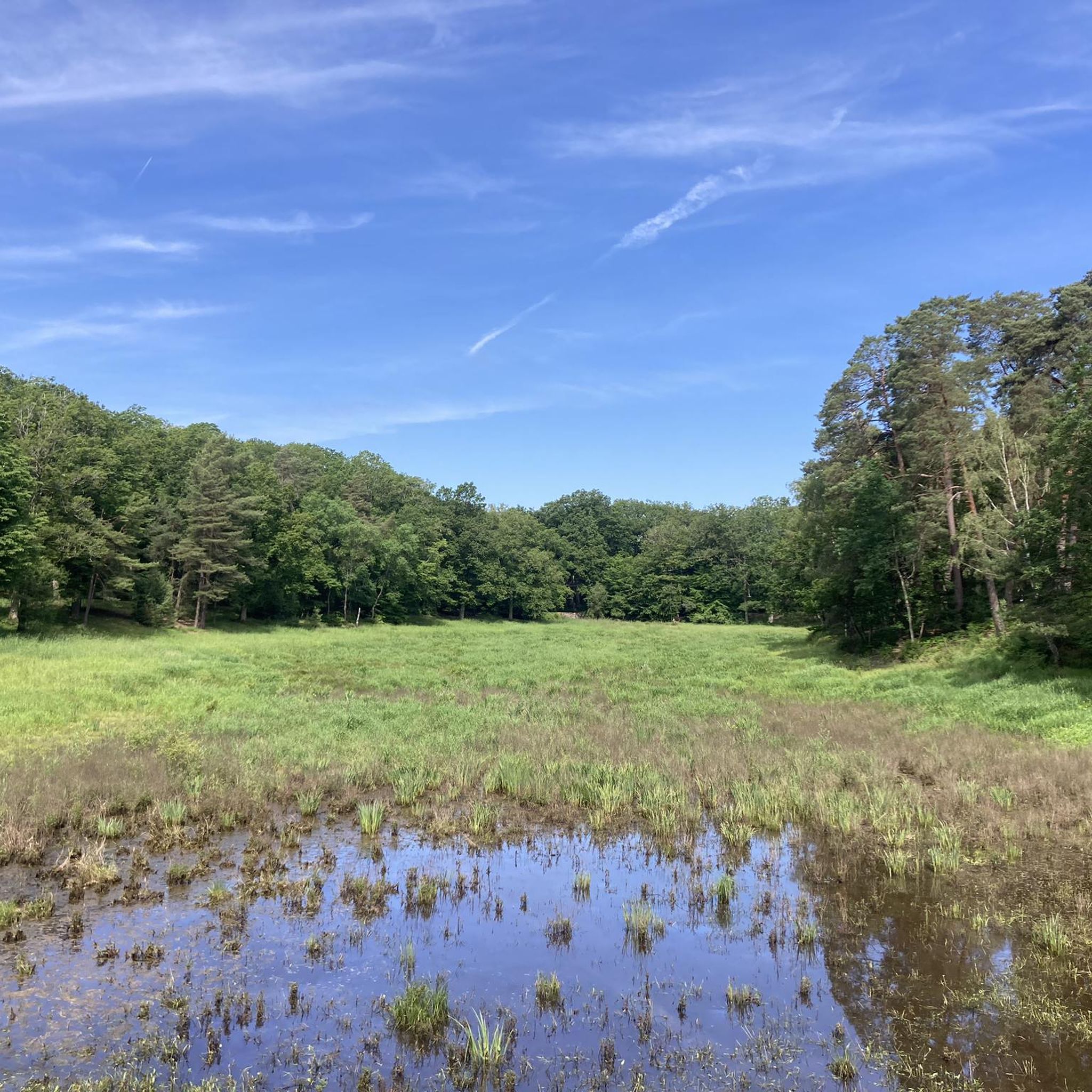
This former retention basin was part of the network that was used to supply water to the Palace of Versailles. Today, it is a beautiful bird sanctuary where it is pleasant to walk.
0
0

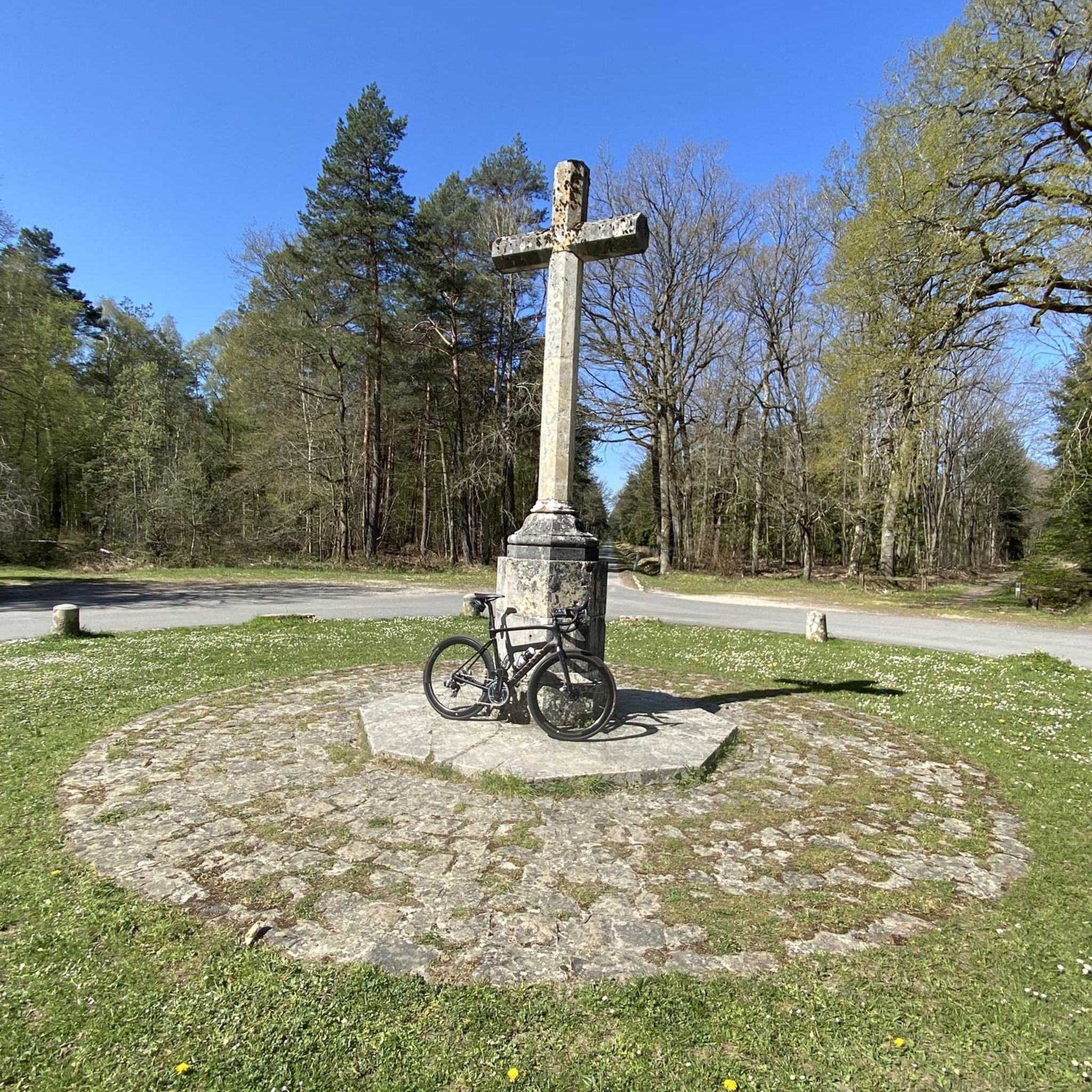
Remarkable classified tree *** Pedunculate sessile oak with a height of 26m and a diameter of 1.55m.
0
0

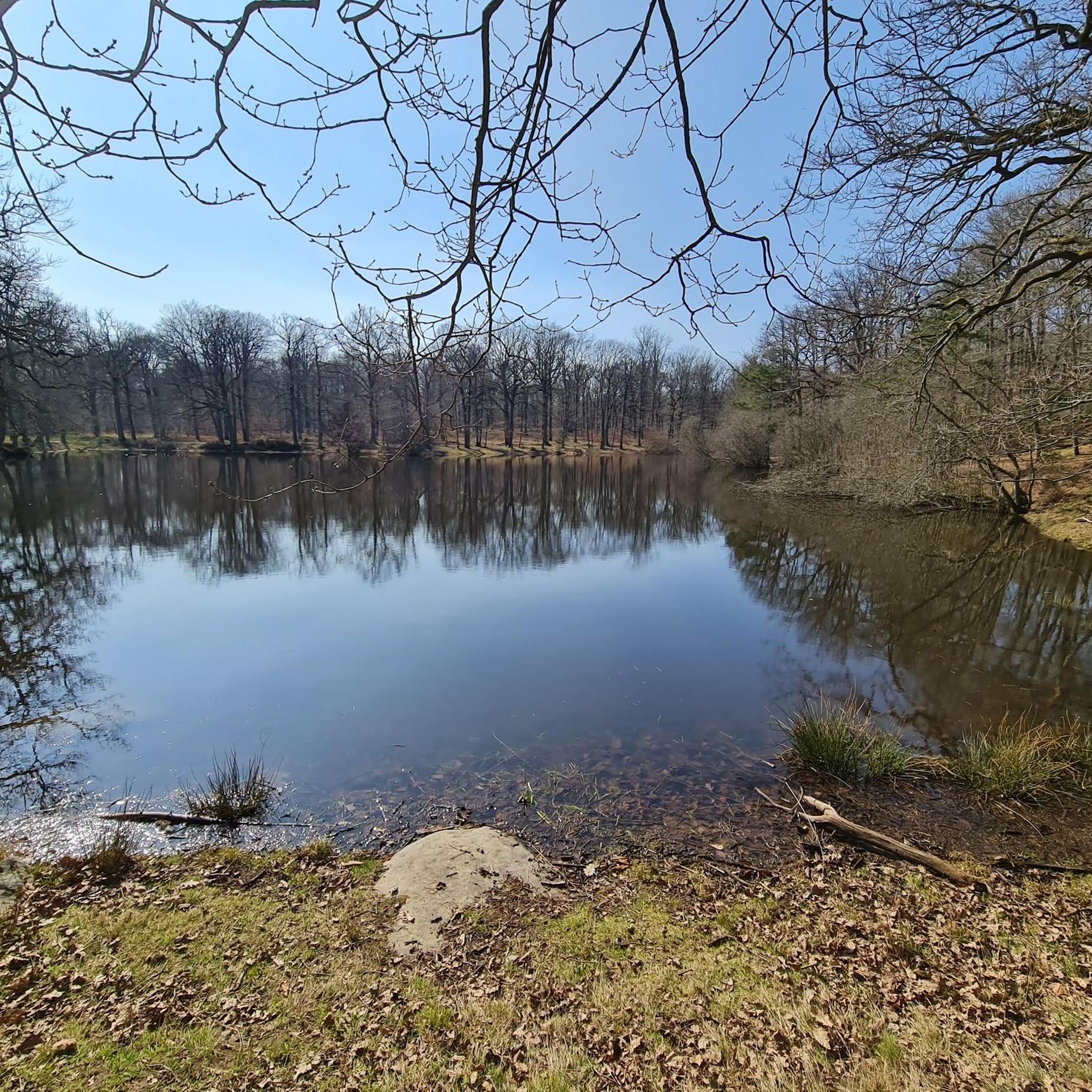
Napoleon's bridge crossing the ponds of the Cheuvreuse valley. Very nice place to get some air in the Paris region
1
0
One of the many beautiful trees in the area! Symptom of the region of the Cheuvreuse valley with its large forests, trees and imposing vegetation.
0
0
Passing over the Pont Napoléon between the Etangs de Saint-Hubert and de Pourras in the heart of the Cheuvreuse Valley
1
0

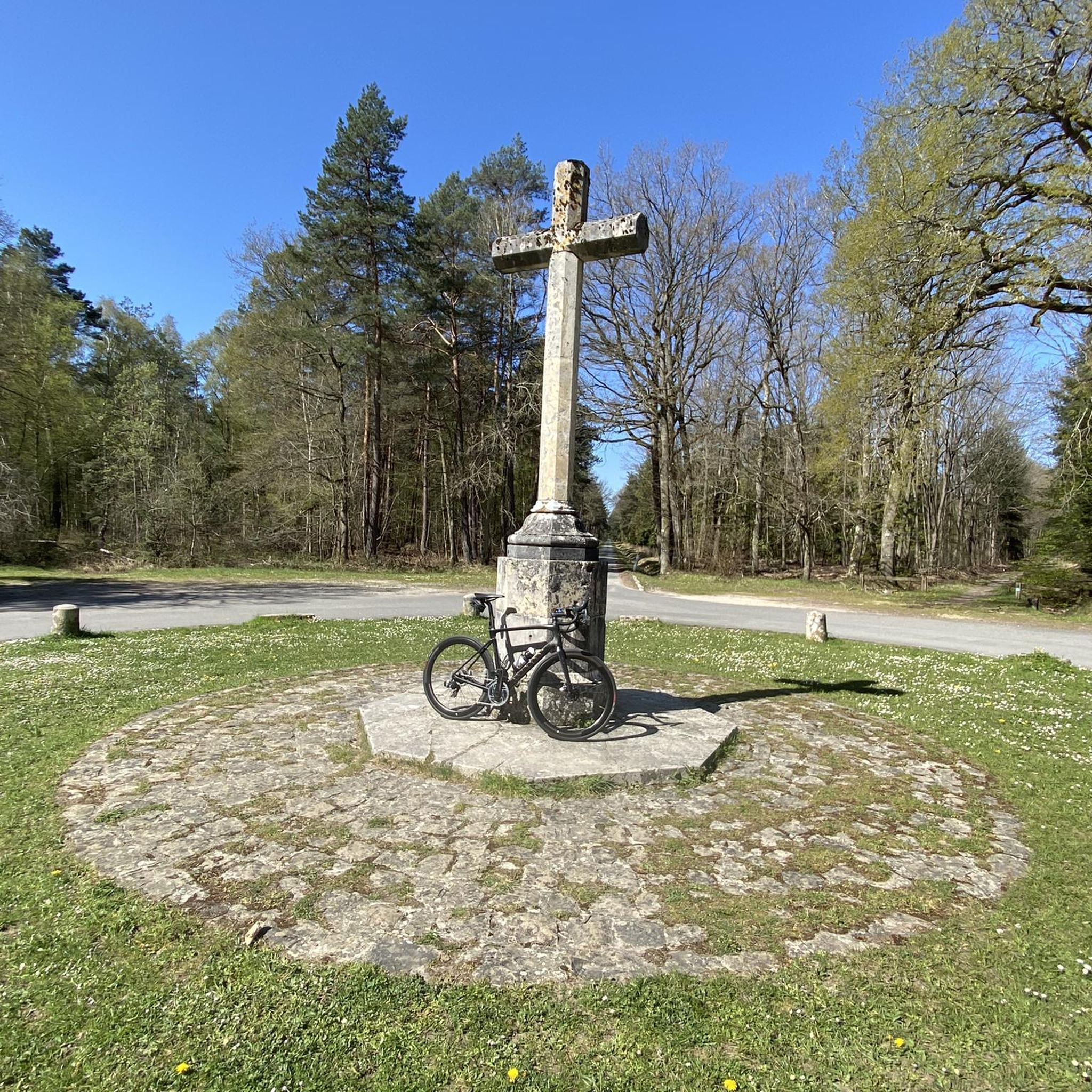
At the edge of this road a pond which forms with the forest which surrounds it a protected natural area. Each year, during the thaw (roughly from February to April), a "toadstool" is installed on the road that runs along the pond. But what is a toaddrome exactly? So, it is not a place where one could indulge in clandestine bets on toad races, but a device intended to prevent these poor beasts from being crushed by cars in crossing the road to breed and lay their eggs in the pond on the other side of the road. Indeed, thousands of common toads, but also frogs and newts, begin their long prenuptial migrations around March each year. They go to the nearest pond or pond to breed. Once their duty is done, they leave the aquatic environment to return to their summering areas where they will spend most of their time feeding. In order to avoid a carnage of amphibians on the road, a tarpaulin is planted 600m on each side of the road to block their passage. In various places a hole has been made in which a bucket is buried. By looking for a passage all along the tarpaulin, the toad will inevitably end up at the bottom of a bucket. Every morning, volunteers come to collect toads and other frogs and drop them off on the other side of the road.
1
0


Great course...thanks Komoot
0
0
Frequently Asked Questions
What are the most popular natural monuments around La Boissière-École?
The region around La Boissière-École is known for its serene ponds and ancient woodlands. Among the most popular are Étang de Saint-Hubert, a historic lake that was part of the hydraulic system for Versailles, and Rompu Pond, a charming body of water within the Rambouillet forest known for its seasonal reflections. Another significant site is Étang de Hollande, also developed during Louis XIV's reign to supply water to the Domaine de Versailles.
Are there family-friendly natural monuments to visit near La Boissière-École?
Yes, several natural monuments in the area are ideal for families. Rompu Pond, Étang de Saint-Hubert, and Étang de Hollande are all categorized as family-friendly, offering pleasant walks and opportunities to enjoy nature. The Ascension Oak, a remarkable classified tree, also provides an interesting stop for families exploring the forests.
What kind of outdoor activities can I do near these natural monuments?
The natural areas around La Boissière-École, including the Forêt de Rambouillet and Vallée de Chevreuse, offer a variety of outdoor activities. You can enjoy hiking, cycling, and mountain biking on numerous trails. For specific routes, explore options like those found in the Gravel biking around La Boissière-École guide or the MTB Trails around La Boissière-École guide. Running enthusiasts can also find suitable paths in the Running Trails around La Boissière-École guide.
Are there any unique natural phenomena or wildlife viewing opportunities?
Yes, the area offers unique natural sights. The Guiperreux Toad Crossing is a particularly interesting site where, during the thaw (roughly February to April), a 'toadstool' system is installed to help thousands of common toads, frogs, and newts safely cross the road to breed. This highlights the region's commitment to protecting its diverse amphibian populations.
What is the historical significance of the ponds in this region?
Many of the ponds, such as Étang de Saint-Hubert and Étang de Hollande, hold significant historical importance. They were part of an elaborate hydraulic system developed during the reign of Louis XIV under the supervision of Vauban. This network of six ponds was designed to supply water to the basins of the magnificent Domaine de Versailles, showcasing impressive 17th-century engineering.
Which natural areas are best for hiking near La Boissière-École?
The Forêt de Rambouillet and the Vallée de Chevreuse Regional Natural Park are excellent choices for hiking. The Forêt de Rambouillet, located about 19km away, offers vast forested areas with numerous trails. The Vallée de Chevreuse, approximately 28km away, provides a mix of forests, valleys, and rivers, making it a diverse and peaceful environment for walkers. You can find various routes, including circular walks, within these areas.
Can I find ancient or remarkable trees in the natural monuments around La Boissière-École?
Yes, the region is home to notable trees, reflecting its extensive woodlands. The Ascension Oak is a remarkable classified tree, a pedunculate sessile oak standing 26 meters tall with a diameter of 1.55 meters. It's a prime example of the impressive vegetation found in the Chevreuse Valley region.
What is the best time of year to visit the natural monuments?
The natural monuments around La Boissière-École can be enjoyed throughout the year, with each season offering a different charm. Spring brings lush greenery and active wildlife, while autumn showcases vibrant foliage, especially in the Forêt de Rambouillet. Summer is ideal for longer walks and cycling, and even winter offers tranquil, crisp walks through the forests and around the ponds.
Are there any natural monuments that are considered 'hidden gems' or less crowded?
While the main ponds are popular, exploring the broader natural areas like the Bois de Charmoie, located directly within La Boissière-École, can offer a more local and less crowded experience. Additionally, the picturesque Vaux de Cernay, known for its valley and waterfalls, provides a tranquil setting that is popular with artists and walkers but might feel less bustling than the larger, more historically significant ponds.
What kind of natural landscapes define the region around La Boissière-École?
The region is characterized by extensive woodlands, particularly the vast Forêt de Rambouillet and the diverse landscapes of the Vallée de Chevreuse. It features numerous historic ponds and rivers like the Maltorne and Opton, which contribute to rich riparian ecosystems. These elements combine to create a peaceful environment with varied terrain, from dense forests to open valleys and serene waterscapes.
Are there opportunities for cycling or mountain biking near the natural monuments?
Absolutely. The extensive forests and natural parks, such as the Forêt de Rambouillet and the Vallée de Chevreuse, provide excellent terrain for both cycling and mountain biking. You'll find numerous trails suitable for various skill levels. For detailed routes, consider exploring guides like Gravel biking around La Boissière-École or MTB Trails around La Boissière-École, which feature routes passing by or near many natural monuments.
Most popular routes around La Boissière-École
Most popular attractions around La Boissière-École

Get inspired with the komoot mobile app


Explore more
Extend your search for the best caves by checking out these guides of the top ones around La Boissière-École:
