The best road cycling routes around La Boissière-École
4.5
(102)
1,803
riders
267
rides
Road cycling routes around La Boissière-École traverse a landscape characterized by rolling countryside, agricultural fields, and historic villages. The region offers a network of paved roads suitable for road bikes, with moderate elevation changes that provide varied riding experiences. Cyclists can expect to encounter a mix of open stretches and tree-lined roads, connecting small towns and points of interest.
Best road cycling routes around La Boissière-École
- The most popular road cycling route is Half-timbered house – Château de Mormoulins loop…
Last updated: July 2, 2026
10
riders
87.4km
03:35
490m
490m
Moderate road ride. Good fitness required. Mostly well-paved surfaces and easy to ride.
5.0
(1)
50
riders
101km
04:01
500m
500m
Moderate road ride. Good fitness required. Mostly well-paved surfaces and easy to ride.

Sign up for free
5.0
(1)
11
riders
52.2km
02:36
320m
320m
Moderate road ride. Good fitness required. Some segments of this route may be unpaved and difficult to ride.
16
riders
7.45km
00:20
50m
50m
Easy road ride. Great for any fitness level. Mostly well-paved surfaces and easy to ride.
5.0
(1)
14
riders
36.2km
01:26
180m
180m
Easy road ride. Great for any fitness level. Mostly well-paved surfaces and easy to ride.
Get access to more routes and recommendations from other explorers.
Sign up for free
Already have an account?
Our route recommendations are based on thousands of hikes, rides, and runs completed by other people on komoot.
Start today with a free account
Your next adventure awaits.
Login or Signup


Tips from the Community

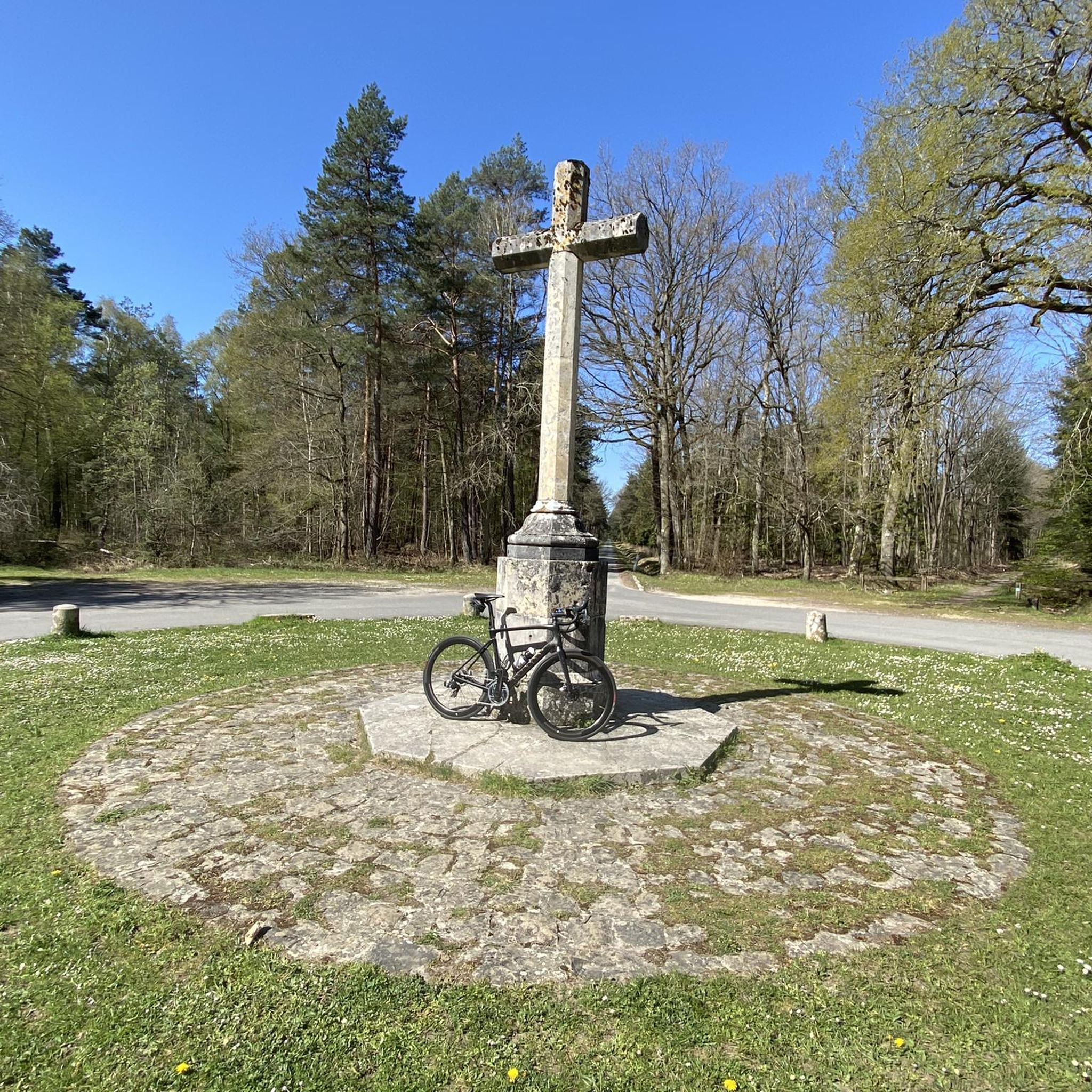
Very nice route, 3/4 of which is in the forest. The few roads used are very quiet. The advantage of this route, if you like, is that it can easily be transformed into a mountain bike route. Just look to the right or left of the cycle path and there is a single track. Have a good trip to all those who wish to take it.
0
0


According to tradition, the church choir covers the remains of an older building, possibly dating back to the 6th century, which was built to house the saint's body. According to current knowledge, the commune of Saint-Piat (Sanctus Piatus in Latin) officially appeared in 1087, mentioned in a charter of the Nottonville Priory (Eure-et-Loir), on which it depended. The current building was rebuilt during the time of Francis I, as suggested by the date 1535 engraved on two buttresses of the apse and the date 1542 engraved on a piece of wood from the vault. This is according to a study by the SAEL (Eure-et-Loir Archaeological Society). The three-sided apses, the dripstone towers (horizontal members projecting from a wall), and the sculpted roof structures are a testament to the importance of the reconstructions carried out in the department during the 16th century. The church of Saint-Piat is one of them. While the church has not been officially recognized, it nevertheless contains objects that have attracted attention both for their antiquity and quality, but not always for good reason. Their artistic value, far from attracting only religious or aesthetic interest, has also aroused a covetousness that, unfortunately, remains for some of them. Fortunately, those still in place are carefully cared for and offer the curious a story to discover, a beauty to slowly ponder as they progress toward the choir.
0
0

Many centuries ago, our ancestors discovered the possibility of harnessing the power of the elements—which, while helpful and useful on the one hand, could also be a threat as untamed forces of nature—for various purposes, thus eliminating the need for human or animal muscle power. Mills like these are a good example of the human engineering skills of earlier generations: The heavy millstones used to grind grain or press oil, for example, could be powered by wind or—as in this case—water.
0
0

It is best to take it in the direction of the ascent, from south to north.
0
0

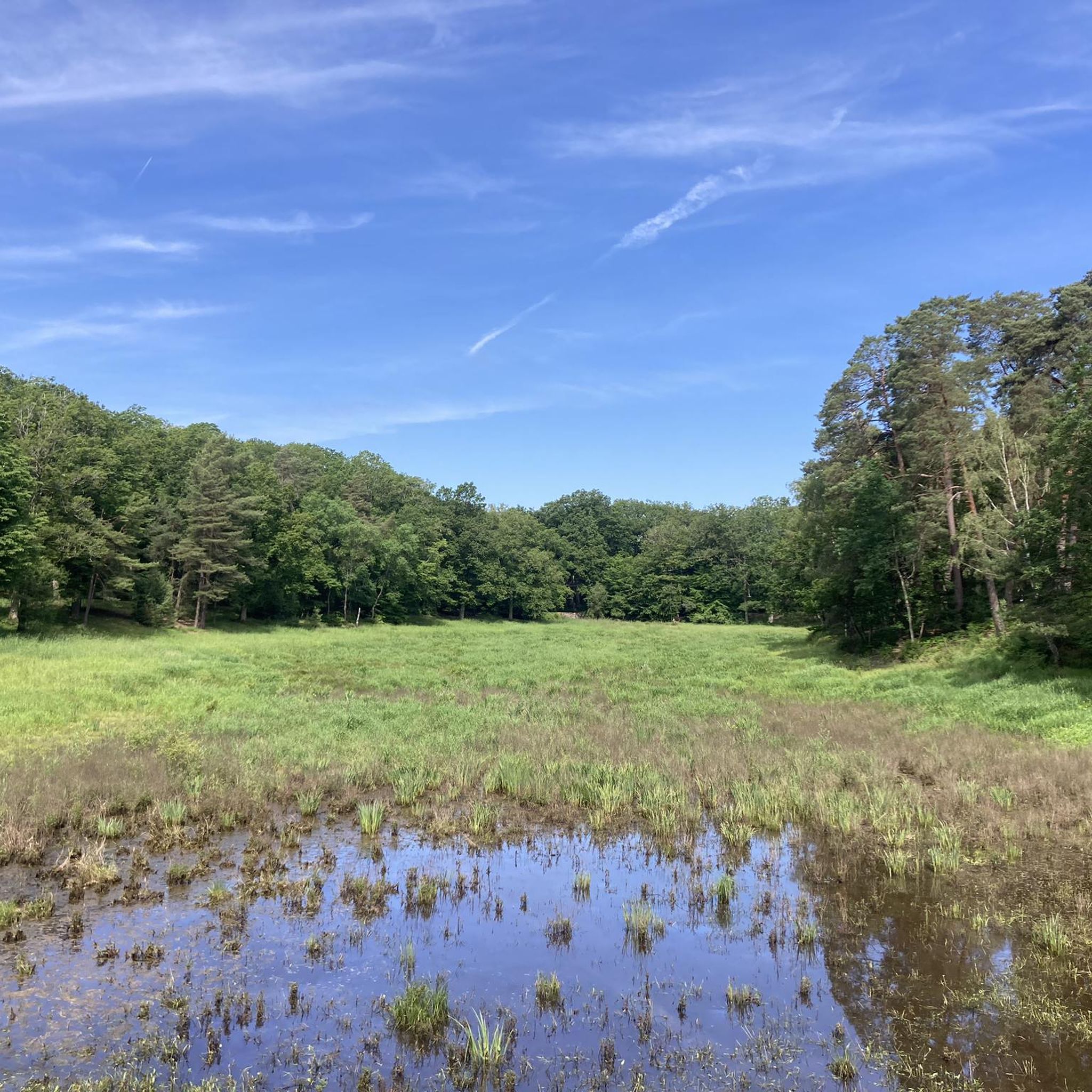
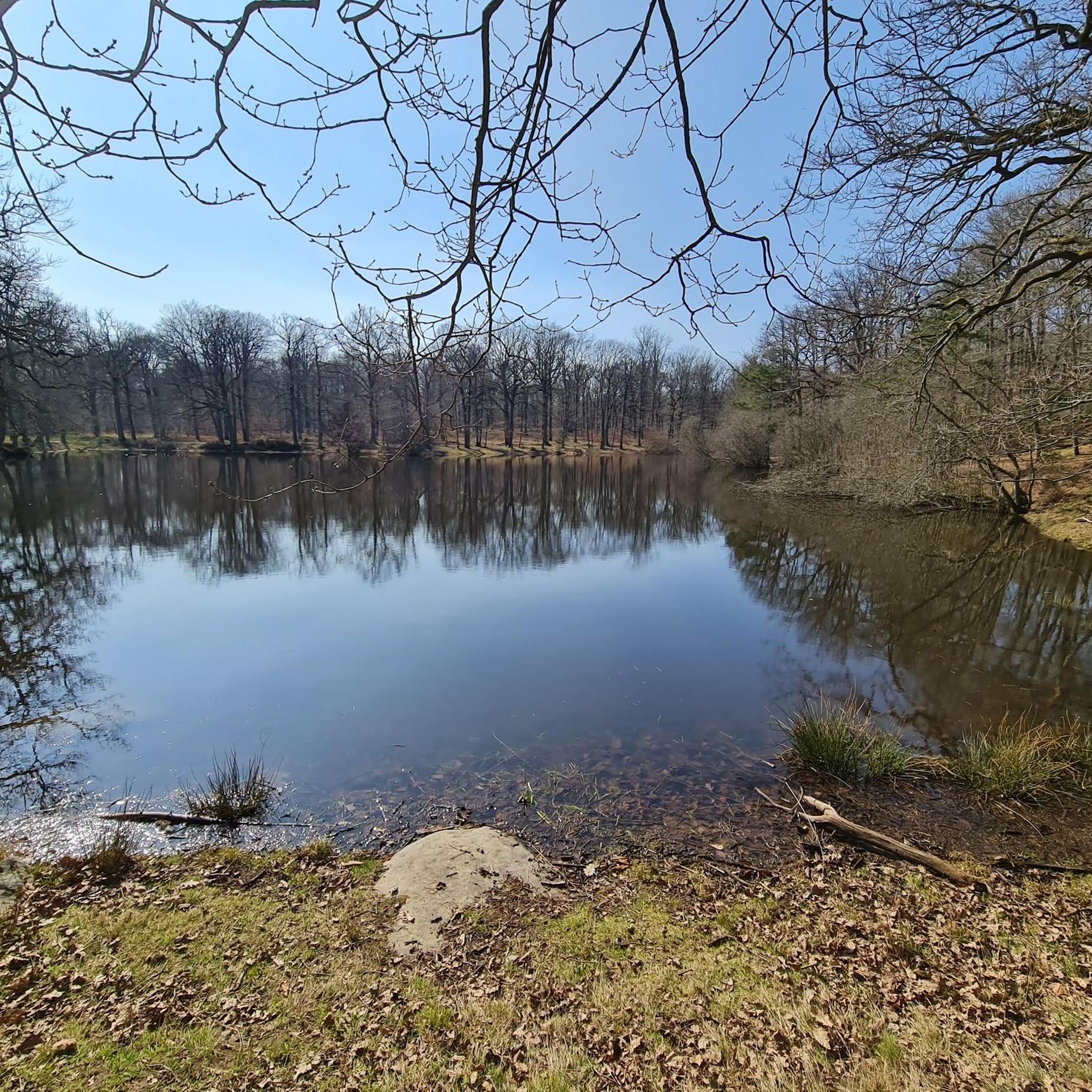
Very beautiful pond
0
0

large bird reserve and nautical activities
0
0
Church of Saint Peter and Saint Paul The construction of the church is said to have been initiated by Don Roger, abbot of the very powerful Benedictine abbey of Coulombs from 1115 to 1174. At that time, the abbey stood near Nogent-le-Roi, a former fortified town located twelve kilometers away on the banks of the Eure. Spread over more than 80 parishes, it had a considerable influence in the region until the Revolution, whether from a religious, economic or social point of view. The Romanesque style that it had adopted since its original construction was reworked in the 16th century by the opening of tall Gothic windows around the choir. Finally, in the following century, during the Wars of Religion, the church suffered serious damage. When peace returned, the entrance porch was finally rebuilt in the elegant Renaissance style. In 1950, a fire destroyed the church and all its furniture; it was restored at the end of the 20th century.
0
0
Frequently Asked Questions
How many road cycling routes are available around La Boissière-École?
There are over 270 road cycling routes available around La Boissière-École, offering a wide range of options for different skill levels and preferences.
Are there road cycling routes suitable for beginners in La Boissière-École?
Yes, the region offers over 110 easy road cycling routes. A great option for beginners is the Chateau de Bourdonné – Adainville Church loop from Saint-Lucien, which is 36.2 km long and features gentle elevation changes.
What kind of challenges can advanced road cyclists expect in this region?
While most routes are easy to moderate, the region's rolling countryside provides opportunities for sustained climbs. For example, the Épernon town hall – Lavoir de Soulaires loop from La Boissière-École covers 103.8 km with nearly 500 meters of elevation gain, offering a good challenge.
What is the best time of year for road biking around La Boissière-École?
The spring and summer months are generally ideal for road biking in La Boissière-École. The weather is typically pleasant, and the agricultural landscapes are vibrant. Autumn also offers beautiful scenery with changing foliage.
Are there any scenic viewpoints along the road cycling routes?
The routes often pass through open stretches with views of the rolling countryside and agricultural fields. While specific designated viewpoints are less common, the charm comes from the picturesque villages and historic architecture encountered along the way, such as those on the Half-timbered house – Château de Mormoulins loop from Faverolles.
What historical landmarks can I see along the road cycling routes?
Many routes weave through historic areas. You can encounter landmarks like the Château de Mormoulins or the Château de Rambouillet. The Avre Aqueduct – Anet Castle loop from Faverolles specifically leads past significant historical sites.
Are there any family-friendly road cycling routes in the area?
Yes, many of the easier routes are suitable for families. The region's network of paved roads and moderate elevation changes make it accessible. Consider routes with shorter distances and less traffic for a more relaxed family experience.
Are there loop road bike routes available?
Most of the road cycling routes around La Boissière-École are designed as loops, allowing you to start and end at the same point. This is convenient for parking and exploring the area without retracing your steps.
What do other road cyclists enjoy most about road cycling in La Boissière-École?
The area is highly rated by the komoot community, with an average score of 4.5 stars from over 80 reviews. Cyclists often praise the charming villages, the mix of open and tree-lined roads, and the varied terrain that offers both easy rides and more challenging sections.
Are there places to stop for refreshments or cafes along the routes?
The routes connect small towns and villages where you can typically find local cafes, bakeries, or small shops for refreshments. Planning your stops in advance, especially on longer routes, is always a good idea.
Where can I find parking for road cycling routes in La Boissière-École?
Many routes start from villages or towns that offer public parking facilities. When planning your tour on komoot, you can often find information about suitable starting points with parking options near the route's beginning.
Are there any lakes or ponds visible from the road cycling routes?
Yes, the region features several beautiful bodies of water. Depending on your chosen route, you might pass by or near highlights such as Rompu Pond, Étang de Saint-Hubert, or the Vilpert Ponds, offering serene views.
Most popular routes around La Boissière-École
Most popular attractions around La Boissière-École

Get inspired with the komoot mobile app


Explore more
Browse the best Road cycling routes in other regions.
