Saint-Julien-Molin-Molette
Saint-Julien-Molin-Molette
Top 9 Natural Monuments around Saint-Julien-Molin-Molette
Best natural monuments around Saint-Julien-Molin-Molette are found within the Pilat Regional Natural Park, a protected area spanning approximately 72,000 hectares. This region offers a diverse landscape of forests, pastures, and varied altitudes. Saint-Julien-Molin-Molette serves as a base for exploring these natural features. The area provides opportunities to experience the natural environment of the Loire and Rhône departments.
Best natural monuments around Saint-Julien-Molin-Molette
- The most popular natural monument is Crêt de la Perdrix, a summit that offers a 360-degree view…
Last updated: July 4, 2026
Crêt de l'Œillon
Highlight • Summit
Translated by Google •
Tip by

The Three Teeth
Highlight • Summit
Translated by Google •
Tip by

Sign up now to discover places like this
Get recommendations on the best single tracks, peaks, & plenty of other exciting outdoor places.
Sign up for free
Crêt de la Perdrix
Highlight • Summit
Translated by Google •
Tip by

Crêt de la Botte
Highlight • Summit
Translated by Google •
Tip by

Chaubouret Cross
Highlight • Natural Monument
Translated by Google •
Tip by

Sign up for free to discover even more natural monuments around Saint-Julien-Molin-Molette.
Sign up for free
Already have an account?
Start today with a free account
Your next adventure awaits.
Login or Signup
Popular around Saint-Julien-Molin-Molette
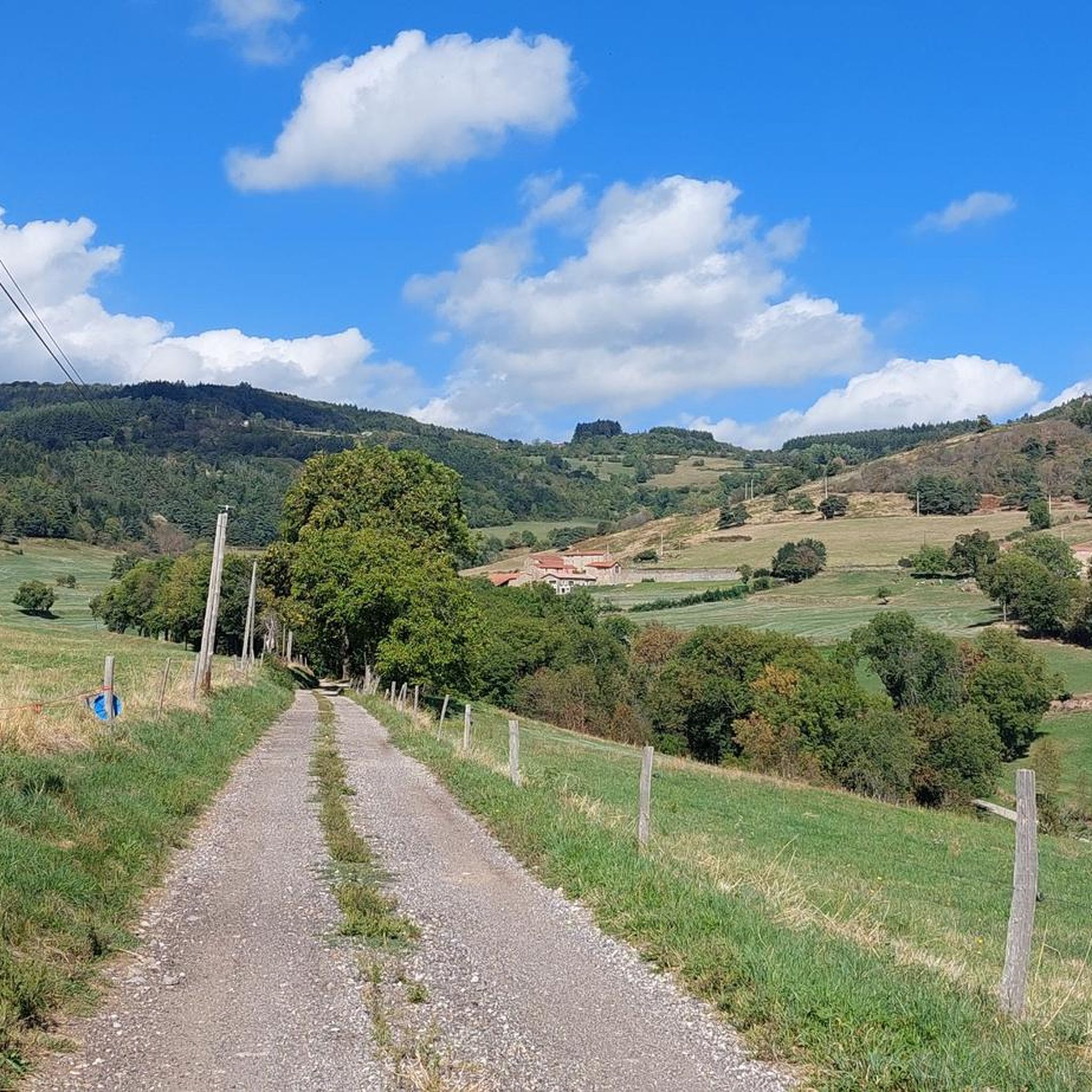
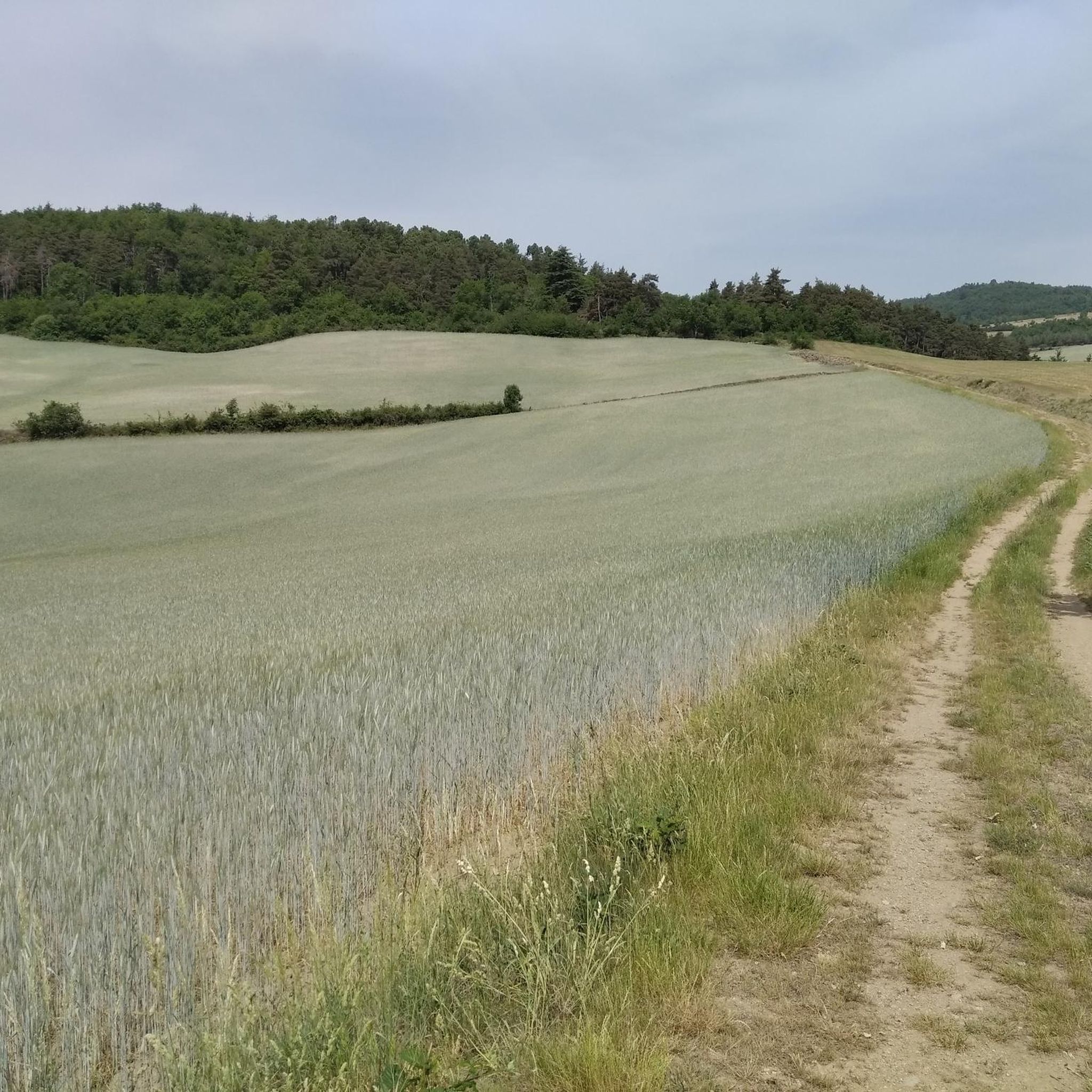
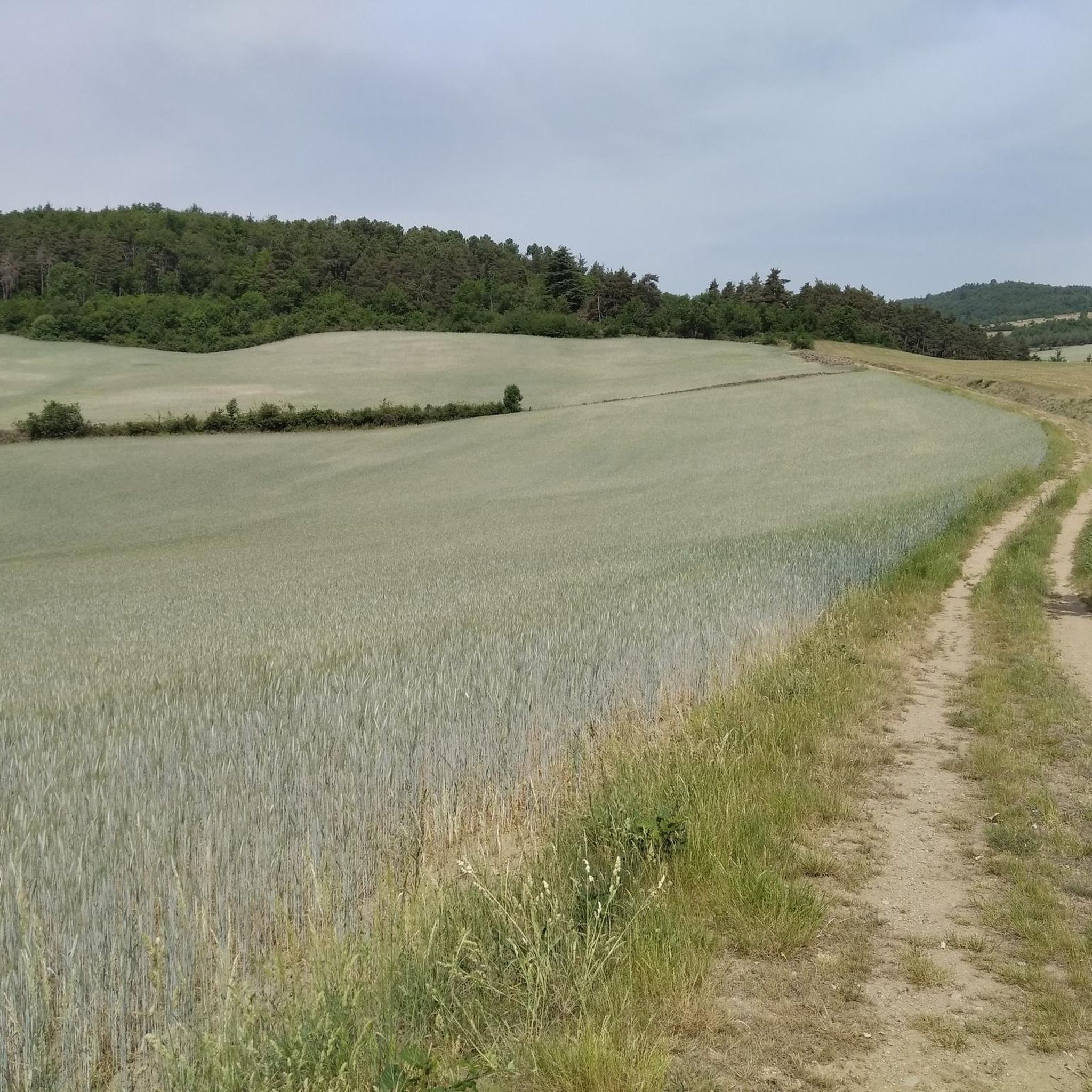
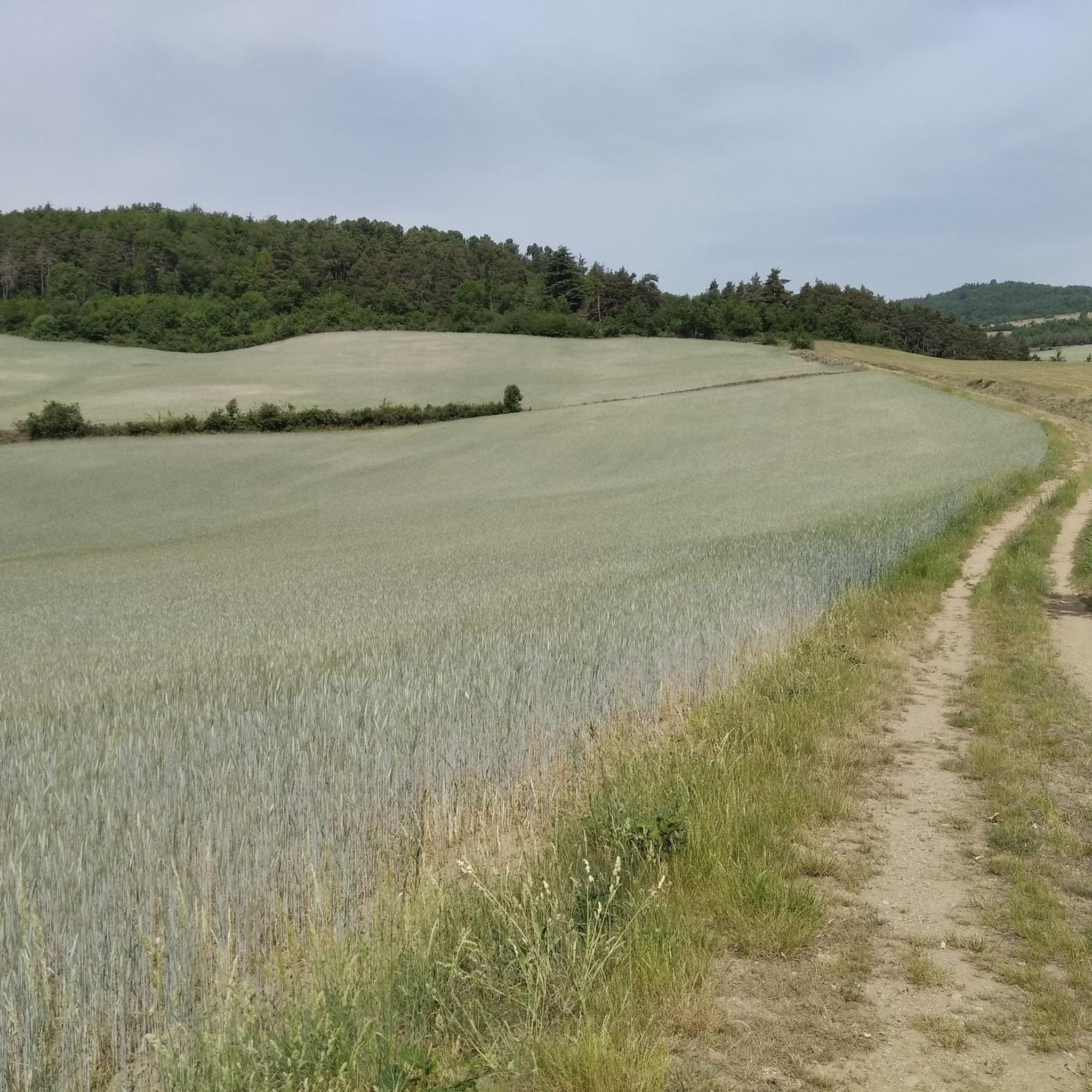
Tips from the Community

A superb November morning, with a changing mist.
0
0

Very beautiful view of the Rhône valley
0
0

Any self-respecting cyclist must, after reaching the Col de l'Oeillon, continue to the Crêt de l'Oeillon, the true summit and final objective of this climb!
0
0


The second most remarkable summit of the Pilat behind the Crêt de la Perdrix, this giant of gneiss and granite reveals, from its height of 1,364 meters, its trump card: a bird's-eye view of the Pic des Trois dents and the valley of the Rhône which extends at its feet. On a clear day, the gaze wanders to strange apparitions which imprint their reliefs on the horizon line: the Vercors mountains, the Ecrins and the Mont-Blanc range, for a natural spectacle that is both unreal and majestic.
2
0

The Crêt de la Perdrix offers a magnificent 360-degree view. The path is very stony up to the orientation table. During the summer, you come across many hikers here who come to enjoy the charms of the park.
0
0

Magnificent panoramas of the Alps, the Rhône valley, Pilat and the Monts du Vivarais, almost a 360°!
2
0

Really long hill with a low gradient between 3 and 7 %max. Stunning views to mountains all the way. After to reached 1250m a really long downhill will follow you for many many km.
1
0
Frequently Asked Questions
What are some prominent natural monuments to visit near Saint-Julien-Molin-Molette?
The area offers several notable natural monuments, primarily within the Pilat Regional Natural Park. Highly recommended are Crêt de la Perdrix, known for its magnificent 360-degree views, and Crêt de l'Œillon, which provides stunning panoramas of the Rhône valley and, on clear days, the Alps. Another unique spot is The Three Teeth, a distinctive geological formation offering incredible views of the Pilat crests.
Are there any natural monuments suitable for families?
Yes, Crêt de la Perdrix is considered family-friendly, with an accessible path leading to the orientation table, despite being stony. Additionally, the Chaubouret Cross area offers practical amenities like a picnic room with toilets and a water point, making it convenient for family outings. The Lac du Ternay, while not a highlight in the guide, is also ideal for easy family walks and picnics.
What kind of views can I expect from the natural monuments in this area?
The natural monuments around Saint-Julien-Molin-Molette are primarily summits and viewpoints offering expansive vistas. From Crêt de la Perdrix, you get a superb 360-degree view. Crêt de l'Œillon provides a bird's-eye view of the Pic des Trois dents and the Rhône valley, with the Vercors, Ecrins, and Mont-Blanc visible on clear days. Crêt de la Botte also offers magnificent views of the surrounding ridges, the Rhône valley, and the Giers and Ardèche regions.
What are the geological features of the natural monuments around Saint-Julien-Molin-Molette?
The region is characterized by its varied geology within the Pilat Regional Natural Park. The Three Teeth is a prime example of a unique geological formation, with its distinctive rock structures. Crêt de l'Œillon is a giant of gneiss and granite, contributing to the dramatic landscapes and viewpoints.
Can I go hiking near these natural monuments?
Yes, hiking is a popular activity. Many natural monuments, like Crêt de la Perdrix and Crêt de l'Œillon, are accessible via hiking trails. The Pilat Regional Natural Park, where these monuments are located, offers numerous opportunities for exploring its diverse environments. For more detailed hiking routes in the area, you can explore the hiking guides around Saint-Julien-Molin-Molette.
Are there options for cycling or running near the natural monuments?
Absolutely. The region around Saint-Julien-Molin-Molette and within the Pilat Regional Natural Park is well-suited for cycling and running. For example, the Lac du Ternay features a 4-kilometer path, the 'Chemin de Ronde', perfect for jogging, and a longer 6.9 km route accessible by bike. You can find various cycling routes, including road cycling and touring, as well as running trails, by checking the Road Cycling Routes, Cycling, and Running Trails guides for the area.
What is the best time of year to visit the natural monuments in the Pilat Regional Natural Park?
The Pilat Regional Natural Park offers beauty throughout the year. However, for hiking and enjoying the views, spring and autumn often provide pleasant temperatures and vibrant scenery. Summer is also popular, especially for the cool, shaded areas around Lac du Ternay. On clear days, the views from summits like Crêt de l'Œillon are particularly magnificent, allowing sight of the Alps.
Are the trails to these natural monuments challenging?
The difficulty varies. While some paths, like the one to Crêt de la Perdrix, are generally accessible, others can be more technical. For instance, the descent to The Three Teeth from Col de l'Oeillon is described as technical, with many stones and vegetation. Always check the specific route details for elevation and terrain before you go.
Is Lac du Ternay considered a natural monument, and what can I do there?
While an artificial lake, Lac du Ternay is a significant natural attraction just 4 km from Saint-Julien-Molin-Molette, often described as a 'little Canada' due to its serene beauty. It's surrounded by abundant Lebanese cedars and hundred-year-old sequoias, providing exceptional shade. You can enjoy easy family walks along the 4-kilometer 'Chemin de Ronde', jog, or picnic by the water. Fishing is also permitted, with pike, zander, and perch found in the lake. Swimming is prohibited.
Are dogs allowed on trails to the natural monuments?
The Pilat Regional Natural Park generally welcomes dogs, but it's always advisable to keep them on a leash, especially in protected areas or near livestock. Specific rules may apply to certain trails or natural sites, so checking local signage is recommended.
Where can I find parking when visiting these natural monuments?
Parking availability can vary by specific monument. Popular spots like Crêt de la Perdrix are busy on weekends, suggesting designated parking areas. For the Chaubouret Cross, there are facilities that imply parking is available. It's best to check specific trailheads or visitor information for each monument for precise parking locations.
What makes the Pilat Regional Natural Park significant for natural monuments?
The Pilat Regional Natural Park, spanning 72,000 hectares, is a preserved territory rich in diverse fauna and flora, with varied landscapes including forests, pastures, vineyards, and orchards. Its commitment to conserving natural, human, and historic riches makes the entire area a significant natural monument. It encompasses numerous summits, viewpoints, and unique geological formations, providing a broad range of natural wonders to explore.
What do visitors particularly enjoy about the natural monuments here?
Visitors frequently praise the magnificent panoramic views, especially the 360-degree vistas from summits like Crêt de la Perdrix. The unique geological formations, such as The Three Teeth, are also highly appreciated. The refreshing atmosphere provided by the ancient trees around Lac du Ternay and the overall tranquility of the Pilat Regional Natural Park are also highlights for many.
Most popular routes around Saint-Julien-Molin-Molette
Most popular attractions around Saint-Julien-Molin-Molette

Get inspired with the komoot mobile app


Explore more
Extend your search for the best caves by checking out these guides of the top ones around Saint-Julien-Molin-Molette:
