Top 15 Natural Monuments around Allos
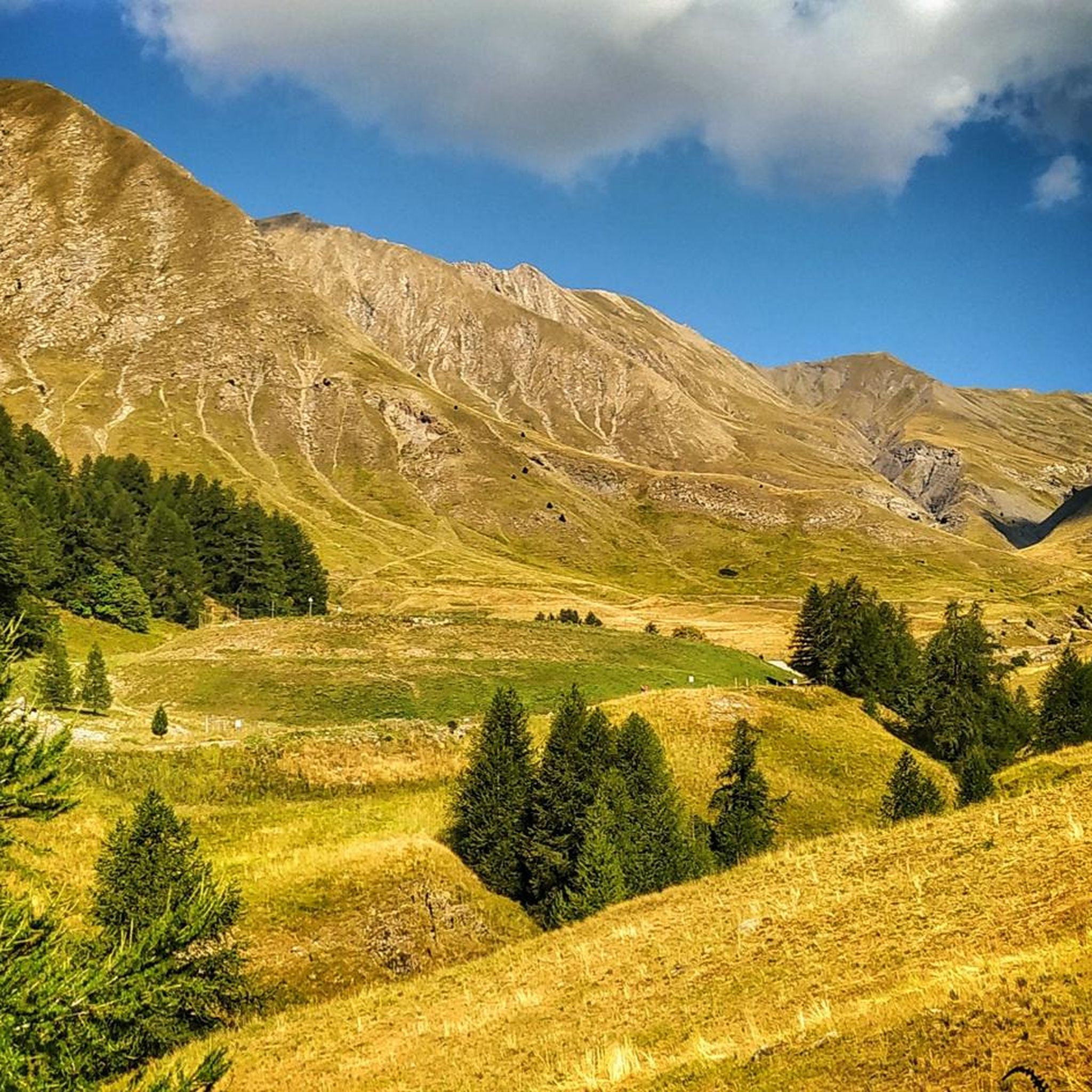
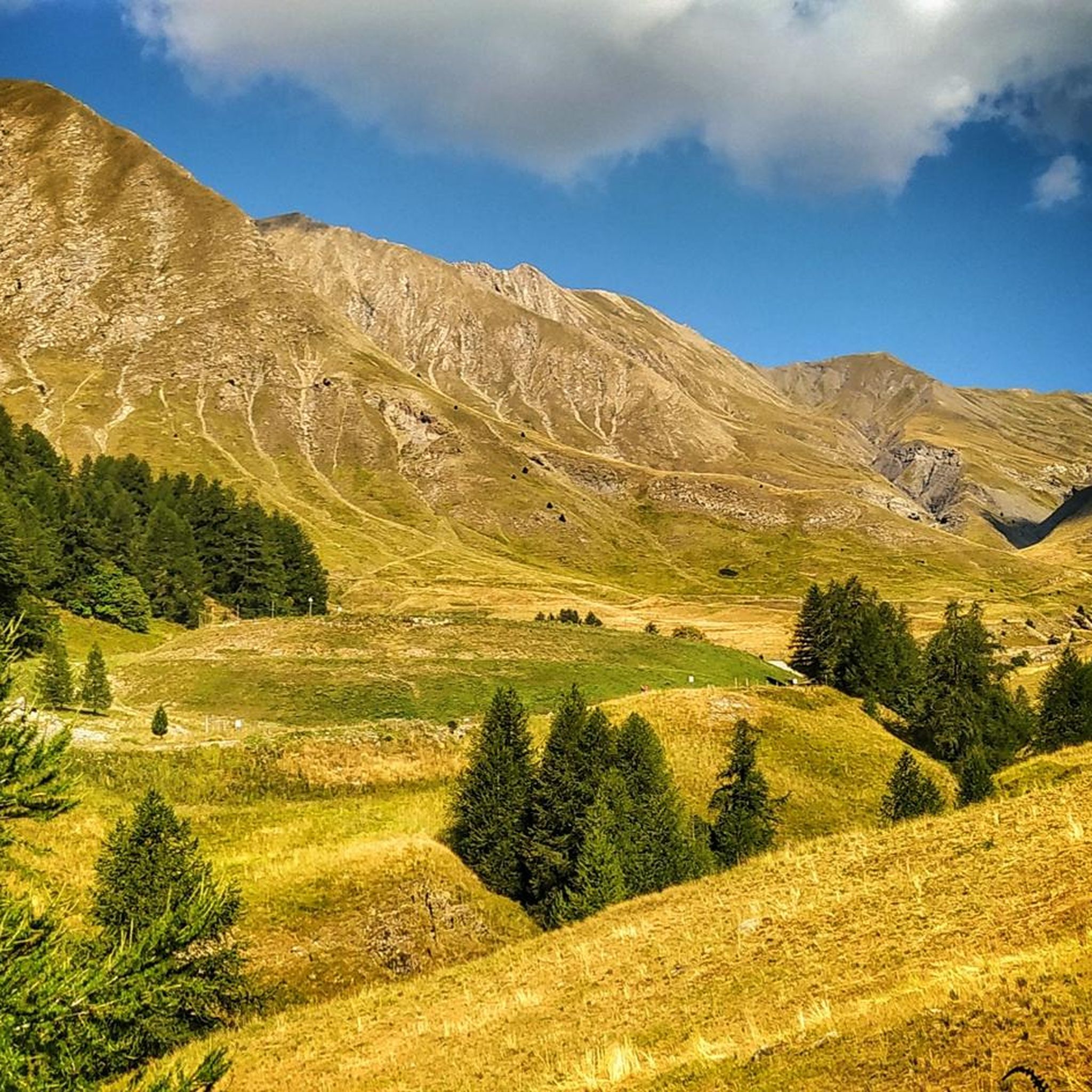
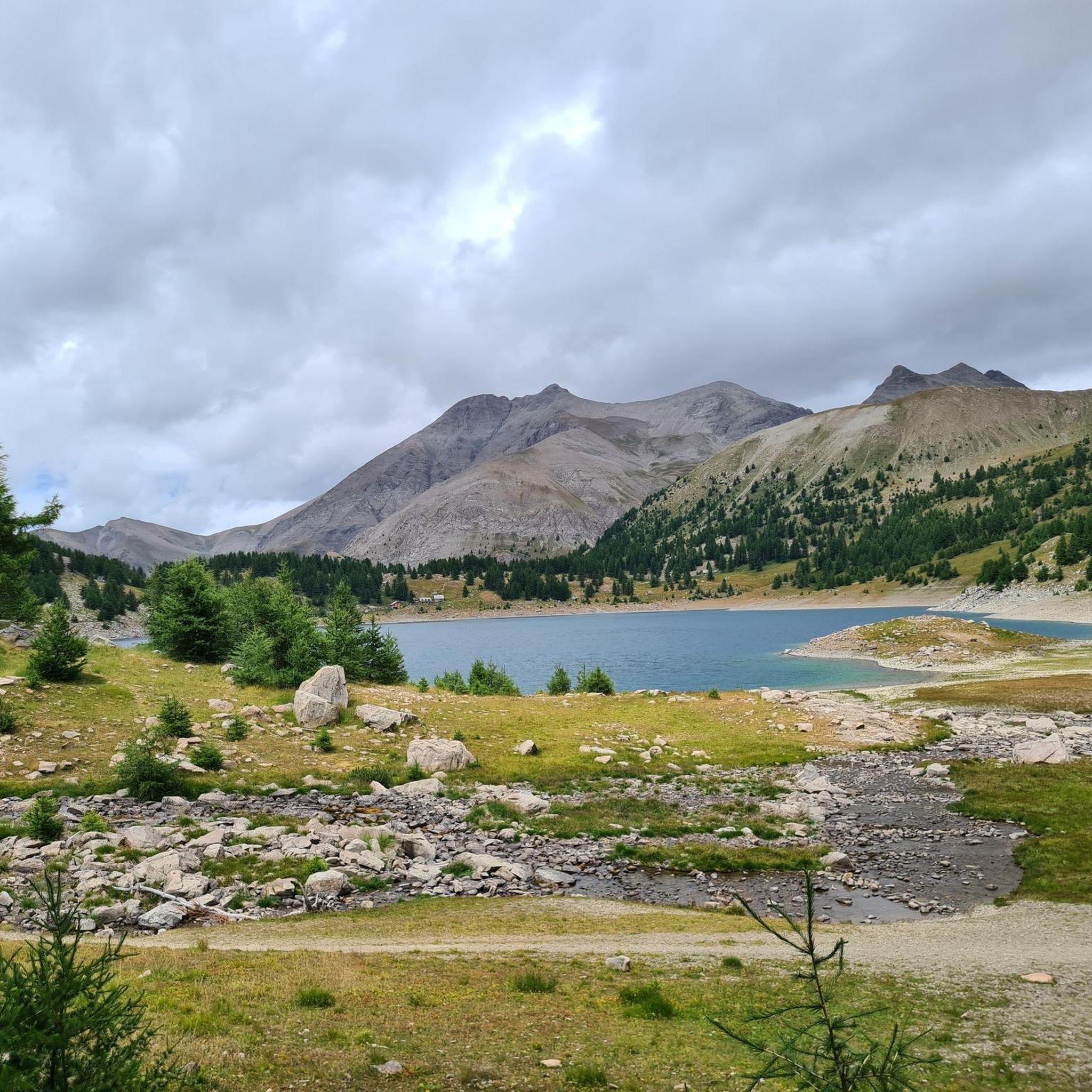
Best natural monuments around Allos are characterized by their alpine setting in the French Alps, offering a diverse natural landscape. The region features numerous high-altitude mountain passes and significant summits, providing extensive views. These natural features are integral to the area's geography, shaped by glacial activity and contributing to its unique character. Visitors can explore a variety of terrains, from winding mountain roads to challenging trails.
Best natural monuments around Allos
- The most popular natural monuments is Cayolle Pass,…
Last updated: May 6, 2026
Cayolle Pass
Highlight • Mountain Pass
Translated by Google •
Tip by

Champs Pass
Highlight • Viewpoint
Translated by Google •
Tip by

Sign up now to discover places like this
Get recommendations on the best single tracks, peaks, & plenty of other exciting outdoor places.
Sign up for free
Moutière Pass
Highlight • Mountain Pass
More information: quaeldich.de/paesse/col-de-la-moutiere and de.wikipedia.org/wiki/Col_de_la_Mouti%C3%A8re
Translated by Google •
Tip by

Col de la Bonette
Highlight • Mountain Pass
Tip by

Tête de la Sestrière
Highlight • Summit
Translated by Google •
Tip by

Sign up for free to discover even more natural monuments around Allos.
Sign up for free
Already have an account?
Start today with a free account
Your next adventure awaits.
Login or Signup
Popular around Allos
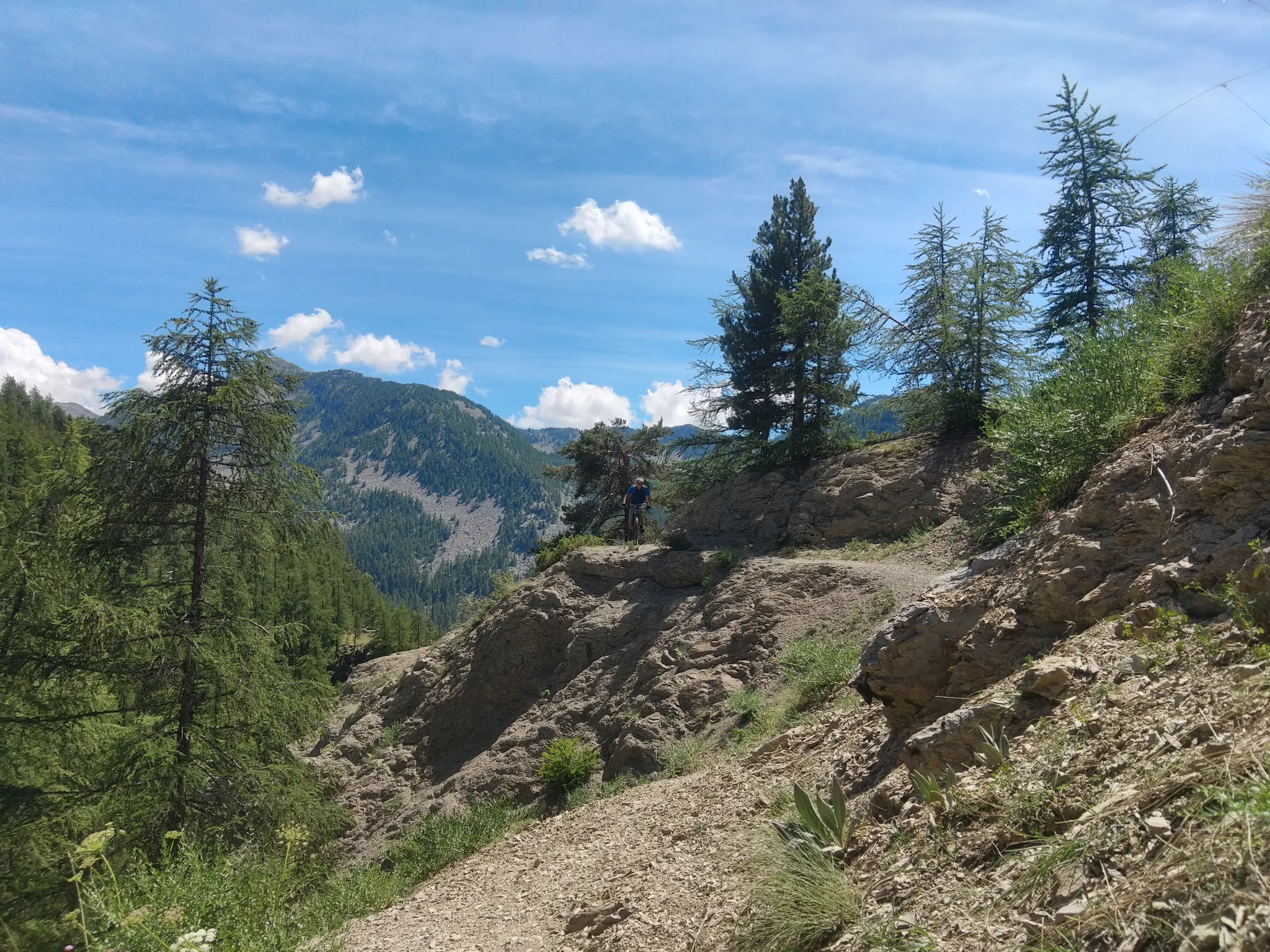
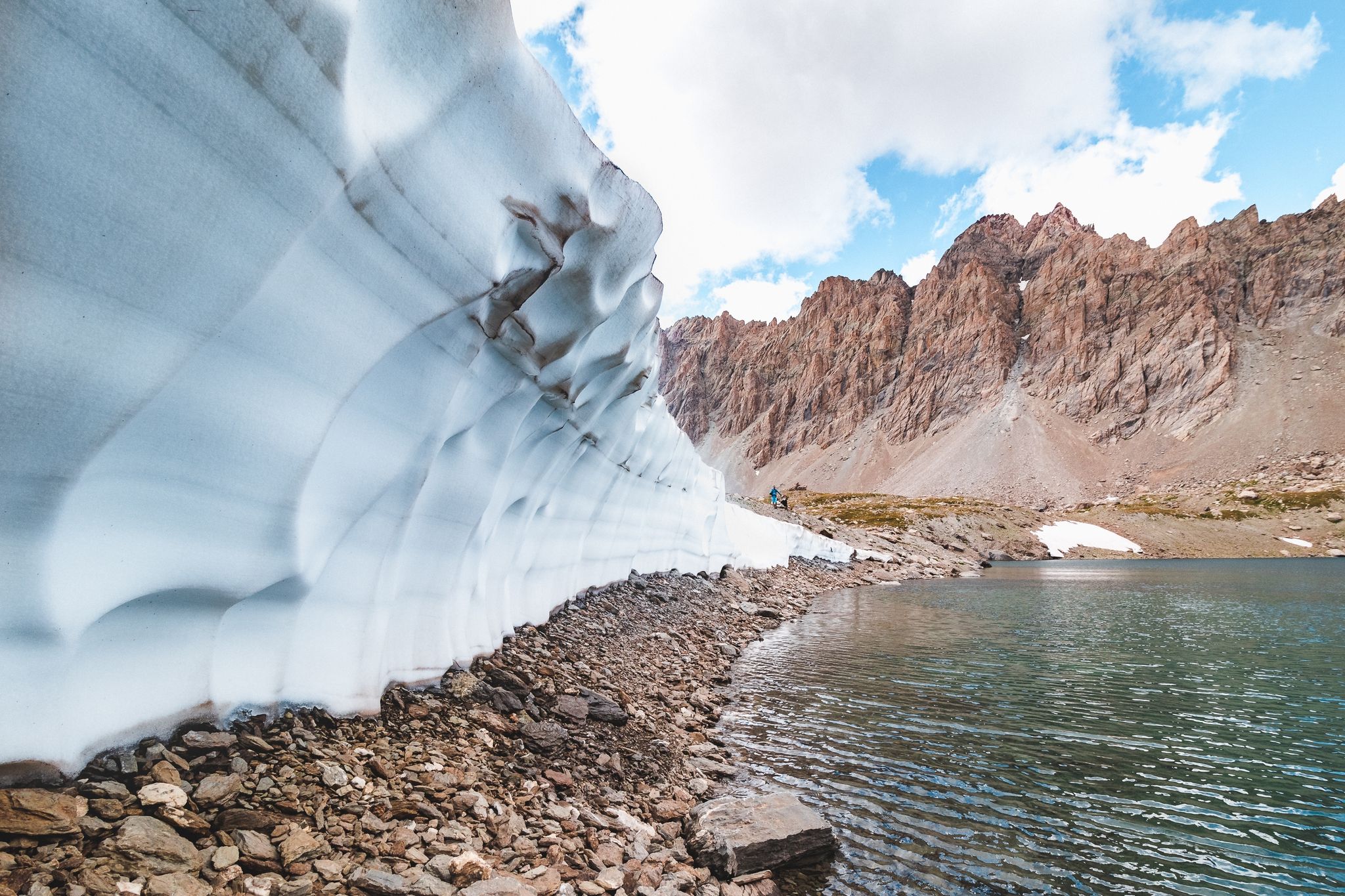
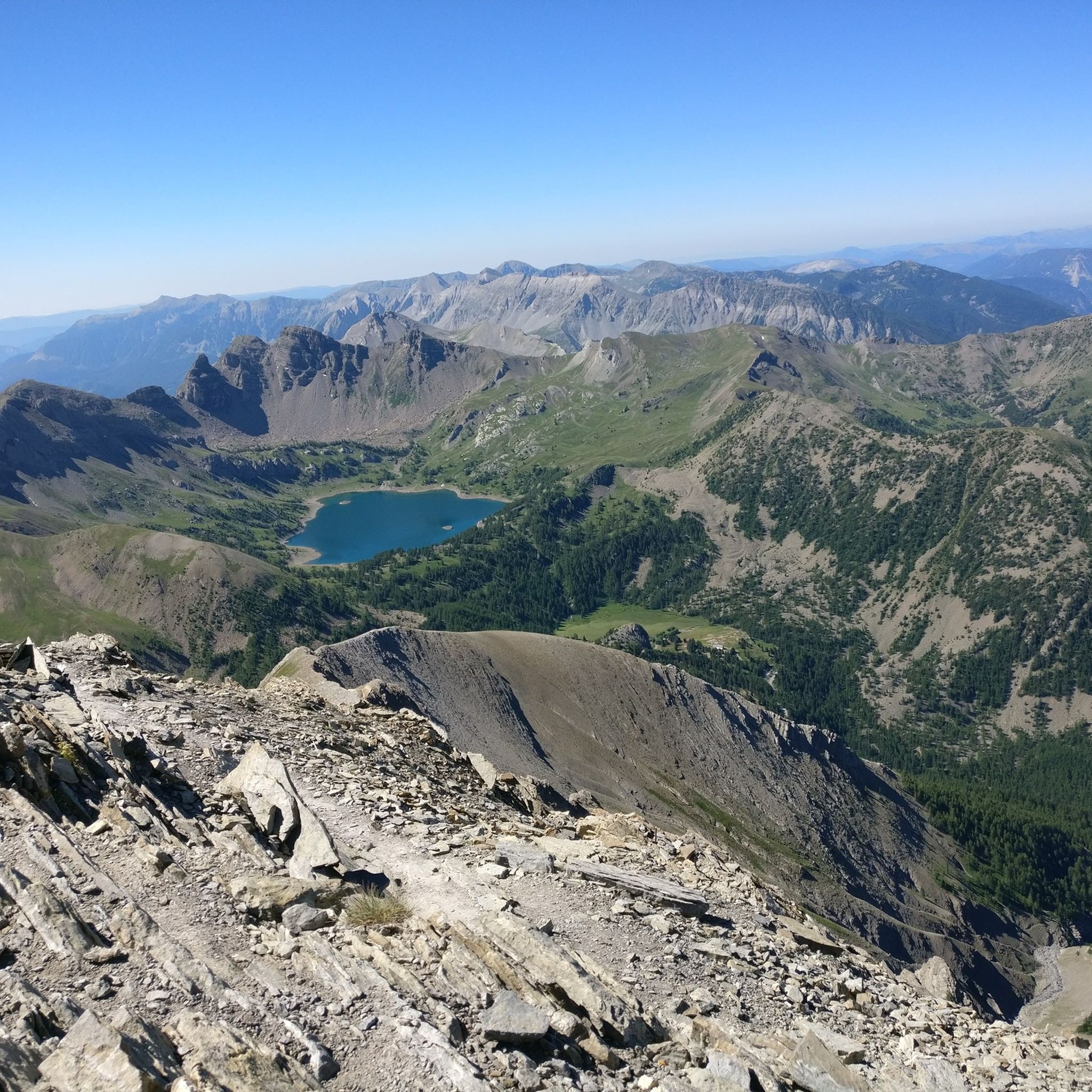
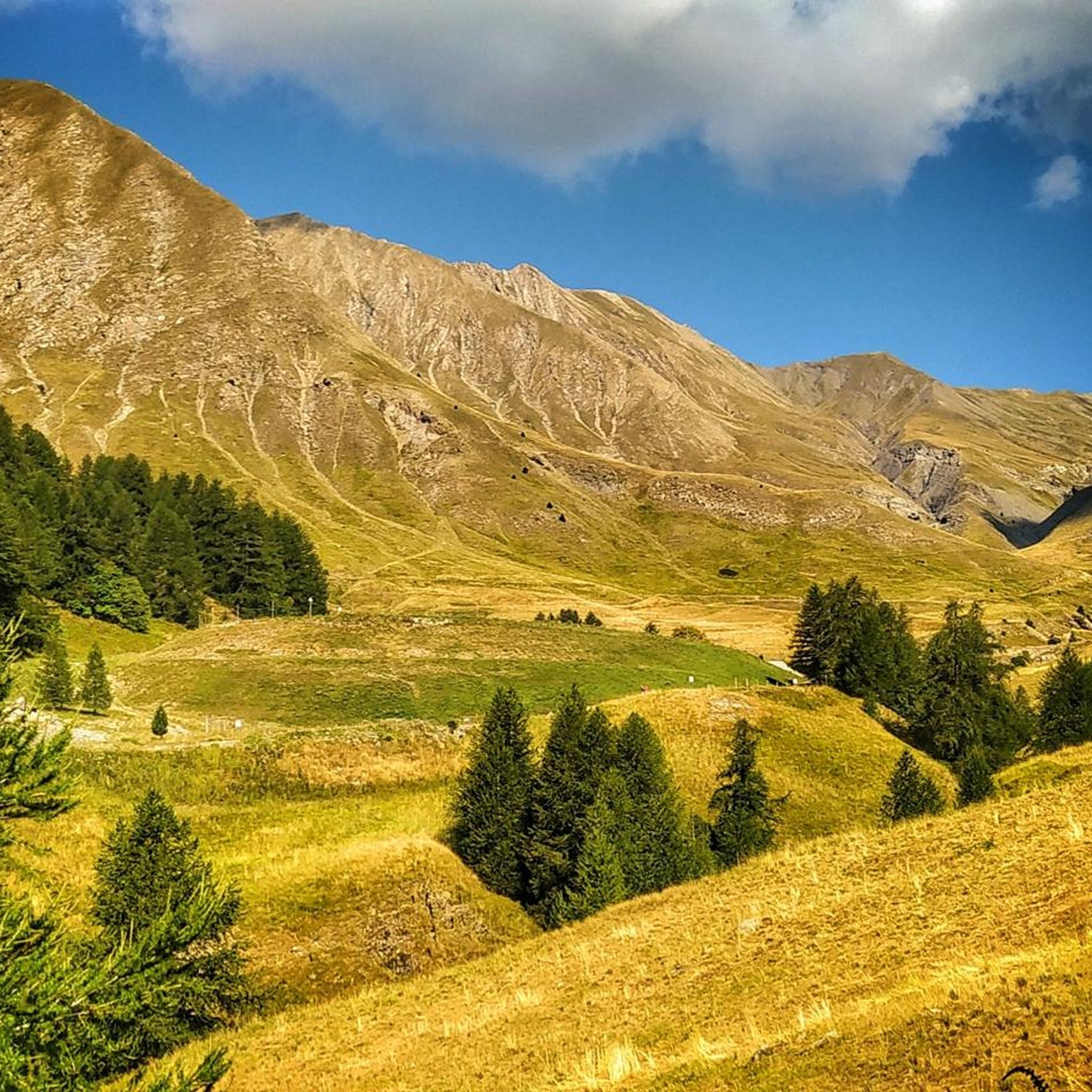



Tips from the Community

If there were a ranking of the most beautiful, undiscovered Alpine passes in the cycling world, the Moutière would certainly be a contender. Starting from Saint-Dalmas-le-Selvage, the climb through the valleys of Sestrière and Sagnas is simply sublime.
0
0

Gorgeous pass with very little traffic and perfect asphalt.
18
0
A long climb but never too difficult, the views are stunning.
17
0
Very long climb with wonderful views.
16
0
A very long climb with little traffic, the asphalt is in perfect condition and the gradients are never too steep.
15
0

The Col de la Moutière is located in Provence-Alpes-Cote d'Azur. This climb is part of the Alps. From Saint Etienne de Tinée, the Col de la Moutière is 18.3 km long. Over this distance 1300 altimeters are bridged. The average slope of the rise is, therefore, 7.1%. You can check the current traffic and winter situation on the Col de la Moutière in Provence-Alpes-Cote d'Azur on Bison futé.
0
0


By the side from Colmars, it offers an 11.5 km climb with an average gradient of 7.2% rather regular, except for the very end on the flat. Culminating at an altitude of 2,087 m, it marks the passage between the departments of Alpes-de-Haute-Provence and Alpes-Maritimes, linking the valleys of Verdon and Var. As its name seems to indicate, it is a pass little used by cars which takes the time to walk in a territory that is still wild. It begins with hairpin bends winding through a forest of larches and pines, and opening in places onto clearings that are sometimes cultivated. At the exit of the forest massif, it then crosses magnificent high mountain landscapes which are somewhat reminiscent of the Dolomites. A very nice collar, a must.
4
0
Frequently Asked Questions
What are some of the most popular natural monuments to visit around Allos?
The region around Allos is known for its stunning mountain passes and panoramic viewpoints. Among the most popular are Cayolle Pass, which offers a remarkable panorama and quiet roads at over 2,324 meters, and Champs Pass, a viewpoint known for its stunning views after a long, scenic climb. Another favorite is Moutière Pass, an unpaved alpine pass offering spectacular views from 2,444 meters.
What kind of outdoor activities can I do near the natural monuments in Allos?
The natural monuments around Allos are ideal for various outdoor activities. You can find numerous road cycling routes, such as the challenging 'Fortifications of Colmars – Ascent to Peone - Valberg loop from Allos' or the moderate 'Allos – Refuge de l'Allos loop from Allos'. For mountain biking, options include the 'Refuge du col d’Allos – Besse du Prenier descent loop from La Foux d'Allos'. Explore more routes on the Road Cycling Routes around Allos, Cycling around Allos, and MTB Trails around Allos guide pages.
Are there any family-friendly natural monuments or activities in the Allos area?
While specific 'family-friendly' categories aren't listed for all monuments, the Lac d'Allos offers an interpretation trail around the lake that is accessible for people with physical handicaps using 'Joëlette' off-road wheelchairs, making it more inclusive. The serene environment and wildlife observation opportunities can also be enjoyable for families.
What geological features can be observed in the natural monuments around Allos?
The natural monuments in Allos are largely shaped by glacial activity. Lac d'Allos, for instance, is of glacial origin, formed during the Quaternary period, and fed by melting snow and springs. The surrounding peaks, like Mont Pelat, offer insights into the formation of the Haut-Verdon Mercantour mountain landscapes. The region also features long waterfalls pouring into valleys, showcasing diverse geological formations.
What is the best time to visit the natural monuments around Allos?
The best time to visit the natural monuments around Allos, especially high-altitude passes and lakes, is typically during the warmer months from late spring to early autumn (June to September). During this period, the roads and trails are generally clear of snow, offering optimal conditions for hiking, cycling, and enjoying the panoramic views. Winter access to some higher passes might be restricted due to snow.
Can I observe wildlife near the natural monuments in Allos?
Yes, the area around Lac d'Allos, located within the Mercantour National Park, is particularly rich in biodiversity. You might spot arctic trout in the lake, and the surrounding area is home to marmots, ibex, and chamois, making it a significant site for wildlife observation. The tips for Tête de la Sestrière also mention seeing marmots and herds.
Are there any specific regulations or permits for visiting natural monuments like Lac d'Allos?
For Lac d'Allos, bivouacking is permitted around the lake from 7 p.m. to 9 a.m. with specific regulations. However, fires are strictly prohibited to protect the natural environment. It's always advisable to check local regulations for Mercantour National Park before your visit to ensure compliance.
What makes the <a href="https://www.komoot.com/highlight/283635" target="_blank" rel="noopener">Col de la Bonette</a> a notable natural monument?
The Col de la Bonette is renowned as one of the highest alpine passes, offering a dreamlike landscape and a spectacular panorama. While often debated as the highest road in Europe, its true appeal lies in the breathtaking views it provides. A detour to the Cime de la Bonette is highly recommended for an even more expansive vista.
What can I expect from a visit to <a href="https://www.komoot.com/highlight/1881125" target="_blank" rel="noopener">Tête de la Sestrière</a>?
At an altitude of 2,575 meters, Tête de la Sestrière offers a superb 360-degree panorama. From its summit, you can enjoy views of the Laverq valley, the Agneliers valley, and the peaks of Petite Séolane, Grande Séolane, Tête de l'Estrop, and the Three Bishoprics. It's a rewarding hike, often with opportunities to see marmots and herds.
What are the unique characteristics of <a href="https://en.wikipedia.org/wiki/Lac_d%27Allos" target="_blank" rel="noopener">Lac d'Allos</a>?
Lac d'Allos is Europe's largest natural high-altitude lake, situated at 2,228 meters within the Mercantour National Park. It's known for its crystal-clear, turquoise waters that reflect the surrounding peaks, and its unique structure as two connected basins (Grand Lac and Petit Lac). The lake reaches depths of up to 50 meters and is fed by melting snow and springs.
Where does the Verdon River originate near Allos?
The Verdon River, famous for carving out the spectacular Gorges du Verdon, has its source in La Foux d'Allos. It originates at an altitude of 2,500 meters in the Sestriere valley, close to the natural monuments of the Allos region.
Most popular attractions around Allos

Get inspired with the komoot mobile app


Explore more
Extend your search for the best caves by checking out these guides of the top ones around Allos:
