Top 2 Natural Monuments around Vias
Best natural monuments around Vias include ancient volcanic peaks, diverse coastal landscapes, and historic waterways. Vias is situated in the Hérault department, offering a blend of natural beauty and historical significance. The area features fine sandy beaches and the Canal du Midi, a UNESCO World Heritage site. Its natural areas provide opportunities for exploration and scenic views of the Mediterranean coastline and hinterland.
Best natural monuments around Vias
- The most popular natural monument is Mount Saint-Loup, a summit that…
Last updated: July 3, 2026
Mount Saint-Loup
Highlight • Summit
Translated by Google •
Tip by

Mont Saint-Loup
Highlight • Summit
Translated by Google •
Tip by

Sign up now to discover places like this
Get recommendations on the best single tracks, peaks, & plenty of other exciting outdoor places.
Sign up for free
Fountain of the Belle Agathoise
Highlight • Monument
Translated by Google •
Tip by

Mont Saint-Loup Summit and Panoramic View
Highlight (Segment) • Summit
a not so nice round 1/3 are on roads,
very quiet but well... not my thing.
Here and there are some really good spots and sections.
Translated by Google •
Tip by

Dunes and Blockhouses of the Canal du Clot
Highlight • Natural
Translated by Google •
Tip by

Sign up for free to discover even more natural monuments around Vias.
Sign up for free
Already have an account?
Start today with a free account
Your next adventure awaits.
Login or Signup

Tips from the Community

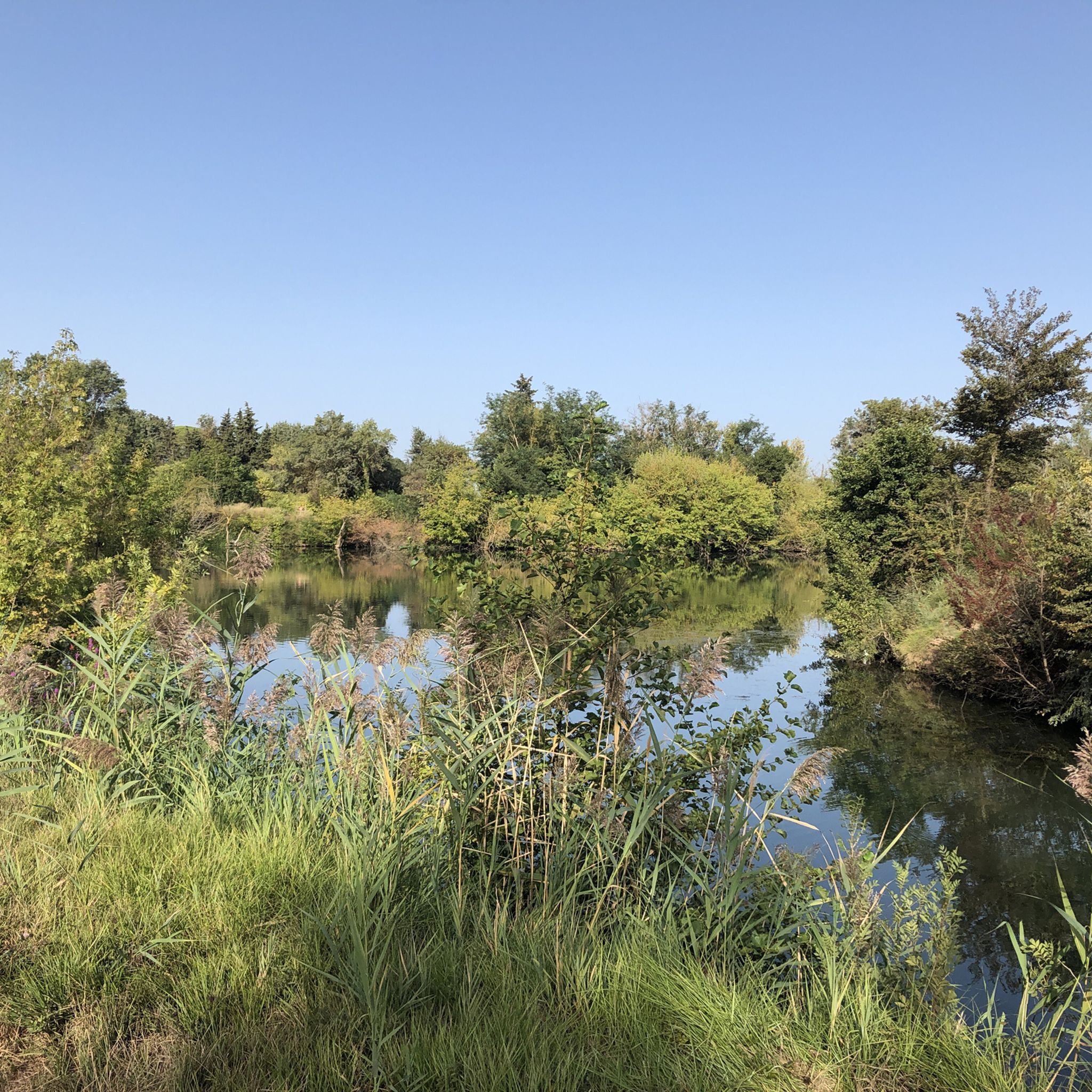
The panorama that unfolds before you is the legacy of intense volcanic activity. The first eruptions of the Agde complex began here, at Mont Saint-Loup, approximately 950,000 years ago. They would end some 50,000 years later with those of Petit Pioch. Despite the time that has passed, the landscapes of Cap d'Agde retain the imprints of this exceptional geological history.
0
0

Imposing fountain in the center of the town of Agde, featuring animals, wild beasts, and amphibians, ceaselessly vomiting jets of a moving wave. Above them, a powerful woman, the beautiful Agathoise who gives her name to this monument, looks ahead with a resolute air. The scepter in her hand acts as a shepherd's crook. At the feet of the Agathoise, human figures ceaselessly spread their scented water.
0
0

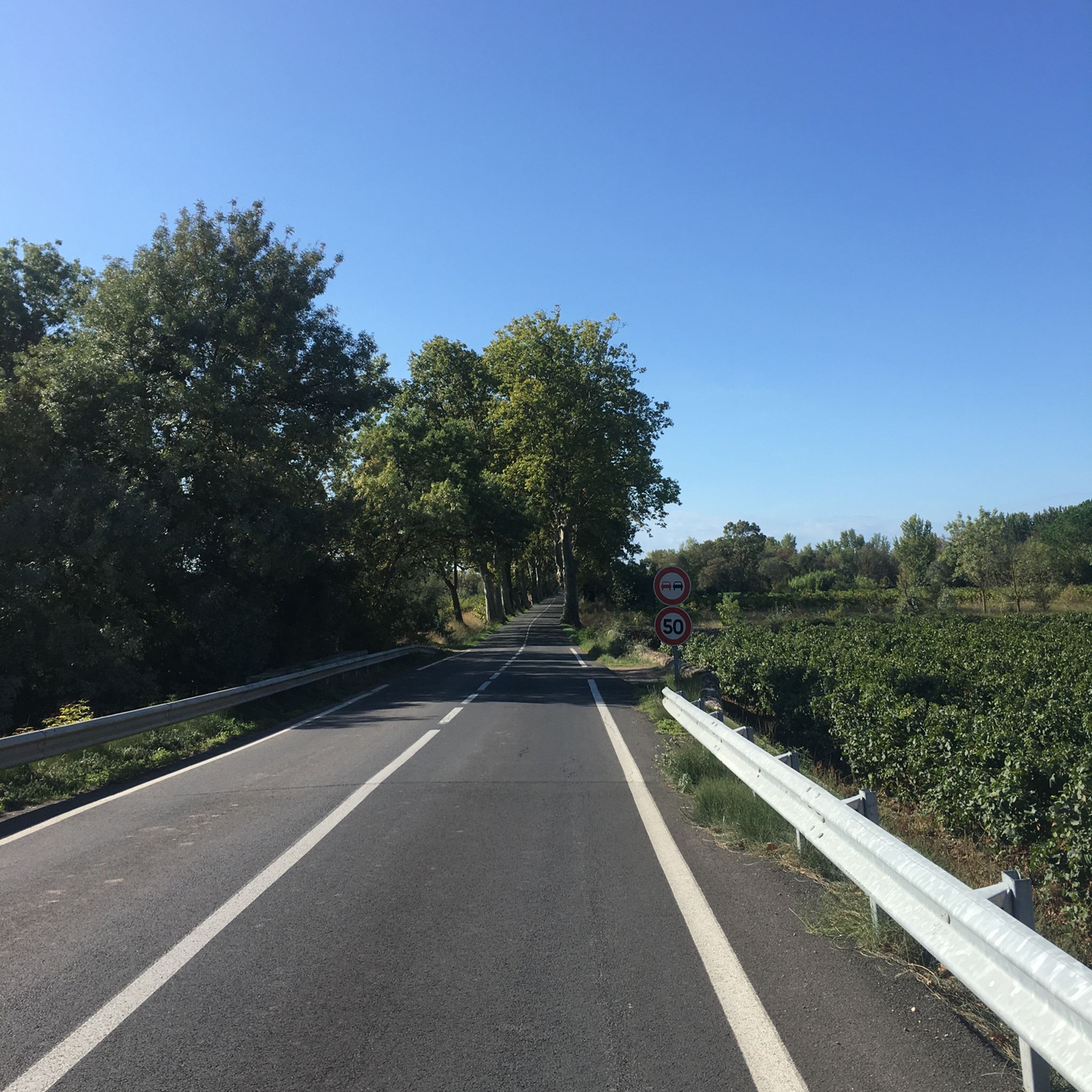
start of the road cycling circuit from Agde
0
0

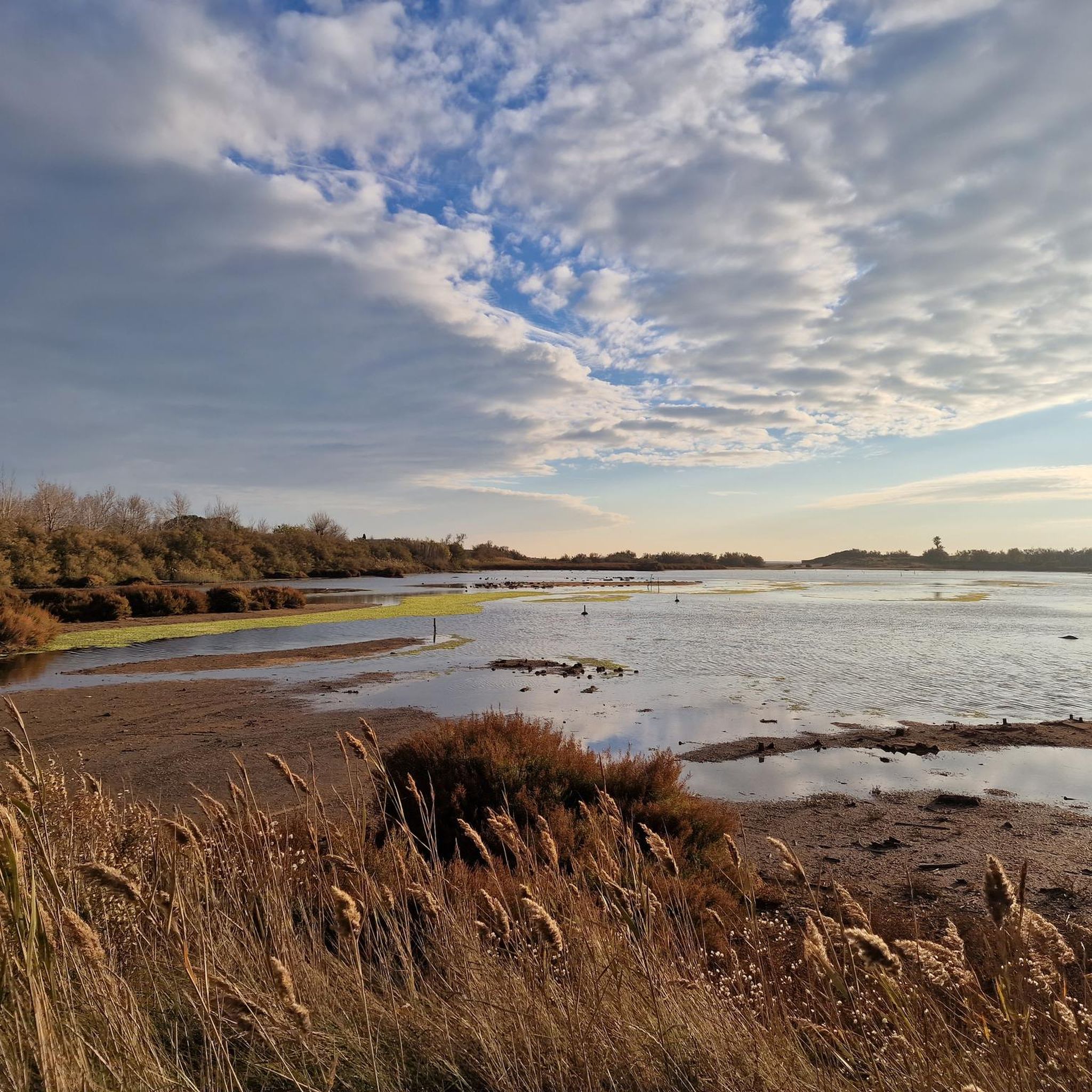
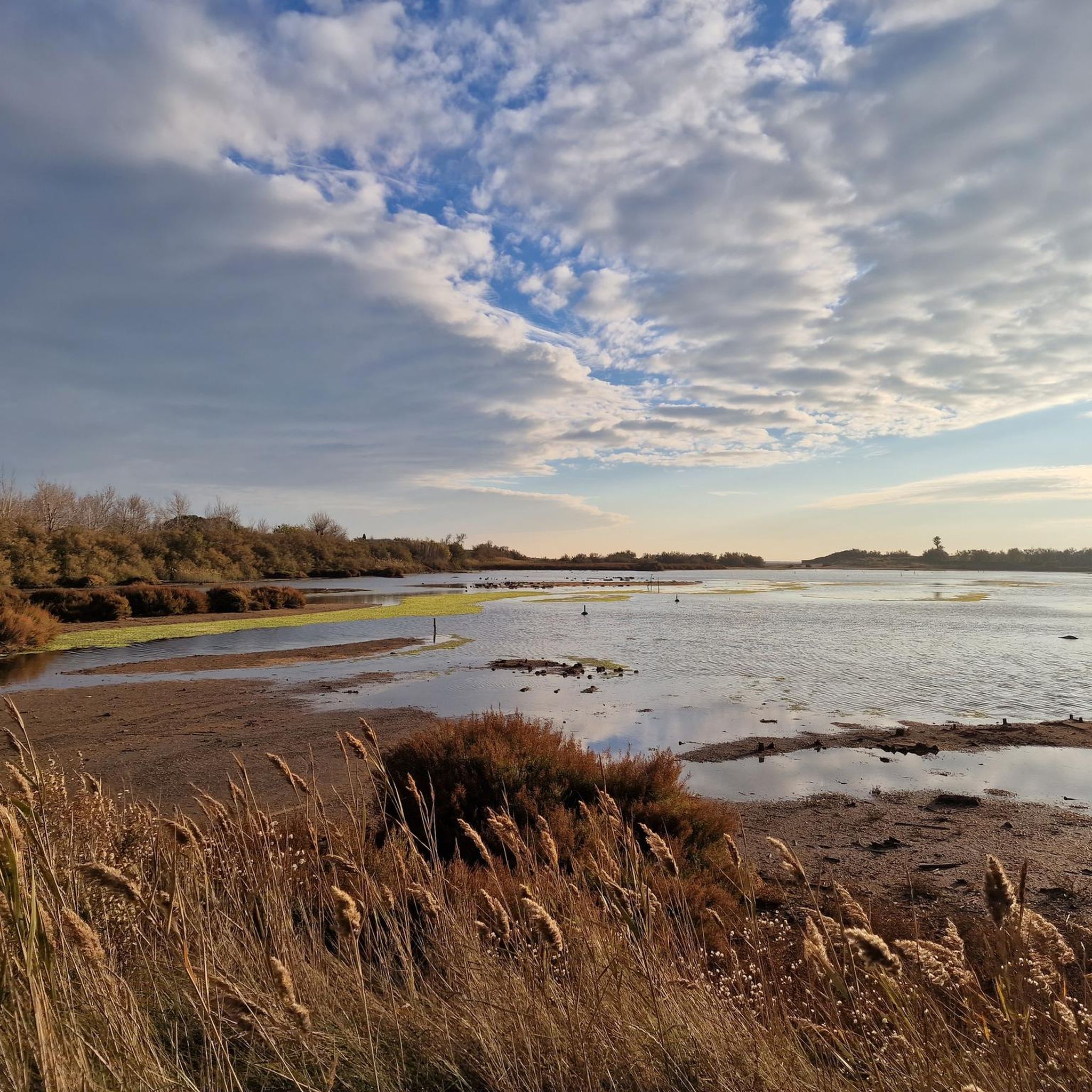
The place is not easy to reach by bike because the paths are very sandy but they allow access to a relatively quiet beach (between the Clot Canal and the mouth of the Hérault). Beautiful dune landscape highlighted by typical vegetation. Note the presence of several blockhouses dating from the Second World War.
0
0

Conclusion Mont Saint-Loup is not only a testament to the geological dynamism of southern France, but also a place of great historical and ecological importance. As a popular tourist destination, it offers a unique combination of natural beauty, rich history and diverse leisure opportunities that make it a must for every visitor to the region.
3
0
Protection and conservation In order to preserve the natural beauty and biodiversity of Mont Saint-Loup, the area is subject to various protection measures. These efforts are aimed at preserving natural habitats while making tourism sustainable to minimize environmental impact.
3
0
Tourism and recreation For visitors, Mont Saint-Loup offers an excellent opportunity to experience nature while learning about the region's geological and historical past. The climb to the summit is rewarded with stunning panoramic views that, in clear weather, stretch from the Pyrenees to the Mediterranean. The mountain is easily accessible and there are several hiking trails suitable for different fitness levels.
3
0
Nature and biodiversity Today, Mont Saint-Loup is a popular destination for hikers and nature lovers. The slopes of the mountain and the surrounding areas are home to a diverse range of flora and fauna typical of the Mediterranean ecosystem. The natural vegetation includes a mixture of sclerophyll shrubs and trees, including many endemic species adapted to the region's dry climate.
3
0
Frequently Asked Questions
What are the most notable natural monuments to explore around Vias?
Vias offers a unique blend of natural beauty and historical significance. Key natural monuments include the ancient volcanic peak of Mont Saint-Loup, which provides panoramic views, and the distinctive Dunes and Blockhouses of the Canal du Clot, where coastal dunes meet World War II history. The region's diverse beaches and the historic Canal du Midi also offer significant natural and cultural experiences.
What kind of views can I expect from the natural monuments in the Vias region?
From the summit of Mont Saint-Loup, you can enjoy spectacular panoramic views of the coastline, including Cap d'Agde, the Mediterranean Sea, and the surrounding hinterland. The Dunes and Blockhouses of the Canal du Clot offer scenic coastal vistas of the dune landscape and the quiet beach between the Clot Canal and the Hérault river mouth.
Are there family-friendly natural sites around Vias?
Yes, several natural sites are suitable for families. The diverse beaches of Vias, such as Plages du Clot, de la Farinette, and du Libron, are wide, sandy, and equipped with amenities, making them ideal for a family day out. The trails along the Canal du Midi are also great for leisurely strolls or bike rides with children.
What outdoor activities can I do near these natural monuments?
The Vias region is excellent for various outdoor activities. You can enjoy hiking and cycling along the historic Canal du Midi, exploring its locks and scenic banks. Mont Saint-Loup offers paths for walking and hiking with rewarding views. The beaches provide opportunities for swimming, sunbathing, and water sports. For more adventurous cycling, explore the MTB Trails around Vias or Road Cycling Routes.
What is the best time to visit the natural monuments in Vias?
The best time to visit is generally during the spring (April-June) and early autumn (September-October) when the weather is pleasant for outdoor activities, and the crowds are smaller than in peak summer. These periods are ideal for hiking, cycling, and enjoying the coastal scenery without extreme heat.
Are there any historical elements integrated into the natural landscapes?
Yes, the Vias region uniquely blends natural beauty with history. The Dunes and Blockhouses of the Canal du Clot feature several blockhouses dating from the Second World War, adding a historical dimension to the coastal scenery. The Canal du Midi itself is a UNESCO World Heritage site, an engineering marvel from the 17th century.
What kind of flora and fauna can I observe?
The natural monuments around Vias are rich in Mediterranean flora and fauna. On Mont Saint-Loup, you'll find preserved Mediterranean ecosystems. The Dunes and Blockhouses of the Canal du Clot showcase typical dune vegetation. The coastal areas and the nearby Bagnas National Nature Reserve (accessible via routes like the Voie Verte Canal du Midi – Bagnas Nature Reserve loop) are excellent for birdwatching and observing diverse wildlife.
Are the natural monuments accessible by public transport or do I need a car?
While some areas, like parts of the Canal du Midi, might be reachable by local transport or bike, having a car generally offers more flexibility to explore the various natural monuments around Vias, especially for sites like Mont Saint-Loup and the Dunes and Blockhouses of the Canal du Clot.
What makes the beaches of Vias special?
Vias boasts approximately 5 kilometers of fine sandy beaches, offering a wide variety of experiences. From wild and quiet spots like Plage de la Tamarissière to well-equipped, family-friendly areas such as Plages du Clot, de la Farinette, and du Libron, there's a beach for every preference. La Farinette beach is also accessible to people with reduced mobility, ensuring everyone can enjoy the Mediterranean sunshine.
What is the geological significance of Mont Saint-Loup?
Mont Saint-Loup is an ancient volcano, dating back 750,000 years. Its volcanic activity has profoundly shaped the surrounding landscape, creating unique features like islets, coves, beaches, and cliffs. The area is characterized by monuments made of iridescent gray basalt, providing insight into the region's volcanic past and its impact on the landscape.
Are there challenging hikes or more relaxed walks available?
The Vias region caters to various fitness levels. The paths leading to the summit of Mont Saint-Loup are generally considered easy-to-walk, offering rewarding views without extreme difficulty. For more relaxed options, the trails along the Canal du Midi are flat and perfect for leisurely strolls. Some of the MTB trails in the area can be moderate, offering a bit more challenge.
Can I bring my dog to the natural monuments?
Regulations for dogs can vary by specific location and time of year, especially on beaches and protected natural areas. It's generally advisable to keep dogs on a leash. For trails along the Canal du Midi and in less restricted natural spaces, dogs are often welcome, but always check local signage for specific rules.
Most popular attractions around Vias

Get inspired with the komoot mobile app


Explore more
Extend your search for the best caves by checking out these guides of the top ones around Vias:
