Top 8 Natural Monuments around Mortagne
Best natural monuments around Mortagne include a variety of geological formations and viewpoints. The area features prominent sandstone columns, steep rocks, and ancient fortified plateaus. These natural features offer opportunities to explore diverse landscapes and historical sites. The region provides settings for outdoor activities focused on natural beauty and geological interest.
Best natural monuments around Mortagne
- The most popular natural monuments is La Roche Saint-Martin and View of Saint-Dié, a viewpoint that consists of several imposing sandstone columns, two…
Last updated: July 2, 2026
La Bure Celtic Camp
Highlight • Historical Site
Translated by Google •
Tip by

La Roche Saint-Martin and View of Saint-Dié
Highlight • Viewpoint
Translated by Google •
Tip by

Sign up now to discover places like this
Get recommendations on the best single tracks, peaks, & plenty of other exciting outdoor places.
Sign up for free
Roche d'Anozel
Highlight • Viewpoint
Translated by Google •
Tip by
Pointhaie Rocks
Highlight • Natural Monument
Translated by Google •
Tip by

La Pierre Percée
Highlight • Natural Monument
Translated by Google •
Tip by
Sign up for free to discover even more natural monuments around Mortagne.
Sign up for free
Already have an account?
Start today with a free account
Your next adventure awaits.
Login or Signup

Tips from the Community


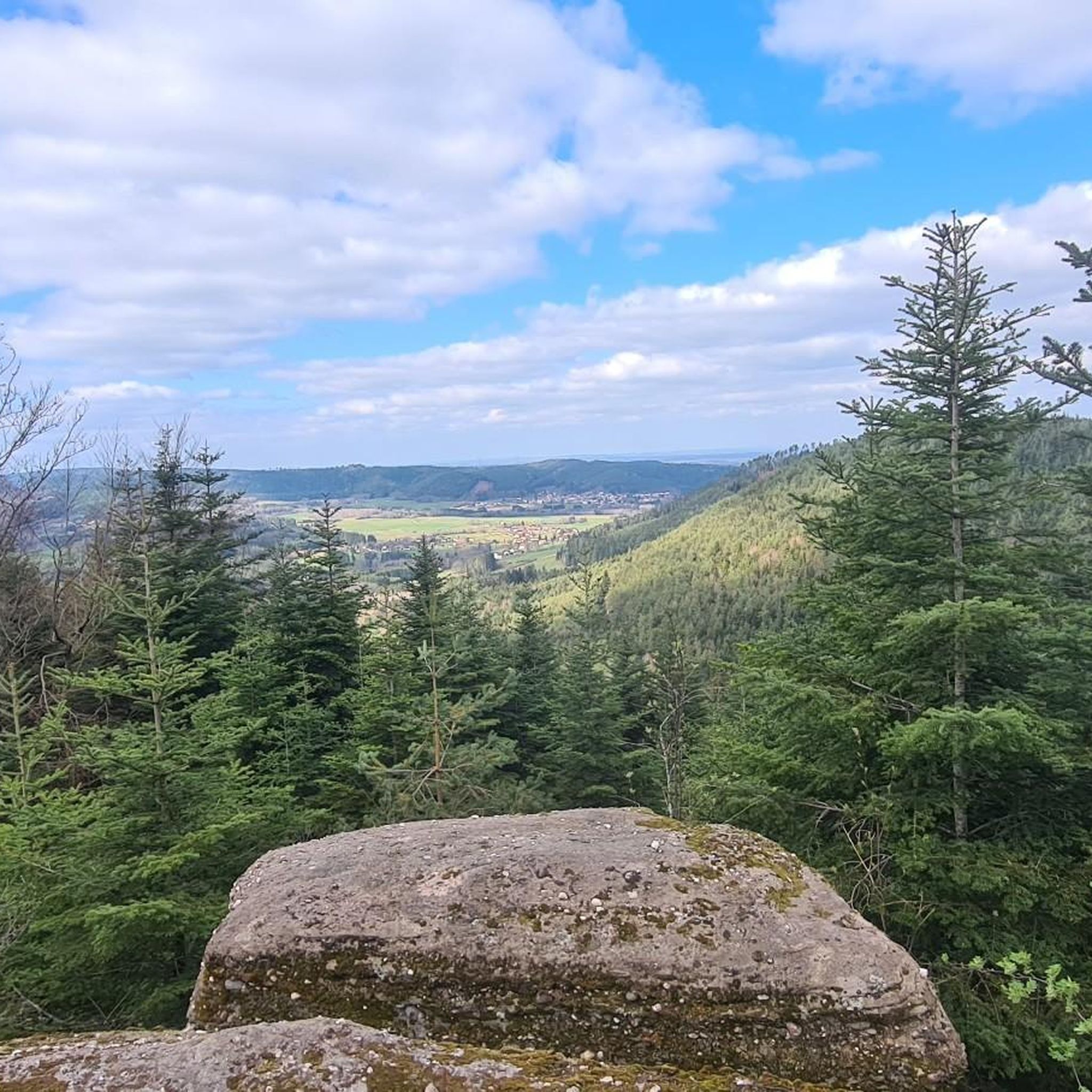
Emblematic rock of the Kemberg massif, from which the view of the Vosges is clear.
0
0

Large steep rock with south-facing viewing platform.
1
0
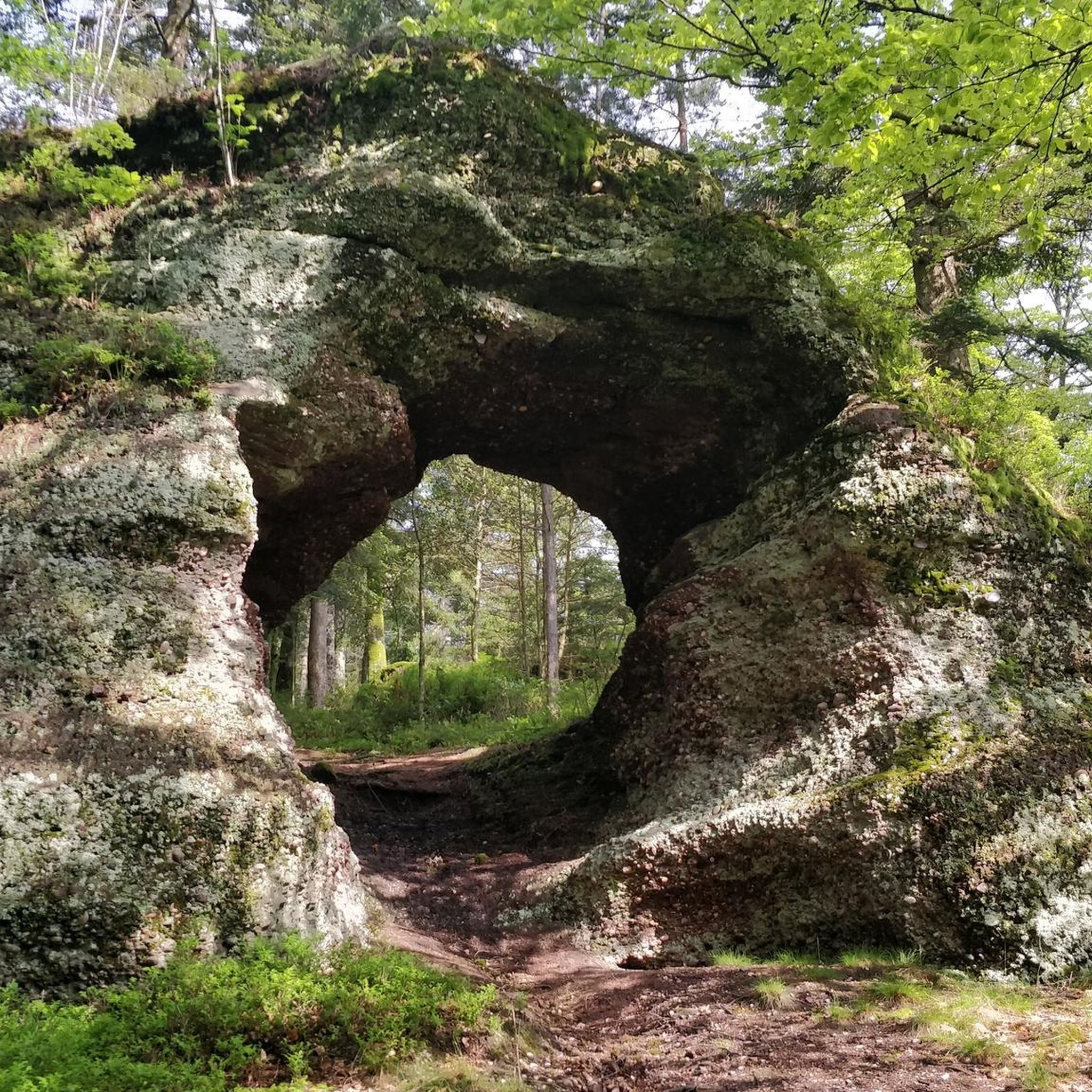
Small viewpoint on a rock which is accessed by a footbridge. Superb view to the south, weather permitting.
2
0

Magnificent Roche St Martin
3
1

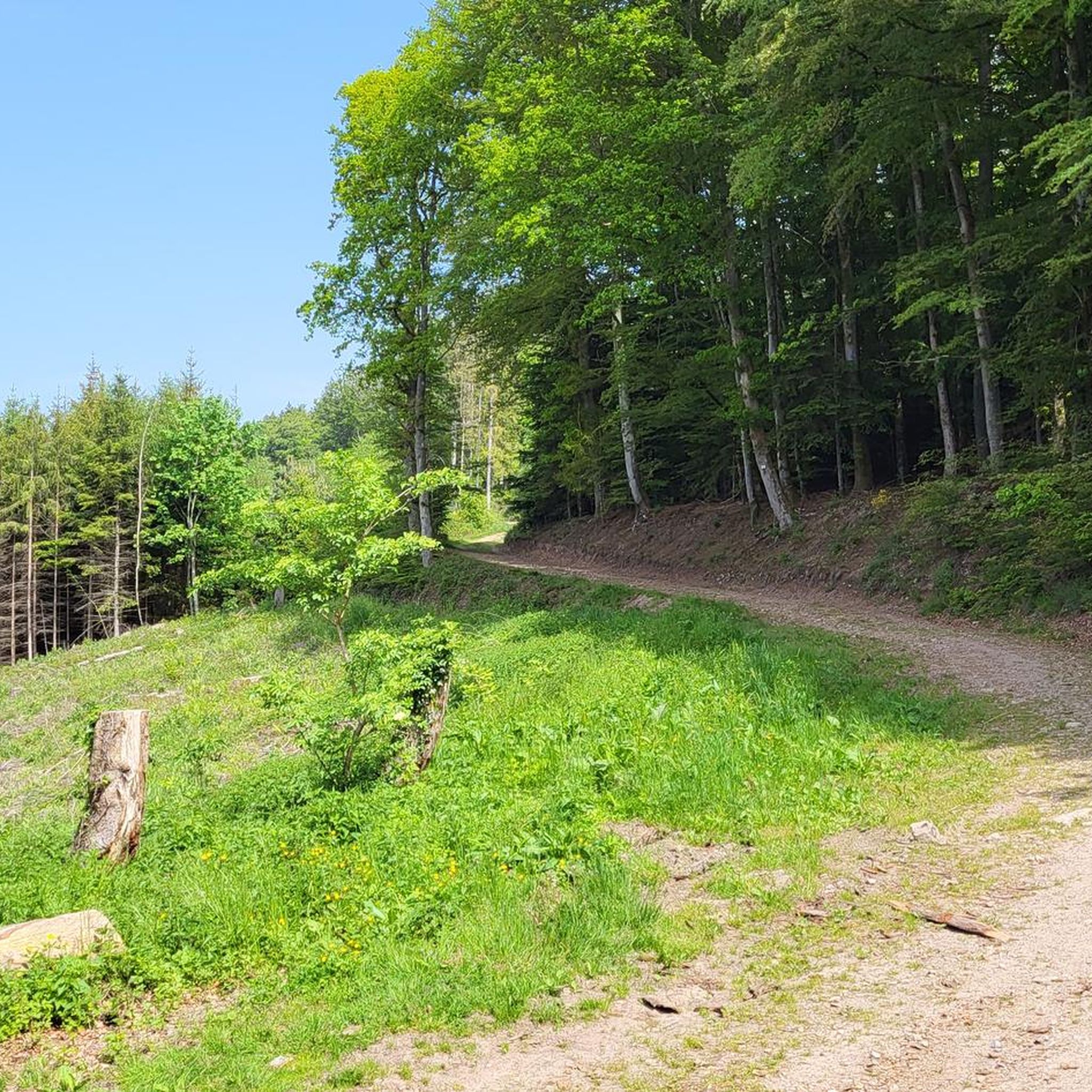
The Celtic camp of the Bure is a fortified plateau bordering the Haute-Meurthe valley in the Grand-East of France. The plateau, now wooded, lies between the communes of Saint-Dié-des-Vosges and that of Hurbache, at the western end of the Ormont massif. This site, known for 23 years of archaeological research from 1964 to 1986, has been classified as a Historical Monument since August 6, 1982. The site has been inhabited since at least the Neolithic period. Then used intensively by the Celts and later by the Romans. There is a lot to see from that time, also because there have not been any settlement activities worth mentioning for a long time. More information e.g. here: https://fr.wikipedia.org/wiki/Camp_celtique_de_la_Bure
6
0

These sandstone rocks are 15 meters high and the view from the top of these rocks is magnificent.
2
0
Frequently Asked Questions
What types of natural monuments can I expect to see around Mortagne?
The natural monuments around Mortagne primarily feature impressive geological formations such as sandstone columns and steep rocks. You'll also find ancient fortified plateaus that blend natural beauty with historical significance, offering diverse landscapes to explore.
Are there any historical natural monuments in the area?
Yes, the area includes historical natural monuments. A notable example is La Bure Celtic Camp, a fortified plateau that has been inhabited since the Neolithic period and was used by Celts and Romans. It's now a wooded site classified as a Historical Monument.
Which natural monuments offer the best views?
For breathtaking views, visit La Roche Saint-Martin and View of Saint-Dié, which features imposing sandstone columns and offers a fantastic panorama of Saint-Dié. Another excellent spot is Roche d'Anozel, an emblematic rock of the Kemberg massif with a south-facing viewing platform providing clear views of the Vosges.
What kind of terrain should I expect when visiting these natural monuments?
The terrain around Mortagne's natural monuments varies, often featuring sandstone rock formations, steep ascents to viewpoints, and wooded paths, especially around sites like Pointhaie Rocks and La Bure Celtic Camp. Expect some intermediate-level paths suitable for hiking.
Are the natural monuments around Mortagne suitable for hiking?
Yes, many of the natural monuments are ideal for hiking. You'll find trails leading to viewpoints and historical sites. For example, the path to La Roche Saint-Martin involves some ascent to reach the sandstone columns and bridge. The overall difficulty for many of these routes is considered intermediate.
What outdoor activities can I do near these natural monuments?
Beyond exploring the natural monuments themselves, the region offers various outdoor activities. You can find numerous road cycling routes, challenging MTB trails, and scenic running trails. These routes often pass through forests and offer views of the surrounding natural beauty.
Are there any natural monuments that are considered 'hidden gems'?
While not explicitly 'hidden,' La Pierre Percée offers a unique experience. It's a small viewpoint on a rock accessed by a footbridge, providing superb views to the south on clear days, making it a charming discovery for visitors.
What do visitors enjoy most about the natural monuments in this region?
Visitors particularly appreciate the magnificent views from various viewpoints, such as those from La Roche Saint-Martin and Roche d'Anozel. The unique geological formations, like the 15-meter-high sandstone Pointhaie Rocks, and the blend of nature with history at sites like La Bure Celtic Camp, are also highly valued.
Is there public transport access to the natural monuments around Mortagne?
Information on direct public transport to individual natural monuments is limited. It is generally recommended to use a personal vehicle to reach these sites, as many are located in natural, less accessible areas. Parking is usually available near trailheads or main access points.
Are there any specific tips for visiting La Roche Saint-Martin?
When visiting La Roche Saint-Martin, be prepared for a prominent location above Saint-Dié. The site features several imposing sandstone columns, two of which are connected by a bridge. There are benches available to enjoy the truly fantastic view of Saint-Dié.
What should I know before visiting La Bure Celtic Camp?
La Bure Celtic Camp is a fortified plateau that is now wooded. It's a significant archaeological site with a rich history, having been inhabited since the Neolithic period and used by Celts and Romans. Allow time to explore the historical remnants within this natural setting.
Most popular routes around Mortagne
Most popular attractions around Mortagne

Get inspired with the komoot mobile app


Explore more
Extend your search for the best caves by checking out these guides of the top ones around Mortagne:
