Top 17 Natural Monuments around Roz-Sur-Couesnon
Natural monuments around Roz-Sur-Couesnon offer a diverse landscape characterized by its proximity to the Mont Saint-Michel Bay. This region in Brittany features significant ecological and geological formations, including expansive tidal zones and river estuaries. The area provides varied natural settings for exploration, showcasing a blend of coastal, wetland, and riverine environments. These sites contribute to the unique natural heritage of the Mont Saint-Michel area.
Best natural monuments around Roz-Sur-Couesnon
- The most popular natural monument is Mont Saint-Michel, a religious…
Last updated: July 2, 2026
Mont Saint-Michel
Highlight • Religious Site
Translated by Google •
Tip by

Saint Aubert Chapel
Highlight • Religious Site
Translated by Google •
Tip by

Sign up now to discover places like this
Get recommendations on the best single tracks, peaks, & plenty of other exciting outdoor places.
Sign up for free
Grouin du Sud
Highlight • Viewpoint
Translated by Google •
Tip by

Menhir of Champ-Dolent
Highlight • Monument
According to legend, two brothers and their …
Translated by Google •
Tip by

View of Mont Saint-Michel
Highlight • Viewpoint
Translated by Google •
Tip by

Sign up for free to discover even more natural monuments around Roz-Sur-Couesnon.
Sign up for free
Already have an account?
Start today with a free account
Your next adventure awaits.
Login or Signup

Tips from the Community

Many visitors run their hand over the chapel's granite wall or briefly place their hand on it. It is said to bring: • Good luck, • Protection on journeys, • or the fulfillment of a wish. However, there is no official historical source to document this custom. It is a local tradition passed down by visitors and tour guides – similar to many pilgrimage sites.
0
0
Who was Saint Aubert? According to legend, the Archangel Michael appeared to him in a dream three times in the year 708 and instructed him to build a church on the then Mont-Tombe. Aubert considered the first two apparitions to be dreams and ignored them. On the third occasion, Michael is said to have become impatient and touched him on the forehead with his finger – so forcefully that a hole was created in his skull. This hole, supposedly created by the archangel's finger, is still shown today in the Basilica of Avranches. Only then did Aubert begin the construction of the first sanctuary, from which Mont-Saint-Michel later emerged. The statue therefore shows him as a bishop: • with a mitre on his head, • in bishop's vestments, • with his right arm raised in a gesture of blessing, • with the crozier on his shoulder.
0
0

Parts of the route along the sea do not exist or are forbidden for bicycles
0
0

Numerous Breton legends surround the stone. One of the most famous tells that the menhir sinks a little deeper into the ground each year, and that its complete disappearance will signal the end of the world. Another legend sees it as a divine sign that separated two feuding brothers and gave the field the name "Champ-Dolent," or "Field of Sorrow."
1
0
South of Dol-de-Bretagne rises the Menhir du Champ-Dolent, a mighty granite block from the Neolithic period. At almost ten meters high, it is one of the largest surviving menhirs in France. Its weight is estimated at around 100 tons, and it was probably extracted from the immediate surroundings. Its original function remains unclear to this day—researchers suspect ritual or symbolic purposes, perhaps even an astronomical alignment.
1
0
The Grouin du Sud is a natural headland offering impressive views of the bay and the famous Klosterberg. Depending on the tide, the landscape alternates between vast mudflats and ocean views, making the place particularly charming.
1
0

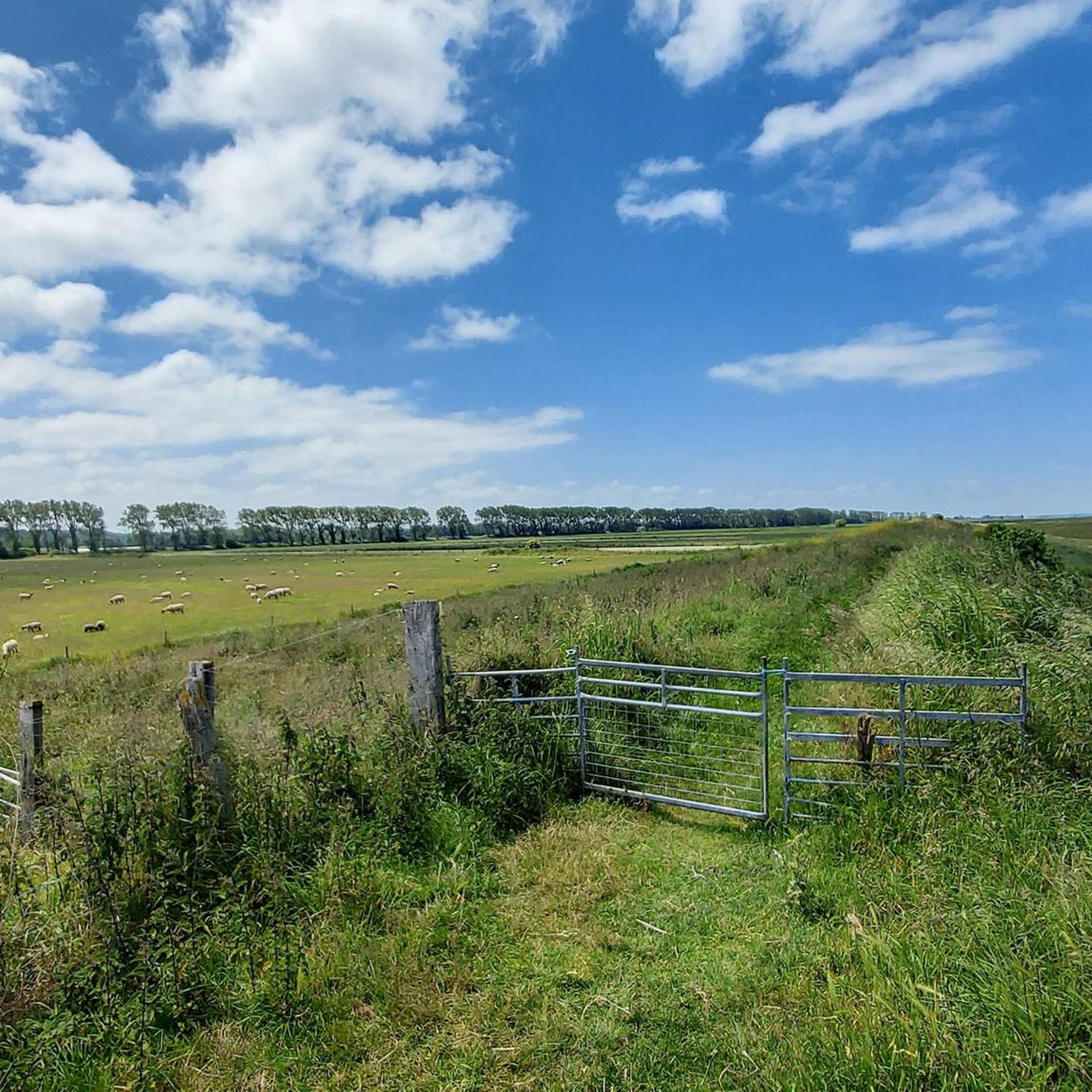
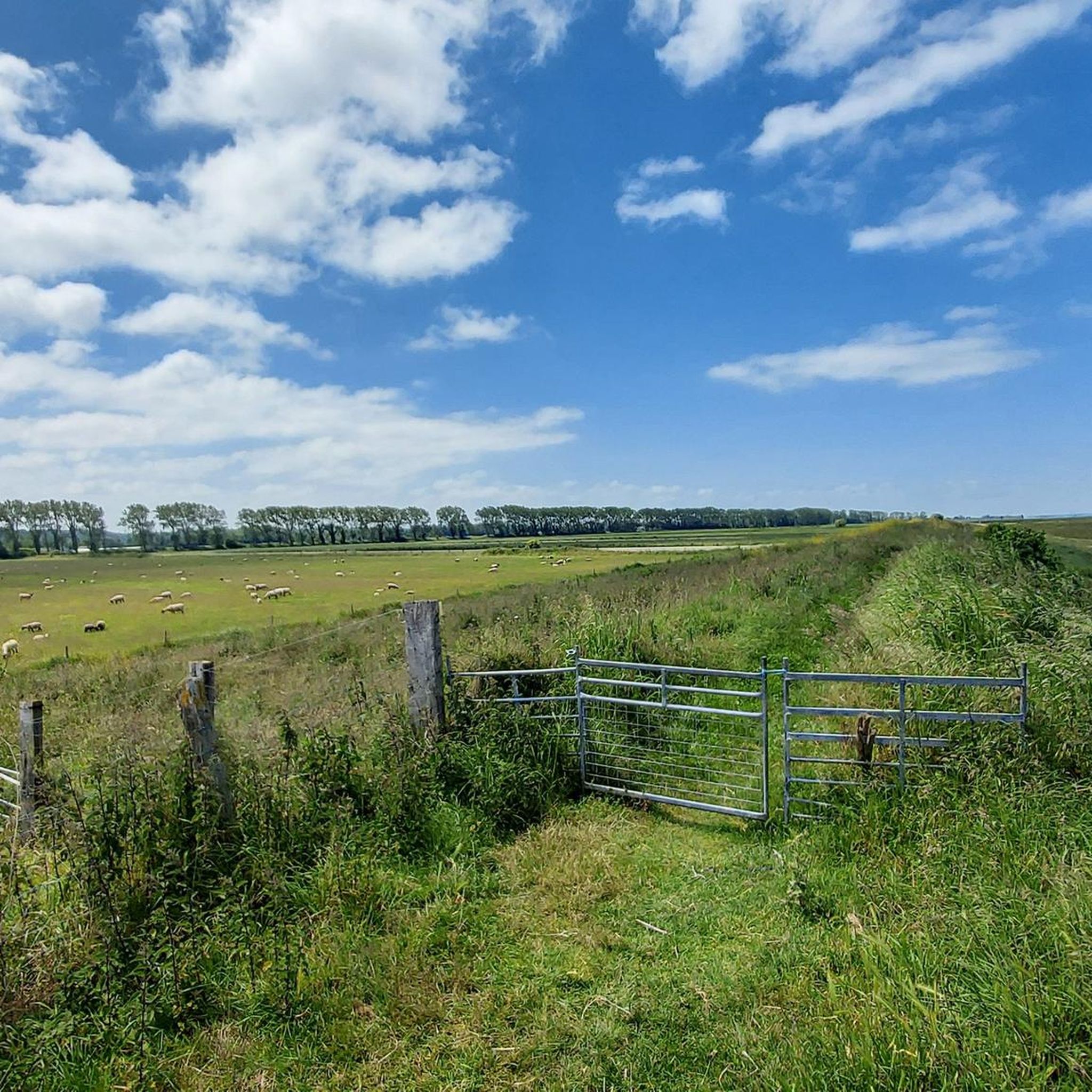
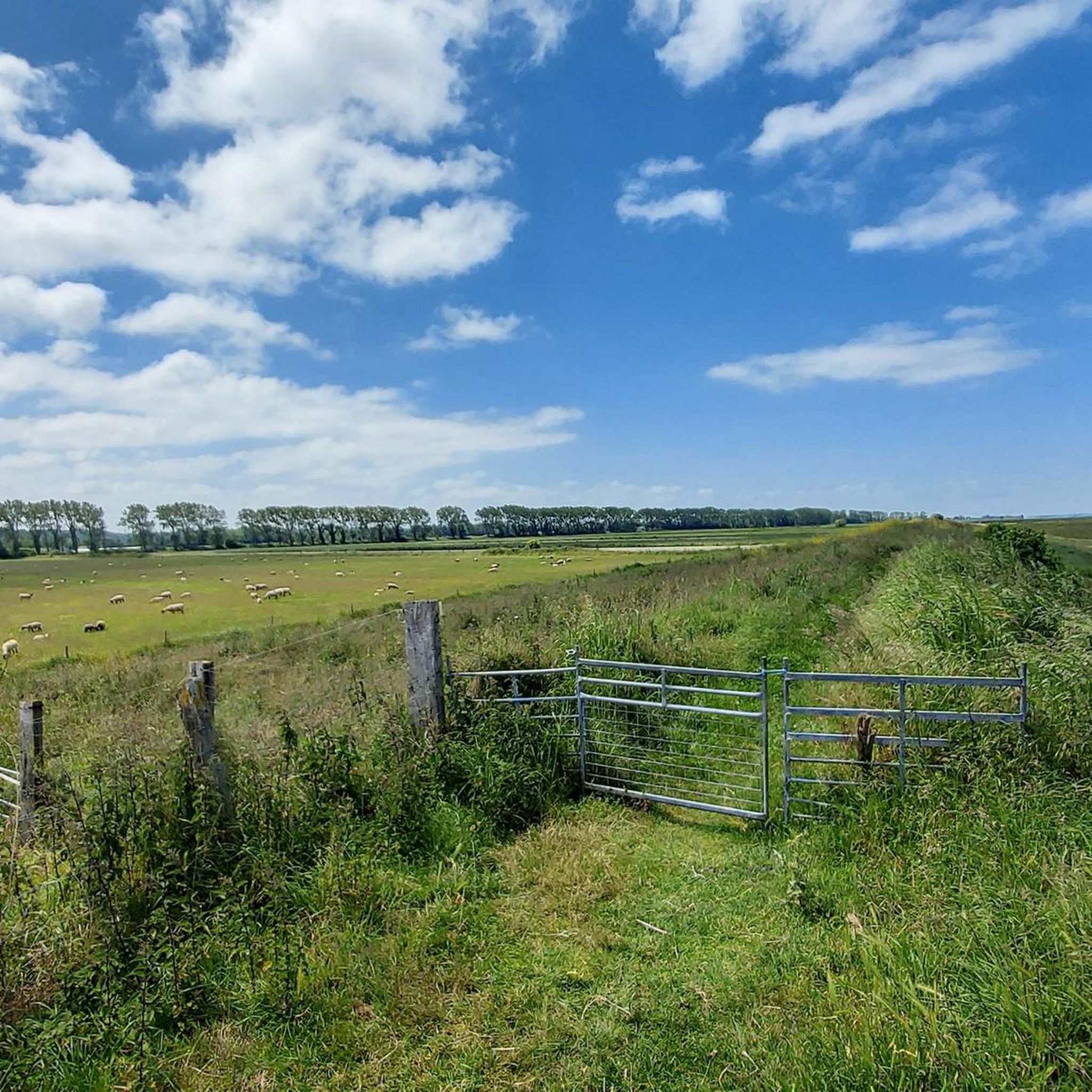
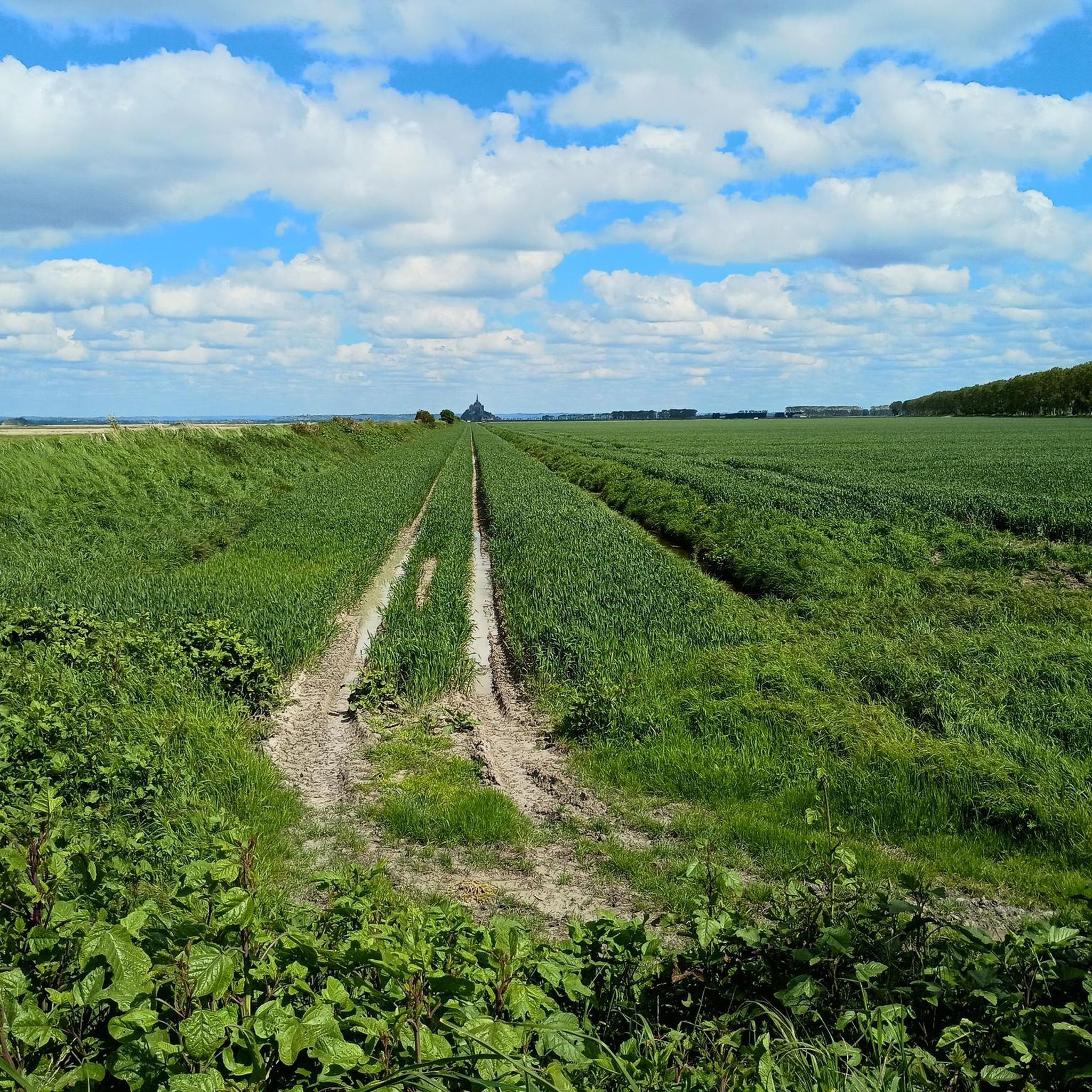
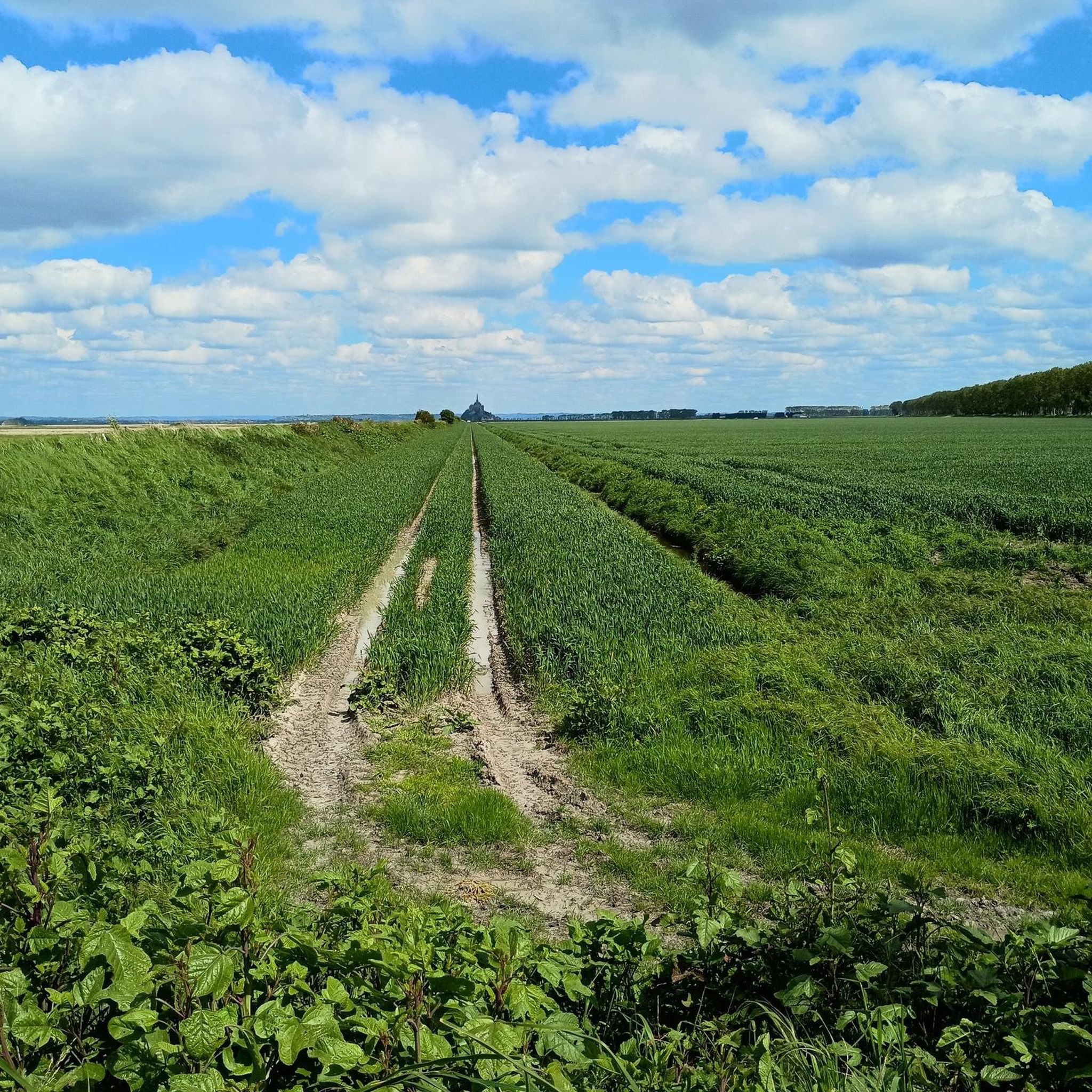
So peaceful. Soon you will be among the crowds visiting this iconic location but for now, it is just you and the moutons.
0
0

A forgotten part of Mont Saint-Michel, this chapel on the northwest side of the island. At low tide you can easily walk towards this chapel that is not otherwise open to visitors, but is nevertheless beautifully situated on the rocks below the famous monastery.
1
0
Frequently Asked Questions
What are some popular natural monuments to visit near Roz-sur-Couesnon?
The region offers several remarkable natural monuments. Beyond the iconic Mont Saint-Michel, visitors highly appreciate Grouin du Sud for its panoramic views of the bay. Another unique spot is Saint Aubert Chapel, accessible at low tide on the northwest side of Mont Saint-Michel island.
What kind of natural features can I expect to see around Roz-sur-Couesnon?
You'll encounter a diverse landscape characterized by the expansive Bay of Mont Saint-Michel, known for its dramatic tidal ranges and vast intertidal zones. The Couesnon River, flowing into the bay, offers serene riverbanks. Further inland, the Réserve Naturelle Régionale du Marais de Sougeal presents a significant wetland environment. Coastal viewpoints and polders (reclaimed land) also define the area's unique natural beauty.
Are there family-friendly natural monuments or activities near Roz-sur-Couesnon?
Yes, several natural monuments are suitable for families. The Grouin du Sud viewpoint is easily accessible and offers stunning bay views. Bec d'Andaine provides a natural environment with dunes and views of Mont Saint-Michel, perfect for a family outing. The Jardin Panoramique de la Baie in Roz-sur-Couesnon also offers comfortable viewing spots for all ages.
What wildlife can be observed in the natural monuments around Roz-sur-Couesnon?
The Bay of Mont Saint-Michel is a vital stopover for over 130 species of migratory birds, including Eurasian curlews and Brent geese. You might also spot a colony of harbor seals basking on sandbanks. The salt meadows are grazed by sheep. The Réserve Naturelle Régionale du Marais de Sougeal is particularly rich in ornithological value, with ducks, teals, and raptors, alongside nearly 400 plant species, dragonflies, and amphibians.
What is the best time to visit the natural monuments around Roz-sur-Couesnon?
The spring and autumn months are generally ideal for visiting, offering pleasant weather for outdoor activities and excellent opportunities for birdwatching during migration seasons. Summer is also popular, but can be busier. Always check local tide tables when planning visits to the Bay of Mont Saint-Michel to fully appreciate its dynamic landscape.
Are there any hiking or cycling routes near these natural monuments?
Yes, the area is well-suited for outdoor activities. You can find numerous cycling routes, such as 'The Couesnon at Beauvoir – Mont Saint-Michel loop from Roz-sur-Couesnon,' which offers evolving perspectives of Mont Saint-Michel. For mountain biking, consider routes like 'Sainte Anne Chapel – Windmill No. 1 loop.' You can explore more options on the Cycling around Roz-Sur-Couesnon or MTB Trails around Roz-Sur-Couesnon guide pages.
What makes the Bay of Mont Saint-Michel a significant natural monument?
The Bay of Mont Saint-Michel is a UNESCO World Heritage site recognized for its exceptional natural beauty and ecological importance. It features one of Europe's largest tidal ranges, creating vast intertidal zones of mudflats and salt marshes. These habitats support unique halophytic plants and are crucial for migratory birds and a colony of harbor seals, making it a dynamic and biodiverse ecosystem.
Can I find viewpoints to appreciate the natural landscape of the bay?
Absolutely. The Grouin du Sud offers a beautiful panorama of the Bay of Mont-Saint-Michel. Additionally, the Jardin Panoramique de la Baie in Roz-sur-Couesnon, often called the 'Balcon de la Baie,' provides sweeping views of the bay, polders, and the iconic Mont Saint-Michel emerging from the landscape.
What is the Couesnon River's role in the region's natural landscape?
The Couesnon River is a significant natural feature that flows into the Bay of Mont Saint-Michel. Its estuary offers unique views of Mont Saint-Michel Abbey. The Couesnon Valley itself presents a diverse landscape of hedgerows, forests, and plains, providing peaceful settings for activities like hiking and cycling along its banks, and contributing to the bay's dynamic ecosystem.
Is the Réserve Naturelle Régionale du Marais de Sougeal worth visiting for nature enthusiasts?
Yes, the Marais de Sougeal is a critical wetland site for biodiversity, particularly noted for its ornithological value. It serves as a migration point for numerous bird species and is a significant reproduction site for pike. With marked paths and observatories, it offers an immersive experience for birdwatching and observing diverse flora and fauna in a preserved environment.
What do visitors enjoy most about the natural monuments around Roz-sur-Couesnon?
Visitors frequently highlight the breathtaking views of Mont Saint-Michel from various vantage points, the dramatic spectacle of the tides in the bay, and the tranquility found along the Couesnon River. The unique ecosystems, rich wildlife, and the opportunity for peaceful walks and bike rides are also highly appreciated, with many sharing photos of the stunning scenery.
Are there any historical or cultural sites integrated with the natural monuments?
Yes, the region beautifully blends natural and historical significance. The Mont Saint-Michel itself is a religious building and historical site set within a natural monument. The Saint Aubert Chapel, located on the island's northwest side, also offers a unique historical and natural experience, especially at low tide.
Most popular routes around Roz-Sur-Couesnon
Most popular attractions around Roz-Sur-Couesnon

Get inspired with the komoot mobile app


Explore more
Extend your search for the best caves by checking out these guides of the top ones around Roz-Sur-Couesnon:
