Top 6 Natural Monuments around Larnod
Best natural monuments around Larnod are found within the Doubs department in France, a region characterized by its green landscapes and natural features. Larnod itself offers access to several notable natural formations and scenic viewpoints. The area provides opportunities to explore geological wonders, observe diverse ecosystems, and appreciate the natural topography of the Doubs Valley. This region is known for its blend of accessible natural sites and protected ecological zones.
Best natural monuments around Larnod
- The most popular natural monument…
Last updated: June 18, 2026
Bout du Monde Waterfall
Highlight • Waterfall
Translated by Google •
Tip by

Liberation Monument
Highlight • Historical Site
The Mémorial Notre-Dame de …
Translated by Google •
Tip by

Sign up now to discover places like this
Get recommendations on the best single tracks, peaks, & plenty of other exciting outdoor places.
Sign up for free
The Holed Rock
Highlight • Natural Monument
It also has the advantage and the comfort of being placed on …
Translated by Google •
Tip by

State Major Fountain
Highlight • Monument
Translated by Google •
Tip by

Chère Cave
Highlight • Cave
The path leads from the meadow above through the wooded slope …
Translated by Google •
Tip by

Sign up for free to discover even more natural monuments around Larnod.
Sign up for free
Already have an account?
Start today with a free account
Your next adventure awaits.
Login or Signup
Tips from the Community

The waterfall is impressive even when it's carrying little water. Unfortunately, it can only be seen from the small path leading down from the road. The area at the base of the waterfall is private and extensively fenced. I found that a shame.
0
0

The area around the waterfall is cordoned off, so that it is actually inaccessible and can only be seen from afar. The "standing seats" that have been set up are friendly, but do not really add value to the barbed wire. You can get closer to the waterfall from above, but you should do this with caution!!
1
0

Decorative monument in Besançon
4
0
Corner fountain created in 1900 by the sculptor Pasche based on the drawings of the architect Saint-Ginest. This monumental fountain replaced a fountain created in 1740 that was destroyed during the Revolution. The inscription "UTINAM" engraved under the pediment is the motto of Besançon, which can also be found engraved on other monuments in the form "PLÛT A DIEU".
1
0

Notre-Dame de la Libération is a site of memory built on the Mont des Buis inside the ditches of an old fort which dominates the city of Besançon. After the Second World War, in 1949, a place of commemoration and memory was built on the site of Fort des Buis-est. A crypt is topped with a statue of the Virgin Mary. Inside the crypt, there are the names of the 5,500 Besançon people who died during the war.
0
0


The Mémorial Notre-Dame de la Libération in the Chapelle des Buis is a memorial site erected in memory of the victims of the Second World War. The Mémorial Notre-Dame de la Libération is located on the Mont des Buis, within the moats of a former fortress, which overlooks the city of Besançon at an altitude of almost 500 meters. This memorial dominates the city and houses a crypt with more than 5,500 names engraved in stone. These names represent both civilian and military victims from the departments of Doubs, Haute Saône and Territoire de Belfort. The Mémorial Notre-Dame de la Libération is a place of memory and tribute to those who gave their lives during one of the most turbulent periods in history. A religious and military ceremony is held annually on September 1 at this special place to commemorate the victims.
8
0
First of all, here you have a beautiful official viewpoint
7
0
Frequently Asked Questions
What are the most prominent natural viewpoints around Larnod?
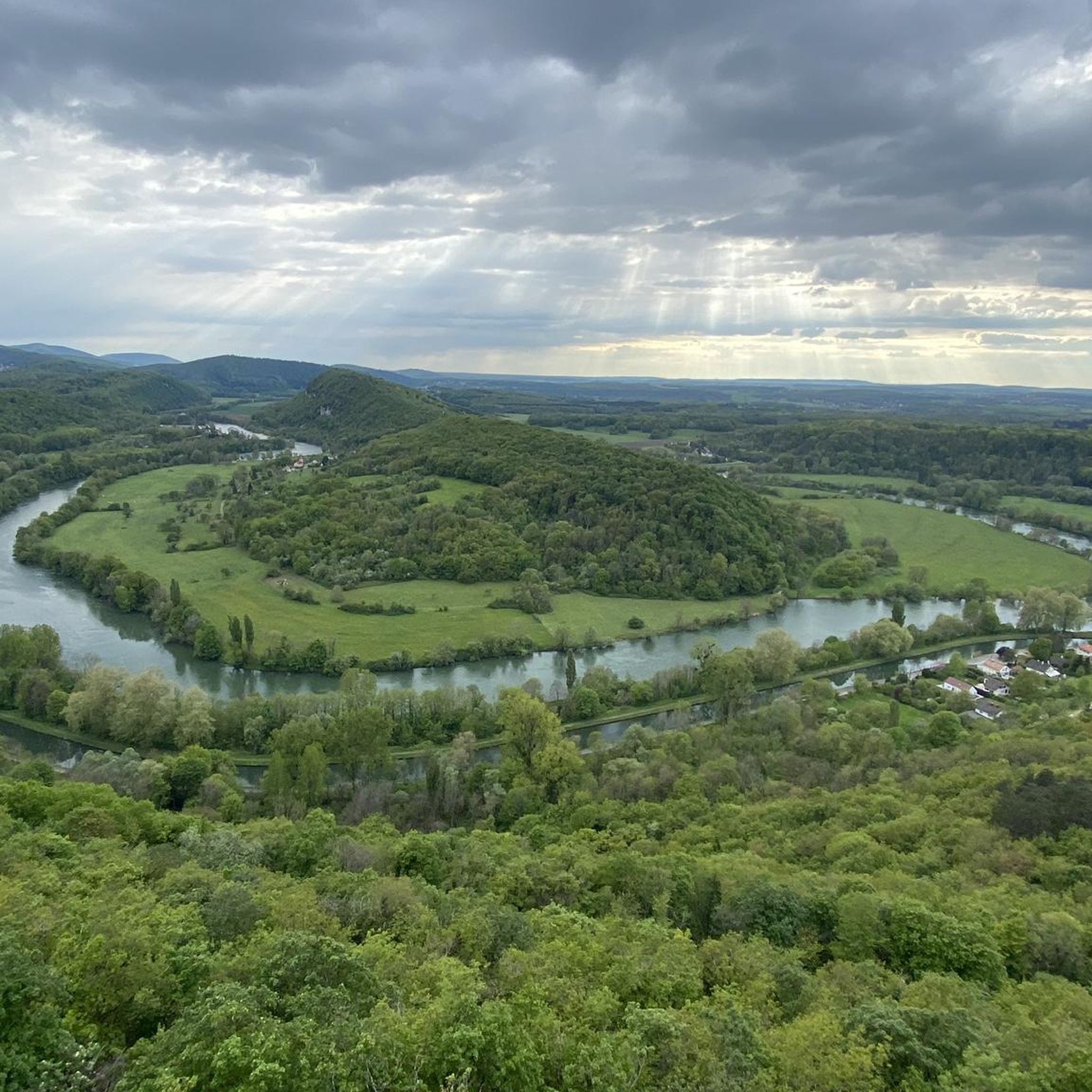
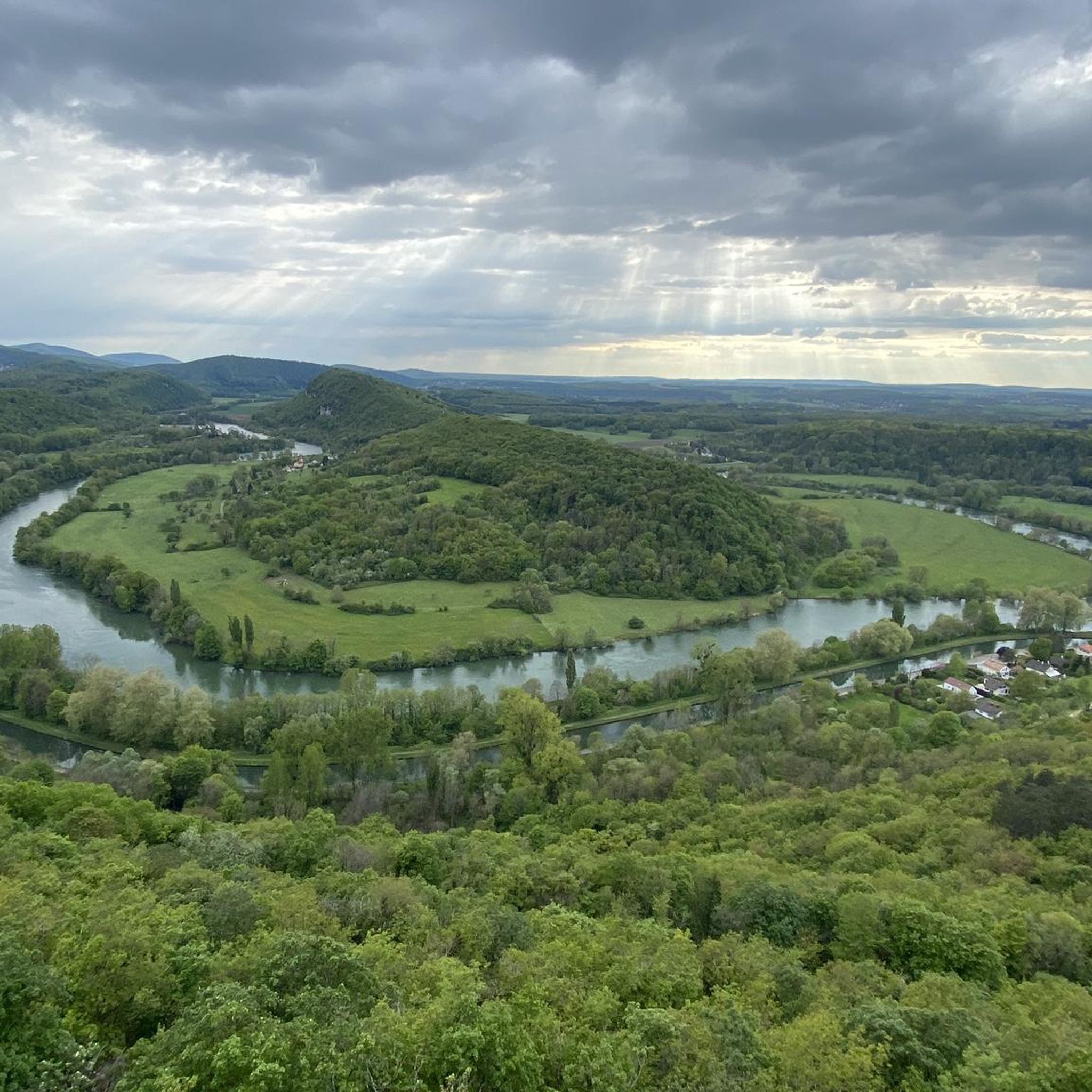
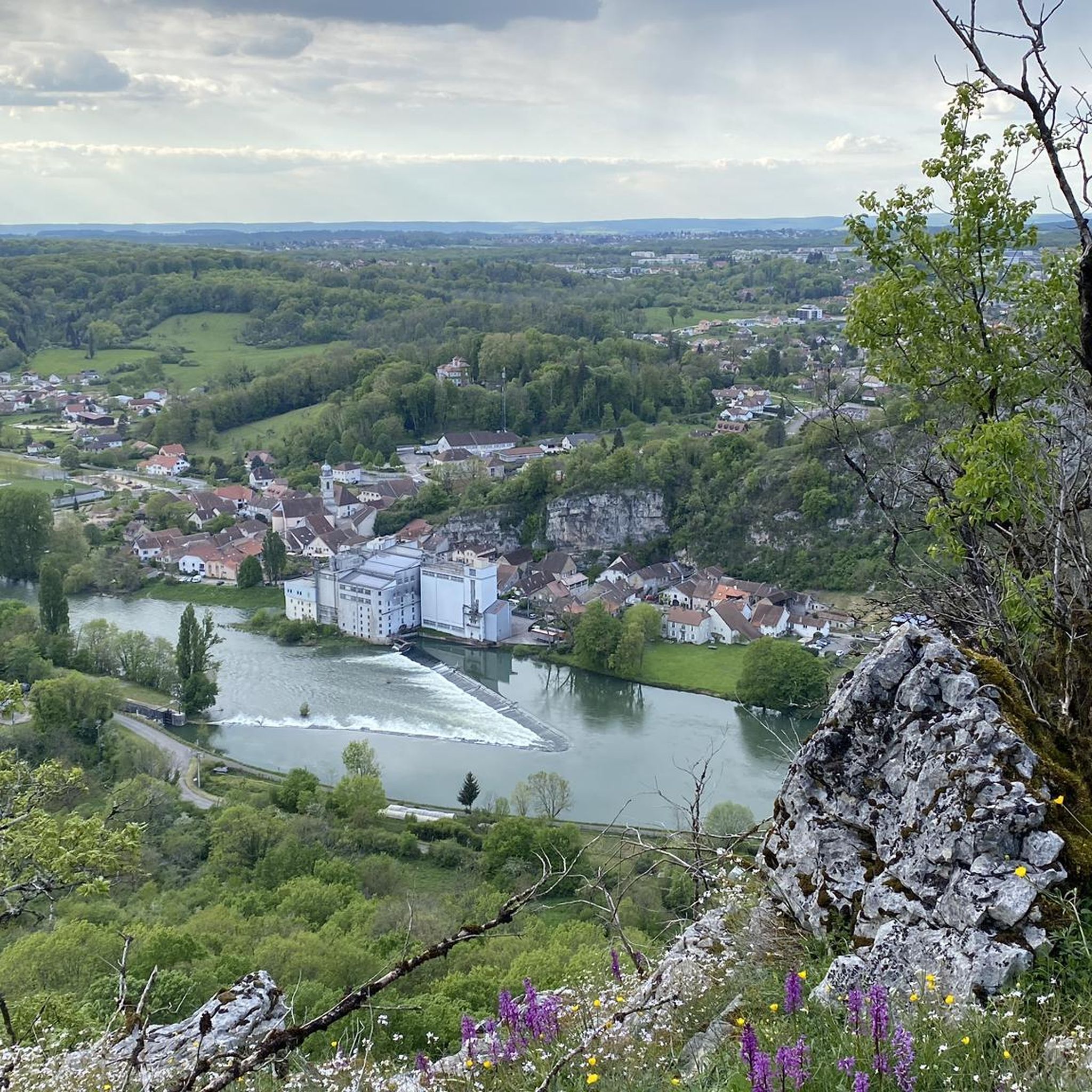
Larnod and its surroundings offer several excellent viewpoints. The Liberation Monument provides a distant panorama over the city of Besançon and the plains of the Doubs. Additionally, the Belvedere Valmy and Martel Belvedere in Larnod itself offer panoramic views of the Doubs Valley, showcasing the region's natural topography.
What unique geological features can be found near Larnod?
The region around Larnod is rich in geological formations. A notable example is The Holed Rock, a natural rock arch with a height of over 4 meters and a reach of almost 10 meters, known for its echo. The broader Doubs department also features karst springs and caves, such as the Martel Cave in Larnod and the impressive Source de la Loue and Source du Pontet nearby.
Are there any spectacular waterfalls to visit near Larnod?
Yes, the Bout du Monde Waterfall, emanating from the Mercureaux stream, is a classified natural site reaching an impressive height of 50 meters. It's important to note that its visibility depends on recent rainfall. Further afield, the nationally-listed Saut du Doubs waterfall, near the French-Swiss border, is a breathtaking 27-meter high cascade formed by a major geological upheaval.
Are there family-friendly natural monuments or activities around Larnod?
Many natural sites around Larnod are suitable for families. The Liberation Monument is categorized as family-friendly, offering both historical significance and scenic views. The general green landscapes of the Doubs Valley provide opportunities for gentle walks and appreciating nature, making it ideal for family outings.
When is the best time to visit the natural monuments around Larnod?
The best time to visit is generally during spring, summer, and early autumn (April to October) when the weather is mild and the natural landscapes are at their most vibrant. For waterfalls like the Bout du Monde Waterfall, visiting after periods of rain ensures a more impressive flow.
What hiking opportunities are available near Larnod's natural monuments?
Larnod is surrounded by various hiking trails. For instance, you can find routes like the 'Bout du Monde Waterfall loop from Larnod' (10.8 km, difficult) or the 'Rocher de Valmy – Fort de Pugey loop from Larnod' (10.4 km, moderate). You can explore more options on the Running Trails around Larnod guide, which also includes walking routes.
Are the natural monuments and trails around Larnod dog-friendly?
While specific dog-friendly designations for each natural monument are not always available, many outdoor trails in the Doubs region are generally accessible for dogs, provided they are kept on a leash and owners clean up after them. It's always advisable to check local signage for any specific restrictions at individual sites.
How can I get to the natural monuments around Larnod, and is parking available?
Access to natural monuments around Larnod is primarily by car, with parking often available near popular viewpoints and trailheads. Public transport options directly to all remote natural sites may be limited, so planning your journey in advance is recommended. For specific sites like The Holed Rock, access is typically via narrow, signposted paths from nearby parking areas.
Are there any permits or fees required to visit natural monuments or hike near Larnod?
Generally, there are no specific permits or fees required to access the natural monuments and hiking trails around Larnod. Most natural sites are freely accessible. However, always be mindful of private property and protected areas, and respect any posted regulations.
What other outdoor activities can I do near these natural monuments?
Beyond hiking, the region around Larnod offers various outdoor activities. You can find numerous road cycling routes, such as the 'Thoraise Canal Tunnel – Thoraise Tunnel loop' (38.7 km, moderate), or explore gravel biking trails like 'Just Doubs it' (36.1 km, difficult). For more details, refer to the Road Cycling Routes around Larnod and Gravel biking around Larnod guides.
Are any natural monuments around Larnod wheelchair accessible?
While many natural monuments involve uneven terrain, the State Major Fountain in Besançon, though a man-made monument, is categorized as wheelchair accessible and is a notable historical site in the wider region. For natural sites, accessibility can be limited due to the rugged nature of the landscape, but some viewpoints might offer easier access.
Can I spot wildlife near the natural monuments in Larnod?
Yes, the natural areas around Larnod, particularly within the Doubs Valley and protected Natura 2000 sites near Sermoyer, offer opportunities for wildlife observation. The Liberation Monument, for instance, is classified by the LPO (League for the Protection of Birds) as a privileged place for bird watching, where birds of prey are often seen.
Are there any lesser-known natural gems to explore near Larnod?
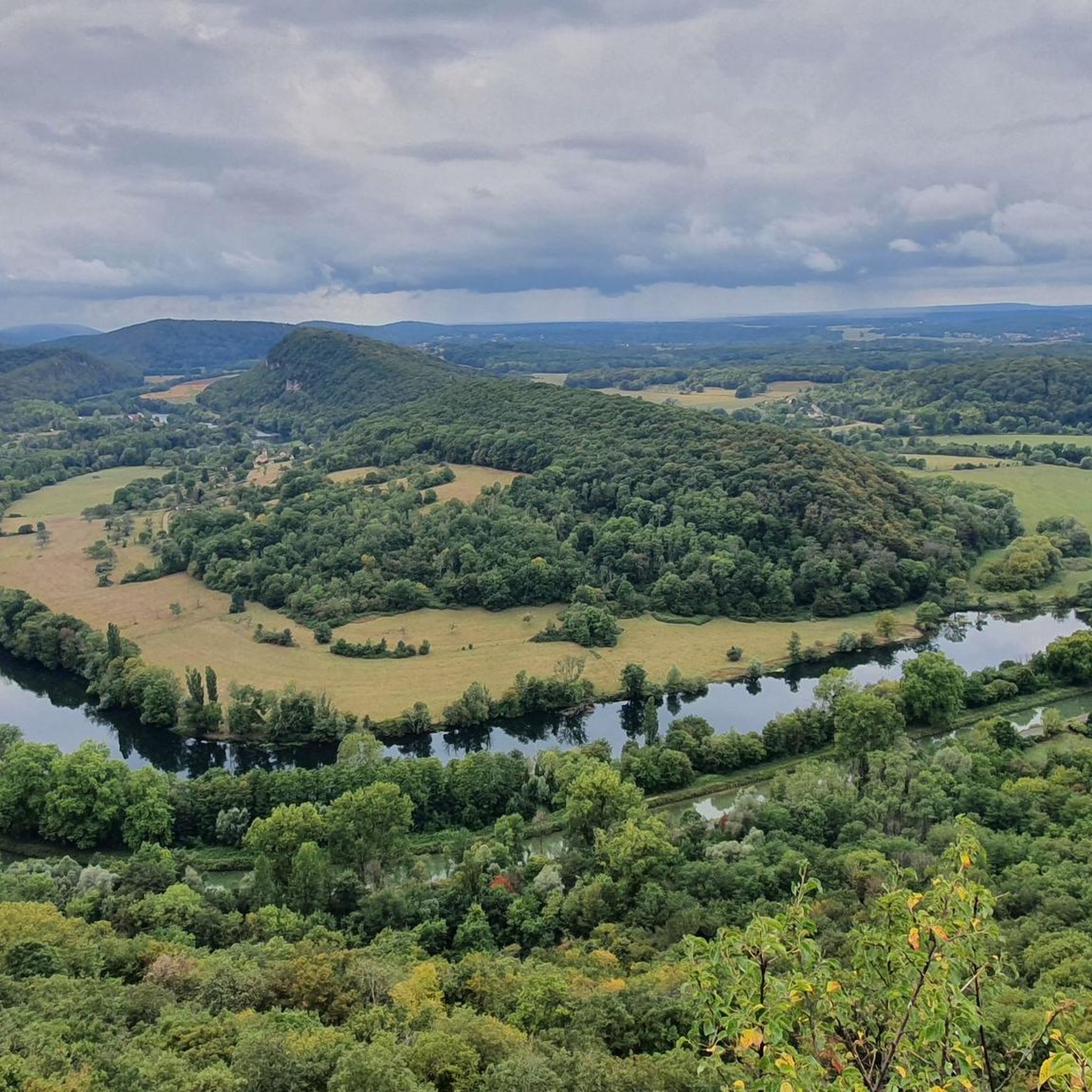
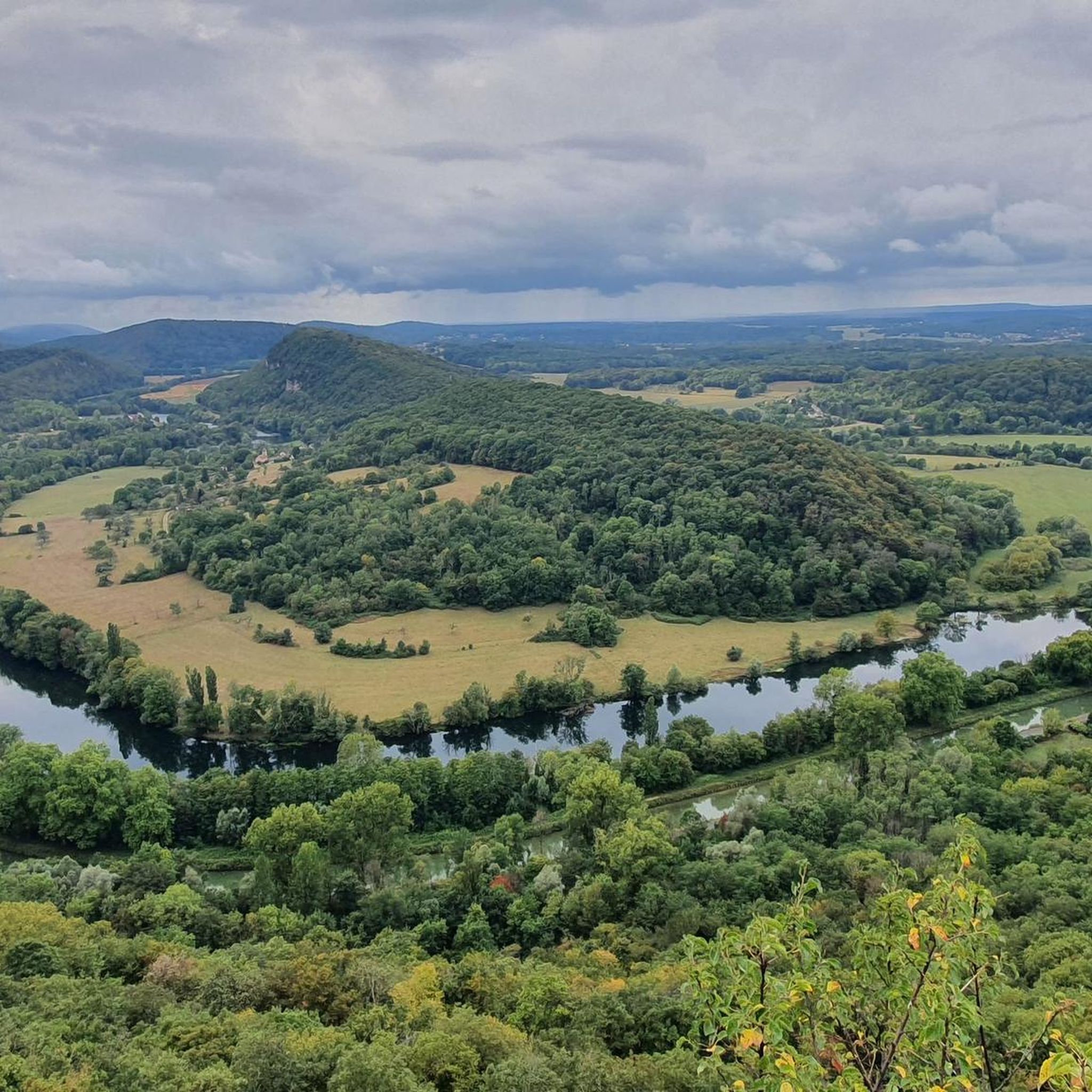
Beyond the main highlights, the broader Doubs department is dotted with numerous caves and springs, such as the Chère Cave, which offers a very nice viewpoint of the Doubs valley. These sites provide a glimpse into the region's subterranean world and unique rock structures, often away from the more crowded spots.
Most popular attractions around Larnod

Get inspired with the komoot mobile app


Explore more
Extend your search for the best caves by checking out these guides of the top ones around Larnod:
