The best walks and hikes around Larnod
4.5
(704)
5,162
hikers
318
hikes
Hiking around Larnod offers routes through the varied landscape of the Doubs region, characterized by rolling hills, dense forests, and river valleys. The area features limestone formations and offers views of the surrounding countryside. Trails often follow natural contours, providing a mix of ascents and descents.
Best hiking trails around Larnod
- The most popular hiking route is The Cascade du Bout du Monde — loop from Beure, a 3.8 miles (6.1 km) trail that takes 1 hour 52 minutes…
Last updated: June 22, 2026
4.1
(46)
153
hikers
6.12km
01:52
210m
210m
Hike the moderate 3.8-mile Cascade du Bout du Monde loop from Beure to see a 50-meter waterfall, gorges, and an ancient Roman road.
4.5
(36)
102
hikers
9.59km
02:49
270m
270m
Hike the moderate 6.0-mile Le Rocher de Valmy loop from Arguel, featuring panoramic views, varied terrain, and historical landmarks.

Sign up for free
4.1
(7)
20
hikers
5.50km
01:50
240m
230m
Hike the moderate Fort de Planoise Trail, a 3.4-mile route near Besançon, offering historical insights and panoramic views of the Doubs vall
4.4
(10)
65
hikers
10.7km
03:09
280m
280m
Moderate hike. Good fitness required. Mostly accessible paths. Sure-footedness required.
5.0
(6)
49
hikers
8.12km
02:24
240m
240m
Moderate hike. Good fitness required. Easily-accessible paths. Suitable for all skill levels.
Get access to more routes and recommendations from other explorers.
Sign up for free
Already have an account?
Our route recommendations are based on thousands of hikes, rides, and runs completed by other people on komoot.
Start today with a free account
Your next adventure awaits.
Login or Signup
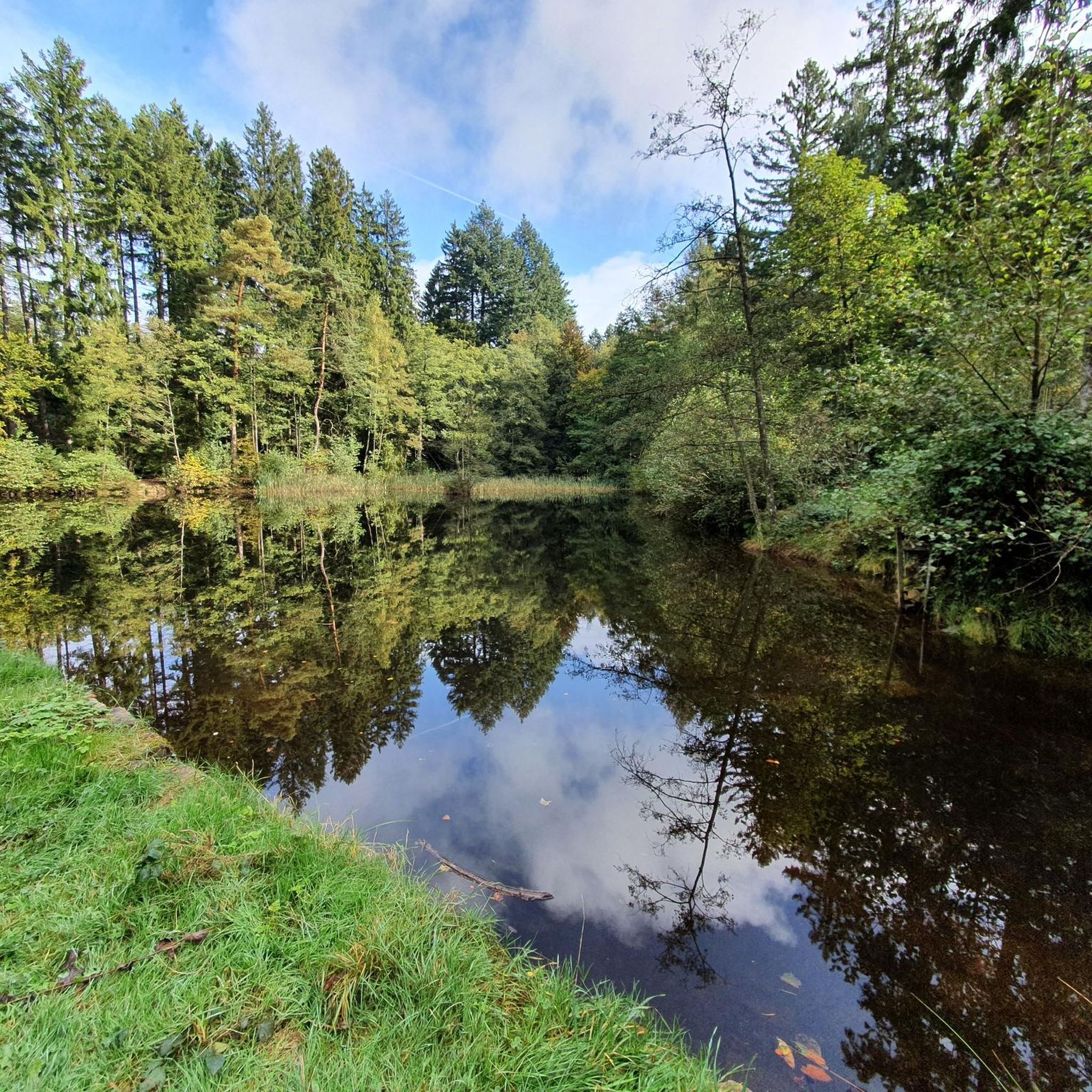
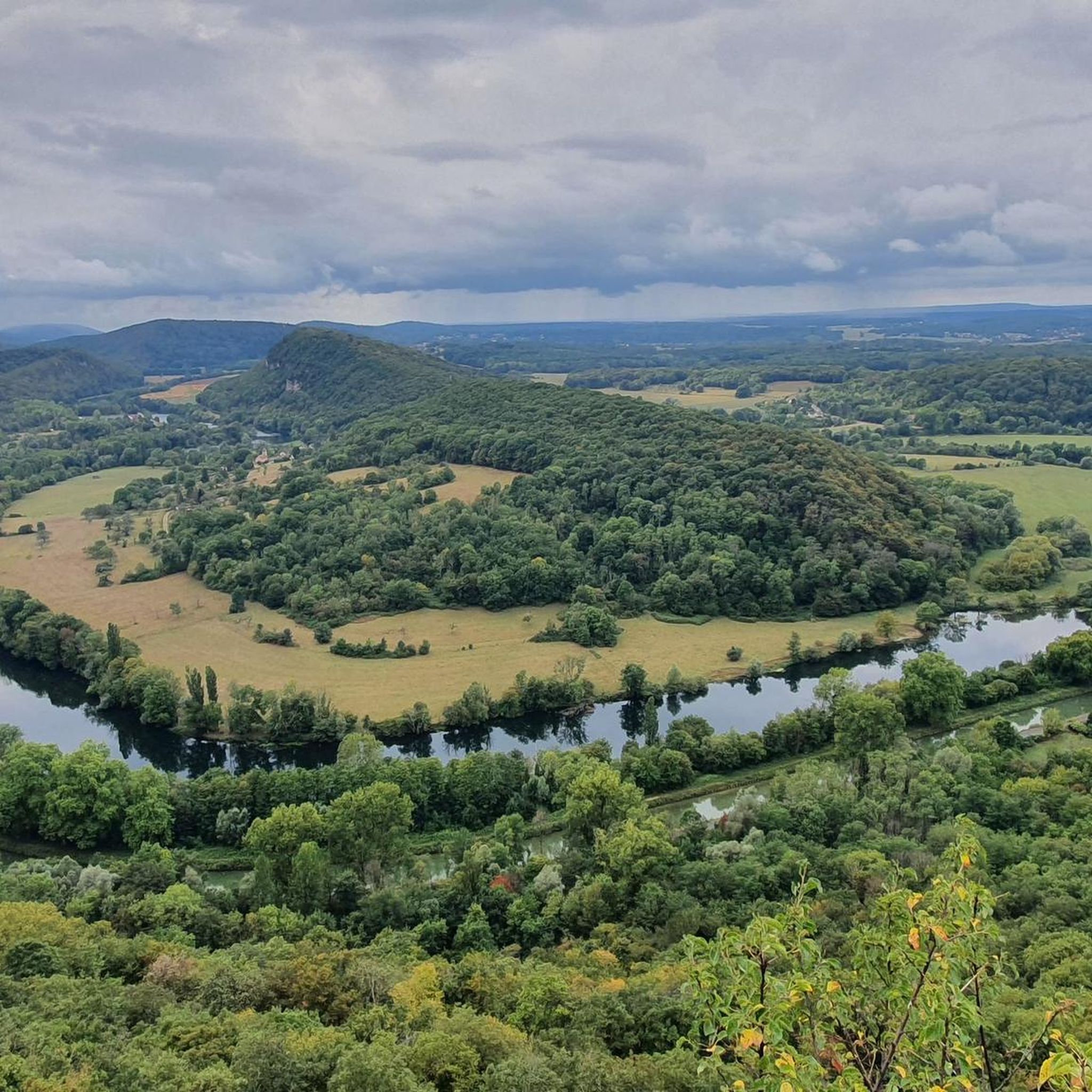
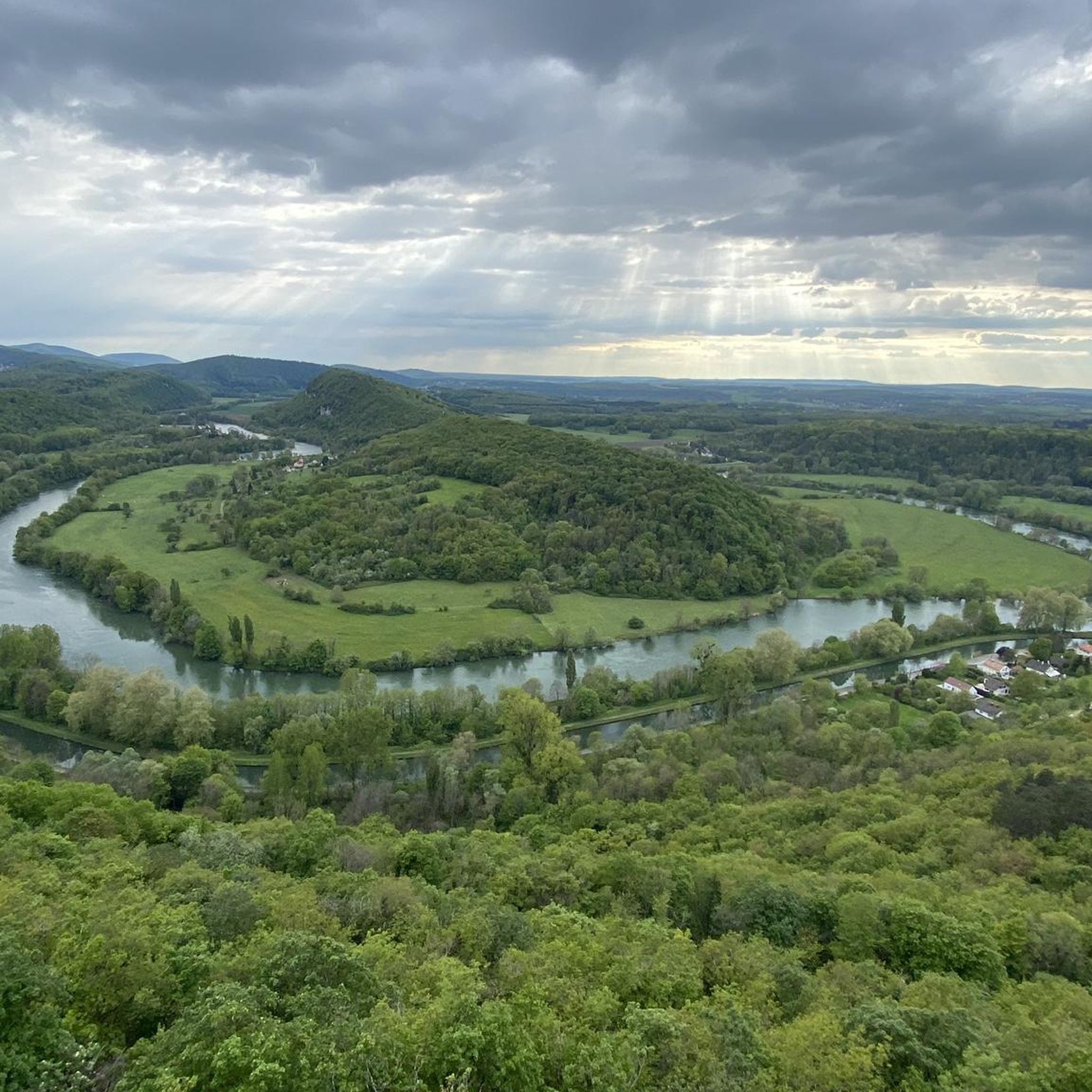
Tips from the Community

The waterfall is impressive even when it's carrying little water. Unfortunately, it can only be seen from the small path leading down from the road. The area at the base of the waterfall is private and extensively fenced. I found that a shame.
0
0

The Chapelle Notre-Dame des Buis, also known as the chapelle des Buis, is a Christian building dating back to at least the 17th century. It is located in Besançon, in the La Boucle district, and is considered one of the most remarkable chapels in the city. History: Although no official documentation is available, it is believed that the site may have housed a small temple to Mercury in Roman times, or perhaps even a cave where a hermit named Saint Leonard resided. A 13th-century hermitage stood on this site before the current chapel was built, sometime between the 17th and 19th centuries. After being damaged in 1815, the chapel was restored and expanded in 1865. Architecture: The chapel consists of three stacked plinths with stairs on all four sides. On top is a cube-shaped block with a statue of a woman raising her arms to the sky, symbolizing resurrected freedom. The Chapelle Notre-Dame des Buis is a place of historical significance and a tribute to those who have prayed and reflected here over the centuries. 🙏🕊️
8
0

The area around the waterfall is cordoned off, so that it is actually inaccessible and can only be seen from afar. The "standing seats" that have been set up are friendly, but do not really add value to the barbed wire. You can get closer to the waterfall from above, but you should do this with caution!!
1
0

The Notre-Dame des Buis chapel, commonly known as the Buis chapel, is a Christian building dating from at least the 17th century. The site in which it is placed as well as its architecture make it one of the most remarkable chapels in the city. Established on a ridge above the Saint-Étienne hill, the sector was a busy route of passage, a strategic military site. It has become a spiritual center and an exceptional environmental space. La Chapelle des Buis, despite its isolation and small demographics, enjoys a rich environmental and architectural heritage, with its thick forest, its places of worship and its countless statues. The chapel is located in the hamlet of Chapelle des Buis, on the edge of a small cliff more than 470 m high. In front of it stands one of the most beautiful panoramas of Besançon and the citadel of Besançon. About 400 m away is Notre-Dame de la Libération. Wikipedia
0
0

From the top, easily accessible, you can see the small stream disappearing into the void. Unfortunately, the fall point of the waterfall is on a private domain so not accessible, but you can see it from the place called "Bout du monde".
1
1

The Bout du Monde waterfall reaches an impressive height of 50 meters. A little planning is required, because in periods of low rainfall, the waterfall may not be visible.
3
0
Fort de Planoise was built between 1877 and 1892 to protect the Avanne-Aveney bridge, an important traffic artery at the time. It is an ideal place to visit to immerse yourself in nature and walk on the heights.
2
0

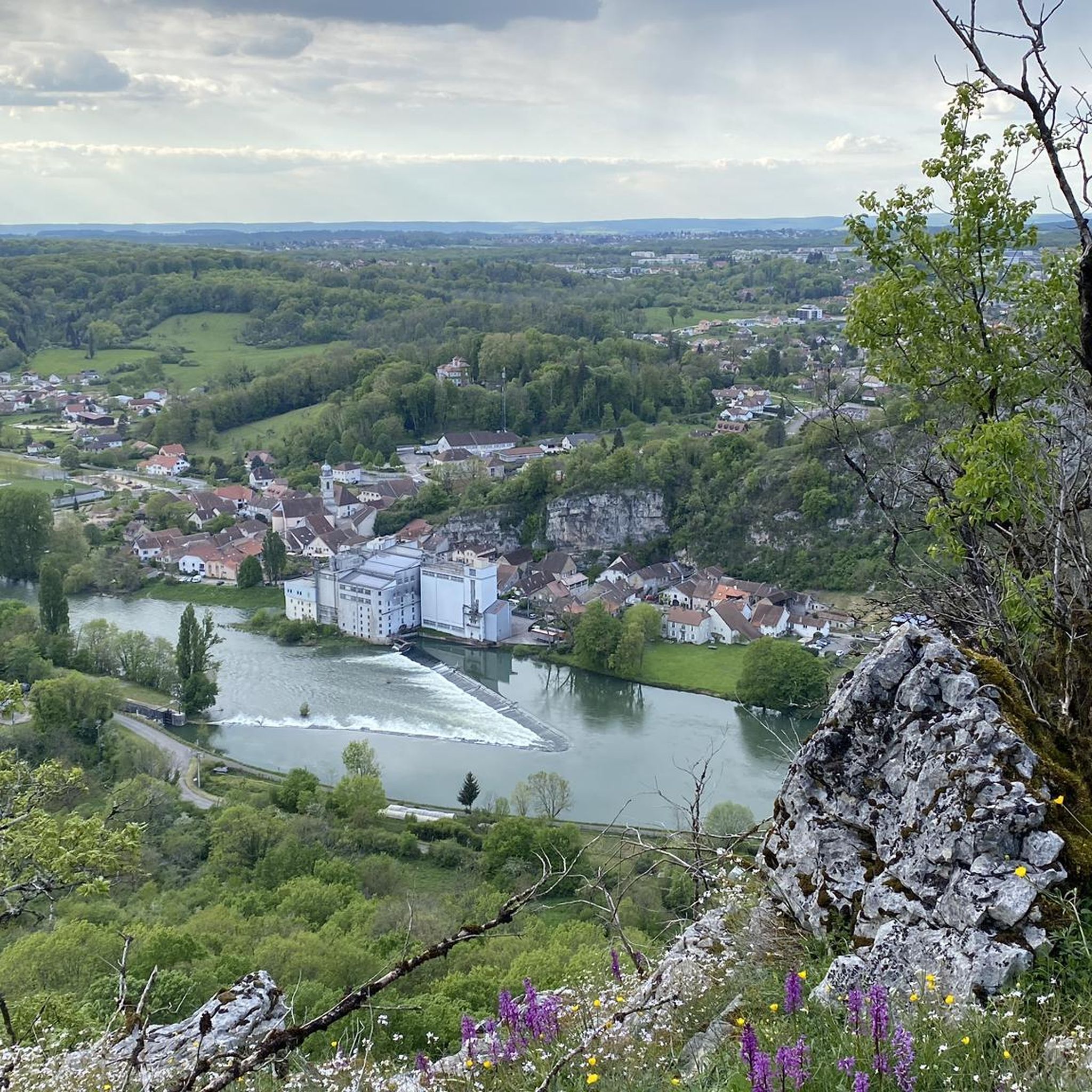
Fort de Planoise straddles the municipalities of Besançon and Avanne-Aveney. As such, it offers beautiful views of the two towns, including a window on the Avanne mill. The fort itself is a set of fortifications organized on the foothills of the hill with a central building at the top. By walking the paths of the hill, you will be able to discover many vestiges.
0
0
Frequently Asked Questions
How many hiking trails are available around Larnod?
Larnod offers a wide selection of hiking trails, with over 300 routes available. These range from easy strolls to more challenging excursions, catering to various fitness levels.
Are there easy hiking trails suitable for beginners or families in Larnod?
Yes, Larnod has over 130 easy routes, many of which are suitable for beginners or families. These trails often feature gentle ascents through woodlands and river valleys, providing a pleasant outdoor experience without significant difficulty.
Can I find circular walking routes in Larnod?
Many of the trails around Larnod are designed as circular routes, allowing you to start and end at the same point. For example, The Cascade du Bout du Monde — loop from Beure is a popular moderate circular trail that leads to a notable waterfall.
Are there any trails that feature waterfalls or natural monuments?
Absolutely. The region is known for its natural beauty. You can explore trails leading to features like the Bout du Monde Waterfall. Another interesting natural monument is The Holed Rock, which can be found on routes such as The Holed Rock – Valmy Rock loop from Arguel.
What historical sites or landmarks can I explore while hiking in Larnod?
Larnod's hiking trails often pass by significant historical sites. You can discover fortifications like the Vauban Citadel or Fort de Chaudanne. The Fort de Planoise Trail specifically leads through forested areas and past such historical points of interest.
What is the best time of year to go hiking in Larnod?
The varied landscape of Larnod, with its dense forests and river valleys, makes it enjoyable for hiking throughout much of the year. Spring and autumn offer pleasant temperatures and vibrant scenery, while summer provides lush green views. Winter hiking is also possible, though some trails might require appropriate gear depending on snow conditions.
Are there challenging hiking trails for experienced hikers in Larnod?
Yes, for those seeking a greater challenge, Larnod offers 32 difficult routes. These trails typically feature more significant elevation changes and longer distances, providing a rewarding experience for seasoned hikers looking to test their endurance in the Doubs region's terrain.
What do other hikers enjoy most about the trails in Larnod?
The trails in Larnod are highly rated by the komoot community, with an average score of 4.5 stars from over 700 reviews. Hikers frequently praise the diverse scenery, including dense woodlands and river valleys, as well as the well-maintained paths and the opportunity to discover both natural and historical landmarks.
Is public transport available to access hiking trails in Larnod?
While specific routes may vary, public transport options to reach trailheads in and around Larnod are generally limited. It is often recommended to use a car for convenient access to the starting points of many hiking routes in the region.
Are there specific trails where I might spot wildlife?
The dense woodlands and natural river valleys around Larnod provide habitats for various wildlife. While sightings are never guaranteed, hiking through quieter, forested areas, especially during early morning or late evening, increases your chances of spotting local fauna. The Larnod Discovery Trail, which explores local woodlands, could be a good option for this.
Are there any trails that lead to a cafe or restaurant?
While many trails in Larnod focus on natural and historical exploration, some routes may pass through or near villages where you can find local cafes or restaurants. It's advisable to check the specific route details on komoot for amenities along your chosen path, or plan to bring your own refreshments.
Most popular attractions around Larnod

Get inspired with the komoot mobile app


Explore more
Browse the best Hikes in other regions.
