Attractions and Places To See around Domat/Ems - Top 20
Best attractions and places to see around Domat/Ems, a municipality in the Swiss canton of Graubünden, offers a diverse landscape at the beginning of the wide Rhine valley. The area is characterized by wooded hills, high mountain ranges, and distinctive small, round hills known as "Tumas." Visitors can explore a blend of natural beauty, historical landmarks, and cultural sites. The region is known for its unique geological formations and rich history.
Best attractions and places to see around Domat/Ems
- The…
Last updated: October 9, 2026
Il Spir Viewing Platform – Rhine Gorge
Highlight • Viewpoint
Translated by Google •
Tip by

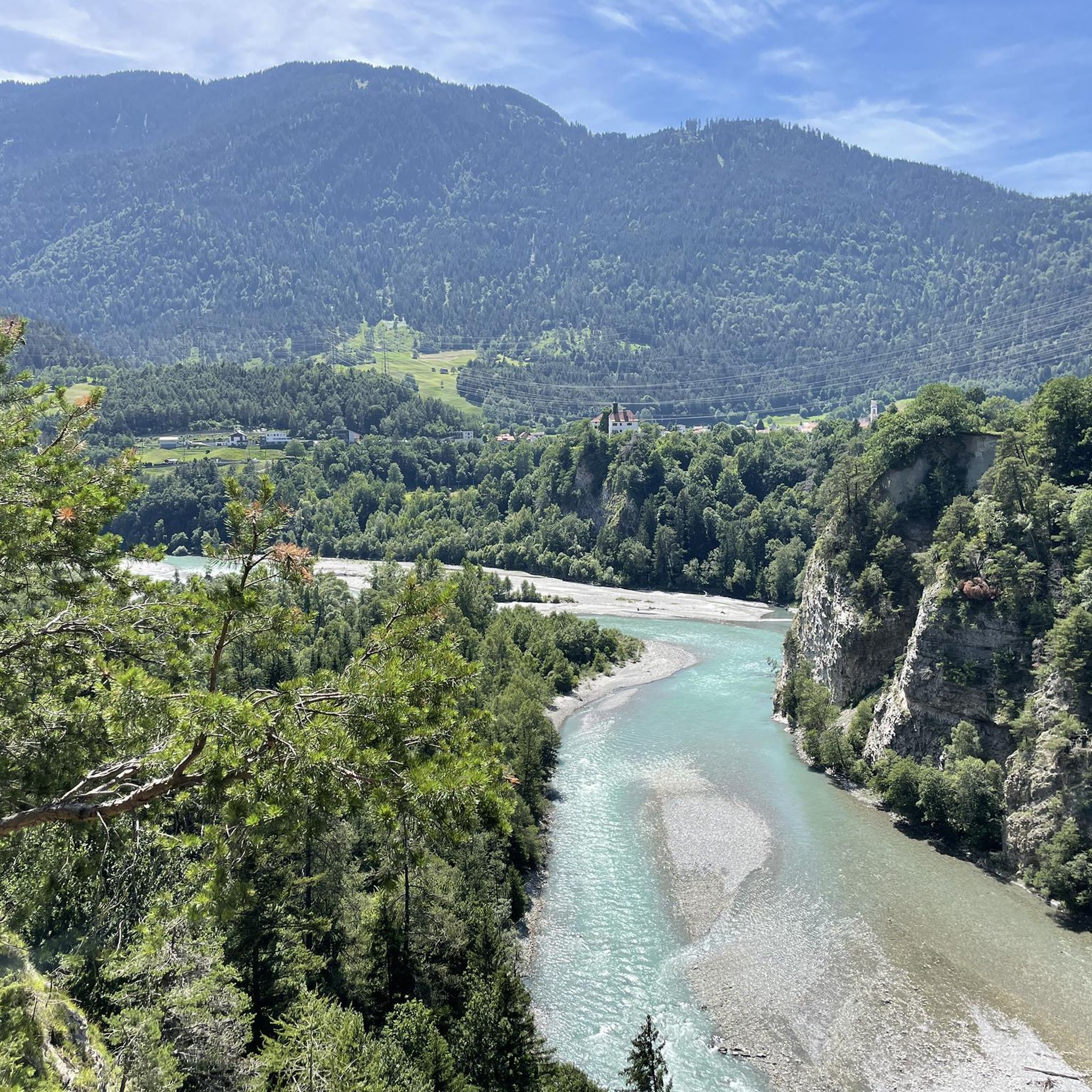
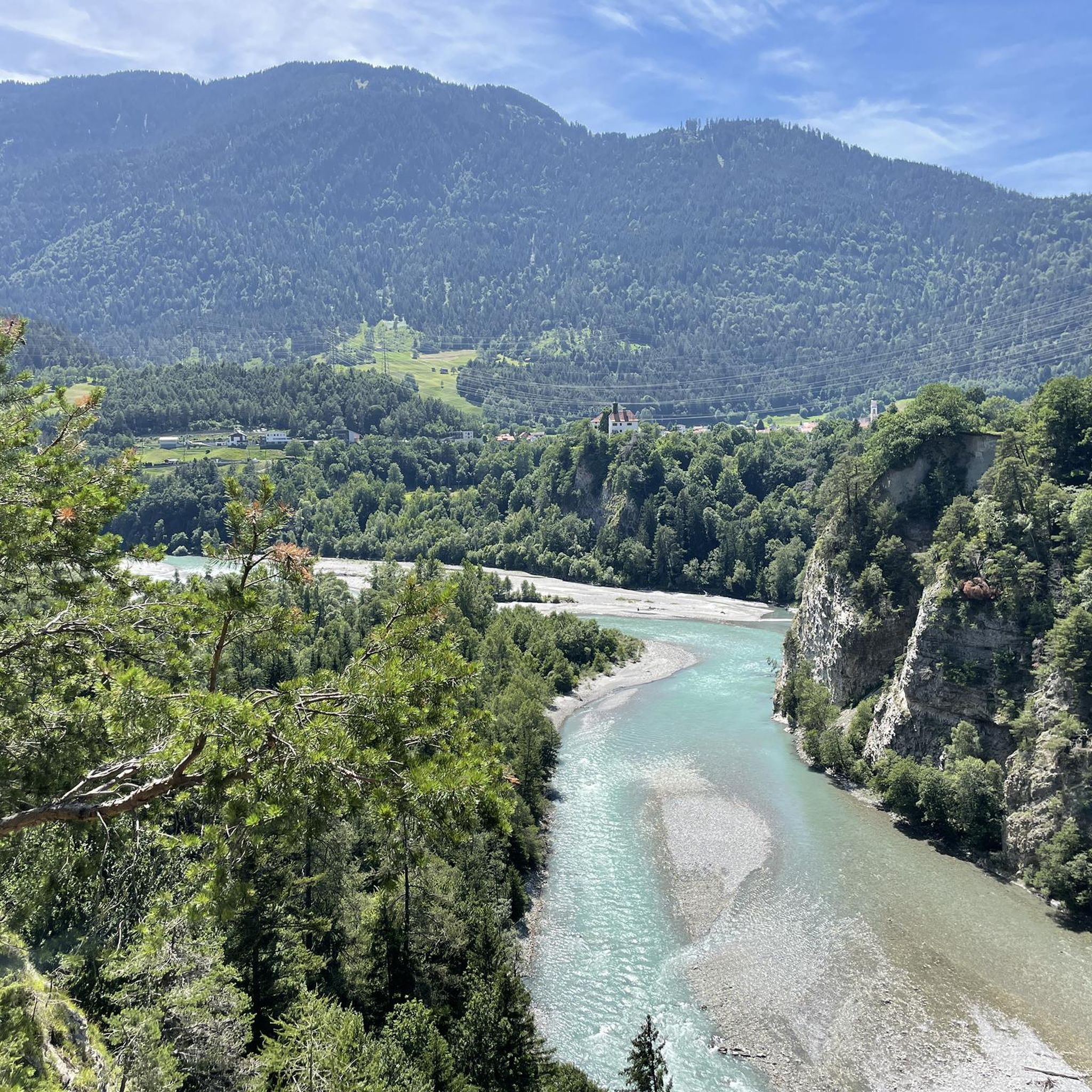
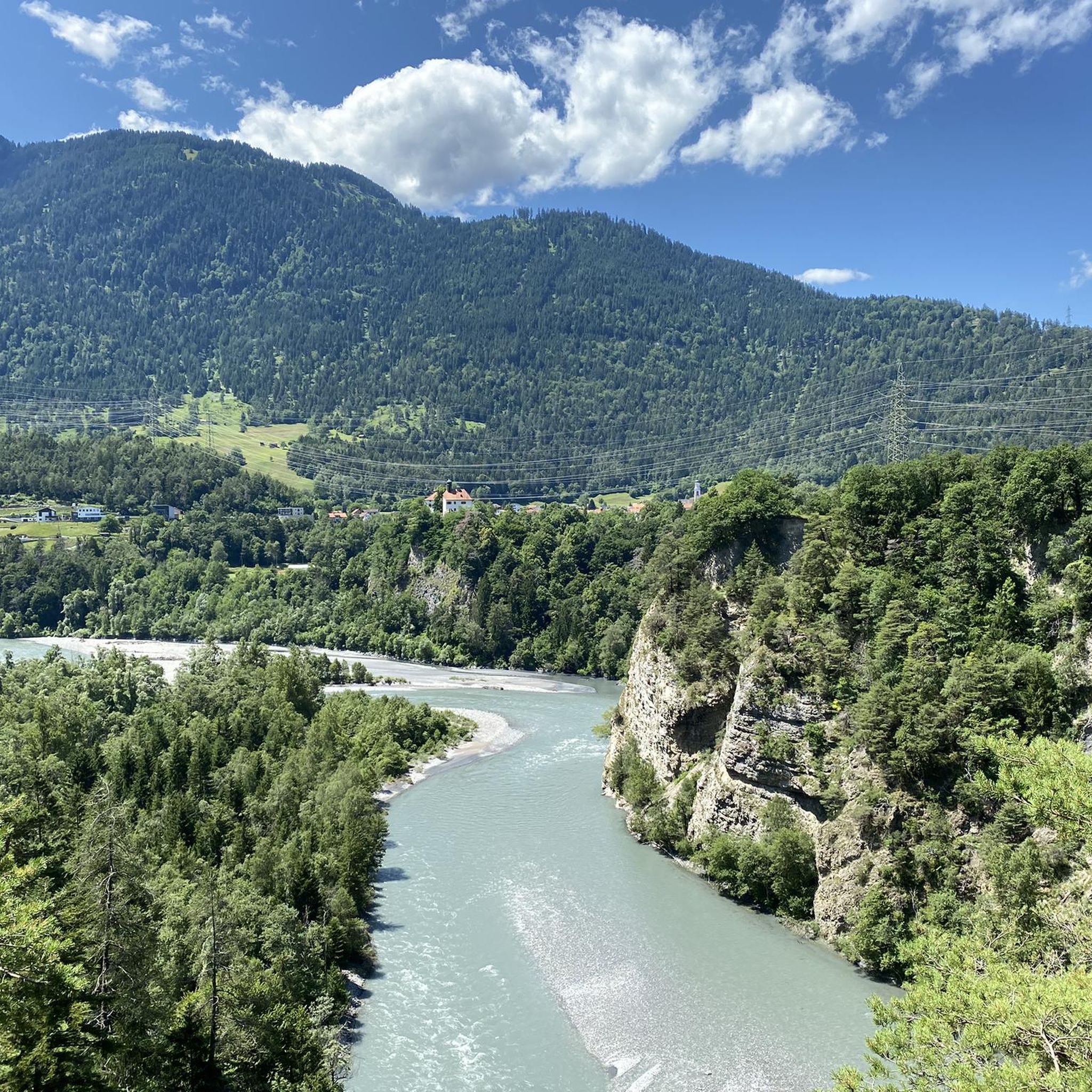
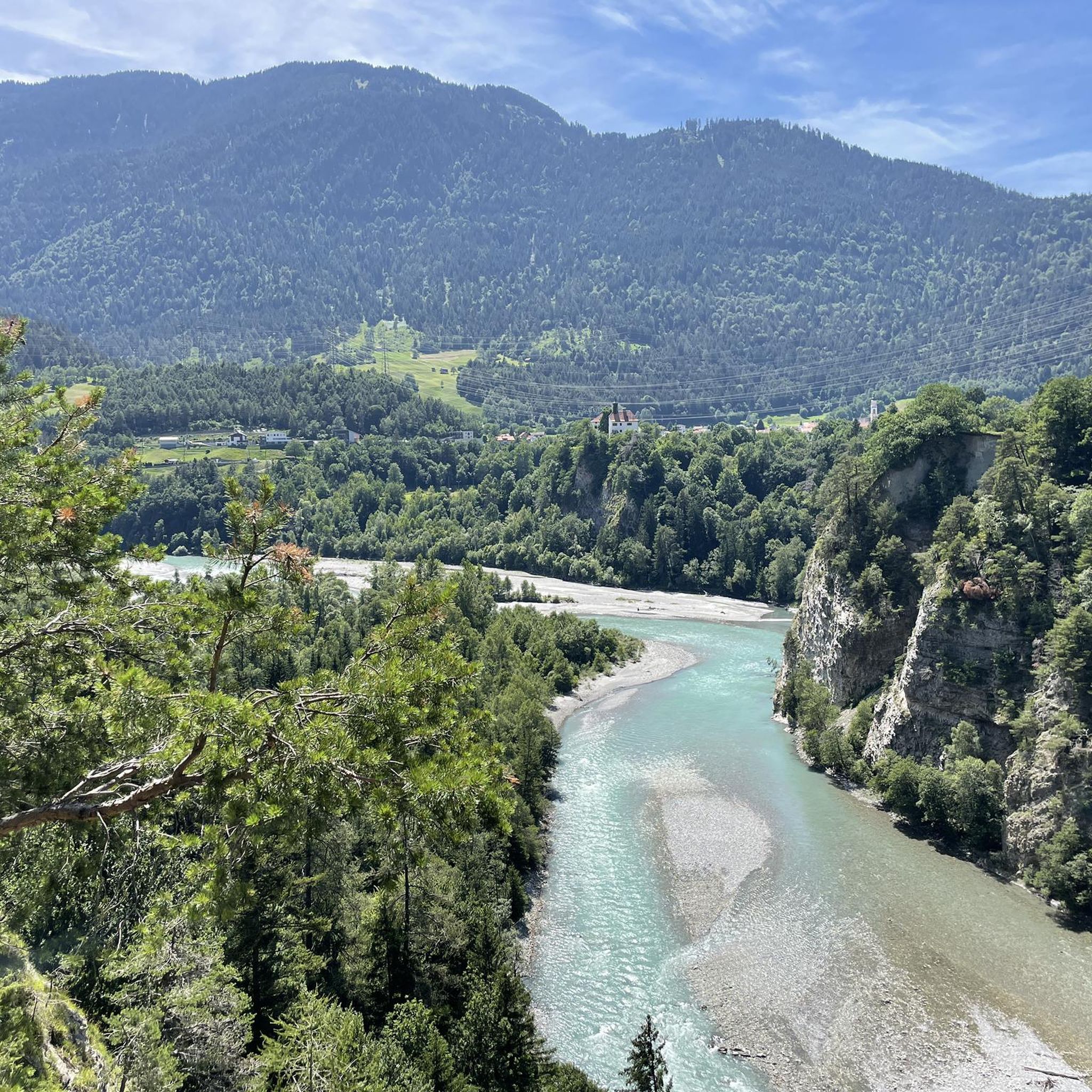
View of the Ruinaulta (Rhine Gorge)
Highlight • Viewpoint
Translated by Google •
Tip by
Sign up now to discover places like this
Get recommendations on the best single tracks, peaks, & plenty of other exciting outdoor places.
Cresta Lake
Highlight • Lake
Translated by Google •
Tip by

Dreibündenstein Monument
Highlight • Monument
Showing Translation
Tip by

Lake Cauma
Highlight • Lake
Translated by Google •
Tip by

Sign up for free to discover even more attractions around Domat/Ems.
Already have an account?
Start today with a free account
Your next adventure awaits.
Popular around Domat/Ems
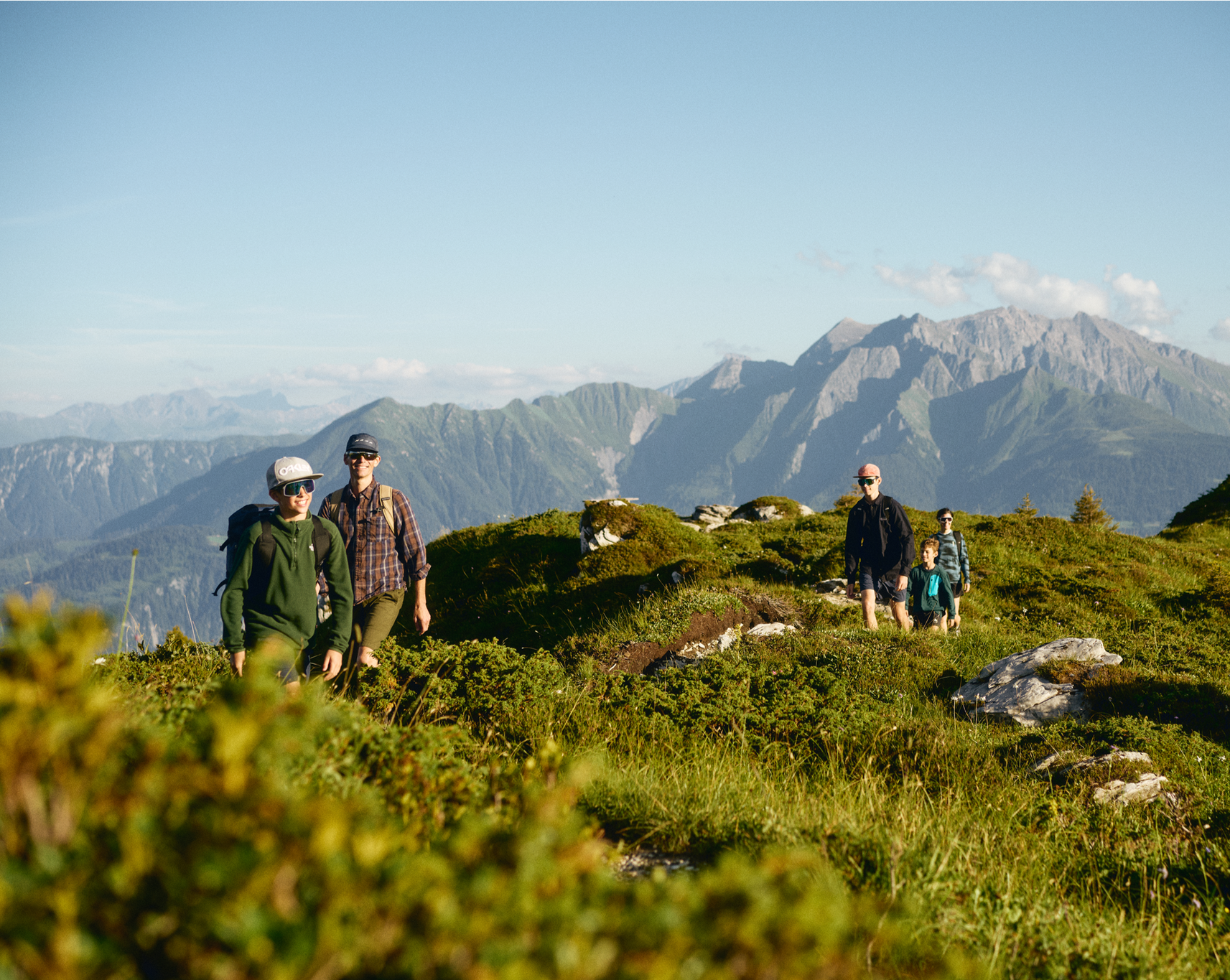
Hiking in and around the Sardona UNESCO World Heritage Site
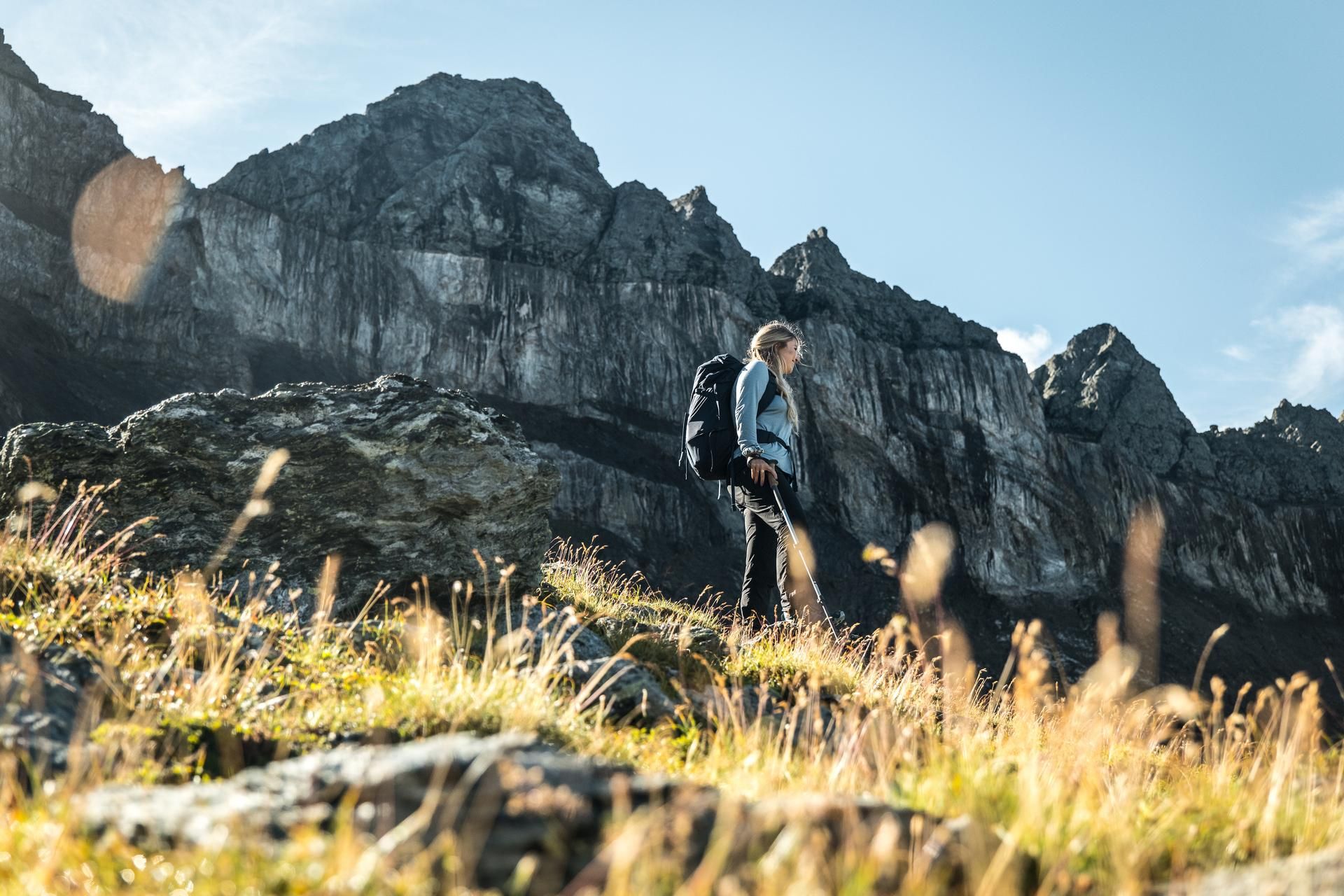
Hiking in the Swiss Tectonic Arena Sardona – Segnes Trek
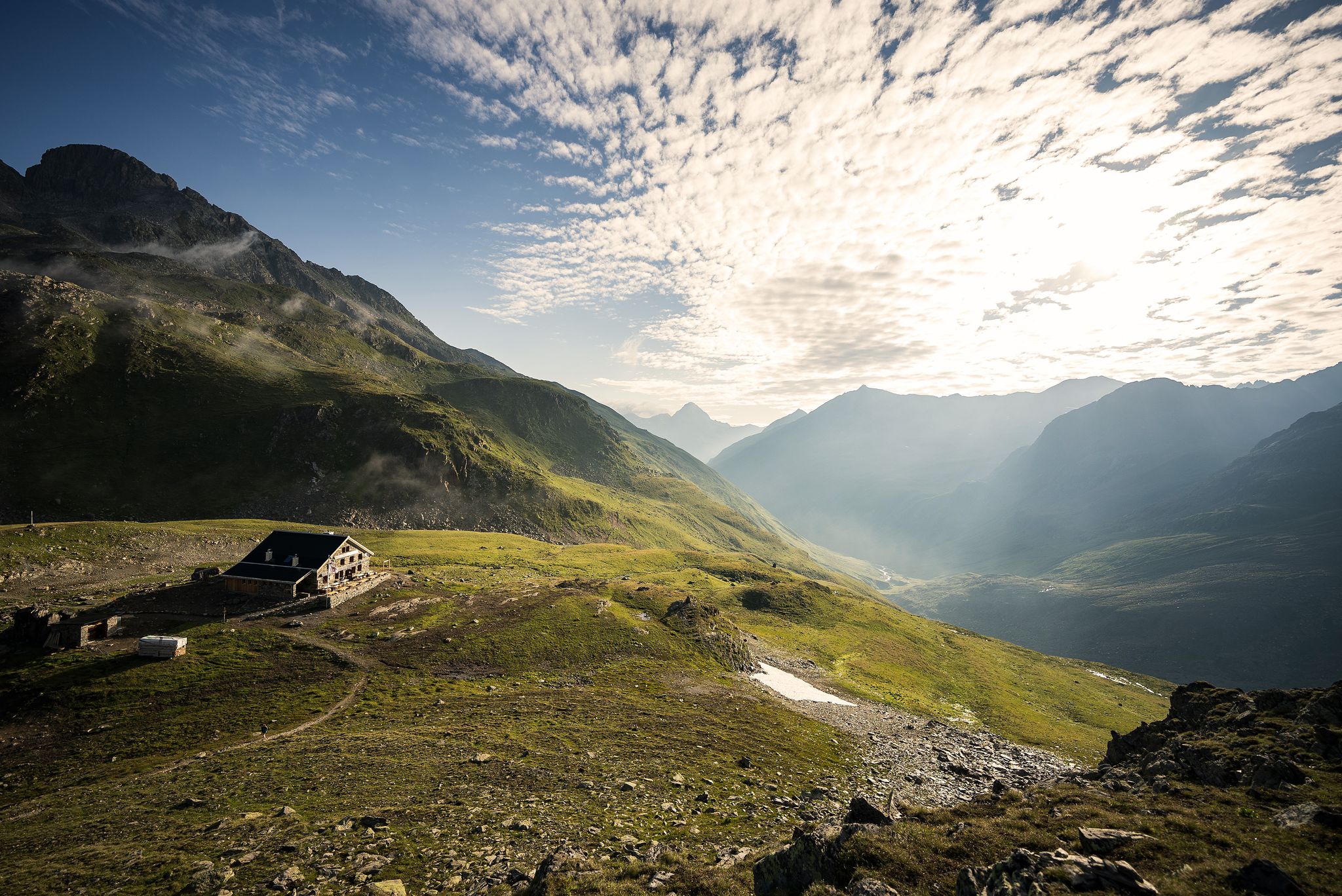
Hüttenzauber und Bergstille – Weitwandern in Graubünden
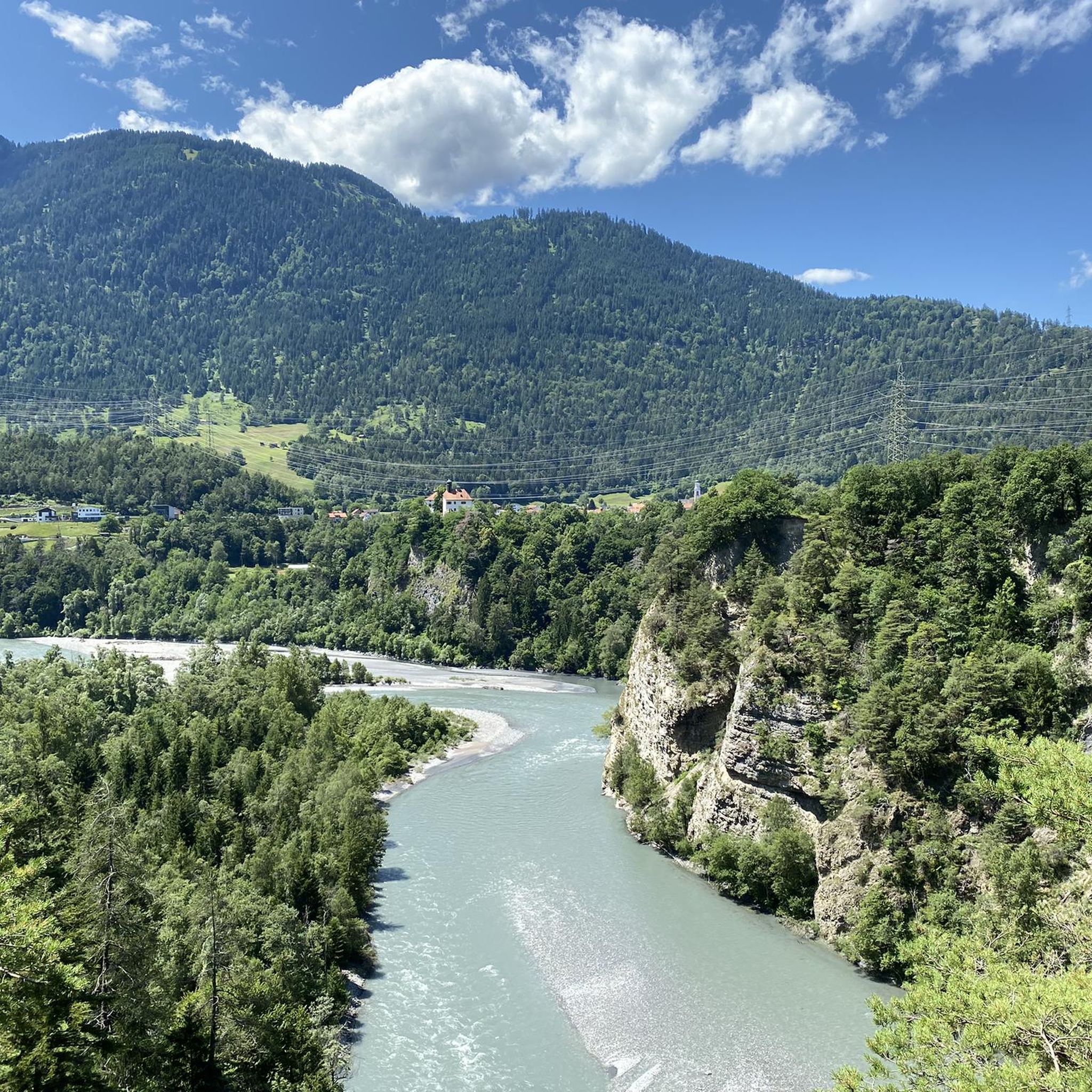
Cycling around Domat/Ems
MTB Trails around Domat/Ems
Road Cycling Routes around Domat/Ems
Hiking around Domat/Ems
Running Trails around Domat/Ems

Gravel biking around Domat/Ems
Mountain Hikes around Domat/Ems


Tips from the Community

The Dreibündenstein in Graubünden is an elevation at 2,156 meters above sea level south of the city of Chur and of the mountain Furggabüel, which lies at 2,174 meters above sea level. They are separated only by a 15-meter high saddle and 500 meters distance. The point is not a mountain peak, but a historical site. It was the sole triple border point of the former Free State of the Three Leagues. The original stone from 1722 is exhibited in the Rätisches Museum Chur. The replacement stone from 1915 bears the three coats of arms of the Three Leagues. The Three Leagues included the Grey League with the judicial community of Rhäzüns, the League of the Ten Jurisdictions from Churwalden, and the League of God's House from Ortenstein Castle.
5
0

The platform was designed by the Chur architect Corinna Menn on behalf of the municipality of Flims and inaugurated in September 2006. It consists of a single pillar that is anchored in two places. The pillar, held back by a traction cable, protrudes into the gorge. On the pillar lies the triangular platform made of larch wood, which gives the structure the shape of a swift. (Source: https://de.wikipedia.org/wiki/Il_spir)
6
0

Mountain hike from Brambrüesch to Dreibündenstein and on to Feldis
1
0

A dream of a view of the Rhine Gorge and little visited.
7
0

Lake Cauma, the Pearl of Flims Called "Lag la Cauma" in Romansh, which means "Lake of Midday Rest," Lake Cauma is the pearl of Flims. Origin This mountain lake was formed as a result of the largest landslide in the Alps, which occurred almost 10,000 years ago. The formation of the lakes is attributed to prehistoric landslides. The water seeped through the porous rockslide masses. However, it can also dissolve the limestone with the help of its carbonic acid. Over time, it created an underground passage. A deeper, impermeable clay layer ensures that the water does not completely seep into the ground. Text / Source: Flims Laax Falera https://www.caumasee.ch/geschichte/
12
1
“Il Spir” viewing platform From the Il Spir viewing platform, you can marvel at the impressive Rhine Gorge / Ruinaulta!
9
1
Ruinaulta Rhine Gorge The Ruinaulta or Rhine Gorge is a gorge up to 400 meters deep and around 13 kilometers long in the Vorderrhein between Ilanz and the mouth of the Hinterrhein near Reichenau in the canton of Graubünden in Switzerland. The Romansh name 'Ruinaulta' is composed of the two words Ruina (scree slope, quarry) and aulta (high). The Ruinaulta was created after the Flims landslide almost 10,000 years ago. At that time, over 10 billion cubic meters of rock broke off between the Flimserstein and the Piz Grisch and buried the Vorderrheintal between today's villages of Castrisch and Reichenau under a mass of rubble several hundred meters thick. Since the Vorderrhein could no longer drain, a lake was dammed over a length of around 25 km. Over time, the river cut deep into the landslide masses and the resulting lake was able to drain completely. What remained was the Ruinaulta with its steep limestone rubble cliffs in impressive erosion formations. Text/Source: Wikipedia https://de.wikipedia.org/wiki/Ruinaulta
10
1
Dreibündenstein - a piece of history The Dreibündenstein is a monument to the former border point of the Free State of the Three Leagues. Until 1798, the borders of the "Gotteshausbund", "Grauer Bund" and "Zehngerichtebund" leagues met at this point. Each side of the stone bears a coat of arms of these three Rhaetian leagues. At the same time, the Dreibündenstein commemorates the freedom fighters of Graubünden. Text / Source: EHL Group, Route de Cojonnex 18, 1000 Lausanne 25 https://hospitalityinsights.ehl.edu/de/graubuenden-entdecken-dreibuendenstein#:~:text=The%20Dreib%C3%BCndenstein%20is%20a%20monument%20for%C3%BCr%20the%20former,stone%20stone%20bears%20a%20coat%20of%20these%20three%20Roman%20federations.
11
1
Frequently Asked Questions
What are the most impressive natural sights in the Domat/Ems region?
The Domat/Ems region is rich in natural beauty. A must-see is the breathtaking Il Spir Viewing Platform – Rhine Gorge, often called the "Swiss Grand Canyon," offering spectacular views of the deep gorge formed by ancient landslides. You can also explore the unique "Tumas," distinctive conical earth mounds that are relics of these landslides. Additionally, the crystal-clear waters of Cresta Lake and Lake Cauma, nestled among fir trees, are picturesque natural highlights.
Where can I find the best panoramic views of the Rhine Gorge?
For unparalleled views of the Rhine Gorge, visit the Il Spir Viewing Platform – Rhine Gorge. Another excellent spot is the View of the Ruinaulta (Rhine Gorge), which offers extensive vistas along its route, complete with benches for resting and enjoying the scenery.
What historical landmarks can I visit in Domat/Ems?
Domat/Ems boasts several significant historical landmarks. The village is home to multiple historic churches, including the Carolingian Church of S. Pieter (St. Peter) built around 800 AD, and the Parish Church S. Gion Baptista (St. John the Baptist) from the 12th century with its defensive tower and late Gothic winged altar. Another notable site is the Dreibündenstein Monument, a historical marker at 2,156 meters altitude commemorating the former border point of the Free State of the Three Leagues.
Are there family-friendly attractions or activities in Domat/Ems?
Yes, Domat/Ems offers several family-friendly options. Cresta Lake is accessible via a stroller-friendly hiking trail from Trin Mulin and has a restaurant. Lake Cauma is also popular with families, known for its turquoise waters. For active families, Domat/Ems features Switzerland's longest pump track, providing an exciting cycling activity.
Can I swim in any of the lakes near Domat/Ems?
Yes, both Cresta Lake and Lake Cauma are popular for swimming during the warmer months. Cresta Lake, a spring-fed lake, has constantly renewed, drinkable water and a natural pool area. Lake Cauma is renowned for its stunning turquoise waters and is a favorite spot for visitors.
What kind of hiking trails are available around Domat/Ems?
The region around Domat/Ems offers a diverse range of hiking experiences. You can find easy riverside trails, moderate loops, and challenging mountain hikes. For detailed routes and options, explore the Hiking around Domat/Ems guide, which includes trails like the 'Rhine Riverside Trail' and more demanding routes towards the Kunkel Pass.
Are there options for running or mountain biking near Domat/Ems?
Absolutely! Domat/Ems is a great starting point for various outdoor activities. For runners, check out the Running Trails around Domat/Ems guide, featuring routes like 'Across the Rhine – Rhine at Pardisla Bridge loop'. Mountain biking enthusiasts can enjoy the unique 'Tuma' landscape, and Domat/Ems even boasts Switzerland's longest pump track for cycling fun. For more challenging mountain routes, refer to the Mountain Hikes around Domat/Ems guide, which includes routes suitable for experienced mountain bikers.
What is the significance of the Dreibündenstein Monument?
The Dreibündenstein Monument is a historical landmark marking the former triple border point of the Free State of the Three Leagues (Gotteshausbund, Grauer Bund, and Zehngerichtebund) until 1798. Each side of the stone bears a coat of arms of these leagues, and it also commemorates Graubünden's freedom fighters. The original stone from 1722 is in the Rätschen Museum in Chur, while a replacement stands at the site.
When is the best time to visit Domat/Ems for outdoor activities?
The best time to visit Domat/Ems for outdoor activities largely depends on your preferred activity. The spring and summer months (May to September) are ideal for hiking, swimming in the lakes, and cycling, with pleasant temperatures. The lakes, like Cresta and Cauma, are open for swimming during this period. Even in winter, the region offers beauty, with the lakes providing a serene, calm atmosphere and the opportunity for winter walks.
Are there any unique geological formations to see in the area?
Yes, the Domat/Ems region is characterized by two unique geological features. The most prominent is the Rhine Gorge (Ruinaulta), a spectacular canyon up to 400 meters deep, formed after the Flims landslide almost 10,000 years ago. Another distinctive feature is the "Tumas," unique conical earth mounds that are relics of ancient landslides and define the landscape around Domat/Ems.
What do visitors particularly enjoy about the attractions in Domat/Ems?
Visitors to Domat/Ems frequently praise the breathtaking natural beauty and the diverse range of activities. The stunning panoramic views from the Il Spir Viewing Platform – Rhine Gorge are often highlighted. The crystal-clear waters of Cresta Lake are loved for swimming and their fairytale-like setting. Many also appreciate the historical significance of sites like the Dreibündenstein Monument and the peaceful, natural surroundings for hiking and relaxation.
Is there a golf course in Domat/Ems?
Yes, Domat/Ems features a scenic golf course set within the unique "Tuma" landscape. It offers three 9-hole courses, complete with small lakes, water hazards, and an island green, making it an enjoyable experience for golf enthusiasts. There is also a well-regarded driving range available.
Most popular routes around Domat/Ems
Most popular attractions around Domat/Ems

Get inspired with the komoot mobile app


Explore more
Still not found the Highlight you’re looking for? See guides of the top attractions in other regions:
