Top 20 Lakes around Breil/Brigels
Lakes around Breil/Brigels offer access to several mountain lakes in the Swiss Alps. This charming mountain village provides a diverse natural landscape for exploration. The area features lakes with unique characteristics, from high-alpine sources to accessible forest lakes. Visitors can find opportunities for hiking, relaxation, and observing natural features.
Best lakes around Breil/Brigels
- The most popular lakes is Lag da Pigniu Dam, a man-made monument that features a 270-meter long dam wall. It is appreciated for its turquoise water and nearby waterfalls.
- Another must-see spot is Muttsee Reservoir, a lake that is the highest reservoir in Switzerland. Visitors can expect views of the dam wall, which is the longest in Switzerland, and its integration into energy generation.
- Visitors also love Dachlisee, a hidden forest lake. It features a wood fire pit, tables, benches, and a toilet, making it suitable for family visits.
- Breil/Brigels is known for glacier lakes, reservoirs, and forest lakes. These include high-alpine bodies of water and more accessible lakes with facilities.
- The lakes around Breil/Brigels are appreciated by the komoot community, with more than 120 upvotes and over 160 photos shared across various highlights.
Last updated: October 2, 2026
Ochsenstäfeli
Highlight • Lake
Translated by Google •
Tip by

Lai da Pigniu
Highlight • Monument
Translated by Google •
Tip by

Sign up now to discover places like this
Get recommendations on the best single tracks, peaks, & plenty of other exciting outdoor places.
Griesslisee
Highlight • Lake
Claridensee: The secret glacier lake on the Klausenpass at 2098 m
Glacier lake at the foot of the Clariden north face and the rock formation “Tyyfelsfriedhof”.
Translated by Google •
Tip by

Lake Brigels
Highlight • Lake
Translated by Google •
Tip by

Lag da Breil / Brigels Lake
Highlight • Lake
Translated by Google •
Tip by

Sign up for free to discover even more lakes around Breil/Brigels.
Already have an account?
Start today with a free account
Your next adventure awaits.
Popular around Breil/Brigels
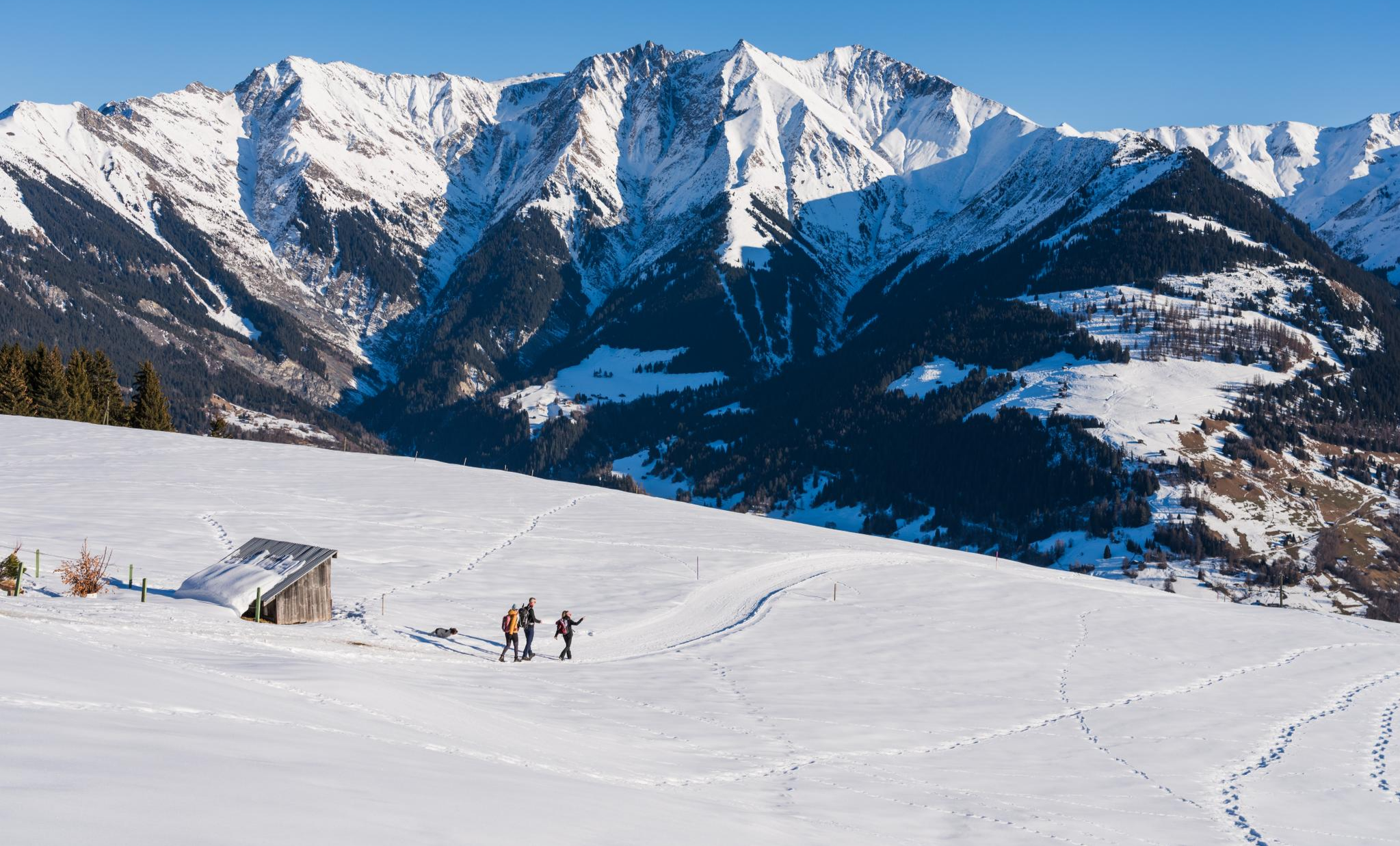
Winter Magic in the Surselva – peace, space and pure nature
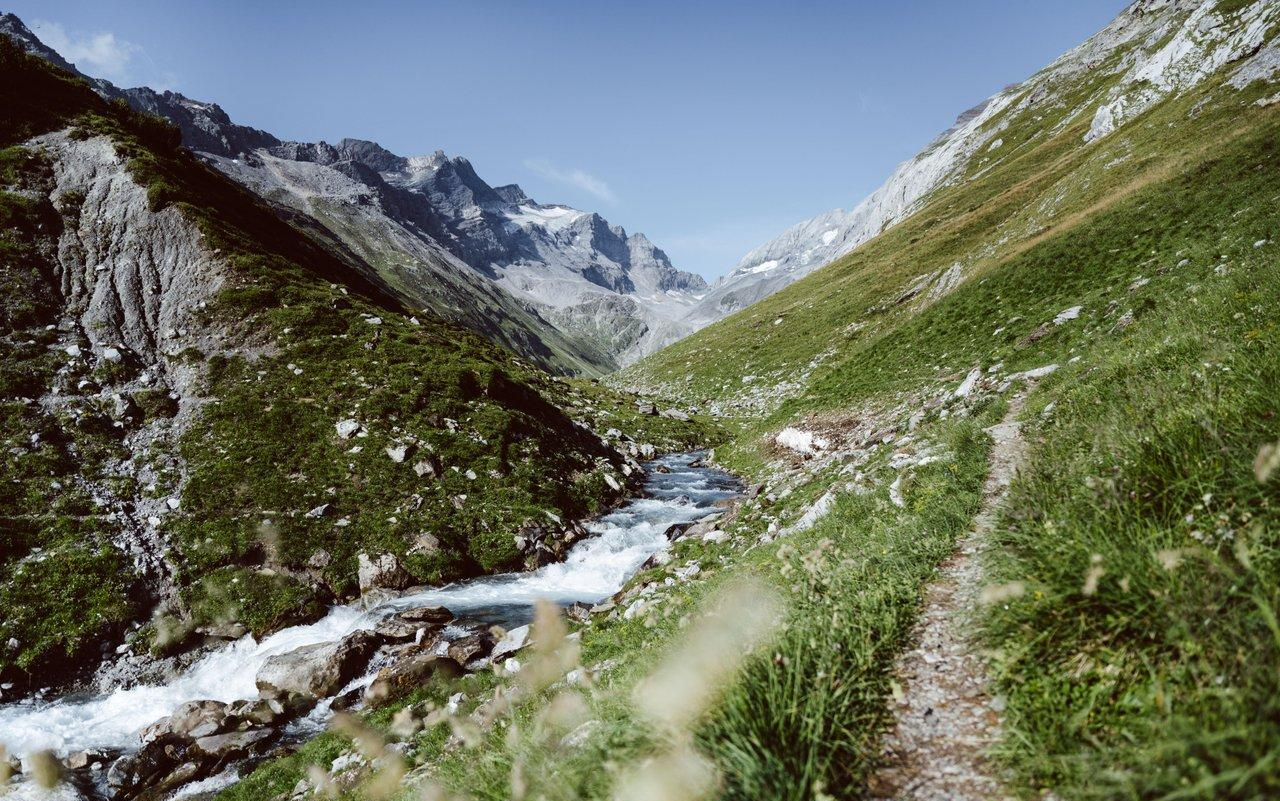
Relax and enjoy – hiking highlights of the Surselva
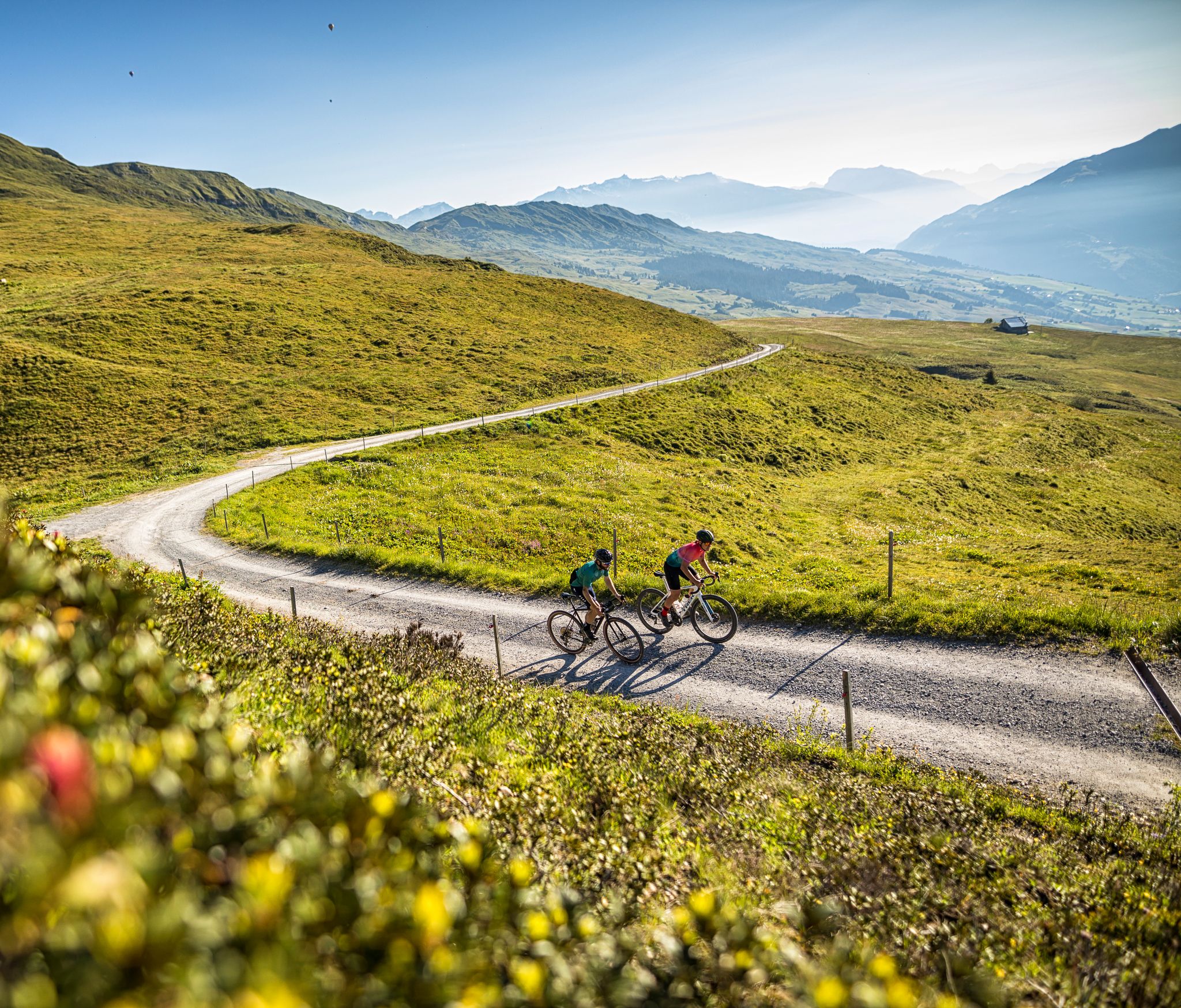
The six most beautiful gravel routes in Graubünden
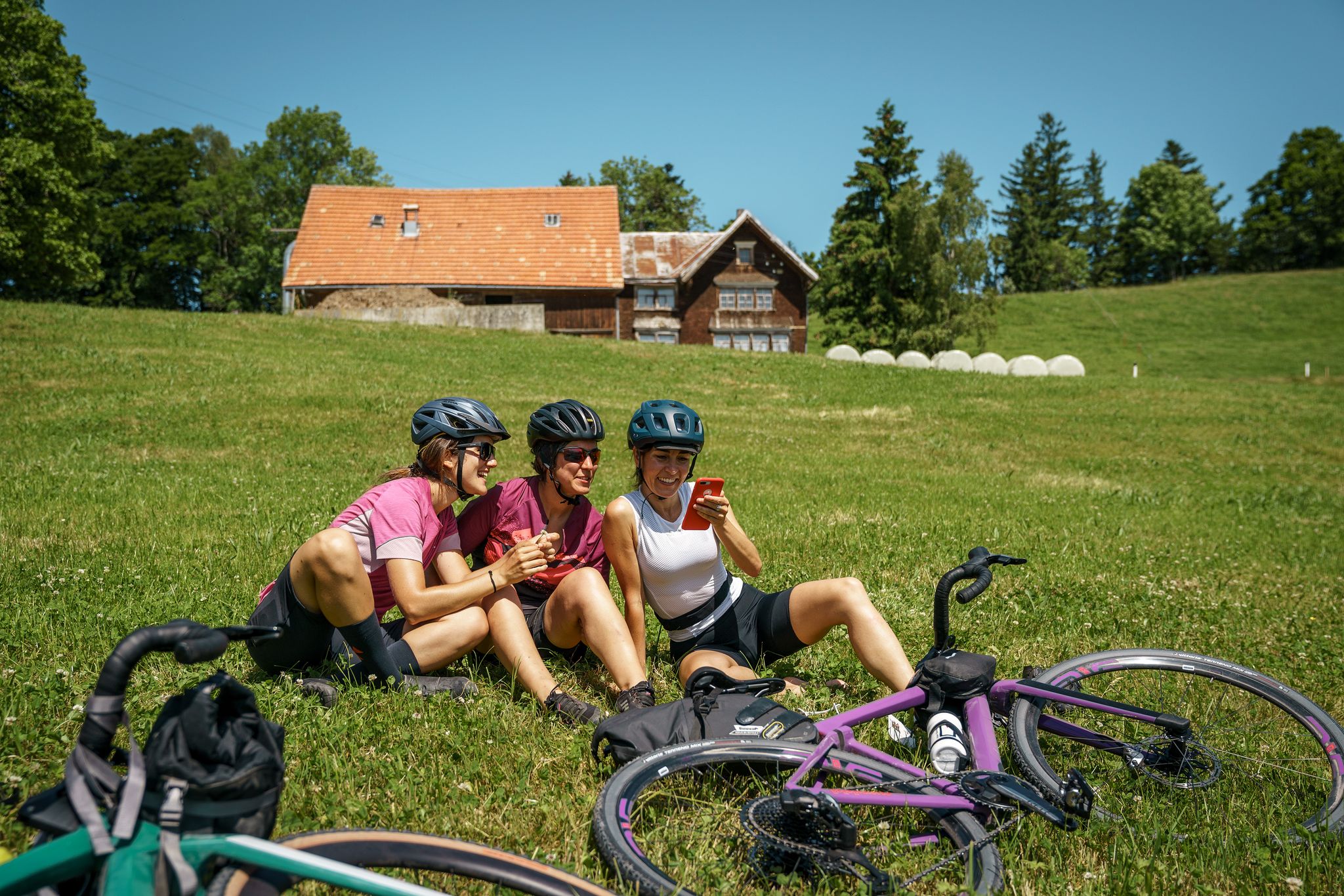
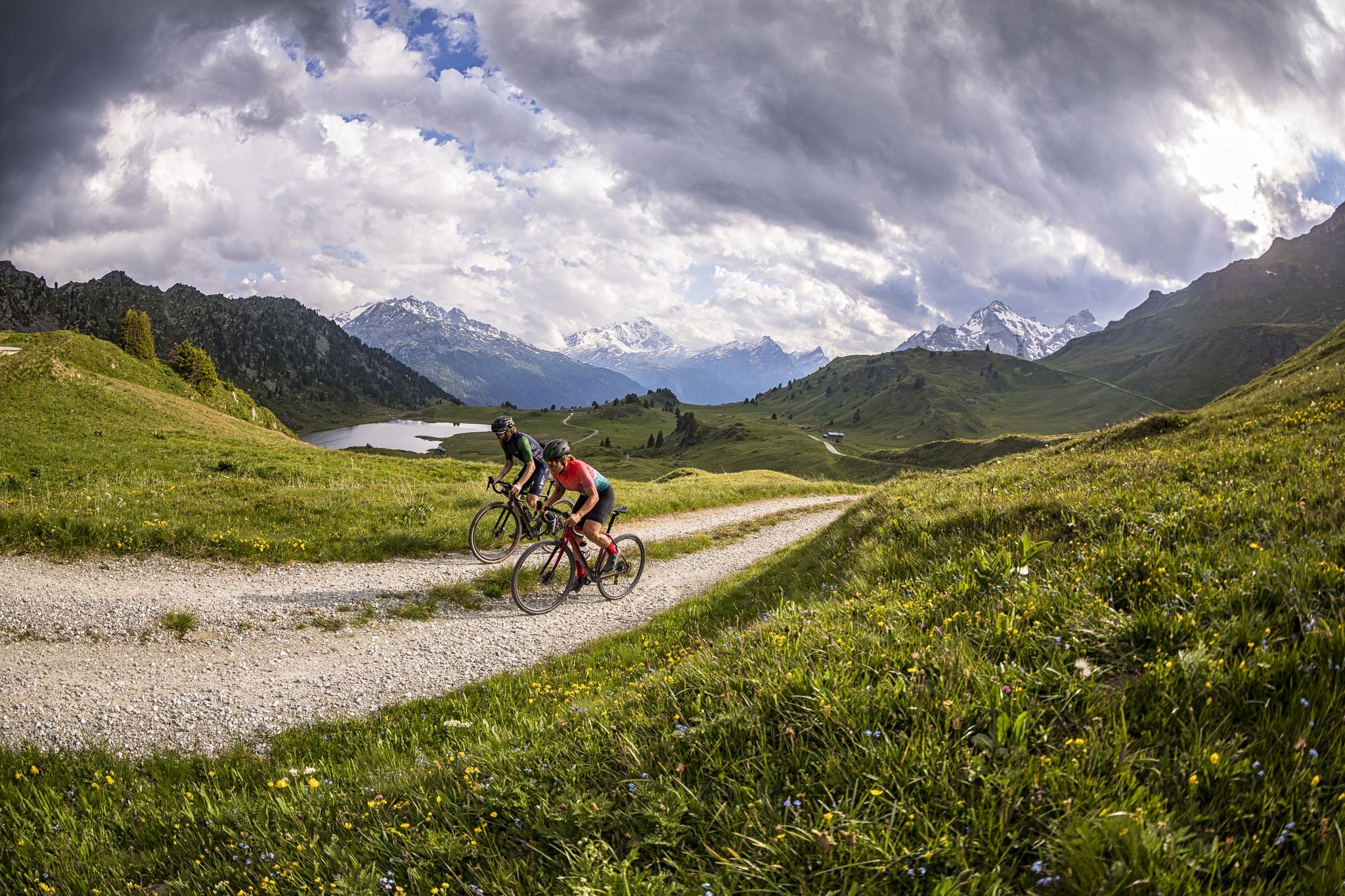
100% Women: essential Switzerland on a gravel bike
A gravel biking Menu for Switzerland’s Grisons
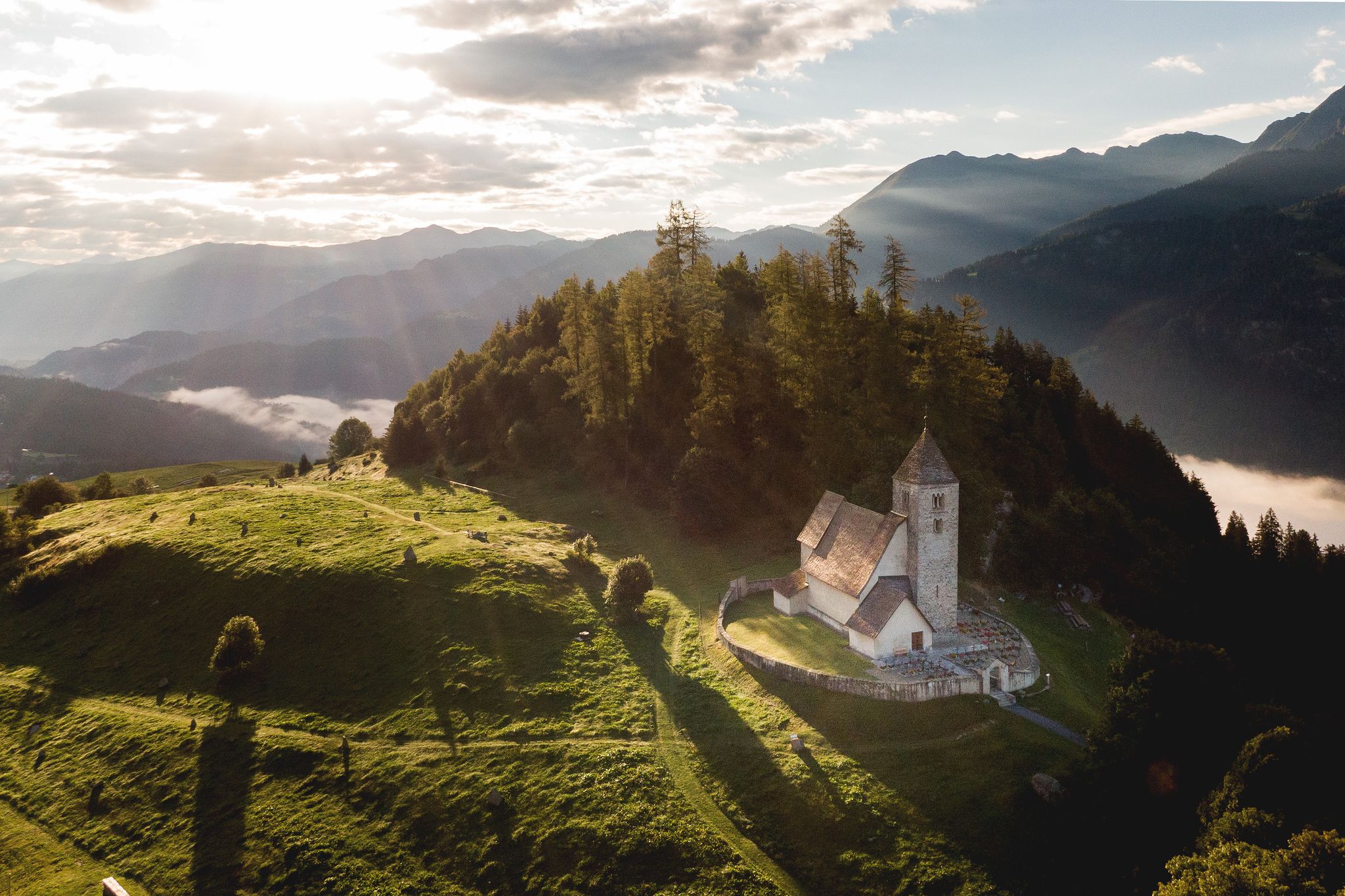
On ancient paths towards Santiago — the Way of St. James Graubünden
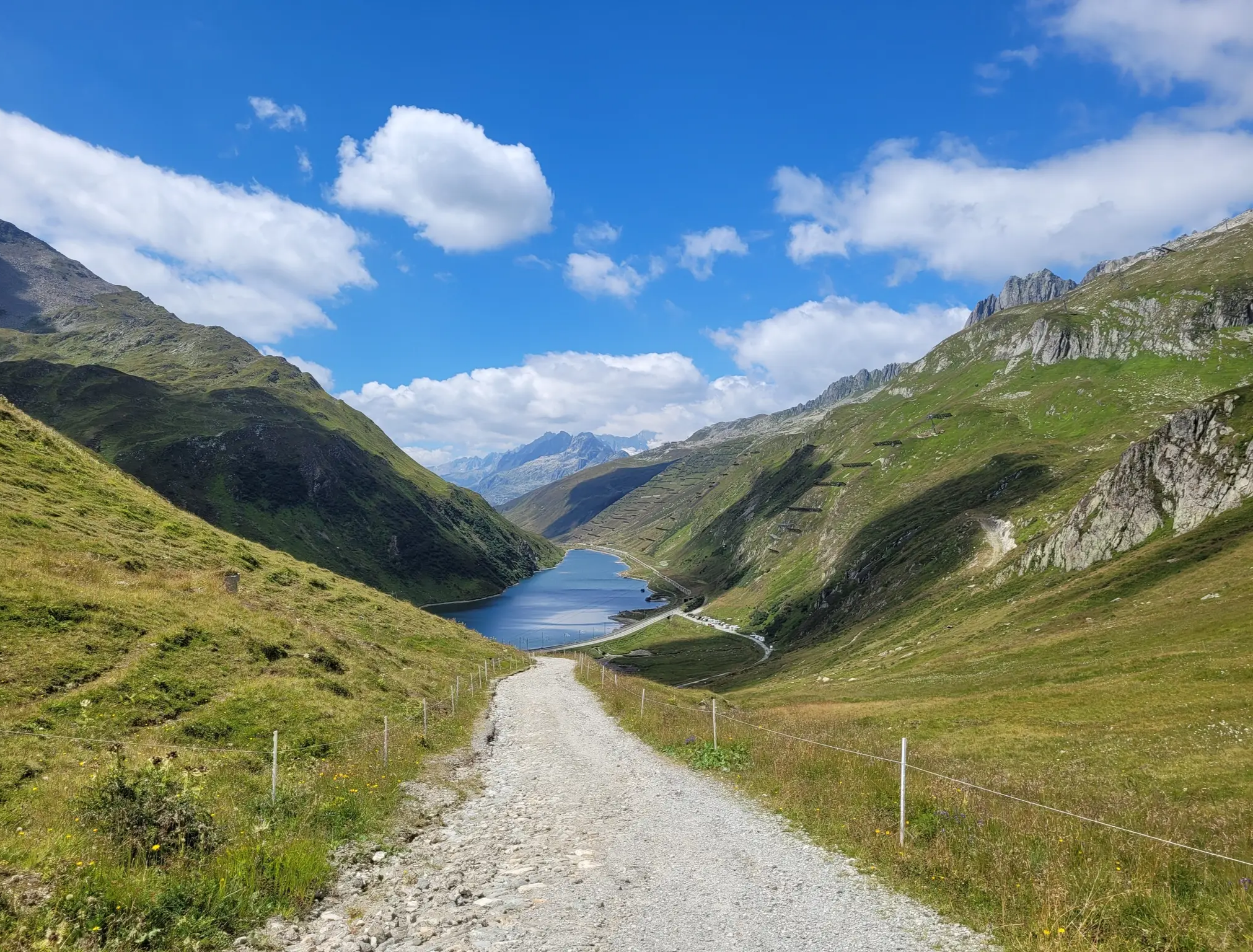
Senda Sursilvana – lungo il Giovane Reno tra natura e tradizione
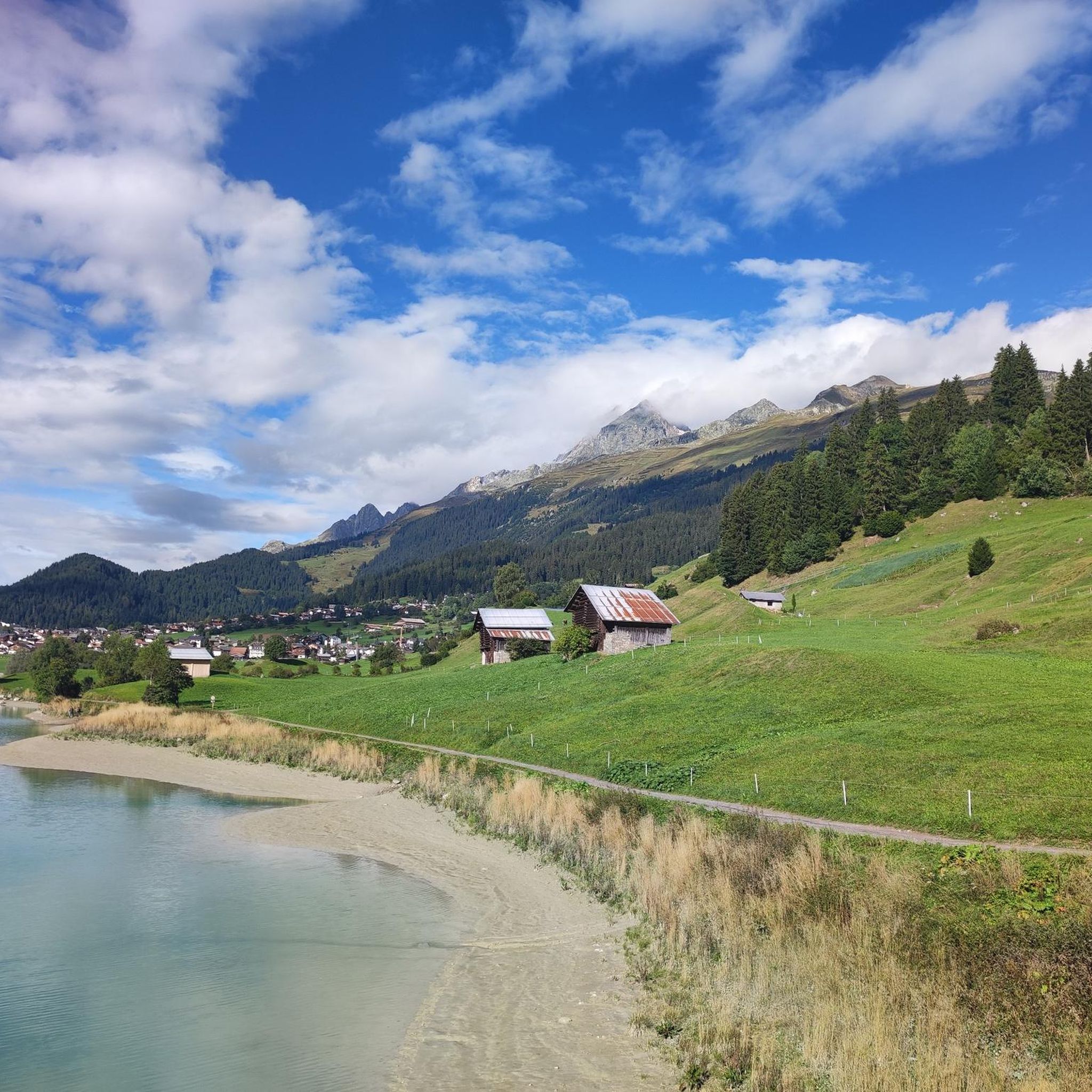
Hiking around Breil/Brigels
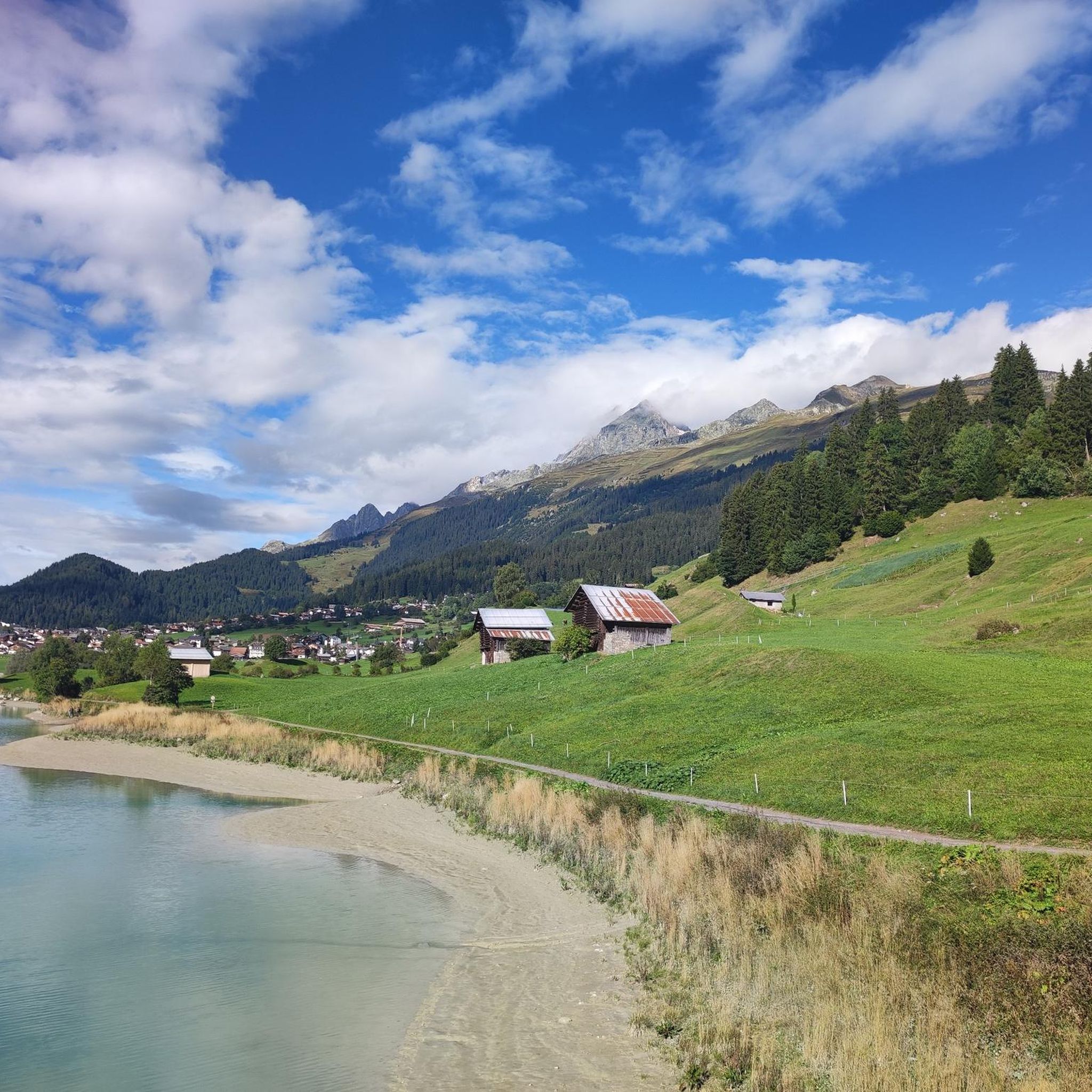
MTB Trails around Breil/Brigels
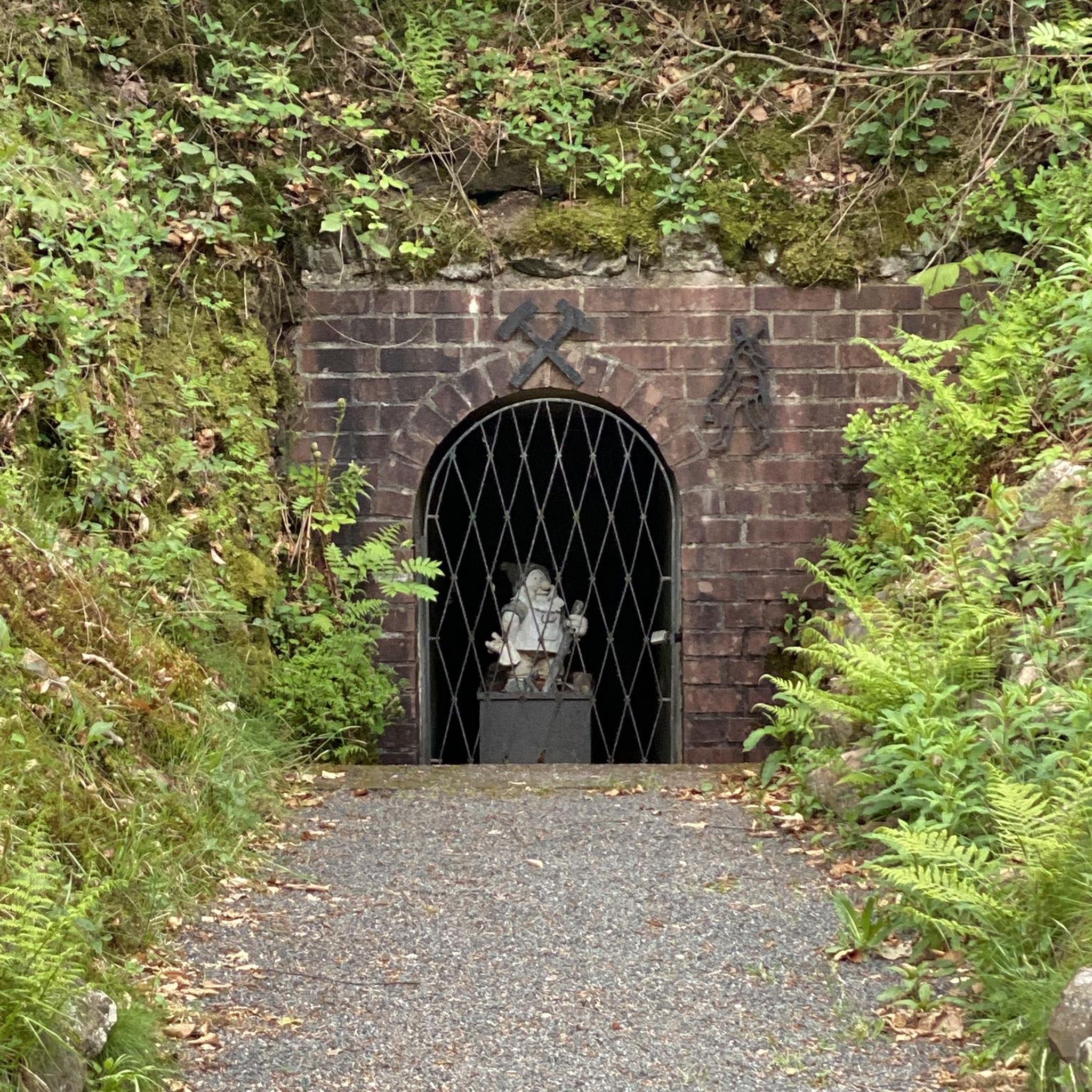
Gravel biking around Breil/Brigels
Other adventures around Breil/Brigels


Tips from the Community


The Lag da Breil, in German Brigelsersee, lies at around 1,255 m above sea level, directly above Brigels. The lake, approximately 500 meters long and up to 140 meters wide, was created as a reservoir in 1946 and is used for energy production. The Flem feeds and drains the lake. Despite its function as a reservoir, the Lag da Breil appears very idyllic and blends beautifully into the landscape around Brigels. A pleasant walking path leads all the way around the lake. Important: Swimming is not allowed in the reservoir.
0
0
The Lag da Breil, in German Brigelsersee, lies at around 1,255 m above sea level, directly above Brigels. The lake, approximately 500 meters long and up to 140 meters wide, was created as a reservoir in 1946 and is used for energy production. The lake is fed and drained by the Flem. Despite its function as a reservoir, the Lag da Breil appears very idyllic and blends beautifully into the landscape around Brigels. A pleasant walking path leads all the way around the lake. Important: Swimming is not permitted in the reservoir.
0
0
The Lag da Pigniu, also known as Panixersee, is beautifully nestled in an impressive alpine mountain landscape. The turquoise reservoir, the steep rock faces, and the imposing waterfalls at the rear of the lake make this place a special hiking destination. At the waterfalls, there is a nice barbecue and picnic area with tables and benches – ideal for a cozy break in the middle of nature. Important: One side of the path around the lake is currently closed. Therefore, a complete circuit is not possible at the moment. The closure must be strictly observed. Despite the restriction, the trip to Panixersee is worthwhile. Especially the waterfalls and the quiet, impressive mountain backdrop make the visit rewarding.
0
0

Imposing rock faces around the lake and its peculiar color: The Lag da Pigniu is certainly worth an excursion! It is very easily accessible by bike.
0
0


The colors of the lake are mega
0
0

Cold lake great for cooling feet and a great place to take a break with a view of the glacier and the mountains
1
0
Frequently Asked Questions
What are some unique lakes to visit around Breil/Brigels?
You can explore a diverse range of lakes. Lag da Pigniu Dam is a notable man-made monument with a 270-meter long dam wall and a faded painting depicting the crossing of the Panixer Pass. Muttsee Reservoir is Switzerland's highest reservoir, featuring the country's longest dam wall. For a natural wonder, Lag da Tuma (Tomasee) is renowned as the source of the Rhine River, nestled at 2,343 meters above sea level.
Are there family-friendly lakes in the Breil/Brigels area?
Yes, several lakes are great for families. Dachlisee is a hidden forest lake with a wood fire pit, tables, benches, and a toilet, making it ideal for picnics. The path to Dachlisee from Affeier is also pram-friendly. Lag da Breil (Brigelsersee) also has a dedicated swimming lake next to it with a sunbathing lawn, playground, and mini-golf course, and the area around it is pram-friendly.
Where can I go swimming in the lakes around Breil/Brigels?
While swimming is generally not permitted in Lag da Breil itself, a dedicated swimming lake is located right next to it, part of the Pradas Resort. Its water is naturally heated by solar panels during the bathing season. You can also take a refreshing swim in Lag da Tuma (Tomasee) during the summer months, though the water will be cold as it's a high-alpine lake.
What kind of hiking opportunities are available near these lakes?
The region offers a variety of hiking trails. For instance, the hike to Lag da Tuma from Oberalp Pass takes about two hours and is a mountain trail requiring good footwear. From Lag da Tuma, you can hike further to the Badushütte for panoramic views. For easier walks, a well-maintained, pram-friendly path allows for a leisurely 20-30 minute walk around Lag da Breil. You can find more hiking routes in the area by visiting the Hiking around Breil/Brigels guide.
Can I access any of the lakes by public transport or find parking nearby?
Access varies by lake. Lag da Breil is easily accessible, located just east of the village center. For Lag da Tuma, it's primarily accessed via a hike from the Oberalp Pass, which can be reached by public transport. Dachlisee can be reached via a pram-friendly path from Affeier or a short hiking trail from Valata, both of which likely have parking options or public transport connections to the starting points.
Are there any lakes suitable for dog owners?
While specific dog-friendly regulations for each lake are not detailed, many hiking trails around the lakes are suitable for dogs, provided they are kept on a leash and owners clean up after them. The path around Lag da Breil is a good option for a leisurely walk with a dog. Always check local signage for specific restrictions.
What is the best time of year to visit the lakes around Breil/Brigels?
The best time to visit is generally from late spring to early autumn (June to September). During late June to early July, rare wildflowers bloom around Lag da Tuma, and in August, its meadows are covered in cotton grass. Summer allows for swimming in some lakes. Winter offers opportunities for snowshoeing or winter hiking around some of the more accessible lakes, but high-alpine lakes like Lag da Tuma will be frozen and require specialized gear.
What activities can I do around Lag da Breil?
Around Lag da Breil, you can enjoy a leisurely walk on the pram-friendly path, which takes about 20 to 30 minutes. Adjacent to the lake, there's a playground and a mini-golf course, as well as picnic benches and a barbecue area. Fishing is permitted with the necessary permits from the Canton of Graubünden. It also serves as an excellent starting point for hiking and cycling tours.
What makes Lag da Tuma a significant natural landmark?
Lag da Tuma is significant because it is officially recognized as the source of the Rhine River, one of Europe's most important waterways. Situated at 2,343 meters above sea level, it collects crystal-clear mountain water from twelve streams and is surrounded by peaks over two thousand meters high. The landscape is part of the Federal Inventory of Landscapes and Natural Monuments of National Importance.
Are there any other outdoor activities besides hiking near the lakes?
Yes, the area around Breil/Brigels offers various outdoor activities. You can find numerous road cycling routes, such as the 'Disentis Abbey – Lukmanier Pass loop from Rueun,' or gravel biking trails like 'Brigels Bella Vista.' For more options, explore the Road Cycling Routes around Breil/Brigels and Gravel biking around Breil/Brigels guides.
What do visitors appreciate most about the lakes in Breil/Brigels?
Visitors frequently appreciate the tranquil settings and beautiful mountain panoramas. The unique characteristics of each lake, from the high-alpine source of the Rhine at Lag da Tuma to the accessible, family-friendly facilities at Lag da Breil and Dachlisee, are highly valued. The integration of nature with recreational opportunities like playgrounds, barbecue areas, and well-maintained paths also receives positive feedback.
Are there any lesser-known lakes worth exploring near Breil/Brigels?
Beyond the more prominent lakes, you might consider Griesslisee, a glacier lake located at the foot of the Clariden north face, offering stunning views. Lag da Laus is another beautiful and somewhat hidden small lake that is particularly rewarding to visit, especially in autumn when deer can be spotted.
Most popular routes around Breil/Brigels
Most popular attractions around Breil/Brigels

Get inspired with the komoot mobile app


Explore more
Still not found your perfect lake around Breil/Brigels? Check out the guides of these regions to see even more beautiful places.
