The 10 Most Amazing Peaks around Calanca
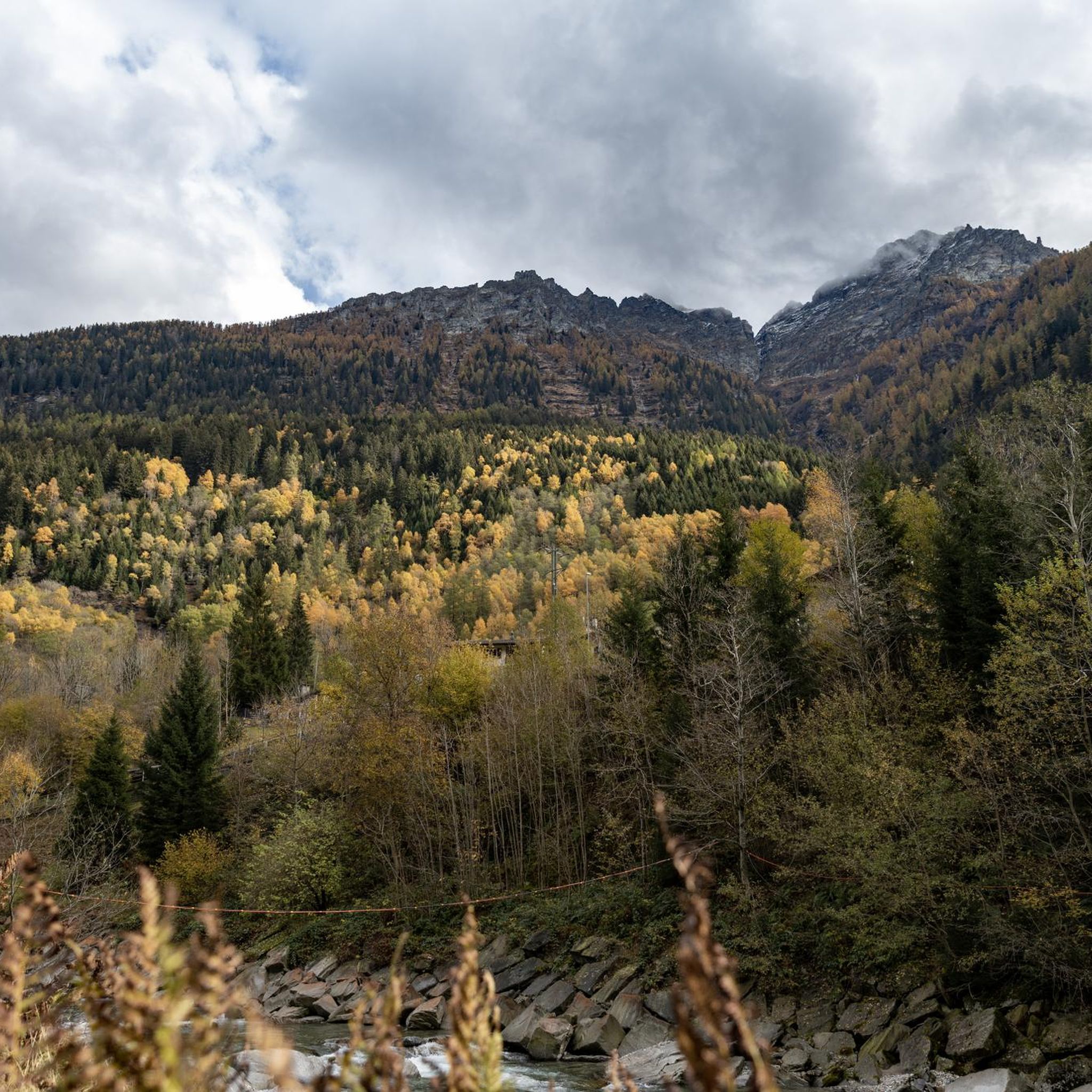
Best mountain peaks around Calanca are found in a deeply carved valley in the Swiss Alps, part of the Lepontine Alps. This region is characterized by rugged ridges and sun-soaked terraces. The Calanca Valley stretches 26 kilometers from north to south, offering a secluded natural landscape. Its mountainous terrain provides diverse opportunities for exploration.
Best mountain peaks around Calanca
- The most popular mountain peaks is Mesocco Castle, a castle that stands on a mighty rock south of the village…
Last updated: June 23, 2026
Mesocco Castle
Highlight • Castle
Translated by Google •
Tip by

Pizzo di Claro Summit
Highlight • Summit
Translated by Google •
Tip by

Sign up now to discover places like this
Get recommendations on the best single tracks, peaks, & plenty of other exciting outdoor places.
Sign up for free
Piz de Ganan
Highlight • Summit
Translated by Google •
Tip by

Piz de Martum
Highlight • Summit
Translated by Google •
Tip by
Fil de Bedoletta
Highlight • Summit
Tip by

Sign up for free to discover even more peaks around Calanca.
Sign up for free
Already have an account?
Start today with a free account
Your next adventure awaits.
Login or Signup
Tips from the Community

Level T4 ascent, difficult route for experienced hikers, but with few exposed sections and easily passable. Caution is advised in late summer due to snow.
2
0

Mesocco Castle San Bernardino Castle Mesolcina Calanca The ruins of Mesocco Castle stand on top of an imposing rocky hill that rises steeply from the valley floor. This imposing fortress stands in the center of the valley, forcing the Moesa River into a wide bend in a narrow, impassable gorge, leaving only a narrow passage to the west. Mesocco Castle is protected on three sides by steep cliffs. Only to the northeast, on the upstream side of the valley, does the slope slope more gently. Climbing up the old access road to the castle from the north side, you first reach the Church of St. Maria del Castello and are already on the castle grounds, which were once surrounded by a defensive wall. The impressive ruins consist mainly of the remains of defensive works built in the last decades of the 15th century, i.e., during the final phase of the castle's life. Among them are numerous ruins from earlier eras, so that the castle's current appearance reveals its eventful history, which has its roots in the early Middle Ages. Graubünden Ferien, Alexanderstrasse 24, 7001 Chur https://www.graubuenden.ch/de/ausflugsziele/castello-di-mesocco
14
0

After a short climb you reach the entrance
1
0

Mesocco itself is one of the largest castle complexes in Switzerland. In addition to various ruins located on the slopes outside the town, there are excellent intact remains of the castle and the Romanesque church of Santa Maria. It's worth a visit slowly.
1
2

The Piz de Ganan (2412 m) is recognizable by two large stone cairns. The side overlooking Lake Calvaresc is lush, while on the other side you find yourself faced with a severe Alpine landscape of rocks and debris. From Lake Calvaresc to Piz de Ganan the path becomes a challenging alpine route, where you don't have to suffer from vertigo and don't be afraid of the void.
0
0
Pizzo di Claro or Visagno, at 2727 m, is a beautiful, little-frequented peak located on the border between the Swiss cantons of Ticino and Grisons. The climb from Piz de Molinera is more demanding than that of the east side.
0
0
From the path you can see the Mesocco Castle, one of the largest castle complexes in Switzerland, which from the beginning of the 13th century until 1526 constituted the imposing nucleus of the valley.
1
0
Piz de Martum begins the spectacular ridge which, from the Mesolcino side, leads to Piz di Molinera and then to Piz di Claro. The path from Piz Martum to Piz de Molinera has recently been marked with white-blue-white colours. You have to be careful but the ridge is quite wide and there are no particular technical difficulties.
2
0
Frequently Asked Questions
What are some of the most notable mountain peaks in the Calanca Valley region?
The Calanca Valley is home to several impressive peaks. Among them are Pizzo di Claro (2,727m), known as the 'Matterhorn of Bellinzona' for its distinctive shape and panoramic views, and Pizzo di Cassimoi (3,129m), which offers challenging climbs and views of alpine lakes. Other significant peaks include Puntone dei Fraciòn (3,202m) and Zapporthorn (3,152m), both providing extensive vistas for experienced mountaineers, and Pizzo Molinera summit (around 2,000m), which offers a fantastic view over the Bellinzonese.
What kind of views can I expect from the mountain peaks in Calanca?
From peaks like Pizzo di Claro, you can enjoy panoramic views in all geographical directions, stretching over Bellinzona, the Riviera Valley, Cresciano, and the Calanca Valley itself. Higher peaks such as Puntone dei Fraciòn and Zapporthorn promise unparalleled, expansive views of the entire Calanca Valley and beyond, often including alpine lakes and glaciers.
Are there any family-friendly attractions or activities near the mountain peaks?
While many peaks offer challenging ascents, the region also has attractions suitable for families. For instance, Mesocco Castle, a large historical complex, is categorized as family-friendly and dog-friendly. The area around Pizzo di Claro also offers more accessible routes thanks to a cable car that reaches the Monti di Saurù, a starting point for various trails.
What is the best time of year to hike the mountain peaks in the Calanca Valley?
The best time to hike the mountain peaks and high alpine trails like the Sentiero Alpino Calanca is typically between early July and early October. This period avoids the heavy snow conditions of winter and spring, ensuring safer and more accessible routes. Always check current weather and trail conditions before heading out.
What are the difficulty levels for climbing the peaks in Calanca?
The difficulty levels vary significantly. Peaks like Pizzo di Claro Summit and Pizzo di Cassimoi offer challenging routes, with some sections rated T3 or T4, involving snowfields and requiring experience. The Sentiero Alpino Calanca is also a challenging multi-day trek with exposed sections secured by wire ropes or chains, demanding endurance and surefootedness. There are also more accessible routes, especially around Pizzo di Claro, thanks to cable car access.
Are there any historical sites or landmarks in the Calanca Valley?
Yes, the region boasts historical significance. Mesocco Castle is a prominent historical site, one of the largest castle complexes in Switzerland, serving as an aristocratic center until 1526. Its ruins stand on a mighty rock overlooking the village of Mesocco.
What kind of wildlife can I encounter in the Calanca mountains?
The secluded Calanca Valley is rich in diverse wildlife. Hikers and nature enthusiasts may spot ibexes, chamois, bearded vultures, and the iconic grey mountain goats in their natural habitat.
Are there multi-day hiking opportunities in the Calanca Valley?
Absolutely. The Sentiero Alpino Calanca is a classic multi-day trek, a 42-kilometer route that traverses high mountain troughs and valleys. It offers spectacular panoramic views and alpine terrain. Along the trail, you can find the manned Capanna Buffalora hut and three self-service refuge huts for overnight stays.
What are some popular running trails near the Calanca peaks?
For those interested in running, there are several challenging routes in the area. Options include the 'Via Panoramica – loop run in Valle Calanca' (10.6 km, difficult), the 'Race in Val Calanca' (20.1 km, difficult), and the 'Pizzo di Claro and Laghetto di Canèe Loop' (23.6 km, difficult). You can find more details on these routes in the Running Trails around Calanca guide.
Can I go cycling or mountain biking near the Calanca Valley peaks?
Yes, the region offers various cycling and gravel biking opportunities. For gravel biking, you might consider routes like the 'OpenArt Sculpture Park – Ponte della Maggia loop from Lostallo' (58.9 km, moderate) or the 'Trail along the Moesa river – The Castles of Bellinzona loop from Roveredo GR' (30.2 km, moderate). More cycling routes are available in the Cycling around Calanca guide and the Gravel biking around Calanca guide.
What makes the Calanca Valley unique for mountain peak exploration?
The Calanca Valley is unique due to its deeply carved, secluded nature, characterized by barren rock faces, rugged ridges, and sun-soaked terraces where small villages cling to the mountainsides. Its limited accessibility, often only by footpaths or cable cars, contributes to its pristine charm, offering a truly immersive alpine experience with diverse wildlife and challenging, rewarding peaks.
Most popular routes around Calanca
Most popular attractions around Calanca

Get inspired with the komoot mobile app


Explore more
See even more amazing summits around Calanca with these guides:
