The best cycling routes around Calanca
4.6
(142)
2,392
riders
51
rides
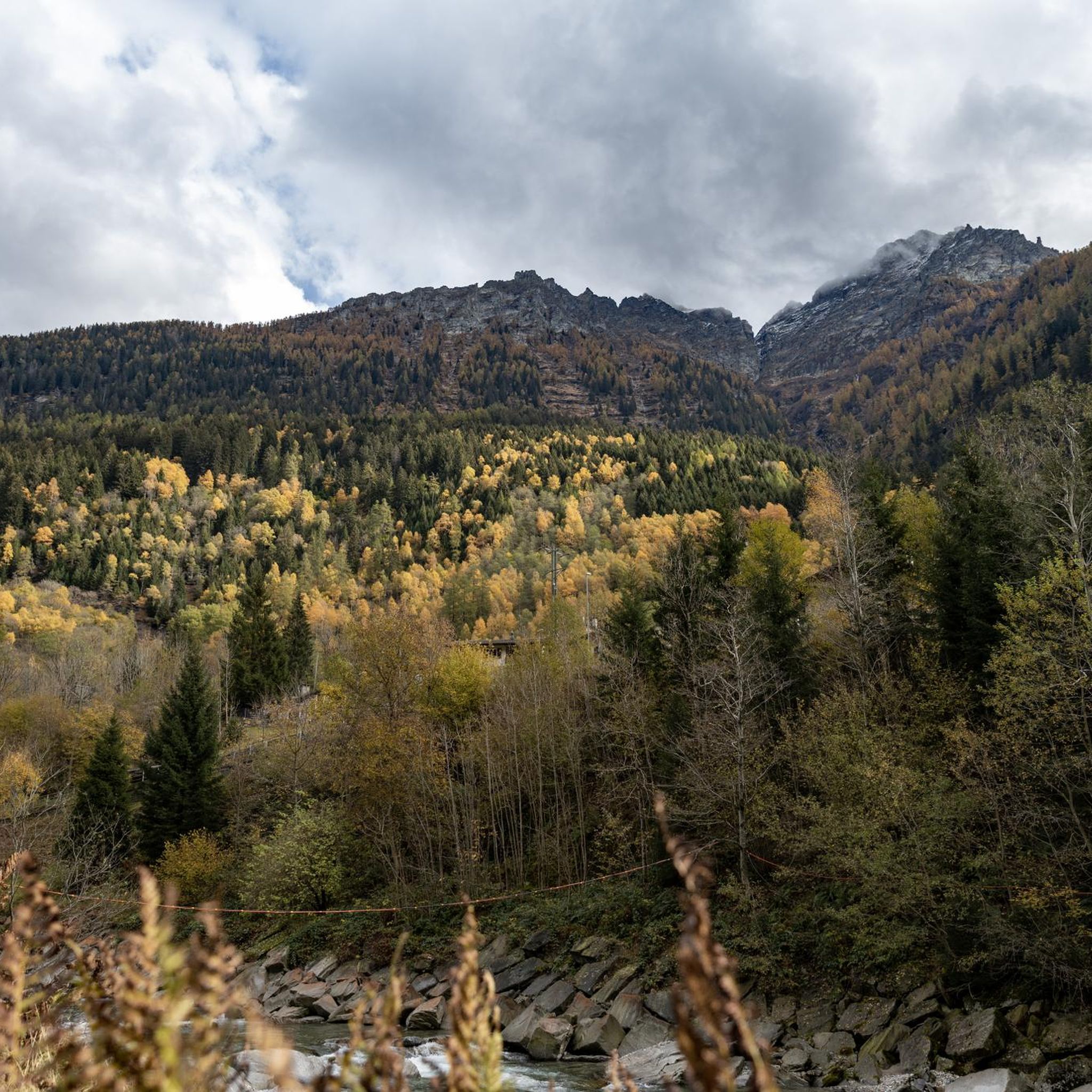
Touring cycling around Calanca Valley Switzerland offers diverse landscapes, transitioning from alpine environments to areas with an almost Mediterranean feel, including chestnut forests. The region is characterized by high mountain ranges exceeding 3,000 meters, such as Puntone dei Fraciòn, and is sculpted by the Calancasca River. As a nature reserve (Parco Val Calanca), it features unspoiled natural environments and rich biodiversity, providing varied cycling experiences.
Best touring cycling routes around Calanca
- The most popular touring cycling route is Graubünden Route…
Last updated: July 6, 2026
6
riders
22.2km
01:36
410m
410m
Cycle the moderate Graubünden Route, a 13.8-mile (22.2 km) touring cycling trail in Parco Val Calanca with Alpine views and waterfalls.
4.8
(8)
102
riders
102km
07:39
2,500m
2,500m
Hard bike ride. Very good fitness required. Mostly paved surfaces. Suitable for all skill levels.

Sign up for free
17
riders
26.0km
01:40
300m
300m
Moderate bike ride. Good fitness required. Mostly paved surfaces. Suitable for all skill levels.
5.0
(1)
14
riders
36.0km
02:51
880m
880m
Hard bike ride. Very good fitness required. Mostly paved surfaces. Suitable for all skill levels.
5.0
(2)
11
riders
18.9km
01:25
430m
420m
Moderate bike ride. Good fitness required. Mostly paved surfaces. Suitable for all skill levels.
Get access to more routes and recommendations from other explorers.
Sign up for free
Already have an account?
Our route recommendations are based on thousands of hikes, rides, and runs completed by other people on komoot.
Start today with a free account
Your next adventure awaits.
Login or Signup
Tips from the Community

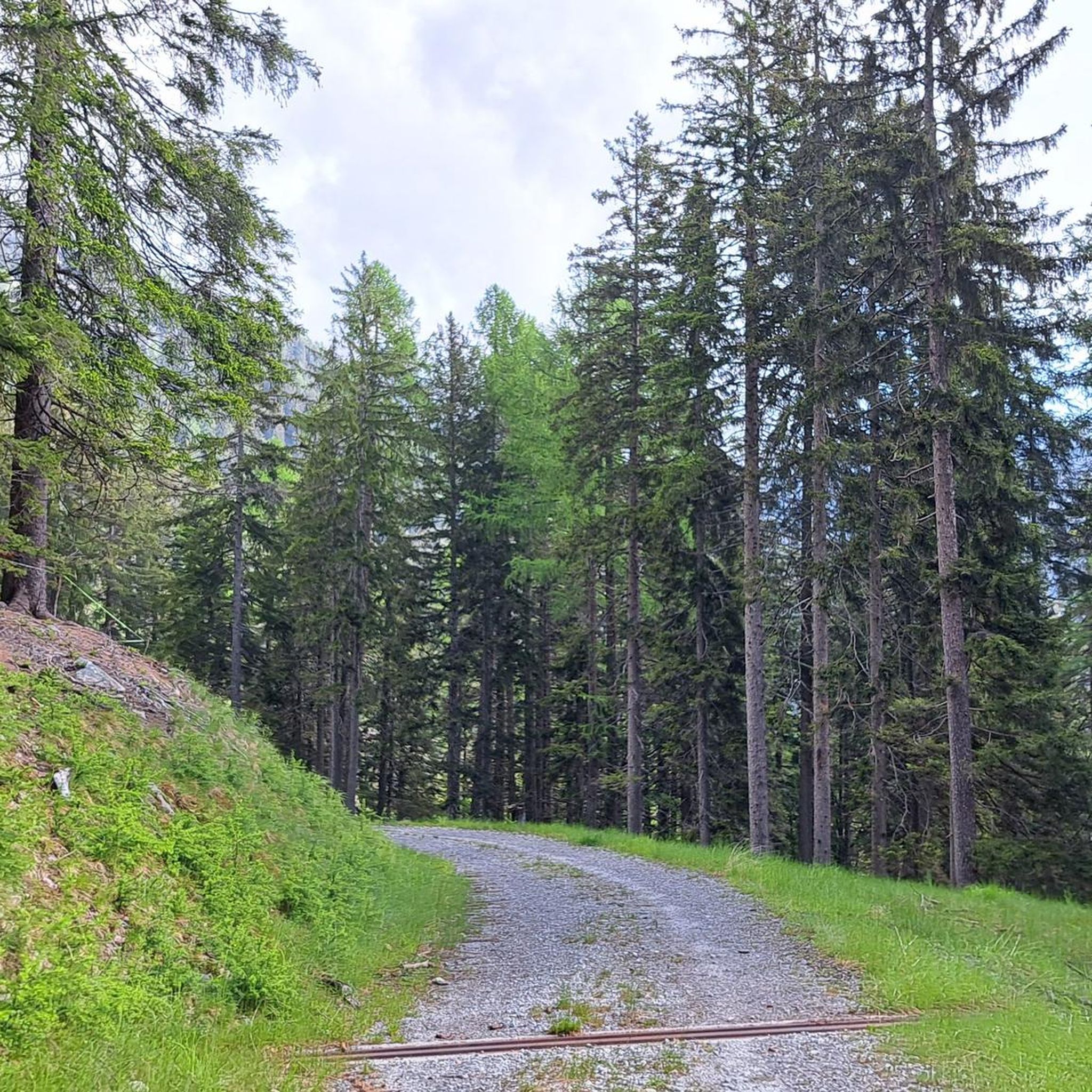
The railway line is now largely a cycle path
0
0
Beautiful nature and many views that cannot be seen from the pass road
0
0

Great atmosphere and beautiful view
0
0

Cappella Santa Maria Assunta Sorte / Lostallo On October 7, 1611, the chapel of Sorte was consecrated in honor of the Assumption of Mary into Heaven. The sacristy dates from 1656. If the bell, dating from 1526, does not come from another church, it is likely that a chapel existed earlier and was later replaced. The last restoration took place in 1960. The bell tower is covered with sails. The façade is decorated with frescoes in alternating registers in tympanum compositions, executed in 1611 by the same artist from Cabbiolo: Mary of the Assumption on the right flanked by kneeling women with Saint Margaret, and on the left by Saint George; above the blessing of the Eternal Father. Text / Source: Graubünden Holidays, Alexanderstrasse 24, Chur https://www.graubuenden.ch/de/ausflugsziele/cappella-santa-maria-assunta-sorte
14
0
Stage 7: San Bernardino – Bellinzona An exhilarating descent through the Mesolcina Valley. Eagerly absorbing the mild southern climate. In Mesocco, cyclists enjoy the largest ruin in Switzerland and, at the end of the tour, in Bellinzona, the defiant towers and walls of the tre castelli. Refreshed, they follow the rushing Moësa River out of the lively resort town of San Bernardino. The 46-kilometer-long tributary of the Ticino rises at the San Bernardino Pass and gives its name to the Mesolcina Valley (Misox). Although Italian is spoken in the valley, as in the Poschiavo and Bregaglia valleys, it has always maintained close ties to Graubünden. In the smaller villages, where many of the houses are covered with stone slabs, time seems to have stood still. You hardly stop on your bike during the rapid descent towards the south. Surrounded by rocky cliffs, you roar along a well-maintained road with countless skid marks. The highway, which practically hangs from the mountain, seems a bit surreal. Later, a varied side road leads down to Mesocco. Magnificent views of the valley are revealed. Below the village, perched on a rocky outcrop, are the ruins of the Castello di Mesocco, the 11th-century ancestral castle of the Count of Misox. It is considered one of the most important in Graubünden and the largest in Switzerland. Roveredo is the main town in the lower Misox Valley. And what could be nicer here than a break in a cool grotto, enjoying a typical lunch menu and a glass of local wine? The village also boasts several beautiful 17th-century houses, such as the one designed by local architect and builder Enrico Zuccalli. A secluded stretch follows near Lumino, just after crossing the highway and the river. A forest path leads along the Moësa River over hill and dale. Passing an inviting forest garden grotto and some secluded swimming spots, you reach Arbedo-Castione. Here, the Moësa flows into the Ticino River. Text / Source: Schweizmobil.ch https://schweizmobil.ch/de/veloland/route-6/etappe-7
14
0
Mesocco Castle San Bernardino Castle Mesolcina Calanca The ruins of Mesocco Castle stand on top of an imposing rocky hill that rises steeply from the valley floor. This imposing fortress stands in the center of the valley, forcing the Moesa River into a wide bend in a narrow, impassable gorge, leaving only a narrow passage to the west. Mesocco Castle is protected on three sides by steep cliffs. Only to the northeast, on the upstream side of the valley, does the slope slope more gently. Climbing up the old access road to the castle from the north side, you first reach the Church of St. Maria del Castello and are already on the castle grounds, which were once surrounded by a defensive wall. The impressive ruins consist mainly of the remains of defensive works built in the last decades of the 15th century, i.e., during the final phase of the castle's life. Among them are numerous ruins from earlier eras, so that the castle's current appearance reveals its eventful history, which has its roots in the early Middle Ages. Graubünden Ferien, Alexanderstrasse 24, 7001 Chur https://www.graubuenden.ch/de/ausflugsziele/castello-di-mesocco
14
0
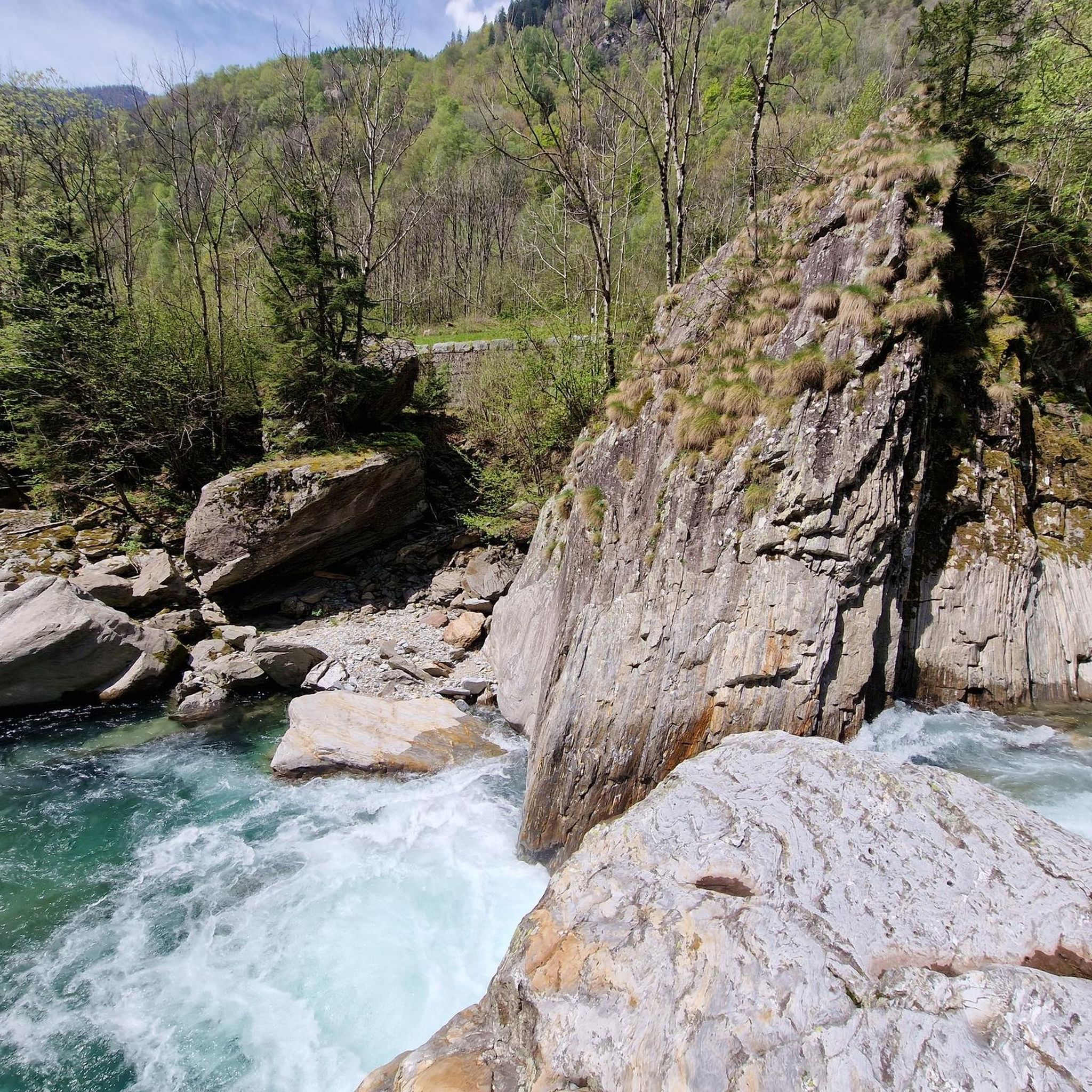
Moësa (River) Moesa to Mesocco The Moësa rises at an altitude of approximately 2,245 meters above sea level on the Alpe Moesola above the San Bernardino Pass in the canton of Graubünden. After its source, it flows down to the top of the pass and feeds the first lake on its journey – the Laghetto Moesola – near the hospice. Leaving the lake at its southern end, it loses some elevation and then, at approximately 1,860 meters, joins the Riale Mucia stream from the right. A little later, the Moesa River also reaches the first village, San Bernardino (1,640 meters). It flows right through the center of the Graubünden village, merging with both the Ri de Fontanalba and Ri de Confin. While still in the village, it then flows into the Lago d'Isola reservoir. After the dam, the Moesa descends steeply, flowing through a gorge into the hamlet of Spina. It also shoots over the beautiful Moesa Waterfall and is joined by the Ri del Bech, Riale di Arbeola, and Riale de Spina streams. The Moesa now has a short distance to go to the village of Pian San Giacomo (1200 m), where it joins the Ri de Seda. After another steep drop and several tributaries (such as the Ri de Brion, Ri de Gratela, and Ri de Anzon), the river then reaches Mesocco (approx. 770 m). Text / Source: schweizerfluss.ch https://schweizerfluss.ch/moesa/
14
0

When cycling up route 6, the A13 eventually becomes the intermediate goal as one cycles up and up and comes closer in elevation to the highway.
0
0
Frequently Asked Questions
How many touring cycling routes are available in Calanca?
Calanca offers a wide selection of touring cycling routes, with over 50 options available. These routes cater to various skill levels, including 15 easy, 14 moderate, and 23 difficult trails, ensuring there's something for every cyclist.
What kind of landscapes can I expect to see while touring cycling in Calanca?
Touring cycling in Calanca provides a diverse experience, transitioning from alpine environments to areas with an almost Mediterranean feel, including beautiful chestnut forests. You'll ride through serene valleys sculpted by the Calancasca River, with dramatic backdrops of high mountain ranges exceeding 3,000 meters. The region is also a nature reserve, offering unspoiled natural environments and rich biodiversity.
Are there any challenging touring cycling routes for experienced riders?
Yes, Calanca features several challenging routes for experienced cyclists. For instance, the Bench With View of the Valley – Splügen loop from Cabbiolo, Ara is a difficult 71.3-mile (114.8 km) path with significant elevation gain, offering panoramic views. Another difficult option is the Bench With View of the Valley – Mesocco Castle loop from Lostallo, covering 30 miles (48.3 km) with considerable ascent.
Can I find any easier or moderate touring cycling routes suitable for beginners or families?
Absolutely. Calanca offers 15 easy and 14 moderate touring cycling routes. A great moderate option is the Graubünden Route, a 13.8-mile (22.2 km) trail that traverses varied landscapes and takes about 1 hour 35 minutes to complete. These routes provide a less strenuous way to enjoy the region's beauty.
What are some notable villages or cultural sites I can visit along the touring cycling routes?
Calanca is rich in charming villages and historical sites. You can explore traditional settlements like Rossa, known for its quiet remoteness and historic chapels, or Santa Maria in Calanca, perched on a rocky outcrop with a medieval church and Romanesque bell tower. Other villages like Arvigo and Buseno offer glimpses into the region's heritage and natural beauty. Many routes pass through or near these cultural gems.
Are there any specific natural attractions or viewpoints worth seeing while cycling?
Yes, the Calanca Valley boasts stunning natural features. You can find picturesque spots like the heart-shaped Lago di Calvaresc and the crystalline waters of the Calancasca River. For dramatic scenery, consider visiting highlights such as the Gorge of the Iragna Stream or the Natural Pools in the Gorge. The region's high mountain ranges also provide numerous scenic viewpoints.
What is the best time of year for touring cycling in Calanca?
The best time for touring cycling in Calanca is generally during the warmer months, from spring through autumn. This period offers pleasant weather conditions to enjoy the diverse landscapes, from alpine areas to chestnut forests. The region's high mountain passes are typically clear of snow, and the valleys are vibrant with nature.
Is public transport available to access touring cycling routes in Calanca?
While the Calanca Valley is known for its serene and unspoiled nature, public transport options are available to access certain areas. Some unique car-free villages like Landarenca and Braggio are accessible by cable car, which can be useful for reaching specific starting points or for a scenic return journey. For detailed public transport information, it's advisable to check local schedules.
Are there options for circular touring cycling routes in Calanca?
Yes, many touring cycling routes in Calanca are designed as loops, allowing you to start and end in the same location. An example is the moderate San Rocco Chapel in Selma – San Bernardo Church, Rossa loop from Calanca, which takes you through historic villages and past chapels. These circular routes are convenient for day trips.
What do other touring cyclists say about their experience in Calanca?
The touring cycling routes in Calanca are highly rated by the komoot community, with an average score of 4.4 stars from over 100 reviews. More than 2000 touring cyclists have used komoot to explore the varied terrain. Reviewers often praise the region's unspoiled nature, the dramatic scenery of high mountains and serene valleys, and the charm of its traditional villages.
Are there places to eat or rest along the touring cycling routes in Calanca?
Given Calanca's focus on unspoiled nature and traditional villages, you can find opportunities for rest and refreshments. Charming villages like Rossa, Santa Maria in Calanca, and Buseno may offer local eateries or small shops. It's always a good idea to plan your route and check for available amenities in advance, especially on longer or more remote trails.
Can I bring my dog on touring cycling routes in Calanca?
Calanca's wild and unspoiled natural environment, recognized as Parco Val Calanca, is generally welcoming to dogs, especially on trails where they can enjoy the outdoors. However, it's crucial to keep dogs under control, especially due to the presence of diverse wild animals like ibex, deer, chamois, and golden eagles. Always check specific route regulations or local signage regarding pets.
What kind of terrain can I expect on touring cycling routes in Calanca?
The terrain on Calanca's touring cycling routes is quite varied. While many routes feature mostly paved surfaces, some segments may be unpaved and challenging, especially in higher alpine areas or along historical mule tracks. You'll encounter everything from gentle valley paths to demanding ascents through mountain passes and descents into chestnut forests.
Are there any historical sites or castles I can visit while cycling in Calanca?
Yes, Calanca offers several historical sites that can be incorporated into your cycling tours. A prominent example is the ruins of Mesocco Castle, one of the largest castle complexes in Switzerland. You can also visit architectural gems like the Church of San Bernardo and the medieval church in Santa Maria in Calanca with its 13th-century frescoes and Romanesque bell tower.
Most popular attractions around Calanca

Get inspired with the komoot mobile app


Explore more
Browse the best Cycling routes in other regions.
