Top 18 Caves around Wildhaus-Alt St. Johann
Best caves around Wildhaus-Alt St. Johann are found within the Toggenburg region of Switzerland, characterized by its fascinating karst landscape. This geological formation has created numerous notable caves, offering insights into natural history and ancient human activity. The area provides opportunities to explore unique underground environments and historical sites.
Best caves around Wildhaus-Alt St. Johann
- The most popular caves is Wildkirchli Caves, a series of interconnected caves. These caves are known for their paleontological and archaeological findings, including evidence…
Last updated: August 25, 2026
Wildkirchli Chapel (St. Michael’s Cave Chapel)
Highlight • Religious Site
In 1621, Father Philippus Tanner from Appenzell went to the Wildkirchli to bless the cattle. He was so taken with this cave that …
Translated by Google •
Tip by

Wildkirchli Caves
Highlight • Cave
Translated by Google •
Tip by

Sign up now to discover places like this
Get recommendations on the best single tracks, peaks, & plenty of other exciting outdoor places.
Sign up for free
Thur Waterfalls
Highlight • Waterfall
Translated by Google •
Tip by

Ofenloch Gorge
Highlight • Gorge
Translated by Google •
Tip by

Wildenmannli’s Cave
Highlight • Cave
Translated by Google •
Tip by

Sign up for free to discover even more caves around Wildhaus-Alt St. Johann.
Sign up for free
Already have an account?
Start today with a free account
Your next adventure awaits.
Login or Signup
Popular around Wildhaus-Alt St. Johann
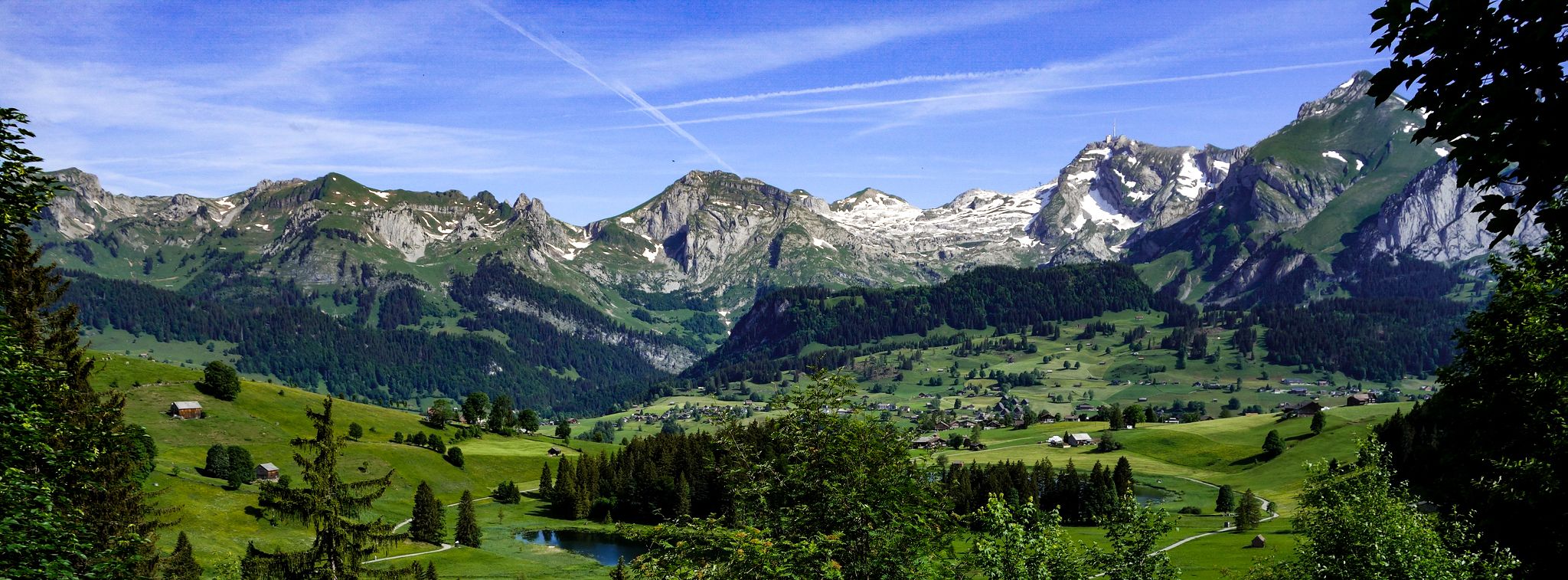
Toggenburger Höhenweg – Demanding hiking near St. Gallen
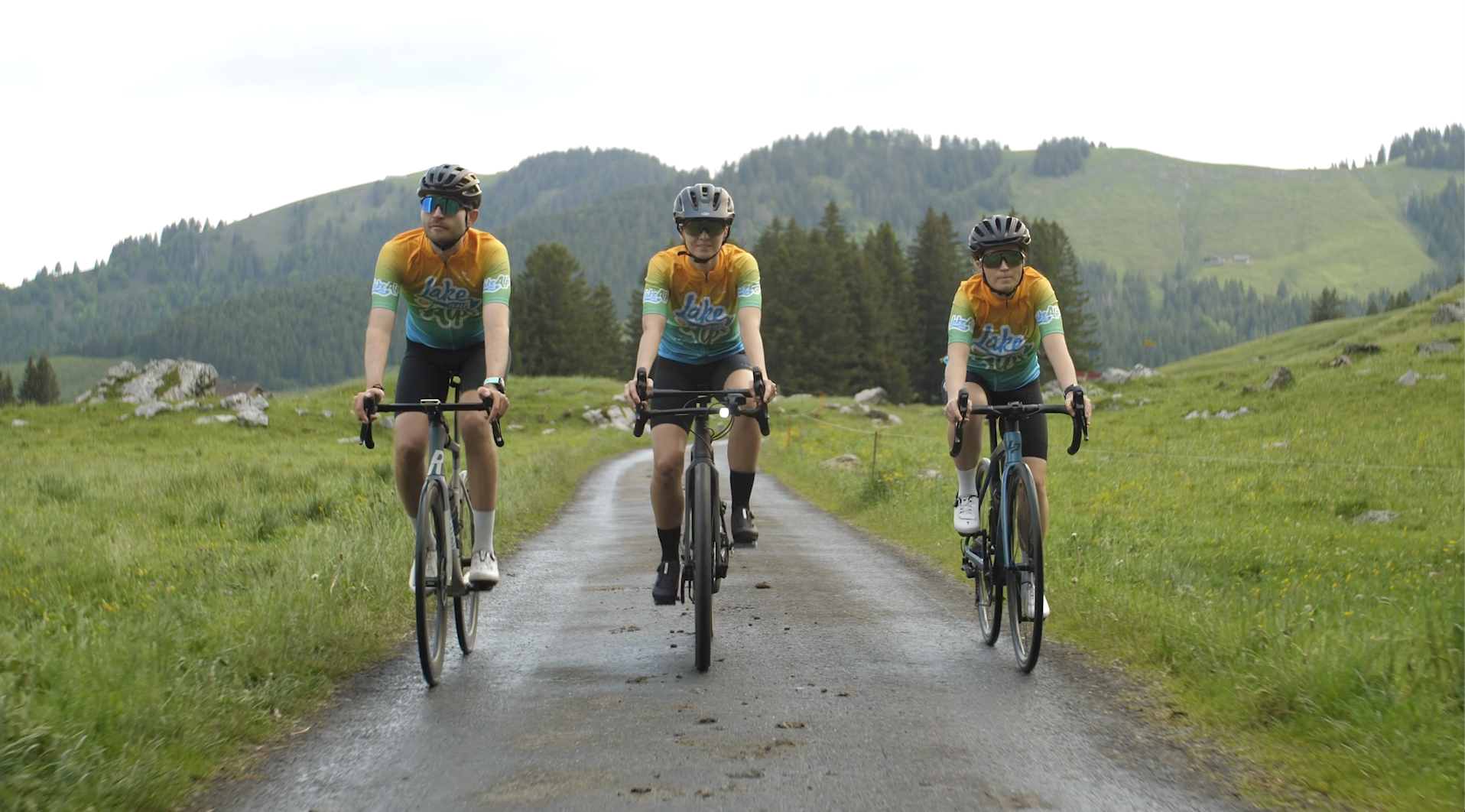
Lake and Alps Adventure – explore 100 dreamy places in our cycling region!
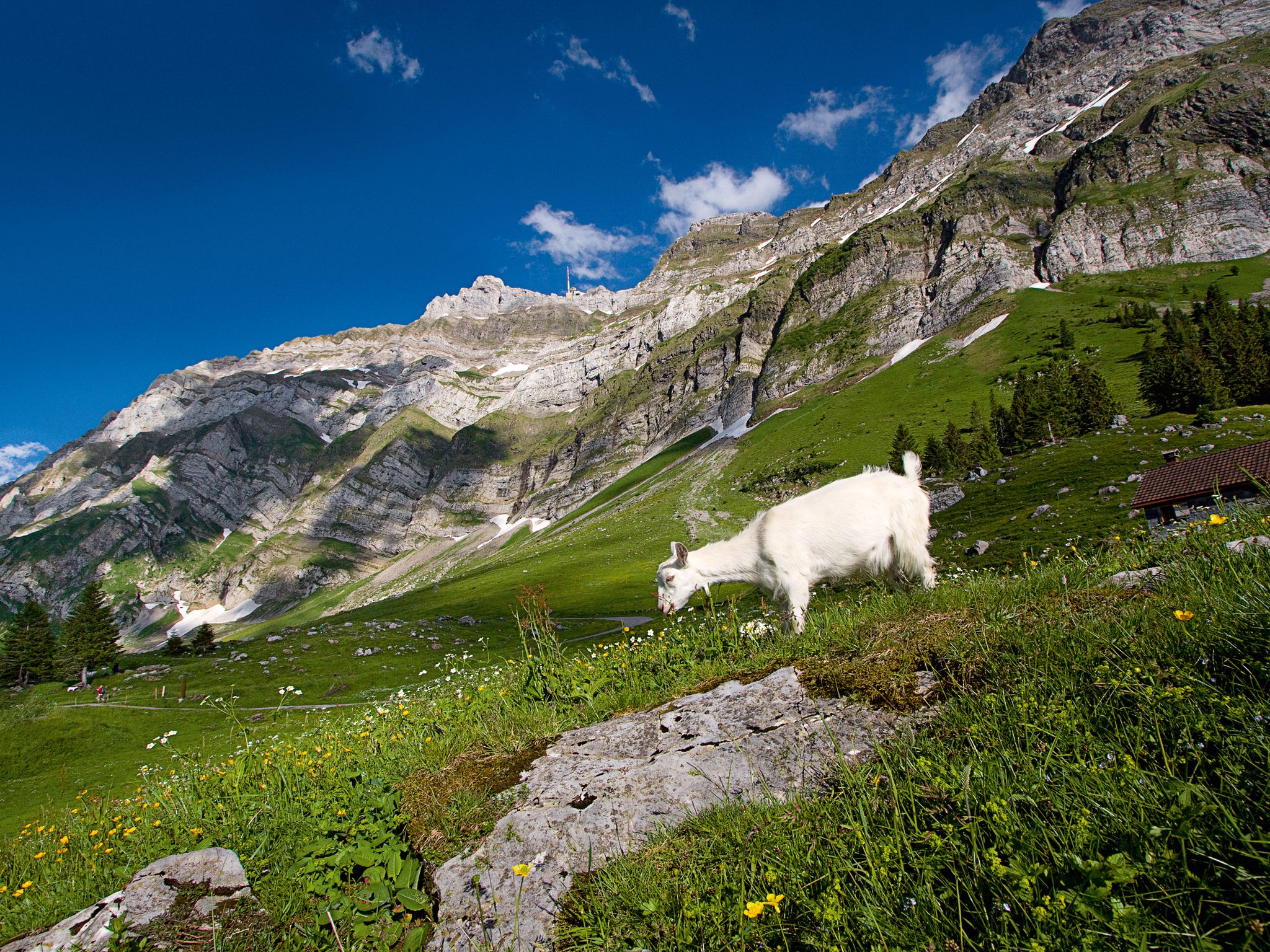
When the mountain awakens – spring hikes around the Schwägalp
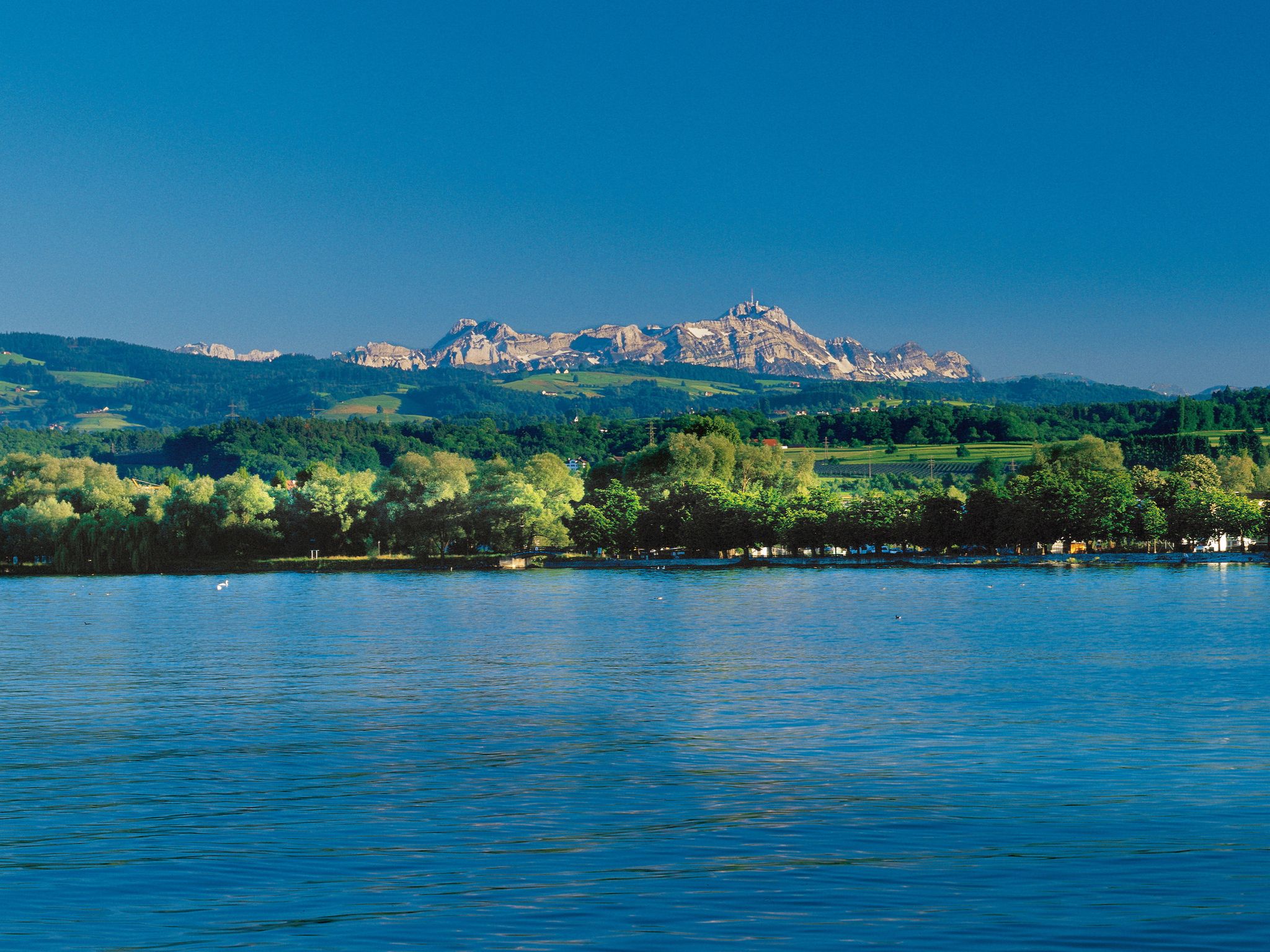
Lake and Alps Route – Cycling between Lake Constance and the Appenzell Alps
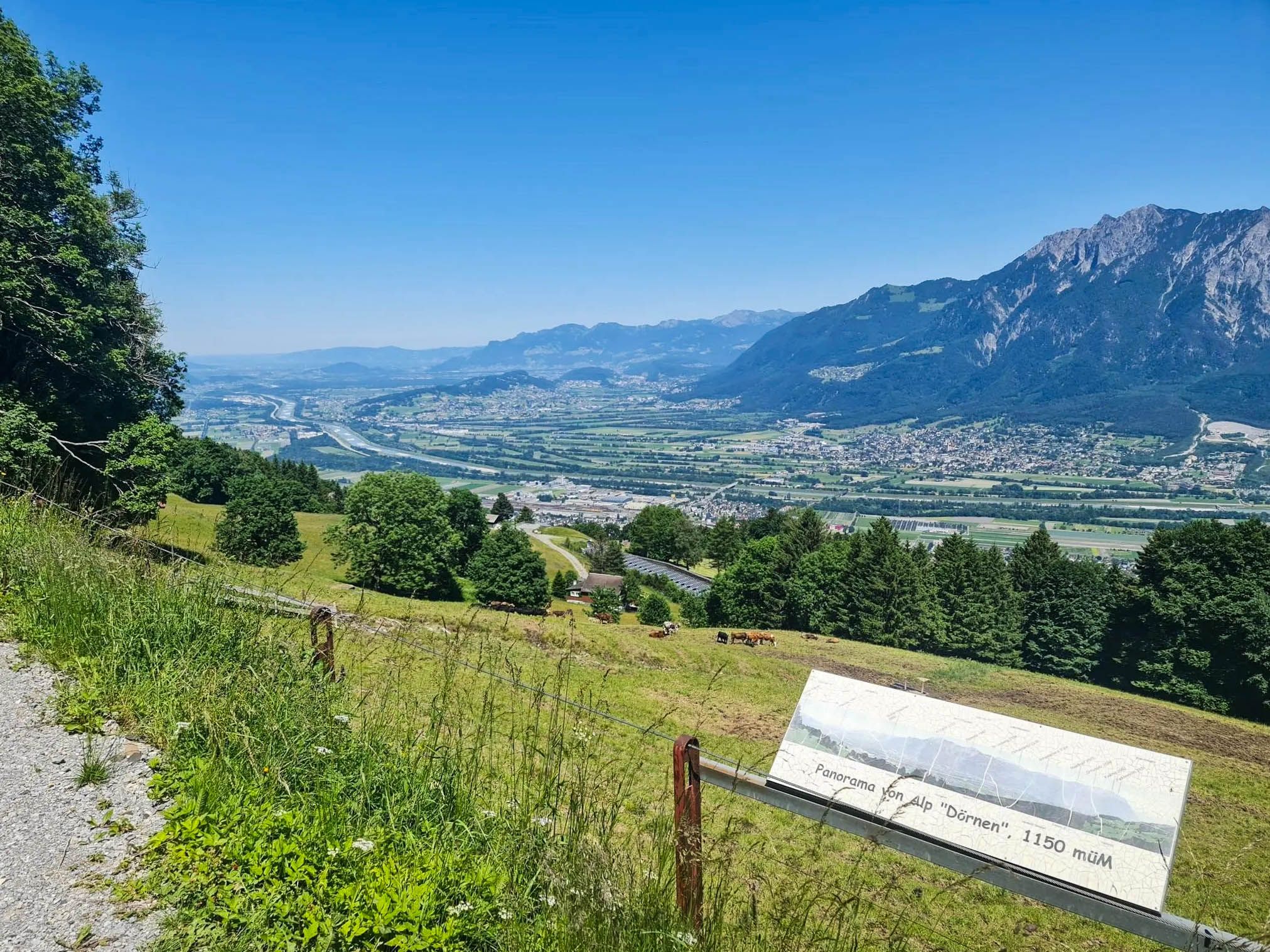
Castles, wine and three-country views – Rhine Valley High Trail
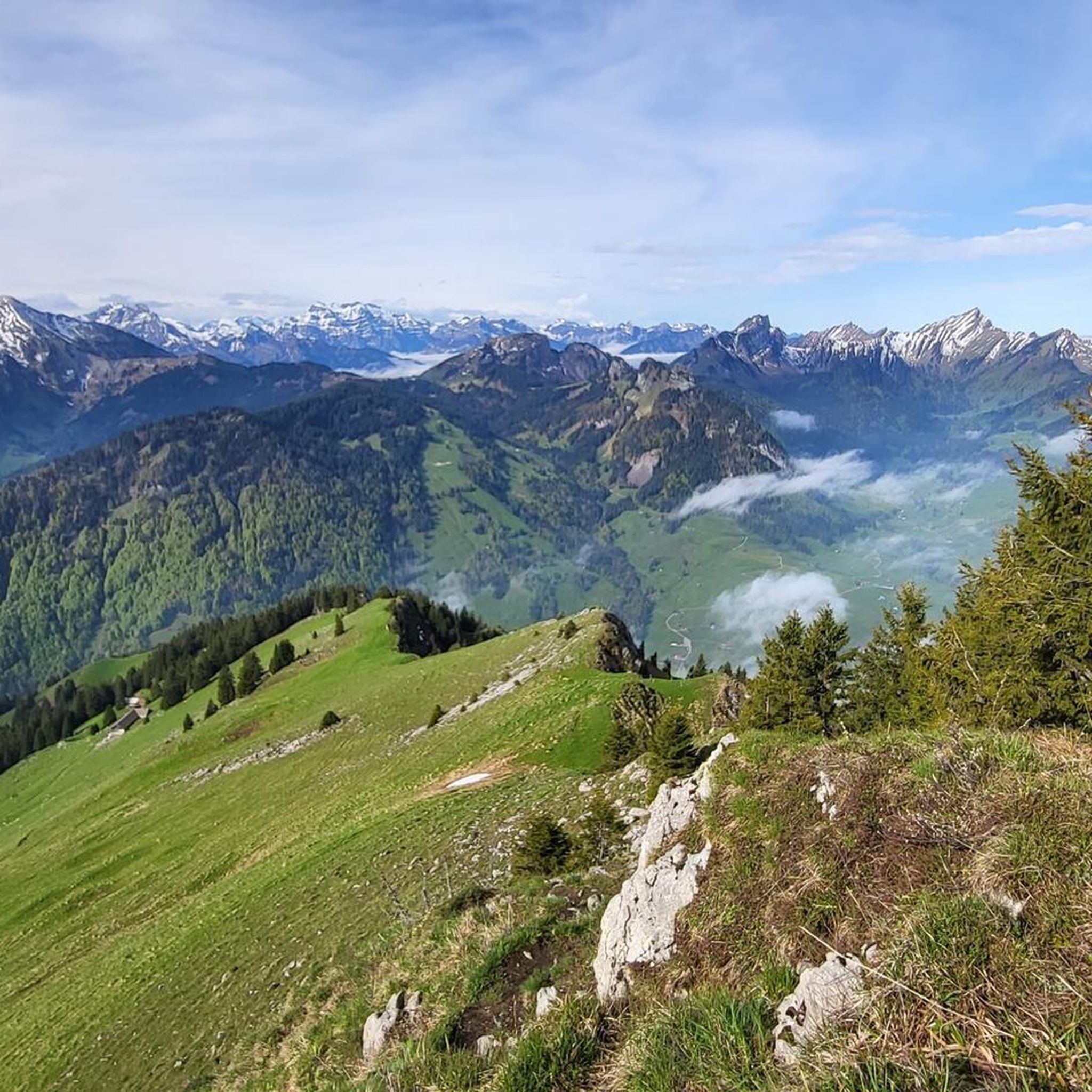
Hiking around Wildhaus-Alt St. Johann
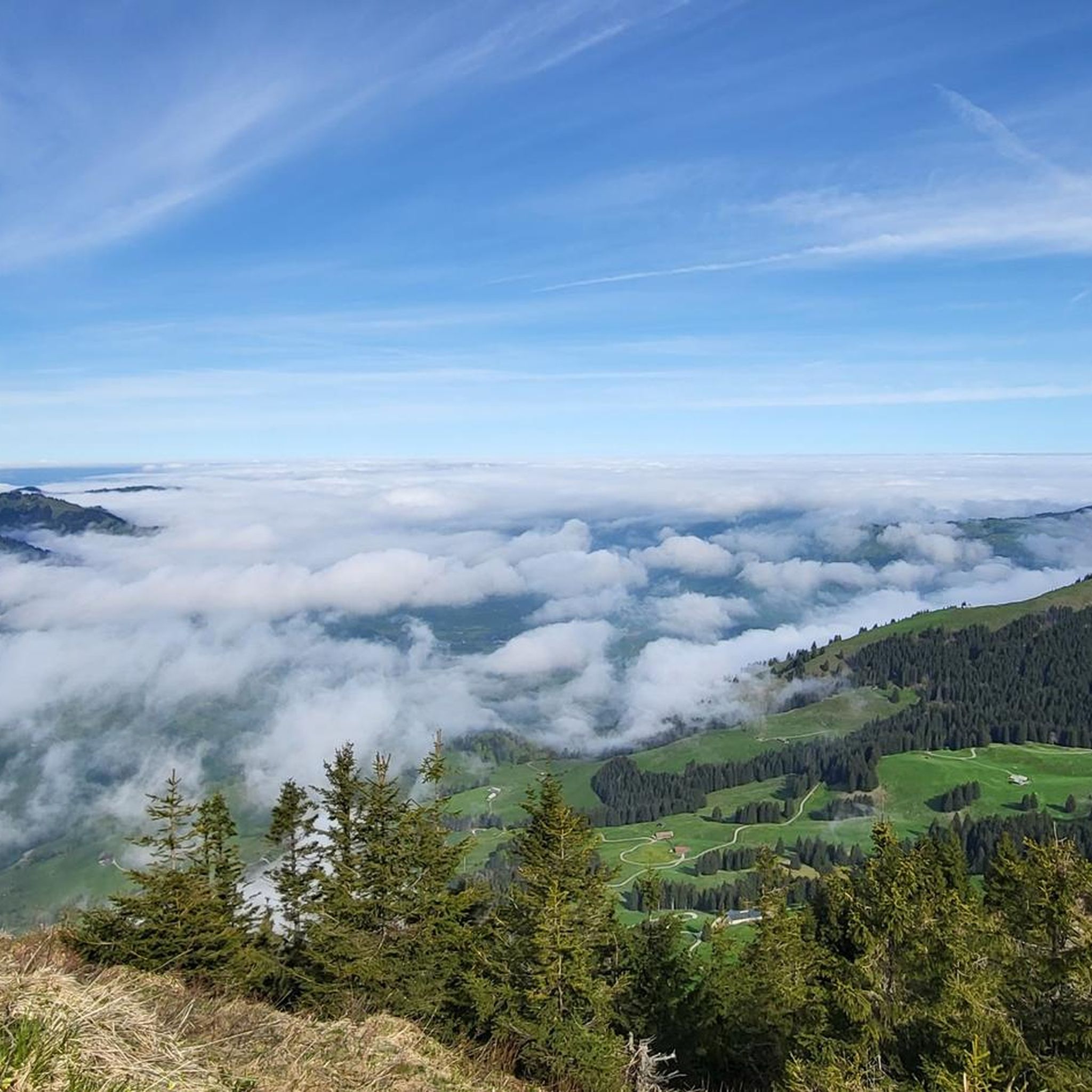
MTB Trails around Wildhaus-Alt St. Johann
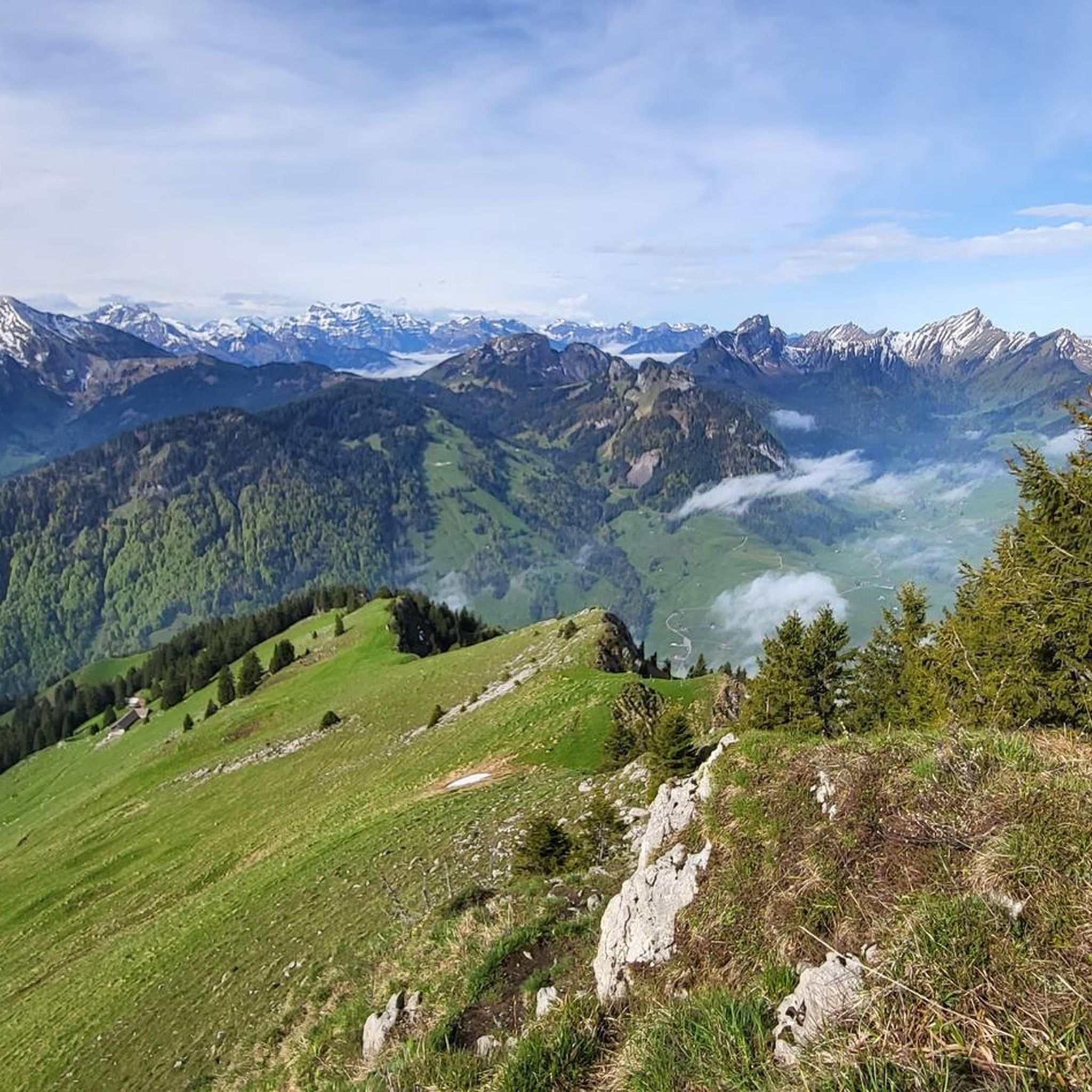
Cycling around Wildhaus-Alt St. Johann
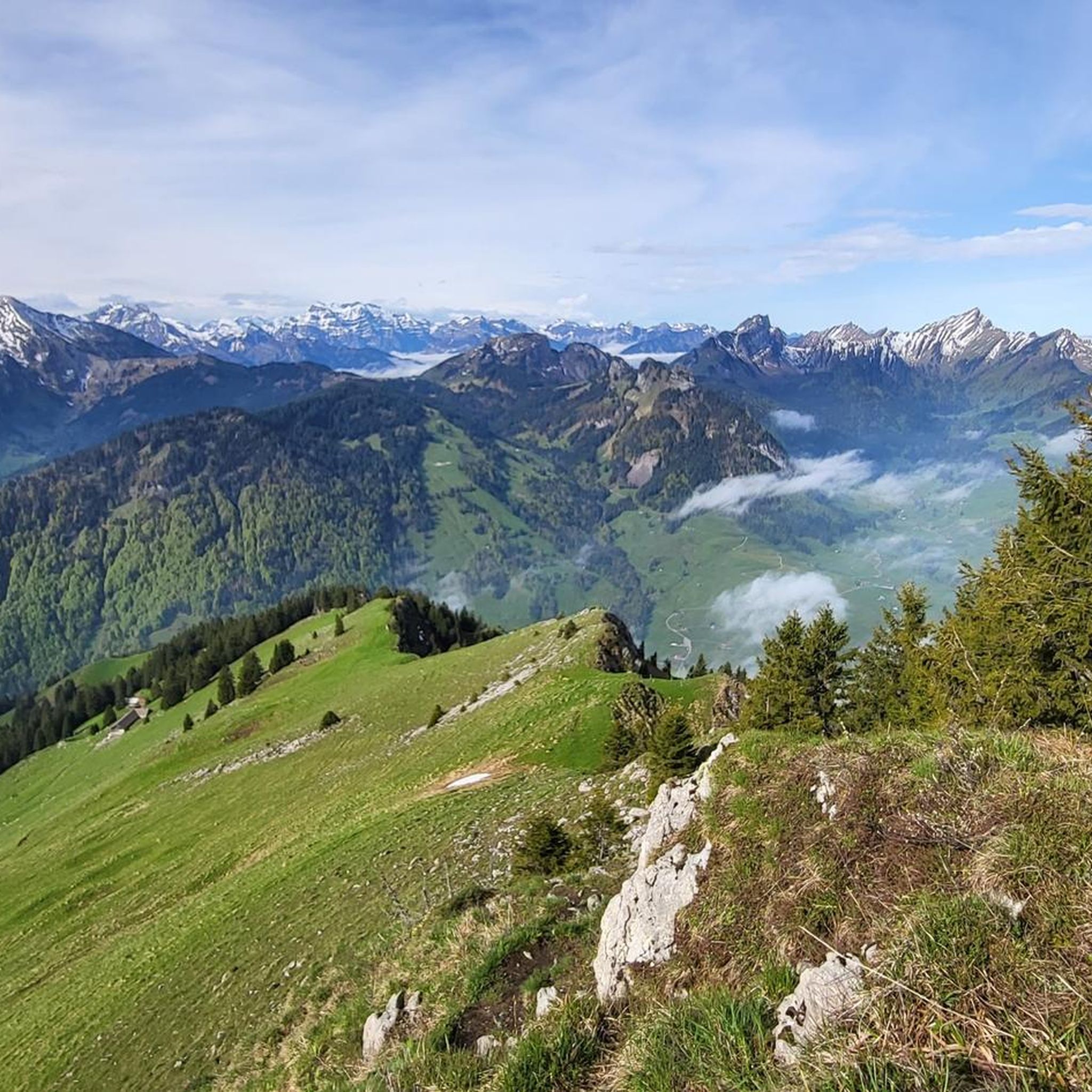
Road Cycling Routes around Wildhaus-Alt St. Johann

Mountain Hikes around Wildhaus-Alt St. Johann
Other adventures around Wildhaus-Alt St. Johann


Tips from the Community

is a small cave, but it has nothing special to see. Even on hot and dry days it is cool inside and the path is "slippery". I haven't seen any standing water, however.
0
0


What was built here is simply brilliant.
8
0
Our mountain guesthouse has seen many a proud face after the steep climb. The guesthouse, in its current form, has existed since 1860, making it one of the oldest mountain inns in Switzerland. Pastor Ulmann was the first hermit to live in the hermitage in the Wildkirchli in 1658. More than 20 men followed his example until 1853, shaping the history of the Wildkirchli as hermits and first hosts. Since then, this mystical place has fascinated generations. Stories are told of little wild people who are said to have once lived in the Wildkirchli caves and come to the aid of the herdsmen. The Aescher inspires poets and artists to create new works. Bones of cave bears and stone tools bear witness to the cave's ancient shelter. Source: https://aescher.ch/
7
0
Very impressive, beautiful to look at! Services are also held here.
8
0
A great cave, with very interesting information. The hiking trail leads directly through the cave.
11
0

On the eastern side of the Seluner-Ruck there is a cave, the Wildmannlisloch. Its gate is so large that one can drive in with a horse and cart. It leads an hour and a half deep into the mountain, and the passages inside are so wide that several men can walk upright side by side. At the front the wild men have carved out tables and benches for themselves; a quarter of an hour further in is a small lake, surrounded by boulders; the dwarves have rolled around these to form cool resting places; even further back are the dwellings. The dwarves lived on roots and milk. They helped the neighboring herdsmen to "shear" the stables, feed the cattle, and make hay on the mountain. Once they fetched the midwife from Starkenbach, who had to assist a wild woman. As a reward she received an entire apron full of lumps of earth. On the long way out of the cave, however, she paid no attention to the worthless gift; When she came out into the daylight and looked at the last piece, it was pure gold. Rochholz, Swiss legends.
1
0
Frequently Asked Questions
What historical or archaeological significance do the caves in Wildhaus-Alt St. Johann hold?
The caves in the Toggenburg region are rich in history. Wildenmannli’s Cave is known for archaeological findings, including cave bear bones and stone tools from the Mousterian period, suggesting it was one of the oldest human settlements in Obertoggenburg. The Wildkirchli Caves also yielded significant paleontological and archaeological discoveries, including evidence of Neanderthal presence, establishing the 'Wildkirchli culture'.
Are there any religious sites within the caves of Wildhaus-Alt St. Johann?
Yes, the Wildkirchli Chapel (St. Michael’s Cave Chapel) is a notable religious site. It is a chapel converted from a cave in the 17th century, featuring historical alterations like an altar and a bell tower. It's part of the interconnected Wildkirchli Caves system.
What kind of geological formations can be found in the caves of Wildhaus-Alt St. Johann?
The region is characterized by a fascinating karst landscape, primarily Alpine limestone. This geological formation has created numerous caves with unique features. For instance, the Wildkirchli Caves feature a flat barrel vault in the Altar Cave, while Wildenmannli’s Cave is a 192.1-meter-long Alpine limestone karst cave.
Are the caves around Wildhaus-Alt St. Johann easily accessible?
Accessibility varies by cave. The initial meters of Wildenmannli’s Cave are easily traversable on dry ground, though further exploration may involve water. This cave can be reached on foot, via the Selunbahn cable car, or from Alp Sellamatt. The Wildkirchli Caves are situated on the eastern edge of the Ebenalp and are generally accessed via hiking trails.
What outdoor activities can I do near these caves?
The area around Wildhaus-Alt St. Johann offers a variety of outdoor activities. You can find numerous road cycling routes, such as those detailed in the Road Cycling Routes around Wildhaus-Alt St. Johann guide. For mountain biking, explore trails like those in the MTB Trails around Wildhaus-Alt St. Johann guide, or try gravel biking with routes found in the Gravel biking around Wildhaus-Alt St. Johann guide.
What do visitors enjoy most about the caves in Wildhaus-Alt St. Johann?
Visitors appreciate the blend of natural beauty, geological wonder, and profound historical significance. The mystical atmosphere of sites like the Wildkirchli Caves and the historical intrigue of Wildenmannli’s Cave, with its prehistoric findings, are frequently highlighted. The journey to these caves, often involving scenic hikes or cable car rides, is also considered part of the adventure.
Are there any specific tips for exploring Wildenmannli’s Cave?
When exploring Wildenmannli’s Cave, be aware that while the first few meters are dry, the passage further inside can have water up to 20 centimeters deep. It's advisable to wear appropriate footwear. The cave is located on the northern slope of the Selun and can be reached on foot, via the Selunbahn, or from Alp Sellamatt.
What makes the Wildkirchli Caves unique?
The Wildkirchli Caves are unique for being a series of three interconnected caves (Altar Cave, Lower Cave, Upper Cave) that blend natural formation with human history. They are renowned for early paleontological discoveries of cave bear bones and archaeological findings of Neanderthal tools. The Altar Cave also houses the historic Wildkirchli Chapel, and the Lower Cave once served as a hermit's dwelling and now functions as a museum.
Can I visit the hermit's house in the Wildkirchli Caves?
Yes, the renovated hermit's house in the Lower Cave of the Wildkirchli Caves has served as a museum since 1972. Hermits resided there during summer months from 1658 to 1853, offering a glimpse into the historical use of these unique cave dwellings.
What should I wear when visiting the caves in Wildhaus-Alt St. Johann?
Given that some caves, like Wildenmannli’s Cave, can have water inside, waterproof footwear is recommended. Layers of clothing are also advisable as cave temperatures can be cooler than outside, even in summer. For exploring, a headlamp or flashlight is always a good idea.
Are there any specific safety considerations for exploring these caves?
While the initial sections of some caves are easily accessible, further exploration may involve uneven terrain, water, or confined spaces. Always be aware of your surroundings, wear appropriate gear, and consider local conditions. Some areas, particularly in the Wildkirchli Caves, are part of hiking trails that can be steep or exposed.
Most popular routes around Wildhaus-Alt St. Johann
Most popular attractions around Wildhaus-Alt St. Johann

Get inspired with the komoot mobile app


Explore more
Extend your search for the best caves by checking out these guides of the top ones around Wildhaus-Alt St. Johann:
