Top 7 Natural Monuments around Saint-Marc-Jaumegarde
Best natural monuments around Saint-Marc-Jaumegarde are primarily centered around the Montagne Sainte-Victoire and the Bimont and Zola Dams. This region in Provence features an iconic limestone mountain, recognized for its geological and paleontological significance, including fossil deposits of dinosaur eggs. The landscape offers varied terrain, from sharp rock faces to gently sloping plains, and includes historical engineering marvels that form scenic reservoirs. These sites provide a blend of natural beauty, geological interest, and recreational opportunities.
Best natural monuments around Saint-Marc-Jaumegarde
…Last updated: July 2, 2026
Croix de Provence
Highlight • Summit
Translated by Google •
Tip by

Pic des Mouches
Highlight • Summit
Translated by Google •
Tip by

Sign up now to discover places like this
Get recommendations on the best single tracks, peaks, & plenty of other exciting outdoor places.
Sign up for free
View of Mont Sainte-Victoire
Highlight • Summit
Translated by Google •
Tip by

Red Earth Formations of Sainte-Victoire
Highlight • Natural Monument
Translated by Google •
Tip by

Swallows' Cave
Highlight • Cave
Translated by Google •
Tip by
Sign up for free to discover even more natural monuments around Saint-Marc-Jaumegarde.
Sign up for free
Already have an account?
Start today with a free account
Your next adventure awaits.
Login or Signup
Popular around Saint-Marc-Jaumegarde


Tips from the Community

A summit with very few peoples on it compared to the croix de Provence. Can be accessed by the crest, much harder and longuer than the Imoucha path.
1
0

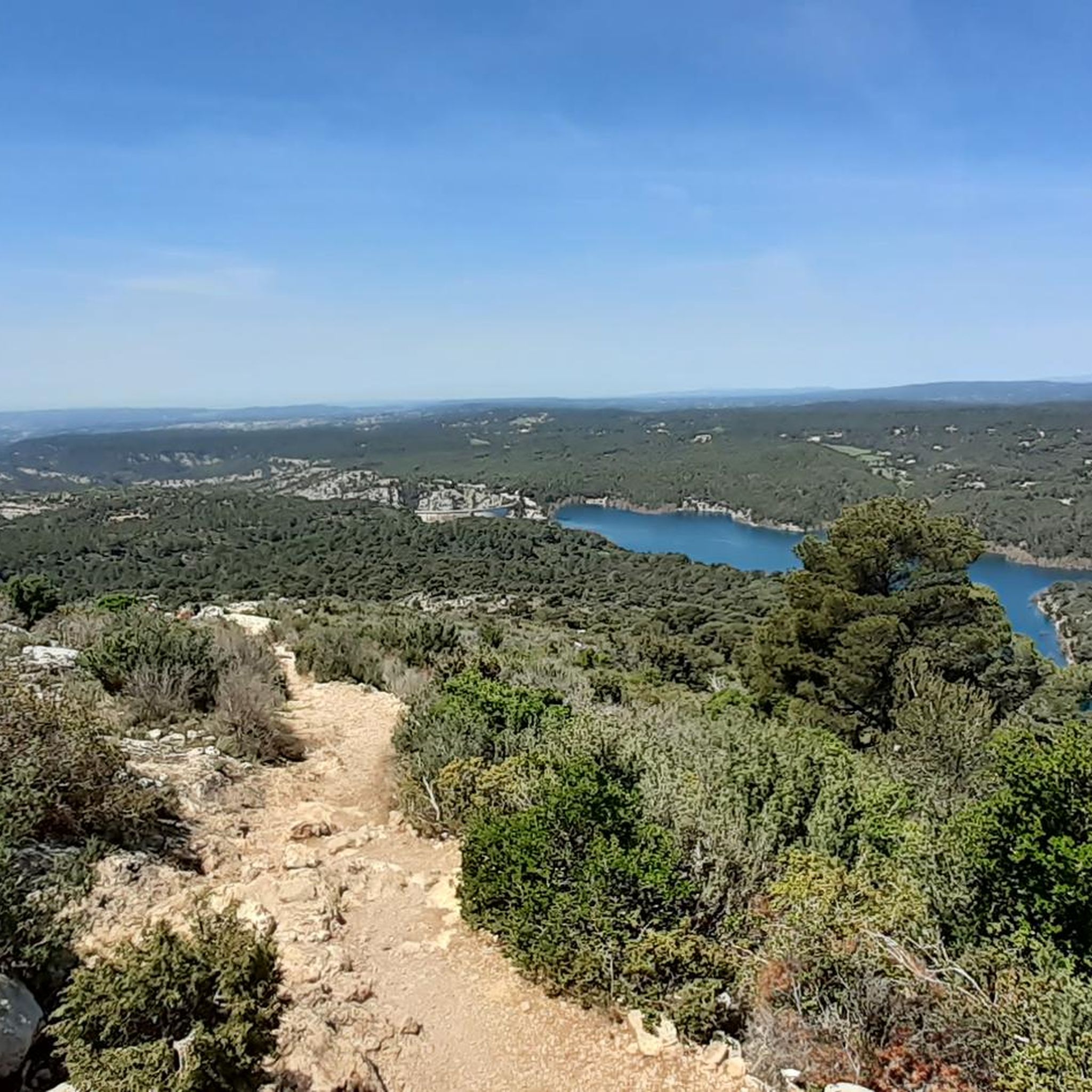
Not the most beautiful place on Sainte-Victoire in itself, but what an extraordinary view 🔥 Sainte-Baume and the mountains of Marseille to the South, the Bessillons and the Alps behind the Verdon to the East, the Montagne de Lure, the Écrins, the Ventoux...
1
0

beautiful but dangerous on the way down (even on the way up if you are not used to it)
0
0

The trails are much simpler starting from the D10 rather than Puyloubier. Many families with children can easily climb them.
1
0
Dangerous ascent and daring descent. Bring good hiking shoes and perhaps something to rappel into...
1
0

A passage through red earth climbing to the foot of Sainte Victoire
0
0

superb hike, to do in the morning. be well-shod because there are many rocks to cross. Take plenty of water. superb priory below the cross.
1
0

forcioli trail (green and black markings): climbing uphill, very involved downhill
1
0
Frequently Asked Questions
What are the most notable natural monuments around Saint-Marc-Jaumegarde?
The primary natural monuments are centered around the majestic Montagne Sainte-Victoire and the scenic Bimont and Zola Dams. Key points on Sainte-Victoire include the Croix de Provence, known for its extensive panoramas, and Pic des Mouches, the highest point of the mountain.
What kind of geological features can I explore near Saint-Marc-Jaumegarde?
The Montagne Sainte-Victoire is an iconic limestone mountain with significant paleontological interest, including fossil deposits of dinosaur eggs. You can also visit the Red Earth Formations of Sainte-Victoire, a beautiful area at the foot of the Sainte-Victoire National Nature Reserve.
Are there historical or cultural sites associated with these natural monuments?
Yes, the Montagne Sainte-Victoire holds religious heritage sites like the 17th-century Sainte-Victoire Priory and the Saint-Ser Hermitage. The Croix de Provence is also a notable landmark. The Zola Dam is a historical engineering marvel, designed by François Zola, father of the novelist Émile Zola, and has been immortalized in art by Paul Cézanne.
What outdoor activities can I do near the natural monuments?
The area is a paradise for outdoor enthusiasts. You can enjoy extensive hiking, mountain biking, paragliding, and rock climbing around Montagne Sainte-Victoire. For specific routes, explore the running trails, MTB trails, and cycling routes available in the region.
Are there family-friendly hiking options around Saint-Marc-Jaumegarde's natural monuments?
Yes, while some trails on Sainte-Victoire can be challenging, there are routes suitable for various skill levels. For example, some trails leading to Pic des Mouches are simpler when starting from the D10. The View of Mont Sainte-Victoire also offers very nice, easy hikes for the whole family.
What are the Bimont and Zola Dams, and are they worth visiting?
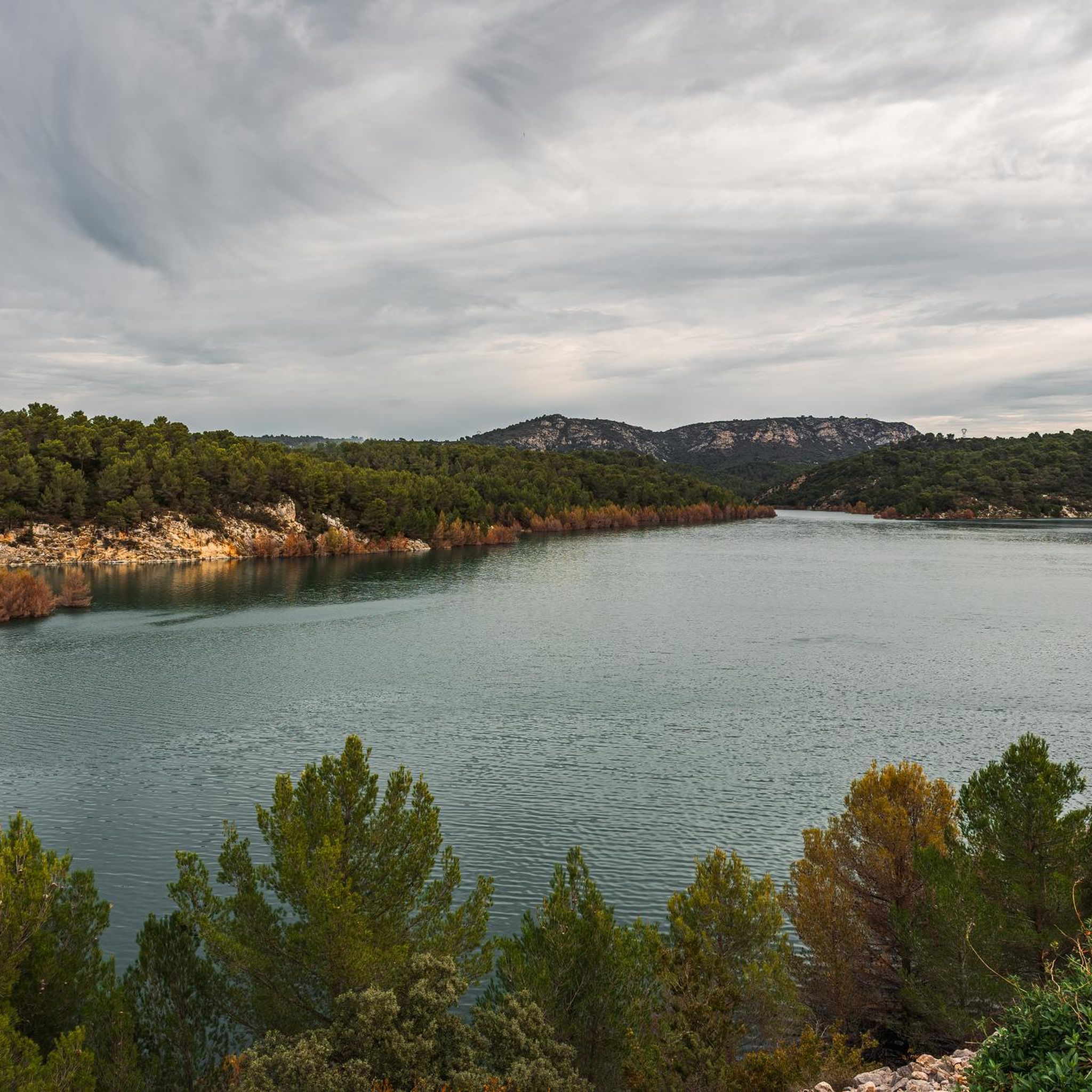
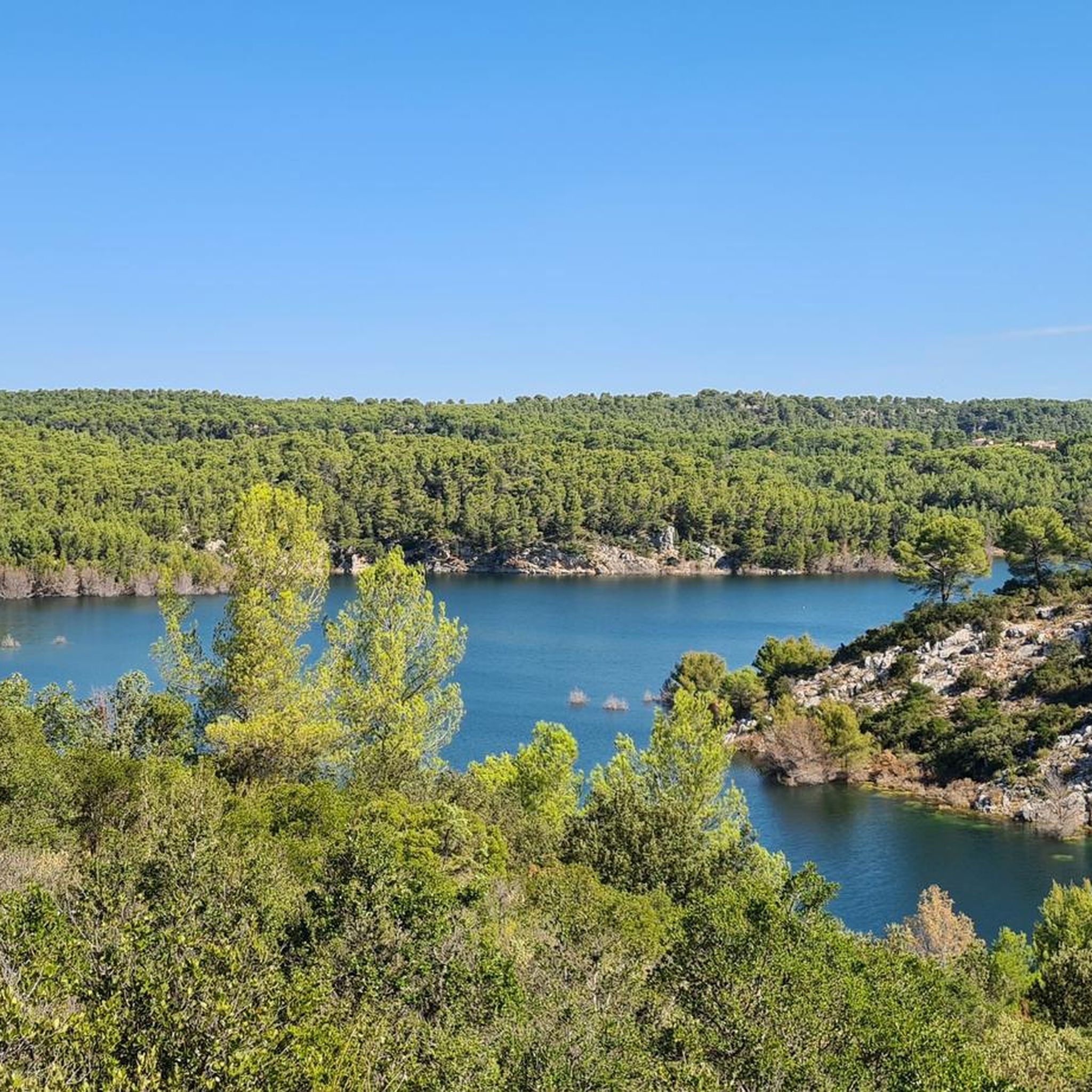
The Bimont Dam is an impressive vault-type dam built between 1946 and 1952, crucial for water supply and offering beautiful views of Sainte-Victoire. The Zola Dam, completed in 1854, is a historical landmark nestled amidst pine forests with stunning views. Both dams serve as popular starting points for hikes and offer tranquil spots for nature enthusiasts and photographers.
What makes the Montagne Sainte-Victoire so special?
Montagne Sainte-Victoire is recognized as a 'Grand Site de France' and is home to a National Nature Reserve. It's famous for its paleontological riches, including dinosaur egg fossils, and gained international fame as Paul Cézanne's muse. Its diverse landscapes, from sharp rock faces to gentle plains, also make it part of the Natura 2000 network for its biological diversity.
What should I know about hiking to the <a href="https://www.komoot.com/highlight/136670" target="_blank" rel="noopener">Croix de Provence</a>?
The path to the Croix de Provence offers unique panoramas, with views stretching to the Mediterranean and the Alps on clear days. The trail is mostly stony and rocky, so hiking boots are recommended. The last few meters to the summit cross are challenging. Remember to bring enough water as there are no supplies on the way, though a fountain with drinking water is available at the beginning of the Bimont Dam.
Can I see wildlife around the natural monuments?
The Sainte-Victoire National Nature Reserve, part of the Natura 2000 network, supports diverse biological life. The Swallows' Cave, for instance, is named for the numerous rock swallows that inhabit it, offering a glimpse into the local birdlife.
What do visitors enjoy most about the natural monuments near Saint-Marc-Jaumegarde?
Visitors frequently praise the breathtaking panoramas, especially from summits like Croix de Provence. The varied hiking experiences, from challenging climbs to family-friendly walks, are also highly appreciated. Many enjoy the unique geological formations and the artistic and historical connections of sites like Montagne Sainte-Victoire and the Zola Dam.
Is there a specific natural monument known for unique rock formations or caves?
Yes, beyond the general limestone formations of Sainte-Victoire, you can explore the Swallows' Cave. Although well hidden, this large cave on the ridge has an impressive tunnel-shaped entrance and is known for its resident rock swallows. It's accessible via challenging trails like the Forcioli trail.
What is the best time to visit the natural monuments around Saint-Marc-Jaumegarde?
The region is beautiful year-round, but spring and autumn offer pleasant temperatures for hiking and exploring the trails. During these seasons, the light also beautifully highlights the changing appearance of Montagne Sainte-Victoire, as famously captured by Cézanne.
Most popular routes around Saint-Marc-Jaumegarde
Most popular attractions around Saint-Marc-Jaumegarde

Get inspired with the komoot mobile app


Explore more
Extend your search for the best caves by checking out these guides of the top ones around Saint-Marc-Jaumegarde:
