Top 5 Natural Monuments around Saumur
Natural monuments around Saumur are characterized by the Loire River and its unique geological formations, primarily the tuffeau limestone. This region in the Loire Valley offers a blend of natural features and historical human adaptation. The landscape includes extensive troglodyte dwellings carved into the soft rock, alongside diverse riverine and forested environments. These sites provide insight into the area's natural history and its cultural development.
Best natural monuments around Saumur
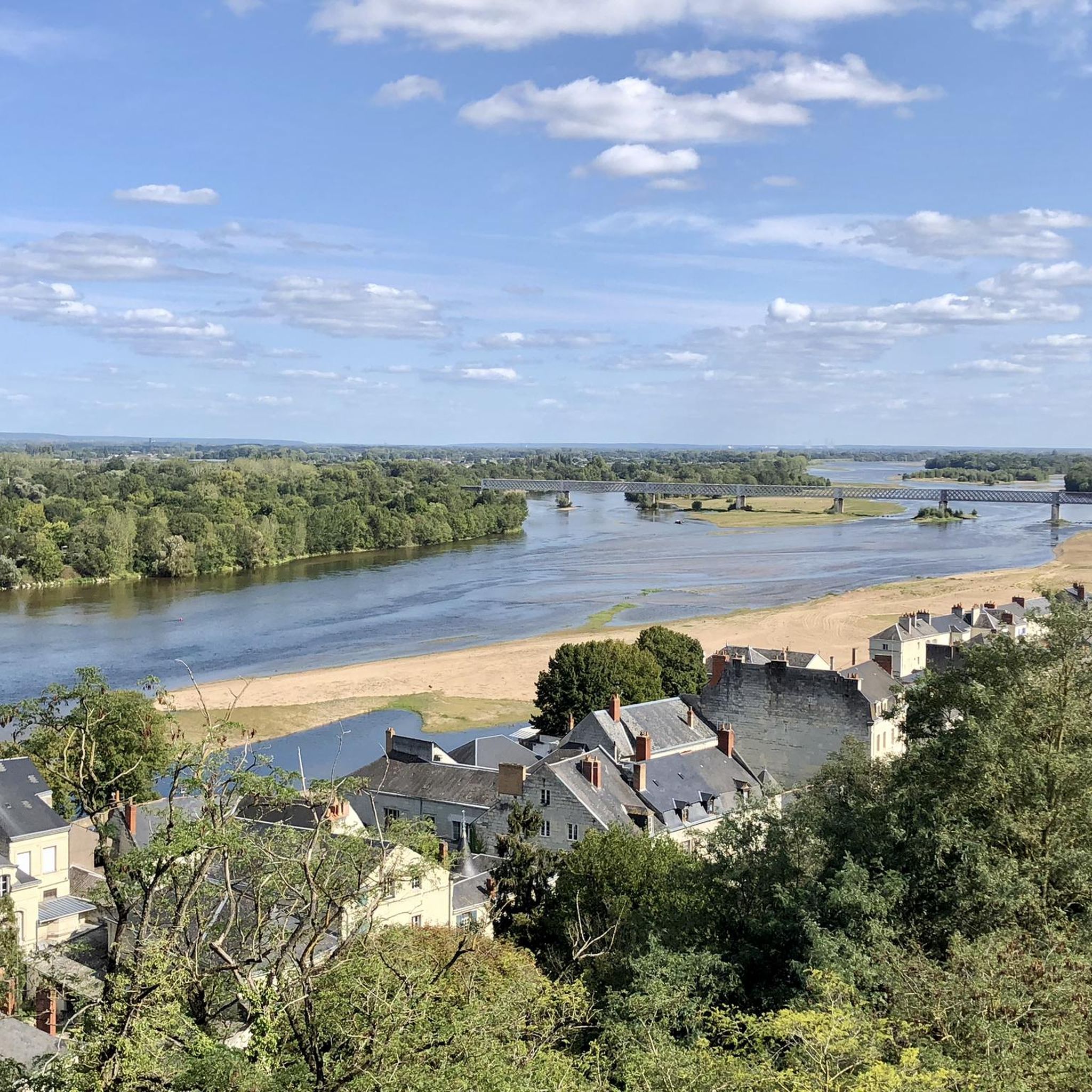
- The most popular natural monuments is Loire Riverside at Turquant, a river that offers magnificent spots for cycling. The terrain can be challenging after heavy rain or high winds.
- Another must-see spot is Étang de Joreau, a lake created by monks for fish farming in the 18th century. It provides picnic areas, fishing opportunities, and walks through surrounding woods.
- Visitors also love Marson woods and heathlands, a forest with a preserved natural setting. The pond of Marson within is a destination for fishermen and hikers, offering a cool retreat in summer.
- Saumur is known for its rivers, lakes, and forests, as well as unique troglodyte dwellings. Visitors can explore a variety of natural monuments, from water bodies to subterranean habitats.
- The natural monuments around Saumur are appreciated by the komoot community, with 89 upvotes and 7 photos shared.
Last updated: July 2, 2026
Étang de Joreau
Highlight • Lake
Translated by Google •
Tip by

Loire Riverside at Turquant
Highlight • River
Translated by Google •
Tip by

Sign up now to discover places like this
Get recommendations on the best single tracks, peaks, & plenty of other exciting outdoor places.
Sign up for free
Marson woods and heathlands
Highlight • Forest
Translated by Google •
Tip by

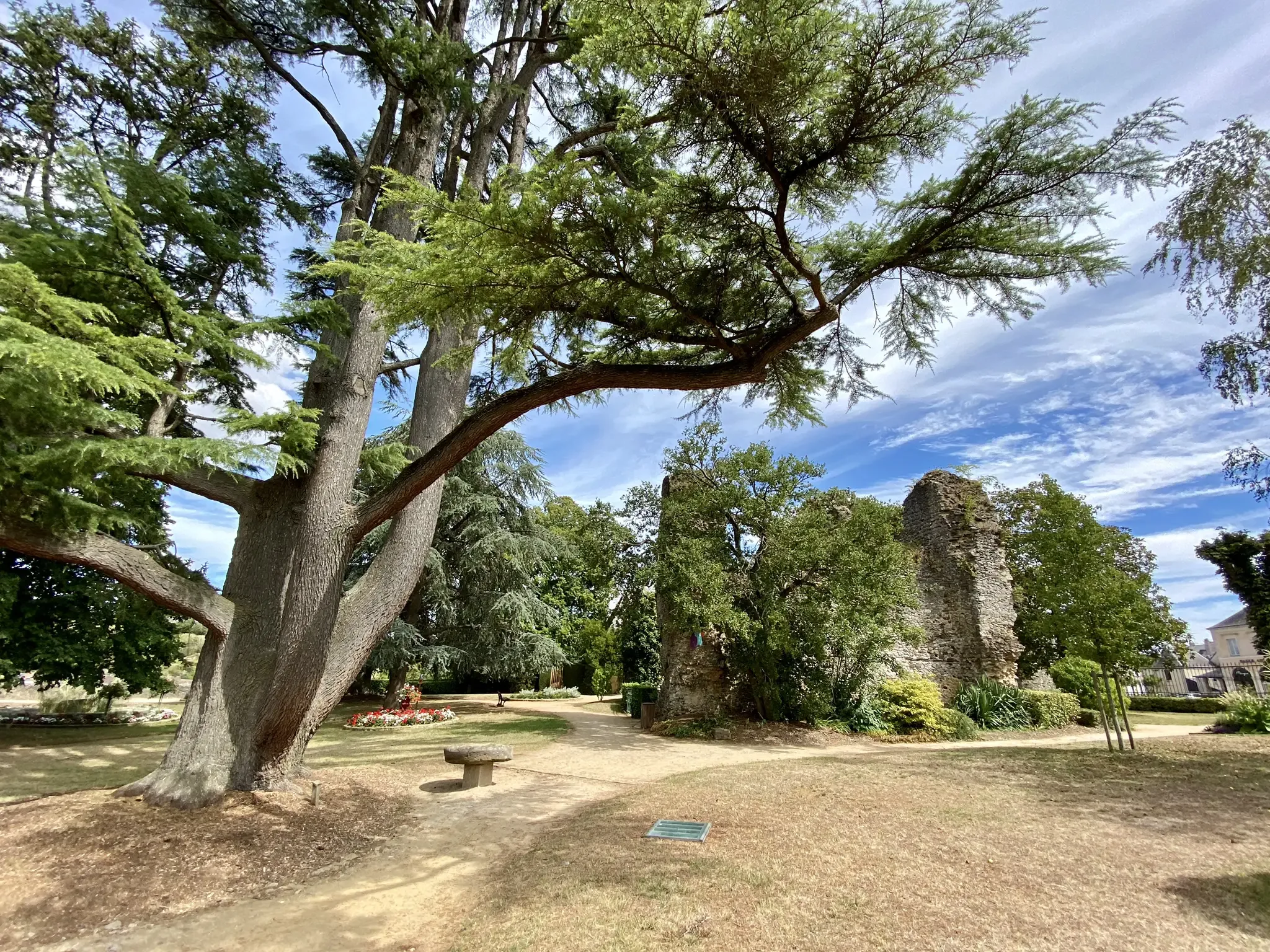
Gallo-Roman Amphitheater Gennes
Highlight • Historical Site
Enjoy the past.
Historical context:
In the 1st century BC, the influence of the Roman Empire extended to Gaul, where in Anjou the Andes and their leader Dumnacus were crushed by the Romans. In Gennes, there have been several excavations and have revealed, among other things, a large Gallo-Roman settlement and an amphitheatre.
The Gennes amphitheatre could seat approximately 5,000 spectators. It was discovered in 1806 and excavated from 1862 onwards. The Gallo-Roman theatre-amphitheatre is classified as a historical monument.
Translated by Google •
Tip by

Fountains of Doué la Fontaine
Highlight • Structure
Translated by Google •
Tip by
Start today with a free account
Your next adventure awaits.
Login or Signup
Popular around Saumur
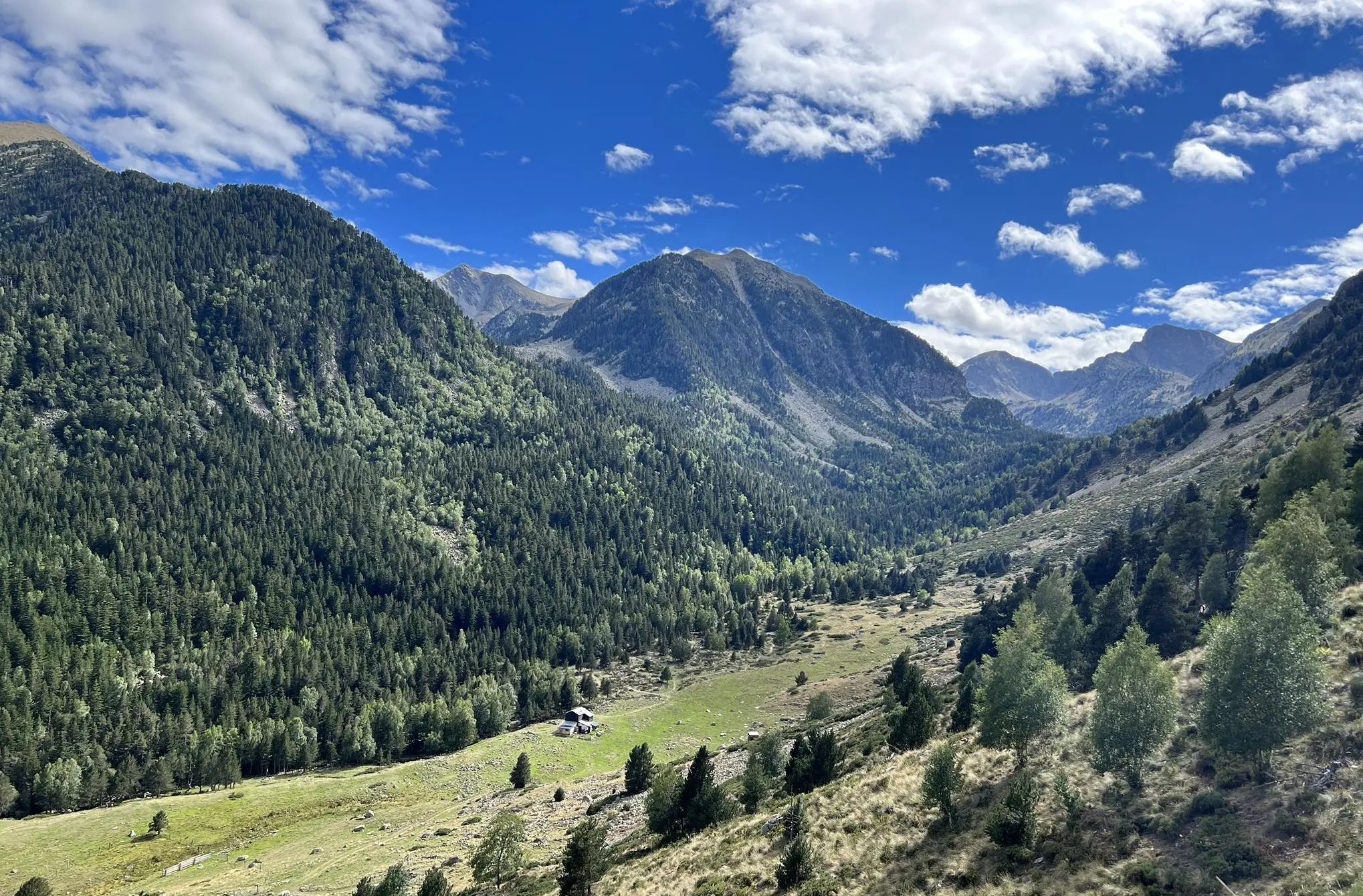
GR 36 long-distance footpath – Cross France from the Channel to the Pyrenees
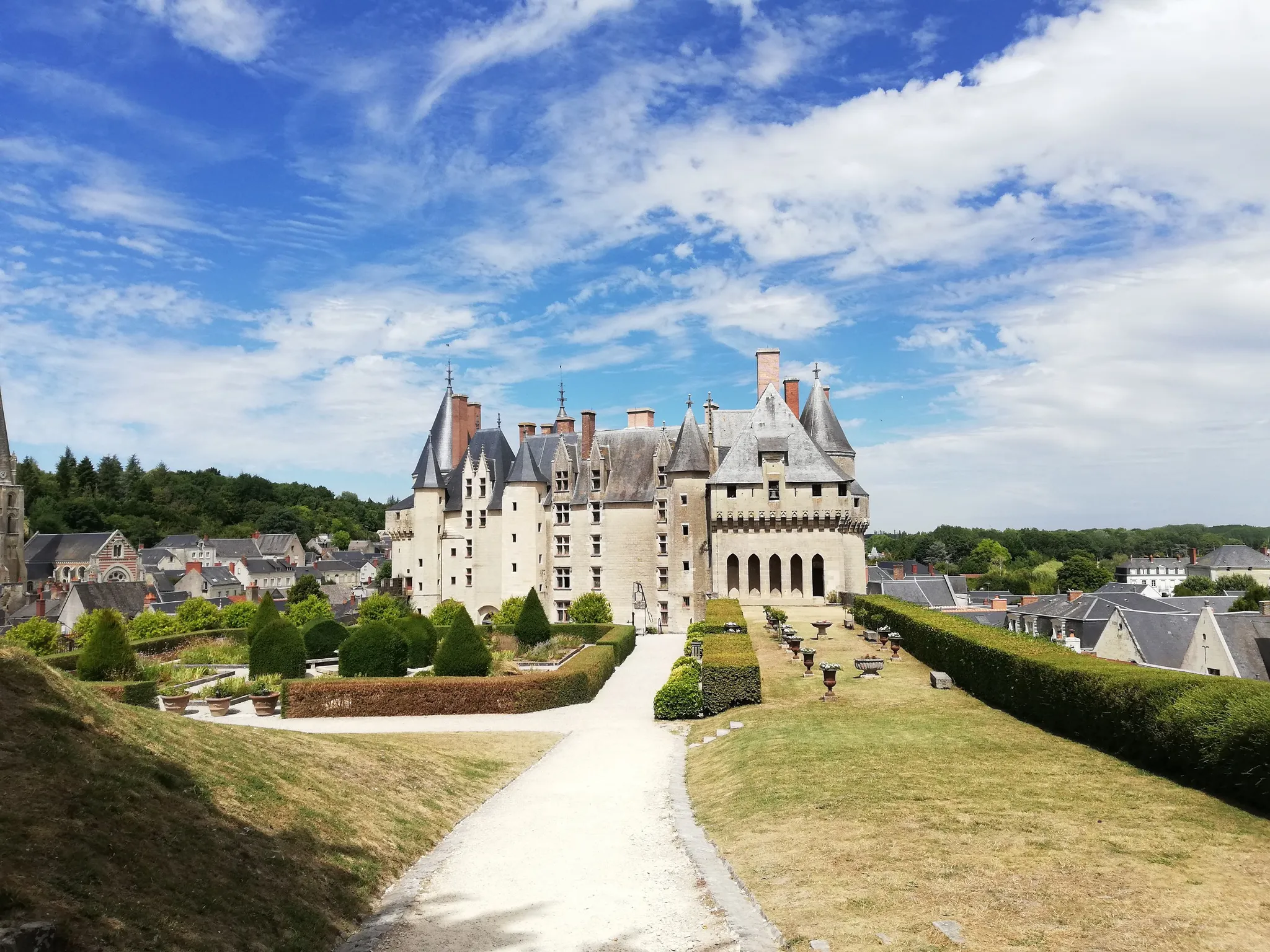
From one Châteaux to another – a long hike in the Loire Valley
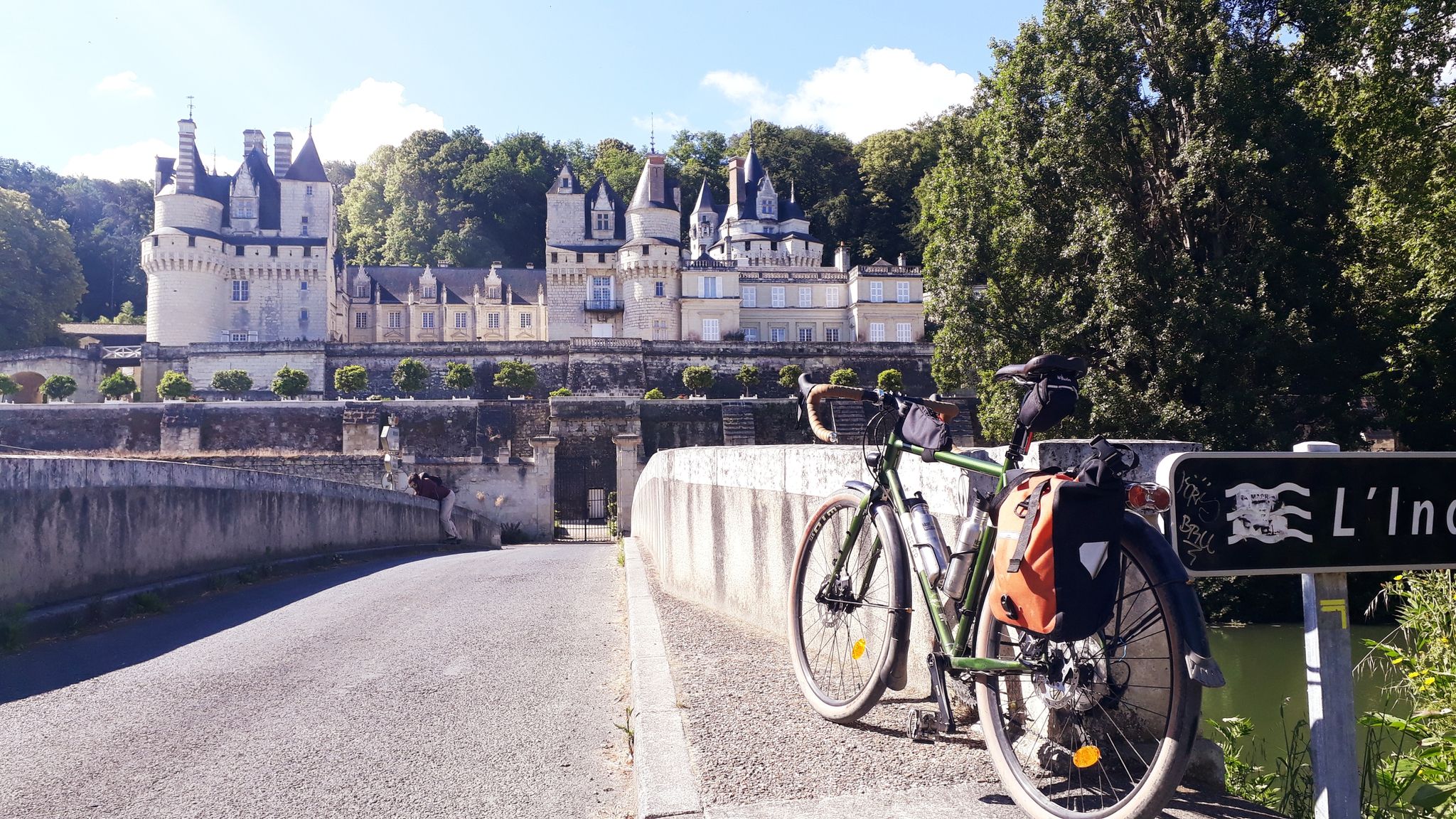
La Loire à vélo – Between nature and castles
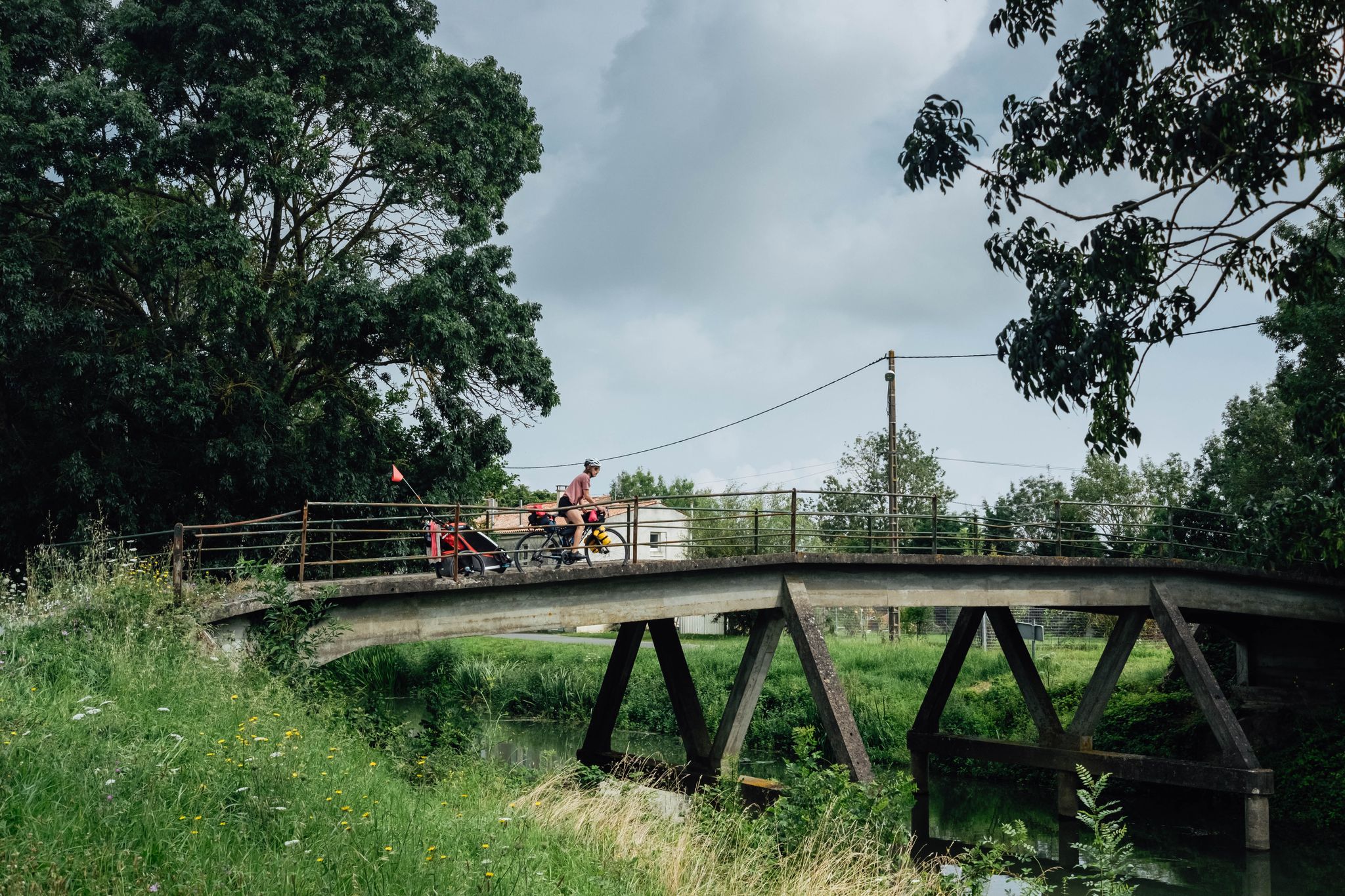
Our first family bike adventure in Western France
The Loire from ocean to the source – GR 3 from Angers to Tours
Ride from Normandy to the Loire – La Vélobuissonnière (V44)
From Ouistreham to La Rochelle — riding the Vélo Francette
Cycling around Saumur
Hiking around Saumur
Running Trails around Saumur
Other adventures around Saumur


Tips from the Community

The sights are good but the terrain is not especially after high winds and heavy rain. Some people might find it tricky to navigate.
0
0

This highlight is literally a source of history. Doué is originally Celtic and means source or fountain. At this location you are standing in front of the largest water basin in the area. Take a dive into the past by taking note of the information panels. They take you back in time chronologically. In other words, a cool place with a special place.
4
0
Nice site. This can only be visited at walking pace. A small tour takes you back in time. Information panels accompany your visit. Enjoy the past. Historical context: In the 1st century BC, the influence of the Roman Empire extended to Gaul, where in Anjou the Andes and their leader Dumnacus were crushed by the Romans. In Gennes, there have been several excavations and have revealed, among other things, a large Gallo-Roman settlement and an amphitheatre. The Gennes amphitheatre could seat approximately 5,000 spectators. It was discovered in 1806 and excavated from 1862 onwards. The Gallo-Roman theatre-amphitheatre is classified as a historical monument.
4
0

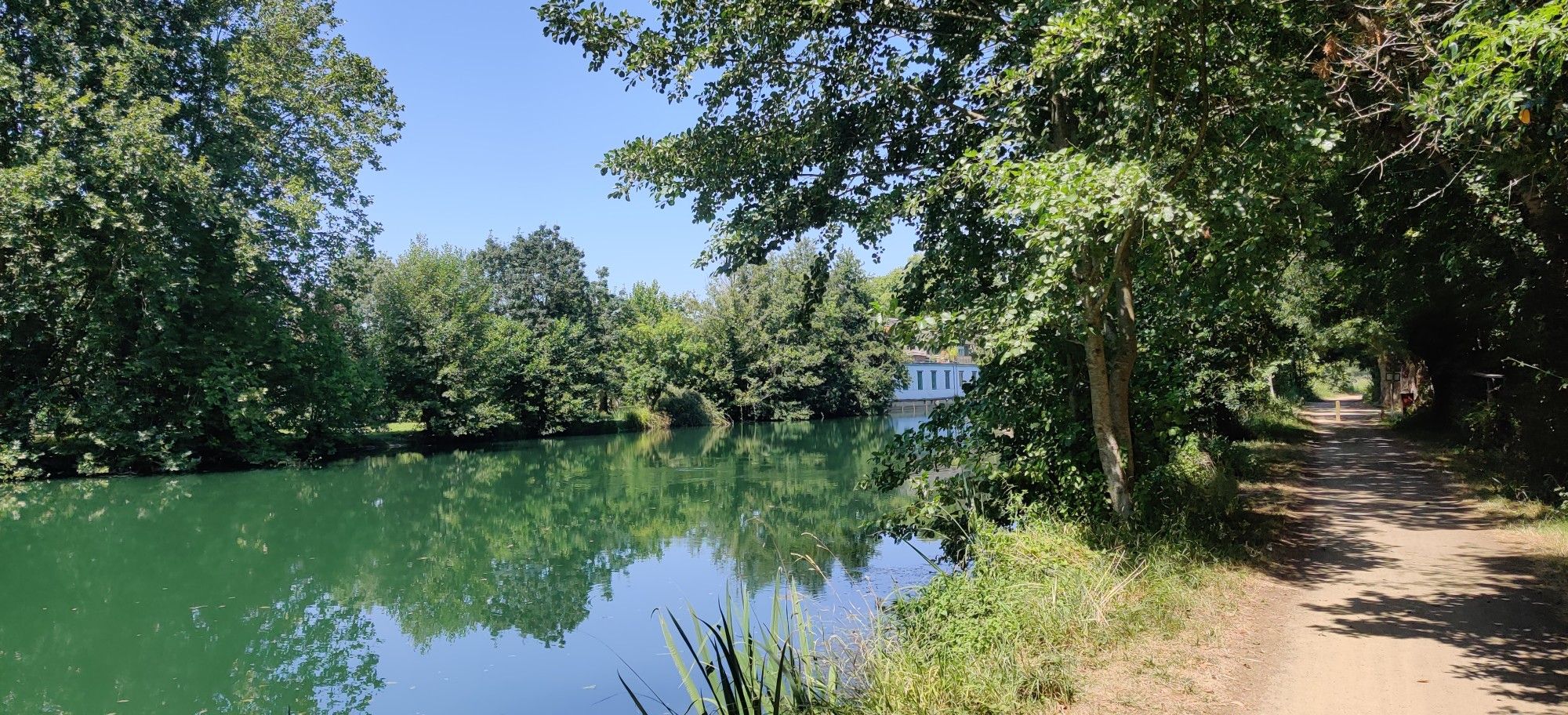
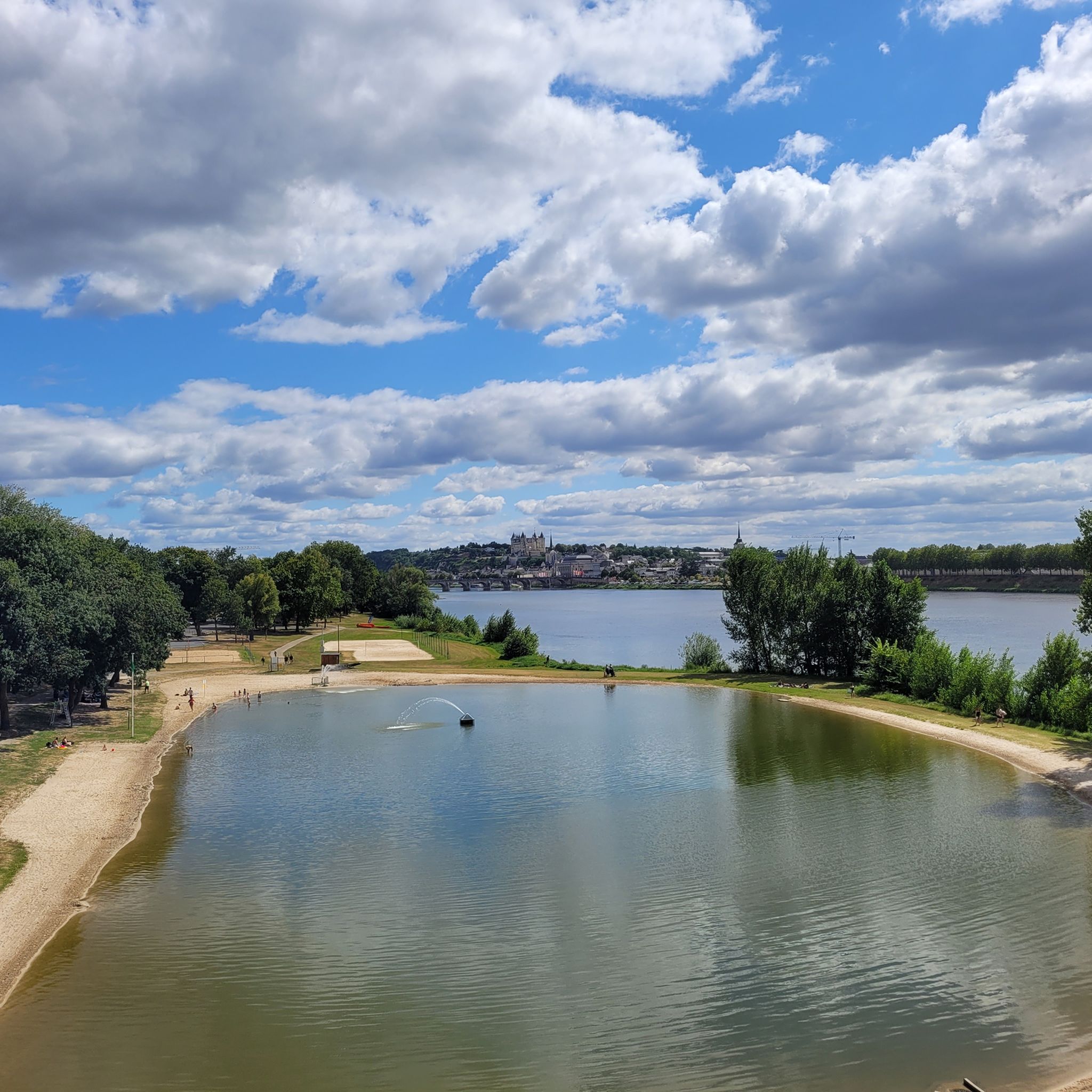
The Joreau pond is part of the Loire-Anjou-Touraine regional natural park. Created by monks for fish farming purposes in the 18th century, it now hosts many walks.
1
0

The woods and moors of Marson constitute a large territory with a preserved natural setting, just to the east of Saumur. At its heart, the pond of Marson is a small paradise for experienced fishermen. Crossed by the famous GR 3, the body of water is also a delight for hikers who, during the summers, seek a corner of freshness.
0
0

Very pretty pond with shade, picnic tables and paths all around (to walk, run, ride in VTC, gravel or mountain bike).
0
0

magnificent spots on this river that we have cycled along from Nevers to Nantes
2
0
Frequently Asked Questions
What unique natural features define the Saumur region?
The Saumur region is primarily characterized by the majestic Loire River and its unique geological formations, especially the soft tuffeau limestone. This limestone has led to the creation of extensive troglodyte dwellings, which are a blend of natural geology and human history, making them a distinctive natural monument.
Are there family-friendly natural monuments to visit around Saumur?
Yes, several natural monuments around Saumur are great for families. For example, Étang de Joreau offers picnic areas, fishing, and easy walks through surrounding woods. The Loire Riverside at Turquant is also family-friendly, providing scenic spots for cycling and enjoying the river views.
What kind of outdoor activities can I do near Saumur's natural monuments?
The region offers a variety of outdoor activities. You can enjoy hiking through diverse landscapes, cycling along the Loire River, or mountain biking. For detailed routes, you can explore options like Hiking around Saumur, Road Cycling Routes around Saumur, or MTB Trails around Saumur.
What is the historical significance of the troglodyte dwellings in Saumur?
The troglodyte dwellings are a significant part of Saumur's history. Originally, the tuffeau limestone was quarried for construction, but over centuries, these caves were transformed into homes, farms, wine cellars, and even churches. They showcase human ingenuity in adapting to the natural environment and provide a unique glimpse into a historical way of life.
Where can I find a peaceful natural retreat near Saumur?
For a peaceful natural retreat, consider visiting Marson woods and heathlands. This large territory offers a preserved natural setting with a pond that is a delight for hikers and fishermen, providing a cool escape during summer months.
Are there any historical sites classified as natural monuments in the area?
Yes, the Gallo-Roman Amphitheater Gennes is a historical site that is also considered a natural monument due to its integration with the landscape. It offers a fascinating walk back in time with information panels detailing its history and significance.
What makes the Loire River a significant natural monument in Saumur?
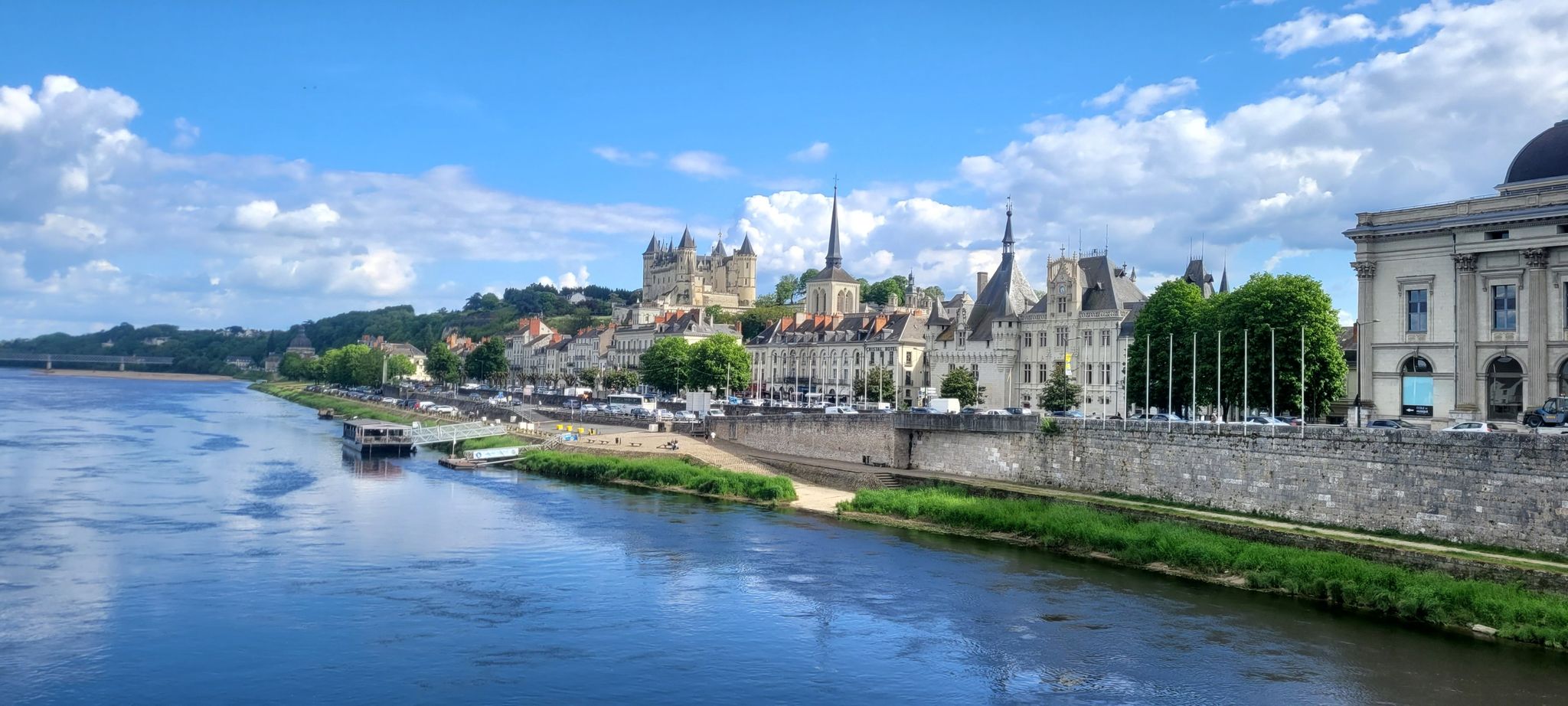
The Loire River, a UNESCO World Heritage Site, is a colossal natural feature that profoundly shapes the Saumur landscape. It offers sweeping views, especially from vantage points, and its banks are ideal for walking, cycling, and observing local wildlife. The river's biodiversity and its role in the region's cultural landscape make it a vital natural monument.
What geological features are prominent in Saumur's natural sites?
The most prominent geological feature is the tuffeau limestone, a soft, white rock formed over 90 million years ago. This unique geology allowed for the creation of the region's famous troglodyte dwellings and contributes to the distinct character of the landscape.
What do visitors enjoy most about the natural monuments around Saumur?
Visitors particularly enjoy the scenic beauty of the Loire River, the unique historical insight offered by the troglodyte sites, and the tranquil atmosphere of places like Étang de Joreau and Marson woods and heathlands. The blend of natural landscapes with rich history and opportunities for outdoor activities is highly appreciated.
Are there any natural monuments related to water sources in Saumur?
Yes, the Fountains of Doué la Fontaine are a significant natural monument related to water. Doué, meaning source or fountain in Celtic, highlights the historical importance of this site, which features the largest water basin in the area and provides a deep dive into local history.
What is the best season to explore the natural monuments in Saumur?
While the region can be enjoyed year-round, spring and autumn offer pleasant temperatures for outdoor activities like hiking and cycling. Summer provides a cool escape within the troglodyte sites, and the Loire River is particularly vibrant. Winter trails are also available in nature preserves for those seeking a quieter experience.
Most popular routes around Saumur
Most popular attractions around Saumur

Get inspired with the komoot mobile app


Didn’t find what you were looking for?
Find even more amazing natural monuments around Saumur by checking out the top Highlights region by region:
Explore more
Extend your search for the best caves by checking out these guides of the top ones around Saumur:
