The best family-friendly hikes and walks around Saumur
4.5
(799)
4,193
hikers
298
hikes
Family friendly hiking trails around Saumur are characterized by a diverse landscape, featuring the Loire River, extensive vineyards, and ancient forests. The region's terrain includes gentle hills and riverbanks, making it accessible for various activity levels. Hikers frequently encounter unique troglodyte dwellings carved into tuffeau cliffs and historic villages along the paths. This blend of natural beauty and cultural heritage provides varied scenery for family outings.
Best family friendly hiking trails around Saumur
- The most popular family friendly hiking route…
Last updated: July 2, 2026
4.6
(19)
82
hikers
11.4km
03:02
130m
130m
Moderate hike. Good fitness required. Easily-accessible paths. Suitable for all skill levels.
4.8
(11)
51
hikers
13.3km
03:31
130m
130m
Moderate hike. Good fitness required. Mostly accessible paths. Sure-footedness required.

Sign up for free
4.6
(22)
51
hikers
9.46km
02:32
110m
110m
Moderate hike. Good fitness required. Easily-accessible paths. Suitable for all skill levels.
4.2
(14)
42
hikers
7.89km
02:04
60m
60m
Moderate hike. Good fitness required. Easily-accessible paths. Suitable for all skill levels.
4.3
(7)
25
hikers
Moderate hike. Good fitness required. Easily-accessible paths. Suitable for all skill levels.
Get access to more routes and recommendations from other explorers.
Sign up for free
Already have an account?
Our route recommendations are based on thousands of hikes, rides, and runs completed by other people on komoot.
Start today with a free account
Your next adventure awaits.
Login or Signup
Popular around Saumur

Family-friendly hikes in Forêt De Bareilles
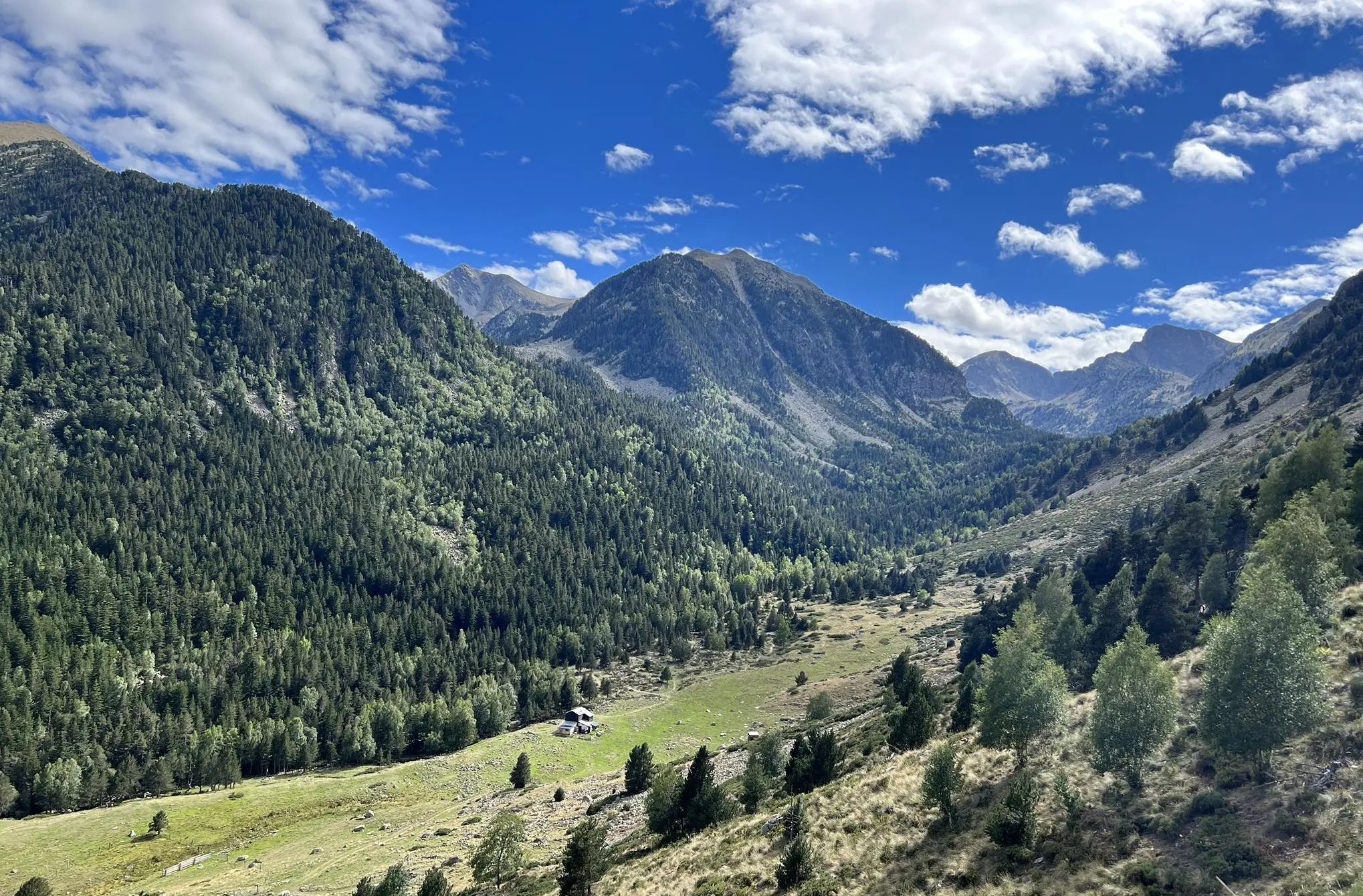
GR 36 long-distance footpath – Cross France from the Channel to the Pyrenees
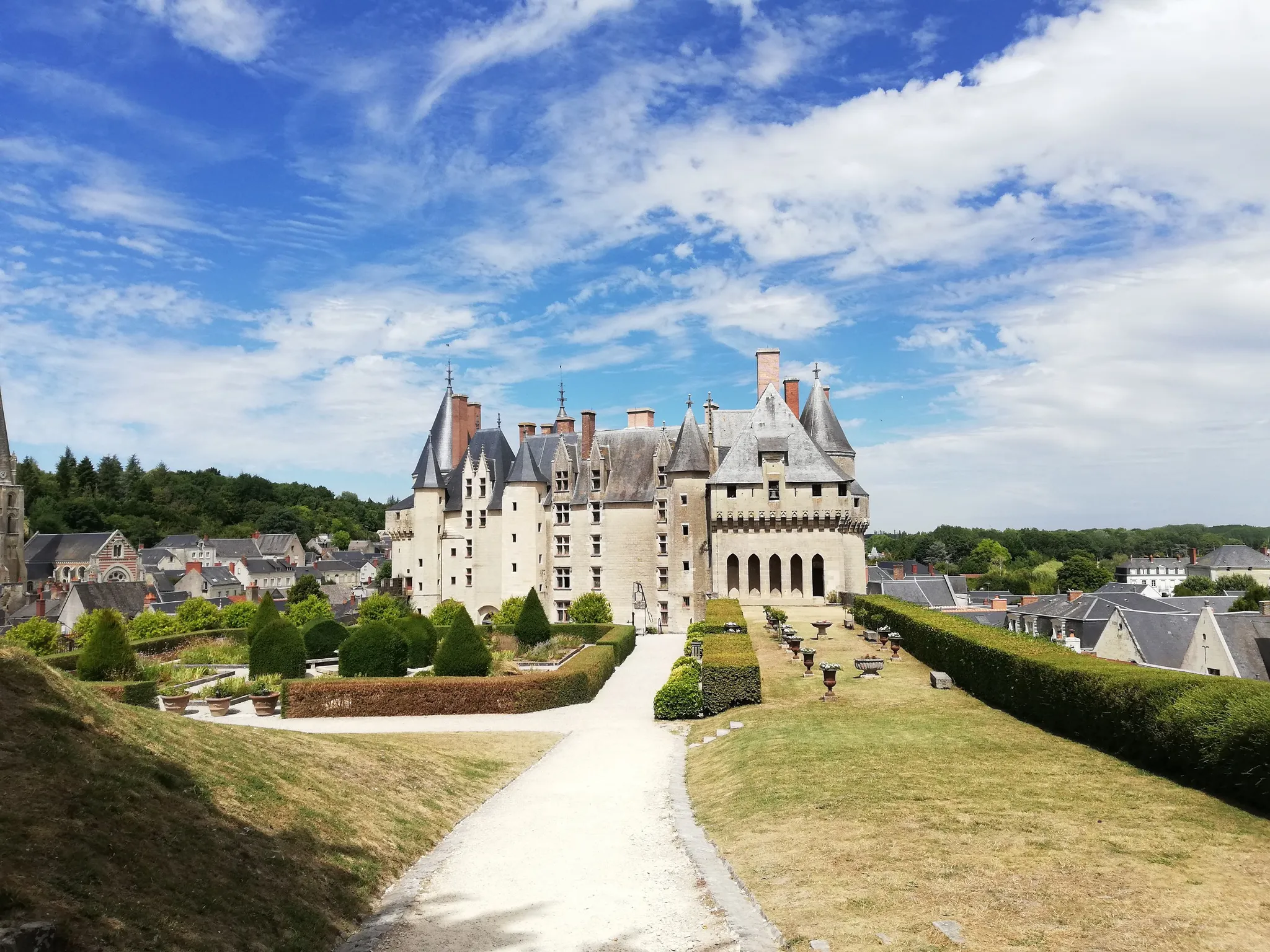
From one Châteaux to another – a long hike in the Loire Valley
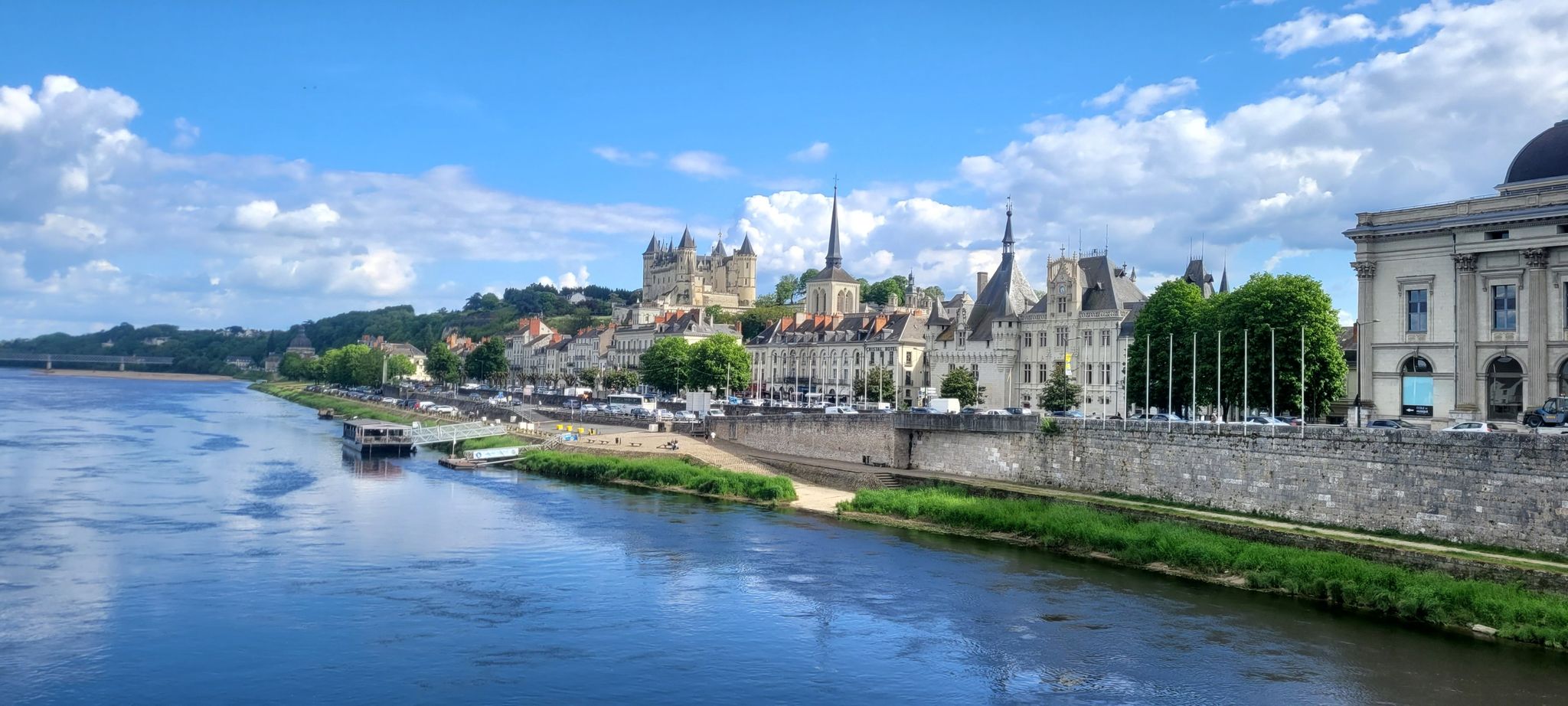
The Loire from ocean to the source – GR 3 from Angers to Tours
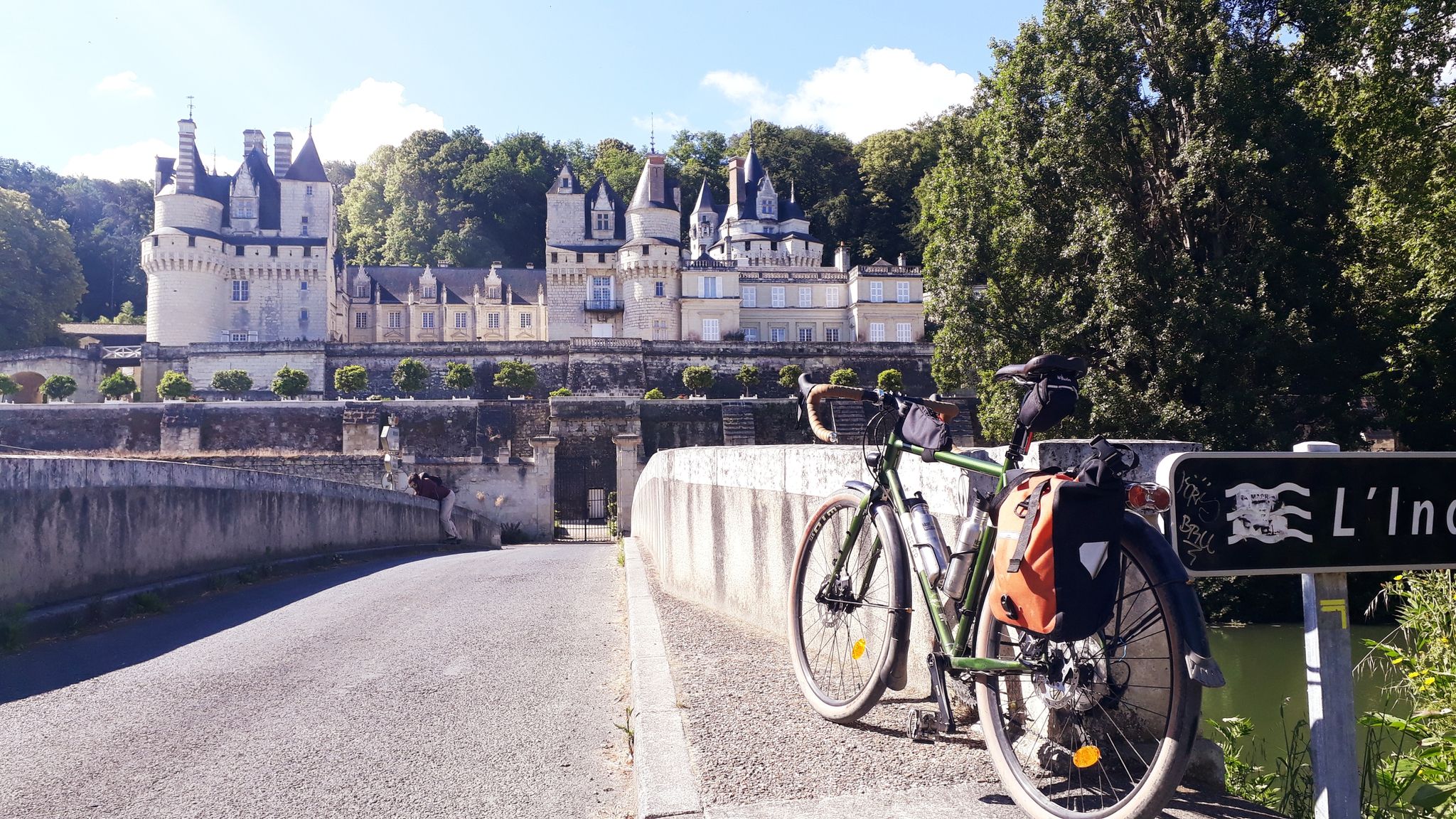
La Loire à vélo – Between nature and castles
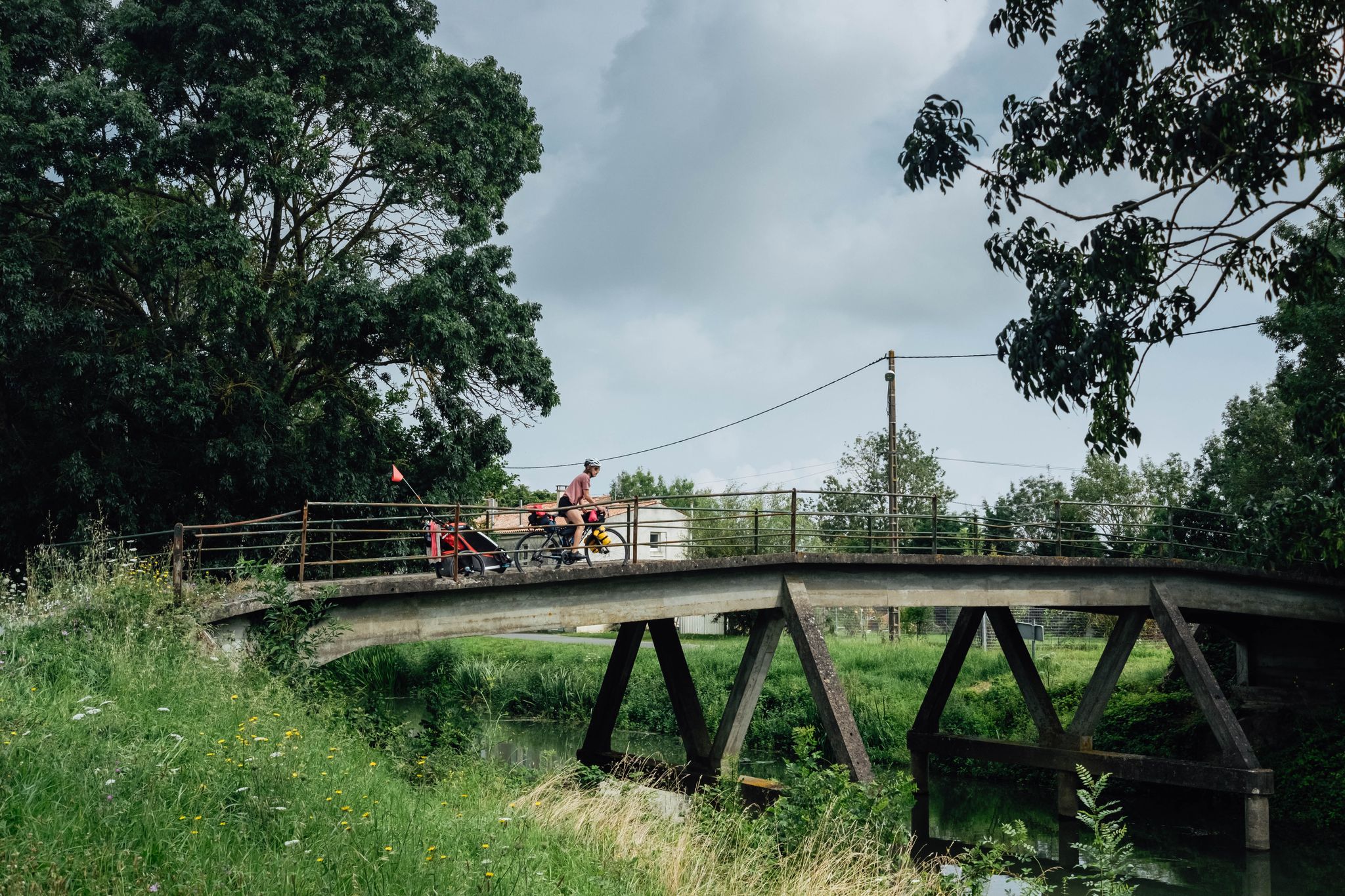
Our first family bike adventure in Western France
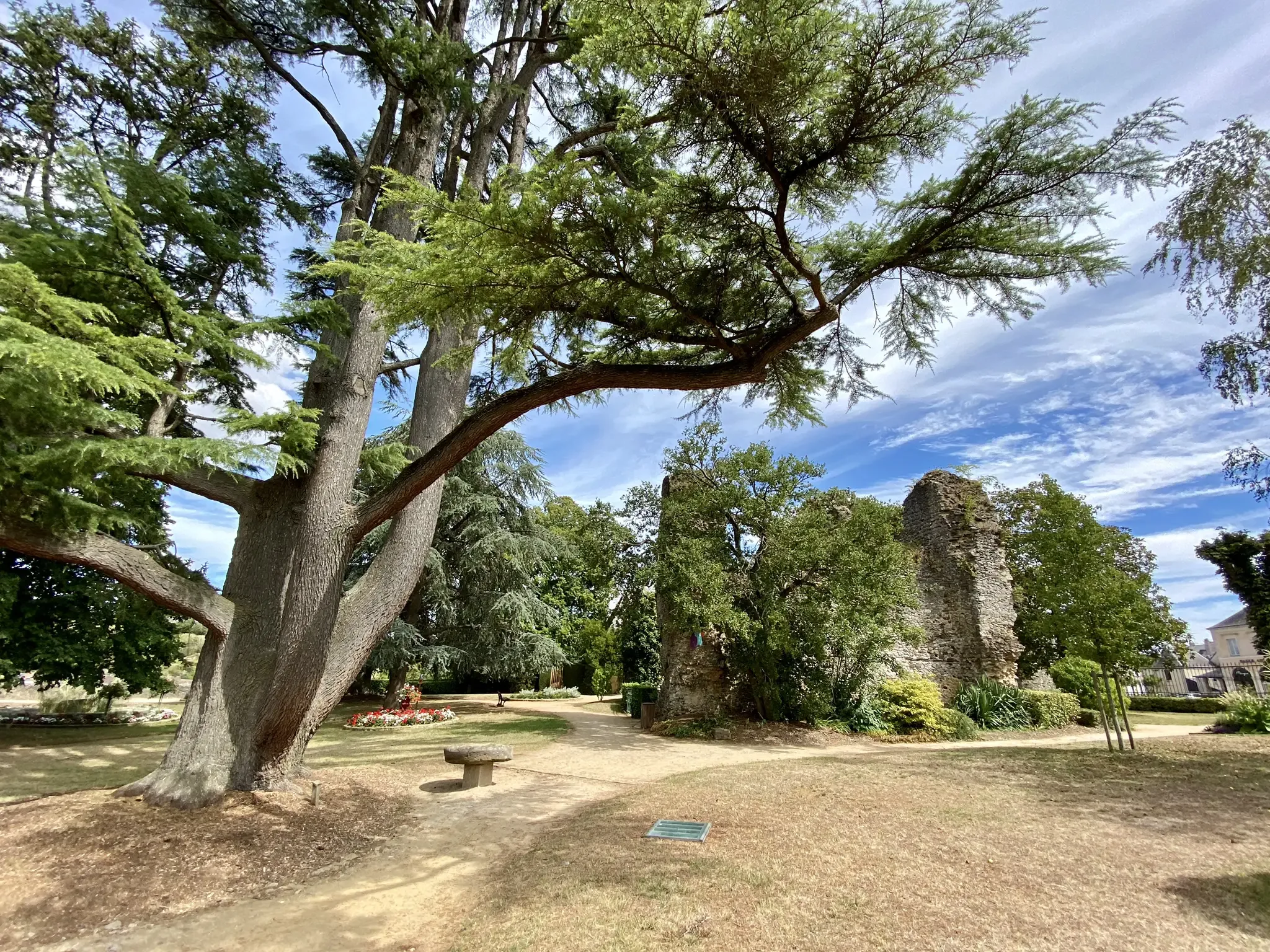
Ride from Normandy to the Loire – La Vélobuissonnière (V44)
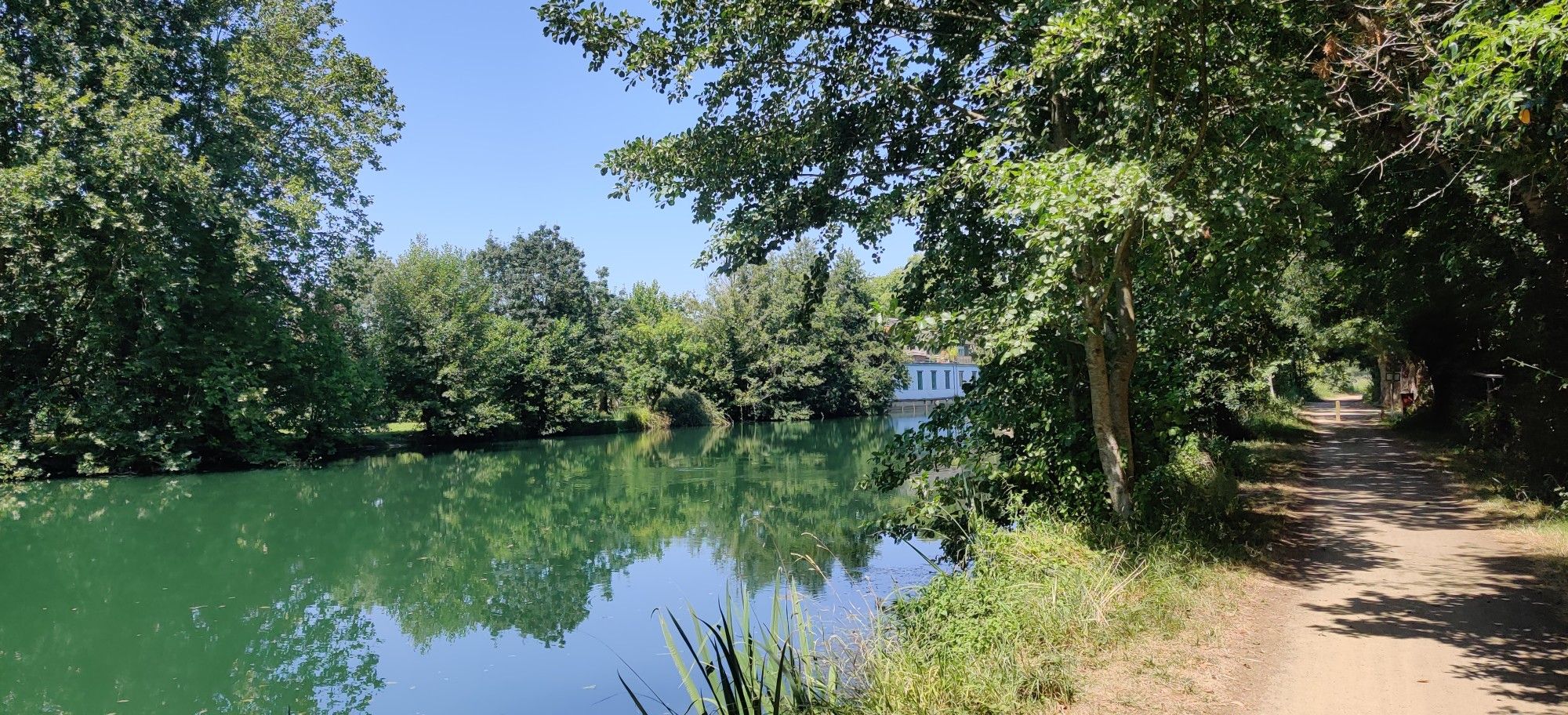
From Ouistreham to La Rochelle — riding the Vélo Francette
Other adventures around Saumur


Tips from the Community

If you want to stay, or marriage use this link: https://chateaudemarson.fr/histoire/
0
0

A castle-palace of the Dukes of Anjou in the 19th and 19th centuries, the Château de Saumur, where King René resided, is the last example of the princely palaces built by the Valois dynasty. It served as the residence of the city's governors, a prison, and later an arms and ammunition depot. It was purchased by the city in 1906 to house the municipal museum, now the Musée de France. Today, we discover the rich collections scattered throughout the former apartments of the Dukes of Anjou in an educational museography. Want to know more? Click here: https://www.ot-saumur.fr/en/castles-and-country-houses/Saumurcastle-5261718/
3
0
History: In 1454, while ploughing his field, a farmer discovered in the "ardille" (clay, a word that according to legend gave its name to Notre-Dame-des-Ardilliers) a stone statuette about thirty centimetres high representing a Pietà. The farmer took it home. Twice he discovered that the Pietà returned to its place of discovery, near a fountain that was already known for its healing properties. From that moment on, devotions developed around this statuette, which was placed in a niche under a stone arch. Jean Olivier, Bishop of Angers, laid the foundations of the Notre-Dame-des-Ardilliers chapel. Bishop Gabriel Bouvery, Bishop of Angers, opened the new church on 30 July 1553. It was a place of pilgrimage. The fountain was said to perform miracles. In 1614, thanks to the support of Marie de Medici, the management of the sanctuary was entrusted to the Order of Oratorians. In 1619, they settled in Ardilliers and founded a royal college in 1624. Louis XIII granted it the status of royal chapel and, from 1628 to 1643, the Oratorians built the buildings to the east of the chapel that would house their community, the classrooms and the students' dormitories. From 1634, Richelieu had a chapel built on the north wall of the chapel for votive and funeral purposes. The chapel was closed during the Revolution. The Oratorian house became a barracks and the rotunda was converted into an ammunition store. In 1796, the Sisters of Sainte-Anne-de-la-Providence opened a hospice there for the expelled. In 1798, the hospice became the property of the city of Saumur. The chapel was put back into use in 1799, but was damaged by damp. From 1849, architect Charles Joly-Leterme began restoring the building. The Sisters of Sainte-Anne-de-la-Providence became the owners of the former Oratorian House in 1866. During the Battle of the Cadets, in June 1940, the bombing destroyed the roof structures of the chapel and the Oratorian House. The vault of the nave collapsed. The buildings were restored between 1947 and 1957. The oak frame of the dome was replaced by a concrete shell to reduce the pressure on the walls. The Oratorian House was converted into a school in 1953. In February 2025, a fire broke out. Source Wikipedia
4
0
History: In 1454, while ploughing his field, a farmer discovered in the "ardille" (clay, a word that according to legend gave its name to Notre-Dame-des-Ardilliers) a stone statuette about thirty centimetres high representing a Pietà. The farmer took it home. Twice he discovered that the Pietà returned to its place of discovery, near a fountain that was already known for its healing properties. From that moment on, devotions developed around this statuette, which was placed in a niche under a stone arch. Jean Olivier, Bishop of Angers, laid the foundations of the Notre-Dame-des-Ardilliers chapel. Bishop Gabriel Bouvery, Bishop of Angers, opened the new church on 30 July 1553. It was a place of pilgrimage. The fountain was said to perform miracles. In 1614, thanks to the support of Marie de Medici, the management of the sanctuary was entrusted to the Order of Oratorians. In 1619, they settled in Ardilliers and founded a royal college in 1624. Louis XIII granted it the status of royal chapel and, from 1628 to 1643, the Oratorians built the buildings to the east of the chapel that would house their community, the classrooms and the students' dormitories. From 1634, Richelieu had a chapel built on the north wall of the chapel for votive and funeral purposes. The chapel was closed during the Revolution. The Oratorian house became a barracks and the rotunda was converted into an ammunition store. In 1796, the Sisters of Sainte-Anne-de-la-Providence opened a hospice for the expelled. In 1798, the hospice became the property of the city of Saumur. The chapel was put back into use in 1799, but was damaged by damp. From 1849, architect Charles Joly-Leterme began restoring the building. The Sisters of Sainte-Anne-de-la-Providence became the owners of the former Oratorian House in 1866. During the Battle of the Cadets, in June 1940, the bombing destroyed the roof structures of the chapel and the Oratorian House. The vault of the nave collapsed. The buildings were restored between 1947 and 1957. The oak frame of the dome was replaced by a concrete shell to reduce the pressure on the walls. The Oratorian House was converted into a school in 1953. A fire broke out in February 2025. Source Wikipedia
4
0
Between the Loire and the hills, Turquant welcomes, in season, craftsmen and a Métiers d'Art boutique in a remarkably restored troglodyte site. Several designers open their workshops to the public and passionately share their expertise. Today, you can wander around the troglodytes between tradition and modernity to discover all their originality.
4
0
Between Montsoreau and Saumur, the tuffeau rock dominates the Loire and is cut from one end to the other by a series of caves, sometimes troglodyte dwellings, sometimes quarries... Villages spring up in the valleys that crisscross the hills, while vineyards and mills mark the ridge. In Turquant, more than anywhere else, you can discover this Loire landscape, so characteristic of the Côte Saumuroise. Today, between tradition and modernity, the troglodytes can be discovered in all their originality, particularly in the Village des Métiers d'Art.
2
0
For centuries, Saumur has breathed to the rhythm of its castle. This fortress is visible for miles from its rocky summit and is like the castles of our storybooks and fairy tales. Come and soak up the atmosphere for yourself in the low-traffic streets and cozy squares.
2
0

Beautiful town on the Loire with a pretty castle!
4
0
Frequently Asked Questions
How many family-friendly hiking trails are available around Saumur?
There are over 270 family-friendly hiking trails around Saumur, ranging from easy strolls to more moderate adventures. This includes more than 110 easy routes, perfect for families with younger children or those looking for a relaxed walk.
What kind of landscapes can we expect on family hikes in Saumur?
Saumur offers a diverse range of landscapes perfect for family exploration. You can expect picturesque trails along the Loire River, through extensive vineyards, and into tranquil forests like those around Fontevraud. Many routes also feature unique geological formations such as calcareous lawns and the famous troglodyte dwellings carved into the tuffeau cliffs.
Are there any circular routes suitable for families?
Yes, many family-friendly routes in Saumur are circular, allowing for convenient starting and ending points. For example, the Saumur centre ville — loop in the PARC NATUREL RÉGIONAL Loire-Anjou-Touraine offers a pleasant loop through the regional park, starting right from the town.
What interesting landmarks or attractions can we see along the trails?
Hiking in Saumur often combines natural beauty with rich history. You might encounter fascinating troglodyte dwellings, especially on routes like the Turquant, Montsoreau and the Loire Trail. Many trails also pass by historic castles such as Montsoreau Castle or Château de Saumur, and ancient megalithic sites. You can also explore natural features like the Étang de Joreau or the Marson woods and heathlands.
Are there any trails that go through vineyards?
Absolutely! Saumur is renowned for its vineyards, particularly those of the Saumur-Champigny appellation. The In the Heart of the Vineyard Trail is a fantastic option, offering picturesque views and a chance to see historical troglodyte cellars carved into the hillsides.
Can we find trails along the Loire River?
Yes, the Loire River is a central feature of the region, and many trails follow its course, offering stunning views of its sandbanks and islands. The Loire and Forest Trail is a great example, combining riverside paths with shaded woodland sections. You can also enjoy the Loire Riverside at Turquant.
What is the best season for family hikes around Saumur?
Spring and autumn are particularly delightful for family hikes in Saumur. In spring, the vineyards and countryside burst with new life, while autumn offers vibrant colors in the forests and vineyards, along with pleasant temperatures. Summer can also be enjoyable, especially on shaded forest trails or along the river.
What do other hikers enjoy most about hiking in Saumur?
The Saumur area is highly rated by the komoot community, with an average score of 4.5 stars from over 740 ratings. Reviewers often praise the diverse landscapes, the blend of natural beauty with historical sites like castles and troglodyte dwellings, and the well-maintained paths suitable for families.
Are there any trails that are particularly good for spotting wildlife?
The varied ecosystems around Saumur, including the Loire's alluvial forests and marshy areas, as well as the deeper woodlands, provide opportunities for wildlife spotting. Trails that follow the Loire River, such as A Story Along the Water Trail, are excellent for observing birds and other riverine creatures. The Marson woods and heathlands also offer a chance to see local fauna.
Are the family-friendly trails generally easy or more challenging?
The family-friendly trails around Saumur cater to various fitness levels. While many are easy and suitable for all ages, including younger children, there are also numerous moderate routes. These moderate trails might include gentle inclines, especially when traversing the vineyard hills, but are generally manageable for active families.
Are there any historical sites like Roman ruins to explore?
Yes, the region has a rich history that extends to ancient times. You can find historical sites such as the Gallo-Roman Amphitheater Gennes, which adds an archaeological dimension to your hiking experience and offers an interesting stop for families.
Most popular routes around Saumur
Most popular attractions around Saumur

Get inspired with the komoot mobile app


Didn’t find what you were looking for?
Check out more Hikes throughout Saumur below and find the perfect route in your destination.
Explore more
Browse the best Hikes in other regions.
