Top 20 Natural Monuments around El Astillero
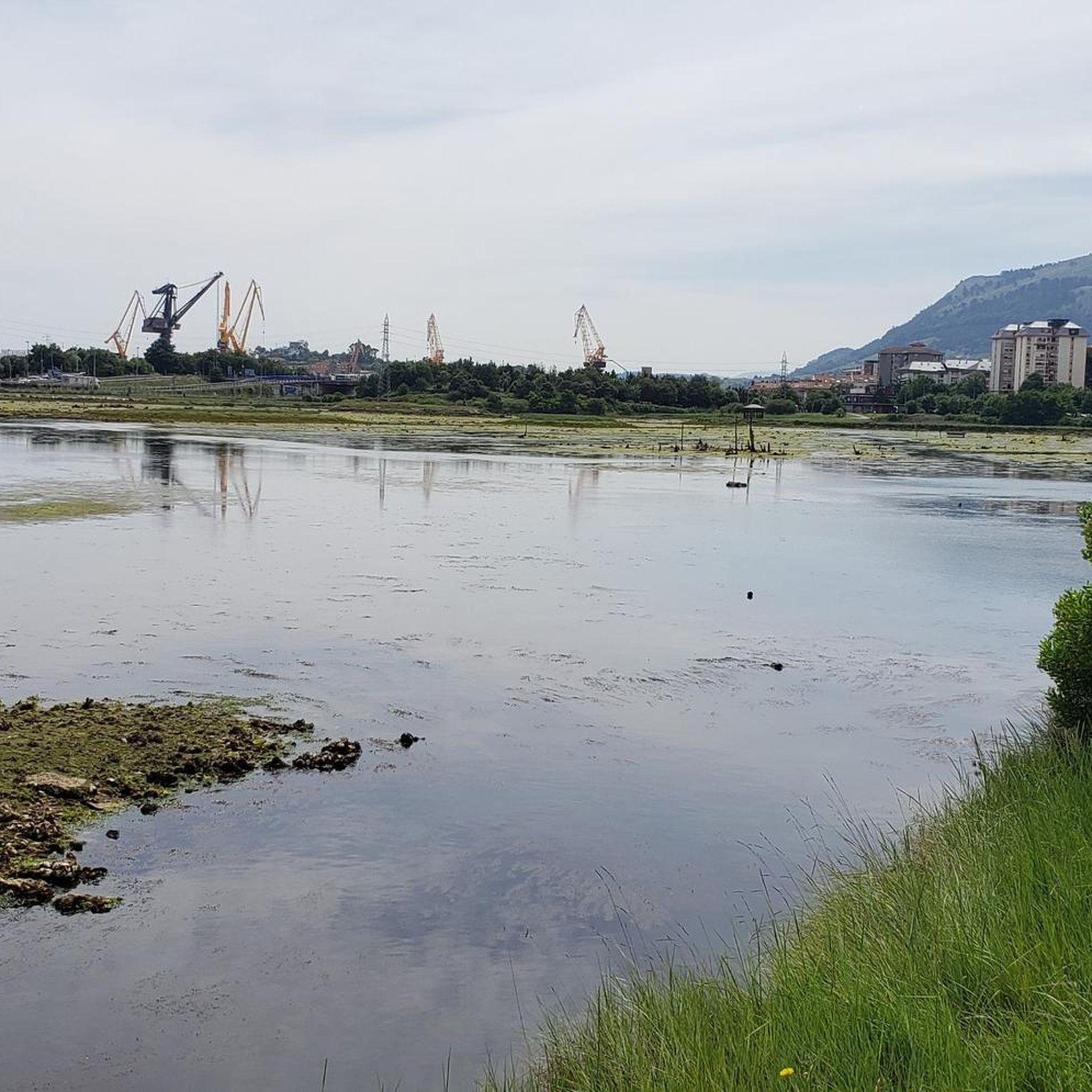
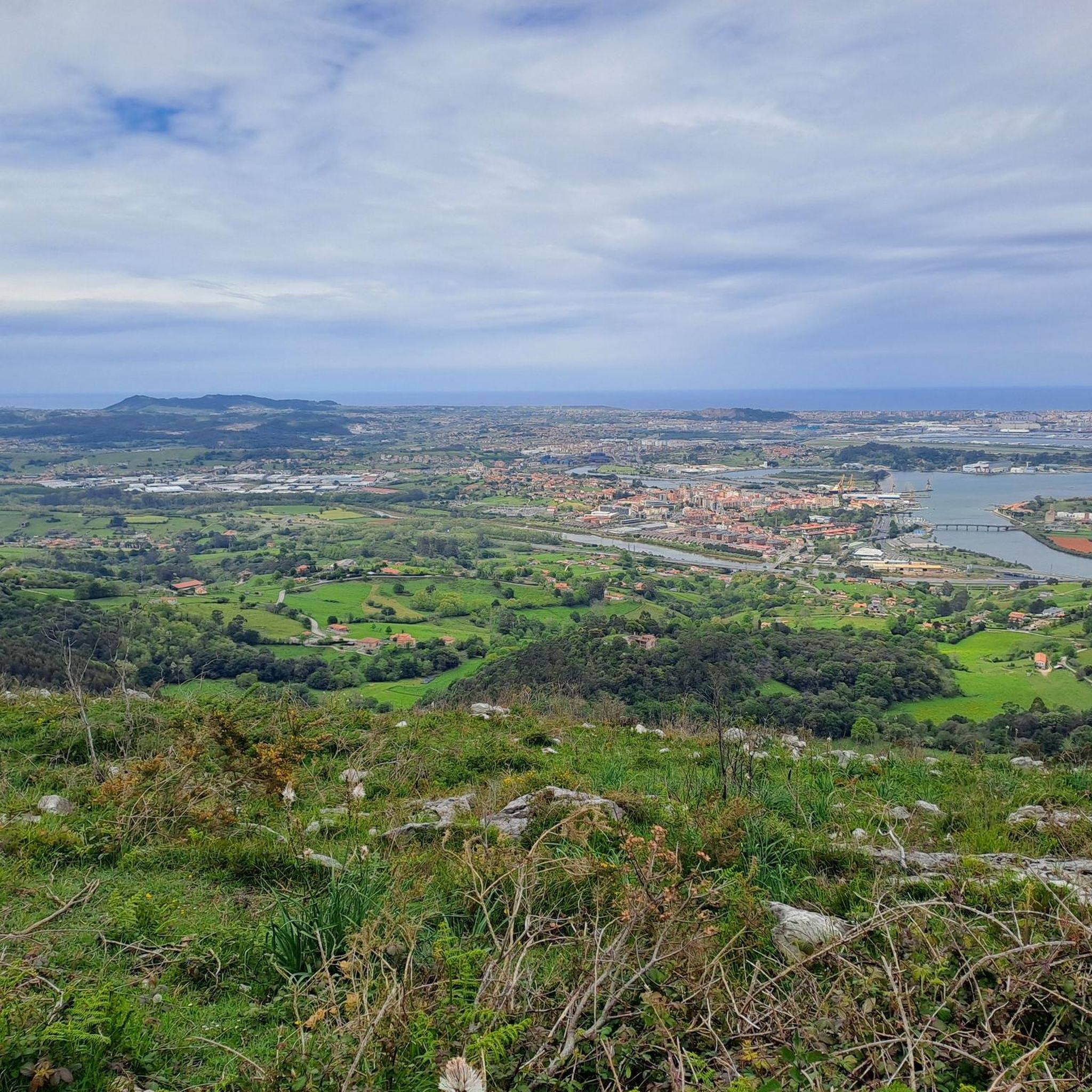
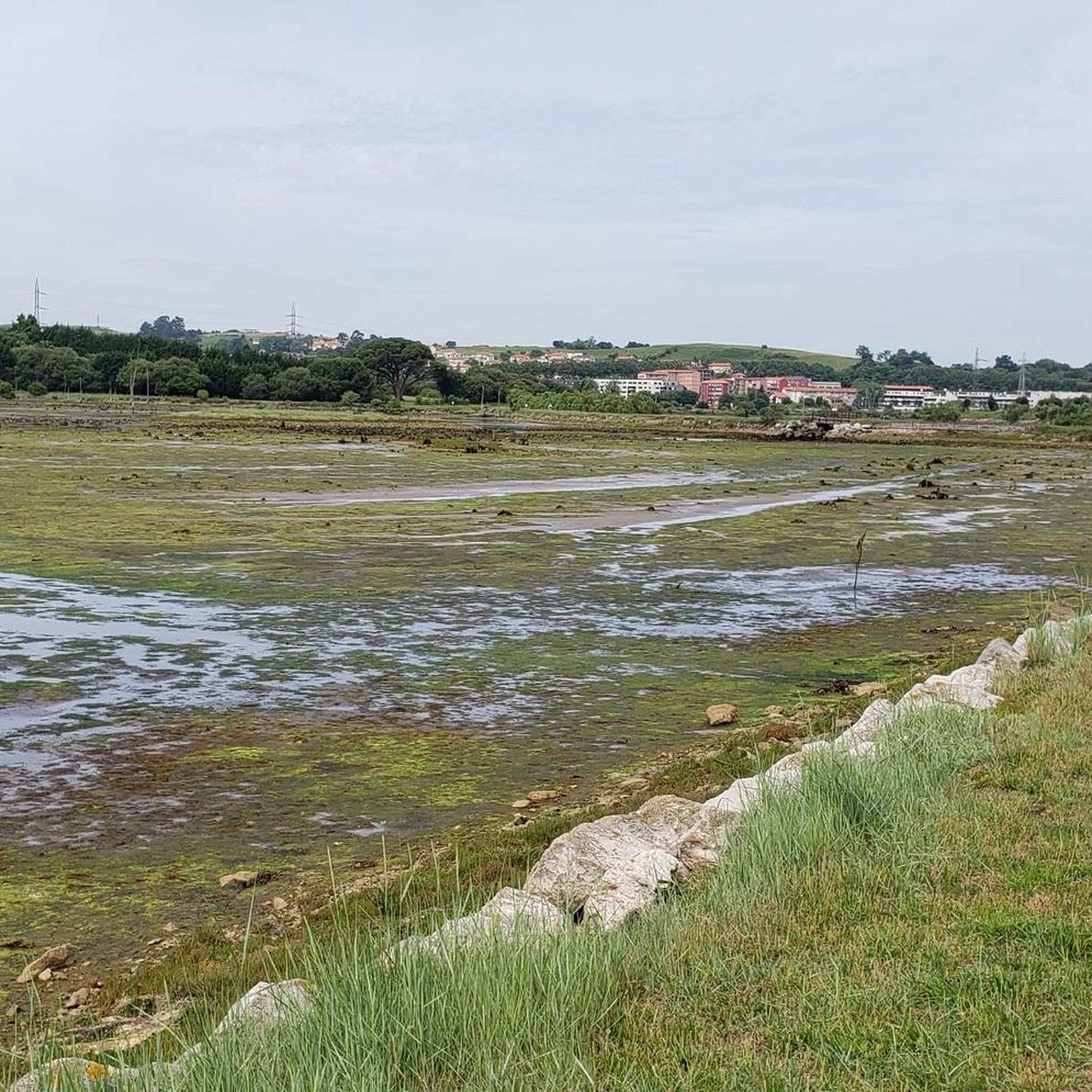
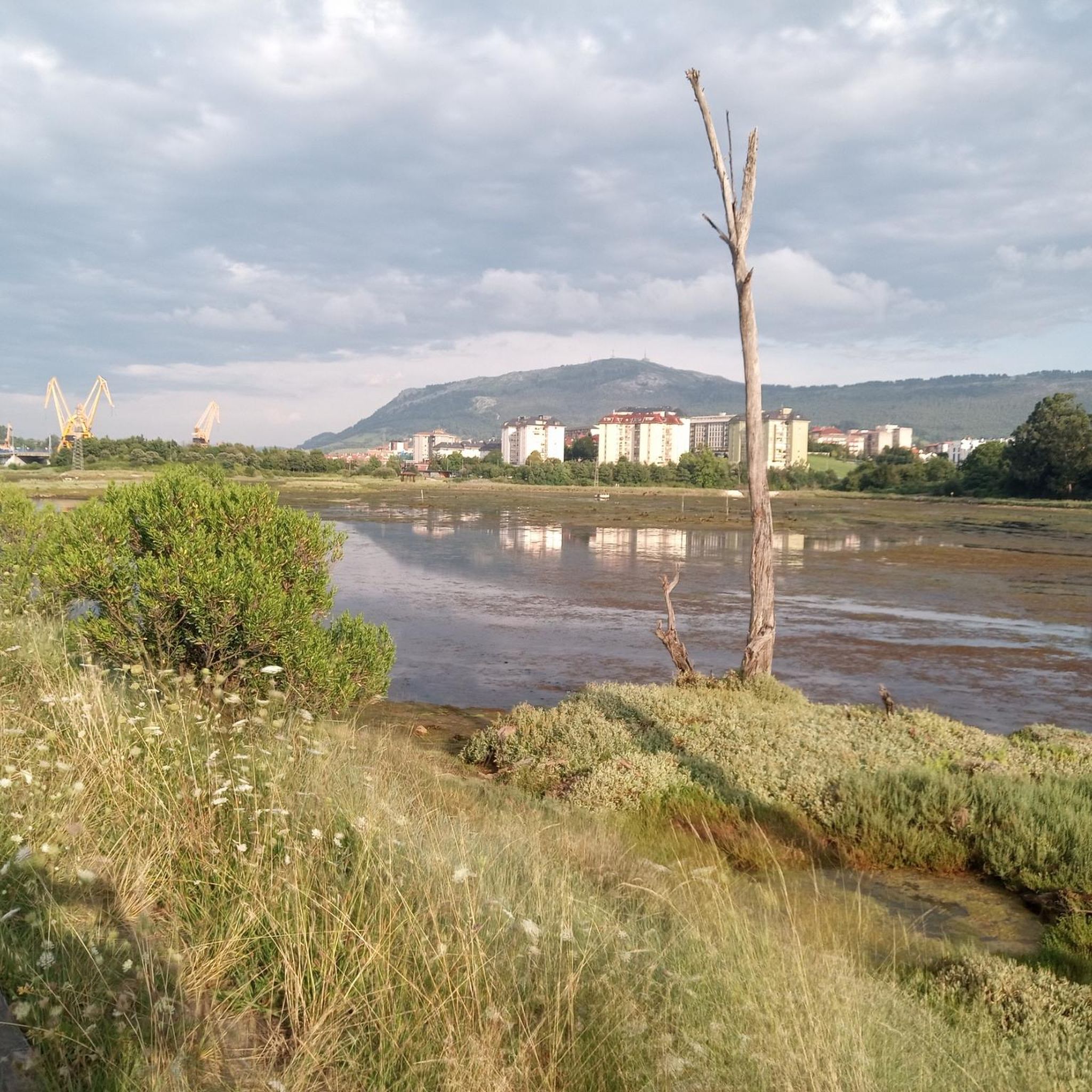
Best natural monuments around El Astillero include significant natural areas and coastal features. The municipality is home to the Marismas Blancas y Negras, a vital wetland characterized by diverse fauna and picturesque landscapes. This area offers a unique local natural monument experience within the broader Cantabria region. Visitors can explore trails and viewpoints designed to help them enjoy the natural surroundings.
Best natural monuments around El Astillero
- The most popular natural monuments is Cabo Mayor Lighthouse, a man-made monument…
Last updated: July 1, 2026
Cabo Mayor Lighthouse
Highlight • Monument
Nearby there is a restaurant that is very popular among Santander residents for midday meals.
Translated by Google •
Tip by

Costa Quebrada Rock Formations
Highlight (Segment) • Natural Monument
Costa Quebrada is a stretch of coastline that constitutes a true classroom of sea and land where both teachers, in a book of stone sheets …
Translated by Google •
Tip by

Sign up now to discover places like this
Get recommendations on the best single tracks, peaks, & plenty of other exciting outdoor places.
Sign up for free
Arnía Beach
Highlight • Beach
Translated by Google •
Tip by
Mataleñas Beach
Highlight • Beach
Translated by Google •
Tip by

Covachos Tombolo
Highlight • Beach
Translated by Google •
Tip by

Sign up for free to discover even more natural monuments around El Astillero.
Sign up for free
Already have an account?
Start today with a free account
Your next adventure awaits.
Login or Signup
Popular around El Astillero
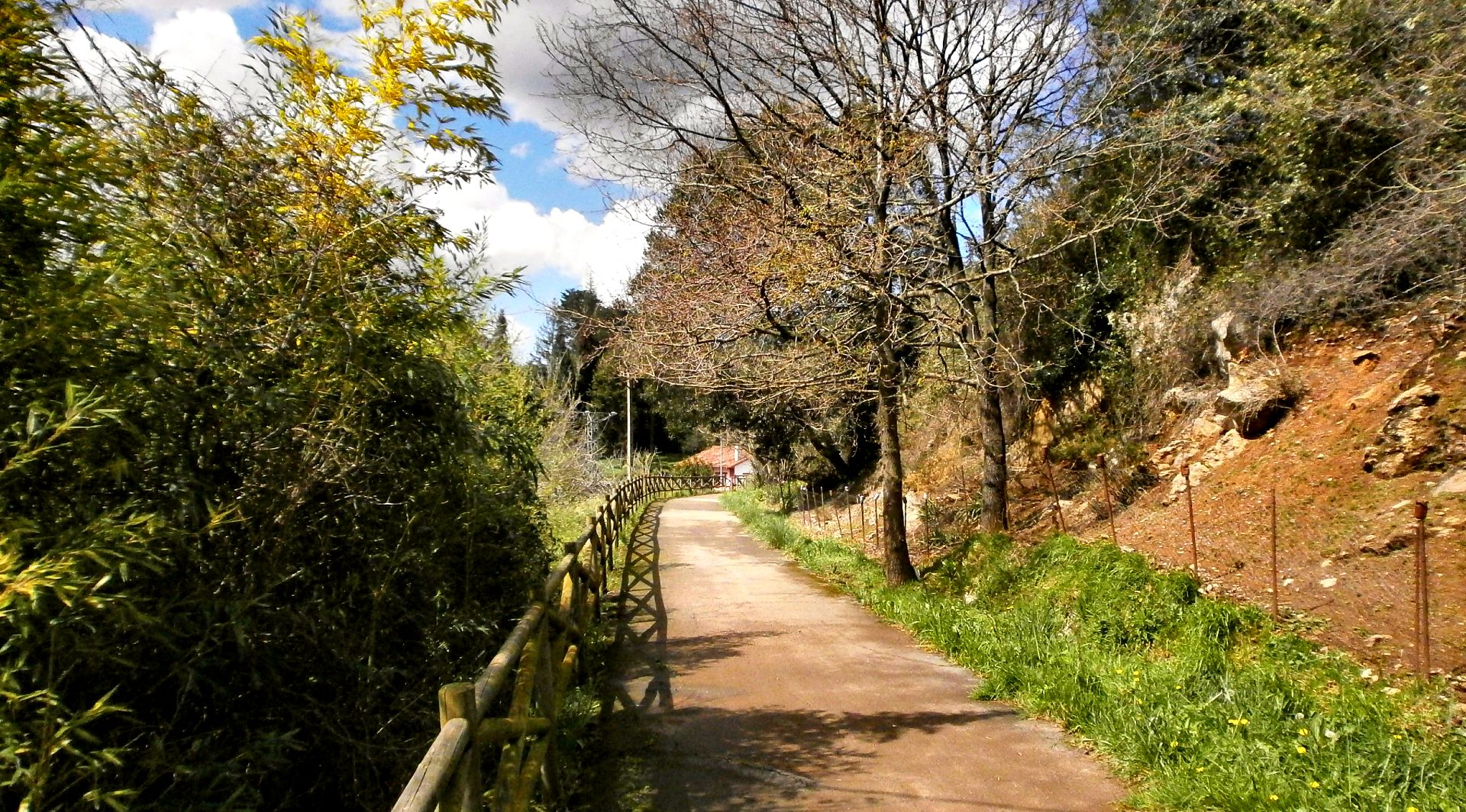
Vía Verde del Pas - Along the Riverbank through Cantabria
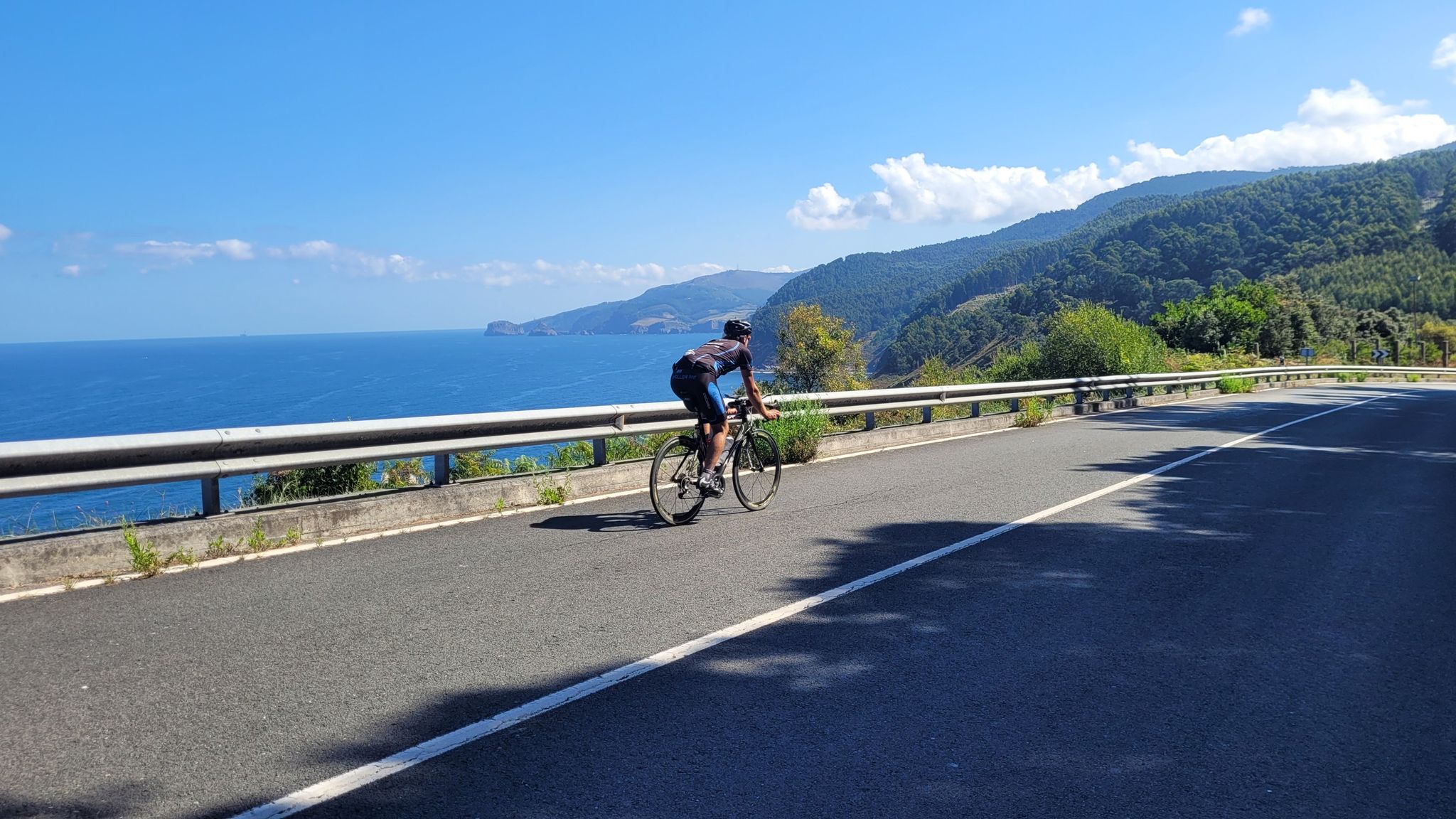
Cycling along the Cantabrian coast – the Northern Way
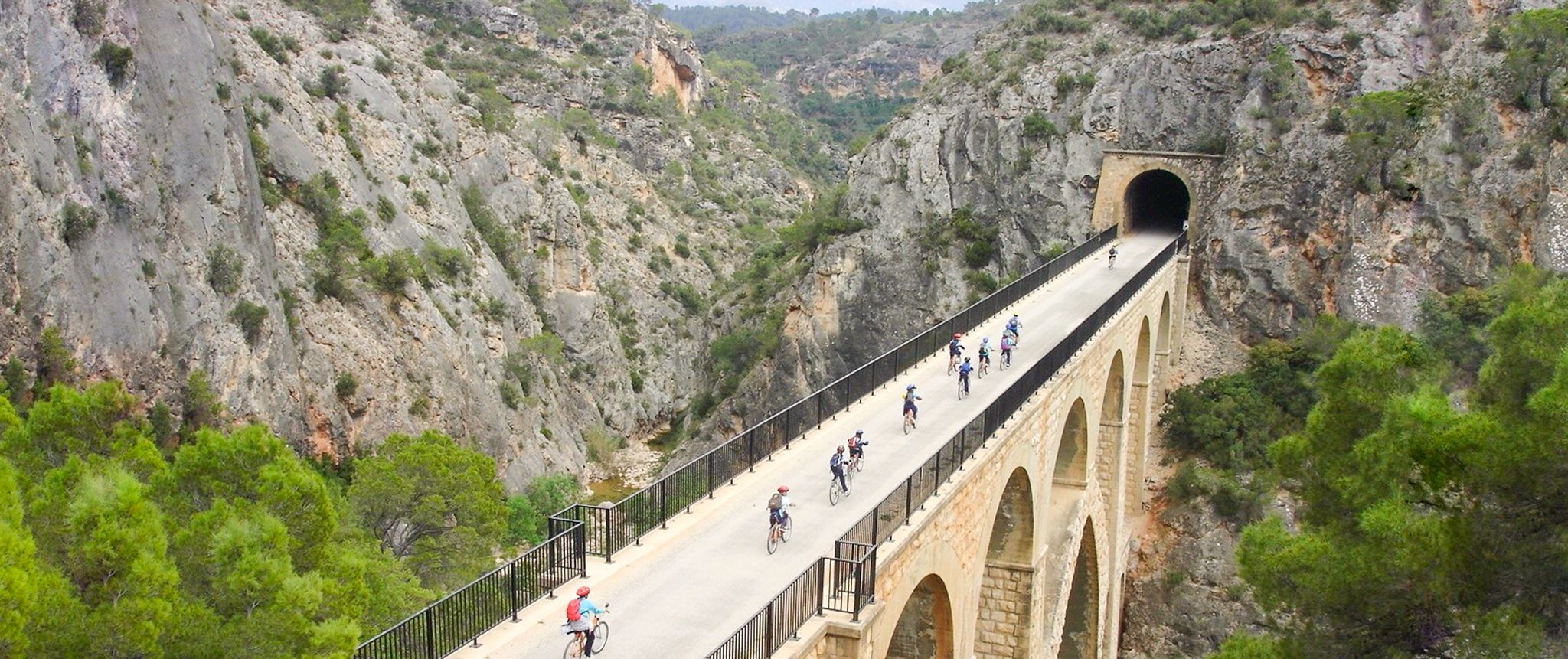
Vías Verdes – traffic-free cycling along railway history in Spain
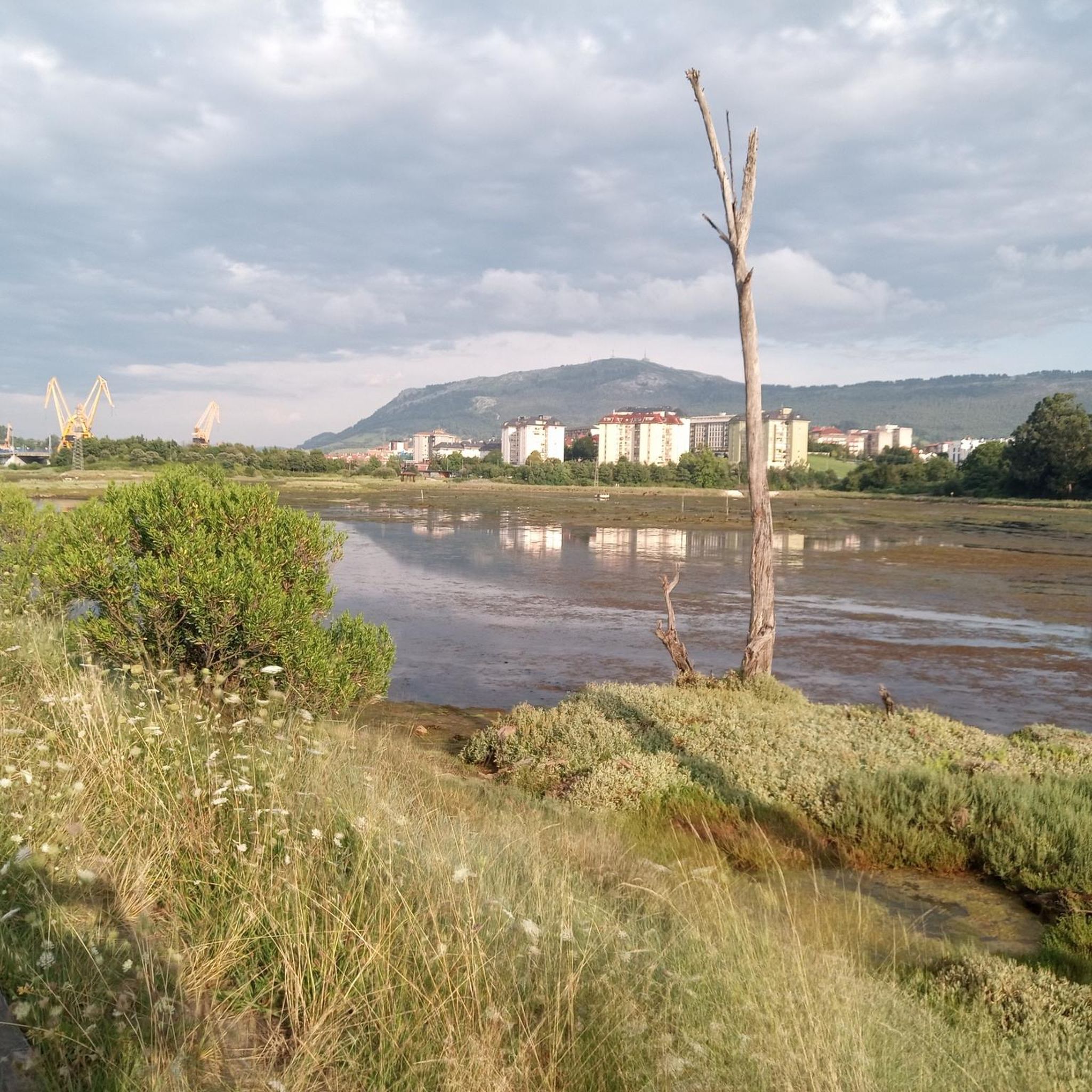
Road Cycling Routes around El Astillero
Cycling around El Astillero
Running Trails around El Astillero
Hiking around El Astillero
MTB Trails around El Astillero
Gravel biking around El Astillero
Other adventures around El Astillero


Tips from the Community

Beautiful beach, which is very extraordinary with the arrangement of the rugged rocks!
0
0

It's beautiful to see the waters meet and part, revealing a glimpse of the sand. You'll want to stay all day watching the beach appear and disappear with the tides.
0
0

Be sure to visit Faro de Cabo Mayor, it is very beautiful to look at and you can take a lovely walk from here.
0
0
A beautiful bay between the lighthouse and Santander is worth a visit. It offers a great view of the sea and beautiful photo opportunities.
0
0

This imposing lighthouse, built in 1839, marks the northernmost point of Santander, towering 30 metres above the rugged cliffs. A short climb takes you to one of the most beautiful viewpoints on the Cantabrian coast. Here, ocean, wind and rocks collide in spectacular fashion. Perfect for a panoramic break.
1
0

The lighthouse was lit for the first time on August 15, 1839. Currently, it houses different exhibitions about lighthouses that can be visited. Nearby there is a restaurant that is very popular among Santander residents for midday meals.
4
0

A beach spectacle surrounded by cliffs and small rocky islets in the area of the sea that gives it a characteristic appearance.
1
0

An icon of Santander with two centuries of history, its silhouette is unmistakable. It was erected in 1839 and continues to beat at a rate of two flashes of white light every 10 seconds, with a range of 21 miles.
2
0
Frequently Asked Questions
What are the primary natural features to explore in El Astillero?
El Astillero is particularly known for its significant wetlands, the Marismas Blancas y Negras, which are a vital ecological site within the municipality. These marshes feature diverse fauna and picturesque landscapes, including lagoons with abundant vegetation. Beyond the wetlands, the area also boasts unique coastal natural monuments like the rugged coastline of Costa Quebrada Rock Formations and beaches with ancient geological features.
Are there any family-friendly natural monuments around El Astillero?
Yes, several natural monuments are suitable for families. Cabo Mayor Lighthouse is a popular spot, offering views and housing exhibitions. Beaches like Arnía Beach and Mataleñas Beach are also considered family-friendly, providing opportunities to enjoy the coast and explore unique rock formations.
Can I observe wildlife at the natural monuments in El Astillero?
Absolutely. The Marismas Blancas y Negras are a crucial ecological site, especially for birdwatching. This wetland is home to a wide variety of bird species that either inhabit the area year-round or migrate through, making it an ideal destination for nature lovers and ornithology enthusiasts. Viewpoints and trails are designed to enhance wildlife observation.
What kind of outdoor activities and routes can I find near these natural monuments?
The area around El Astillero offers various outdoor activities. You can find numerous cycling routes, including road cycling, touring, and gravel biking. For example, there are routes like the 'Pas Greenway – Reyerma Steam Locomotive loop' for road cycling or the 'Reyerma Steam Locomotive – El Arroyal Aqueduct loop' for touring. You can explore more options on the Road Cycling Routes around El Astillero, Cycling around El Astillero, and Gravel biking around El Astillero guide pages.
What makes the Costa Quebrada area unique for visitors?
The Costa Quebrada Rock Formations offer a truly unique and rugged coastline. This stretch is renowned for its exceptional variety of coastal forms and geological features, which have been shaped over millions of years. It's often described as a 'classroom of sea and land,' showcasing the geological history of Cantabria and supporting diverse biological communities.
How can I access the Covachos Tombolo?
The Covachos Tombolo is an islet located in front of Covachos beach that becomes accessible on foot when the tide goes out. It's crucial to check the tide times carefully before visiting, as you need to ensure you can both reach the islet and return to the coast safely before the tide comes back in.
What do visitors enjoy most about the natural monuments around El Astillero?
Visitors frequently praise the stunning coastal views and unique geological formations. The area's natural monuments have garnered 184 upvotes and 82 photos shared by the komoot community, highlighting their appeal. Many appreciate the opportunity to explore rugged coastlines, observe diverse birdlife, and discover beaches with ancient rock structures.
Are there any historical natural monuments in the region?
Yes, the Cabo Mayor Lighthouse is a notable example. While a man-made structure, it is often considered a natural monument due to its prominent location and historical significance within the natural landscape. Built in 1839, it remains operational and offers insights into the region's maritime history through its exhibitions.
What should I know before visiting Arnía Beach?
Arnía Beach is located in a rocky environment, famous for its rock formations that are over 90 million years old. It's often recommended to visit at low tide to fully appreciate these ancient geological structures. The beach is part of the natural park of the Dunas de Liencres and Costa Quebrada, offering an idyllic setting.
What is the best time of year to visit the natural monuments in El Astillero?
The best time to visit largely depends on your interests. For birdwatching at the Marismas Blancas y Negras, spring and autumn are ideal due to migratory patterns. For enjoying the beaches and coastal walks, the warmer months from late spring to early autumn (May to September) offer more pleasant weather, though the rugged beauty of the coast can be appreciated year-round.
Are there any easy-to-access natural monuments for a relaxed visit?
The Marismas Blancas y Negras have been adapted for public access with trails and viewpoints, making them suitable for a relaxed visit to observe nature. Additionally, Cabo Mayor Lighthouse is generally easy to access and offers a pleasant experience with its views and exhibitions.
Can I find good viewpoints to enjoy the scenery around El Astillero?
Many of the natural monuments around El Astillero offer excellent viewpoints. The Cabo Mayor Lighthouse provides expansive views of the coastline. The Costa Quebrada Rock Formations, Arnía Beach, Mataleñas Beach, and Covachos Tombolo all feature scenic spots where you can take in the unique coastal landscapes.
Most popular routes around El Astillero
Most popular attractions around El Astillero

Get inspired with the komoot mobile app


Explore more
Extend your search for the best caves by checking out these guides of the top ones around El Astillero:
