Top 14 Natural Monuments around Farrera
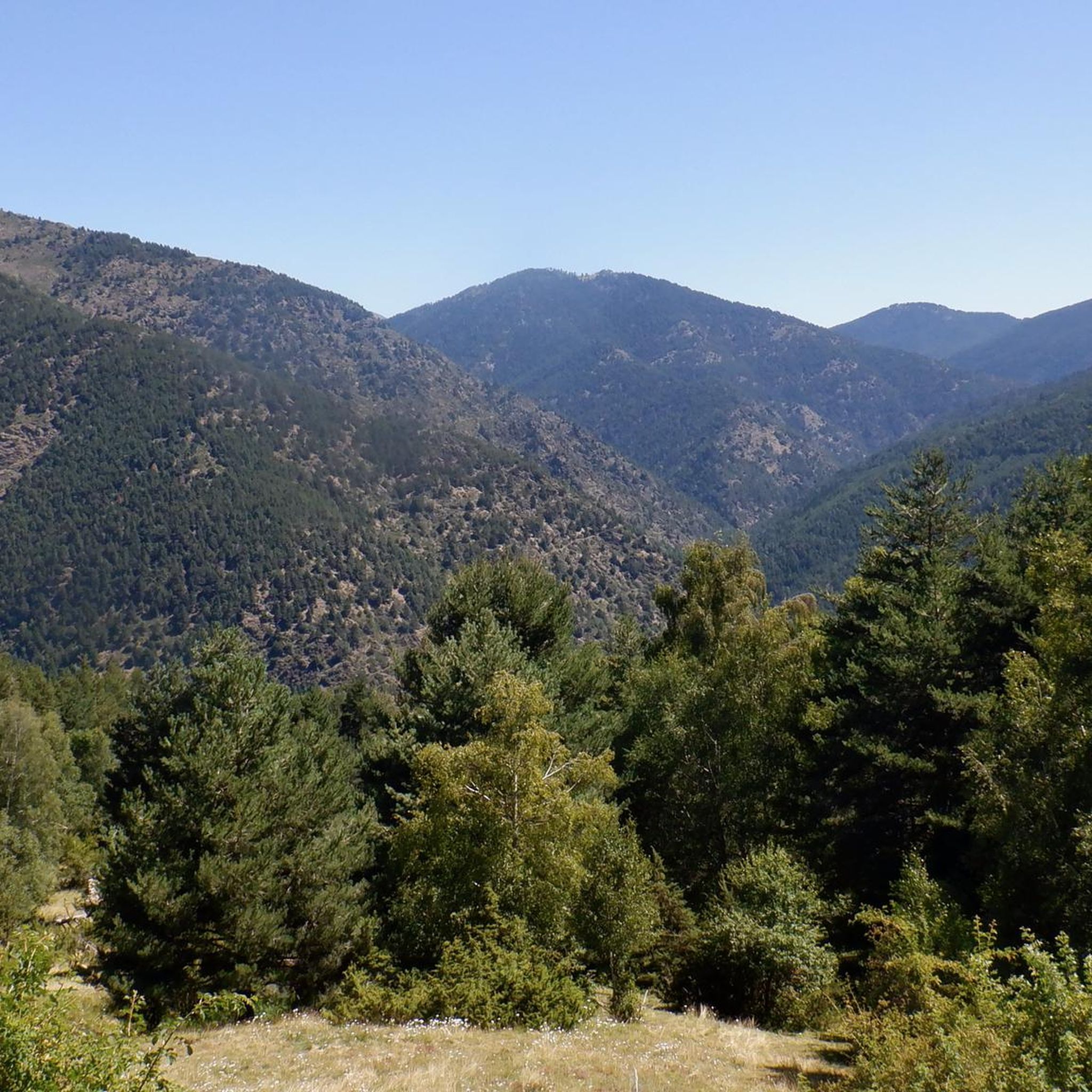
Best natural monuments around Farrera are characterized by a rugged mountain landscape, featuring high peaks, glacial lakes, and significant mountain passes. This region, situated in the Pyrenees, offers diverse natural formations shaped by geological processes. The area provides opportunities to explore various natural monuments, from serene alpine lakes to panoramic mountain viewpoints. Its elevated terrain contributes to a distinct natural environment.
Best natural monuments around Farrera
- The most popular natural monuments is Black Lake of Comapedrosa, a lake enclosed…
Last updated: May 20, 2026
Black Lake of Comapedrosa
Highlight • Lake
Translated by Google •
Tip by

Port del Cantó (1,721 m)
Highlight • Mountain Pass
Translated by Google •
Tip by

Sign up now to discover places like this
Get recommendations on the best single tracks, peaks, & plenty of other exciting outdoor places.
Sign up for free
Port de Cabús
Highlight • Mountain Pass
Translated by Google •
Tip by

Descent from Collada de Conflent
Highlight (Segment) • Mountain Pass
Translated by Google •
Tip by

Alt de la Capa Peak
Highlight • Summit
Translated by Google •
Tip by

Sign up for free to discover even more natural monuments around Farrera.
Sign up for free
Already have an account?
Start today with a free account
Your next adventure awaits.
Login or Signup
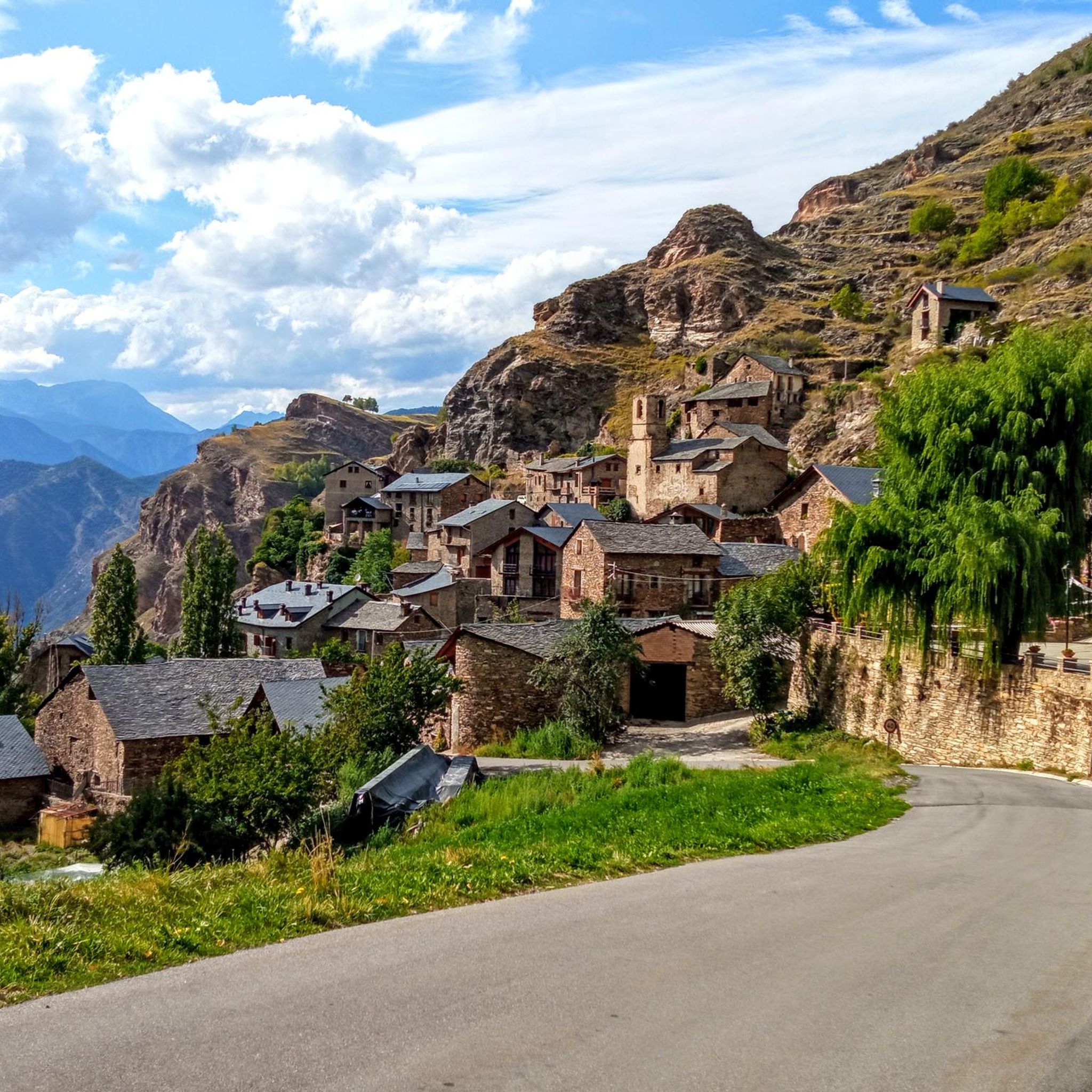
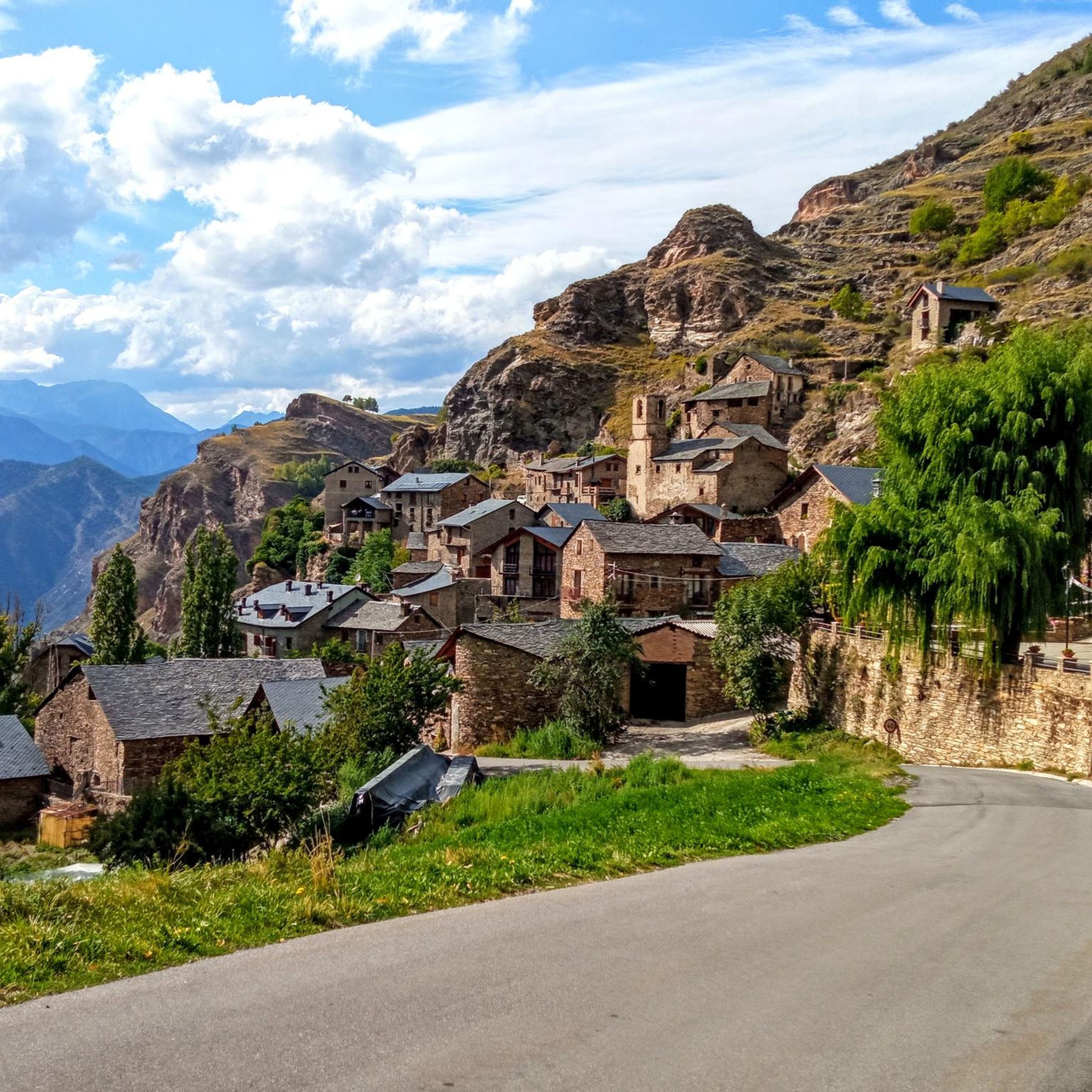
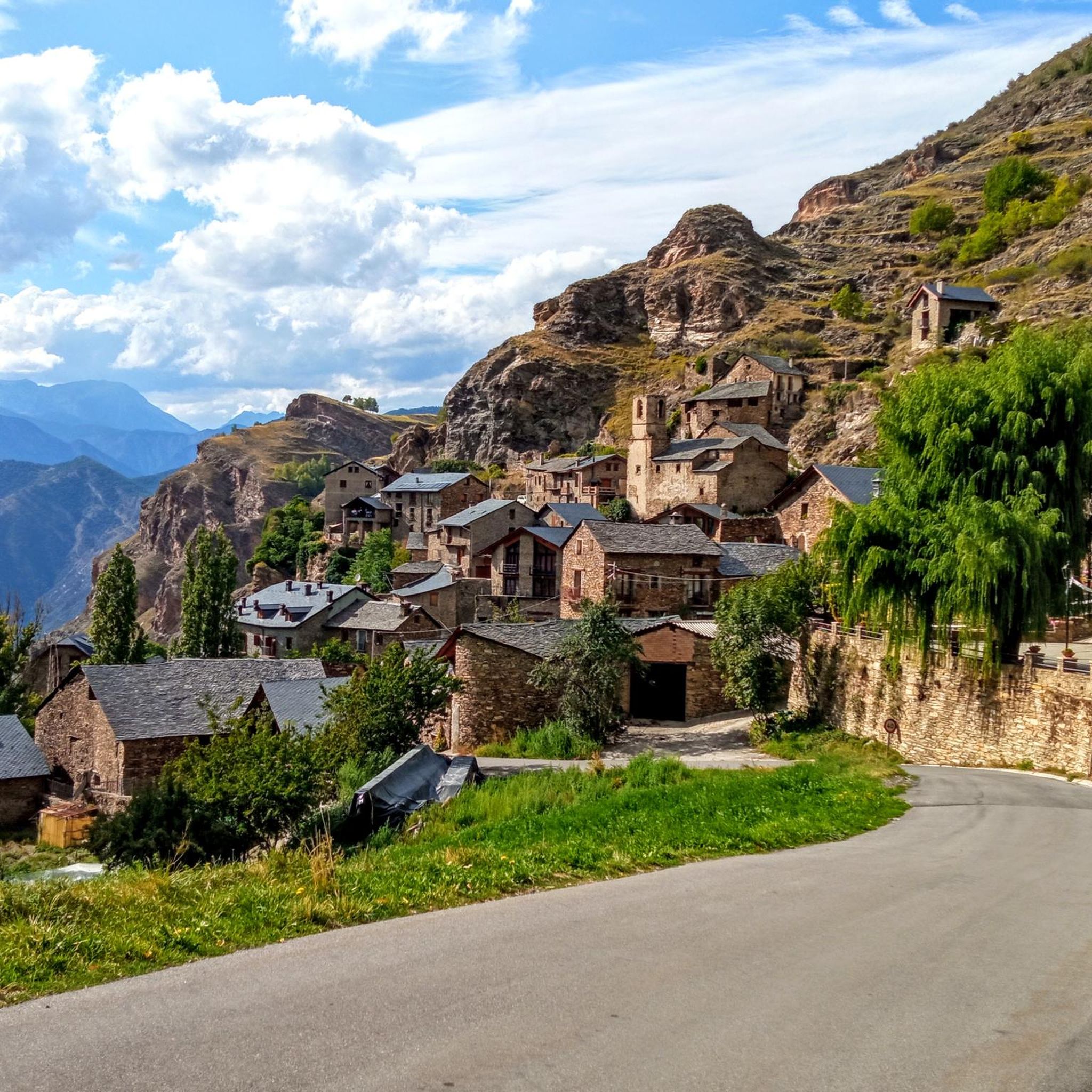
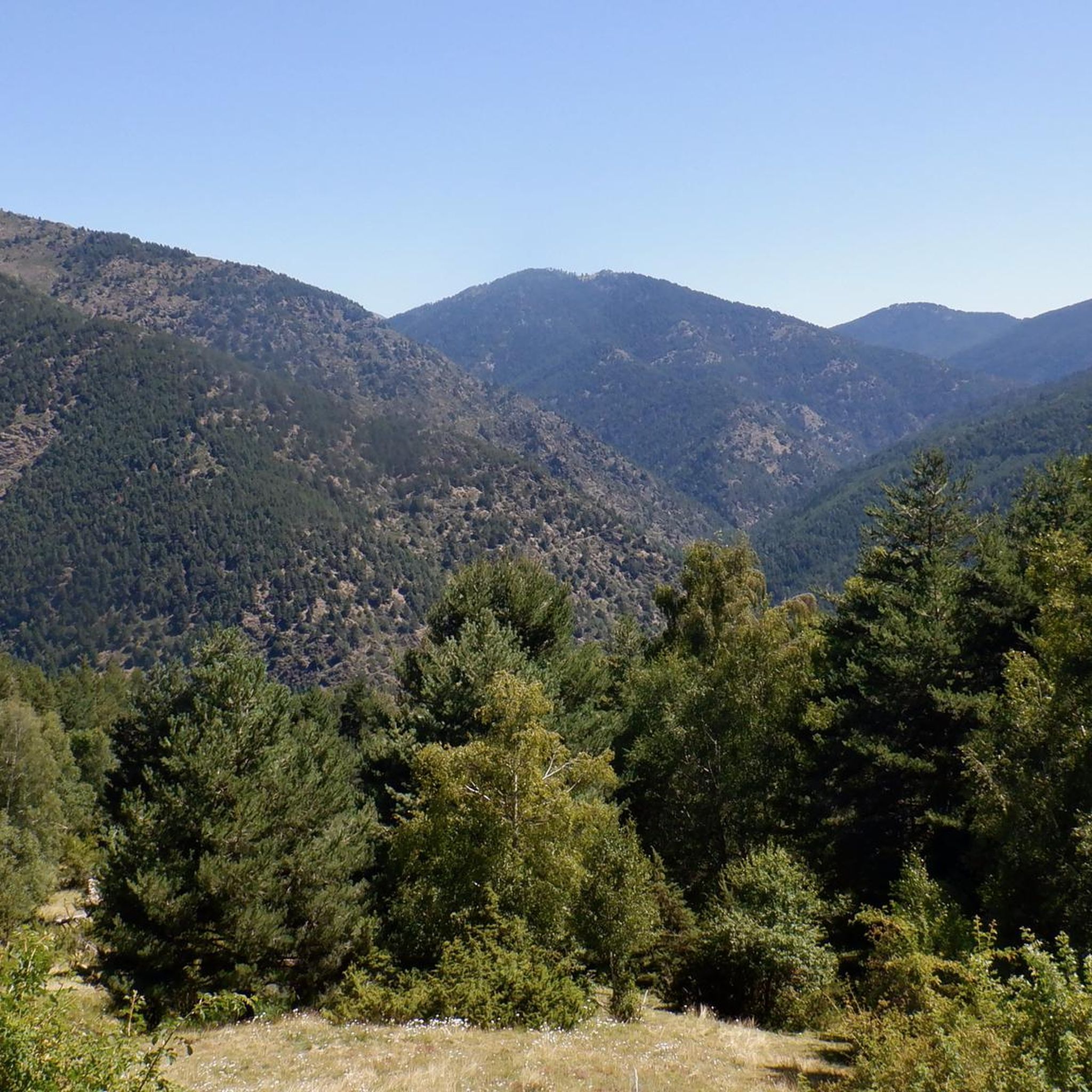
Tips from the Community

The pass summit has been reached. The climb is pleasant!
1
0
The pass summit has been reached
0
0

Long descent from the Collada de Conflent with spectacular views.
0
0
The Cabús Pass is a mountain pass that crosses the Pyrenees at 2,302 m above sea level. It is located on the border between Andorra and Spain, between the parish of La Massana and the municipality of Alins. Only the Andorran side is paved. From Alins, in the High Pyrenees, the climb is impressive and involves paths and trails that are not always in good condition.
0
0
Poblar de Segur, the pass on the marked beautiful route
0
0

Ridden from Sort, it’s a good steady climb, with enough small variations in gradient to provide moments of relief. Great bar half way up too. The descent back to Sort is excilerating.
0
1

Port de Cabús is a mountain pass on the border between Andorra and Spain, known for its stunning scenery and appeal for hiking, cycling, and other mountain activities. Being on the border, Port de Cabús has particular significance, as it has historically been used as a cross-border crossing for trade and, in more recent times, as a less conventional route to cross between Andorra and Spain. Although the pass itself has no formal border control, it is important to carry documentation when crossing from one country to the other.
0
0

If there is snow during the summer, you can climb Comapedrosa via its northern ridge.
0
0
Frequently Asked Questions
What types of natural monuments can I expect to see around Farrera?
The Farrera region, situated in the Pyrenees, is characterized by a rugged mountain landscape. You can expect to find high peaks, glacial lakes, and significant mountain passes. These natural formations have been shaped by geological processes, offering diverse environments to explore.
What are some of the most popular natural monuments in the Farrera region?
Among the most popular natural monuments, visitors frequently mention the Black Lake of Comapedrosa, a stunning glacial lake. Mountain passes like Port del Cantó (1,721 m) and Port de Cabús are also highly appreciated for their scenic beauty and challenging climbs.
Are there any notable lakes among the natural monuments near Farrera?
Yes, the Black Lake of Comapedrosa is a prominent natural monument. This beautiful natural mountain lake is located in a glacial cirque at an altitude of 2627 meters, enclosed between the peaks of Sansfons, Baiau, and Alt de Comapedrosa. Its depth and surrounding materials give it a very dark color, and it can remain frozen until July depending on the season.
Which natural monuments offer the best panoramic views?
Several natural monuments around Farrera provide spectacular panoramic views. Port de Cabús is particularly noted for offering some of the most breathtaking views of Andorra from its final section. The Port del Cantó (1,721 m) also promises spectacular views after a long, steadily sloping climb. Additionally, the Alt de la Capa Peak and the Descent from Collada de Conflent are known for their incredible vistas.
What kind of terrain characterizes the natural monuments around Farrera?
The natural monuments around Farrera are primarily characterized by a rugged mountain landscape. This includes high peaks, deep glacial lakes, and challenging mountain passes. The terrain is diverse, offering everything from serene alpine environments to demanding climbs.
What outdoor activities can I do near these natural monuments?
The region around Farrera is excellent for various outdoor activities. You can find numerous routes for mountain biking, running, and gravel biking. For example, there are challenging MTB trails like the 'Pallars Sobirà circular desde Llavorsí' and running routes such as the 'Coll de So loop from Tírvia'. You can explore more options on the MTB Trails around Farrera, Running Trails around Farrera, and Gravel biking around Farrera guide pages.
Are there specific hiking trails that lead to these natural monuments?
Yes, many of the natural monuments are accessible via hiking trails. For instance, reaching the Black Lake of Comapedrosa involves a hike into a glacial cirque. Mountain passes like Port del Cantó (1,721 m) and Port de Cabús are often part of longer hiking or cycling routes, offering challenging climbs and rewarding views. The Collada de Conflent is also known for its trails, including a section from Os de Civís often referred to as the 'smugglers' route'.
What do visitors enjoy most about the natural monuments around Farrera?
Visitors particularly enjoy the spectacular views and the sense of accomplishment from challenging climbs. The serene beauty of alpine lakes like the Black Lake of Comapedrosa and the panoramic vistas from mountain passes such as Port de Cabús are frequently highlighted. The unique geological formations and the diverse natural environment also contribute to a memorable experience.
Are there any family-friendly natural monuments or trails suitable for children?
While many routes in the Farrera region involve intermediate to challenging terrain, some areas might be suitable for families depending on the specific trail and children's experience. Generally, the region is known for its more demanding mountain passes and high-altitude lakes. It's advisable to check individual trail descriptions for difficulty ratings and elevation profiles to ensure they are appropriate for your family's capabilities.
What is the best time of year to visit the natural monuments around Farrera?
The best time to visit the natural monuments around Farrera, especially those at higher altitudes like the Black Lake of Comapedrosa or the mountain passes, is typically during the warmer months, from late spring to early autumn (June to September). During this period, the weather is generally more stable, and trails are less likely to be covered in snow or ice. However, even in summer, conditions can change rapidly in the mountains, so always be prepared.
Are there any natural monuments that are particularly challenging to reach?
Yes, many of the natural monuments in the Farrera region are considered challenging. For instance, reaching the Black Lake of Comapedrosa involves a significant ascent into a glacial cirque. Mountain passes like Port del Cantó (1,721 m) and Port de Cabús are known for their long and steady climbs, often with considerable elevation gain, making them suitable for experienced hikers and cyclists.
What should I wear or bring when visiting natural monuments in Farrera?
Given the rugged mountain terrain and varying altitudes, it's essential to be well-prepared. Wear appropriate hiking footwear, layers of clothing to adapt to changing weather conditions, and bring rain gear. Sun protection, sufficient water, snacks, and a map or GPS device are also highly recommended. For higher altitude areas, even in summer, be prepared for cooler temperatures and potential wind.
Are there any specific regulations or permits required for visiting certain natural monuments or trails?
While specific permits for individual natural monuments are not explicitly mentioned, the Farrera region is part of the Pyrenees, which may have regulations regarding hiking, camping, or access in certain protected areas like the Alt Pirineu Natural Park. It's always advisable to check with local tourist information centers or park authorities for any specific requirements or restrictions before your visit, especially concerning dog regulations or overnight stays.
Most popular routes around Farrera
Most popular attractions around Farrera

Get inspired with the komoot mobile app


Explore more
Extend your search for the best caves by checking out these guides of the top ones around Farrera:
