Top 20 Natural Monuments around Sant Llorenç Des Cardassar
Best natural monuments around Sant Llorenç Des Cardassar offer a diverse landscape for exploration. This region features protected natural areas, coastal formations, and significant geological sites. The area is characterized by its blend of Mediterranean nature, historical elements, and unique natural structures. It provides opportunities to experience the ecological and cultural significance of the Balearic Islands.
Best natural monuments around Sant Llorenç Des Cardassar
- The most popular natural monuments is Punta de n'Amer Castle, a castle that is a…
Last updated: October 5, 2026
Punta de n'Amer Castle
Highlight • Castle
Translated by Google •
Tip by

Cova des Pont Natural Rock Arch
Highlight • Natural Monument
Translated by Google •
Tip by

Sign up now to discover places like this
Get recommendations on the best single tracks, peaks, & plenty of other exciting outdoor places.
Cala Falcó
Highlight • Beach
Translated by Google •
Tip by

Font de s’Ermita
Highlight • Natural Monument
The monks use its water to irrigate their gardens.
Translated by Google •
Tip by

Na Penyal
Highlight • Summit
Translated by Google •
Tip by

Sign up for free to discover even more natural monuments around Sant Llorenç Des Cardassar.
Already have an account?
Start today with a free account
Your next adventure awaits.
Popular around Sant Llorenç Des Cardassar
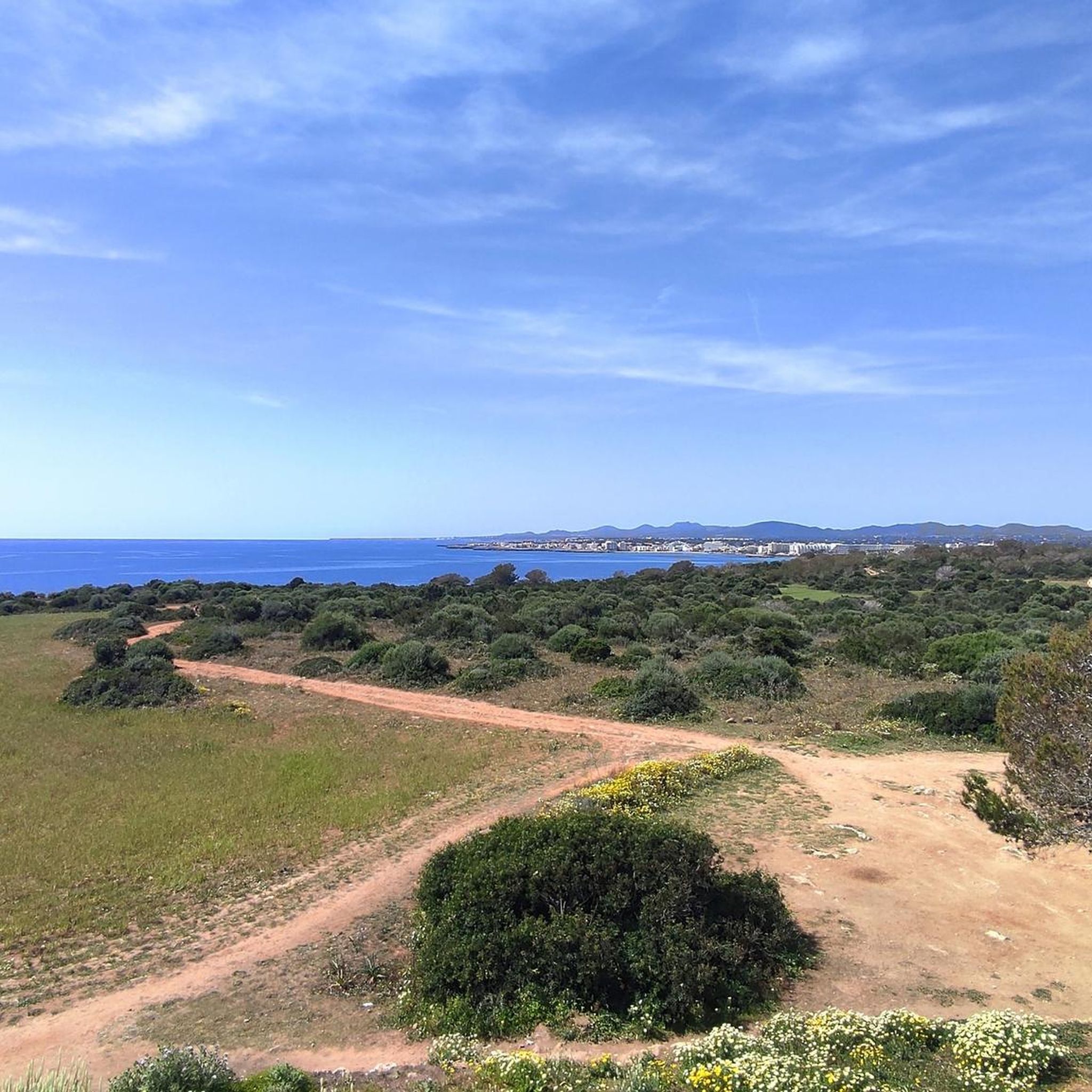
Road Cycling Routes around Sant Llorenç Des Cardassar
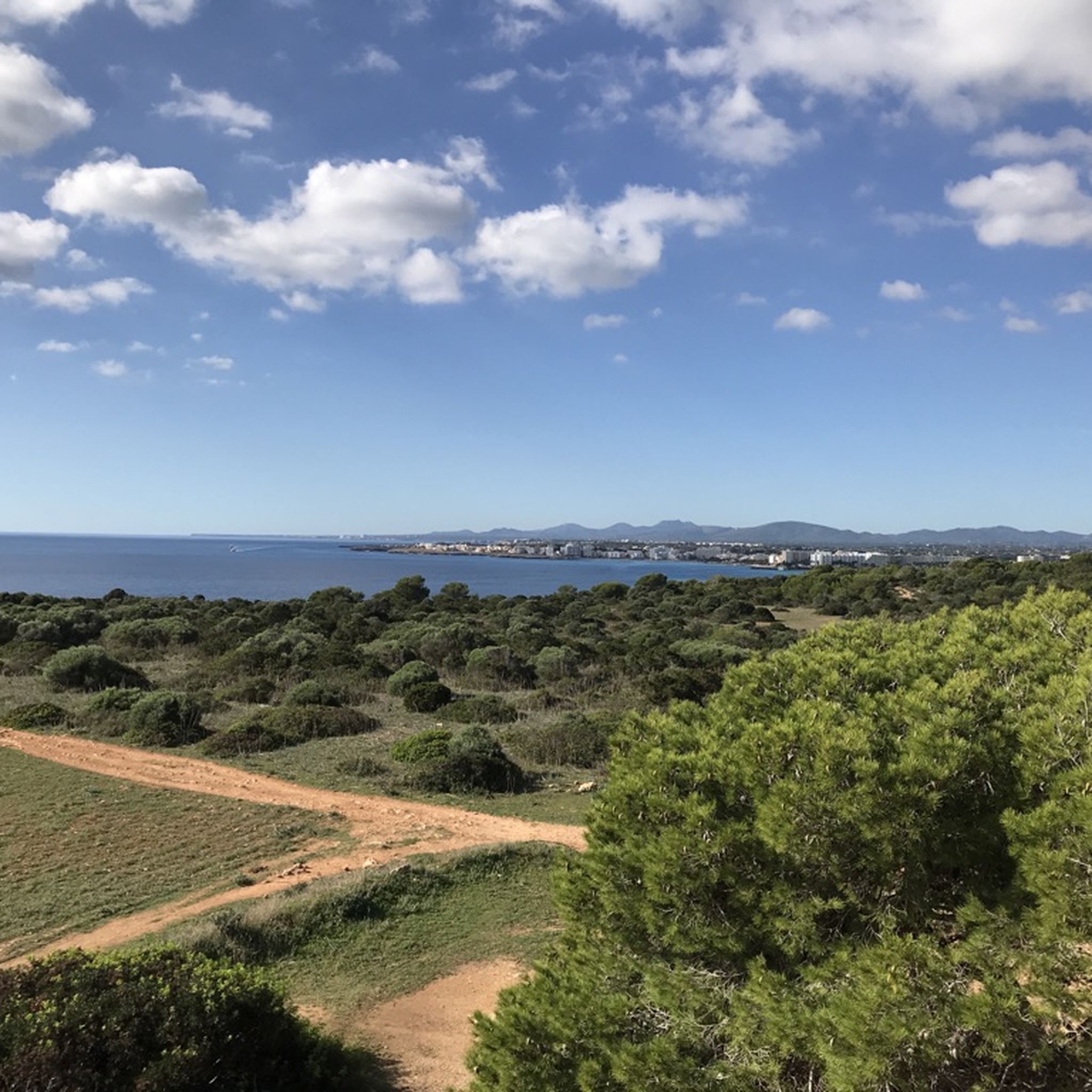
Hiking around Sant Llorenç Des Cardassar
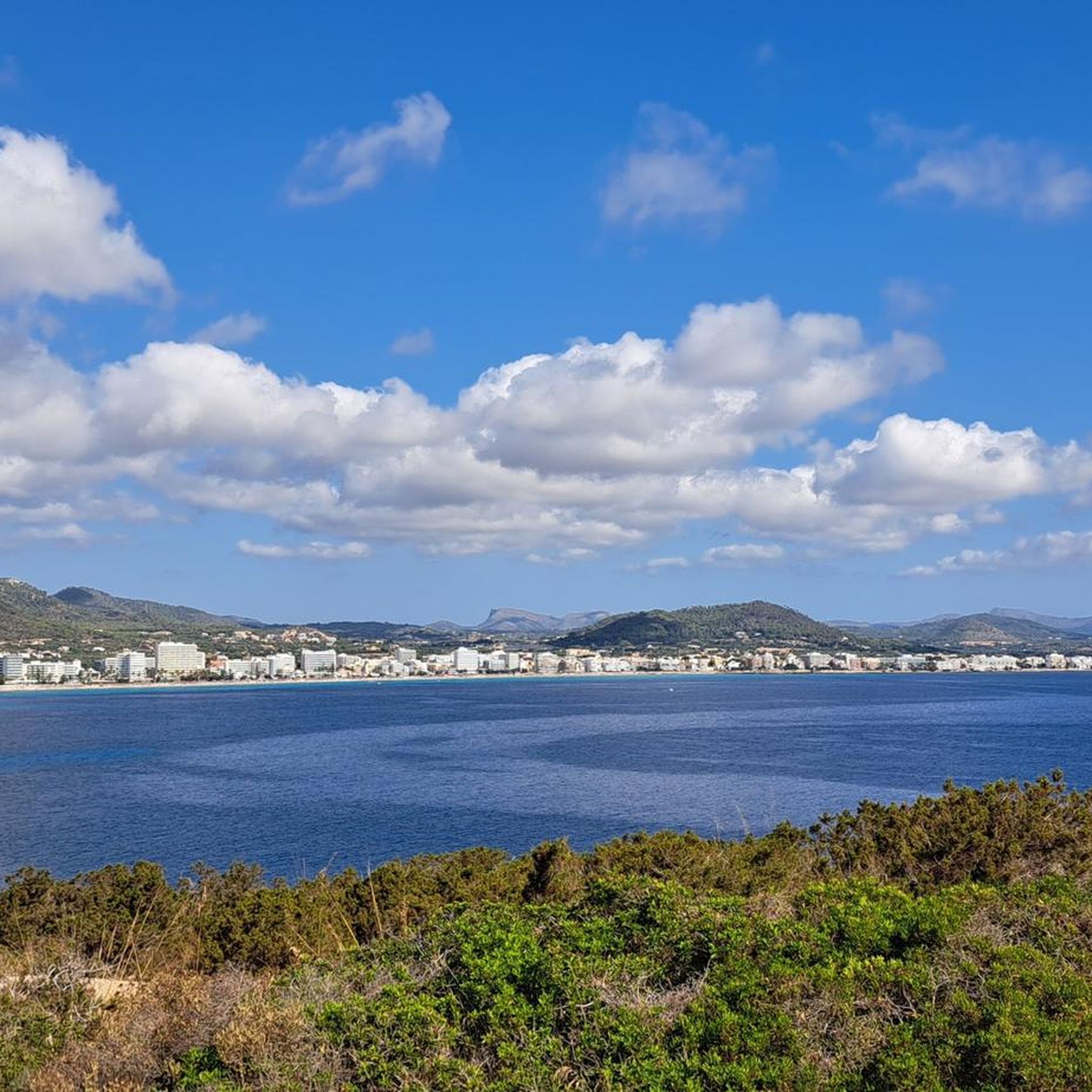
Cycling around Sant Llorenç Des Cardassar
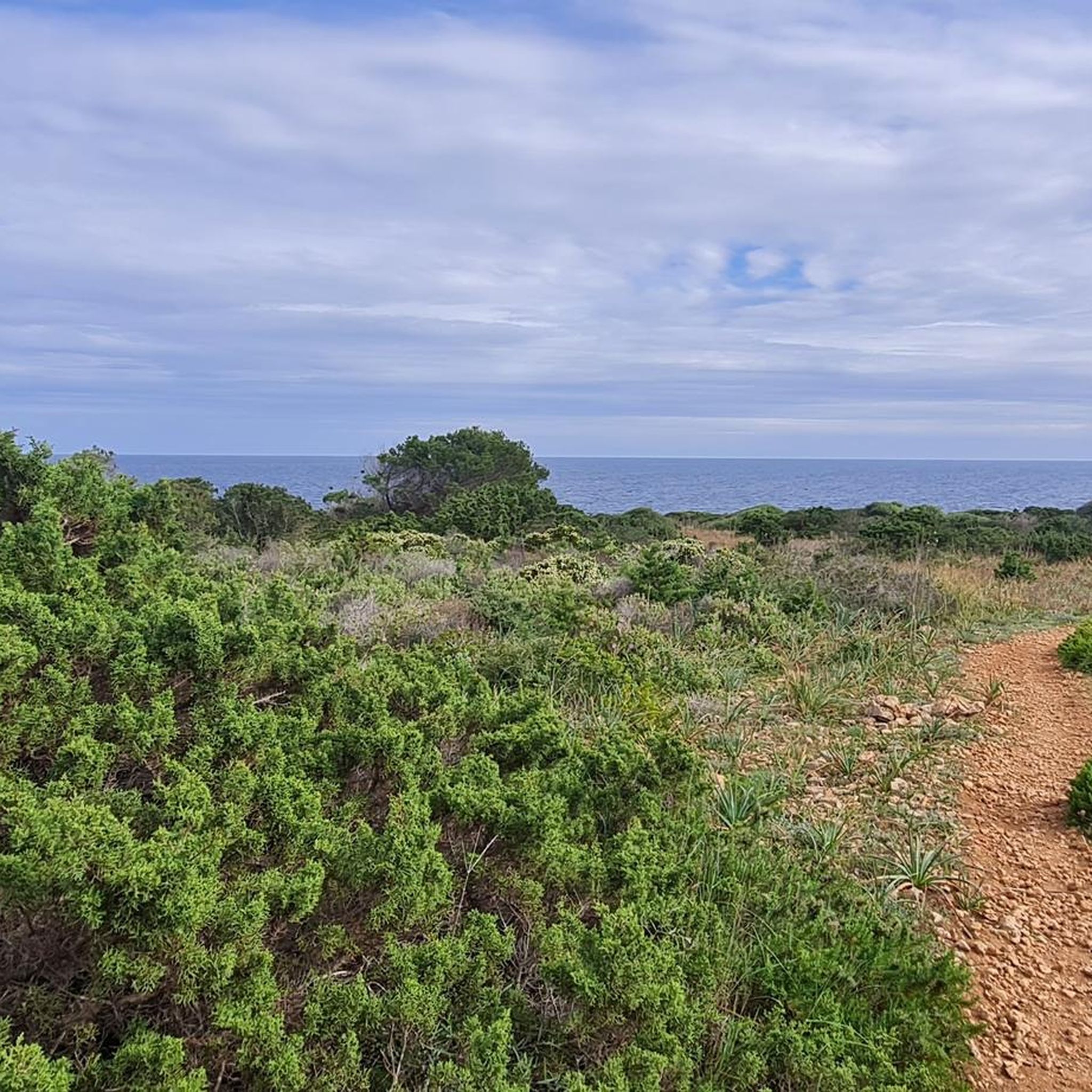
Running Trails around Sant Llorenç Des Cardassar
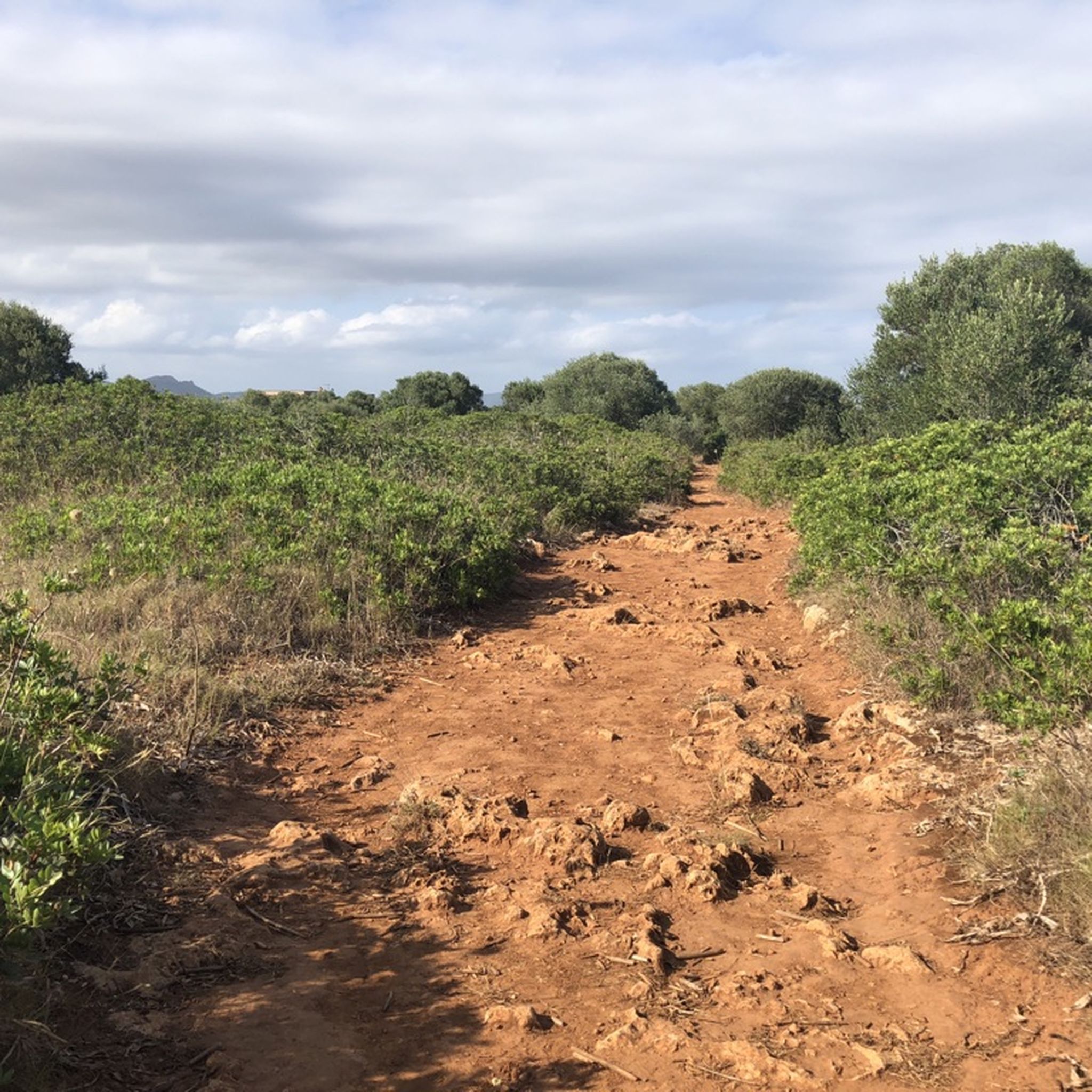
MTB Trails around Sant Llorenç Des Cardassar

Gravel biking around Sant Llorenç Des Cardassar

Mountain Hikes around Sant Llorenç Des Cardassar
Tips from the Community

The main path from the tennis court up to the peak is fun in both directions. However, the back one through Son Galta is quite steep, overgrown and difficult to track. Towards the bottom, there’s a wall that needs to be crossed. If you walk straight on instead, you might get lost which happened to me the first time round and I had to go back up. I only managed the next day the other way around. In general, the path towards Son Servera is much more pleasant to take down/up but you will have to circle back around the mountain once you’ve reached the quarry. Great view and nature on top of the mountain though and clear path.
2
0


We did the route as averagely experienced hikers and found it really difficult. The ascent from the south was still quite fun, as we generally like climbing. The descent to the north, on the other hand, was very steep in places and so overgrown that we really had to "fight our way through". The path - more of a dirt track - was barely visible in places. We slipped a few times and our legs were badly scratched by the overgrowth. I would advise others to use the ascent as the way back. Hikers who came towards us did so. A great view awaits you at the top.
2
2

The pretty St. Mary's Grotto is on the way from Betlem to the Ermita.
4
0
The source is right next to a small altar.
3
0

Under no circumstances should you attempt the ascent from the south-east to the summit. Tried an available route, true to the motto: if there was already one, I can get up there. I actually had to break off on a steep wall due to lack of climbing equipment. If you prefer to stay on the officially marked paths, then you can also come up and enjoy the view. Otherwise a great mountain if you don't want it to be that high. Next time I will try the ascent from the north.
2
0


An incredibly beautiful stretch of coast!
12
0
Frequently Asked Questions
What are some of the most popular natural monuments to visit around Sant Llorenç Des Cardassar?
Among the most popular natural monuments in the area are the historic Punta de n'Amer Castle, located within a nature reserve, and the impressive Punta de n'Amer peninsula itself, known for its diverse flora and fauna. Another must-see is the unique Cova des Pont Natural Rock Arch, a stunning coastal formation.
Are there family-friendly natural monuments in the Sant Llorenç Des Cardassar region?
Yes, several natural monuments are suitable for families. The Punta de n'Amer Castle area offers easy trails and a historical site that can be engaging for all ages. Additionally, the Font de s’Ermita, a healing spring with a shaded seating area, provides a peaceful and accessible spot for families.
What kind of geological features can I explore in the natural monuments around Sant Llorenç Des Cardassar?
The region boasts fascinating geological formations. You can marvel at the Cova des Pont Natural Rock Arch, a coastal rock bridge sculpted by natural forces. While technically in a neighboring municipality, the Cuevas del Drach (Caves of Drach) near Porto Cristo are a major highlight, featuring impressive stalactites, stalagmites, and one of the world's largest underground lakes, Lake Martel.
What historical sites are integrated into the natural landscapes of Sant Llorenç Des Cardassar?
The Punta de n'Amer Castle is a prime example, a 17th-century fortified tower within a nature reserve that served as a defense and observation post. The broader Sa Punta de n'Amer Natural Area also contains remnants of ancient talaiots (megalithic structures) and old stone quarries, blending natural beauty with rich history.
What outdoor activities can I do near these natural monuments?
The area offers a variety of outdoor activities. For those interested in cycling, there are numerous gravel biking and road cycling routes. You can explore routes like the 'Old Son Carrió train station – Via Verde Manacor–Artà loop' for gravel biking or 'Caves of Artà - Lighthouse and Castle of Capdepera' for road cycling. For more details, check out the Gravel biking around Sant Llorenç Des Cardassar and Road Cycling Routes around Sant Llorenç Des Cardassar guides.
Are there hiking trails near the natural monuments?
Absolutely. The Punta de n'Amer peninsula itself offers easy hiking trails with scenic coastal views and opportunities for birdwatching. For more challenging mountain hikes, you can find routes like the 'Torre d'en Matzoc loop from Canyamel' or the 'Punta de n'Amer Castle – Punta de n'Amer loop'. Discover more options in the Mountain Hikes around Sant Llorenç Des Cardassar guide.
What do visitors enjoy most about the natural monuments in this region?
Visitors frequently praise the stunning coastal scenery, the blend of natural beauty with historical elements, and the peaceful atmosphere. The Cova des Pont Natural Rock Arch is often highlighted as an 'incredibly beautiful stretch of coast' and a 'spectacular photo opportunity.' The Castell de sa Punta de n'Amer is appreciated for its historical significance and the pleasant walks it offers.
Can I find unique natural spots or 'hidden gems' in the area?
While popular spots like Punta de n'Amer are well-known, exploring the rugged coastline can reveal smaller, more secluded areas. Cala Falcó, for instance, is a relatively sheltered little bay with impressive rocky coasts and caves, offering a more intimate natural experience. The Font de s’Ermita is also a tranquil spot, known for its healing spring and serene grotto.
What is the best time to visit the natural monuments around Sant Llorenç Des Cardassar?
The Mediterranean climate makes spring (April-May) and autumn (September-October) ideal for visiting, as temperatures are pleasant for outdoor activities like hiking and exploring. During these seasons, the flora is vibrant, and the crowds are generally smaller than in the peak summer months. Winter walks can also be enjoyable, offering cooler temperatures and a quieter experience.
Are there any cafes or restaurants near the natural monuments?
Yes, for instance, the Punta de n'Amer Castle has a restaurant located in an outbuilding, offering a convenient spot for refreshments after exploring the peninsula. Many coastal areas also have cafes nearby, especially in towns like Cala Millor and Sa Coma, which border the Sa Punta de n'Amer Natural Area.
What should I wear when visiting the natural monuments, especially for hiking?
For hiking and exploring the natural monuments, comfortable walking shoes or hiking boots are recommended, especially if you plan to traverse rocky coastal paths or trails within nature reserves like Punta de n'Amer. Layered clothing is advisable, as temperatures can vary, and a hat and sunscreen are essential during sunny periods. Don't forget to bring water, especially on longer walks.
Most popular routes around Sant Llorenç Des Cardassar
Most popular attractions around Sant Llorenç Des Cardassar

Get inspired with the komoot mobile app


Explore more
Extend your search for the best caves by checking out these guides of the top ones around Sant Llorenç Des Cardassar:
