Top 10 Natural Monuments around Cangas Del Narcea
Best natural monuments around Cangas Del Narcea are found within the Fuentes del Narcea, Degaña e Ibias Natural Park, a UNESCO Biosphere Reserve in Asturias, Spain. This region is characterized by extensive beech, birch, and oak forests, alongside significant glacial formations. It serves as a crucial habitat for diverse wildlife, including the Cantabrian brown bear. The landscape offers varied terrain for outdoor exploration.
Best natural monuments around Cangas Del Narcea
- The most popular natural monuments is Pico Cornón, a…
Last updated: May 20, 2026
Pozo de las Mujeres Muertas Pass
Highlight • Mountain Pass
Translated by Google •
Tip by

Connio Pass
Highlight • Mountain Pass
Translated by Google •
Tip by
Sign up now to discover places like this
Get recommendations on the best single tracks, peaks, & plenty of other exciting outdoor places.
Sign up for free
Pico Cornón
Highlight • Summit
Translated by Google •
Tip by

Puerto de Leitariegos
Highlight • Mountain Pass
Tip by

Enramada Beech Forest
Highlight (Segment) • Forest
Although it maintains its great beauty throughout the year, it is in …
Translated by Google •
Tip by

Sign up for free to discover even more natural monuments around Cangas Del Narcea.
Sign up for free
Already have an account?
Start today with a free account
Your next adventure awaits.
Login or Signup
Popular around Cangas Del Narcea
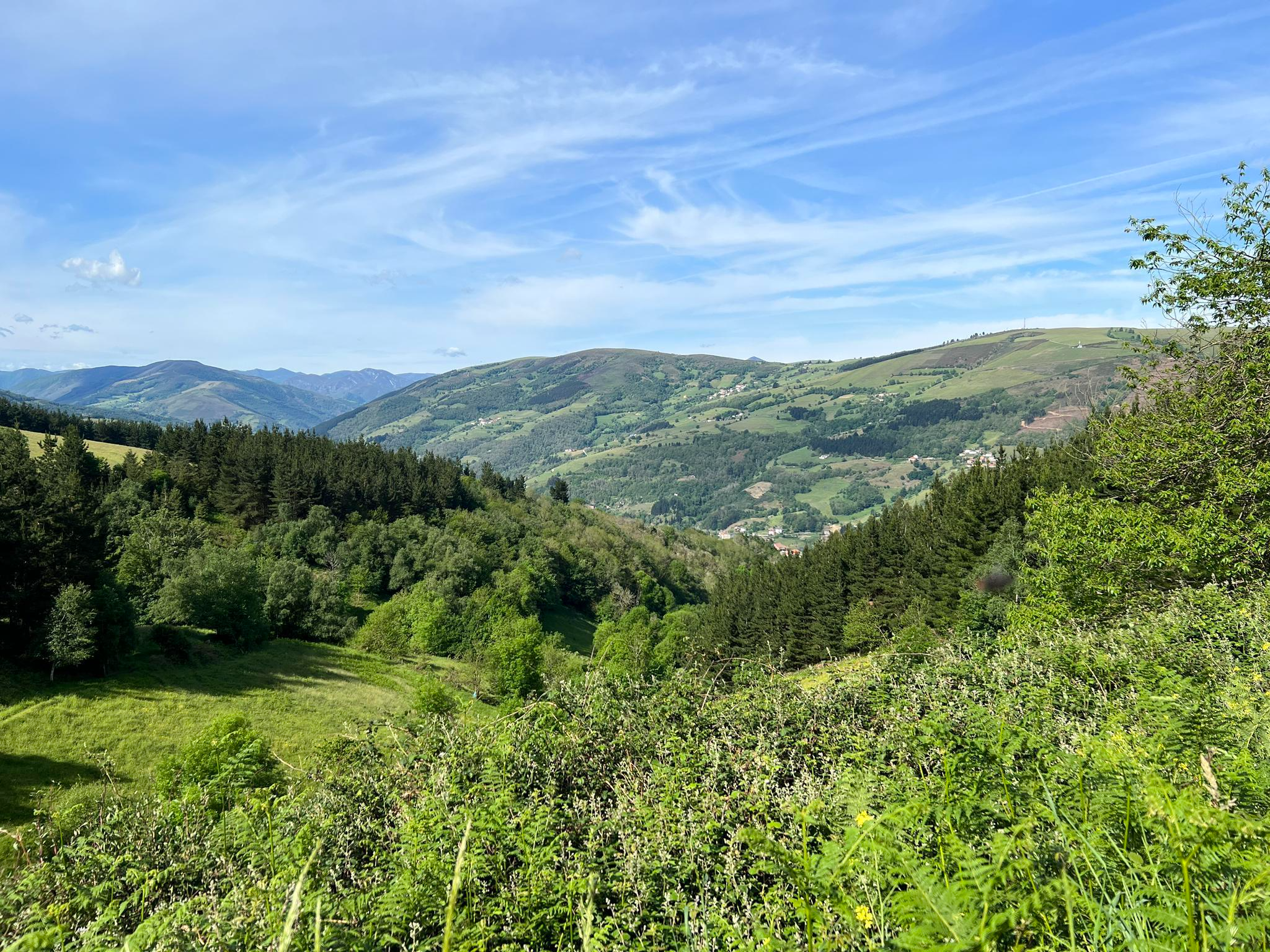
Wild Asturias - Where the bear walks (GR 203)
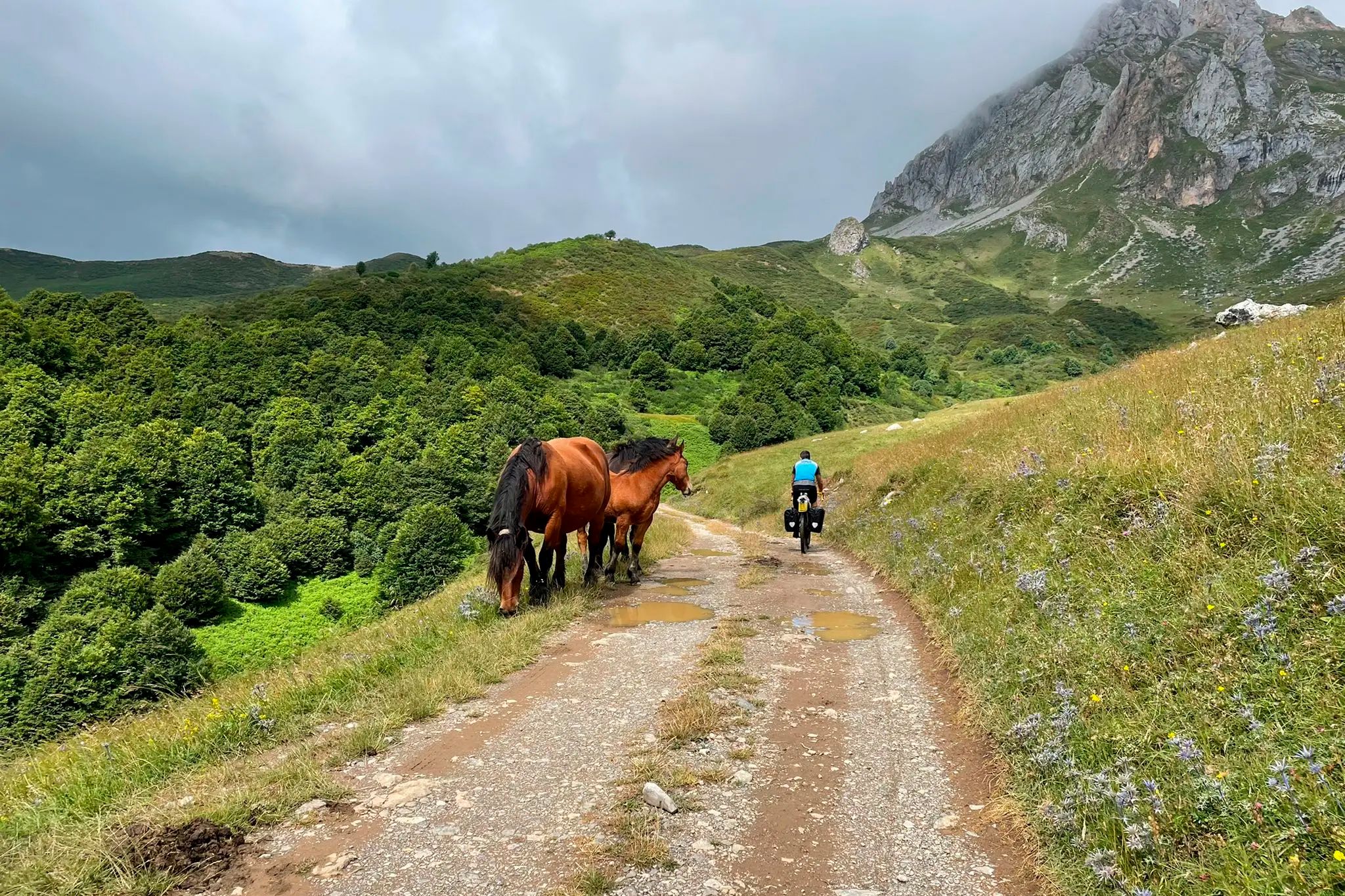
TransCantabrica – Extreme mountain biking in northern Spain
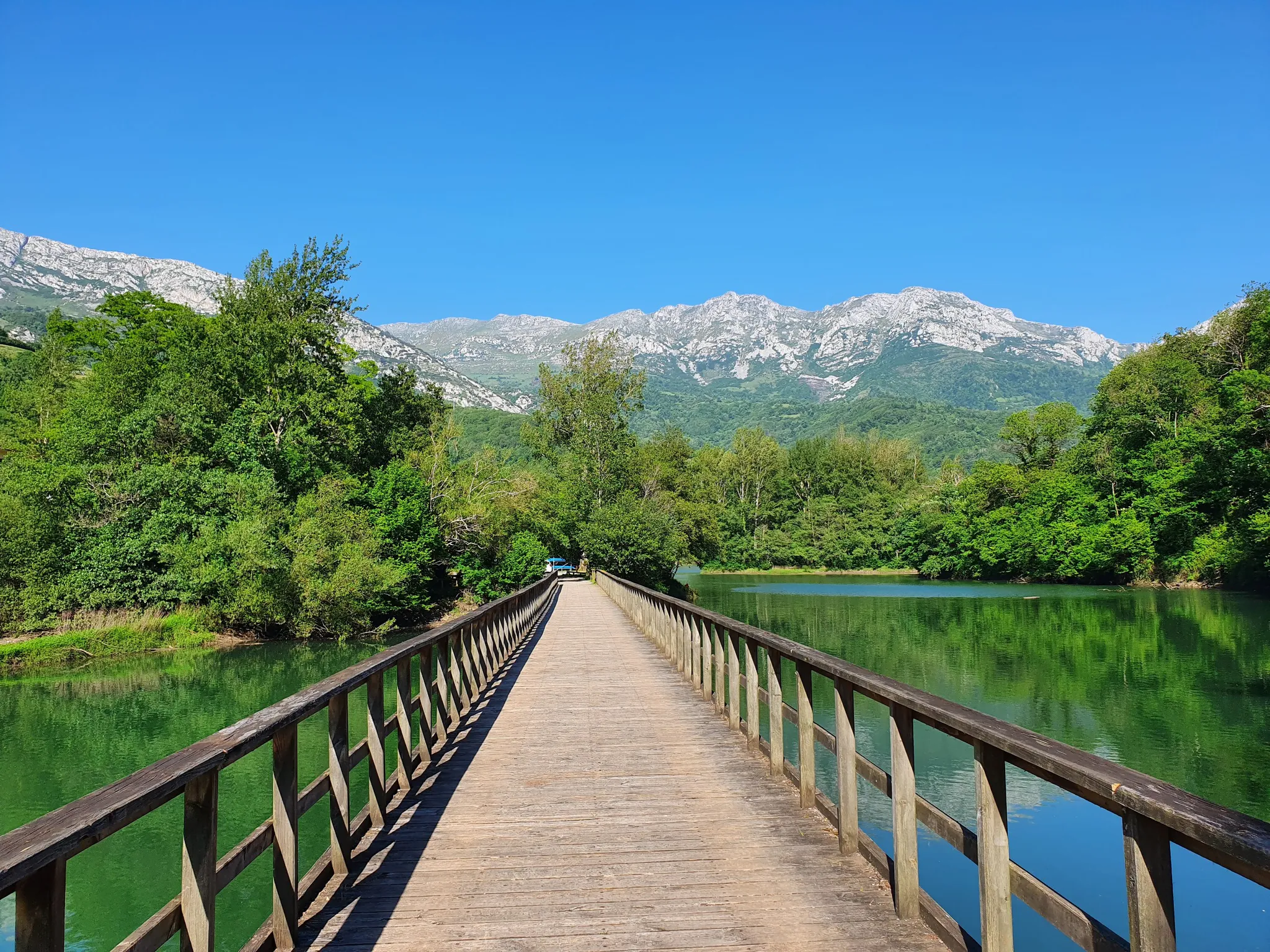
The secrets of the Cantabrian Mountains – GR 109 Asturias Interior
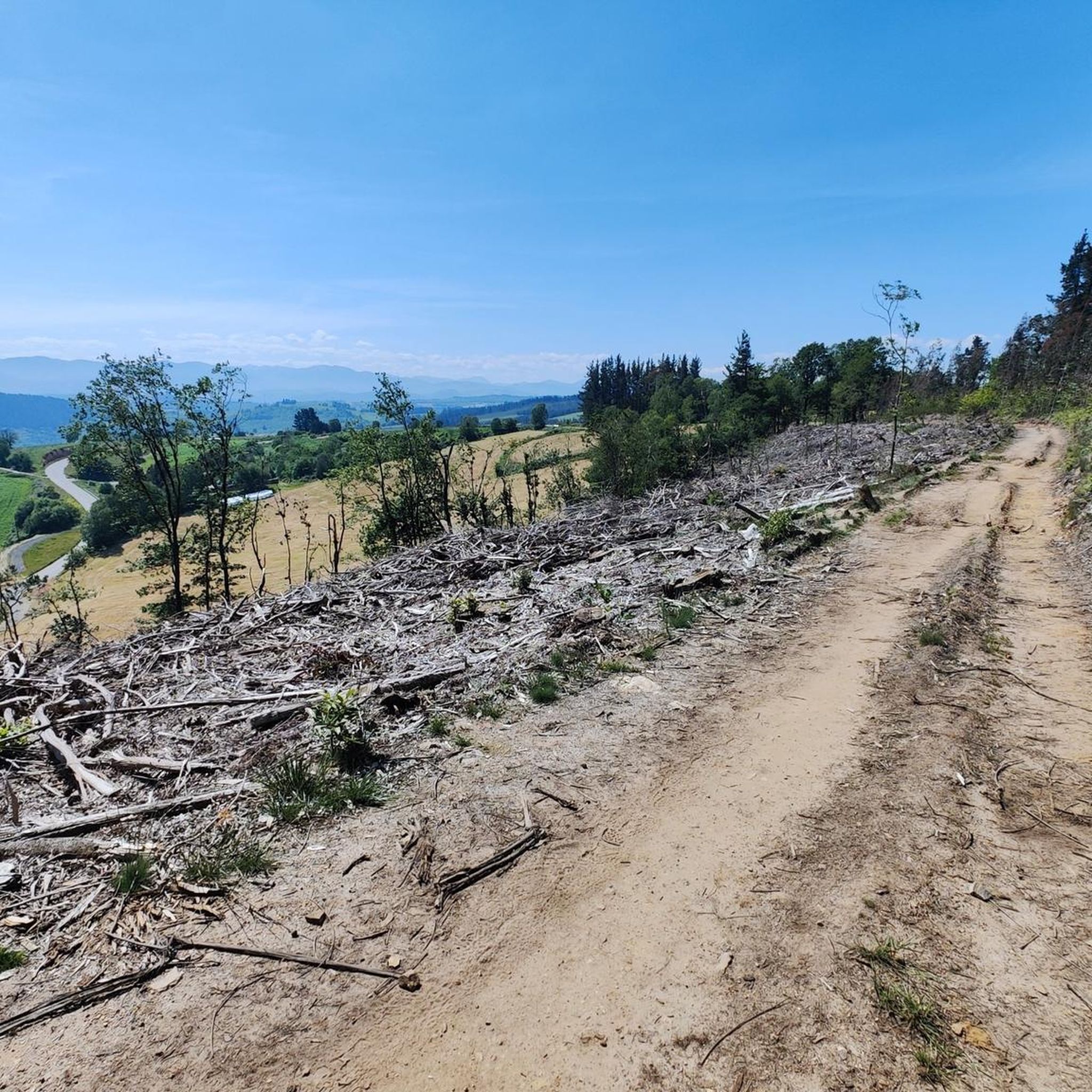
Cycling around Cangas Del Narcea
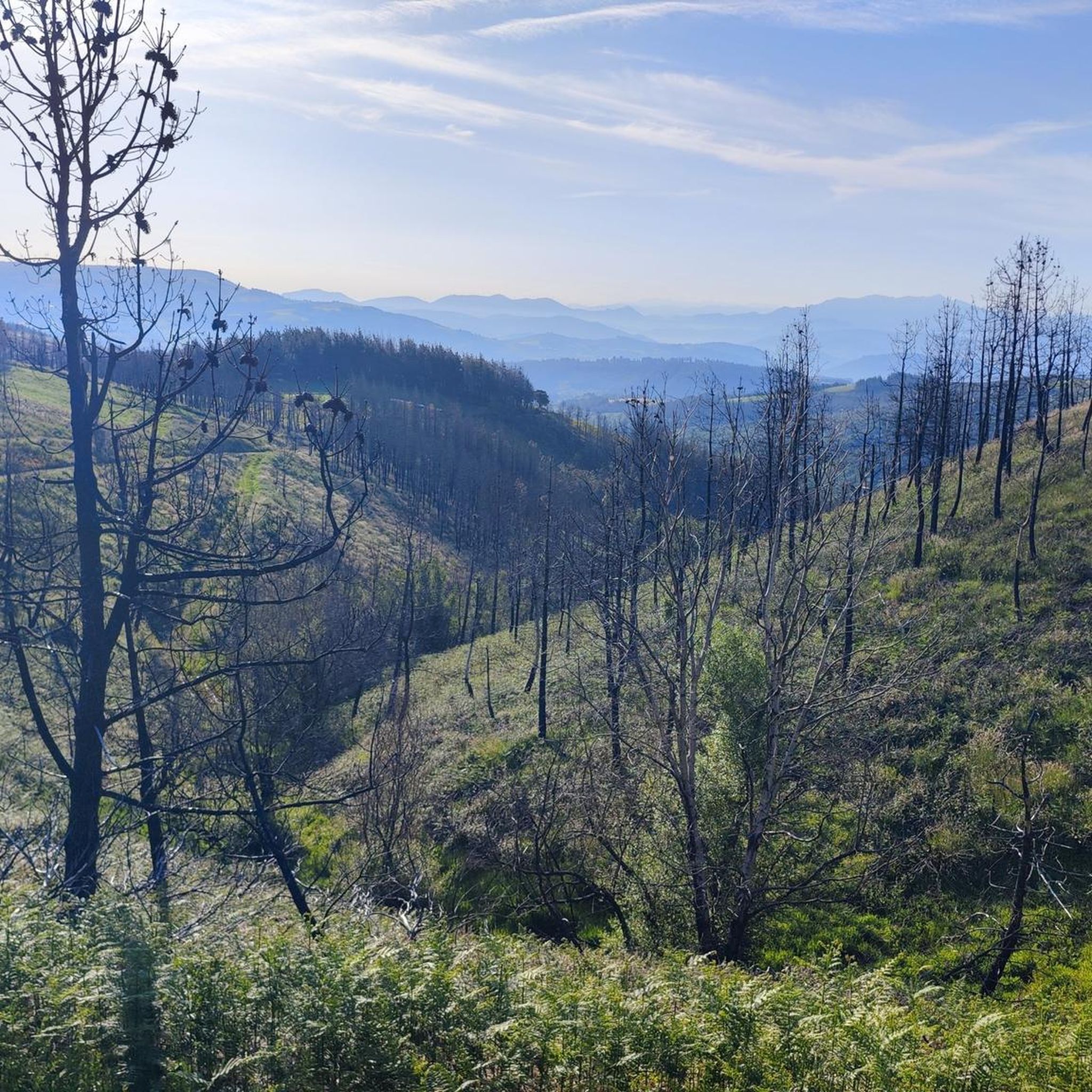
MTB Trails around Cangas Del Narcea
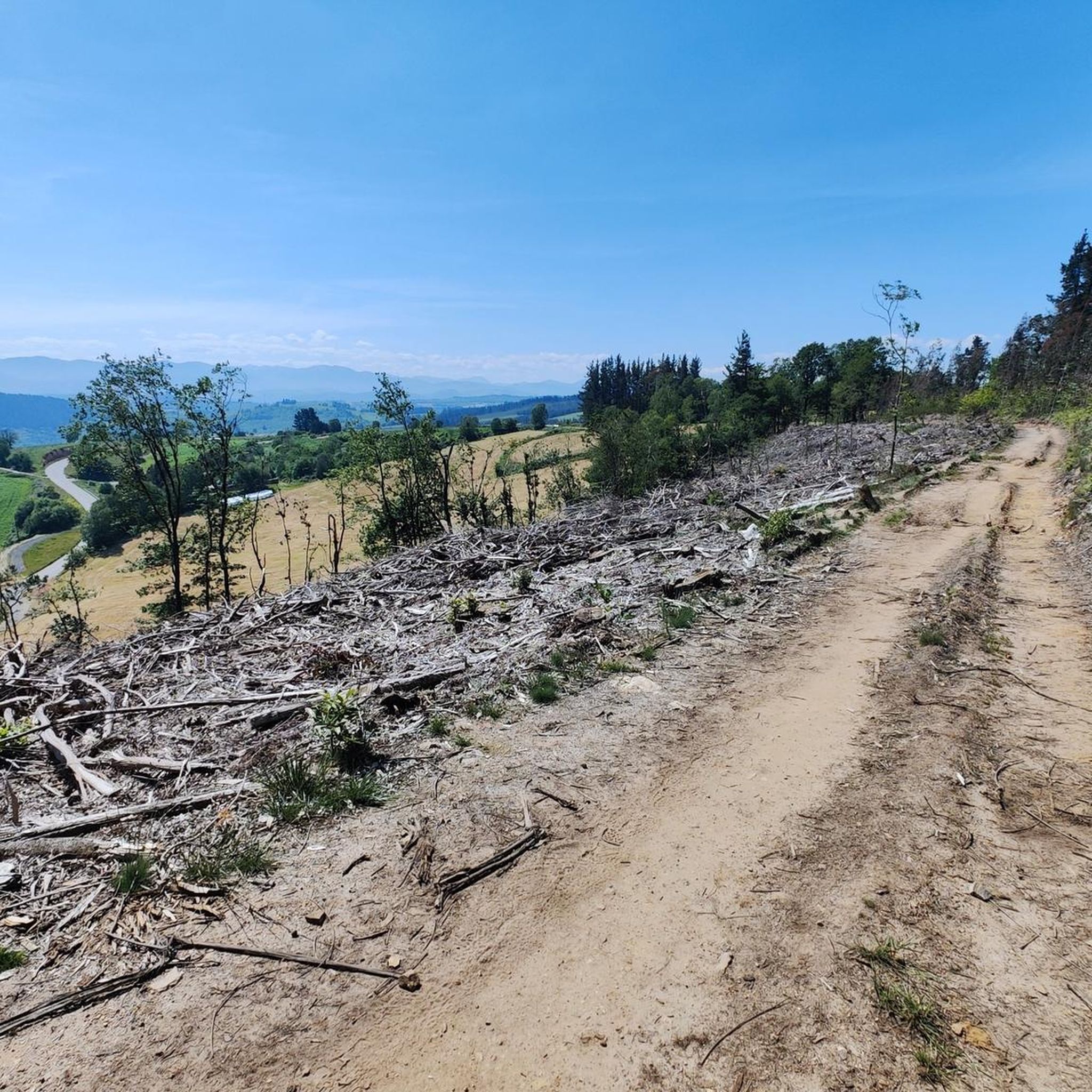
Hiking around Cangas Del Narcea
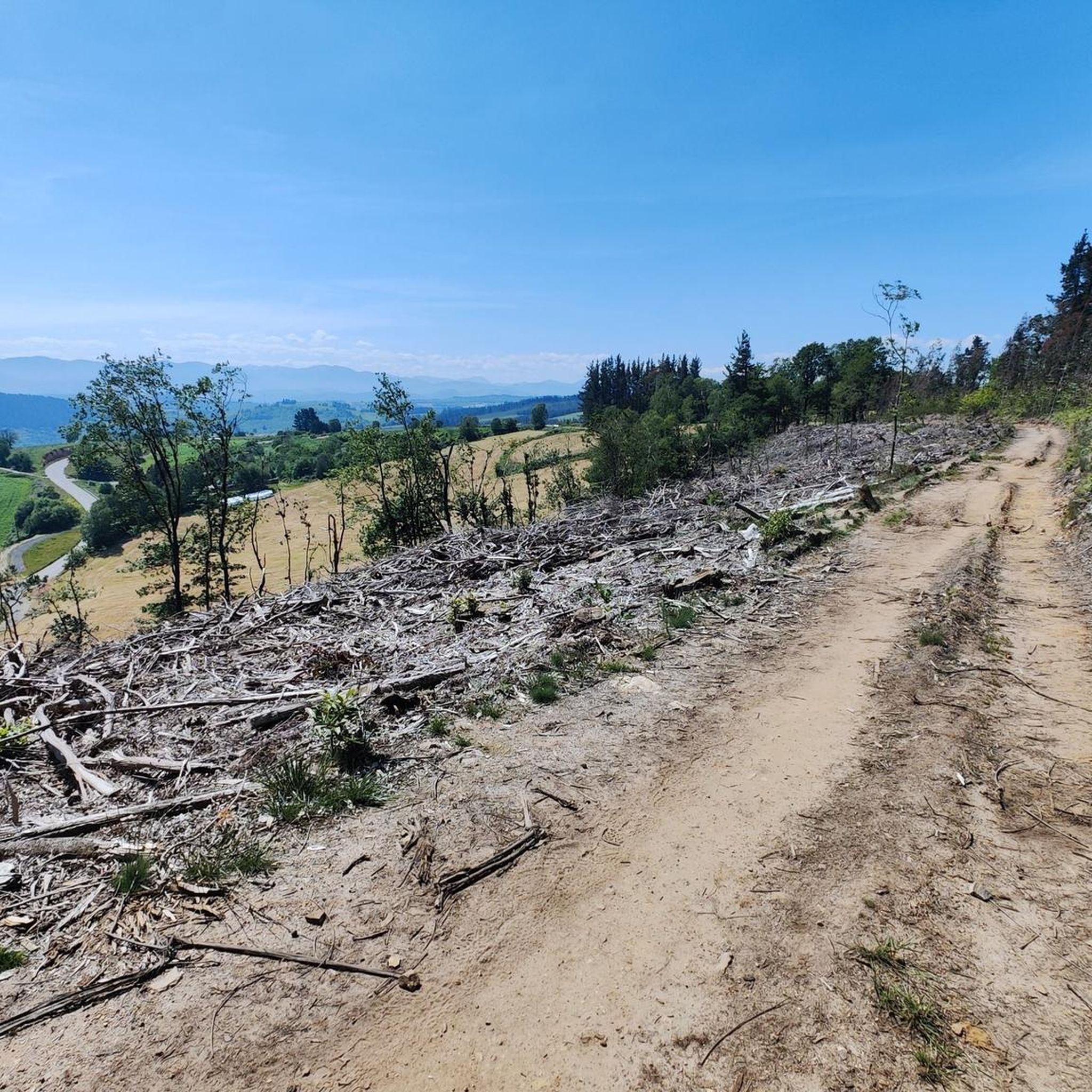
Road Cycling Routes around Cangas Del Narcea
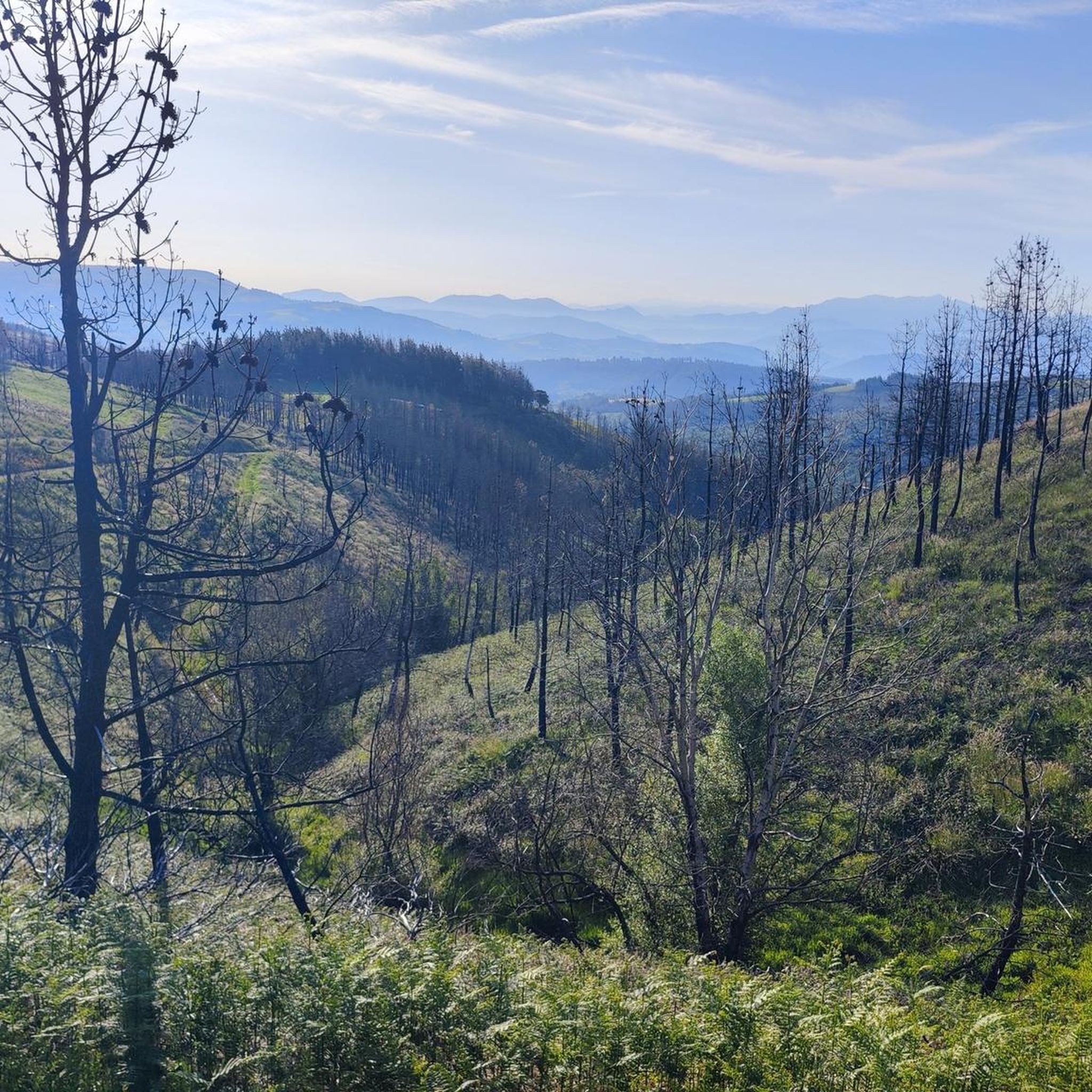
Running Trails around Cangas Del Narcea
Other adventures around Cangas Del Narcea


Tips from the Community

The Leitariegos Pass is a mountain pass located at an altitude of 1,520 meters in a beautiful natural setting. It's an ideal stopover point on the trails and has a bar and restaurant.
0
1
Among the theories surrounding the unusual name of this mountain pass, one is the popular legend that some shepherdesses were caught in a blizzard and died in a nearby shelter. In any case, the pass is located in a stunning setting.
0
0

An ideal place to cool off, drink delicious water, and protect yourself from the sun on the hottest summer days.
0
0

This 1,525 meter mountain pass is one of the highest climbs in the area. There is a small ski resort here and also good hiking and mountain biking trails.
0
0

Mythical port in the province of Asturias for cyclists. From Cecos, this port awaits us with an altitude of 1,315 meters above sea level, a gradient of 1,024 m and a length of 19.39km with an average % of 5.28 and a maximum slope of 10%.
0
0
The Pozo de las Mujeres Muertas port has 3 slopes, all 3 hard and with ramps above 10%. 1. The eastern slope, which begins in Monasterio del Hermo, has 2 well-differentiated areas, with a second part of 4 km at 10% on average. The road is wide and has smooth asphalt in very good condition. With hardly any trees or traffic. 2. The west slope, which begins in San Antolín de Ibias, is longer and harder than the previous one, with 2 rest sections (including a small downhill section). The ramps are constant and have long straights. It is usually windy as it is a climb without any trees. The road is like the eastern slope. 3. The northern slope, which comes from the Valledor (gold valley), has nothing to do with the previous 2. Narrow and bumpy road, it has the appearance of old ports. It is hard and with constant ramps. With hardly any trees, although the wind blows less. For me, the best aspect. Absence of sources in the 3 slopes. You have to recharge at the starting locations. I once ran out of water on a hot day... and I had a hard time
1
0
The port of Connio is located within the “Port Route” of southwestern Asturias, which also includes the port of Pozo de las Mujeres Muertas. The climb crosses the Muniellos Biosphere Reserve, an authentic natural paradise. I recommend making a stop at a viewpoint in the rest area in the middle of the port (Mirador de Muniellos). I also recommend visiting the interpretation center, which is accessed by turning off the main road and going up a difficult section. For more details on the climb from Ventanueva, I recommend visiting the profile and description of Carlos Vega. https://www.carlosvega.net/ascensiones/159/el-connio-por-ventanueva-cangas-del-narcea
0
0
Border port of Asturias and the province of León. On the Asturian side, starting from Cangas del Narcea, and following the traditional route along the AS-213 road, there are 34 km long and very steep climb, where the first 10 km to the town of Bimeda are on a false level. There is an alternative on this side by taking the detour towards Cibea / Sonande (CN-4 road) in the town of Las Mestas and returning to the main road (AS-213) in the town of Vallado. This alternative presents 4 km at 10% when leaving Sonande. I recommend going up the alternative route and going down the main road.
0
0
Frequently Asked Questions
What kind of wildlife can I expect to see in the natural monuments around Cangas del Narcea?
The natural monuments in this region, particularly within the Fuentes del Narcea, Degaña e Ibias Natural Park, are renowned for their rich biodiversity. You might encounter endangered species such as the Cantabrian brown bear and the capercaillie, as well as wolves, Iberian desmans, roe deer, wild boars, and wildcats. The Connio Pass, for example, crosses the Muniellos Biosphere Reserve, a vital refuge for many of these animals.
Are there any ancient forests to explore in Cangas del Narcea?
Yes, the region is home to some magnificent ancient forests. The most notable is the Muniellos Integral Nature Reserve, Spain's largest and one of Europe's best-preserved oak forests, featuring ancient oak trees. Another beautiful woodland is the Enramada Beech Forest, which offers a stunning display of colors, especially in autumn.
What unique geological features can I find in the natural monuments?
The area boasts impressive glacial formations. The Fuentes del Narcea, Degaña e Ibias Natural Park features glacial evidence, particularly around the Cueto de Arbas peak. Within the Muniellos Integral Nature Reserve, you can find four famous glacial lagoons (La Peña, Grande, Fonda, and La Isla). The Cueto de Arbas Partial Nature Reserve also showcases significant glacial origins, including the beautiful Cueto de Arbas Lagoon.
Are there hiking trails suitable for different skill levels near these natural monuments?
Yes, there are various hiking trails available. For example, the Hiking around Cangas Del Narcea guide lists routes ranging from easy, like 'Cangas del Narcea to Courias', to more challenging options such as the 'Muniellos Lagoons Loop' and 'Tres Lagunas Circular from Xinestosu'.
Can I go cycling in the area around Cangas del Narcea's natural monuments?
Absolutely. The region is popular for cycling, especially road cycling. You can find challenging routes like the 'Ruta de los Puertos' which includes the Pozo de las Mujeres Muertas Pass and Connio Pass. The Road Cycling Routes around Cangas Del Narcea guide offers several options, including loops to the Santuario de Nuestra Señora del Acebo.
Are there any viewpoints for scenic photography?
Yes, many of the natural monuments offer breathtaking views. The Pico Cornón summit provides expansive views of the Sierra de Gistredo. The Pozo de las Mujeres Muertas Pass and Connio Pass also offer excellent vistas of western Asturias and the Muniellos Biosphere Reserve. Additionally, the Puerto de Leitariegos is a mountain pass with great views.
What is the best time to visit the natural monuments around Cangas del Narcea?
While beautiful year-round, autumn is particularly spectacular, especially for places like the Enramada Beech Forest, when it displays a vibrant array of colors. For hiking and wildlife viewing, spring and early summer offer pleasant temperatures and active wildlife. Winter can be challenging due to snow, especially in higher mountain passes like Puerto de Leitariegos, which also features a ski station.
Are there any family-friendly natural monuments or activities?
While many routes in the region can be challenging, the Fuentes del Narcea, Degaña e Ibias Natural Park offers opportunities for families to explore its ecosystems. Some sections of the Puerto de Leitariegos area might be suitable for families, especially around the ski station and glacier lagoon. For specific family-friendly trails, it's advisable to check the difficulty ratings in the Hiking around Cangas Del Narcea guide, looking for 'easy' or 'moderate' options.
Do I need a permit to visit certain natural monuments, like Muniellos?
Yes, access to the Muniellos Integral Nature Reserve is strictly limited to 20 people per day to preserve its pristine condition. Advance booking is required. For those unable to secure a permit, the interpretation center near Moal provides an excellent overview of the reserve.
What kind of terrain can I expect on trails in the Cangas del Narcea natural monuments?
The terrain varies significantly. You'll find challenging slopes with gradients above 10% on mountain passes like Pozo de las Mujeres Muertas Pass and Puerto de Leitariegos. Higher altitude areas, such as Pico Cornón, involve mountaineering. Forested areas like the Enramada Beech Forest offer more varied ground, from forest paths to potentially muddy sections depending on weather.
Are there any facilities or services near the natural monuments, such as cafes or restaurants?
While the natural monuments themselves are preserved, you can find facilities in nearby towns and villages. For instance, the mountain pass village at Puerto de Leitariegos has a great restaurant and a ski station. It's always a good idea to plan ahead and carry sufficient supplies, especially when venturing into more remote areas of the Fuentes del Narcea, Degaña e Ibias Natural Park.
What do visitors enjoy most about the natural monuments in Cangas del Narcea?
Visitors frequently appreciate the magical landscapes, exceptional fauna, and the sense of an authentic Asturian 'jungle' with numerous routes and green horizons. The opportunity to immerse oneself in a highly preserved natural environment, witness ancient forests, and experience unique geological formations like glacial lagoons and high-altitude peaks are often highlighted as key attractions.
Most popular routes around Cangas Del Narcea
Most popular attractions around Cangas Del Narcea

Get inspired with the komoot mobile app


Explore more
Extend your search for the best caves by checking out these guides of the top ones around Cangas Del Narcea:
