The best MTB trails around Cangas Del Narcea
5.0
(10)
272
riders
26
rides
Mountain biking around Cangas Del Narcea offers diverse and rugged natural landscapes, characterized by extensive river networks and numerous valleys. The region features significant protected areas like the Fuentes del Narcea, Degaña, and Ibias Natural Park, which includes dense oak groves and varied terrain. Mountain bikers can expect demanding climbs and scenic descents through forests and along rivers, with elevations reaching over 2,000 meters. This varied landscape provides an exciting destination for mountain biking enthusiasts.
Best mountain bike trails around…
Last updated: August 17, 2026
5.0
(1)
3
riders
22.5km
02:19
710m
710m
Moderate mountain bike ride. Good fitness required. Advanced riding skills necessary.
1
riders
38.9km
04:09
1,610m
1,620m
Hard mountain bike ride. Very good fitness required. Suitable for all skill levels.

Sign up for free
17.0km
01:57
590m
590m
Moderate mountain bike ride. Good fitness required. Suitable for all skill levels.
24.4km
02:54
1,070m
1,070m
Hard mountain bike ride. Very good fitness required. Suitable for all skill levels.
71.4km
07:07
2,230m
2,230m
Hard mountain bike ride. Very good fitness required. Advanced riding skills necessary.
Get access to more routes and recommendations from other explorers.
Sign up for free
Already have an account?
Our route recommendations are based on thousands of hikes, rides, and runs completed by other people on komoot.
Start today with a free account
Your next adventure awaits.
Login or Signup
Popular around Cangas Del Narcea
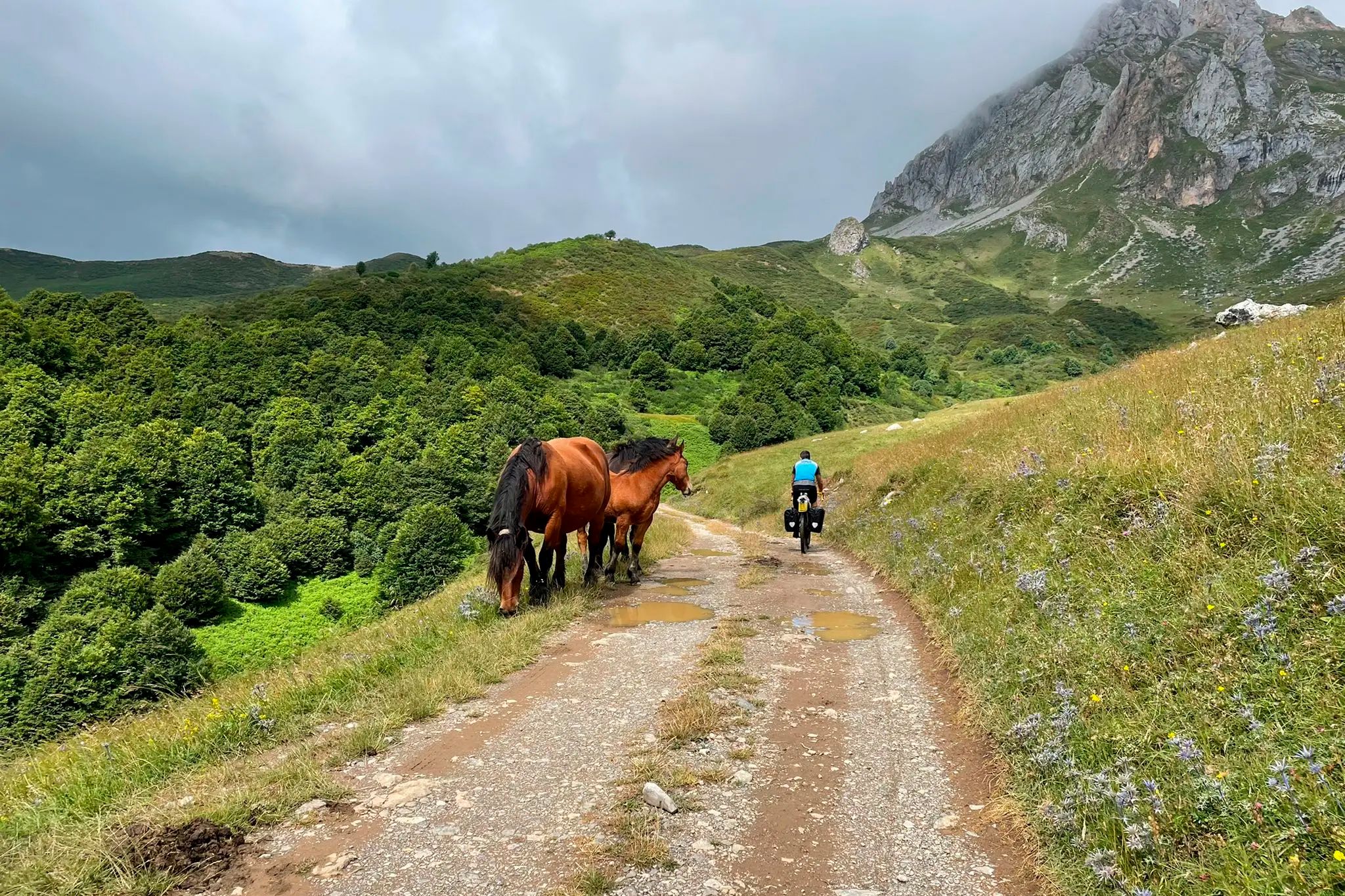
TransCantabrica – Extreme mountain biking in northern Spain
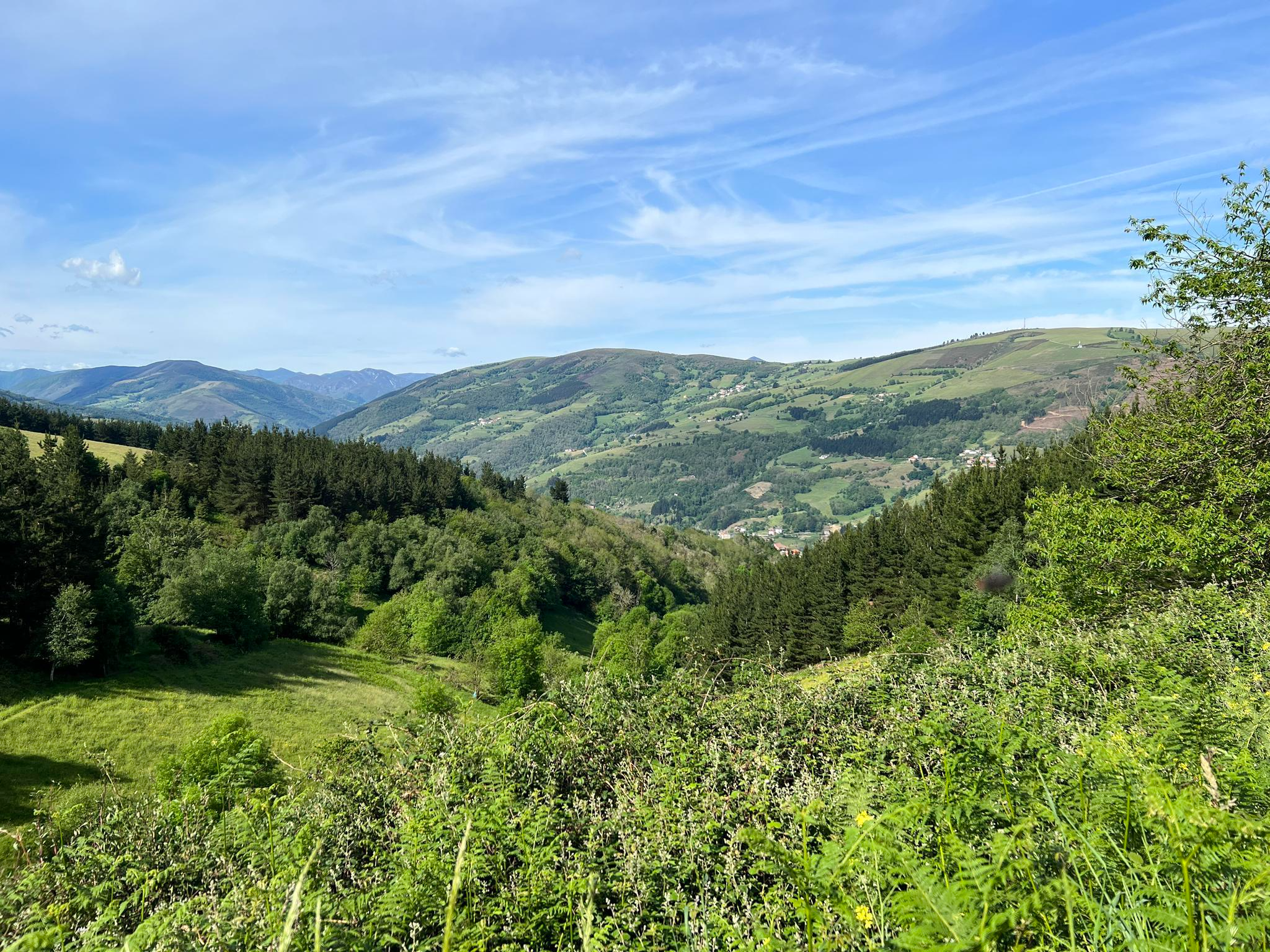
Wild Asturias - Where the bear walks (GR 203)
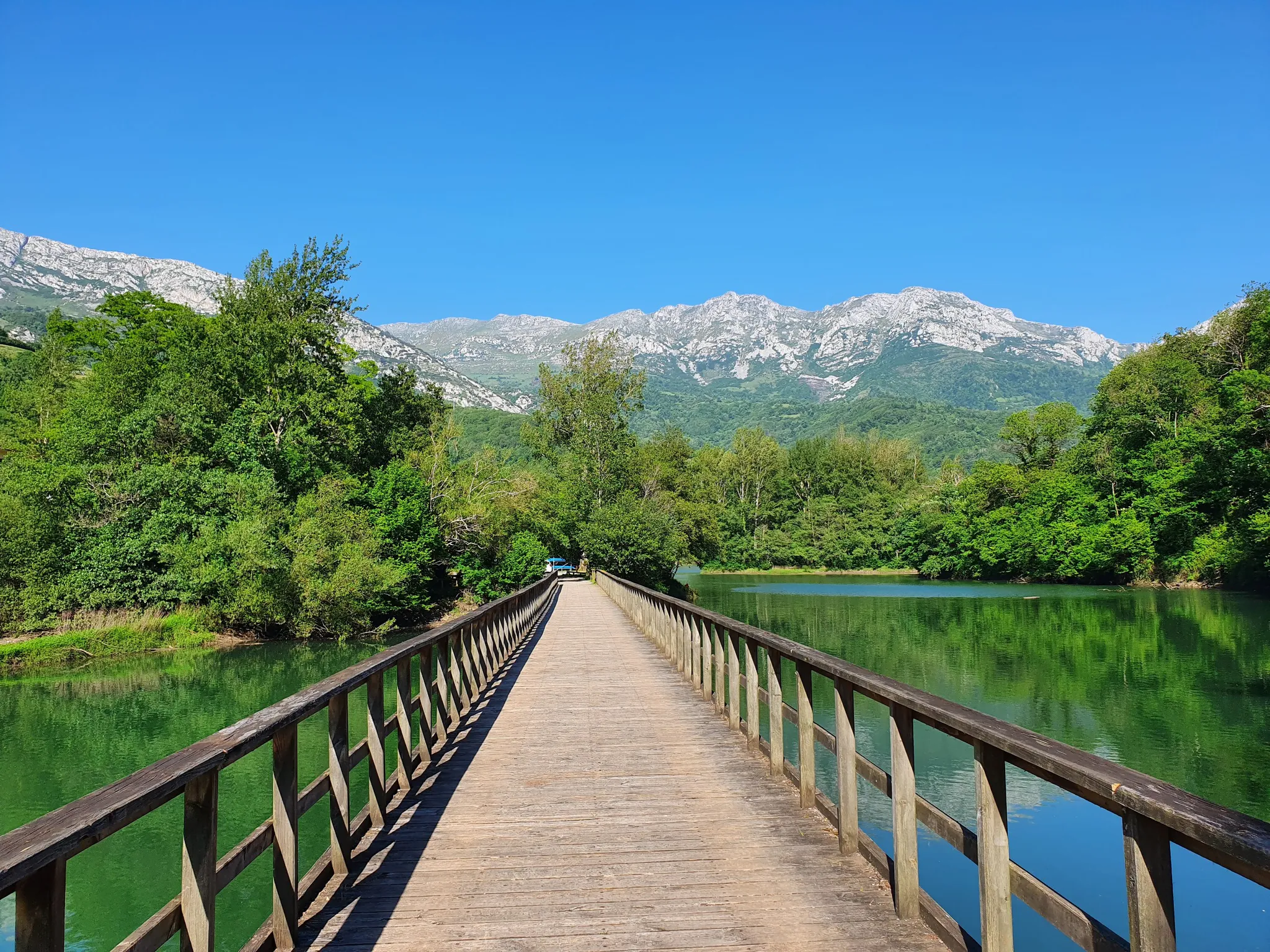
The secrets of the Cantabrian Mountains – GR 109 Asturias Interior
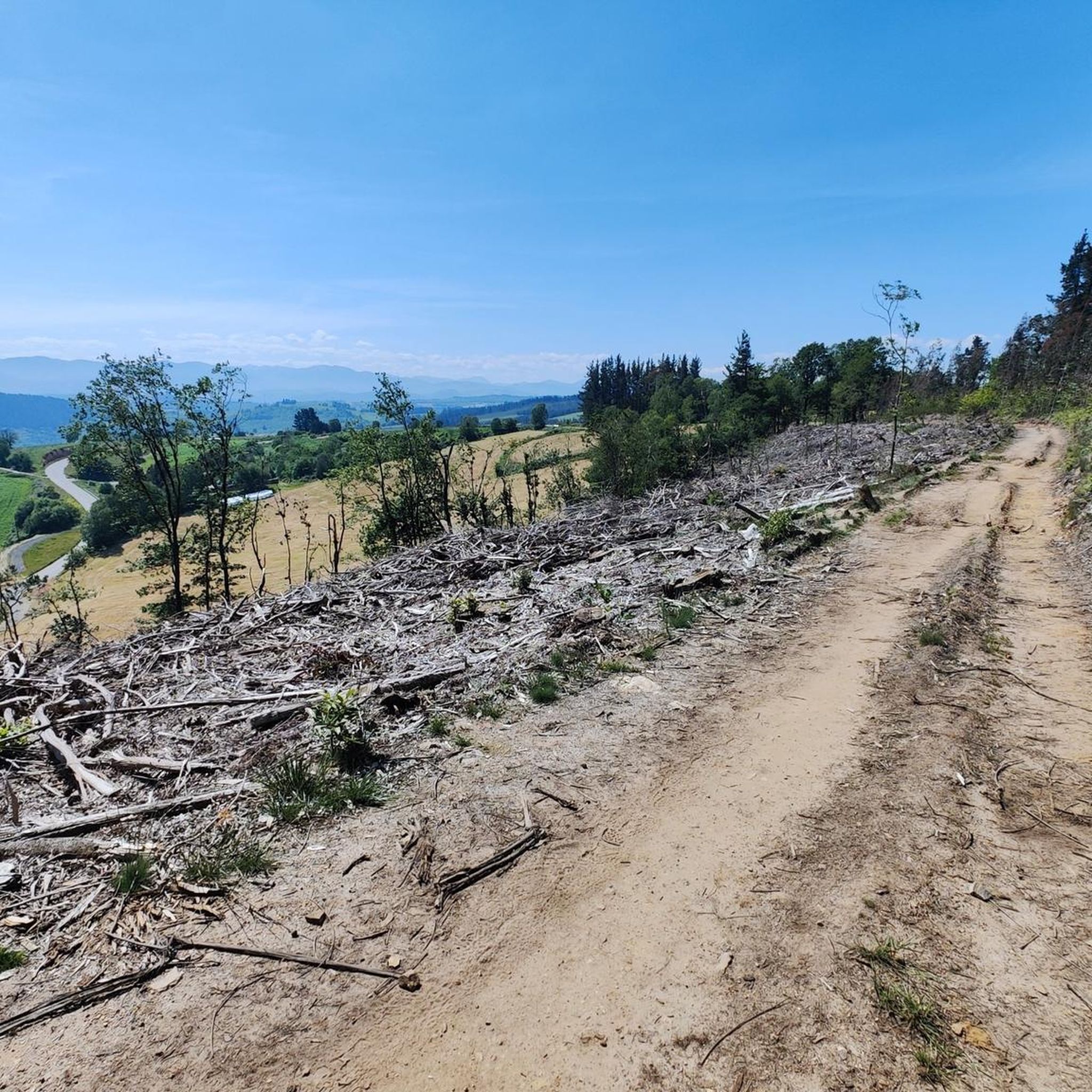
Cycling around Cangas Del Narcea
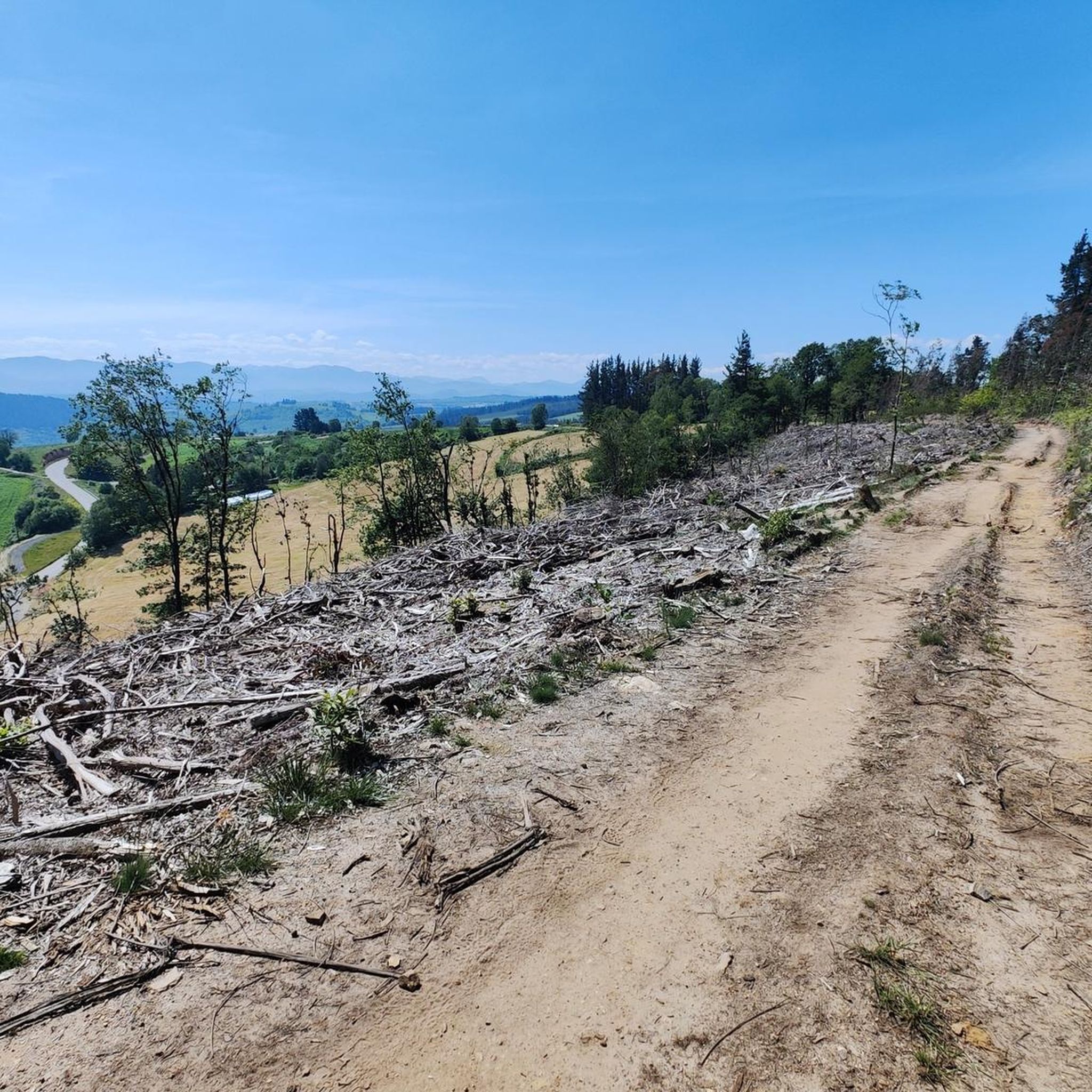
Hiking around Cangas Del Narcea
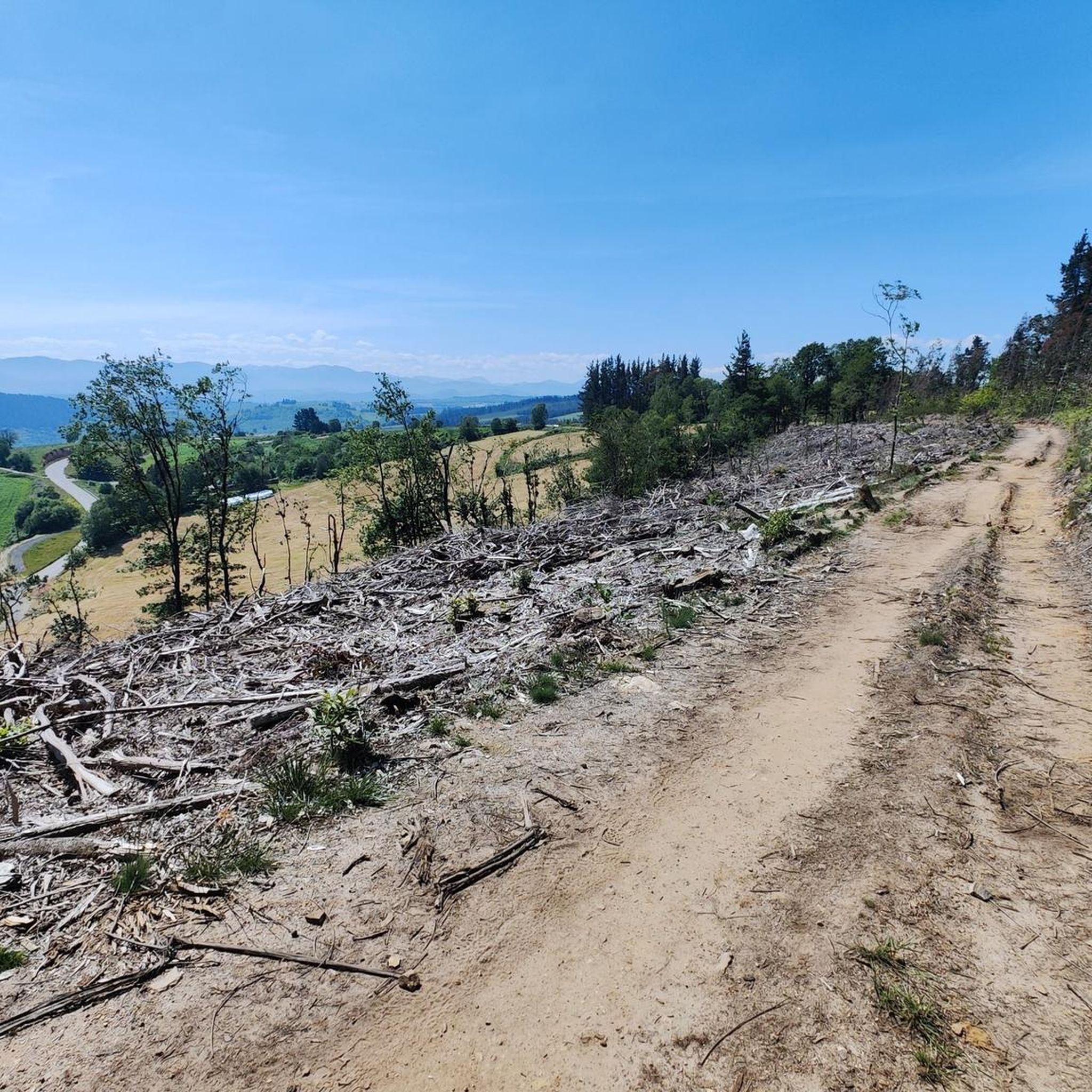
Road Cycling Routes around Cangas Del Narcea
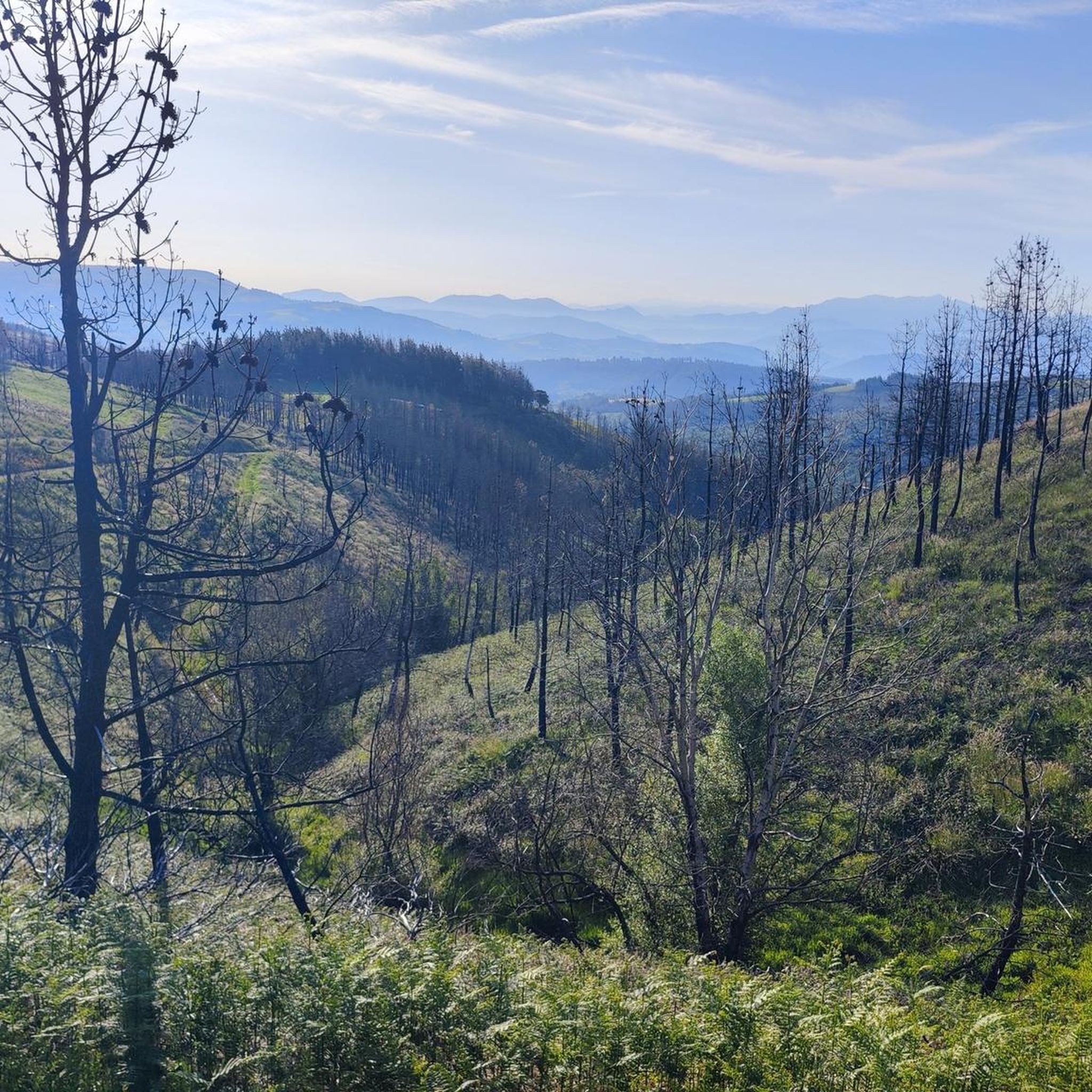
Running Trails around Cangas Del Narcea
Other adventures around Cangas Del Narcea


Tips from the Community

It is a small Romanesque church located in a mountainous area known as Fuentes del Narcea. According to legend, the church was built in the 9th century by a group of monks who discovered a statue of the Virgin Mary in a holly tree. The statue became known as the "Virgin of the Holly" or the "Virgin of the Holly," and the church was built in her honor. The interior of the church is decorated with frescoes from the 12th and 13th centuries, depicting scenes from the Bible and the life of Christ. The altar has a beautiful reredos carved in wood and painted with gold leaf, with images of the Virgin Mary, Saints Peter and Paul, and other saints. A popular destination for pilgrims and tourists who come to admire the beautiful architecture and rich history of the church. It is also a starting point for several hiking trails that lead to the nearby mountain peaks.
0
0


Corias is a small town in the municipality of Cangas del Narcea, located just 2 km from the municipality's capital, on the banks of the Narcea River. Corias is known for two very specific reasons: its monastery, an architectural gem that was converted into a National Tourist Parador about 10 years ago; its vineyards, cultivated by the monks of the monastery, with its current Monasterio de Corias winery standing out, whose white and red wines are good and very unique.
0
0

The Monasterio de Corias, often referred to as "El Escorial of Asturias," is a magnificent symbol of history and spirituality nestled in the verdant Narcea Valley. Founded in the 11th century, this Benedictine monastery has long been a beacon of culture, faith, and learning in Asturias. Its grand Baroque architecture, with its imposing stone façade and serene cloisters, invites reflection and awe. Surrounded by lush forests and the gentle flow of the Narcea River, the monastery offers a tranquil retreat from the modern world. Inside, you’ll find echoes of its storied past in the ancient library, once a hub of knowledge, and in the beautifully preserved church, where centuries of prayers have left a palpable sense of peace. Today, the Monasterio de Corias serves not only as a historical monument but also as a unique Parador, welcoming guests to experience the serenity and beauty of its sacred halls. Whether you're exploring its rich history or simply soaking in the tranquility of its surroundings, the Monasterio de Corias is a place where time seems to stand still, offering a deep connection to the spiritual and cultural heritage of Asturias.
1
0
Alto del Acebo is a beautiful place in southwestern Asturias where you can enjoy wonderful panoramic views of the Asturian mountains (the Asturian rural paradise) and where the hermitage of the Virgen del Acebo is located (the pilgrimage is celebrated on September 8, Asturias Day). At the top there are also 2 bars/restaurants where you can eat very well. As can be seen in one of the photos that I just posted, Alto del Acebo has 6 different slopes. All of them are beautiful and very hard. I recommend that you go visit Cangas and Alto del Acebo.
0
0
Capital of southwestern Asturias. Famous for its Discharge (July 16) and for its wines. Strategic point from which exceptional road cycling routes start to discover the unknown Asturian paradise.
0
0
Alto del Acebo with its hermitage is an essential place for anyone visiting Cangas del Narcea. Its panoramic views of southwestern Asturias are spectacular. There are 6 slopes to reach the top of Acebo, all well marked and considerable hardness.
0
0

At this point we find the end of the climb to the Holly Sanctuary, a climb that takes us to an altitude of 1,169 masl with a drop of 768m and a length of 9.39 km. The average % is 8.18 and the maximum % is 16. A true port for lovers of road cycling. The sanctuary is a popular destination for pilgrims and tourists who want to admire its beautiful architecture and history.
1
0
Frequently Asked Questions
How many mountain bike trails are there in Cangas del Narcea, and what are their difficulty levels?
Cangas del Narcea offers a robust network of over 20 mountain bike trails. The majority, 17 routes, are classified as difficult, providing challenging experiences for seasoned riders. Additionally, there are 3 moderate routes available, suitable for intermediate mountain bikers.
What kind of terrain can I expect on mountain bike trails in Cangas del Narcea?
Mountain biking in Cangas del Narcea features diverse and rugged natural landscapes. You'll encounter a mix of paved and unpaved surfaces, with demanding climbs and scenic descents through dense oak forests, along rivers, and across varied terrain. The region is characterized by extensive river networks and numerous valleys, offering a dynamic riding experience.
Are there any challenging mountain bike routes for experienced riders in Cangas del Narcea?
Yes, Cangas del Narcea is known for its challenging routes. For experienced riders, the Pola de Allande al Puerto de Palo y La Marta – circular en el Camino Primitivo is a difficult 47.9 km trail with significant elevation gain. Another demanding option is the Cangas del Narcea al Santuario del Acebo – ruta circular, a 38.9 km difficult route that climbs towards the Santuario del Acebo.
What natural features or protected areas can I explore while mountain biking in Cangas del Narcea?
The region is rich in natural beauty, including the Fuentes del Narcea, Degaña, and Ibias Natural Park, a Biosphere Reserve with extensive oak groves. You can also find the Muniellos Integral Natural Reserve, home to Spain's largest oak grove, and the Cueto de Arbas Partial Nature Reserve, featuring a glacial lake at the foot of Cueto de Arbas mountain. These areas offer stunning backdrops for your rides.
Are there any specific viewpoints or scenic spots along the mountain bike trails?
Many trails offer rewarding views. The Mirador de Letizia y Monasterio de Santa María la Real de Obana — circular desde Tineo route passes by the Mirador de Letizia, offering panoramic vistas. Other notable viewpoints in the wider area include the View of the Navia River and the Grandas de Salime Reservoir.
What cultural or historical attractions can I visit near the mountain bike routes?
Cangas del Narcea boasts a rich cultural heritage. The Monastery of Corias, often referred to as the 'Escorial of Asturias,' is a significant historical site. The Mirador de Letizia y Monasterio de Santa María la Real de Obana — circular desde Tineo route passes by the Monasterio de Santa María la Real de Obana. You can also explore charming villages like Bisuyu, known for its literary connections.
What do other mountain bikers enjoy the most about mountain biking in Cangas del Narcea?
The mountain bike routes in Cangas del Narcea are highly rated by the komoot community, with an average score of 5.0 stars from more than 4 reviews. Riders frequently praise the region's varied terrain, the challenging climbs, and the scenic descents through forests and along rivers, highlighting the exciting and diverse experience it offers.
Are there any mountain bike trails that are circular routes?
Yes, several routes in the area are circular. For example, the Pola de Allande al Puerto de Palo y La Marta – circular en el Camino Primitivo and the Cangas del Narcea al Santuario del Acebo – ruta circular are both designed as loops, bringing you back to your starting point.
Can I observe wildlife, such as bears, while mountain biking in Cangas del Narcea?
Cangas del Narcea is a significant area for wildlife, particularly the Cantabrian brown bear. The Muniellos Integral Natural Reserve, within the Fuentes del Narcea park, is a crucial refuge for these animals. While direct encounters on trails are rare, the presence of these magnificent creatures adds to the wild character of the region, and designated bear lookout points exist in the wider area.
Are there any lakes or reservoirs accessible near the mountain bike trails?
Yes, the region features several beautiful water bodies. The Cueto de Arbas Partial Nature Reserve has a spectacular glacial lake. Additionally, you can find the Embalse de la Barca and the Pilotuerto Reservoir in the vicinity, offering scenic spots that might be incorporated into longer rides or visited separately.
What is the best time of year to go mountain biking in Cangas del Narcea?
The diverse landscapes of Cangas del Narcea offer good mountain biking conditions for much of the year. Spring and autumn are generally ideal, with pleasant temperatures and vibrant scenery. Summer can also be excellent, especially in higher elevations, though some lower-lying areas might be warmer. Winter riding is possible but may be limited by snow and ice, particularly on higher mountain passes.
Are there any mountain passes that are popular for mountain biking in the area?
Yes, the region is known for its mountain passes. The Puerto de Leitariegos is a classic ascent, historically featured in cycling events like the Vuelta a Asturias. Other passes like Pozo de las Mujeres Muertas Pass and Connio Pass also offer challenging climbs and rewarding views.
Most popular attractions around Cangas Del Narcea

Get inspired with the komoot mobile app


Explore more
Browse the best MTB trails in other regions.
