Top 9 Mountain Passes around Tineo
Best mountain passes around Tineo, a municipality in western Asturias, Spain, are characterized by mountainous terrain and natural landscapes. The region is a key point on the Camino Primitivo, offering challenging and scenic routes. Tineo's elevated and rugged beauty provides diverse experiences for hikers and cyclists.
Best mountain passes around Tineo
- The most popular mountain passes is Alto de La Marta, a mountain pass that reaches an altitude of 1105 meters. From its summit, visitors can enjoy expansive views…
Last updated: July 1, 2026
Alto de La Marta
Highlight • Mountain Pass
Translated by Google •
Tip by

Puerto del Palo Pass
Highlight • Mountain Pass
Translated by Google •
Tip by
Sign up now to discover places like this
Get recommendations on the best single tracks, peaks, & plenty of other exciting outdoor places.
Sign up for free
Ascent to Alto de la Marta via Villayón
Highlight (Segment) • Mountain Pass
Translated by Google •
Tip by

Alto de Lavadoira
Highlight • Mountain Pass
Translated by Google •
Tip by

Alto de Santa Ana
Highlight • Mountain Pass
Translated by Google •
Tip by

Sign up for free to discover even more mountain passes around Tineo.
Sign up for free
Already have an account?
Start today with a free account
Your next adventure awaits.
Login or Signup
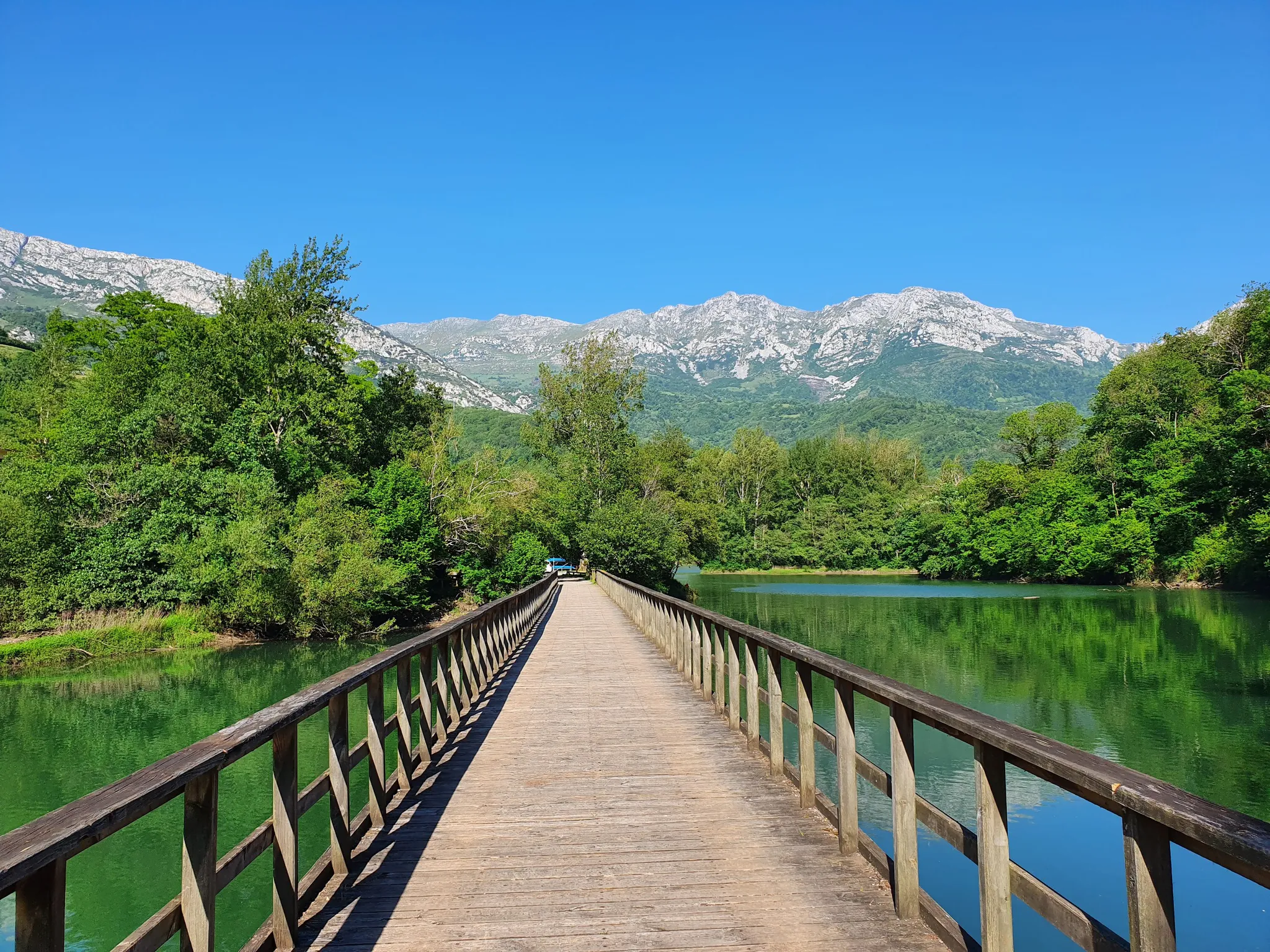
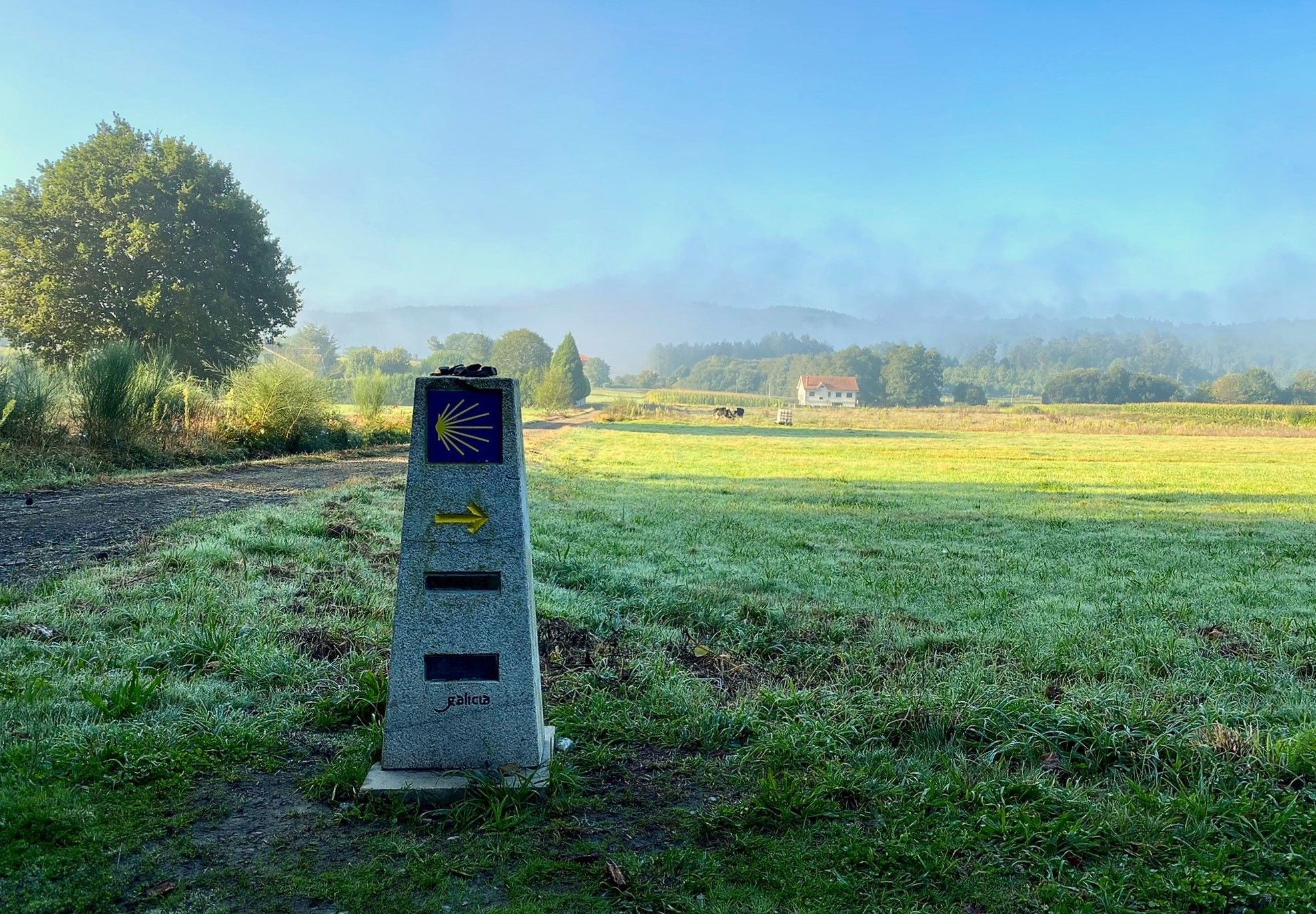
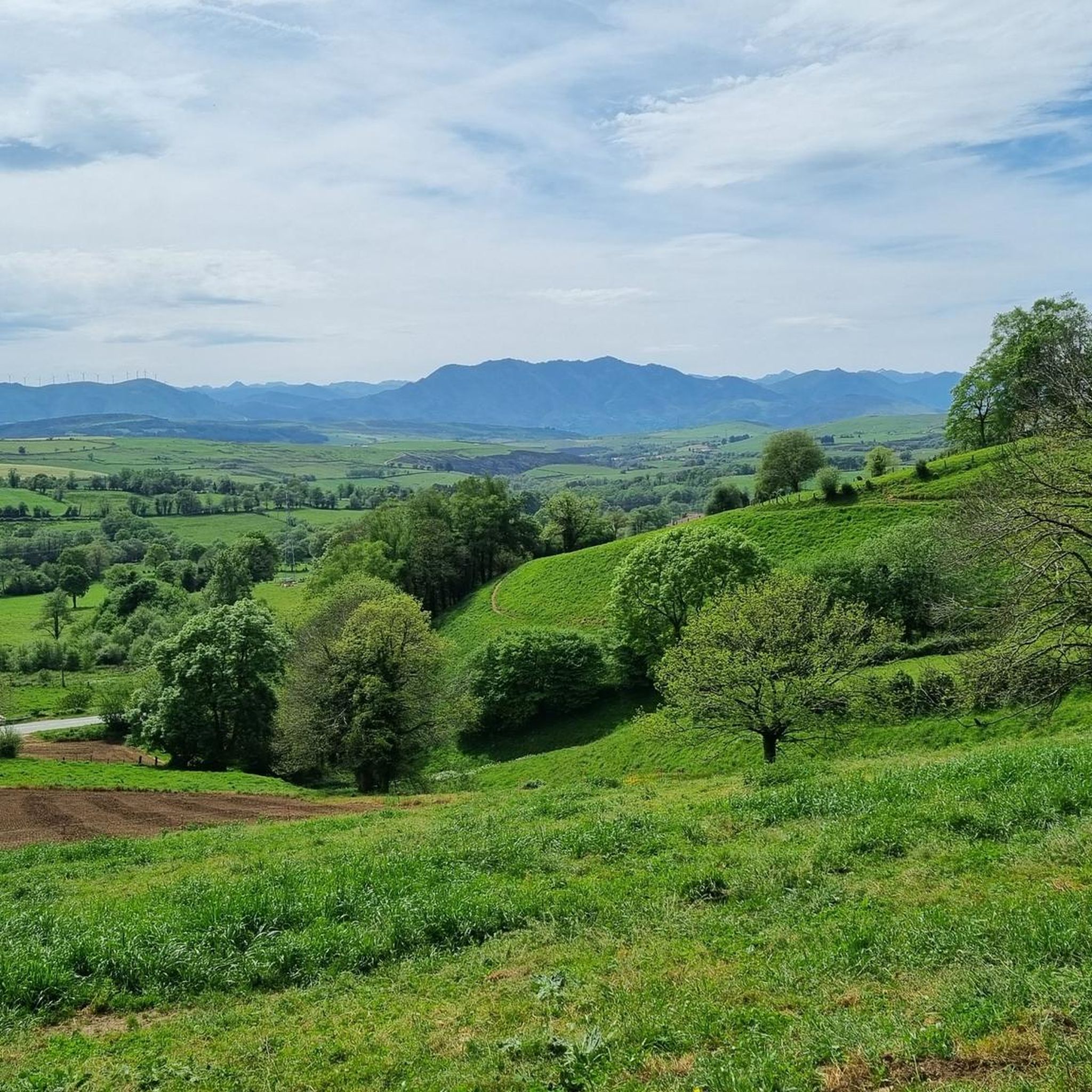
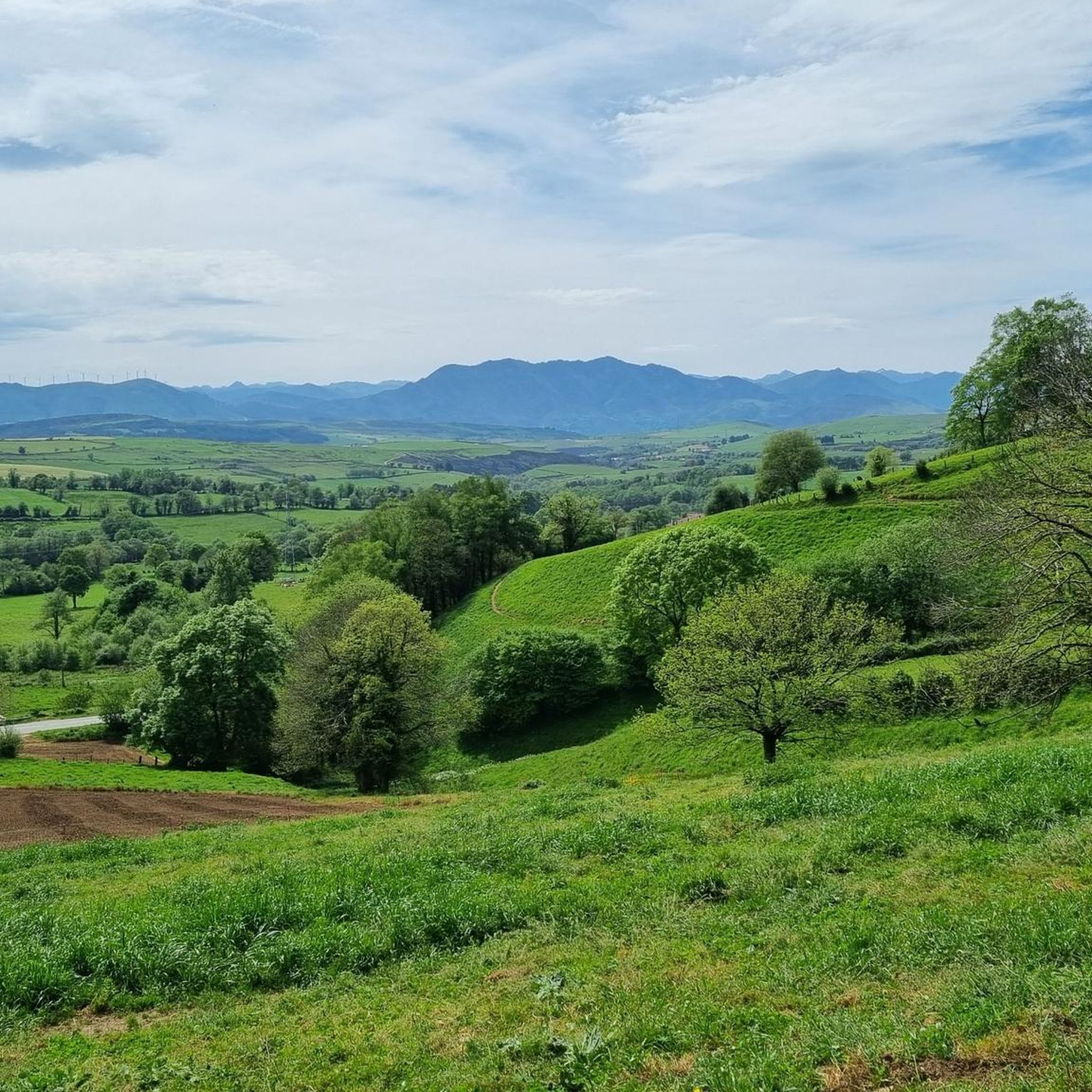


Tips from the Community

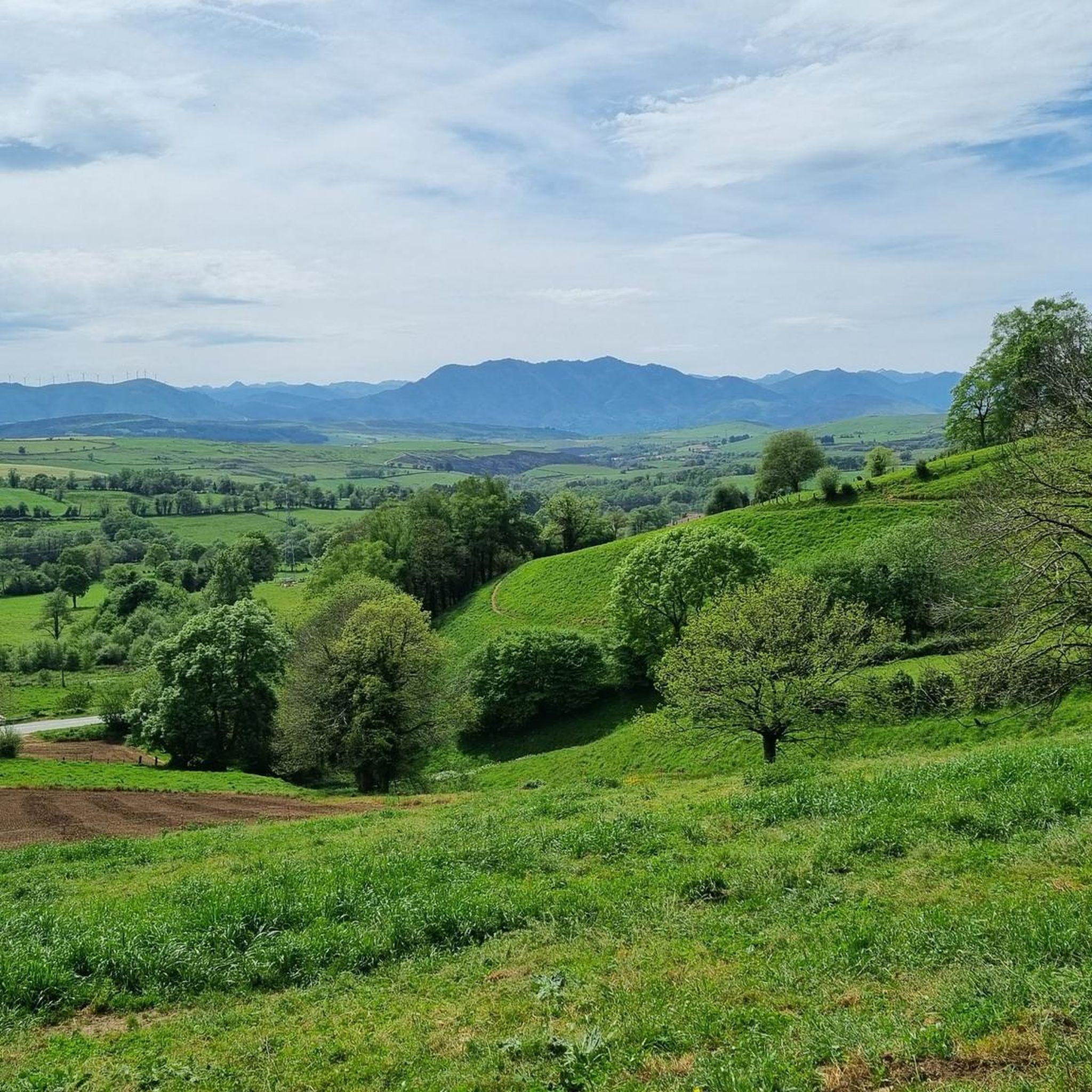
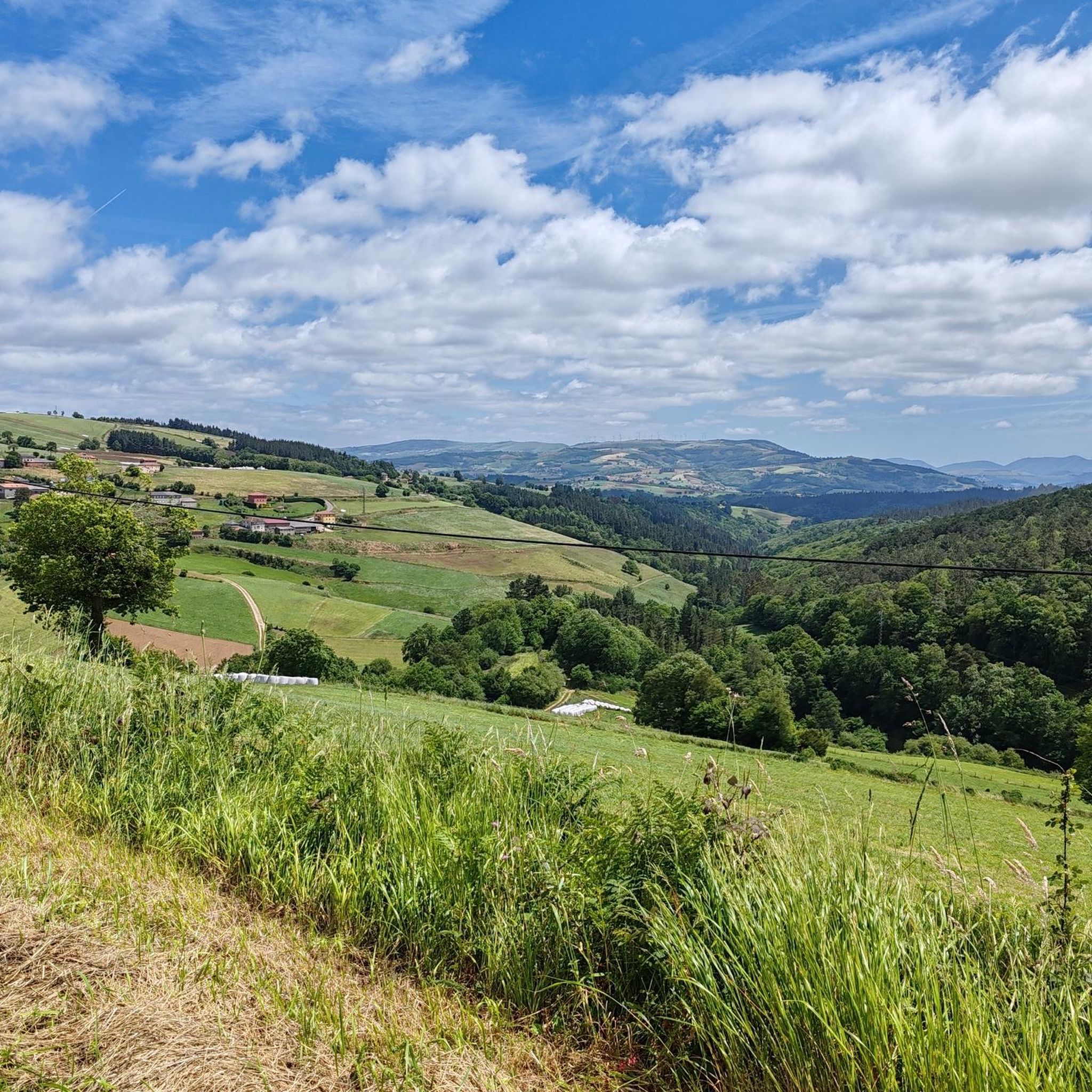
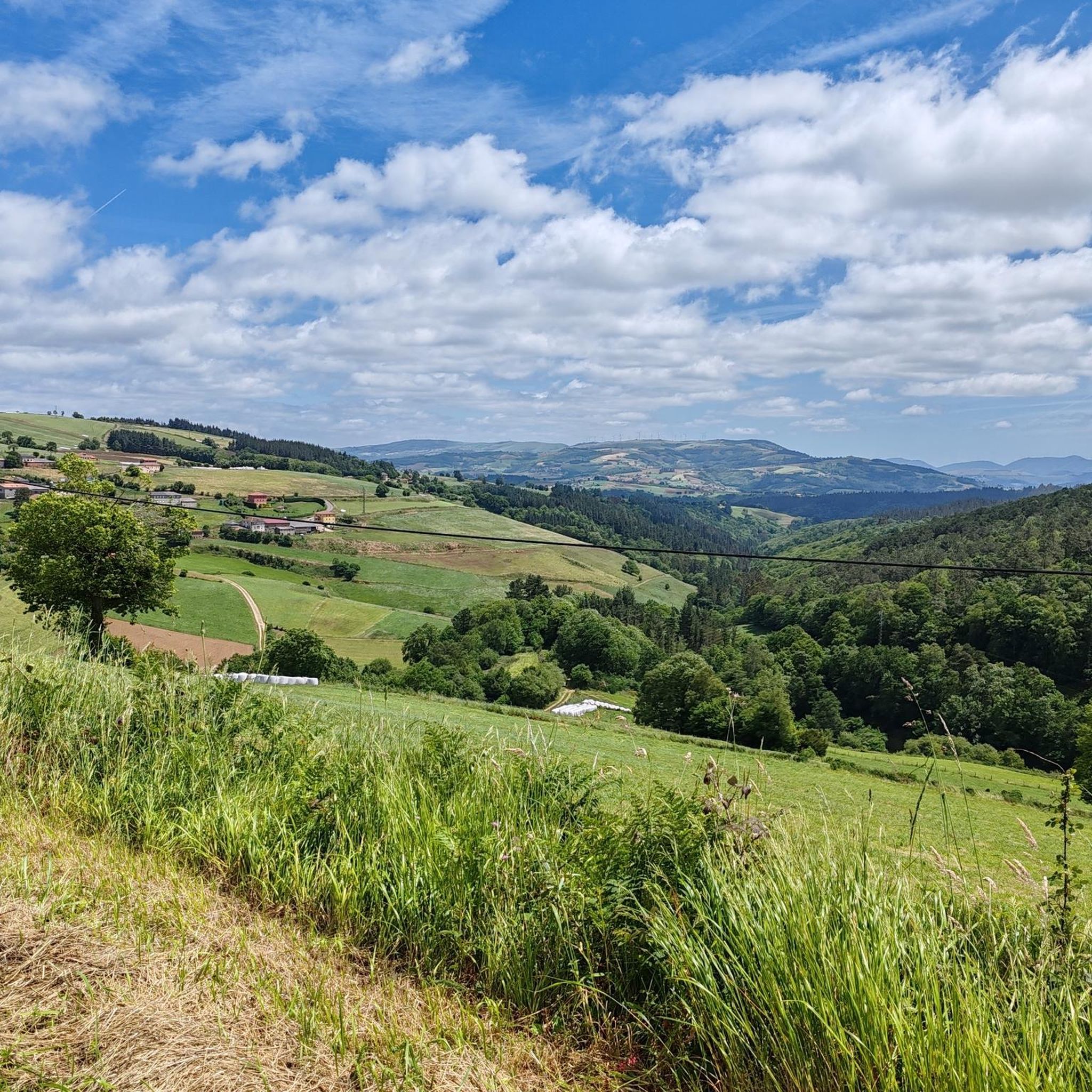
The climb to Alto de Chavadoira on the southern slope, from Pola de Allande, is one of those ascents that best defines the character of western Asturias: narrow roads, mountainous surroundings, a steady gradient, and the feeling of being in a place far from the noise. It's not a mountain pass with impressive numbers, but it is one of continuity. The road itself is in good condition, but its narrowness and the presence of blind curves require caution, especially on the descent. Traffic is almost nonexistent, which enhances the experience, but doesn't eliminate the need to remain alert at all times. In terms of weather, the pass reflects the reality of the Asturian mountains: humidity, fog, and temperature changes are frequent, so it's advisable to always wear appropriate clothing even if the day seems stable at the start. Here's the link to the altimetry published by @cyclingcols.com -- https://www.cyclingcols.com/col/Lavadoira
1
0

It is not too hard or long but it is very enjoyable.
0
0
Beautiful peak next to Pola de Allande
0
0

The Santa Ana peak is only 710 meters above sea level, but the ascent along the road offers spectacular views.
0
0
One of the great Asturian mountain passes, without a doubt. Generally unknown to the general public, it's rarely used in professional races. It has two clearly distinct slopes. The southern slope, which begins in Pola de Allande, is gentle and steady, along a road in good condition. It shares much of its climb with Puerto del Palo, which it turns off from just 3 km from the summit of Puerto de la Marta. The northern slope, which comes from Villayon, is uneven, with very tough sections and several rest stops and descents. It reminds me a lot of the Croix-de-Fer from Sant Jean de Maurienne, not because of the landscape, but because of the type of pass.
0
0
It is one of the mountains that surround the town of Cangas del Narcea, to the north. It is so named because the village of Santa Ana is located on that same peak. It has an altitude of 710 meters, as indicated by the two signs at the summit, both on the southeast slope (which rises from Cangas del Narcea) and the western slope, which starts from the town of Noceda. Its two slopes are different, with the Cangas del Narcea slope being much tougher, with a demanding final 3 kilometers and a final ramp with a pair of hairpin bends at 11%. The views from the top are limited, but until you reach the top on both sides, the panoramic views are beautiful. Perhaps more spectacular from the western slope.
0
0
It's one of the major mountain passes in southwestern Asturias. It connects Pola de Allande with Berducedo. It's part of the northern variant of the Camino de Santiago. Highly recommended for its views, whether climbing its two slopes or from its summit.
0
0
Spectacular climb, quite comfortable because it doesn't have steep ramps, but be careful, it goes up a steep slope.
0
0
Frequently Asked Questions
What are the most notable mountain passes in the Tineo region?
The Tineo region features several significant mountain passes. Among the most notable are Alto de La Marta, known for its expansive views from the Cantabrian Mountains to the Cantabrian Sea, and Puerto del Palo Pass, a key crossing point on the Camino de Santiago Primitivo offering magnificent vistas from its 1146-meter height. For a challenging cycling experience, the Ascent to Alto de la Marta via Villayón is considered one of western Asturias' most demanding climbs.
What kind of views can I expect from the mountain passes around Tineo?
From the summits of Tineo's mountain passes, you can expect breathtaking panoramic views. For instance, Alto de La Marta offers vistas stretching from the Cantabrian Mountains all the way to the Cantabrian Sea. Other passes like Puerto del Palo Pass and Alto de Santa Ana also provide beautiful scenic outlooks, often showcasing the rugged Asturian landscape, forests, and valleys.
Are there challenging routes for experienced cyclists in Tineo?
Yes, Tineo is well-regarded for its challenging cycling routes. The Ascent to Alto de la Marta via Villayón is particularly noted as one of the most demanding climbs in western Asturias, featuring tough sections and acceptable asphalt with minimal traffic. Alto de La Marta itself offers varied slopes that provide a rewarding challenge for cyclists. Additionally, Alto de Lavadoira is a well-known local road pass for cyclists, characterized by narrow roads and a steady gradient.
What is the best time of year to visit the mountain passes in Tineo?
The best time to visit the mountain passes in Tineo is generally during the warmer months, from late spring to early autumn (May to October). During this period, the weather is more stable, and the trails are typically clear of snow, making hiking and cycling more enjoyable. However, the Asturian mountains can experience humidity, fog, and temperature changes frequently, so it's always advisable to wear appropriate clothing and be prepared for varying conditions.
What outdoor activities can I do near the mountain passes in Tineo?
The mountainous terrain around Tineo offers a variety of outdoor activities. You can explore numerous hiking trails, including sections of the historic Camino Primitivo. For cyclists, there are challenging road cycling routes. You can find more details and specific routes in the Hiking around Tineo guide, the Road Cycling Routes around Tineo guide, and the Running Trails around Tineo guide.
Are there any sections of the Camino Primitivo that pass through Tineo's mountains?
Yes, Tineo is a key point on the Camino Primitivo (Original Way) of the Camino de Santiago, which is known for its mountainous terrain. Several stages within and around Tineo involve significant climbs and descents. For example, the stage from Salas to Tineo includes steep climbs and undulations through rural landscapes and forests. The Puerto del Palo Pass is a direct crossing point on the Camino Primitivo, and Alto de La Marta is part of the 'hospital stage' of the Camino.
What is the elevation of the mountain passes in Tineo?
The mountain passes in Tineo vary in elevation, offering diverse experiences. Puerto del Palo Pass reaches 1146 meters, while Alto de La Marta stands at 1105 meters. Other passes like Alto de Santa Ana are at a lower altitude of 710 meters but still offer challenging ascents and beautiful views.
What should I bring when hiking or cycling in the Tineo mountain passes?
Given the varied terrain and weather conditions in the Asturian mountains, it's advisable to bring appropriate clothing for all weather, including layers for temperature changes, rain gear, and sturdy footwear for hiking. For cyclists, ensure your bike is in good condition and carry repair essentials. Always bring sufficient water and snacks, a map or GPS device, and a fully charged phone. Sun protection is also recommended.
Are there any less-trafficked mountain passes for a more serene experience?
Many of the mountain passes and routes in Tineo, especially those away from main roads, offer a serene experience with minimal traffic. The southern slope of Alto de La Marta from Pola de Allande is described as gentle and steady with a good road. The Alto de Lavadoira is known for its narrow roads and almost nonexistent traffic, enhancing the feeling of being in a remote, quiet place.
What do visitors enjoy most about the mountain passes around Tineo?
Visitors frequently highlight the stunning panoramic views, the rewarding challenge of the climbs for both hikers and cyclists, and the sense of immersion in nature. The connection to the historic Camino Primitivo also adds a unique cultural and historical dimension to the experience. Many appreciate the quiet, less-trafficked roads and trails that allow for a peaceful exploration of the rugged Asturian landscape.
Are there any specific natural features or landmarks to look out for?
Beyond the passes themselves, the region is rich in natural beauty. From Alto de La Marta, you can see the ancient Roman gold mine "La Freita." The Camino Primitivo stages often pass through beautiful rural landscapes, forests of beech and oak, and areas with wind turbines. The mountainous terrain itself, with its distinct slopes and varied flora, is a key natural feature.
Can I find circular routes that incorporate these mountain passes?
Yes, the region offers possibilities for circular routes. For example, Alto de Lavadoira can be integrated into several loops starting or finishing in Pola de Allande. Cyclists can also find routes like the "Alto de la Marta and Alto de Porciles Loop from Navelgas" in the Road Cycling Routes around Tineo guide, allowing for comprehensive exploration of the area's passes and scenery.
Most popular attractions around Tineo

Get inspired with the komoot mobile app


Explore more
See even more epic mountain passes by checking out these guides around Tineo:
