Top 20 Natural Monuments around Valsequillo De Gran Canaria
Best natural monuments around Valsequillo De Gran Canaria include a variety of geological formations and ecological sites. This inland municipality on Gran Canaria features volcanic craters, deep ravines, and high summits. These natural areas provide opportunities for hiking and observing the island's unique flora and volcanic origins.
Best natural monuments around Valsequillo De Gran Canaria
- The most popular natural monuments is Roque Nublo, a natural_monument considered the symbol of Gran Canaria, measuring about 80 meters high. It was historically…
Last updated: July 1, 2026
Roque Nublo
Highlight • Natural Monument
Showing Translation
Tip by

Pico de las Nieves summit
Highlight • Summit
Translated by Google •
Tip by

Sign up now to discover places like this
Get recommendations on the best single tracks, peaks, & plenty of other exciting outdoor places.
Sign up for free
Crest Trail – Bandama Caldera
Highlight (Segment) • Trail
Translated by Google •
Tip by

Canary Pine Forest near Roque Nublo
Highlight • Forest
Showing Translation
Tip by

Large Waterfall
Highlight • Waterfall
Translated by Google •
Tip by

Sign up for free to discover even more natural monuments around Valsequillo De Gran Canaria.
Sign up for free
Already have an account?
Start today with a free account
Your next adventure awaits.
Login or Signup
Popular around Valsequillo De Gran Canaria
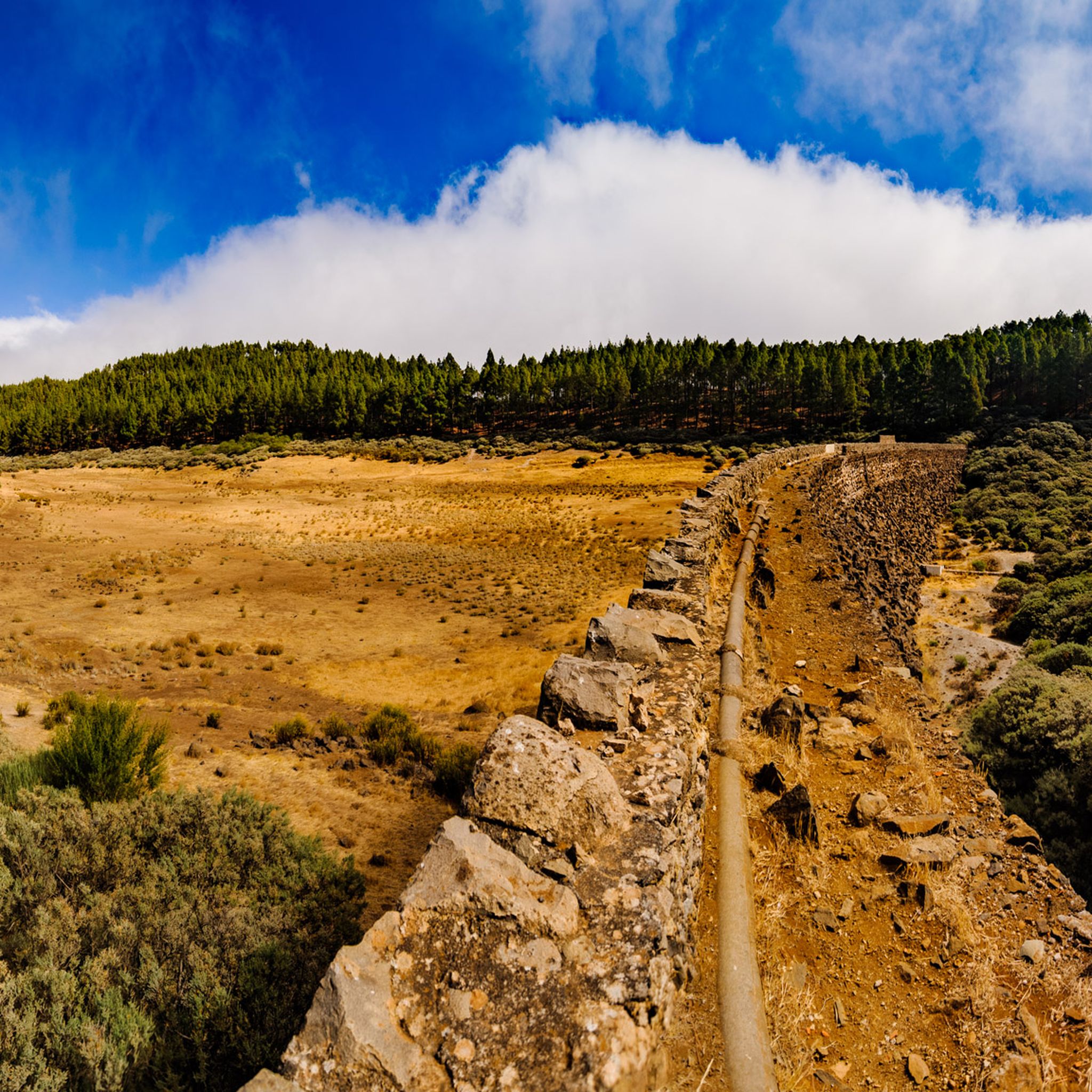
Hiking around Valsequillo De Gran Canaria
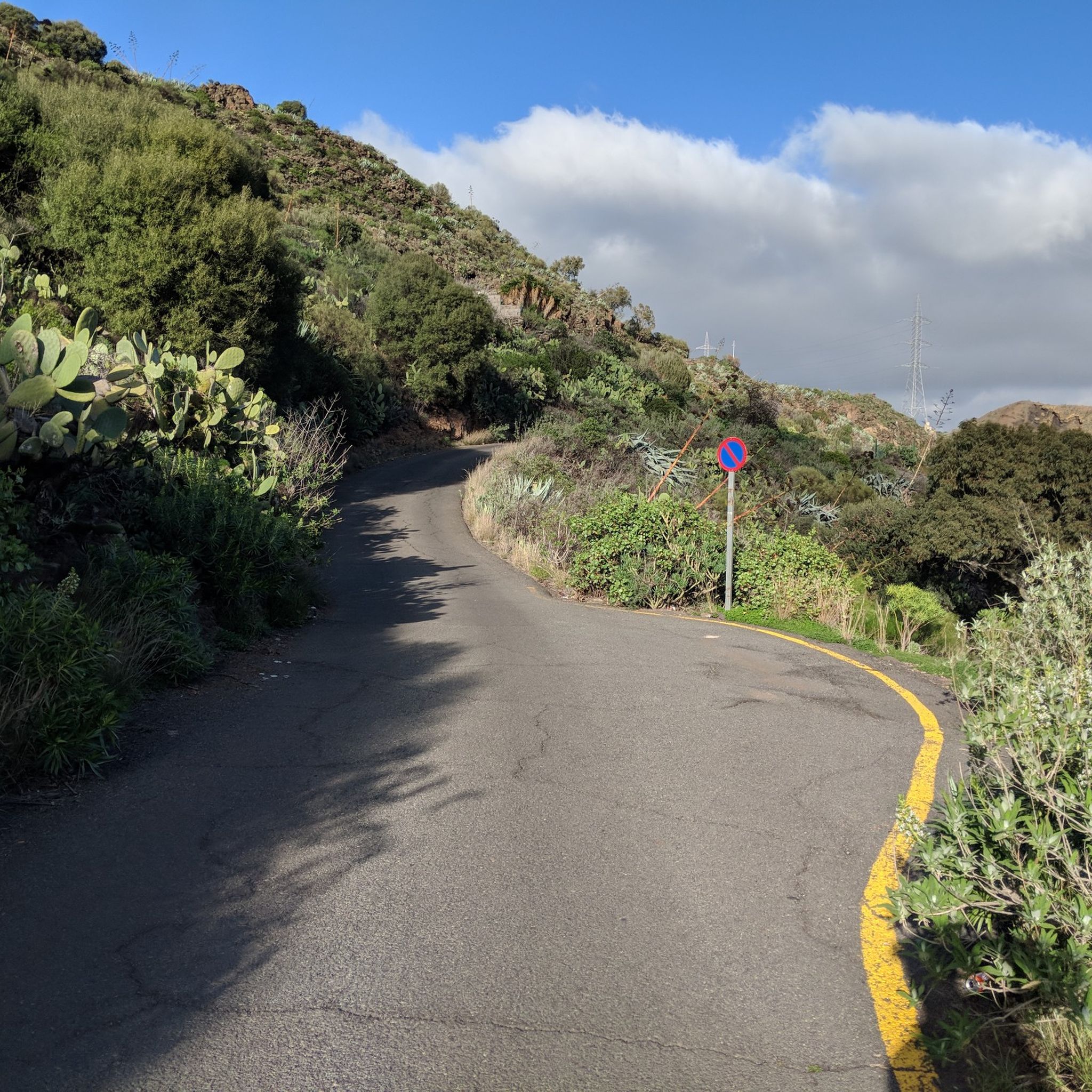
Road Cycling Routes around Valsequillo De Gran Canaria
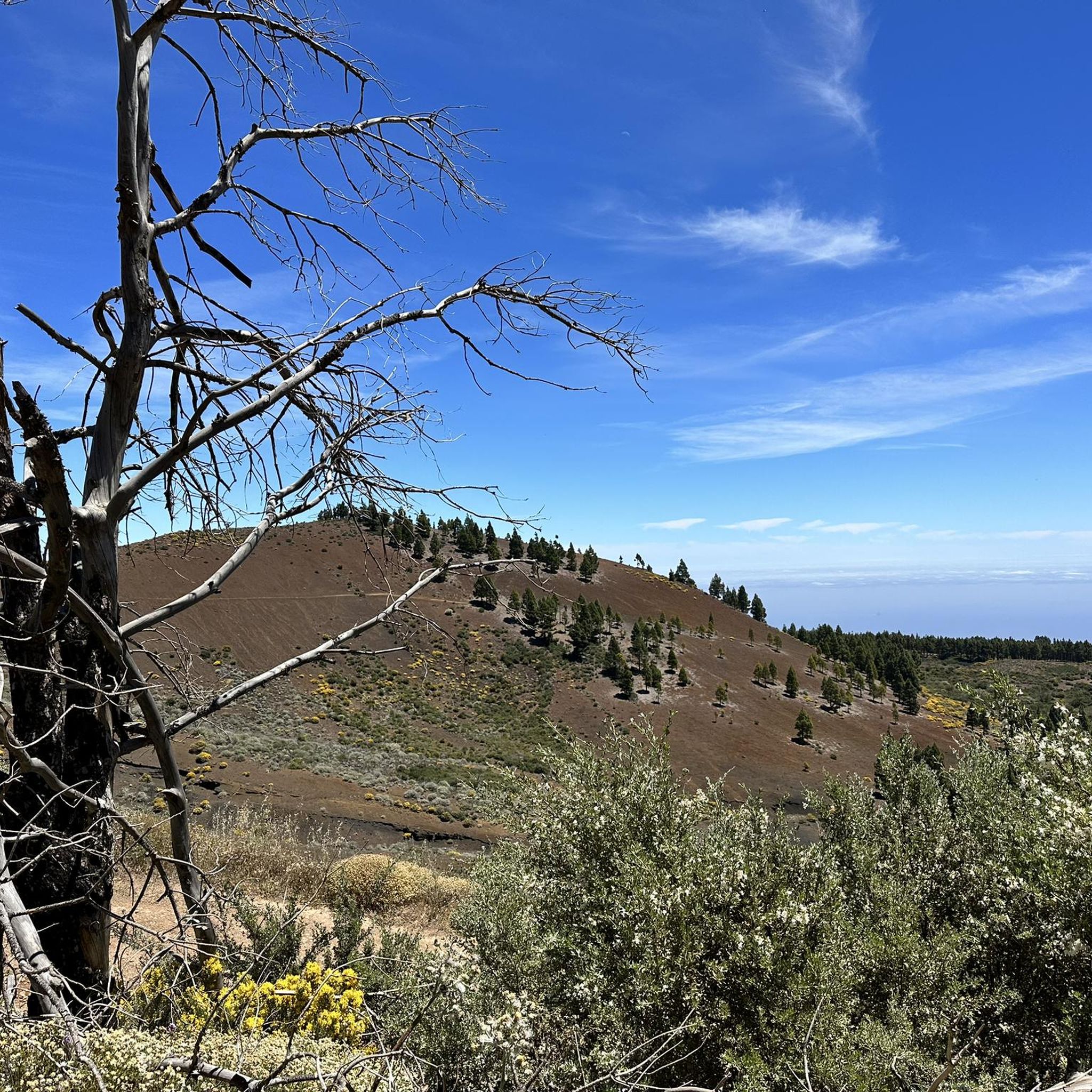
MTB Trails around Valsequillo De Gran Canaria
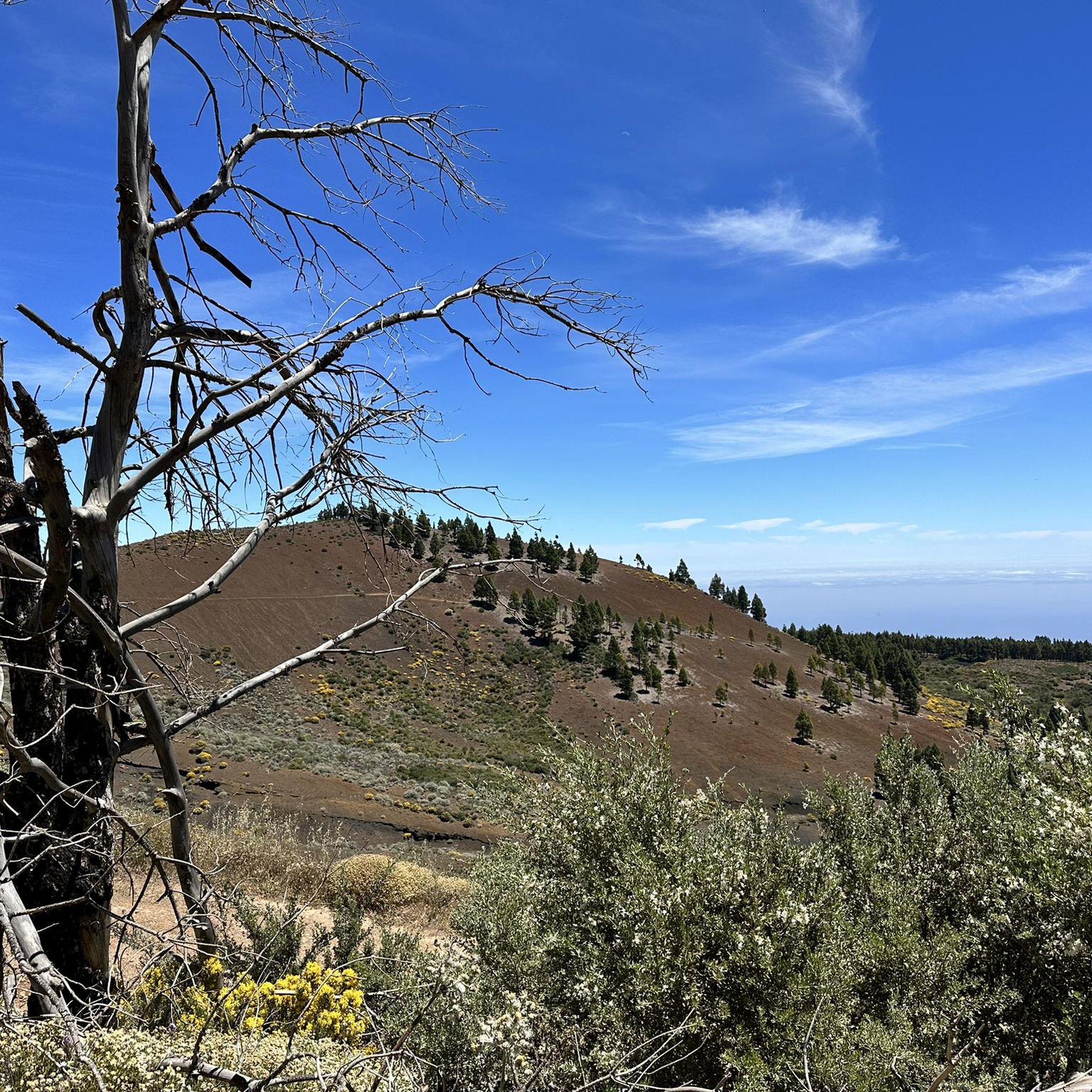
Cycling around Valsequillo De Gran Canaria
Running Trails around Valsequillo De Gran Canaria
Mountain Hikes around Valsequillo De Gran Canaria

Gravel biking around Valsequillo De Gran Canaria
Tips from the Community

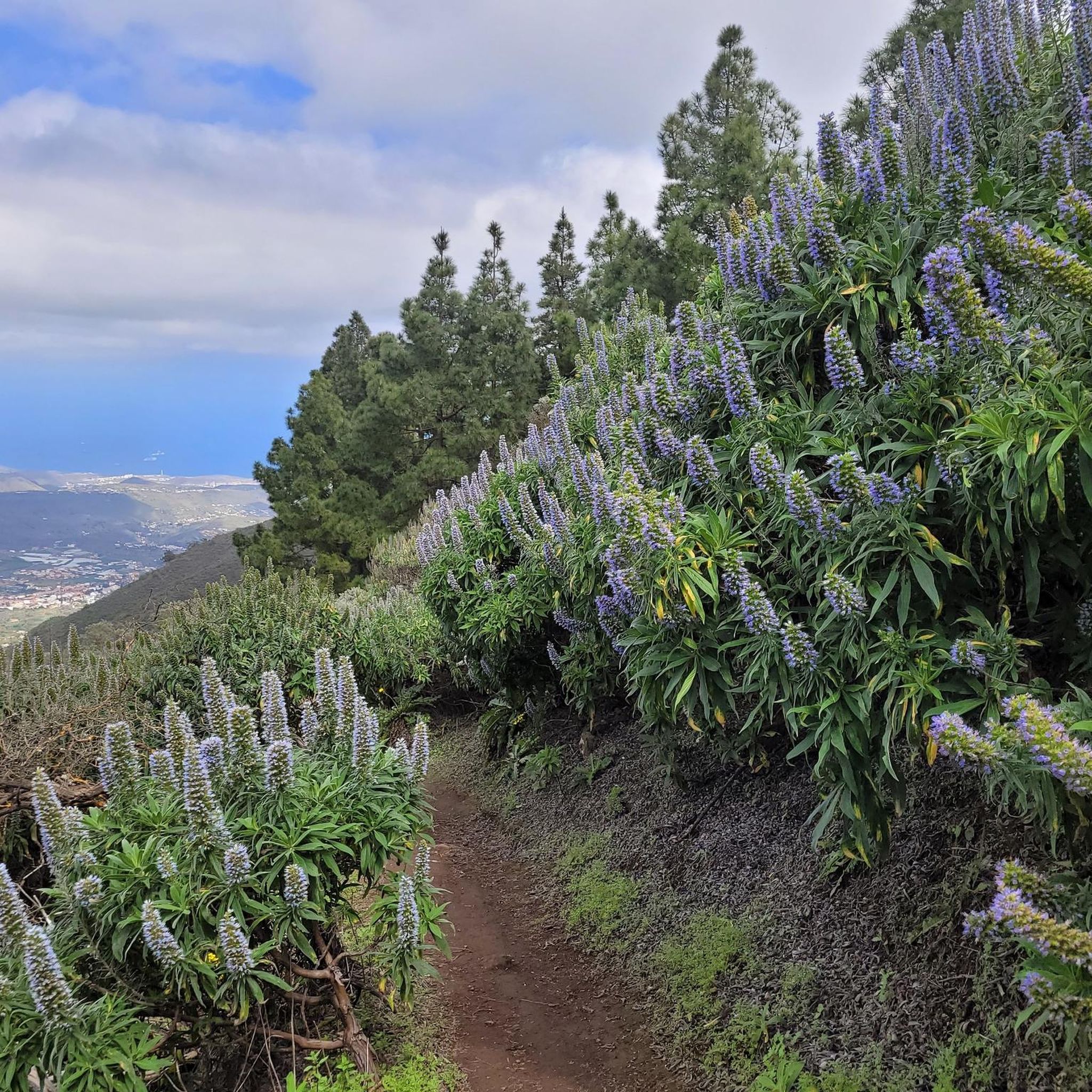
Our path to Roque Nublo leads here through a sparse pine forest.
0
0

A short but very scenic ridge trail around the GCc "youngest" volcanic crater – the last eruption of the Caldera de Bandama was about 2000 years ago – which measures approximately 210 meters deep, 580 meters high, and about 1 km in diameter. The trail is easy to walk, close to the sea (and therefore more stable in the weather than the mountains behind it), and offers beautiful views down into the valley, though not so much solitude... but that's okay, it's not crowded.
1
0

The Canary Islands Kuegern have particularly long needles and were all planted by hand. They contribute to the production of drinking water, because the mist falls to the ground as drops like rain. Great and very special
2
1

It is very worthwhile to climb up to Roque Nublo not only to see the rock formation itself, but also to enjoy the spectacular views it offers from above. The sunsets are incredible.
3
1

At the end of the path is this impressive waterfall. There are several giant rocks where you can sit and admire their beauty. It really is a magical environment that is worth visiting. There is a path that continues up the ravine and passes more waterfalls, but it is closed due to the danger of landslides.
3
0

It's a beautiful tour to the waterfall that's a lot of fun. The path further is closed and makes sense, as the upper path is only for people with mountain experience. In addition, at some point the paths can no longer be clearly found. You have to like something like that 😉
3
0
The Bandama Nature Park (Spanish: Monumento Natural de Bandama) is a protected landscape area in the northeast of the island of Gran Canaria, in the Spanish province of Las Palmas. It consists of two clearly defined units: the mountain peak Pico de Bandama and the Caldera de Bandama. Origin of the name: The name Bandama is not of Spanish origin. It is derived from the Flemish merchant Daniel Van Damme, who ran a very successful winery in the Caldera in the 16th century. This man's will is the first written documentation of winegrowing in this area of the island. The wine presses, some of which are still preserved today, and the associated fermentation tanks (lagares), in which the grapes were mashed, are among the oldest of their kind on Gran Canaria. Source: https://de.m.wikipedia.org/wiki/Naturpark_Bandama
2
1

Very nice views of an impressive landscape. Make sure your shoe soles have a good profile. The ground is quite slippery in some places.
1
0
Frequently Asked Questions
What are some of the most popular natural monuments to visit around Valsequillo de Gran Canaria?
Visitors frequently enjoy the iconic Roque Nublo, a significant symbol of Gran Canaria. Another highly rated spot is the Pico de las Nieves summit, offering breathtaking views as the island's highest point. The Crest Trail – Bandama Caldera is also a favorite for its impressive volcanic landscape.
What makes the natural monuments in Valsequillo de Gran Canaria unique?
The natural monuments in Valsequillo de Gran Canaria are characterized by their volcanic origins, featuring impressive craters like the Caldera de Los Marteles and the Caldera de Tenteniguada. They also boast deep ravines such as Barranco de Los Cernícalos, which is home to one of the island's finest wild olive tree groves and unique endemic flora, including the distinctive blue tajinaste.
Are there easy hiking trails suitable for families near Valsequillo de Gran Canaria's natural monuments?
Yes, the Barranco de Los Cernícalos, known for its beautiful waterfalls, offers trails that are generally considered easy to moderate. Approximately 80% of the path is flat, making it suitable for families with children, though some sections require careful footing. You can find the Large Waterfall within this ravine.
When is the best time of year to visit the natural monuments in Valsequillo de Gran Canaria?
The natural monuments can be enjoyed year-round. However, for lush greenery and blooming flora, especially the blue tajinaste in Caldera de Tenteniguada, visiting between February and April is ideal. During wetter months, the Caldera de Los Marteles also transforms into a vibrant green landscape. For hiking, milder temperatures outside of the peak summer heat are often preferred.
What kind of wildlife and flora can I expect to see in these natural areas?
Valsequillo's natural monuments are rich in biodiversity. Barranco de Los Cernícalos, for instance, supports one of the largest Canary willow forests in the archipelago, with over half of its flora being endemic to the Canary Islands and 10% exclusive to Gran Canaria. The Caldera de Tenteniguada is also known for its abundant endemic flora, including the striking blue tajinaste.
Are there any natural monuments with historical or cultural significance in the area?
Yes, Roque Nublo holds significant historical importance. It was considered a sacred mountain by the Guanches, the aboriginal inhabitants of Gran Canaria, who built a place of worship at its foot for sacrifices to the Sun god.
What outdoor activities can I do near these natural monuments?
Beyond hiking, the region offers various outdoor activities. You can find numerous road cycling routes, such as the 'View of Teror' loop, or explore MTB trails like the 'Caldera de los Marteles – Pico de las Nieves summit' loop. For runners, there are challenging routes like the 'Mina de los Llanetes' loop. You can find more details on these activities in the Road Cycling Routes, MTB Trails, and Running Trails guides for Valsequillo de Gran Canaria.
What should I pack for a hike to the natural monuments?
For hikes to natural monuments like Roque Nublo or the Bandama Caldera, sturdy shoes with good soles are essential, especially for sections with loose lava grit. It's also advisable to bring water, a hat, and a windbreaker, as higher altitudes like Pico de las Nieves can be fresh and windy, even cloudy.
Are there any natural monuments that offer panoramic viewpoints?
Absolutely. The Pico de las Nieves summit, the highest point of Gran Canaria, provides spectacular panoramic views, often extending towards the south. Roque Nublo also offers breathtaking vistas of other nearby rock monoliths and the surrounding landscape.
What is the Caldera de Los Marteles and how was it formed?
The Caldera de Los Marteles is an impressive elliptical volcanic crater, approximately 500 meters in diameter and 80 meters deep. It was formed by an explosive volcanic eruption, specifically a maar caldera, which occurs when magma interacts with groundwater, creating a deep, circular depression. This geological formation is part of the Los Marteles Special Nature Reserve.
Can I find waterfalls in the natural monuments around Valsequillo de Gran Canaria?
Yes, the Barranco de Los Cernícalos is particularly renowned for its picturesque hiking trails featuring several waterfalls of varying sizes. The Large Waterfall is a prominent feature at the end of one of its trails, offering a magical environment to visitors.
What are the Roques de Tenteniguada?
The Roques de Tenteniguada are spectacular phonolitic rock formations located within the Caldera de Tenteniguada. This erosive volcanic caldera is characterized by sharp, semicircular cliffs carved from volcanic agglomerate and lavas, with these roques being distinctive geological features of the landscape.
Most popular routes around Valsequillo De Gran Canaria
Most popular attractions around Valsequillo De Gran Canaria

Get inspired with the komoot mobile app


Explore more
Extend your search for the best caves by checking out these guides of the top ones around Valsequillo De Gran Canaria:
