Top 20 Natural Monuments around Bueu
Best natural monuments around Bueu showcase the municipality's rich natural heritage, particularly along its coastline and inland waterways. The region features significant natural areas like Cabo Udra, a protected Special Conservation Area known for its 8 km of rocky coastline, diverse flora and fauna, and unique geological formations. This area offers varied landscapes, from ancient igneous rocks sculpted by erosion to serene beaches. Bueu's natural monuments provide opportunities to explore coastal features, historical sites, and tranquil natural settings.
Best natural…
Last updated: May 20, 2026
Waterfall on the Senda del Agua
Highlight • Waterfall
Translated by Google •
Tip by

Ulló Salt Flats
Highlight • Structure
Translated by Google •
Tip by

Sign up now to discover places like this
Get recommendations on the best single tracks, peaks, & plenty of other exciting outdoor places.
Sign up for free
Cabo Home Lighthouse
Highlight • Monument
Translated by Google •
Tip by
Punta Robaleira Lighthouse
Highlight • Monument
Translated by Google •
Tip by
Poza da Moura
Highlight • Natural Monument
Translated by Google •
Tip by
Sign up for free to discover even more natural monuments around Bueu.
Sign up for free
Already have an account?
Start today with a free account
Your next adventure awaits.
Login or Signup

Tips from the Community


A small waterfall in the middle of the forest.
1
1

Along the northern coast of the Ría de Vigo is an incredibly diverse natural landscape where the fresh water of the rivers meets the salt water of the San Simón coast, near Vilaboa. This swampy aquatic environment is attractive to explore.
1
0

Former salt extraction area, now a nature reserve
1
0

At this point begins the Route of the Fondón river mills. Next to the trail, going up some wooden stairs, you can get a small sample of what this magical tour includes along pools and waterfalls. There is a fountain to refill your water bottle and several benches to sit down and relax.
4
1
Legend has it that many years ago a Moor arrived in the lands of Domaio with his beautiful daughter. The girl fell madly in love with a local farmer , meeting him in this place . The father , contrary to this relationship , surprised them in the puddle , killing the farmer . The blackberry maddened by pain, plunged into the puddle and disappeared. It is said that since then , on summer nights the moans of the blackberry can be heard , coming from the puddle . On the night of San Juan , according to legend , the blackberry appears in the puddle combing her wide hair with a gold comb .
1
0

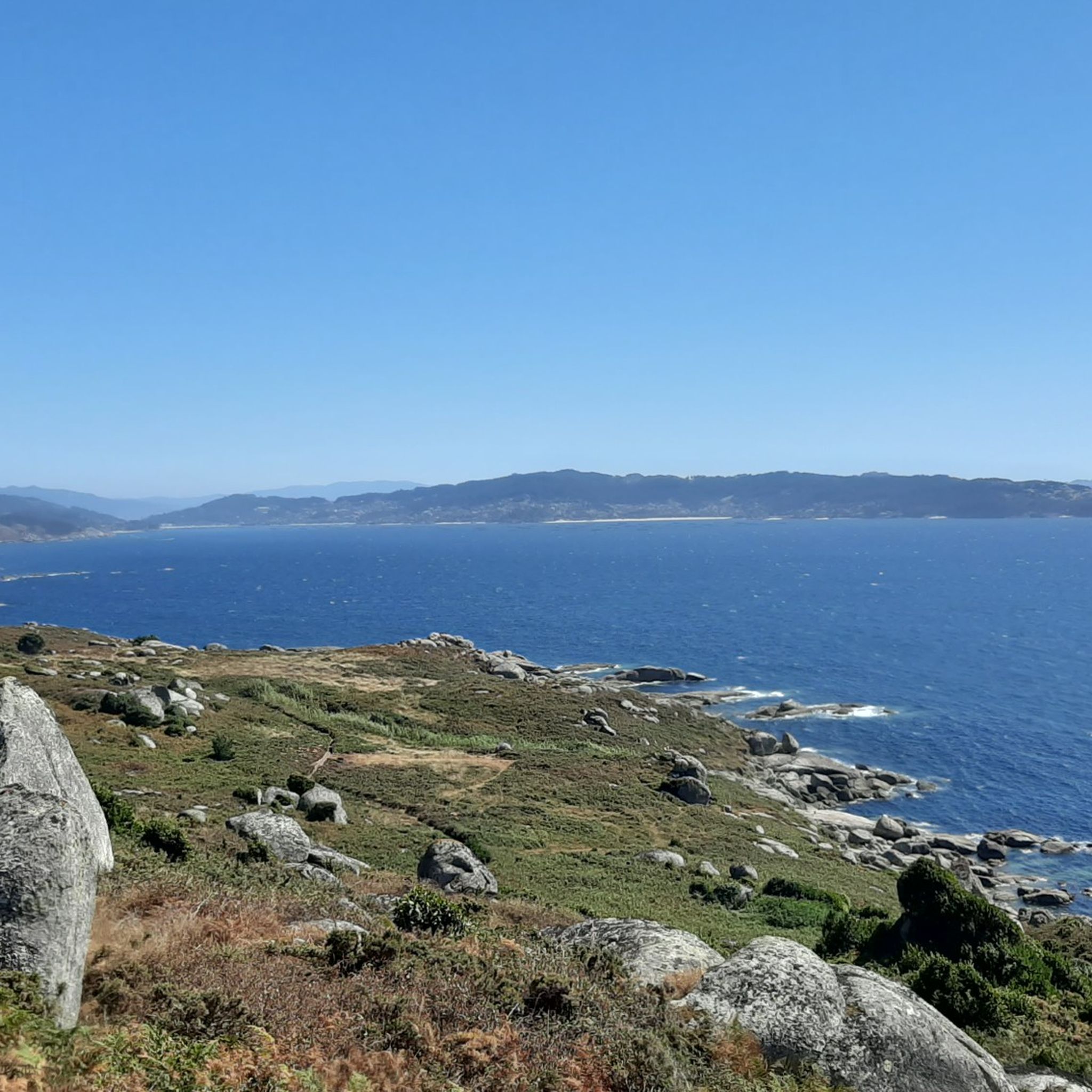
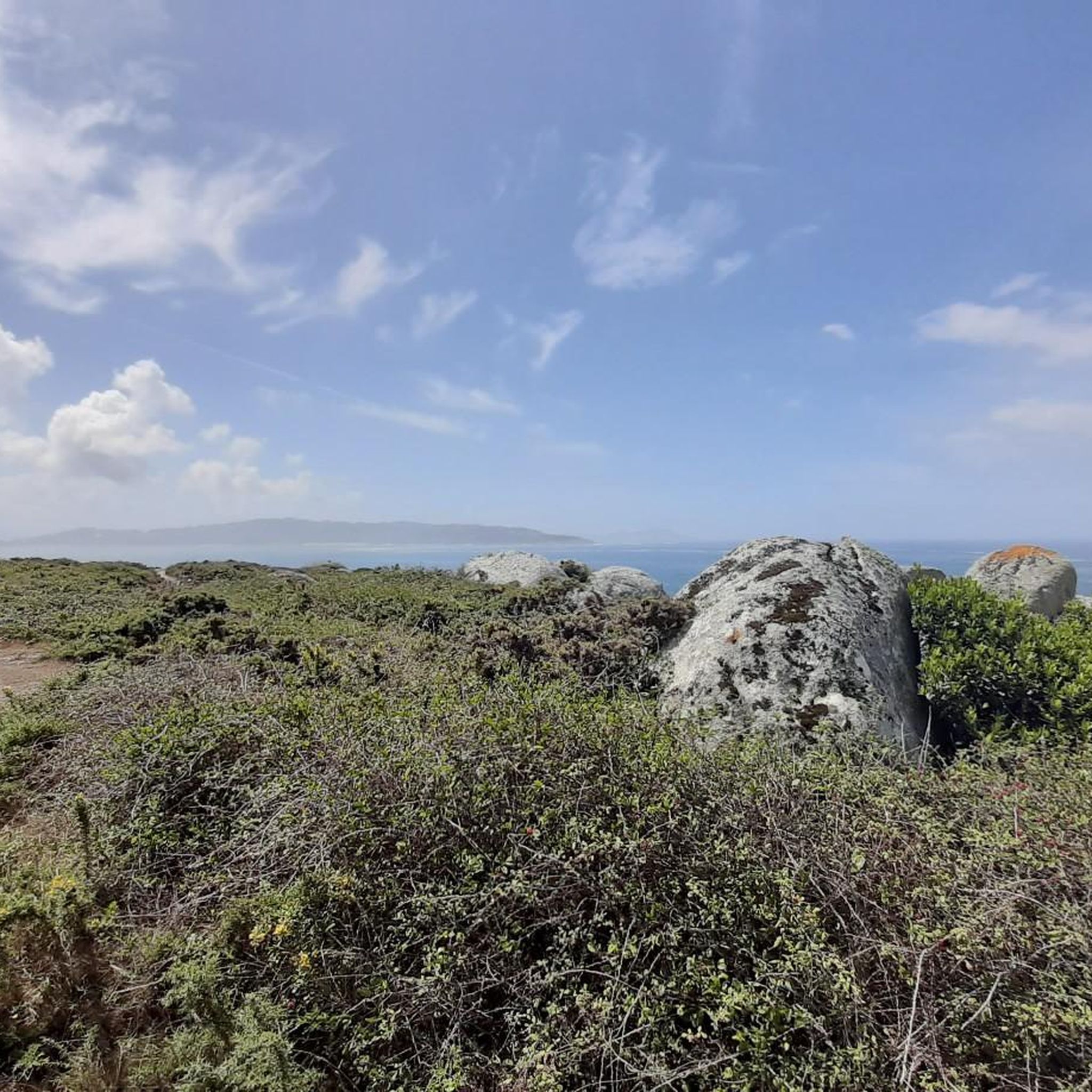
One of the two characteristic lighthouses of the Costa da Vela (next to Cabo Home).
1
0
Frequently Asked Questions
What kind of natural features and viewpoints can I expect to see around Bueu?
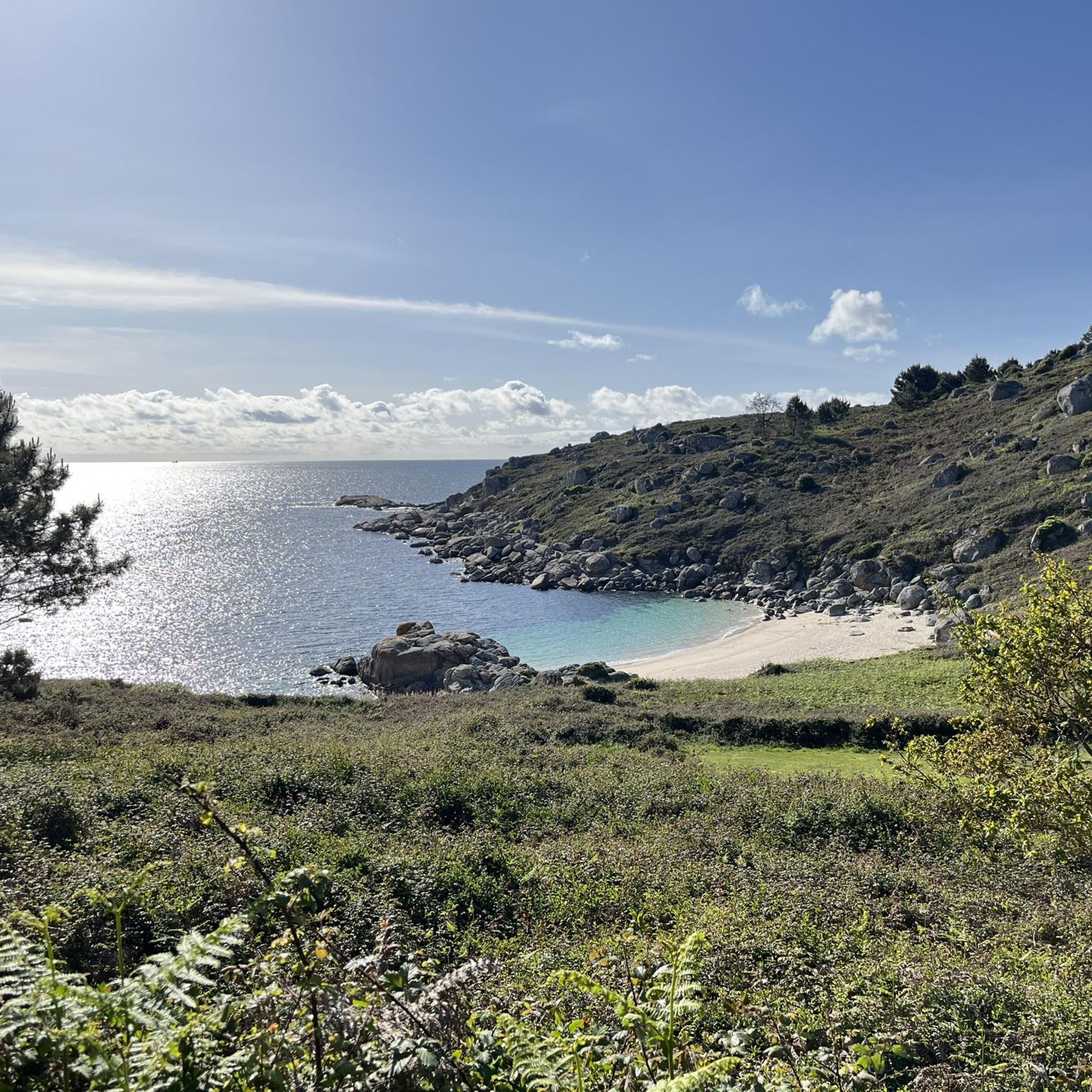
The natural monuments around Bueu offer a diverse range of features. You can explore the rocky coastline and unique geological formations of Cabo Udra, which also provides breathtaking views of the Rías de Pontevedra and Aldán, as well as the Ons Islands. Other notable features include the Waterfall on the Senda del Agua, serene beaches like Praia da Mourisca, and the historical Ulló Salt Flats where fresh and salt waters meet.
Are there hiking opportunities near the natural monuments in Bueu?
Yes, the region offers numerous hiking opportunities. Cabo Udra, for instance, has many trails with stunning coastal views. For more structured routes, you can find various options, including challenging mountain biking trails and scenic road cycling routes. Explore guides like MTB Trails around Bueu or Road Cycling Routes around Bueu for detailed information.
Are there family-friendly natural monuments or activities in the Bueu area?
Several natural monuments are suitable for families. The Waterfall on the Senda del Agua is a natural route with pools and waterfalls, offering a relaxing spot with benches. The Ulló Salt Flats are also family-friendly, providing an interesting natural reserve to explore. Additionally, the Punta Robaleira Lighthouse is easily accessible and offers beautiful views, making it a good option for families.
What historical or cultural significance do some of Bueu's natural monuments hold?
Many natural monuments in Bueu have historical and cultural significance. Cabo Udra features remains of ancient military barracks (Batería J-2) and the ruins of a pre-Roman 'castro' on Monte do Castro. The Ulló Salt Flats are a historical site dating back to the 17th century, once an active salt extraction area and now a nature reserve. These sites offer a glimpse into the region's past alongside its natural beauty.
Can I observe wildlife or unique plant life at these natural monuments?
Yes, particularly at Cabo Udra, which is a protected Special Conservation Area and part of the Natura 2000 Network. It's known for its diverse flora and fauna, making it an excellent spot for birdwatching, especially for marine birds. You can also find unique plant life adapted to strong winds, such as maritime gorse and low-lying heather.
Is there a place for wild swimming or bathing near the natural monuments?
Yes, you can find opportunities for wild swimming. The Poza da Moura is a natural bathing pool fed by a waterfall, accessible via a short path through a forest. Praia da Mourisca, located within Cabo Udra, also offers crystal-clear waters for swimming in a tranquil, natural setting.
What is the best time of year to visit the natural monuments around Bueu?
While specific recommendations vary, the natural monuments around Bueu can be enjoyed throughout the year. Spring and autumn offer pleasant temperatures for hiking and exploring. Summer is ideal for enjoying the beaches and natural bathing spots like Praia da Mourisca and Poza da Moura, though these areas can be more popular. The legend of Poza da Moura even suggests that on summer nights, and especially on San Juan night, the 'blackberry' appears there.
Are there any lighthouses among the natural monuments in Bueu?
Yes, the region is known for its lighthouses and markers. The Cabo Home Lighthouse is a prominent landmark, built in 1853, offering views of the Cíes Islands. Nearby, the Punta Robaleira Lighthouse, identifiable by its red color, also provides excellent views of the estuary.
What facilities are available at places like Praia da Mourisca?
Praia da Mourisca is renowned for its untouched, natural beauty and offers a tranquil experience. Due to its somewhat remote location, facilities are limited. This contributes to its peaceful atmosphere, making it ideal for those seeking a quiet beach experience away from crowds.
How can I learn more about the natural environment of Cabo Udra?
Cabo Udra has an Aula de la Naturaleza (Nature Classroom) which serves as an interpretation center. This center educates visitors about the natural, cultural, and biological values of the area, providing deeper insights into its ecological importance and unique features.
What are some unique geological features found in the natural monuments?
Cabo Udra is particularly notable for its geology. It features igneous rocks formed over 300 million years ago during the Hercynian Orogeny. These rocks have been sculpted by erosion into distinctive cubic blocks and rounded granite formations. The area also exhibits various erosion types, such as grooves from rainwater, 'pías' (small circular hollows), and 'cacholas' (cavities from chemical alteration).
Most popular attractions around Bueu

Get inspired with the komoot mobile app


Explore more
Extend your search for the best caves by checking out these guides of the top ones around Bueu:
