Top 20 Natural Monuments around Saragosse
Best natural monuments around Saragosse offer a diverse range of natural features, from riverine ecosystems to unique geological formations. The region's landscape is shaped by the Ebro River, creating wetlands and fertile areas. Visitors can explore a variety of natural sites, including protected parks and significant natural monuments. These areas provide opportunities to observe local flora and fauna within the Saragosse countryside.
Best natural monuments around Saragosse
- The most popular natural monuments is Galachos de Juslibol Interpretation Center, a…
Last updated: May 20, 2026
Galachos de Juslibol Interpretation Center
Highlight • Rest Area
These centers offer activities, guided tours and …
Translated by Google •
Tip by

Balsa de Larralde
Highlight • Lake
Translated by Google •
Tip by

Sign up now to discover places like this
Get recommendations on the best single tracks, peaks, & plenty of other exciting outdoor places.
Sign up for free
Cabezo de San Borombón
Highlight • Summit
Translated by Google •
Tip by
Muel Waterfalls
Highlight • Waterfall
Translated by Google •
Tip by
Galacho de La Alfranca Park
Highlight • Natural Monument
Translated by Google •
Tip by

Sign up for free to discover even more natural monuments around Saragosse.
Sign up for free
Already have an account?
Start today with a free account
Your next adventure awaits.
Login or Signup
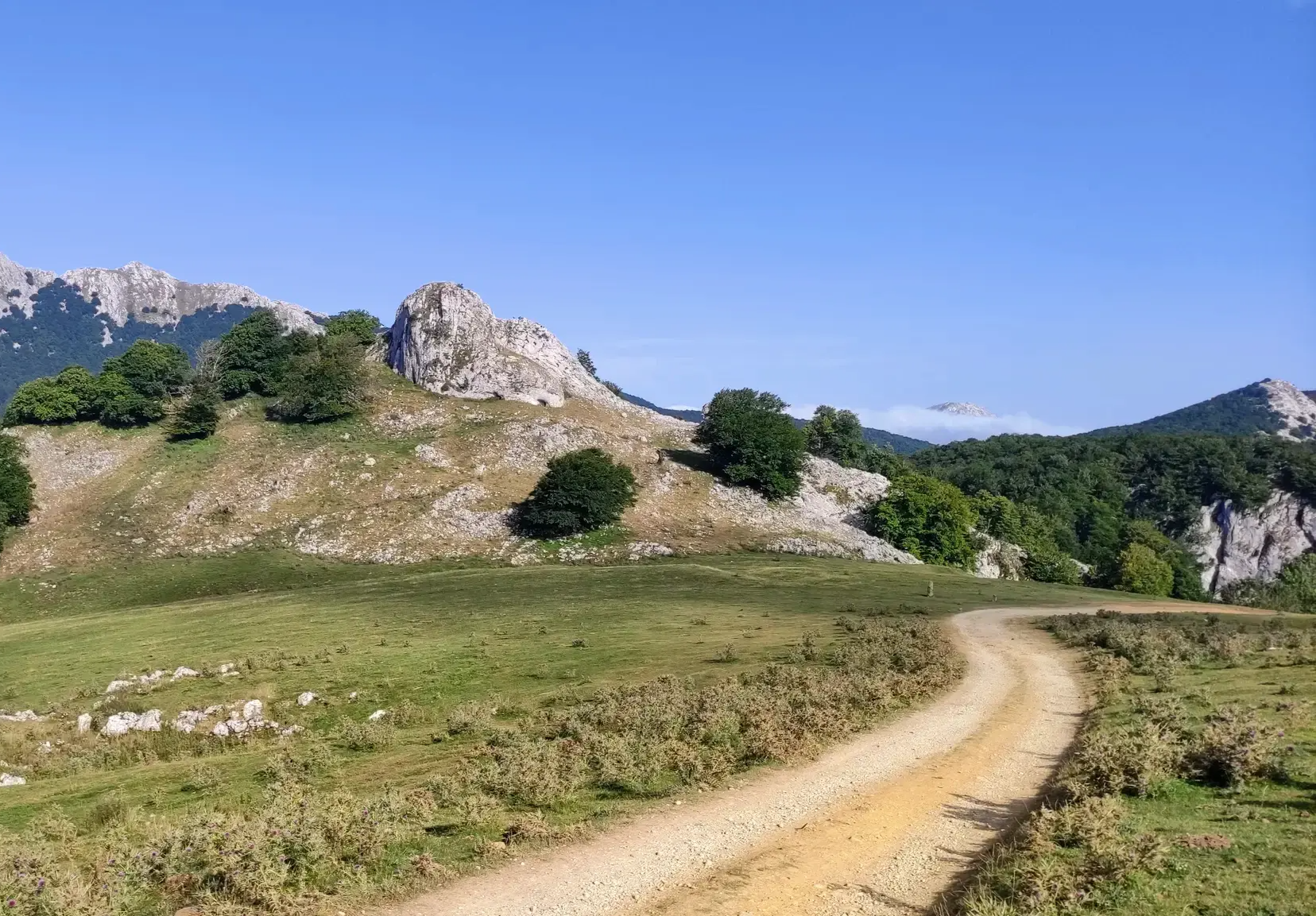
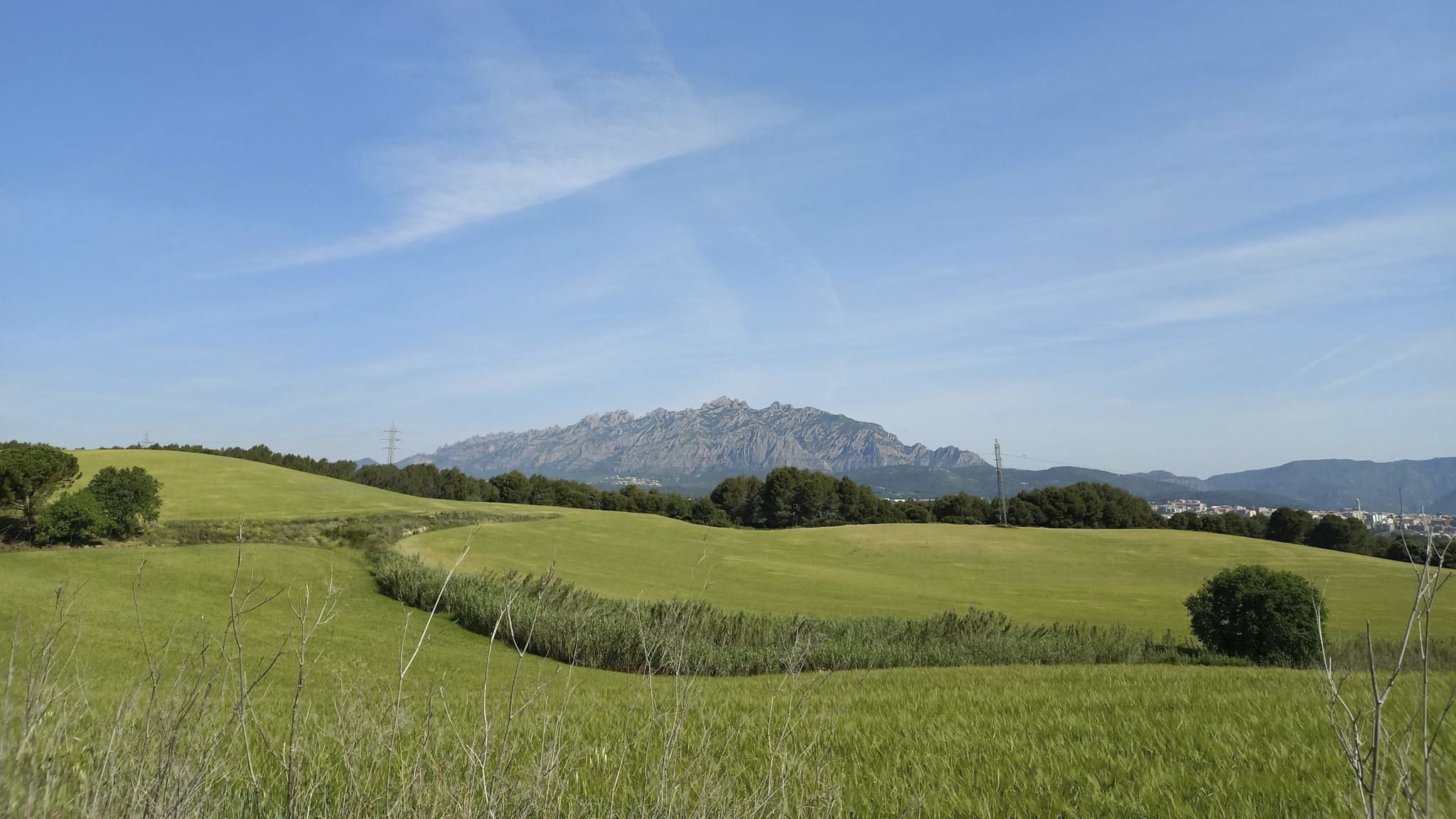
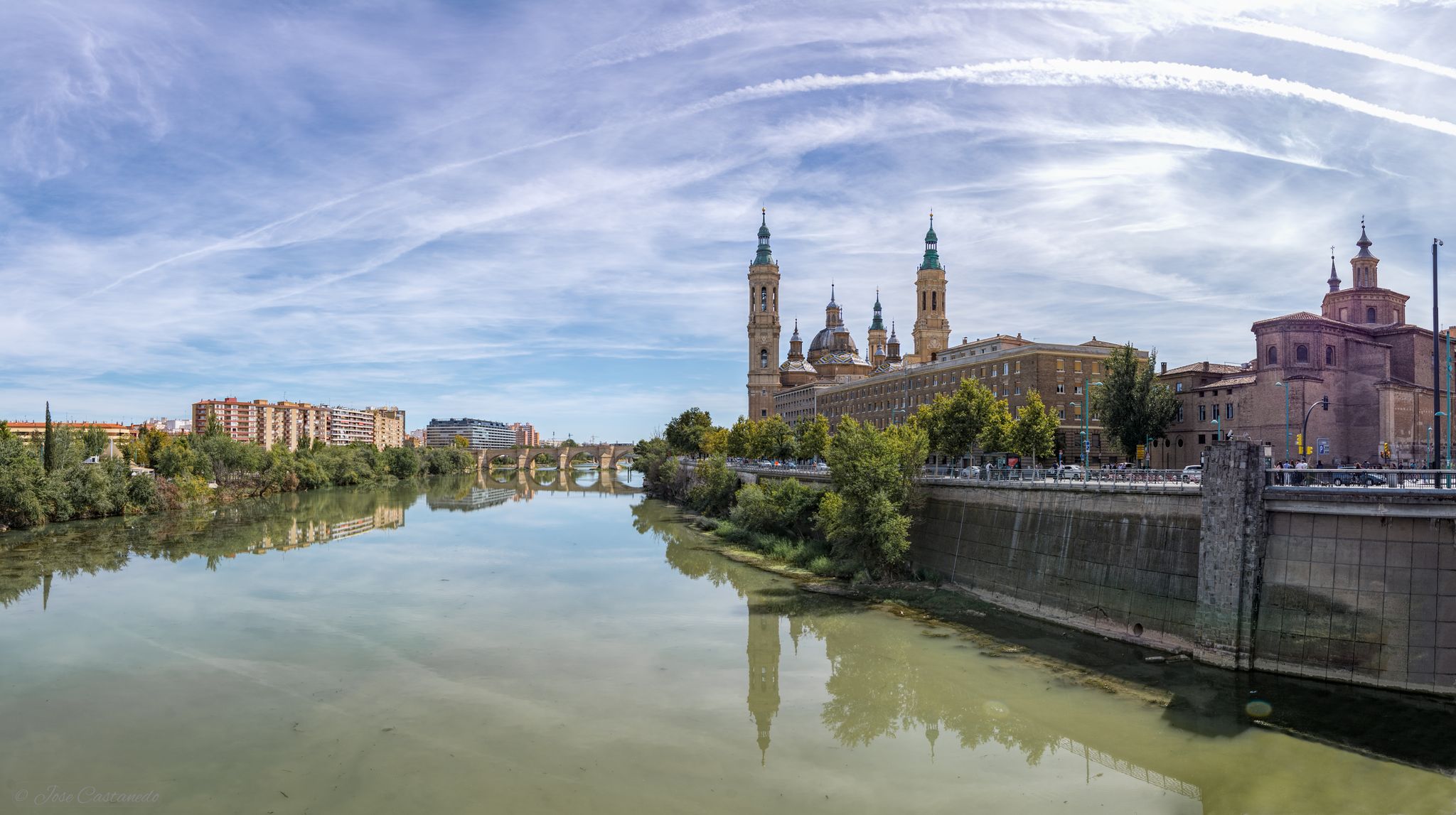
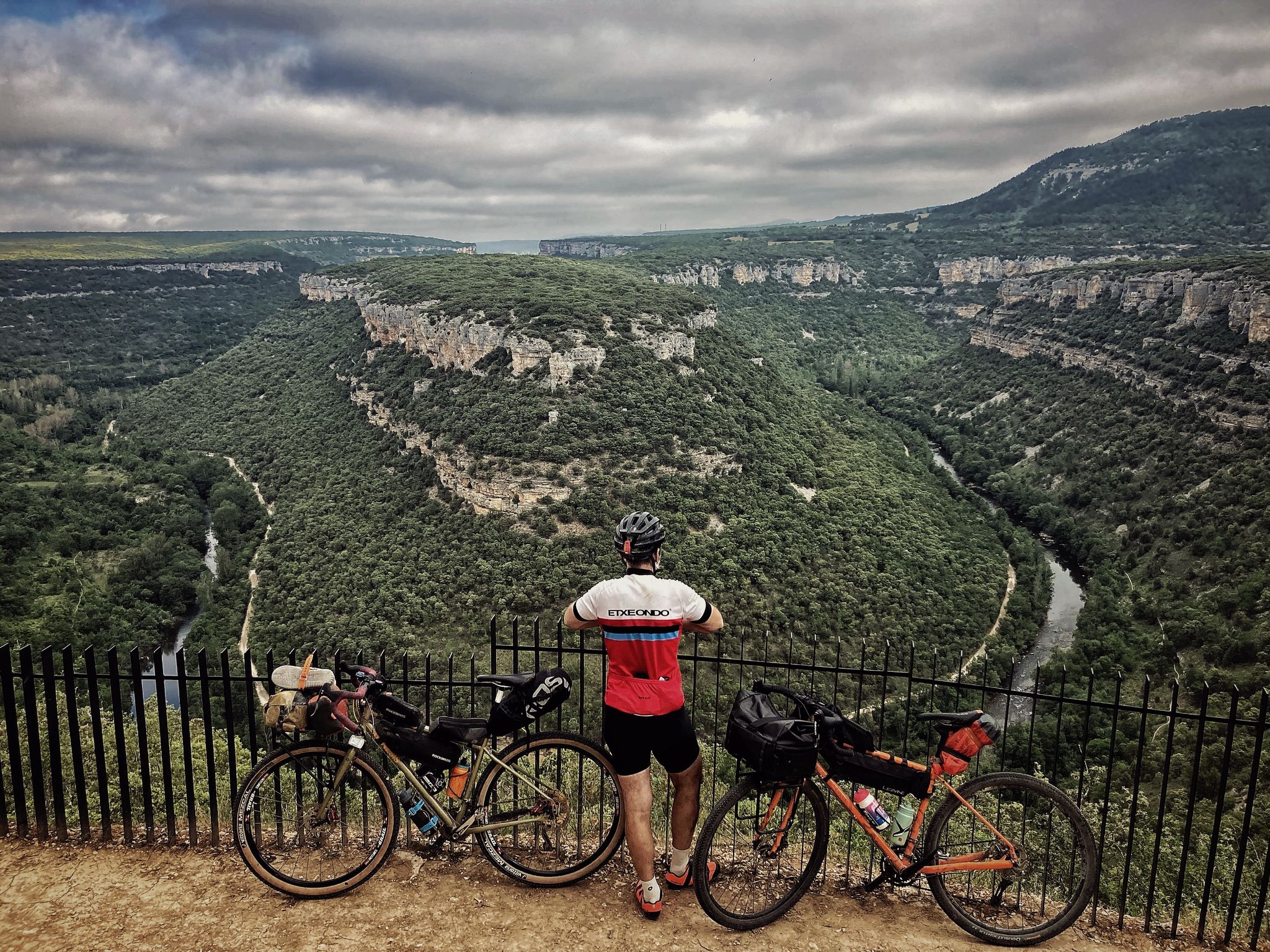
Other adventures around Saragosse


Tips from the Community

The Larralde raft is worth seeing, but not the rest.
0
0

Incredible, depending on the season the flow can vary greatly. We were lucky enough to pass through when there was a lot of water, it's impressive!
1
0

Highly recommended for a day out
0
0

Galachos de Juslibol Interpretation Centre. It was closed on Saturday when I was there.
2
0

El Galacho is a protected area of high natural value, where educational activities and walks are carried out to get to know nature. Until just two decades ago, cycling on interior roads was prohibited. Drive slowly, respect pedestrians and, above all, forget about the rush as you cross the Galacho. Others will appreciate it, and so will you.
0
0

Be sure to stop and walk up the steps for about 5 minutes. From there you have an absolutely fantastic view towards Zaragoza and the Galalcho de Juslibol - a wetland of an old branch of the Rio Ebro.
2
0

The Cabezo San Borombón is a place of great interest in the town of Muel. Next Sunday, July 14, 2024, the 12th edition of the Trail Muel: Cabezo de San Borombón will be held in Muel. In summary, Cabezo San Borombón and its surroundings offer a unique combination of nature, history and sport. An experience worth living! 🏃♂️🏞️🌟
3
0
In Zaragoza, you can find several interpretation centers that will allow you to learn more about the nature and heritage of the region. These centers offer activities, guided tours and an educational experience for anyone interested in exploring the nature and history of Aragon.
4
0
Frequently Asked Questions
What are some of the most popular natural monuments around Saragosse?
Visitors frequently enjoy the Galachos de Juslibol Interpretation Center, which offers insights into the region's wetlands and views of the Ebro River's old branches. Another highly appreciated spot is Galacho de La Alfranca Park, known for its well-preserved riverside ecosystem. The picturesque Muel Waterfalls, combining natural beauty with historical elements like a Roman dam, are also a favorite.
Are there family-friendly natural monuments around Saragosse?
Yes, several natural monuments are suitable for families. The Galachos de Juslibol Interpretation Center and Galacho de La Alfranca Park offer educational experiences and easy trails. Muel Waterfalls also features picnic tables and a playground, making it ideal for a family outing. The Monasterio de Piedra Natural Park, home to La Caprichosa Waterfall, is another fantastic option with well-maintained trails and stunning scenery for all ages.
What kind of outdoor activities can I do near these natural monuments?
The region offers a variety of outdoor activities. You can enjoy gravel biking on routes like the 'Solar Labyrinth' or 'Muel Waterfall' loops. Hiking is popular, especially around the Moncayo Summit for more challenging trails, or through the unique sandstone formations of Pinares de Rodeno. Birdwatching is excellent at the Galachos de Juslibol and Saladas de Chiprana. For more detailed routes, explore the Gravel biking around Saragosse guide.
What unique natural features can I expect to see in the natural monuments near Saragosse?
You'll find a diverse range of features. The Galachos de Juslibol and Saladas de Chiprana showcase unique riverine wetlands and saline lakes with specialized flora and fauna. The Moncayo Summit offers dramatic high-mountain landscapes. Within Monasterio de Piedra Natural Park, you can explore spectacular waterfalls like La Caprichosa and Cola de Caballo, along with grottoes and lush vegetation. The Grutas de Cristal de Molinos provide an underground world of stunning stalactite and stalagmite formations, while Pinares de Rodeno features distinctive reddish sandstone sculpted into unique shapes.
When is the best time to visit the natural monuments around Saragosse?
Spring (April-May) and autumn (September-October) are generally the best times to visit. The weather is mild, making it comfortable for hiking and exploring. In spring, vegetation is lush, and waterfalls are often at their fullest. Autumn offers pleasant temperatures and beautiful fall colors. Summers can be very hot, especially in lower-lying areas, while winters can be cold, particularly at higher elevations like Moncayo.
Can I observe wildlife in the natural monuments around Saragosse?
Yes, several natural monuments are excellent for wildlife observation. The Galachos de Juslibol are renowned for birdwatching, hosting a variety of aquatic flora and fauna in its wetlands. The Saladas de Chiprana Natural Reserve is a haven for birdwatchers, especially for species adapted to saline environments. Even in areas like Pinares de Rodeno, you might spot diverse wildlife within the pine forests.
Do any natural monuments around Saragosse have historical or cultural significance?
Absolutely. The Muel Waterfalls are located near a Roman dam, blending natural beauty with ancient history. The Moncayo Summit features the Sanctuary of the Virgen del Moncayo, adding cultural heritage to its natural grandeur. The Grutas de Cristal de Molinos are significant paleontological and archaeological sites, containing fossil fauna and the oldest hominid burial in Aragon. Furthermore, the Pinares de Rodeno Protected Landscape is a UNESCO World Heritage site due to its prehistoric rock art.
What is the terrain like for hiking in the natural monuments around Saragosse?
The terrain varies significantly. You'll find easy, flat trails in the riverine ecosystems of Galachos de Juslibol and Galacho de La Alfranca. The Moncayo Summit offers challenging high-mountain trails with significant elevation changes. Pinares de Rodeno features trails winding through distinctive reddish sandstone formations, which can be uneven but generally manageable. Within Monasterio de Piedra Natural Park, trails are well-maintained but can involve steps and some inclines to navigate the waterfalls and grottoes.
Are there any natural monuments around Saragosse that are wheelchair accessible?
While specific accessibility information for all sites is limited, the Galachos de Juslibol Interpretation Center is designed to be accessible, offering facilities for visitors to learn about the region's nature. Many natural parks and interpretation centers strive to provide accessible paths, at least in their main areas. It's advisable to check specific site information for detailed accessibility before visiting.
How can I reach these natural monuments using public transport from Saragosse?
While some natural monuments like Galachos de Juslibol are relatively close to Zaragoza and may be accessible via local bus routes or a short taxi ride, many of the more distant sites, such as Moncayo, Saladas de Chiprana, or Grutas de Cristal de Molinos, are best reached by car. Public transport options to these more remote natural areas can be limited or require multiple connections. Checking local bus schedules for specific destinations is recommended.
Are there places to eat or stay near the natural monuments?
Yes, depending on the monument. Larger natural parks or those near towns, like Monasterio de Piedra, often have restaurants and accommodation options nearby or within the park itself. For monuments closer to Zaragoza, such as Muel Waterfalls, you'll find amenities in the nearby towns. For more remote sites like Saladas de Chiprana or Pinares de Rodeno, it's best to plan for provisions beforehand or look for options in the closest villages.
Most popular attractions around Saragosse

Get inspired with the komoot mobile app


Explore more
Extend your search for the best caves by checking out these guides of the top ones around Saragosse:
