The best traffic-free bike rides around Saragosse
4.4
(176)
8,838
riders
21
rides
No traffic road cycling routes around Saragosse traverse a diverse landscape, from the flat plains of the Ebro Valley to the arid expanses of the Monegros Desert. The region also features challenging mountainous terrain in the Sistema Ibérico and Pre-Pyrenees, including the Moncayo. Cyclists can find routes along the Ebro River and its tributaries, offering varied experiences for different skill levels.
Best no traffic road cycling routes around Saragosse
- The most popular no traffic road cycling route is Pinesque and…
Last updated: October 5, 2026
21
riders
38.6km
01:44
120m
120m
Easy road ride. Great for any fitness level. Mostly well-paved surfaces and easy to ride.
5.0
(3)
169
riders
43.3km
02:13
290m
290m
Moderate road ride. Good fitness required. Some segments of this route may be unpaved and difficult to ride.

4.5
(2)
127
riders
46.0km
01:55
350m
350m
Moderate road ride. Good fitness required. Mostly well-paved surfaces and easy to ride.
4.8
(9)
382
riders
66.3km
03:15
440m
440m
Moderate road ride. Good fitness required. Some segments of this route may be unpaved and difficult to ride.
4.5
(4)
97
riders
32.7km
01:47
250m
250m
Moderate road ride. Great for any fitness level. Some segments of this route may be unpaved and difficult to ride.
Get access to more routes and recommendations from other explorers.
Already have an account?
Our route recommendations are based on thousands of hikes, rides, and runs completed by other people on komoot.
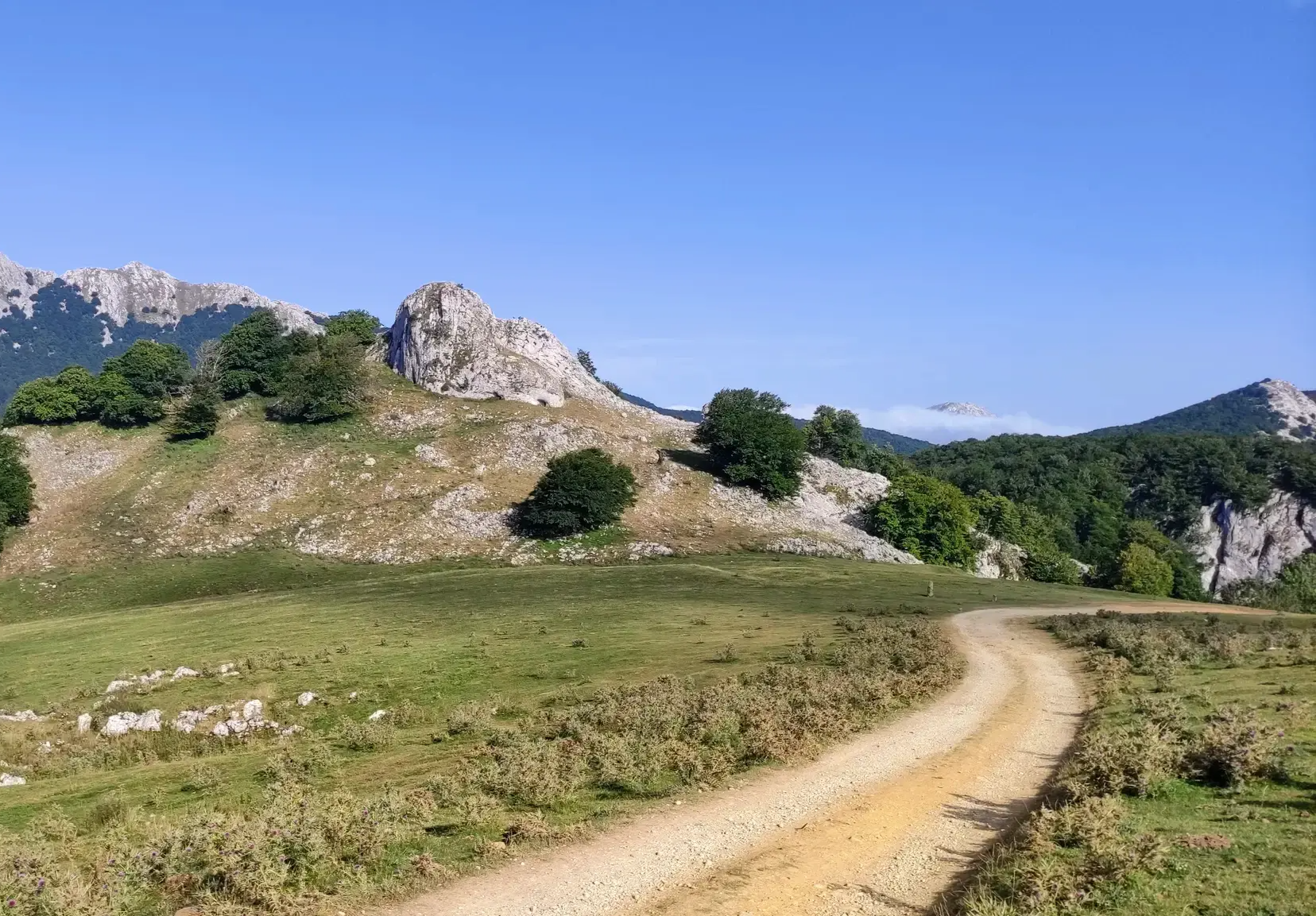
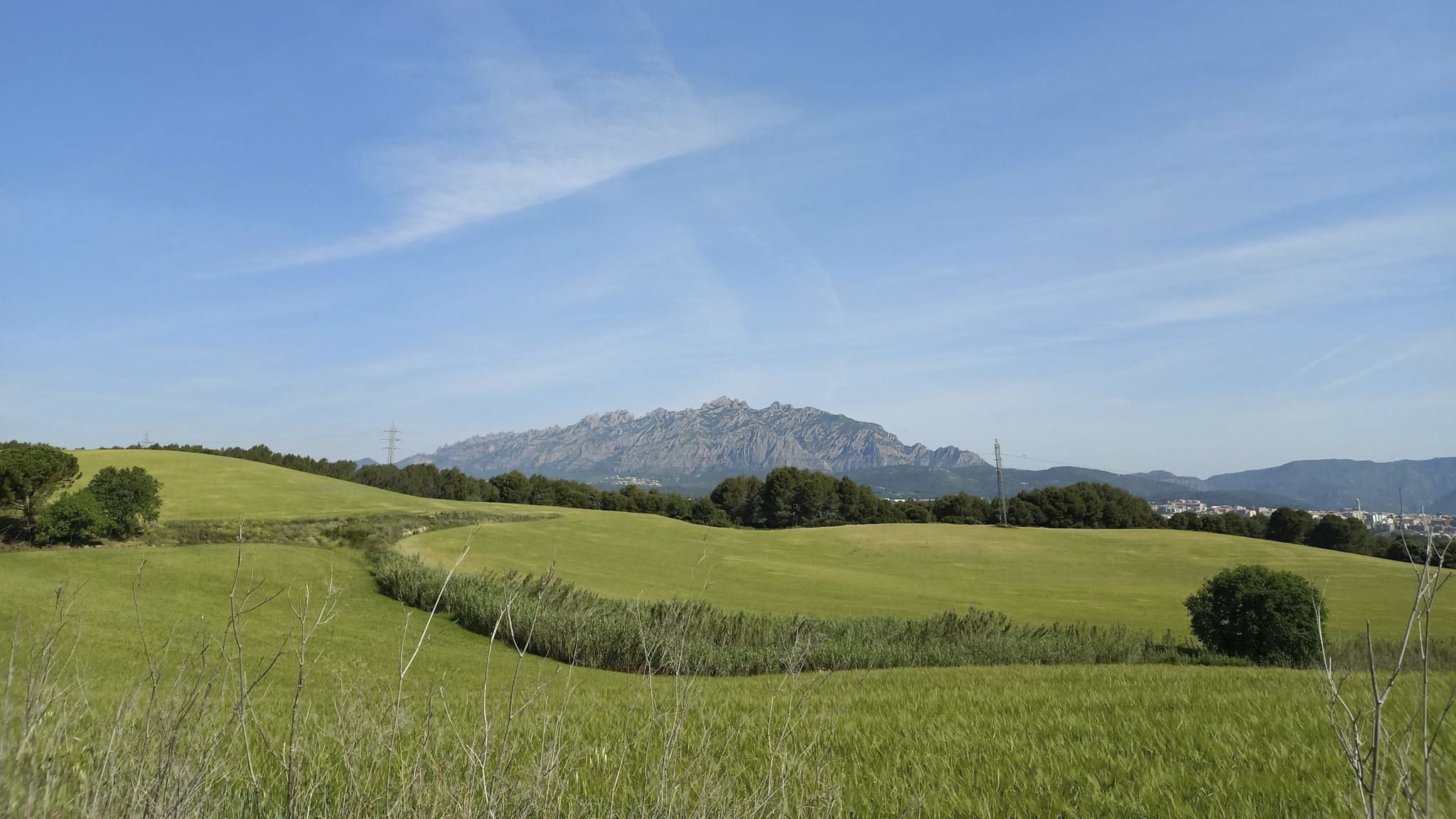
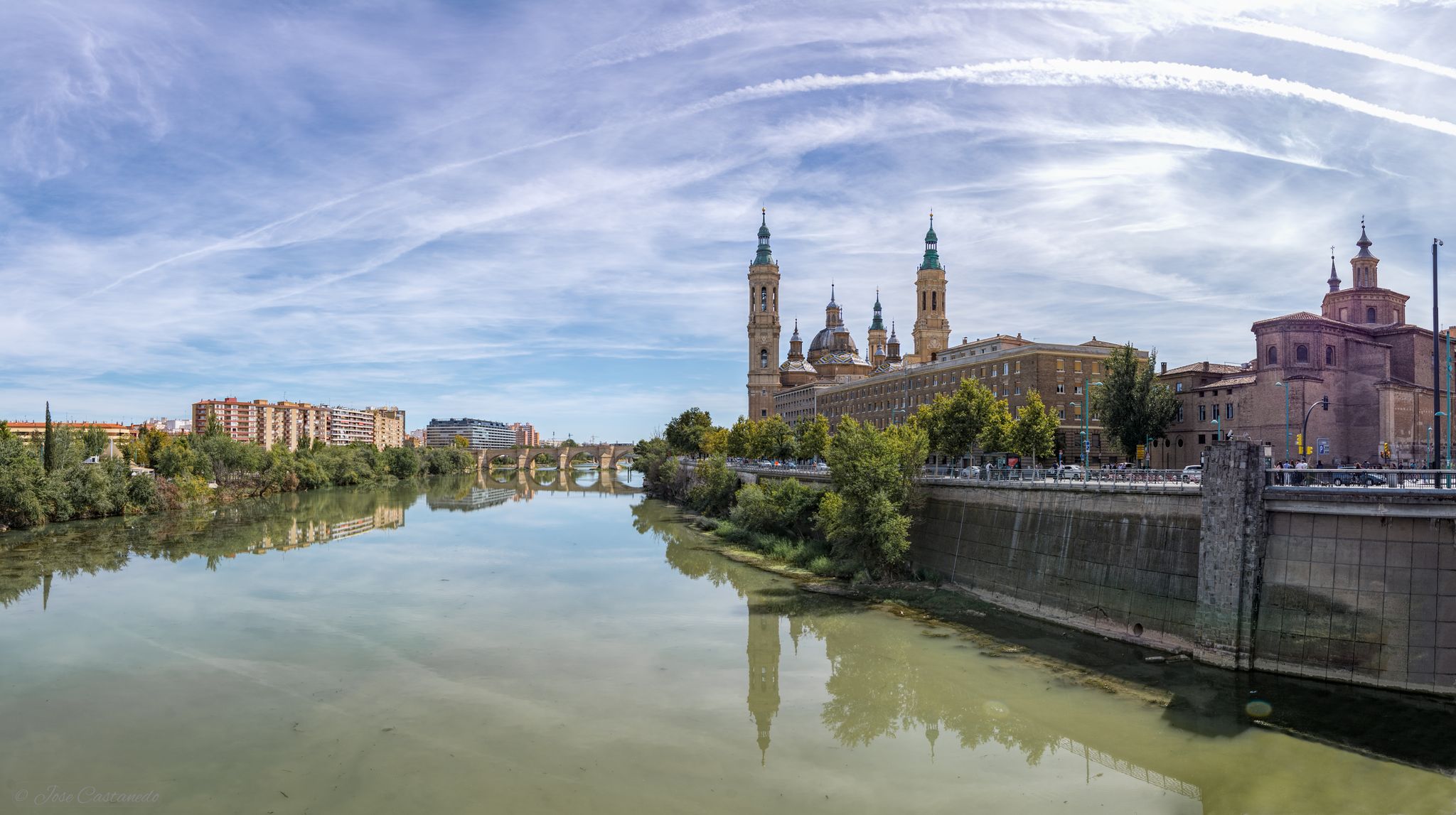
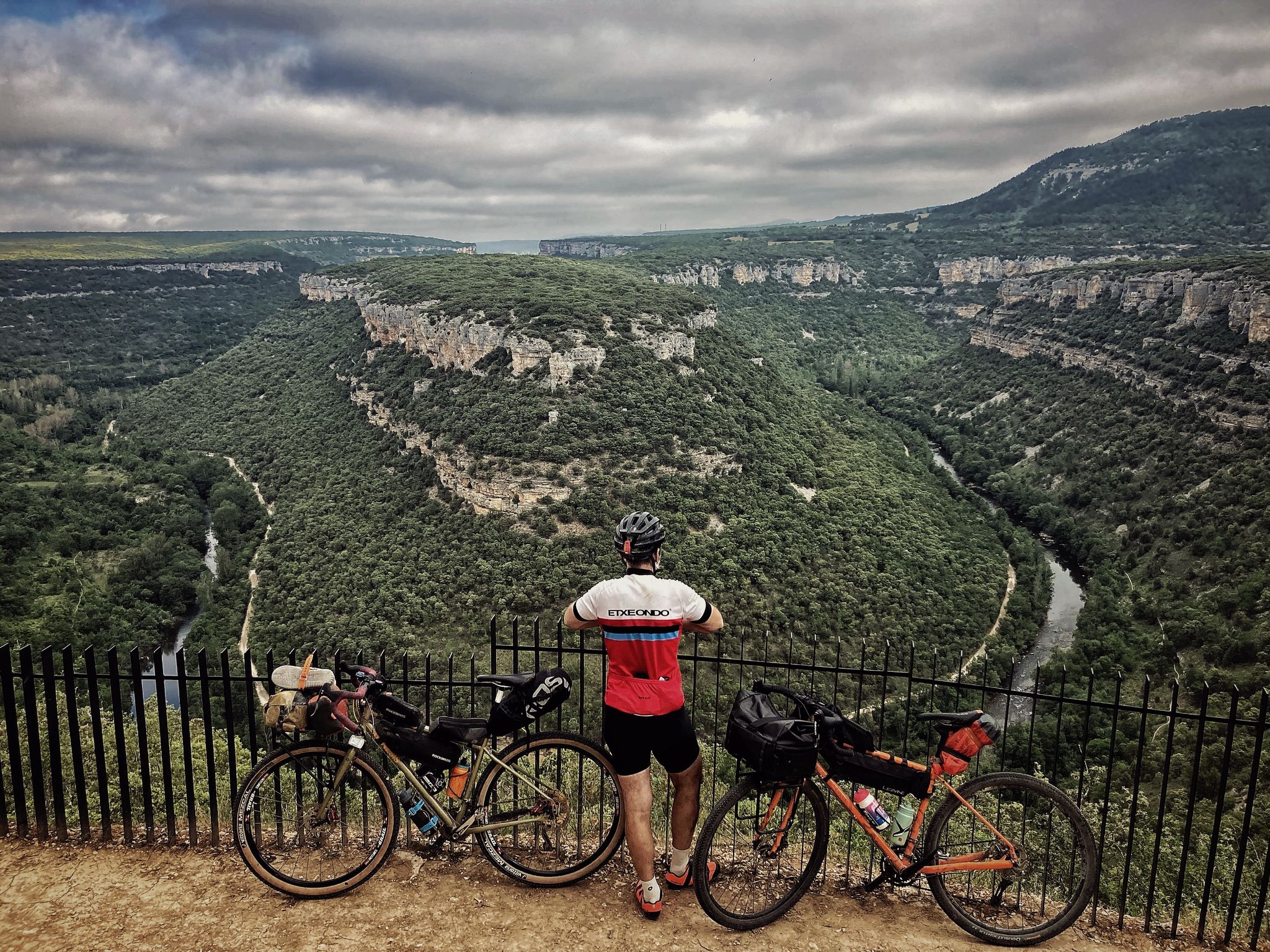
Other adventures around Saragosse


Tips from the Community

Excellent destination for a road cycling outing. Good place to stop for a break and refuel or if you wish to extend the outing to complete the pass and reach Puebla de Albortón or Fuendetodos. The return can also be made via Muel.
0
0
La Balsa de Larralde (also called balsa de Torre Medina) is an artificial wetland of high ecological value protected as a "Singular Wetland" by the Government of Aragon. It is located next to the Torre Medina neighborhood, in the rural district of Garrapinillos, within the municipality of Zaragoza, 🛠️ Origin and history Old quarry: It originated more than 200 years ago as a clay extraction site for building the nearby Imperial Canal of Aragon. Humidal birth: When the subsoil was perforated, the water table was reached and the excavation was permanently flooded with water. Environmental recovery: After decades of abandonment serving as an uncontrolled landfill, it was recovered from 1995 thanks to the Hydrographic Confederation of the Ebro (CHE) and the Naturalist Association of Aragon (ANSAR). 🌿 Ecological characteristics Extension: It has a protected area of about 4 hectares. Inverted water cycle: Being mainly fed by groundwater influenced by the irrigation of the Imperial Canal, it has more water in summer and spring than in winter, unlike most Mediterranean wetlands. Biodiversity refuge: It is surrounded by abundant riparian vegetation (reeds, cattails, poplars, and elms) that serves as a habitat and breeding ground for about 100 species of aquatic birds such as coots, moorhens, and ducks. 🚶 Visit and equipment It is a space open to the public, ideal for hiking and environmental education. The surroundings have: A perimeter path with wooden planks and walkways. A covered viewpoint-observatory for spotting birds without disturbing them. Interpretive panels explaining the local fauna and flora. (Note: As a local curiosity, it stands out for being the only protected wetland in Zaragoza that can be reached directly by public bus)
0
0

Cartuja Baja is a historic neighborhood in Zaragoza, located along the Ebro River and known for preserving a large part of the old 17th-century Carthusian monastery, whose layout still marks its streets. The complex, declared a monument, includes the gatehouse, church, guesthouse, and remains of the large cloister, creating a unique atmosphere for a leisurely stroll.
0
0

The Larralde raft is worth seeing, but not the rest.
0
0


huge bridge over a real gully
1
0
The Valdegurriana locks are locks of the Imperial Canal of Aragon located in the municipality of Zaragoza, Spain. They were used for the navigation of the canal transporting people and goods for decades. They are not currently in use because the gates were removed years ago. The locks were built at the end of the 18th century with the aim of bridging a gap in the Imperial Canal of Aragon and making it navigable. Valdegurriana is located within the extensive wooded mass known as Pinares de Venecia. The path that runs through Valdegurriana and that connects the neighborhood of La Paz with La Cartuja is part of the Green Belt of Zaragoza.
1
0

Parque Lineal de Plaza, a nice area to enjoy nature near Zaragoza. Different paths will lead us to a large lake inhabited by various species of birds such as ducks or swans or to the Solar Labyrinth or the Baroque Labyrinth
1
0
Frequently Asked Questions
How many no-traffic road cycling routes are available around Saragosse?
Komoot offers 15 carefully curated no-traffic road cycling routes around Saragosse. These routes cater to various skill levels, with 2 easy, 11 moderate, and 2 difficult options, ensuring a suitable ride for every cyclist.
What types of landscapes can I expect on these traffic-free road cycling routes?
The routes around Saragosse offer a diverse range of landscapes. You can cycle along the flat plains of the Ebro River and its tributaries, explore the unique arid terrain of the Monegros Desert, or tackle more challenging ascents in the surrounding hills and the Sistema Ibérico. The city's "Anillo Verde" (Green Ring) also provides varied urban and natural views.
Are there any easy no-traffic road cycling routes suitable for beginners or a relaxed ride?
Yes, there are easy options perfect for a relaxed ride. One such route is the Pinesque and Balsa de Larralde - round trip from Parque Lineal de Plaza, which offers a gentle ride with minimal elevation gain.
What are some of the more challenging no-traffic road cycling routes in the Saragosse area?
For experienced cyclists seeking a challenge, routes like the Monument to Caesar Augustus – Virgen de Dorleta Memorial loop from Zaragoza-Arrabal offer significant elevation changes and longer distances. Another demanding option is the Ermita de Valmadrid loop from Zaragoza-Miraflores.
What do other road cyclists think about the no-traffic routes in Saragosse?
The komoot community highly rates the road cycling experience in Saragosse, with an average score of 4.5 out of 5 stars from 161 ratings. Cyclists often praise the region's varied landscapes, from serene riverside paths to challenging desert and hill routes, and the overall bike-friendly infrastructure.
Can I find circular no-traffic road cycling routes around Saragosse?
Absolutely. Many of the no-traffic routes are designed as loops, allowing you to start and finish at the same point. For example, the Ermita de Valmadrid – Balsa de Torrecilla loop from Cartuja Baja is a moderate circular route that takes you through scenic areas.
Are there any interesting landmarks or natural attractions to see along these routes?
Yes, the routes often pass by or near notable attractions. You might encounter beautiful lakes like Balsa de Larralde or Plaza Lake. Historical sites such as the Aljafería Palace or the Roman Walls and Torreón de la Zuda are also within reach, offering cultural stops during your ride.
What is the best time of year for no-traffic road cycling in Saragosse?
Saragosse experiences a Mediterranean climate, making spring (April-May) and autumn (September-October) ideal for cycling. Temperatures are pleasant, and the landscapes are vibrant. Summers can be very hot, especially in the Monegros Desert, while winters are generally mild but can be chilly.
Are there any routes that offer views of castles or historical sites?
Yes, some routes provide glimpses of historical architecture. The View of Cadrete Castle – View of the Hills loop from Zaragoza-Goya is a moderate route that offers scenic views, including that of Cadrete Castle. You can also find highlights like Alfajarín Castle nearby.
What kind of wildlife might I encounter on the no-traffic road cycling routes?
The diverse ecosystems around Saragosse, from fluvial areas along the Ebro to arid desert landscapes, support a variety of wildlife. You might spot various bird species, especially near wetlands and riverbanks like the Balsa del Carrasco Bird Observatory, as well as small mammals and reptiles adapted to the different environments.
Is it possible to access these routes using public transport in Saragosse?
Zaragoza is a very bike-friendly city with an extensive network of bike lanes, making it easy to cycle to many trailheads from the city center. For routes further afield, local bus services might accommodate bikes, but it's best to check specific routes and operator policies in advance.
Most popular routes around Saragosse
Most popular attractions around Saragosse

Get inspired with the komoot mobile app


Explore more
Browse the best Road cycling routes in other regions.
