Top 20 Natural Monuments around Santa Cruz De Bezana
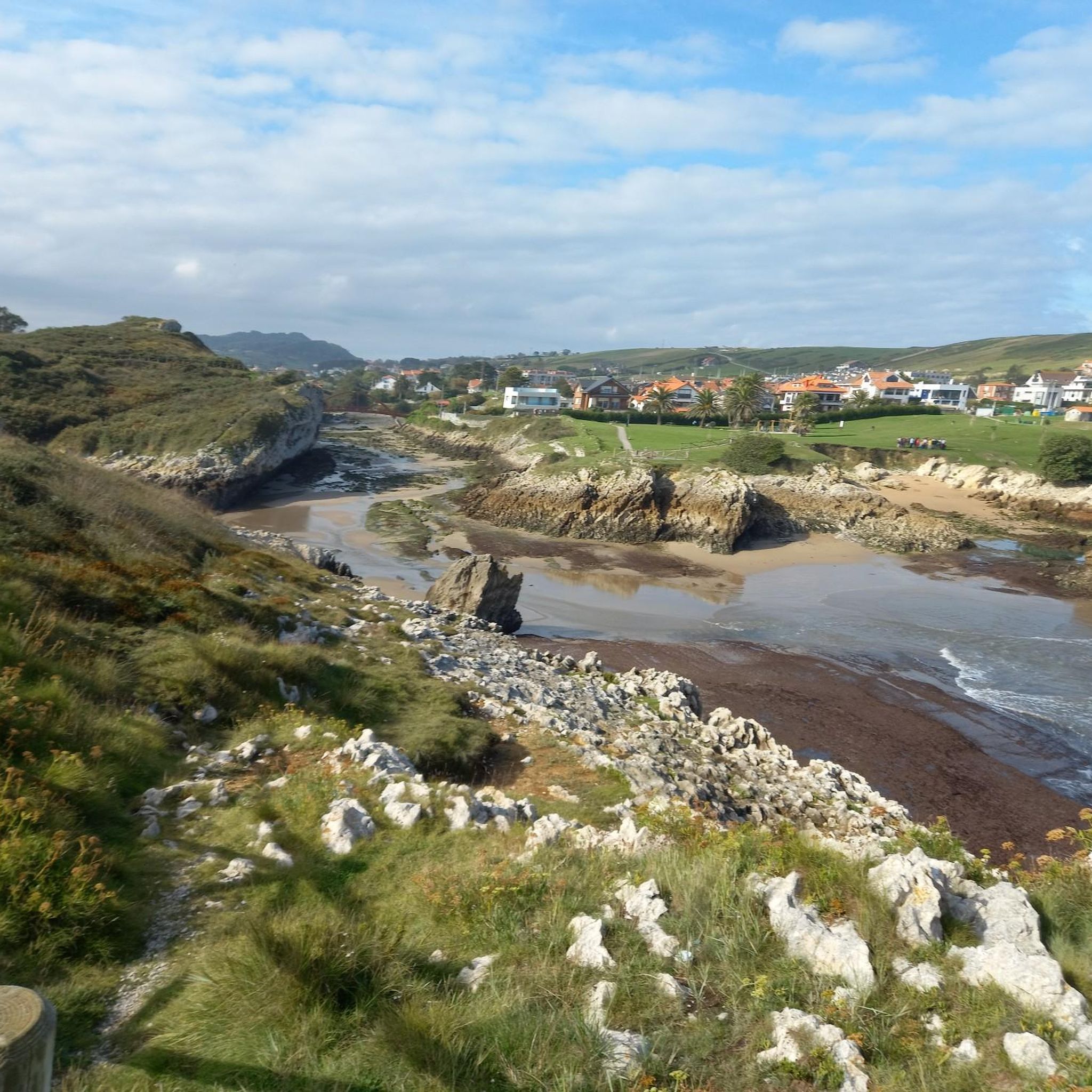
Best natural monuments around Santa Cruz De Bezana are primarily found along its coastal stretch, which is part of the Costa Quebrada Geopark. This region in Cantabria, Spain, is characterized by unique geological formations, dramatic cliffs, and diverse ecosystems shaped by the sea. Visitors can explore a variety of natural landscapes, from sandy beaches to ancient rock formations, offering opportunities for nature observation and coastal walks. The area provides insights into geological processes and supports a rich biodiversity.
Best natural…
Last updated: August 11, 2026
Cabo Mayor Lighthouse
Highlight • Monument
Nearby there is a restaurant that is very popular among Santander residents for midday meals.
Translated by Google •
Tip by

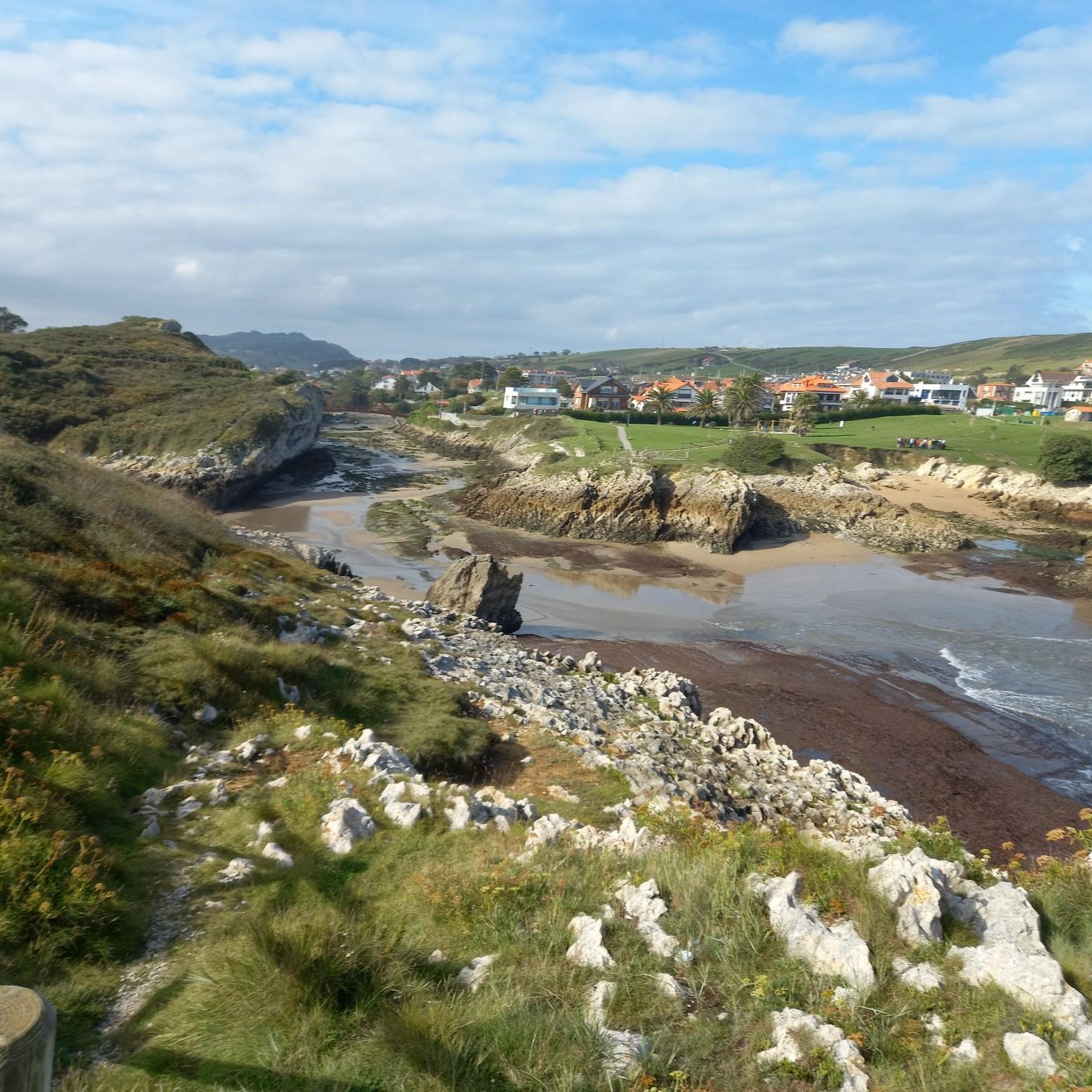
Canallave Beach
Highlight • Beach
Translated by Google •
Tip by

Sign up now to discover places like this
Get recommendations on the best single tracks, peaks, & plenty of other exciting outdoor places.
Sign up for free
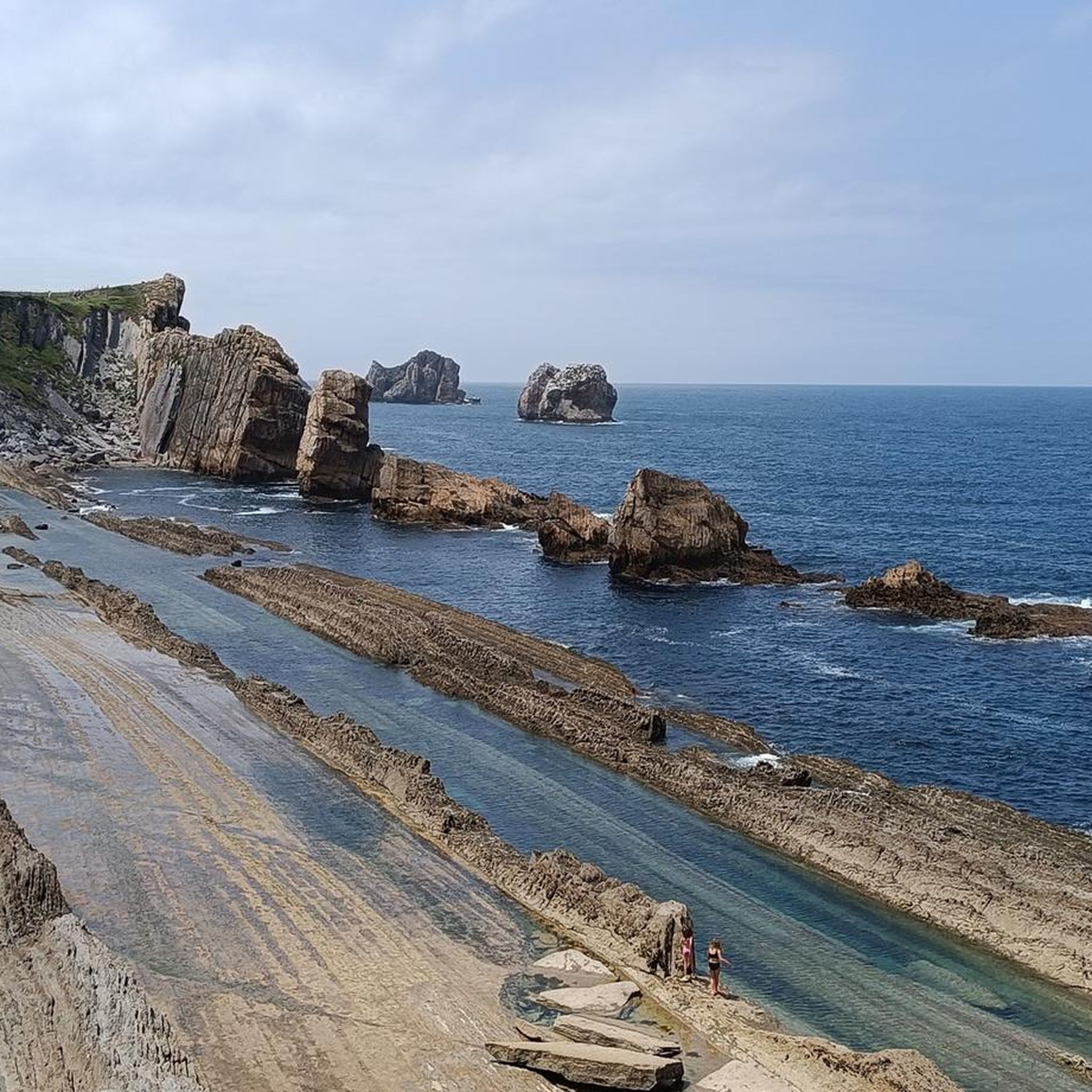
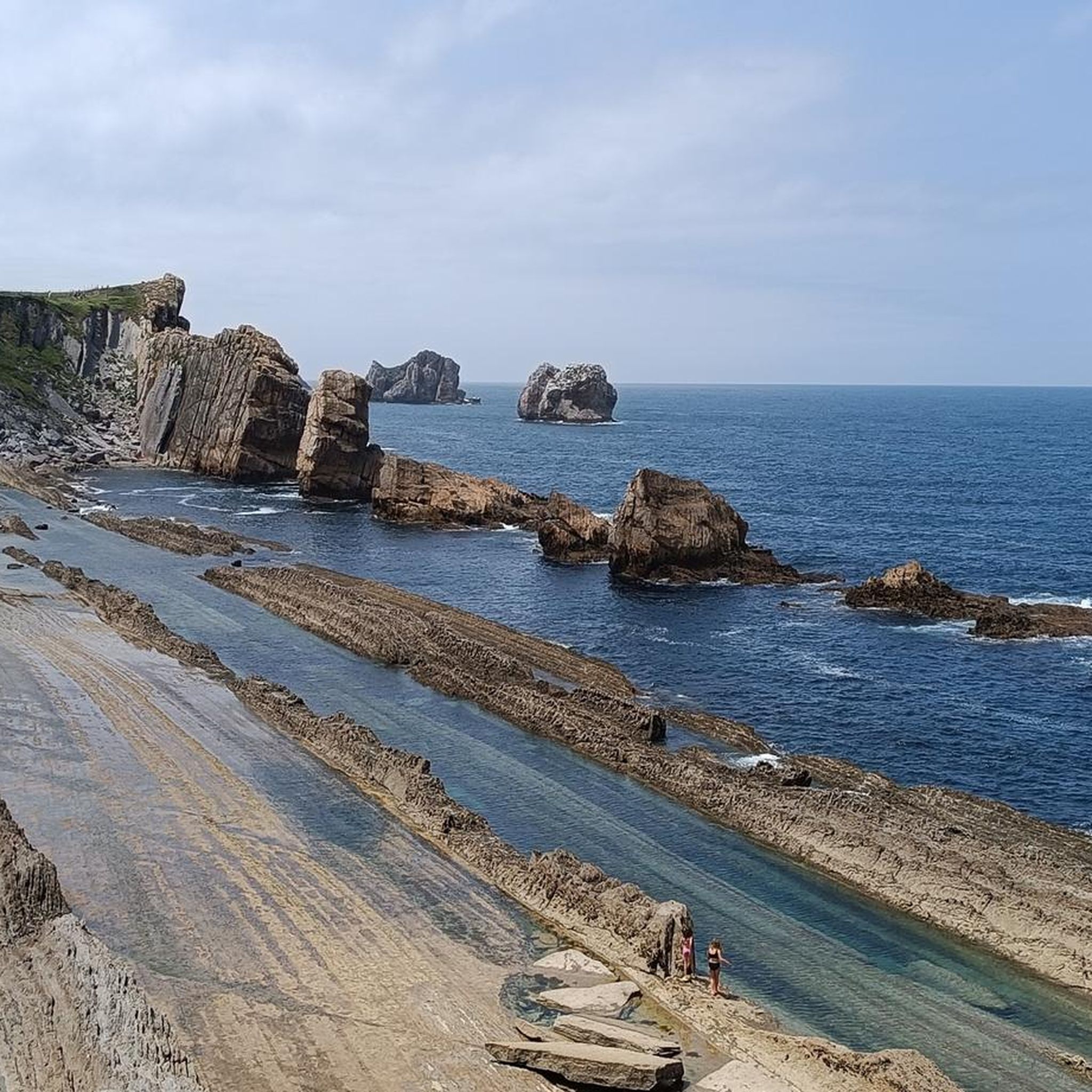
Costa Quebrada Rock Formations
Highlight (Segment) • Natural Monument
Costa Quebrada is a stretch of coastline that constitutes a true classroom of sea and land where both teachers, in a book of stone sheets …
Translated by Google •
Tip by

Somocuevas Beach
Highlight • Beach
Translated by Google •
Tip by
Mataleñas Beach
Highlight • Beach
Translated by Google •
Tip by
Sign up for free to discover even more natural monuments around Santa Cruz De Bezana.
Sign up for free
Already have an account?
Start today with a free account
Your next adventure awaits.
Login or Signup
Tips from the Community


The Costa Quebrada is a magnificent coast for hiking. The access to the bay is currently closed (13.4.26).
1
0

Be sure to visit Faro de Cabo Mayor, it is very beautiful to look at and you can take a lovely walk from here.
0
0
A beautiful bay between the lighthouse and Santander is worth a visit. It offers a great view of the sea and beautiful photo opportunities.
0
0

This imposing lighthouse, built in 1839, marks the northernmost point of Santander, towering 30 metres above the rugged cliffs. A short climb takes you to one of the most beautiful viewpoints on the Cantabrian coast. Here, ocean, wind and rocks collide in spectacular fashion. Perfect for a panoramic break.
1
0

A unique, rugged coastline with high geological value. Some paths lead close to the steep, dramatic cliffs. Interesting flora.
0
0

The lighthouse was lit for the first time on August 15, 1839. Currently, it houses different exhibitions about lighthouses that can be visited. Nearby there is a restaurant that is very popular among Santander residents for midday meals.
4
0

An icon of Santander with two centuries of history, its silhouette is unmistakable. It was erected in 1839 and continues to beat at a rate of two flashes of white light every 10 seconds, with a range of 21 miles.
2
0
Frequently Asked Questions
What are the most popular natural monuments to visit in Santa Cruz de Bezana?
The most popular natural monuments in Santa Cruz de Bezana are primarily found along its stunning coastline. Highly recommended are the unique Costa Quebrada Rock Formations, which offer a dramatic display of geological diversity. Visitors also frequently enjoy Canallave Beach, known for its beautiful coastal footpath and appeal to surfers, and Arnía Beach, with its ancient rock formations best explored at low tide.
Are there family-friendly natural monuments in Santa Cruz de Bezana?
Yes, several natural monuments in Santa Cruz de Bezana are suitable for families. Canallave Beach and Arnía Beach are both listed as family-friendly. Additionally, Playa de San Juan de la Canal, while not explicitly in the highlights data, is known in the region for being popular with families due to its accessibility and amenities like parking and lifeguard services during high season.
What kind of unique geological features can I expect to see?
Santa Cruz de Bezana is part of the Costa Quebrada Geopark, renowned for its exceptional geological value. You can witness dramatic cliffs, unique rock formations sculpted by the sea, and diverse coastal landforms like arches, sea stacks, and tombolos. Costa Quebrada Rock Formations specifically showcase folded structures from the Upper Cretaceous and Paleogene periods, offering a direct view into millions of years of geological processes.
What is the best time to visit the natural monuments in Santa Cruz de Bezana?
The natural monuments, especially the beaches and coastal areas, are generally best enjoyed during the warmer months, from late spring to early autumn (May to October). This period offers pleasant weather for coastal walks, swimming, and exploring the rock formations. Visiting at low tide is often recommended for beaches like Arnía Beach to fully appreciate its ancient structures.
Are there any historical or cultural sites near the natural monuments?
While primarily focused on natural beauty, the area does have some historical context. The Cabo Mayor Lighthouse, built in 1839, is a historical landmark that also offers exhibitions. Playa de San Juan de la Canal has a rich history, with evidence of an open-air Paleolithic settlement and is the traditional site for the 'Hoguera de San Juan' festival, a celebration of Regional Tourist Interest.
What outdoor activities can I do near these natural monuments?
The coastal natural monuments offer excellent opportunities for various outdoor activities. You can enjoy coastal walks and hiking along the cliffs, such as the footpath near Canallave Beach. Surfing is popular at Canallave Beach, and the area is great for photography and wildlife observation, especially marine birds. For more structured routes, you can find numerous hiking trails and running trails around Santa Cruz de Bezana, including routes that explore the Costa Quebrada.
Are there specific hiking routes that explore the natural monuments?
Yes, there are several hiking routes that allow you to explore the natural monuments. For instance, you can find routes like the 'Covachos Tombolo – Arnía Beach loop' which is an easy hike, or the 'Portio Beach – Arnía Beach loop' for a moderate challenge. These routes often provide stunning views of the coastline and its unique geological formations. You can explore more options on the hiking guide for Santa Cruz de Bezana.
What do visitors enjoy most about the natural monuments in Santa Cruz de Bezana?
Visitors frequently praise the breathtaking coastal views and the unique geological formations. The rugged coastline of the Costa Quebrada is often described as a 'classroom of sea and land,' offering insights into the Earth's history. The tranquility and natural ambiance of beaches like Playa de Covachos, with its unique tómbolo, are also highly appreciated. Many enjoy the opportunities for photography and observing the diverse ecosystems.
Is there parking available near the natural monuments?
Parking availability varies by location. For more accessible beaches like Playa de San Juan de la Canal, parking is generally available. However, for more secluded spots like Costa Quebrada Rock Formations, parking facilities can be limited. Access to some beaches, such as Somocuevas Beach, may require walking a narrow path from a parking area and then descending stairs.
Can I observe wildlife at these natural monuments?
Yes, the coastal areas and cliffs within the Costa Quebrada Geopark are rich in biodiversity. They provide habitats for various marine birds and other native species. Beaches like Somocuevas Beach, with its nearby islet, are frequented by seagulls and cormorants, offering good opportunities for wildlife observation.
Are there any natural monuments suitable for nudism?
Yes, Playa de Covachos is a recognized nudist beach, offering a secluded and tranquil experience for those seeking a more liberated beach environment. Somocuevas Beach is also frequented by nudists, though it is not officially designated as such.
What is the Costa Quebrada Geopark and why is it significant?
The Costa Quebrada Geopark is a significant natural monument that spans several municipalities, including Santa Cruz de Bezana, and has been designated a UNESCO Global Geopark. Its significance lies in its exceptional geological value, showcasing a 20-kilometer stretch of coastline with dramatic cliffs, unique rock formations, and diverse ecosystems. It provides a direct and accessible way to witness geology in action, illustrating the Earth's origin and evolution, and is also a refuge for biodiversity.
Most popular routes around Santa Cruz De Bezana
Most popular attractions around Santa Cruz De Bezana

Get inspired with the komoot mobile app


Explore more
Extend your search for the best caves by checking out these guides of the top ones around Santa Cruz De Bezana:
