Top 20 Natural Monuments around Sant Iscle De Vallalta
Best natural monuments around Sant Iscle De Vallalta are found within the Maresme region, at the foot of the Montnegre mountain range. This area features lush woodlands, valleys, and streams, providing a rich natural environment. The landscape is characterized by dense forests, elevated slopes, and hidden valleys, offering diverse terrain for exploration. Several notable natural sites contribute to the region's ecological value and are accessible for outdoor activities.
Best natural monuments around Sant Iscle De Vallalta
- The most popular natural…
Last updated: July 1, 2026
Les Llobateres Bird Observatory
Highlight • Viewpoint
The Llobateres wetland is the result of the operation and restoration of …
Translated by Google •
Tip by

Dolmen de Pedra Gentil
Highlight • Historical Site
Translated by Google •
Tip by

Sign up now to discover places like this
Get recommendations on the best single tracks, peaks, & plenty of other exciting outdoor places.
Sign up for free
Dolmen de Ca l'Arenes
Highlight • Historical Site
Translated by Google •
Tip by

Montalt
Highlight • Summit
Montalt is a mountain that belongs to the Catalan coastal range, within the Corredor mountain range and the …
Translated by Google •
Tip by

Horseshoe Stone
Highlight • Natural Monument
Translated by Google •
Tip by
Sign up for free to discover even more natural monuments around Sant Iscle De Vallalta.
Sign up for free
Already have an account?
Start today with a free account
Your next adventure awaits.
Login or Signup

Tips from the Community

It's a megalithic tomb, approximately 5,000 years old, discovered in 1997 and restored in 2006-2007. Located in the heart of the Montnegre i el Corredor Natural Park, it's easy to miss, but it has a history: it belonged to a Neolithic community that used it as a collective grave. Interestingly, remains of the tumulus that covered it are still preserved, which is unusual, and its orientation seems related to astronomical events, like other dolmens in the area. It's an archaeological rarity in the middle of a prime cycling area, perfect for stopping and reflecting that humans once walked this path... but without helmets.
2
0

They've now built a staircase to access the Dolmen... With this staircase, just a few meters long... It seems they'll save the site from erosion... Sometimes the conservation and environmental councils are pitiful... It seems the only ones degrading the paths... are hikers and bikers... When we're fed up with seeing how the water destroys the paths to the point where we can't pass... 🙃
0
0
After the restoration process of this space where sand and gravel were extracted... this large hole remained where the water is now stored naturally and which has formed this magnificent place that provides shelter to a good number of birds and other species. Both migratory and native.
1
0
Megalithic structure Rebuilt in 1855, Where the original structure was a 4000 year old DOLMEN, which served As a chamber tomb Simple...🧐
1
0

It belongs to the Montnegre Park and almost all the paths can be done either on foot or by bike (the dolmen path is quite broken "stones")
3
0
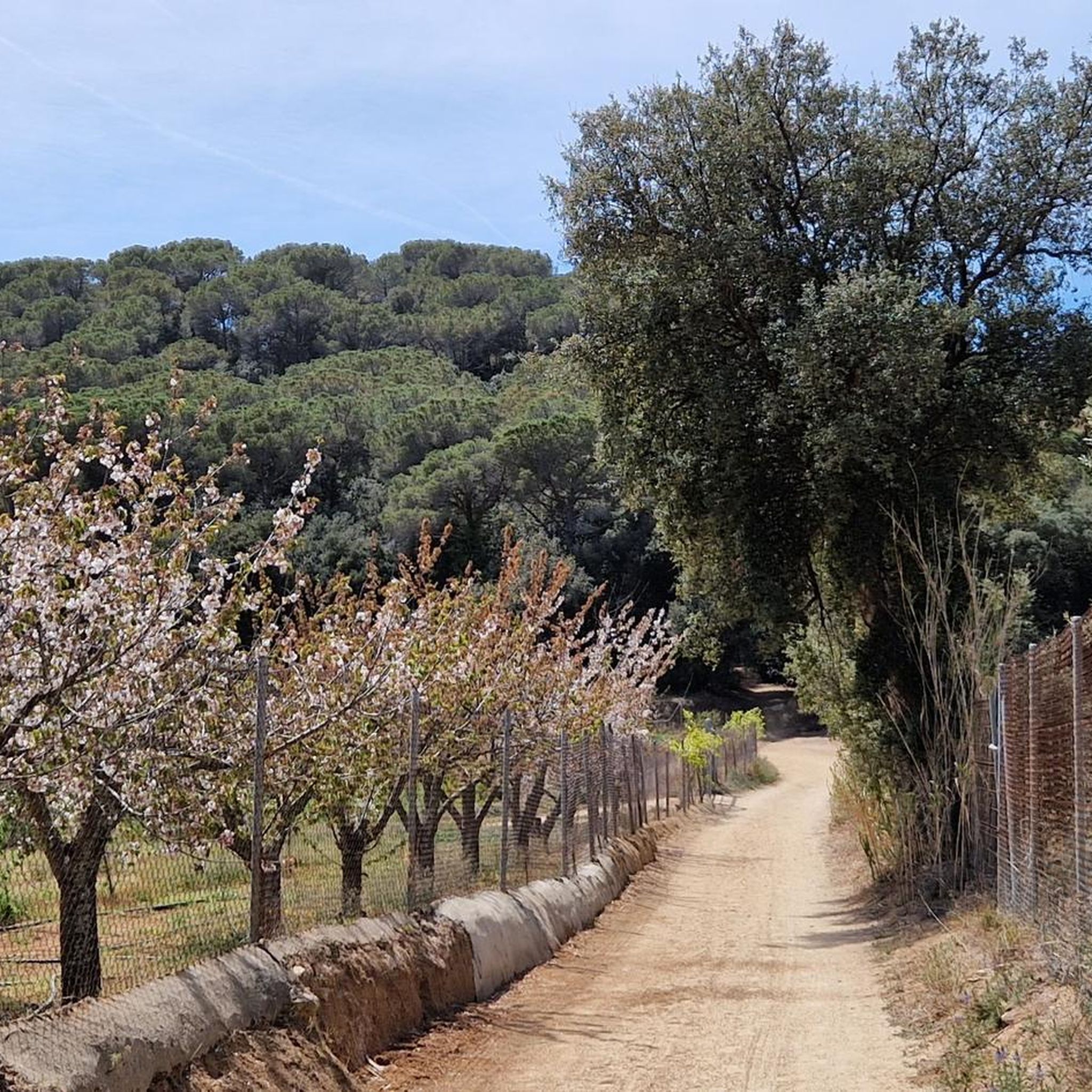
The restoration of an old sand and gravel extraction site allowed the creation of this wetland, where you can observe a large number of birds and other living species that find a perfect refuge here.... Because it is a wide and flat track, it is also perfect for walking 👣 or cycling 🚲 for all audiences.
5
0
Bird Observatory, nowadays, and especially at this time of the year, you can very likely and relatively easily see... Kingfisher (Ardea cinerea) White tern (Egretta garzetta) Egyptian goose (Alopochen aegyptiacus) Blauet (Alcedo atthis) Moorhen (Gallinula chloropus) Common kestrel (Falco tinnunculus) Sparrowhawk (Accipiter nisus) Common buzzard (Buteo buteo) Green woodpecker (Picus viridis) Upupa epops Cornelian crow (Corvus corone) Motacilla cinerea (Motacilla cinerea) Hedge Sparrow (Prunella modularis) Common chilli (Saxicola torquata) Smoked car (Phoenicurus ochruros) Common thrush (Turdus philomelos) Repicatalons (Emberiza schoeniclus) ...and a multitude of typical riverside species and agricultural areas. https://www.google.com/url?sa=i&url=https%3A%2F%2Fsantceloni.cat%2F9203&psig=AOvVaw1m8-tBmRbvJQa1D6HQTWS7&ust=1679049247506000&source=images&cd=vfe&ved=0CA8QjRxqFwoTCJCVmYGg4P0CFQAAAAAdAAAAABAE
6
0

It is a large granite block located between Turó de Montalt (596 m) and Turó del Mig (550 m), a hill where the municipal limits of Arenys de Munt, Dosrius and Sant Vicenç de Montalt meet. Of the two stones, the smaller one has an engraving that seems to represent a horseshoe, although the meaning is unknown. It could be, for example, a mark to delimit the old parishes. Granite is a hard rock, with a granular texture, which in the Maresme has been used for construction. Fresh granite is known as "snake's eye" as it is made up of a black mica which, in contrast to the other components, is reminiscent of a snake's eye. In this environment and during the next section of the route, we will find small accumulations of granite blocks, disordered, heterometric and rounded, which accumulate in a horizontal or slightly inclined relief. These capricious formations have their origin in weathering. Later, the rainwater dissolves the feldspar and the large initial rock cracks and gives rise to rounded shapes and a kind of sand, called "sauló" in Catalan.
1
0
Frequently Asked Questions
What are some of the most notable natural monuments to visit around Sant Iscle De Vallalta?
The region offers a variety of natural and historical sites. Key natural monuments include the expansive Montnegre i el Corredor Natural Park, the tranquil Valleys of the Vallalta Stream, and specific highlights like the ancient Dolmen de Pedra Gentil, the panoramic Montalt summit, and the Les Llobateres Bird Observatory wetland.
Are there any historical natural monuments in the area?
Yes, Sant Iscle De Vallalta is known for its megalithic structures. You can visit Dolmen de Pedra Gentil, a chamber tomb believed to be built between 3500 B.C. and 2000 B.C. Another significant site is Dolmen de Ca l'Arenes, a 5,000-year-old megalithic tomb discovered in 1997. The Horseshoe Stone also holds historical significance as an ancient boundary marker.
What kind of natural features can I expect to see in the natural monuments around Sant Iscle De Vallalta?
The area is rich in diverse natural features. You'll find dense forests of pines, holm oaks, and cork oaks, elevated slopes, and hidden valleys within the Montnegre i el Corredor Natural Park. The Valleys of the Vallalta Stream feature riverside forests and natural pools. Summits like Montalt offer expansive views, while the Les Llobateres Bird Observatory is a restored wetland with diverse aquatic flora and fauna.
What outdoor activities can I do near these natural monuments?
The region is excellent for various outdoor activities. You can enjoy extensive hiking and mountain biking trails within the Montnegre i el Corredor Natural Park. For specific routes, consider exploring the hiking trails around Sant Iscle De Vallalta, or if you prefer cycling, check out the MTB Trails or Gravel biking routes in the area.
Are there family-friendly natural monuments or activities suitable for children?
Yes, the Les Llobateres Bird Observatory is a great family-friendly option. It's a wide, flat track perfect for walking or cycling for all ages, offering opportunities to observe a variety of birds and aquatic life. The tranquil Valleys of the Vallalta Stream also provide peaceful walks and natural pools for summer enjoyment, with local legends adding a mystical touch for imaginative minds.
What is the best time of year to visit the natural monuments around Sant Iscle De Vallalta?
The region's lush woodlands and streams make it appealing throughout the year. Spring and autumn offer pleasant temperatures for hiking and exploring the forests. Summer is ideal for enjoying the natural pools in the Vallalta Stream valleys. The Montnegre i el Corredor Natural Park is accessible year-round, with diverse flora and fauna to observe in every season.
Where can I find viewpoints with panoramic scenery?
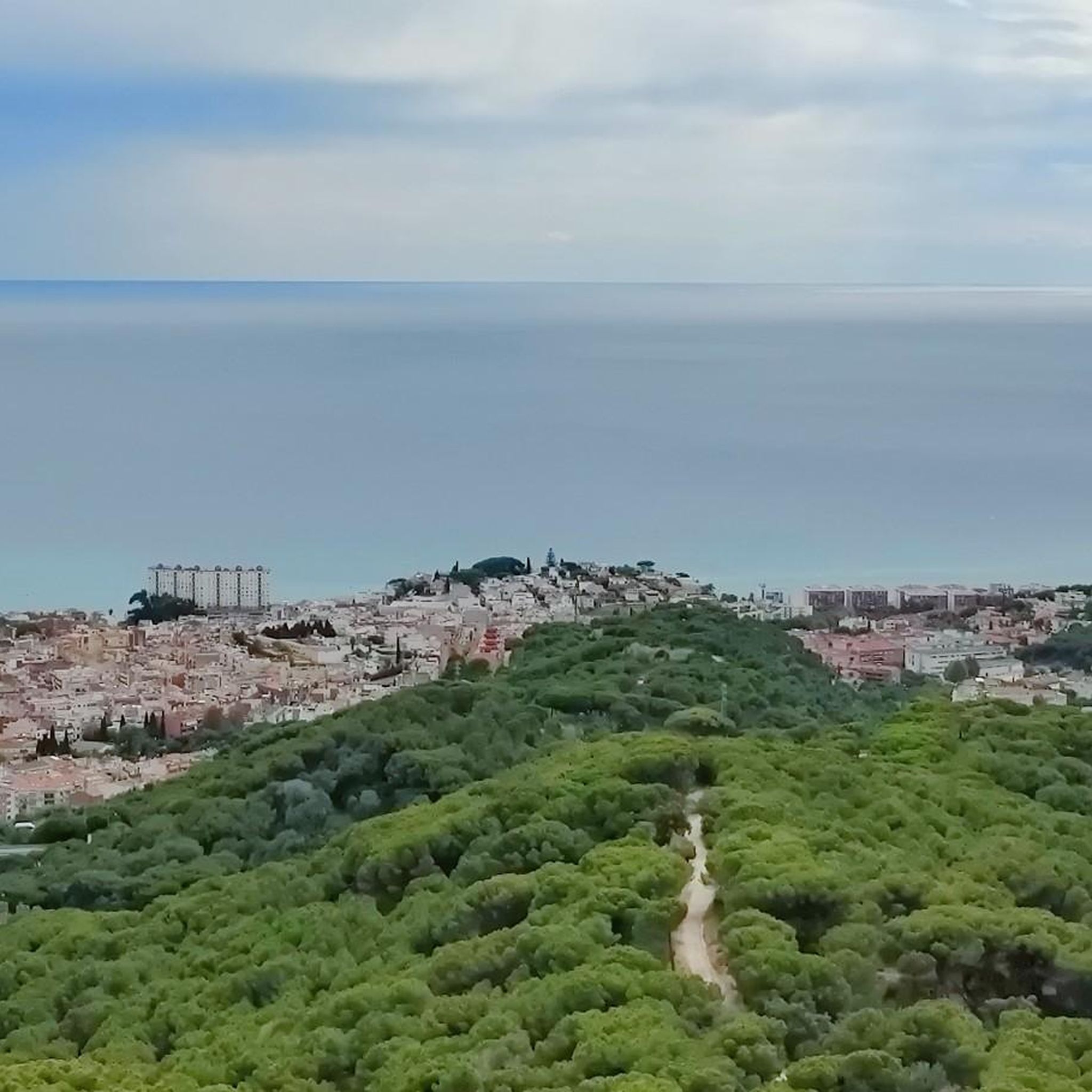
The summit of Montalt offers magnificent views of the entire Maresme coast. Although vegetation can sometimes limit the views, it remains a prime spot. The Creu de Rupit, a significant natural point and historical crossroads, also provides expansive views of the varied terrain, combining open plains and dense forests.
Is it possible to access these natural monuments by public transport?
While specific public transport details for each individual monument are not readily available, Sant Iscle de Vallalta is situated at the foot of the Montnegre mountain range, which is generally accessible. For detailed planning, it's advisable to check local bus routes or regional transport options that connect to the villages surrounding the Montnegre i el Corredor Natural Park, which serves as a gateway to many of these sites.
What do visitors enjoy most about the natural monuments in this area?
Visitors appreciate the serene natural settings and the opportunity for immersion in nature. Highlights like Montalt are loved for their very good views of the Maresme coast and Montseny. The Les Llobateres Bird Observatory is praised for its exceptional riverside landscape and the chance to observe a large number of birds. The historical significance of sites like Dolmen de Pedra Gentil also draws considerable interest.
Are there any natural springs or water features to visit?
Yes, the Font del Borrell (Borrell Spring) is a well-regarded natural spring within the Montnegre area, accessible from Sant Iscle de Vallalta. It offers a refreshing stop during walks. Additionally, the Valleys of the Vallalta Stream feature stretches of riverside forest and natural pools that invite bathing during the summer months, providing a tranquil environment with flowing water.
Can I bring my dog to the trails around the natural monuments?
Many natural areas and trails within the Montnegre i el Corredor Natural Park are generally dog-friendly, especially if dogs are kept on a leash to protect wildlife and ensure the comfort of other visitors. For specific natural monuments, it's always recommended to check local regulations or signage, but the extensive network of paths makes it a good area for walks with your canine companion.
Most popular routes around Sant Iscle De Vallalta
Most popular attractions around Sant Iscle De Vallalta

Get inspired with the komoot mobile app


Explore more
Extend your search for the best caves by checking out these guides of the top ones around Sant Iscle De Vallalta:
