The best cycling routes around Sant Iscle De Vallalta
4.3
(371)
8,396
riders
216
rides
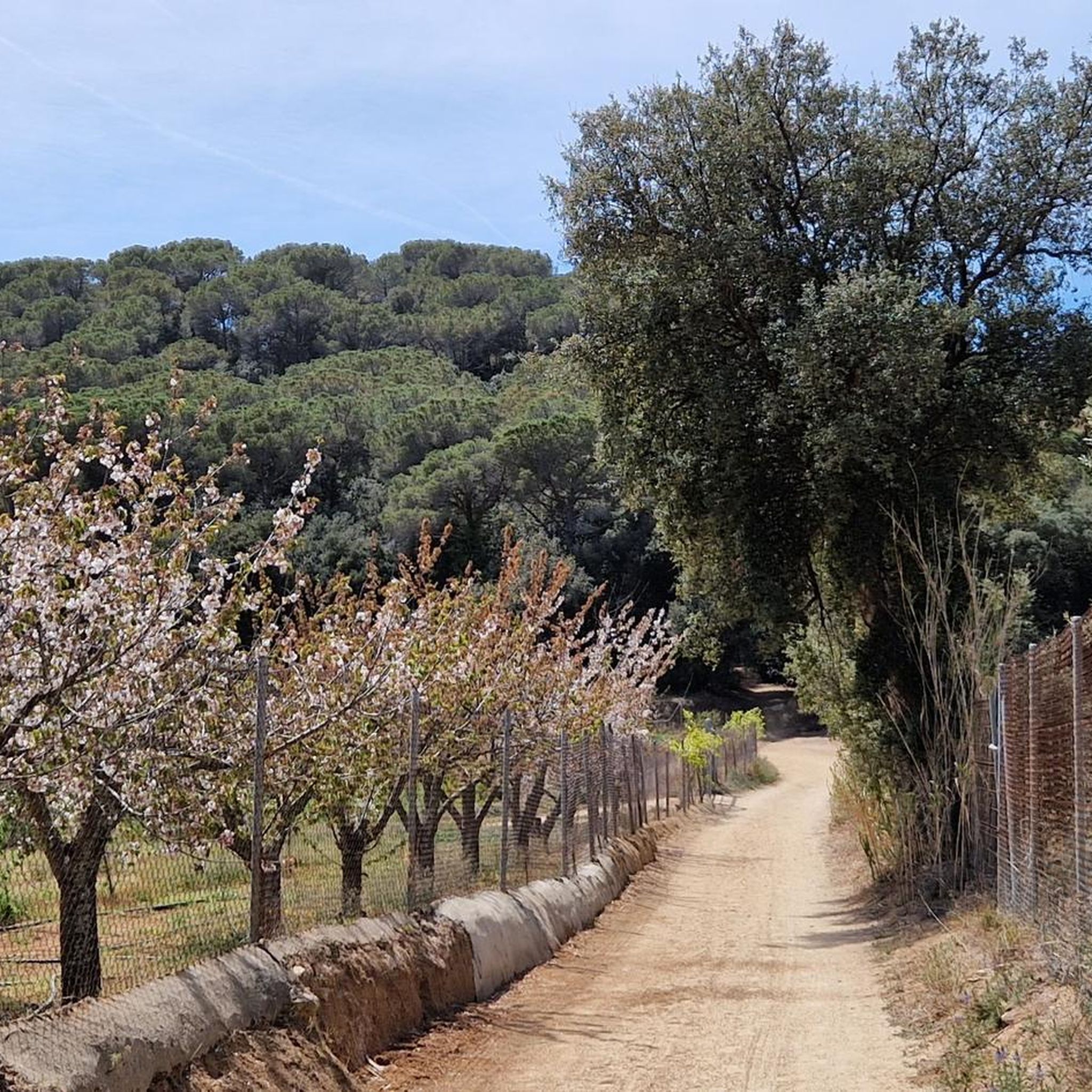
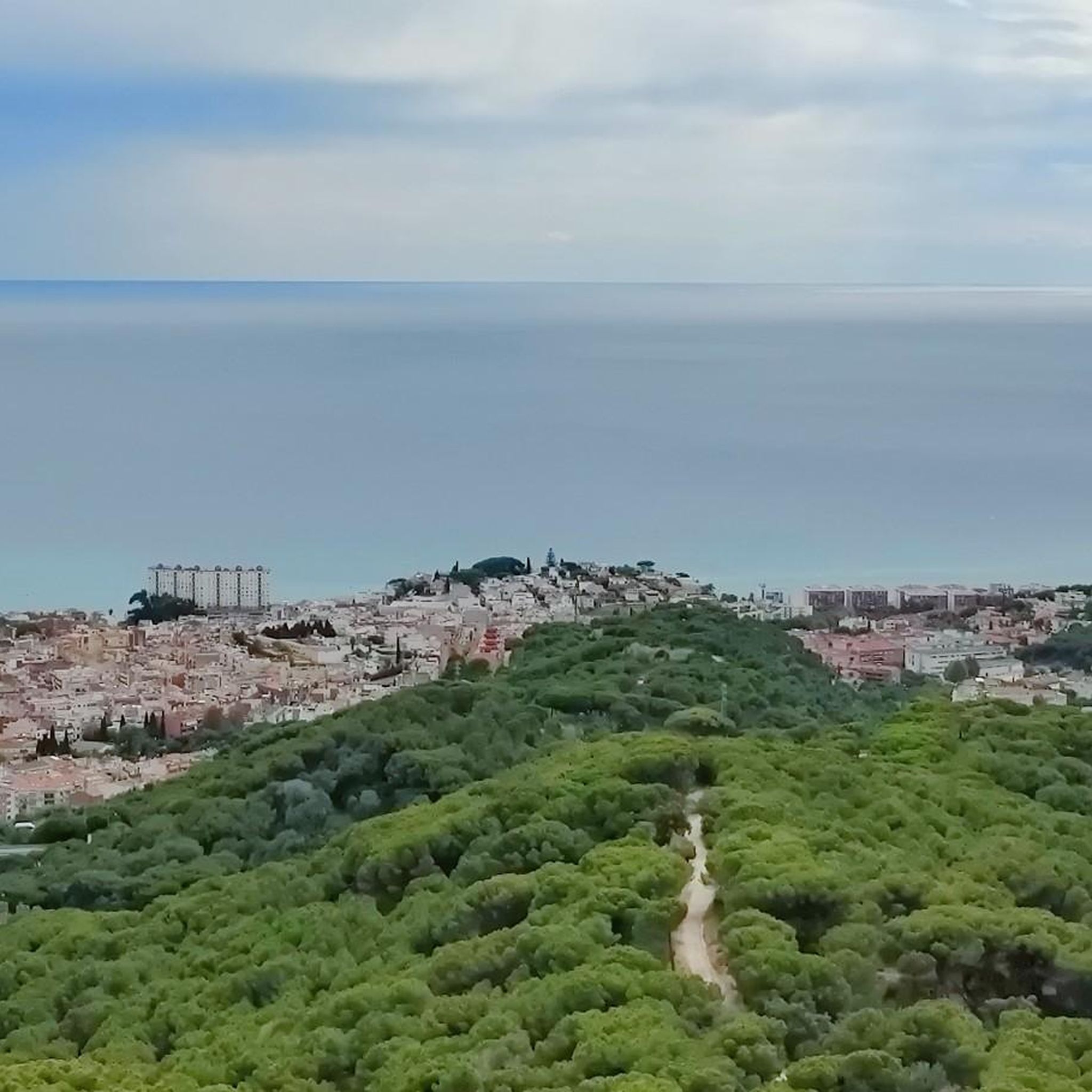
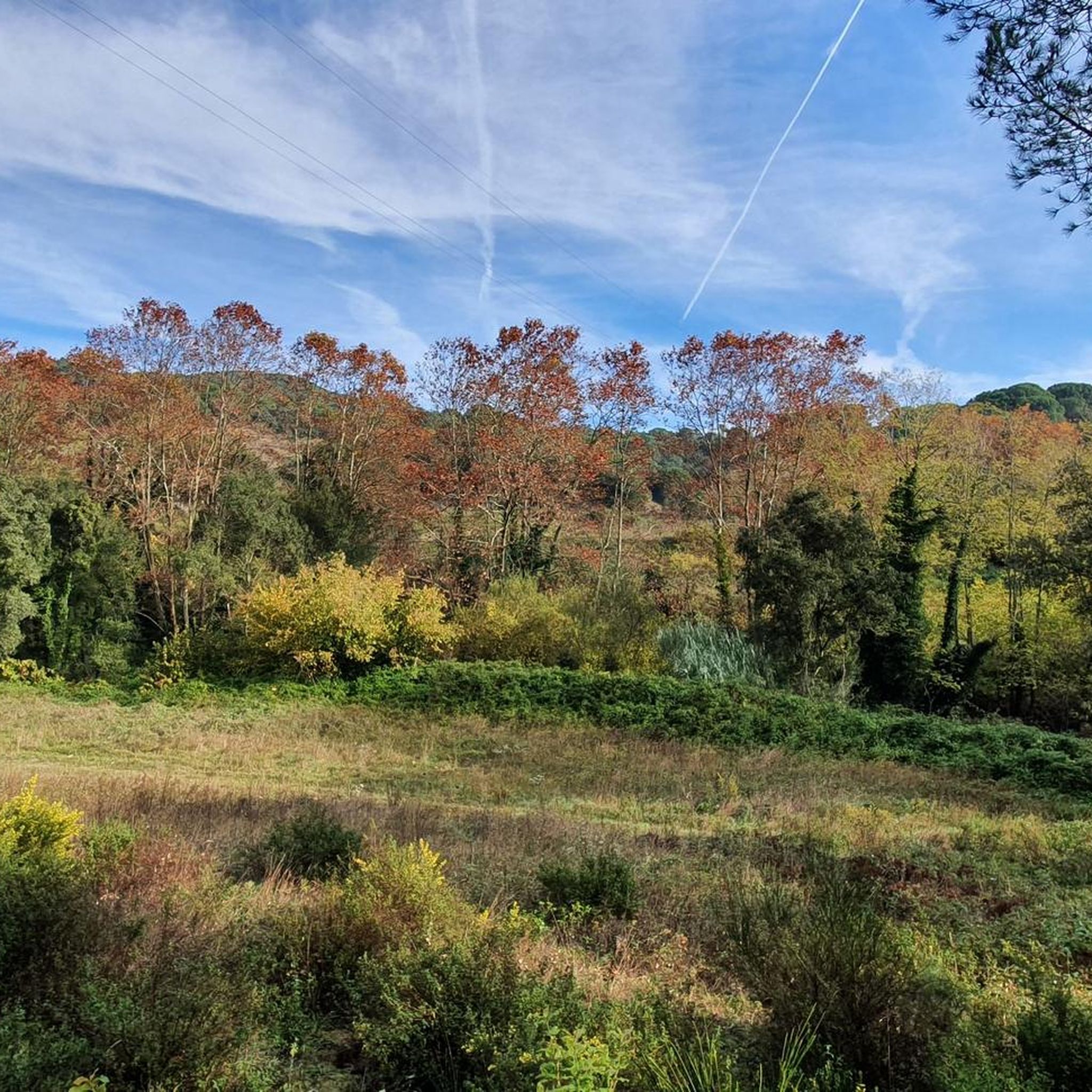
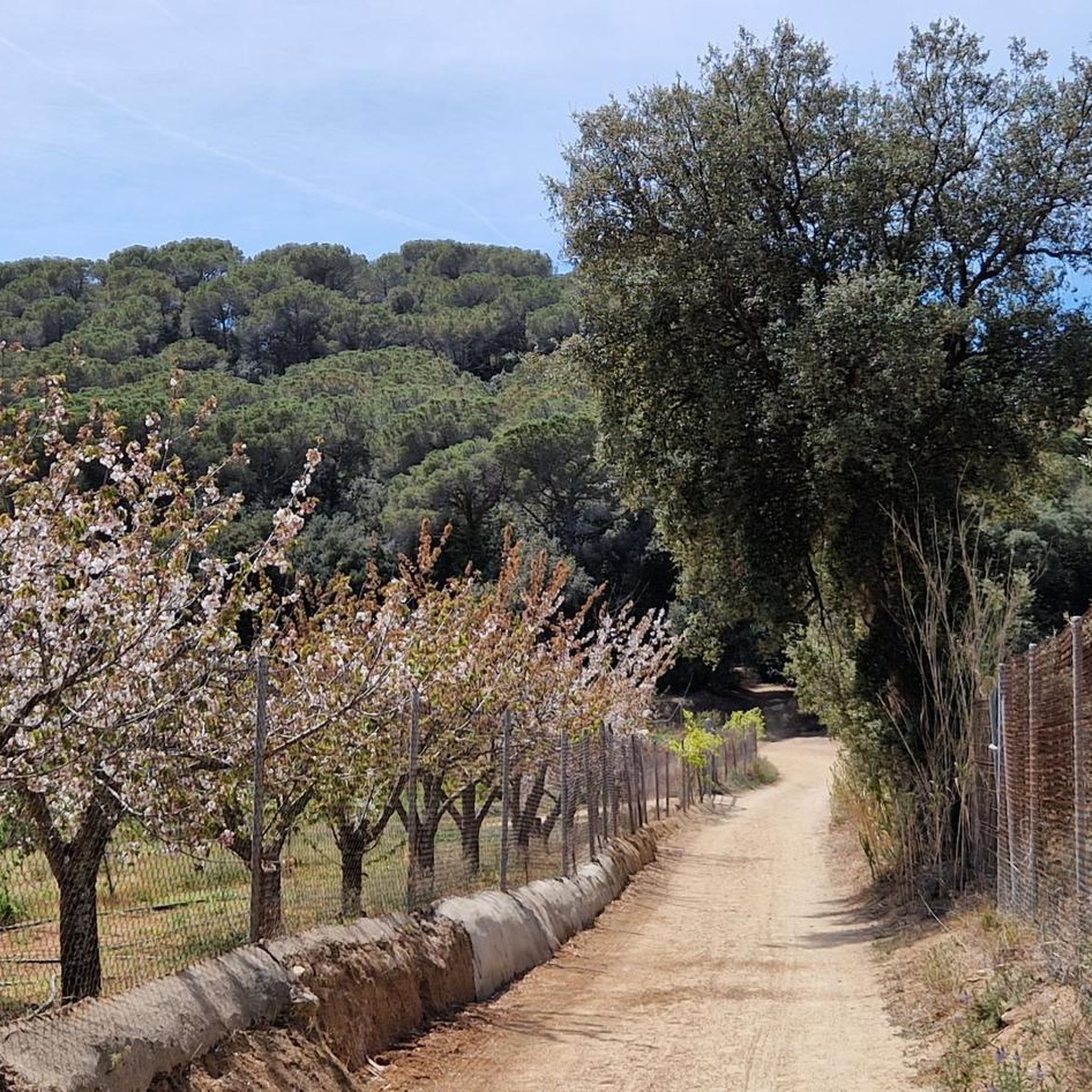
Touring cycling around Sant Iscle De Vallalta offers diverse landscapes at the foot of the Montnegre mountain range, within the Montnegre i el Corredor Natural Park. The region features a series of enclosed valleys that open towards the Riera de Vallalta, blending mountainous scenery with glimpses of the coast in extended journeys. Elevated slopes are abundant with pine, holm oak, and cork oak forests, while valley bottoms retain stretches of riverside forest. This varied terrain provides a range of cycling…
Last updated: June 24, 2026
1
riders
Hard bike ride. Very good fitness required. Mostly paved surfaces. Suitable for all skill levels.
24
riders
Moderate bike ride. Good fitness required. Mostly paved surfaces. Suitable for all skill levels.

Sign up for free
24
riders
26.4km
02:35
690m
700m
Hard bike ride. Very good fitness required. Mostly paved surfaces. Suitable for all skill levels.
22
riders
33.6km
03:16
980m
980m
Hard bike ride. Very good fitness required. Mostly paved surfaces. Suitable for all skill levels.
5.0
(1)
19
riders
37.1km
02:58
790m
790m
Hard bike ride. Very good fitness required. Mostly paved surfaces. Suitable for all skill levels.
Get access to more routes and recommendations from other explorers.
Sign up for free
Already have an account?
Our route recommendations are based on thousands of hikes, rides, and runs completed by other people on komoot.
Start today with a free account
Your next adventure awaits.
Login or Signup

Tips from the Community

Sant Martí de Montnegre Una església aïllada dins del Parc Natural del Montnegre, de gran valor per la seva integració en el paisatge forestal. És un punt de referència en les rutes de l'interior.
0
0
Església de Sant Llop d'Hortsavinyà El document més antic on s'esmenta Hortsavinyà és del 1101, i el primer de l'església, del 1301, si bé la primitiva esglesiola podria ser del segle IX o X. La major part de l'edifici actual és del segle XVIII. Sant Llop n'és el patró (1 de setembre), i per això se celebra la festa major en aquestes dates, coincidint amb el primer diumenge del mes. I si sant Llop és el patró de l'església, santa Eulàlia ho és del poble, i pels volts del 10 de desembre se celebra la festa major petita d'Hortsavinyà. Tradicionalment, sant Llop fou l'encarregat, en la fe cristiana, de guarir el mal de coll i l'afonia, i se'l relacionava amb alguns comportaments dels llops. Tot això ens porta a cercar els seus orígens en un personatge precristià, el pare Llop, un home que convivia amb un ramat de llops a les muntanyes. Una vegada a l'any baixava a les masies a cobrar un tribut, que calia pagar si es volia evitar l'atac dels llops al bestiar i a les persones. També era creença general, segons podem llegir als bestiaris medievals catalans, que si un home veia un llop abans que el llop a ell, la bèstia restava muda per sempre més, però si era el llop qui el veia primer, qui perdia la veu era l'home. Això darrer es produïa per l'ensurt que patia la persona en trobar-se el llop. D'aquí ve la relació de sant Llop amb l'afonia. Font: XPN
0
0
En Salvi Arenes i en Bosch, pagesos i propietaris dels boscos del Corredor, van promoure al 1523 la construcció d’una petita capella, dedicada a la Mare de Déu dels Socors, tot interpretant uns suggeridors senyals celestials. Se’n feu càrrec l’ermità Bernat Penitència. Al 1583, el frare Lleonard Claus va construir l’actual temple, d’estil gòtic tardà. S’hi celebren tres aplecs a l’any: dilluns de Pasqua (general), sant Marc (gent de Dosrius) i primer de maig (vot de poble de Canyamars). Font: XPN
0
0


It is one of those spots that go unnoticed if you don't know what's there. It is an old spring, linked to the historic paths that connected Mataró with the interior, when these passes were usual work and transport routes. The name comes from a fig tree that traditionally gave shade to the place, marking the stopping point. Little-known detail: this area is part of a network of old rural roads that climb towards the Corredor, and the pass acted as a strategic point for passage and rest before the tougher sections. Even today, if you pay attention, the surroundings maintain that logic: a place to stop, regroup, and continue. A discreet corner, but with much more history than meets the eye.
0
0

One of the springs of Montnegre, although when I passed by it was dry.
1
0
Beyond the usual features, what's interesting is that it wasn't just a parish church, but a key crossroads between isolated farmhouses and forest trails. For centuries it also served as a meeting place for the foresters, who used the porch to exchange warnings about snowfalls, fires, or lost livestock. Inside, remnants of badly worn mural paintings were found, indicating that it was once more important than it appears today. The surrounding area retains that secluded and remote atmosphere that has always characterized Sant Llop.
0
0

Located at the foot of the trail, it's a centuries-old holm oak tree worthy of contemplation, and a rest under its shelter, any time of year.
1
0
Frequently Asked Questions
What kind of terrain can I expect when touring cycling around Sant Iscle De Vallalta?
Sant Iscle De Vallalta, nestled at the foot of the Montnegre mountain range, offers a diverse landscape for touring cyclists. You'll find a captivating blend of coastal and mountainous scenery, with routes winding through enclosed valleys that open towards the Riera de Vallalta. The area is characterized by varied slopes, pine and holm oak forests within the Montnegre i el Corredor Natural Park, and higher elevations providing expansive views.
Are there touring cycling routes suitable for beginners or families in Sant Iscle De Vallalta?
Yes, the region offers a range of cycling experiences for various skill levels. While many routes present a challenge, there are options for easy touring, particularly along the Serra de Vallalta trails. These can be adapted for families or those seeking a more relaxed ride. Out of over 220 routes, 20 are classified as easy, providing gentle introductions to the area's natural beauty.
What are some notable landmarks or natural features I can see along the touring cycling routes?
Cyclists can explore a variety of cultural and natural highlights. You might encounter the historic Corredor Sanctuary, a late Gothic-style building, or the significant Rupit Cross amidst dense forests. Natural features include the panoramic Can Benet Pass with views of the Maresme coast, and the Les Llobateres Bird Observatory, a wetland ideal for observing aquatic flora and fauna.
Are there any challenging touring cycling routes for experienced riders?
Absolutely. Sant Iscle De Vallalta is well-suited for experienced touring cyclists looking for a challenge. The area features 135 difficult routes, often involving significant elevation changes and varied terrain within the Montnegre i el Corredor Natural Park. Routes like Sant Marti de Montnegre - circular gravel through Montnegre Park and the Corredor offer demanding climbs and rewarding views.
What is the best time of year to go touring cycling in Sant Iscle De Vallalta?
The region's climate makes it suitable for touring cycling for much of the year. Spring and autumn generally offer the most pleasant temperatures for outdoor activities. Summer can be warm, but the presence of natural pools in the Riera de Vallalta provides opportunities for a refreshing swim. The diverse terrain and forests offer shade, making it enjoyable even during warmer months.
Are there circular touring cycling routes available?
Yes, many of the touring cycling routes around Sant Iscle De Vallalta are designed as loops, allowing you to start and end at the same point. Examples include the challenging Corredor Sanctuary – Santuario del Corredor loop from Arenys de Munt, which explores the historic sanctuary, and the Sant Jaume Church – Garbí Beach loop from Sant Cebrià de Vallalta, offering a mix of coastal and inland scenery.
What do other touring cyclists enjoy most about cycling in Sant Iscle De Vallalta?
The area is highly rated by the komoot community, with an average score of 4.3 stars from over 300 reviews. Reviewers often praise the diverse landscapes, from coastal views to the serene forests of the Montnegre i el Corredor Natural Park, and the variety of routes catering to different skill levels. The tranquil escape offered by the green landscapes is a frequently highlighted aspect.
Can I find routes that combine mountain and sea views?
Yes, Sant Iscle De Vallalta's unique location, blending coastal and mountainous scenery, allows for varied itineraries. You can find routes that traverse both the Montnegre mountain range and offer glimpses of the Maresme coast. The View of Maresme – Collsacreu loop from Arenys de Munt is a great example, providing expansive coastal vistas.
Are there options for food and drink along the touring cycling routes?
While specific cafes or pubs directly on every trail are not guaranteed, the region has towns and villages where you can find places to refuel. Sant Iscle De Vallalta and nearby communities offer various establishments for food and drink. It's always a good idea to plan your route and check for amenities in advance, especially on longer tours.
What kind of natural features define the cycling experience in this region?
The touring cycling experience in Sant Iscle De Vallalta is defined by the Montnegre mountain range, which provides a stunning backdrop. You'll cycle through hidden valleys with preserved riverine forests, and extensive pine and holm oak forests within the Montnegre i el Corredor Natural Park. The Riera de Vallalta, the main stream, also features natural pools that are inviting during warmer months.
How many touring cycling routes are available in Sant Iscle De Vallalta?
There are over 220 touring cycling routes available around Sant Iscle De Vallalta, offering a wide range of options for all abilities. This includes 20 easy routes, 68 moderate routes, and 135 difficult routes, ensuring there's something for every touring cyclist.
Most popular routes around Sant Iscle De Vallalta
Most popular attractions around Sant Iscle De Vallalta

Get inspired with the komoot mobile app


Explore more
Browse the best Cycling routes in other regions.
