Top 8 Natural Monuments around Villanueva Del Trabuco
Best natural monuments around Villanueva Del Trabuco are characterized by diverse geological formations and water features. The region, situated in the province of Málaga, Spain, offers a landscape with significant natural landmarks. These sites provide opportunities to observe unique natural phenomena and varied terrain. The area is notable for its mountain ranges, river sources, and distinctive karstic depressions.
Best natural monuments around Villanueva Del Trabuco
- The most popular natural monuments is Hundred‑Spout Fountain, a natural monument that serves as…
Last updated: July 1, 2026
Hundred‑Spout Fountain
Highlight • Natural Monument
Translated by Google •
Tip by

Baños de Vilo Hot Springs
Highlight • Natural Monument
Translated by Google •
Tip by

Sign up now to discover places like this
Get recommendations on the best single tracks, peaks, & plenty of other exciting outdoor places.
Sign up for free
Zafarraya Plain
Highlight • Natural Monument
Tip by

View of the Gomer and Doña Ana cliffs
Highlight • Viewpoint
Translated by Google •
Tip by

Río Frío Springs
Highlight • River
Translated by Google •
Tip by
Sign up for free to discover even more natural monuments around Villanueva Del Trabuco.
Sign up for free
Already have an account?
Start today with a free account
Your next adventure awaits.
Login or Signup
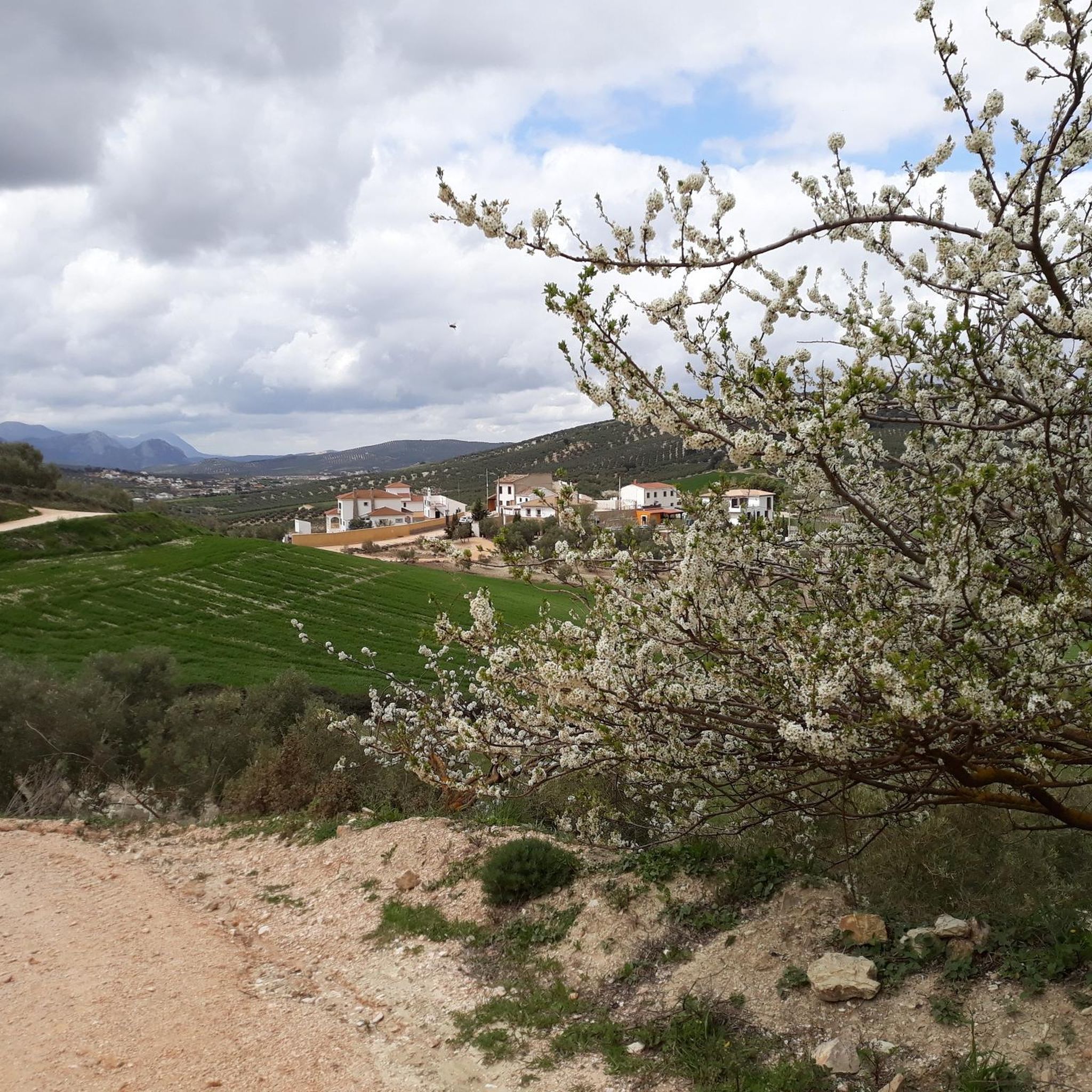
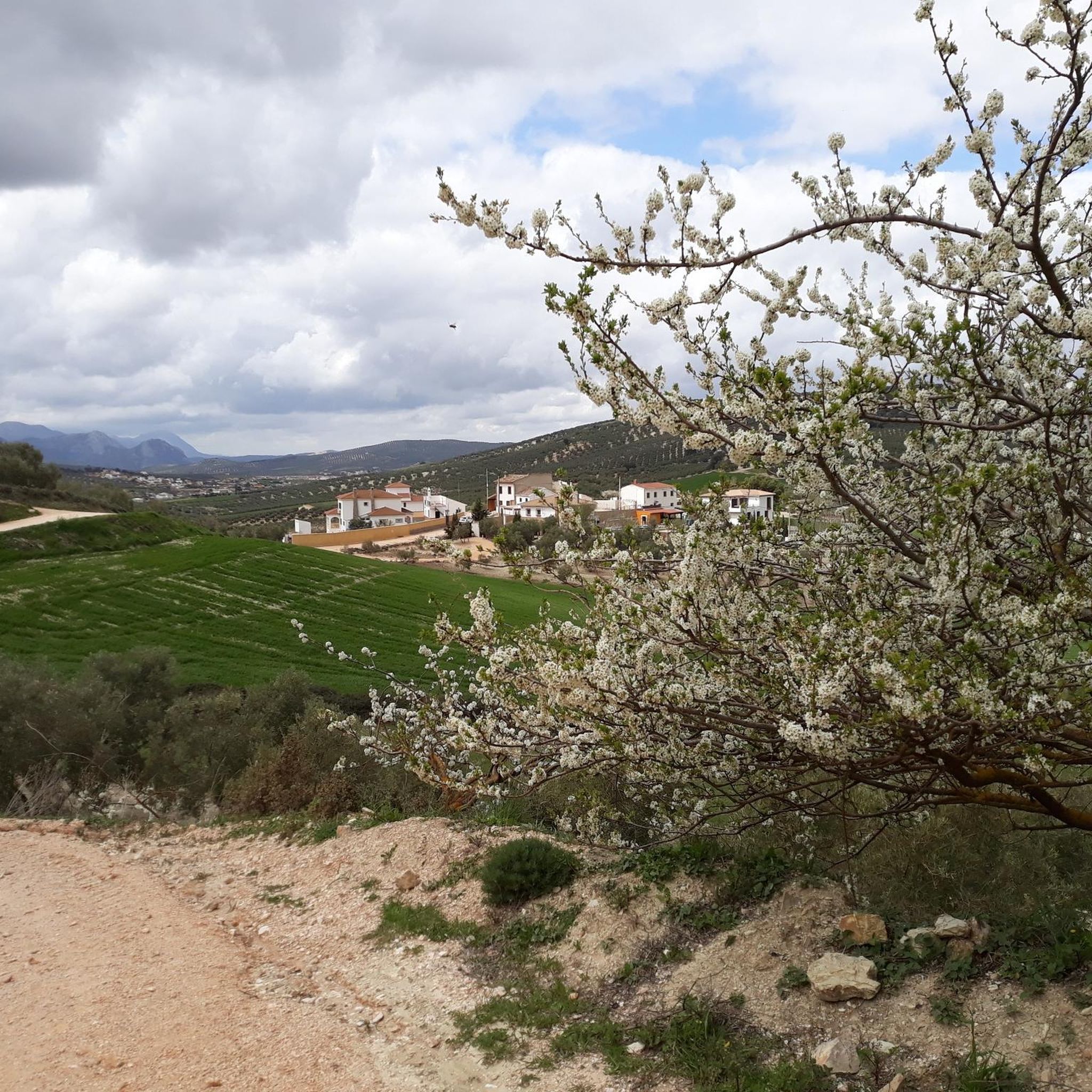
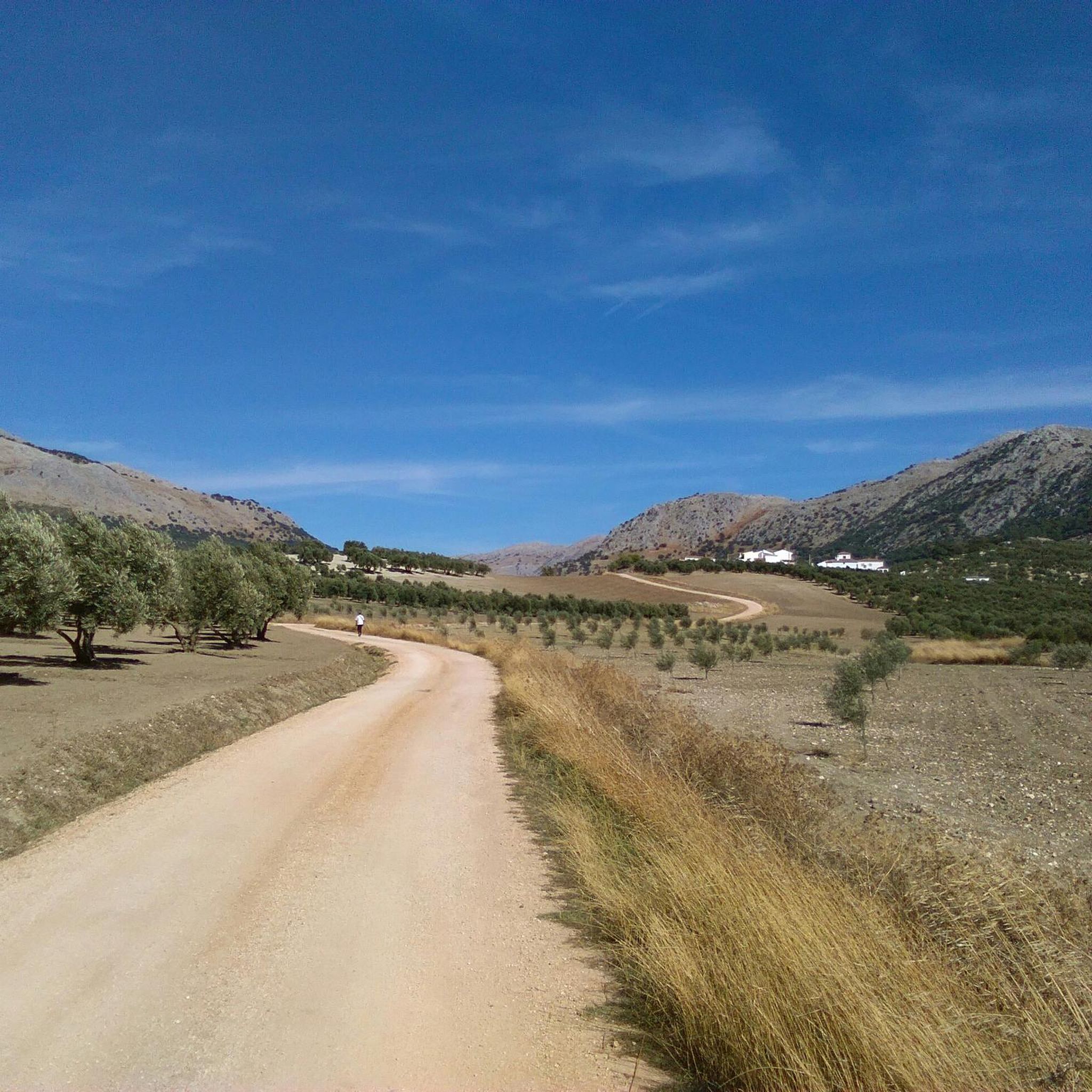
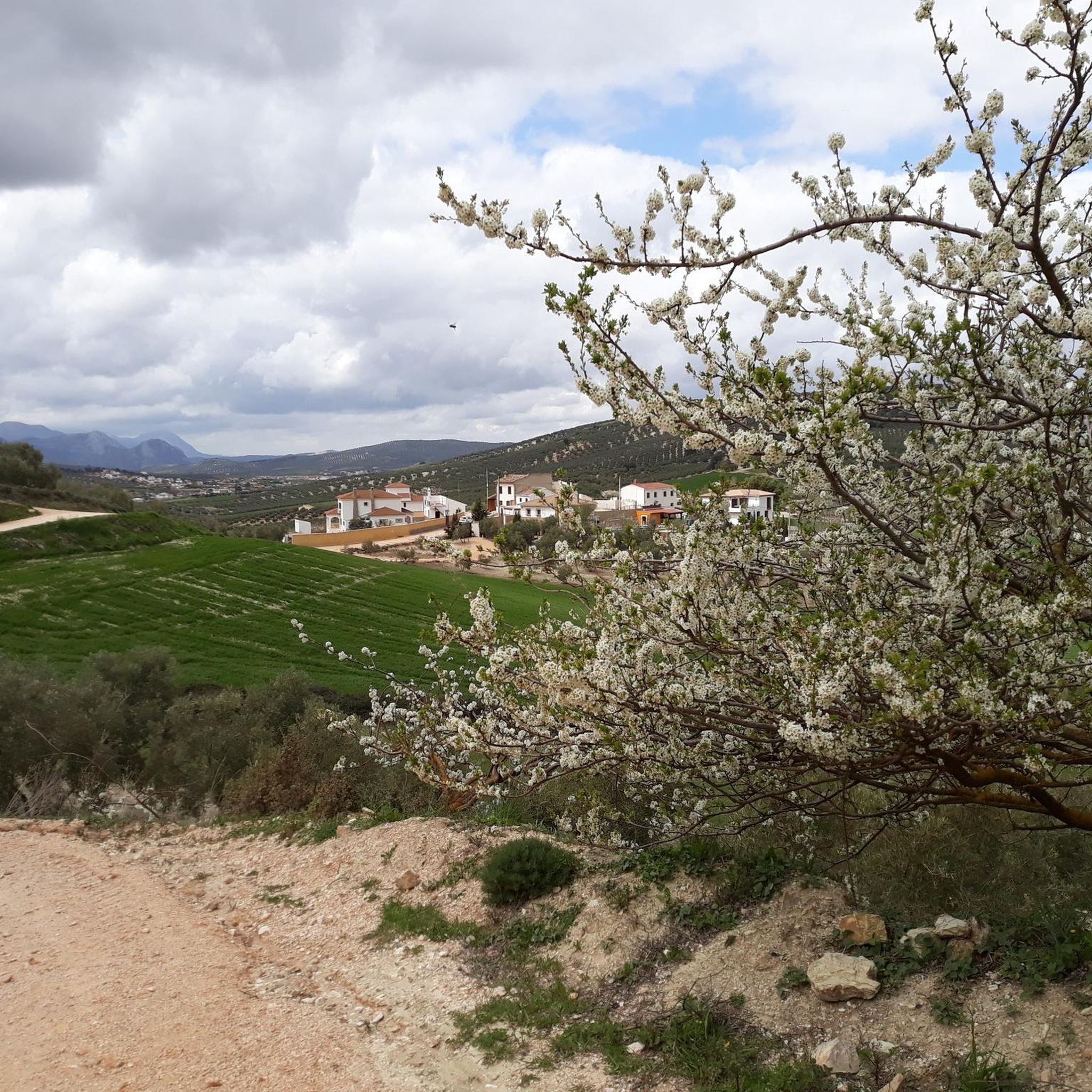
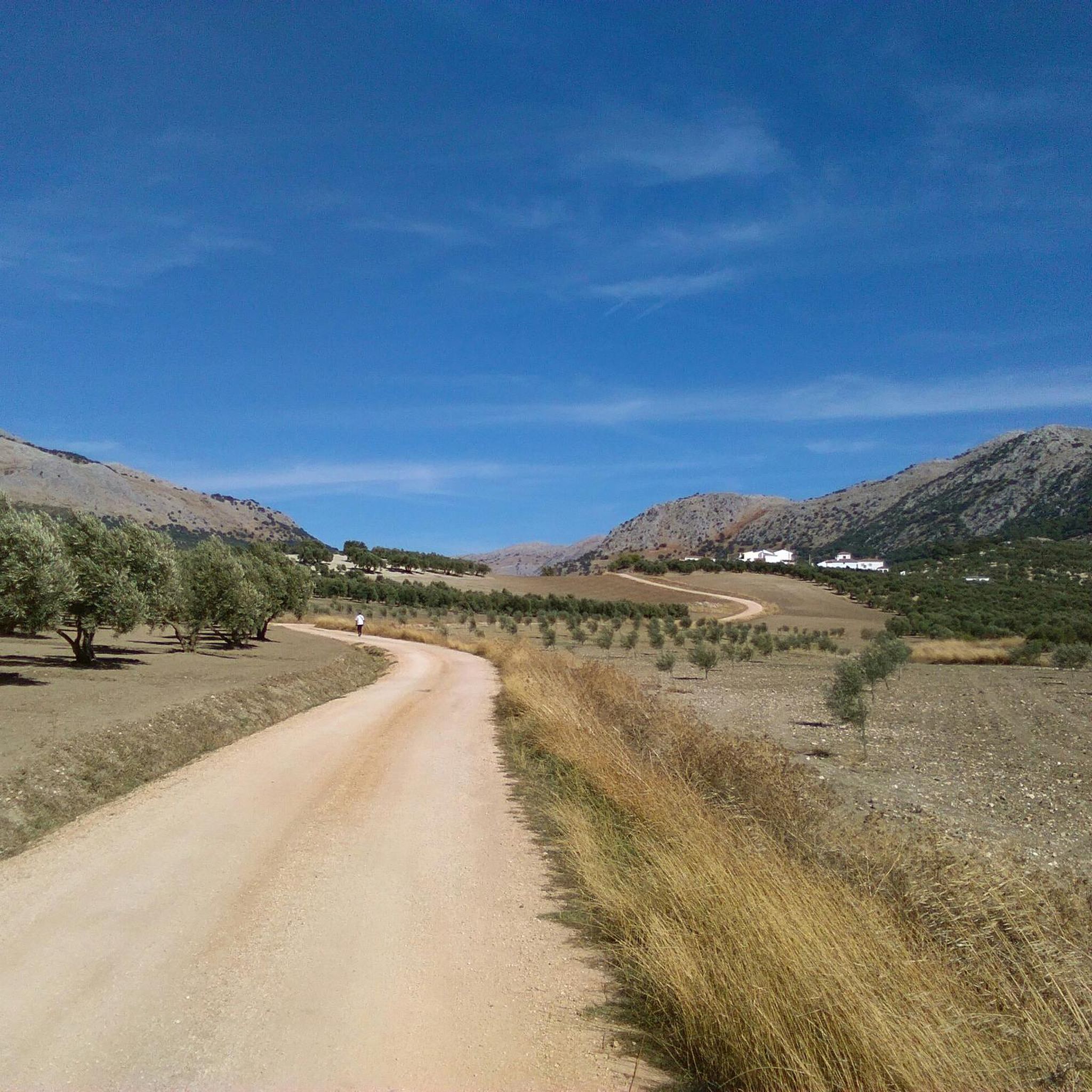

Tips from the Community

I was there mid november and the fountain was empty...
0
1

A colorful route with many beautiful areas. The 101 channels are truly breathtaking with so much water. The Rosario River is full of beauty with those spectacular waterfalls.
1
1

The Fuente de los Cien Caños is an impressive natural monument located in Villanueva del Trabuco, on the limestone slope of the Sierra de San Jorge. The fountain is known for being the source of the Guadalhorce River, the longest and most voluminous river in the province of Malaga.
5
0

The Zafarraya polje is a closed depression with a flat bottom, surrounded by limestone mountains that are strongly karstified. The waters of the polje are absorbed by several ponors (sinkholes), and during heavy rainfall the polje can be temporarily flooded. This makes it an interesting example of karst landscape and geological processes.
8
3


A natural water spring is the origin of this fantastic fountain that has 100 taps through which the water comes out, hence its name. It is a very popular place in the area and is located in a picturesque landscape.
1
1

This gigantic fountain channels the water that flows from the San Jorge mountain range, constituting the most important contribution of the Guadalhorce river in its initial section. Despite its name, the fountain actually has 101 spouts!
2
0

The Zafarraya field or plain is a spectacular "polje" formation, a depression of karstic origin, which with an extension of ten square kilometers is one of the largest in the Iberian Peninsula. Cycling around here is really interesting.
1
2
Frequently Asked Questions
What are the most prominent natural features to explore around Villanueva del Trabuco?
The region is rich in diverse natural features. You can explore the impressive Hundred‑Spout Fountain, which is the source of the Guadalhorce River, or the unique geological formation of the Zafarraya Plain, a large karstic depression. Additionally, the area boasts several mountain ranges like the Sierras of San Jorge, Gorda, and Jobo, offering true mountain landscapes with abundant streams.
Are there any viewpoints offering panoramic views of the natural monuments?
Yes, the View of the Gomer and Doña Ana cliffs provides perspectives of two significant cliffs that are part of the Central Malagueño Limestone Arch. Another excellent spot is the Alto de Hondonero Viewpoint, which offers stunning panoramic views of the mountainous landscape and surrounding valleys.
What kind of outdoor activities can I do near the natural monuments in Villanueva del Trabuco?
The natural monuments are surrounded by opportunities for various outdoor activities. You can find numerous routes for hiking, cycling, and mountain biking. For instance, there are several hiking trails, including a moderate circular route around the Hundred‑Spout Fountain, and MTB trails that pass by the fountain and the Alto del Hondonero Viewpoint.
Are there family-friendly natural monuments or activities in the area?
Absolutely. The Hundred‑Spout Fountain is considered family-friendly, offering a captivating spectacle of gushing water that appeals to all ages. The Río Frío Springs is another beautiful area with willows and geese, perfect for a peaceful stroll with family. The Nacimiento del Río Cerezo also provides a tranquil setting for hiking and connecting with nature.
What makes the Zafarraya Plain a unique natural monument?
The Zafarraya Plain is a unique natural monument because it is a 'polje' formation – a tectonic, karstic depression. It's one of the largest in the Iberian Peninsula, characterized by a flat bottom surrounded by karstified limestone mountains. This geological significance creates a distinctive landscape dominated by rocks, offering a beautiful atmosphere for exploration.
Can I visit any hot springs near Villanueva del Trabuco?
Yes, the Baños de Vilo Hot Springs, located near Periana, are a natural monument within the broader Málaga region. These springs feature a pool with healing waters known since Muslim times. Admission is free, and the water is said to have medicinal properties, particularly for skin conditions.
What is the best time of year to visit the natural monuments around Villanueva del Trabuco?
The region's natural monuments, with their water features and mountain landscapes, are enjoyable throughout much of the year. Spring and autumn generally offer pleasant temperatures for hiking and exploring. After heavy rainfall, the Hundred‑Spout Fountain is particularly impressive with its gushing water.
Are there any easy hiking routes suitable for beginners near these natural monuments?
Yes, there are easy hiking options. For example, a short 4.2 km loop around the Hundred‑Spout Fountain is available, starting from the Monumento Natural Fuente de los Cien Caños. You can find more details on hiking routes in the area.
What are the characteristics of the water at the Baños de Vilo Hot Springs?
The water at the Baños de Vilo Hot Springs is calcium water containing nitrogen, hydrogen sulphide, and magnesium, produced at 21ºC. It is particularly suitable for the treatment of skin diseases and has a slight smell of rotten eggs due to the sulfur content. After a bath, the skin is often described as soft and hydrated.
What geological significance do the Sierra de San Jorge and other mountain ranges hold?
The Sierra de San Jorge is notable as the source of the Guadalhorce River, with water emerging from countless springs. The surrounding mountain ranges, including Sierra Gorda and Sierra Jobo, are characterized by beautiful mountain scenery and abundant water resources. These areas are part of the broader Betic Cordillera, showcasing significant karst landscapes and geological processes, such as those seen in the Zafarraya Plain.
What do visitors particularly enjoy about the natural monuments in Villanueva del Trabuco?
Visitors appreciate the captivating natural displays, such as the gushing water at the Hundred‑Spout Fountain, especially after rainfall. The tranquil settings of places like the Nacimiento del Río Cerezo and Río Frío Springs are also highly valued for relaxation and connecting with nature. The unique geological formations and panoramic views from spots like the Alto de Hondonero Viewpoint also draw significant interest.
Most popular routes around Villanueva Del Trabuco
Most popular attractions around Villanueva Del Trabuco

Get inspired with the komoot mobile app


Explore more
Extend your search for the best caves by checking out these guides of the top ones around Villanueva Del Trabuco:
