Top 6 Natural Monuments around Villarrubia De Santiago
Best natural monuments around Villarrubia De Santiago showcase a landscape rich in natural water sources and distinctive geological formations. This region in the province of Toledo features ancient fountains, riverine ecosystems, and unique ravines. These sites offer insight into the area's natural environment and its historical significance. The diverse terrain provides opportunities for exploration and appreciation of its rugged natural beauty.
Best natural monuments around Villarrubia De Santiago
- The most popular natural monument is Tagus River Riparian Forests, a…
Last updated: July 1, 2026
Fuente de la Pajarita
Highlight • Natural Monument
Translated by Google •
Tip by

Tagus River Riparian Forests
Highlight • Forest
Translated by Google •
Tip by

Sign up now to discover places like this
Get recommendations on the best single tracks, peaks, & plenty of other exciting outdoor places.
Sign up for free
Valdepinar Spring
Highlight • Structure
Translated by Google •
Tip by
Poza del Moral Spring
Highlight • Natural Monument
Translated by Google •
Tip by
Fuente del Horcajuelo
Highlight • Natural Monument
Translated by Google •
Tip by
Sign up for free to discover even more natural monuments around Villarrubia De Santiago.
Sign up for free
Already have an account?
Start today with a free account
Your next adventure awaits.
Login or Signup

Tips from the Community

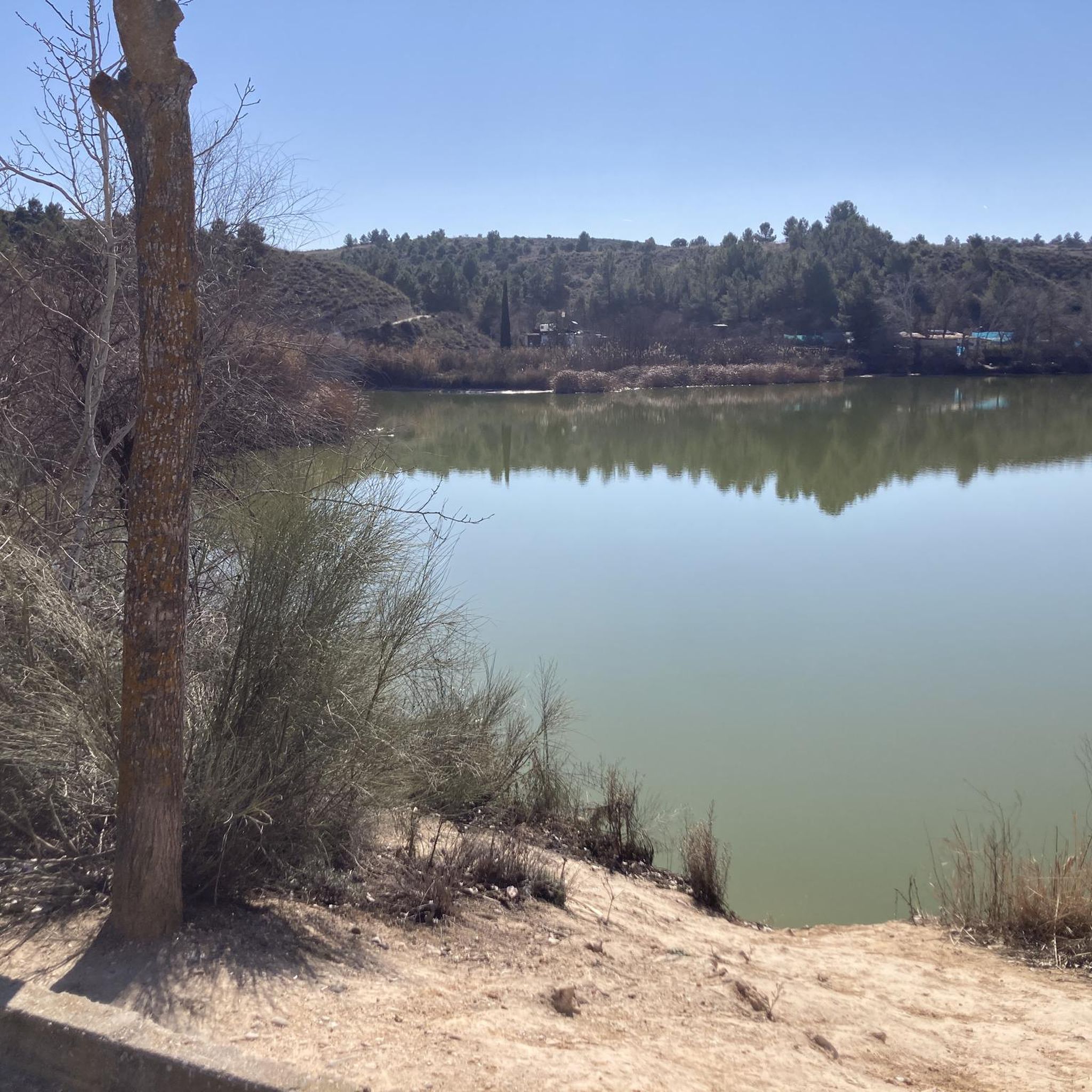
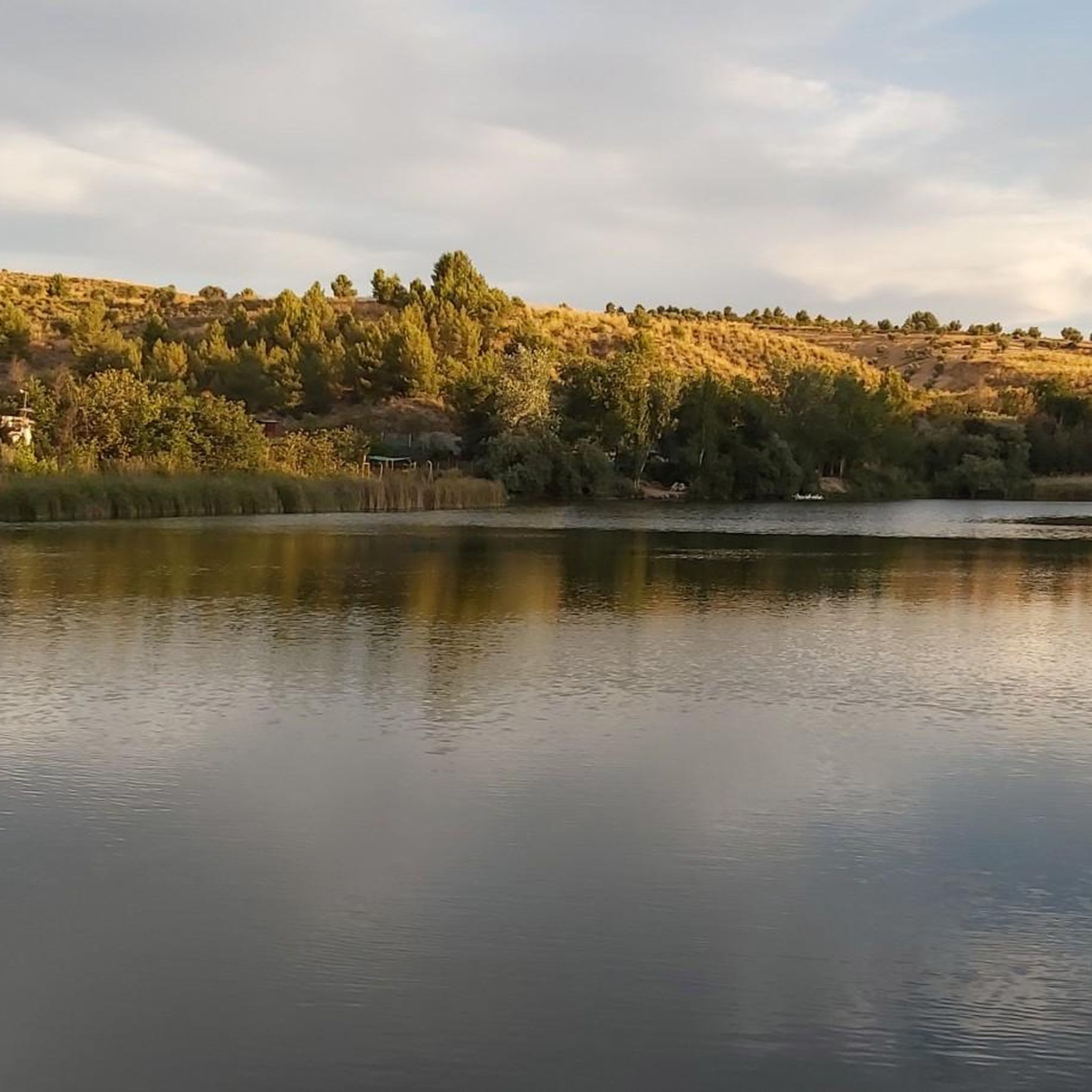
The banks of the Tagus River are a dense curtain of white poplars, cottonwoods, willows, tamarisks, elms and marsh vegetation between the waterway and the extensive crop plains, an important refuge for wildlife and waterfowl that make their habitat in the reed beds of the river banks and the trees.
0
0

The Fuente de la Pajarita in Colmenar de Oreja is a historic fountain located on the old road to Aranjuez. This fountain has a spout that pours water into a box used as a watering trough for livestock. Although its flow is low, its waters are known for being very salty and, in the past, were used for medicinal purposes as a purgative.
6
0
It is one of the historic springs of Belmonte de Tajo, it is surrounded by huge poplars, the channels have little flow and it depends on the rains to provide current to the stream.
0
0
It is a group of several springs at the head of the Valdepinar stream. The main fountain is dated 1871, according to an inscription carved in the stone, it has a circular basin and four spouts that drain into the cattle trough and a washhouse traditionally used to wash new wool.
0
0
It is a spring appreciated for the good quality of its water. It has a spout and a small trough attached to the retaining wall.
0
0
Brackish water spring on the old cobbled road of Aranjuez. It has a low-flow spout used in other times for its medicinal properties and a large pond used mainly as a watering trough for cattle and horses.
2
0
Frequently Asked Questions
What unique geological features can I explore around Villarrubia de Santiago?
The region is known for its distinctive Cárcavas y Barrancos (Gullies and Ravines), which are significant geological formations forming a dry, whitish terrain that becomes greener closer to the Tagus River. Additionally, the enigmatic Cueva de la Yedra, part of an extensive underground cave system, offers a mysterious natural wonder for those interested in subterranean exploration.
Are there historical water sources or fountains to visit in the area?
Yes, Villarrubia de Santiago is rich in historical water sources. You can visit the ancient Romanesque-style Las Fuentes (Fuente Vieja and Fuente Nueva), which date back to at least 1576. Other notable historical fountains include Fuente de la Pajarita, known for its salty waters historically used for medicinal purposes, and Valdepinar Spring, featuring a main fountain dated 1871 with a traditional washhouse.
What kind of natural landscapes can I expect to see?
The landscape around Villarrubia de Santiago is diverse, featuring riverine ecosystems, unique geological formations, and tranquil water bodies. You can explore the dense Tagus River Riparian Forests, the rugged Cárcavas y Barrancos (Gullies and Ravines), and serene spots like Laguna de Noblejas. The area also boasts several springs, such as Poza del Moral Spring and Fuente de la Tejera, which has a mini lagoon.
Are there family-friendly natural monuments around Villarrubia de Santiago?
Many natural monuments in the area are suitable for families. The Tagus River Riparian Forests offer gentle paths for exploration, and historical fountains like Fuente de la Pajarita and Valdepinar Spring provide interesting stops. The restored lake environment at Fuente de la Tejera with its mini lagoon is also a pleasant spot for families.
What outdoor activities can I do near these natural monuments?
The natural monuments are excellent starting points for various outdoor activities. You can enjoy hiking, cycling, and road cycling. For hiking, consider routes like the 'Walk of the Fountains' or 'Sendero del Charco Negro'. Cyclists can explore routes such as 'Chinchón, Colmenar de Oreja y Villaconejos – circular from Belmonte'. Find more details on nearby routes in the Hiking around Villarrubia De Santiago or Cycling around Villarrubia De Santiago guides.
What is the best time of year to visit the natural monuments around Villarrubia de Santiago?
The best time to visit is typically during spring (March to May) and autumn (September to November). During these seasons, the weather is mild and pleasant for outdoor activities like hiking and exploring. Spring brings lush greenery, especially near water sources, while autumn offers comfortable temperatures and beautiful colors.
Can I bring my dog to the natural areas and trails?
Many natural areas and trails around Villarrubia de Santiago are dog-friendly, especially those in open landscapes like the gullies and ravines, or along the Tagus River. However, it's always recommended to keep your dog on a leash, especially in areas with wildlife or near historical sites, and to clean up after them to preserve the natural environment for everyone.
Are there any hidden natural gems worth exploring?
Beyond the more prominent sites, the Cueva de la Yedra stands out as an enigmatic hidden gem, part of a vast, mysterious underground cave system. Another tranquil spot is Laguna de Noblejas, a quiet lake located in the remote Los Almendros del Tajo area, perfect for rest and enjoying serene natural beauty away from crowds.
What kind of wildlife can be spotted in the natural monuments and surrounding areas?
The diverse habitats around Villarrubia de Santiago support various wildlife. In the Cárcavas y Barrancos (Gullies and Ravines), you might spot fauna such as rabbits and red partridges. The Tagus River Riparian Forests are an important refuge for waterfowl and other wildlife that inhabit the reed beds and trees along the riverbanks.
Are there any viewpoints offering scenic views of the region?
Yes, the Tagus River Riparian Forests offer scenic views along the riverbanks. Additionally, while primarily an architectural site, the Ermita del Castellar is situated on a cliff overlooking the Tagus River, providing impressive panoramic views of the river and its surrounding natural landscape.
What should I bring when visiting the natural monuments?
When visiting the natural monuments, it's advisable to bring comfortable walking shoes, water, sun protection (hat, sunscreen), and a camera to capture the beautiful landscapes. Depending on the season, a light jacket or rain gear might be useful. If you plan to hike, consider bringing a map or using a navigation app like komoot.
Are there circular walking routes that include natural monuments?
Yes, the area offers circular walking routes. A notable one incorporates the ancient Las Fuentes (Fuente Vieja and Fuente Nueva), descending towards the gullies and ravines that feed into the Tagus River. You can also find other circular hiking options in the Hiking around Villarrubia De Santiago guide, such as 'Ocana - circular tour of the historic center'.
Most popular routes around Villarrubia De Santiago
Most popular attractions around Villarrubia De Santiago

Get inspired with the komoot mobile app


Explore more
Extend your search for the best caves by checking out these guides of the top ones around Villarrubia De Santiago:
