The best cycling routes around Villarrubia De Santiago
4.0
(3)
232
riders
40
rides
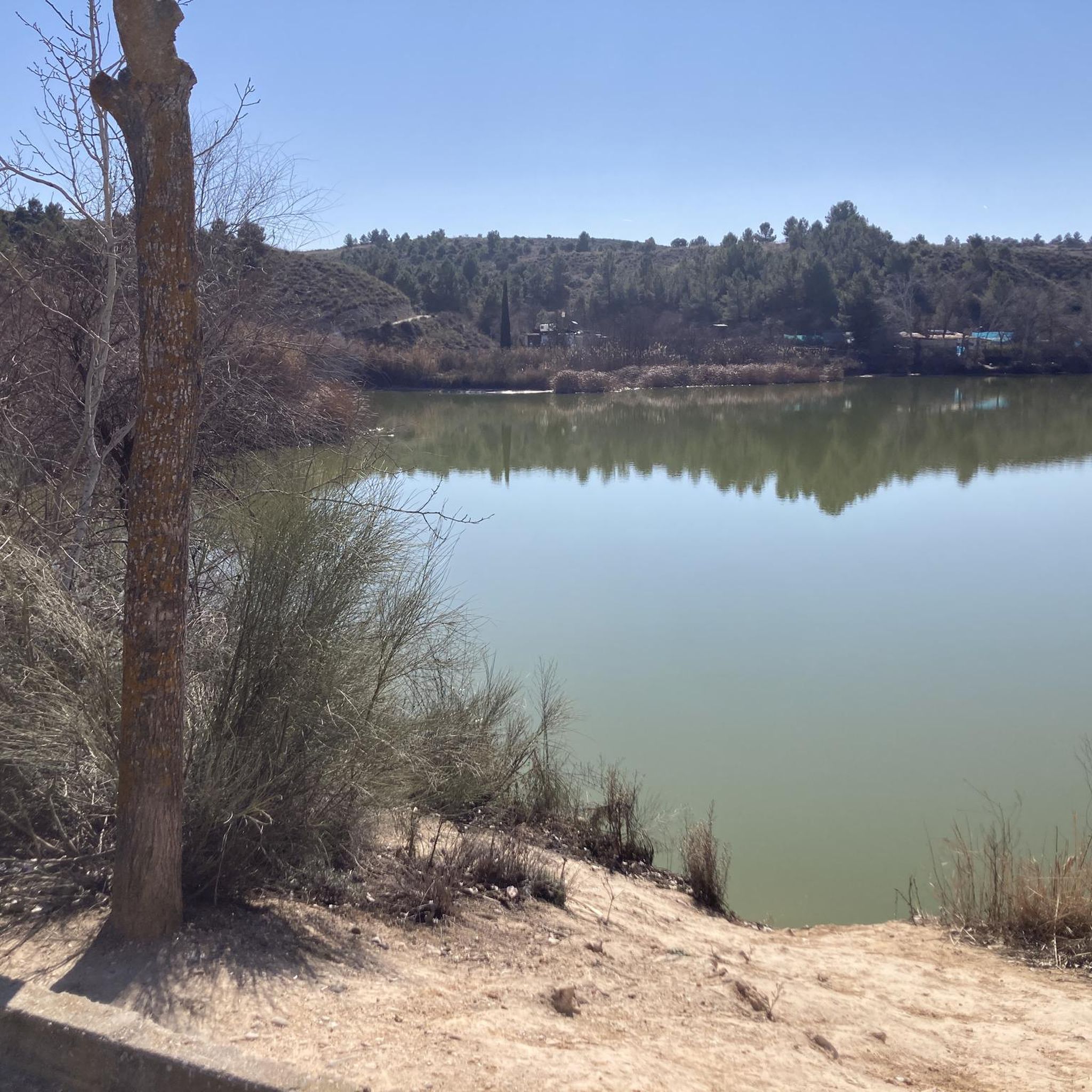
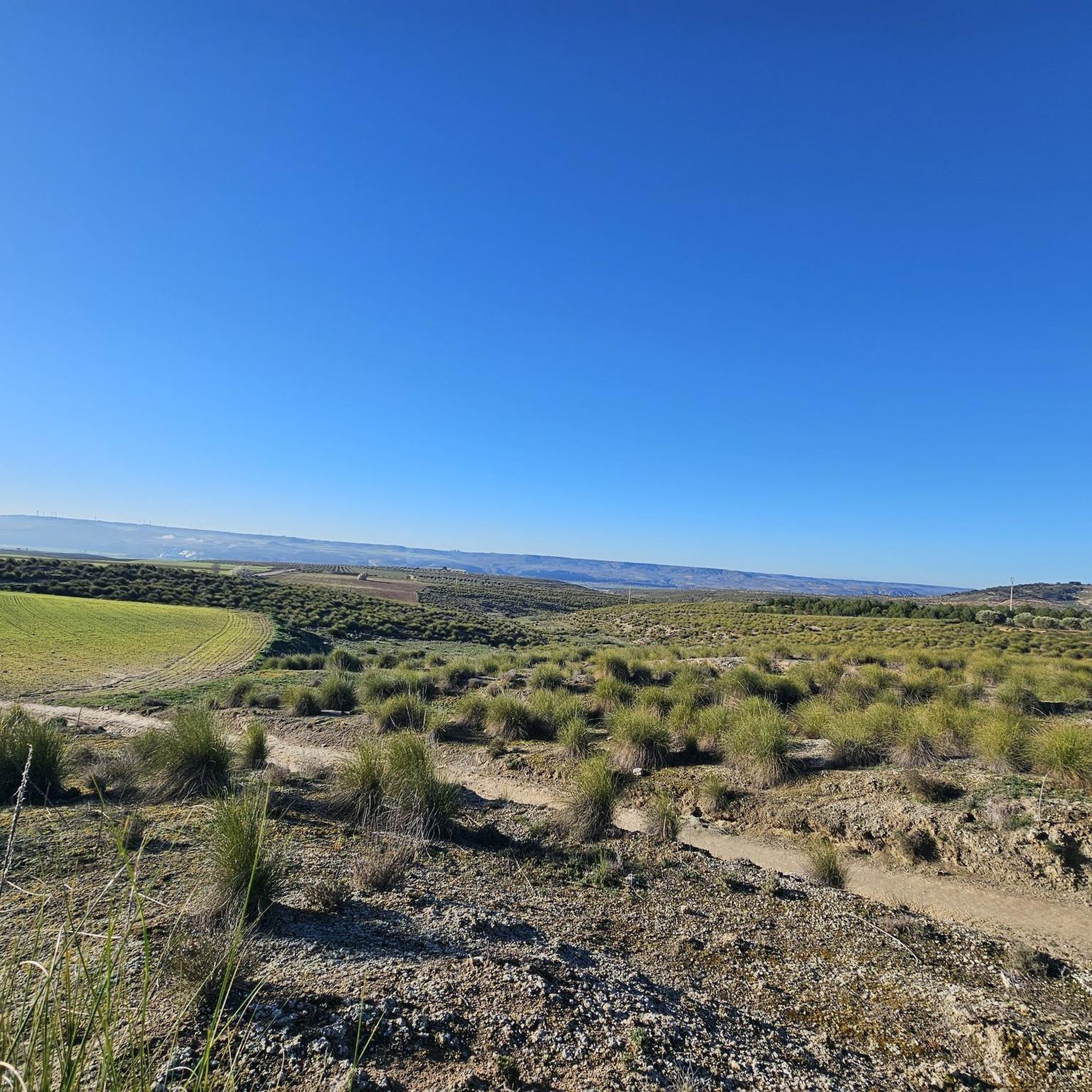
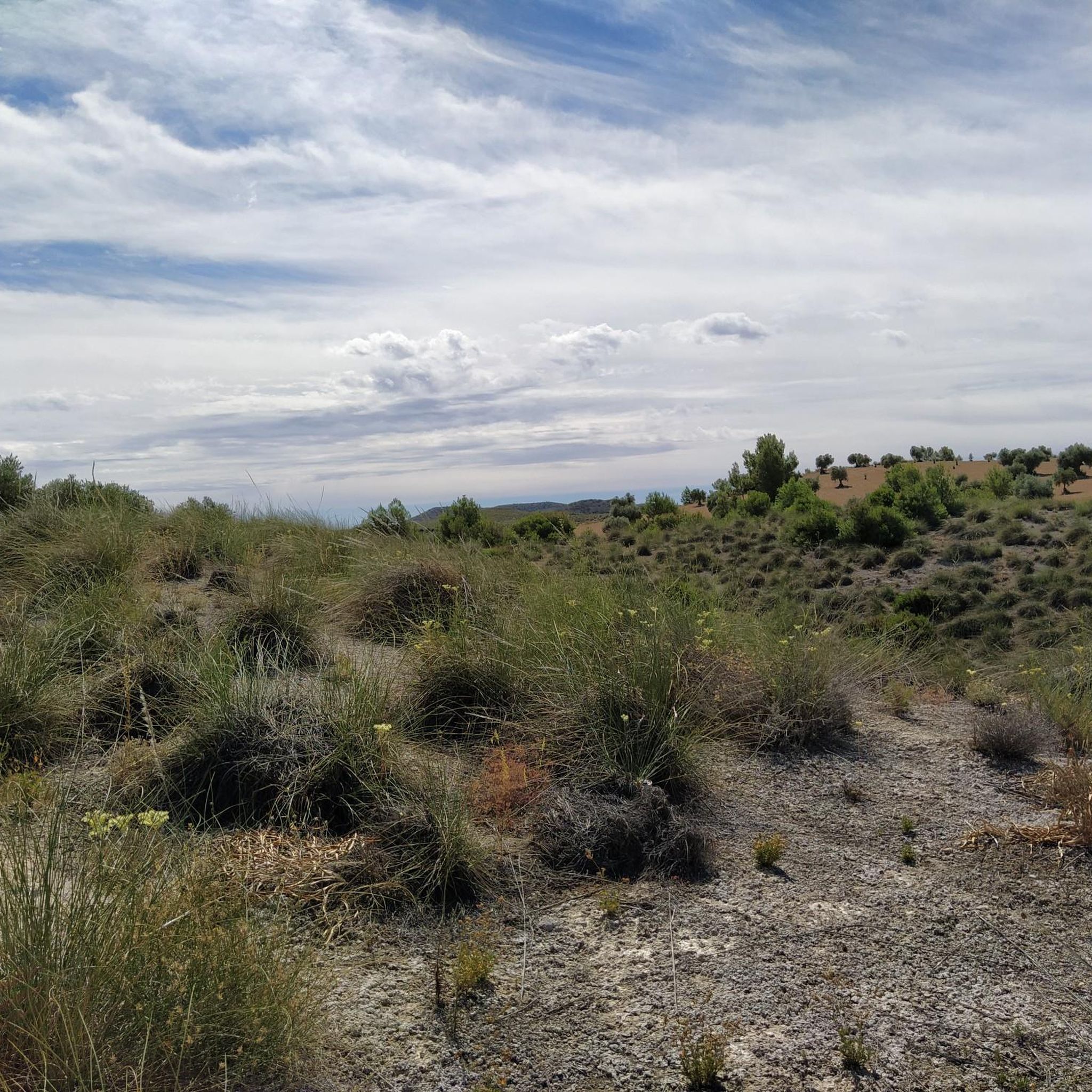
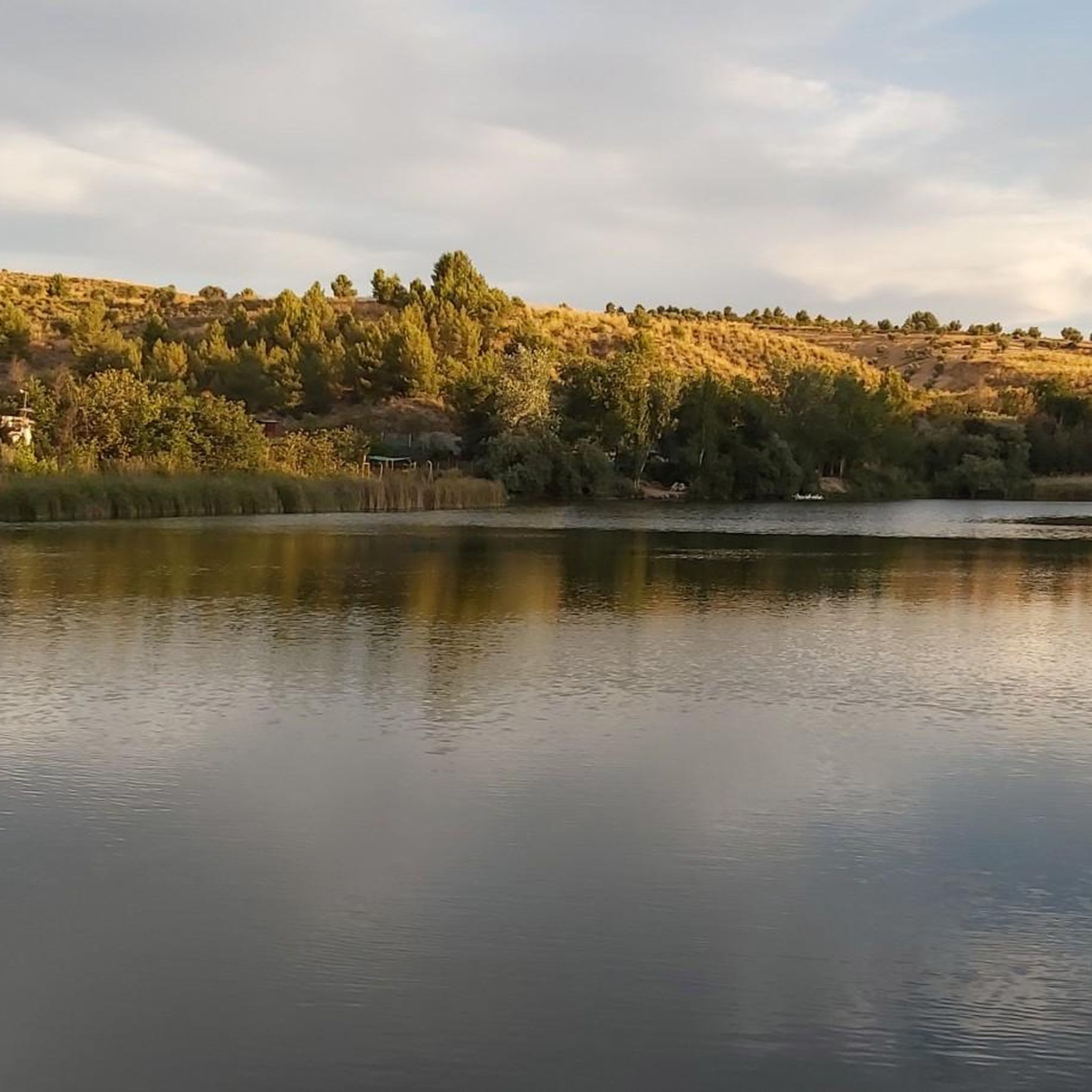
Touring cycling routes around Villarrubia de Santiago offer a diverse landscape in the Mesa de Ocaña, characterized by its distinctive "red earth" terrain. The region features dramatic topography sculpted by the Tagus River, including gullies, ravines, and white limestone hills, particularly to the north. Expansive plains and moors, known as "estepas y parameras," also define the area, occasionally revealing hidden springs and verdant pockets. These varied natural features provide a compelling backdrop for cycling exploration.
Best touring cycling routes around…
Last updated: July 8, 2026
30.2km
01:52
310m
300m
Moderate bike ride. Good fitness required. Mostly paved surfaces. Suitable for all skill levels.
15
riders
46.0km
03:52
470m
470m
Hard bike ride. Very good fitness required. Mostly paved surfaces. Suitable for all skill levels.

Sign up for free
6
riders
Hard bike ride. Very good fitness required. You may need to push your bike for some segments of this route.
7
riders
Moderate bike ride. Good fitness required. Mostly paved surfaces. Suitable for all skill levels.
6
riders
67.6km
04:15
690m
690m
Hard bike ride. Very good fitness required. Mostly paved surfaces. Suitable for all skill levels.
Get access to more routes and recommendations from other explorers.
Sign up for free
Already have an account?
Our route recommendations are based on thousands of hikes, rides, and runs completed by other people on komoot.
Start today with a free account
Your next adventure awaits.
Login or Signup

Tips from the Community

Historic town of Madrid famous for its monumental arcaded Plaza Mayor, its limestone quarries (used in the Royal Palace) and its centuries-old wineries with D.O. Vinos de Madrid
4
0
Historic town of Madrid famous for its monumental arcaded Plaza Mayor, its limestone quarries (used in the Royal Palace) and its centuries-old wineries with D.O. Vinos de Madrid
4
0
Historic town of Madrid famous for its monumental arcaded Plaza Mayor, its limestone quarries (used in the Royal Palace) and its centuries-old wineries with D.O. Vinos de Madrid
6
0

Undoubtedly one of the most beautiful towns in southern Madrid, with a long-standing winemaking and agricultural tradition, its arcaded main square is a must-see.
0
0

Unfortunately, this is still closed.
0
0

The historic center of Noblejas (Toledo) combines tradition, religious architecture, and cultural spaces with modern corners. Church of Santiago Apóstol Herrerian and neoclassical style, built in the 17th century. It has three naves and six chapels, with ornamentation from Toledo workshops. Hermitage of Santa María Magdalena Located in Plaza Manuel García Oliva. Baroque in style, with a Latin cross layout and a tower at its foot. Plaza de José Bono Modern arcaded plaza (2000-2006) that contrasts with the traditional architecture. Meeting point and institutional space. Other nearby attractions Bodega Grande: an old 19th-century winery, a symbol of the winemaking tradition. Cueva de Villacampa: a Roman gypsum (lapis specularis) mine, accessible only with a guide.
4
0

It is a beautiful town, one of those that remain with its essence.
0
0

The current town of Villamanrique de Tajo emerged in the 15th century under the protection of the old fortress of Albuher, which was one of the castles and strongholds built in the 10th century by the Arabs during the rule of the Caliphate of Córdoba on the border of the Tagus River. The hamlet has a rural and peasant character, with linear streets and white facades in the great plain of the Tagus River, and is made up of the town centre itself and the agricultural centres of Buenamesón and Castillo de Tajo. The social centre is the Plaza de la Constitución, where the Town Hall is located, and the starting point of several hiking routes.
0
0
Frequently Asked Questions
How many touring cycling routes are available around Villarrubia de Santiago?
There are over 40 touring cycling routes available around Villarrubia de Santiago, offering a wide range of options for exploration. These routes cater to various skill levels, with 4 easy, 22 moderate, and 18 difficult paths to choose from.
What kind of landscapes can I expect to see while cycling around Villarrubia de Santiago?
The region offers a diverse and visually striking landscape. You'll encounter the distinctive "red earth" terrain, particularly characteristic of the Mesa de Ocaña. To the north, the Tagus River has carved dramatic gullies, ravines, cliffs, and white limestone hills. The area also features expansive plains and moors, known as "estepas y parameras," which sometimes reveal hidden springs and lush, green pockets.
Are there any historical landmarks or cultural sites to visit along the cycling routes?
Yes, Villarrubia de Santiago and its surroundings are rich in history. You might encounter sites like the impressive Iglesia Parroquial de San Bartolomé with its Renaissance style, or the ancient Yacimiento arqueológico del Hoyo de la Serna dating back to the Iron Age II. Other notable attractions include the 18th-century Valdepinar Spring and Fuente de la Tejera, which were historically vital for the town's water supply.
What natural features make cycling in Villarrubia de Santiago unique?
The unique natural features include the dramatic topography sculpted by the Tagus River, featuring impressive gullies and limestone hills. The region's "red earth" landscape provides a striking visual backdrop. Additionally, the seemingly arid "estepas y parameras" conceal hidden springs and streams, creating unexpected pockets of verdant nature. You can also explore areas with characteristic riverside vegetation, such as those found along the historic Camino Fuente Vieja and Camino Fuente Nueva.
Are there any circular touring cycling routes in the area?
Yes, there are several circular routes available. For instance, the Chinchón, Colmenar de Oreja y Villaconejos – circular from Belmonte is a moderate 18.7-mile (30.2 km) trail. Another option is the Royal Palace of Aranjuez – Royal Palace of Aranjuez loop from Noblejas, a more challenging 29.7-mile (47.8 km) route that leads towards the Tagus River valley.
What are some challenging touring cycling routes for experienced riders?
For experienced riders seeking a challenge, routes like the Casa del Labrador – Noblejas Historic Center loop from Noblejas offer a difficult 26.4-mile (42.5 km) path exploring historical areas and the characteristic red earth. Another demanding option is the Colmenar de Oreja – Villamanrique de Tajo loop from Colmenar de Oreja, a difficult 67.6-kilometer route with significant elevation changes.
What is the best time of year to go touring cycling in Villarrubia de Santiago?
While specific seasonal recommendations depend on personal preference, the region's climate suggests that spring and autumn would likely offer the most pleasant temperatures for touring cycling. Summers can be quite hot, and winters, while generally mild, might bring cooler, wetter conditions. Always check the local weather forecast before heading out.
Are there any places to stop for refreshments or food along the cycling routes?
While the guide focuses on the routes themselves, the towns and villages along or near the routes, such as Villarrubia de Santiago, Noblejas, or Colmenar de Oreja, typically offer local cafes and restaurants where you can refuel. Planning your route to pass through these settlements can ensure convenient stops.
Can I find any viewpoints or scenic spots on the touring cycling routes?
Absolutely. The region is known for its scenic vistas. The Ermita del Castellar, located about 5 kilometers from Villarrubia de Santiago, is perched on a cliff overlooking the Tagus River and offers breathtaking views. The dramatic gullies and white limestone hills sculpted by the Tagus River also provide many picturesque spots along the routes.
What do other touring cyclists enjoy the most about touring cycling in Villarrubia de Santiago?
The area is highly rated by the komoot community, with an average score of 4.0 stars. Reviewers often praise the varied landscapes, from the distinctive red earth to the dramatic river-carved terrain, and the blend of natural exploration with historical discovery that the routes offer.
Are there any easy or beginner-friendly touring cycling routes?
Yes, out of the over 40 routes available, there are 4 routes classified as easy, making them suitable for beginners or those looking for a more relaxed ride. These routes typically feature less elevation gain and smoother terrain, allowing for a comfortable introduction to touring cycling in the region.
What kind of wildlife might I encounter while cycling in the region?
The diverse habitats, from the Tagus River riparian forests to the expansive steppes and moors, support various wildlife. While specific sightings are never guaranteed, you might spot local bird species, small mammals, and other creatures adapted to the Mediterranean landscape. The hidden springs and verdant pockets within the 'estepas y parameras' can be particularly good spots for wildlife observation.
Most popular routes around Villarrubia De Santiago
Most popular attractions around Villarrubia De Santiago

Get inspired with the komoot mobile app


Explore more
Browse the best Cycling routes in other regions.
