Top 3 Natural Monuments around Quijorna
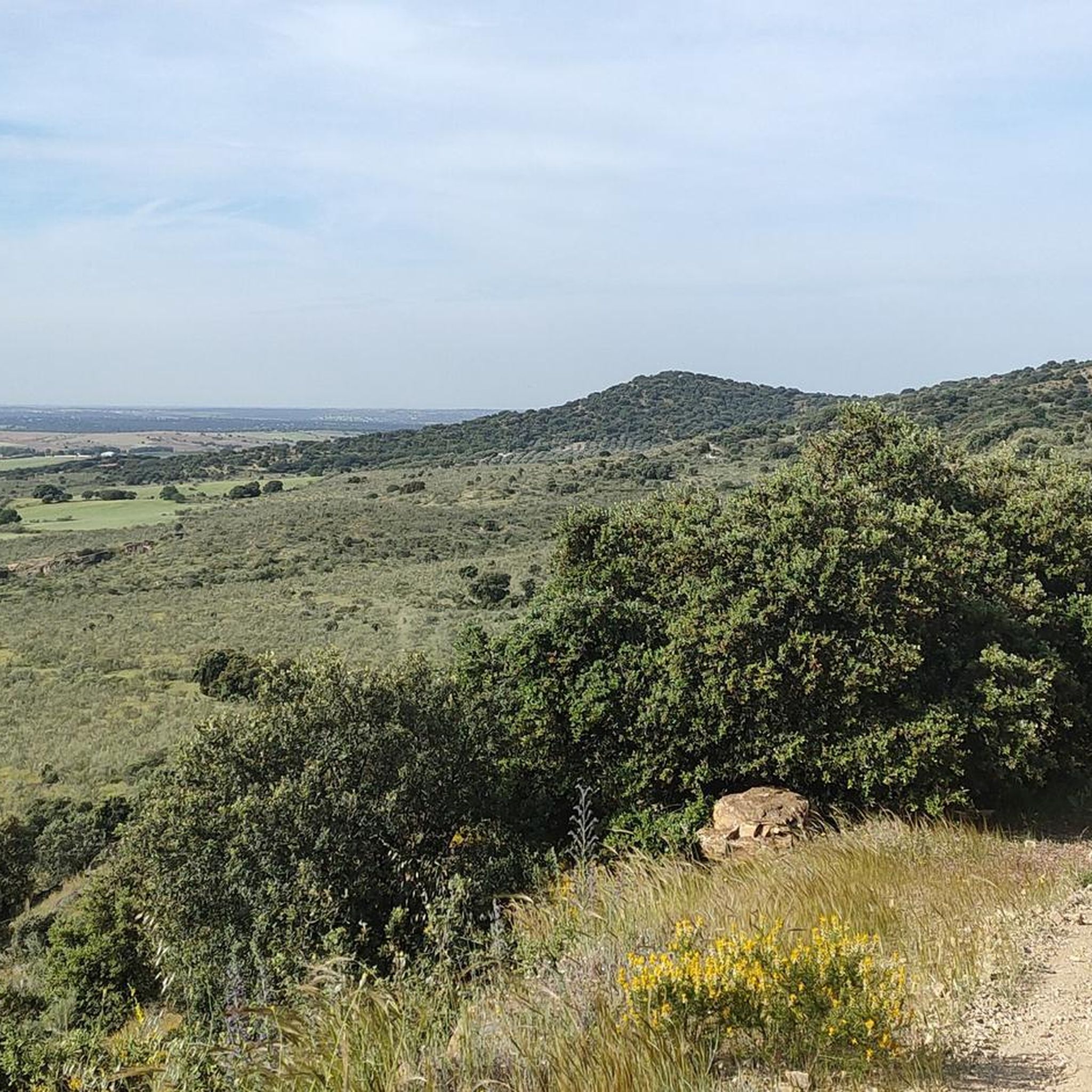
Natural monuments around Quijorna offer a rich natural and rural environment for exploration. Located approximately 39 kilometers from Madrid, the area features diverse countryside landscapes, including Mediterranean forests primarily composed of holm oak, various scrublands, and the presence of rivers and arroyos. These natural features provide opportunities to immerse oneself in a peaceful setting away from urban areas. The region is ideal for activities like hiking, with trails that combine natural beauty with historical elements.
Best natural monuments around Quijorna
…Last updated: August 11, 2026
Chopo de Sacedón
Highlight • Natural Monument
It has a height of about 32 meters.
Its main singularity is its age: more than 100 years, something strange in this species.
bigjoe.es
Translated by Google •
Tip by

Aulencia Dam
Highlight • Monument
Translated by Google •
Tip by

Sign up now to discover places like this
Get recommendations on the best single tracks, peaks, & plenty of other exciting outdoor places.
Sign up for free
View of Madrid
Highlight • Viewpoint
bigjoe.es
Translated by Google •
Tip by
Juniper of Cerro Alarcón
Highlight • Natural Monument
Translated by Google •
Tip by

Las Chorreras de Valdemorillo
Highlight • Waterfall
Translated by Google •
Tip by

Start today with a free account
Your next adventure awaits.
Login or Signup

Tips from the Community


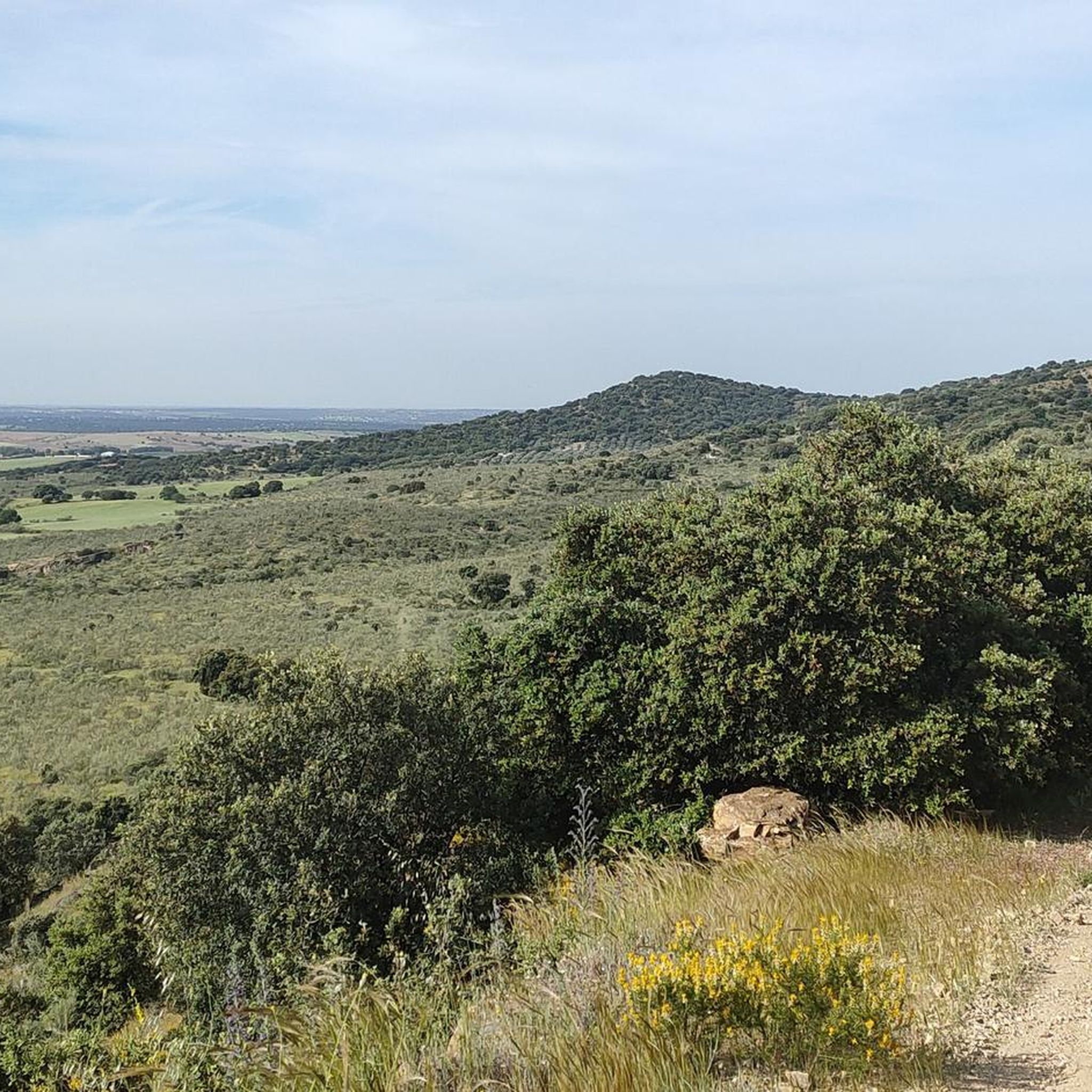
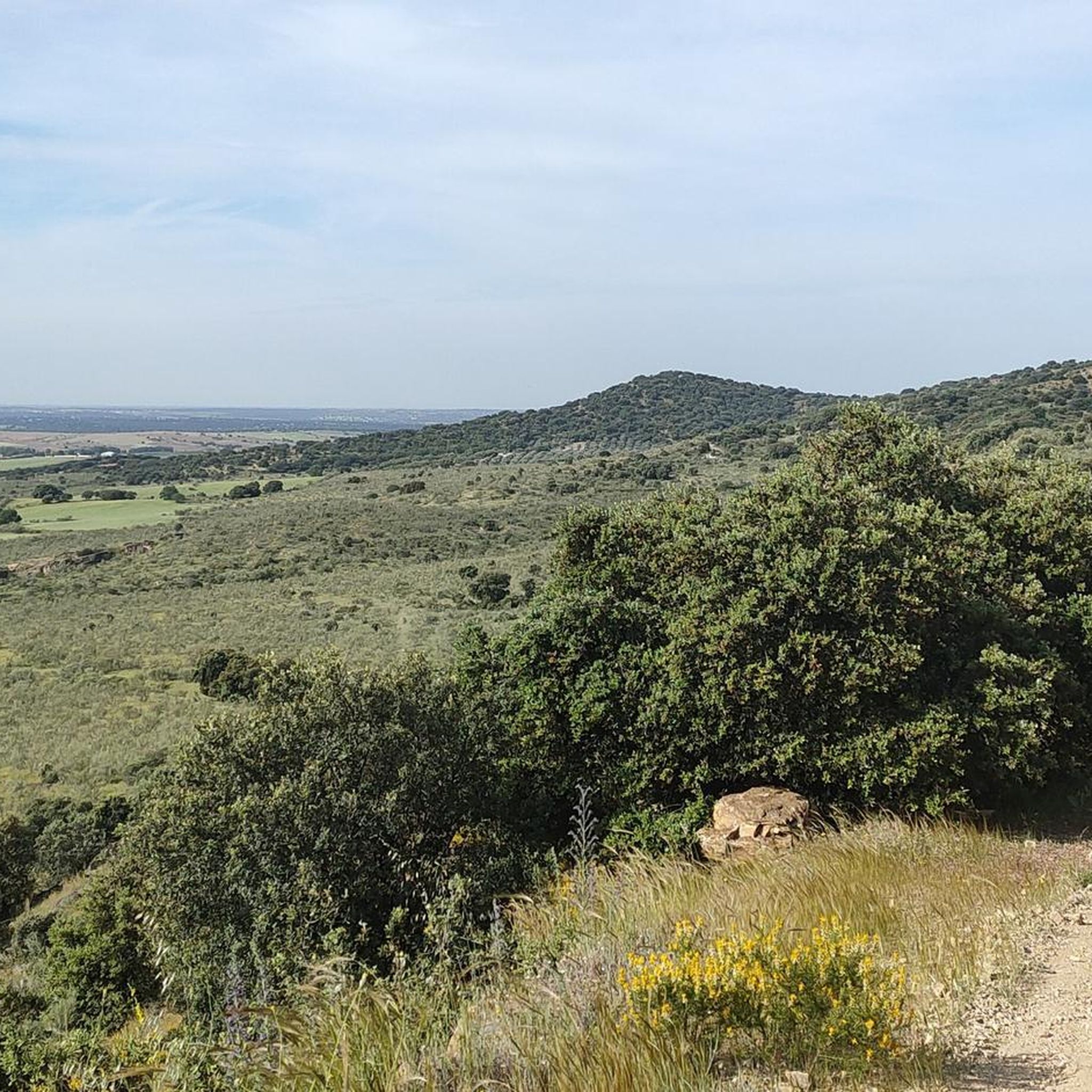
Crossroads to reach Villanueva del Pardillo or Colmenarejo, with beautiful views.
1
0
Streams of water, 650 m from the car park, easy access and plains to picnic on the grass or rocks next to the river. 20 minutes by car from Valdemorillo.
0
1

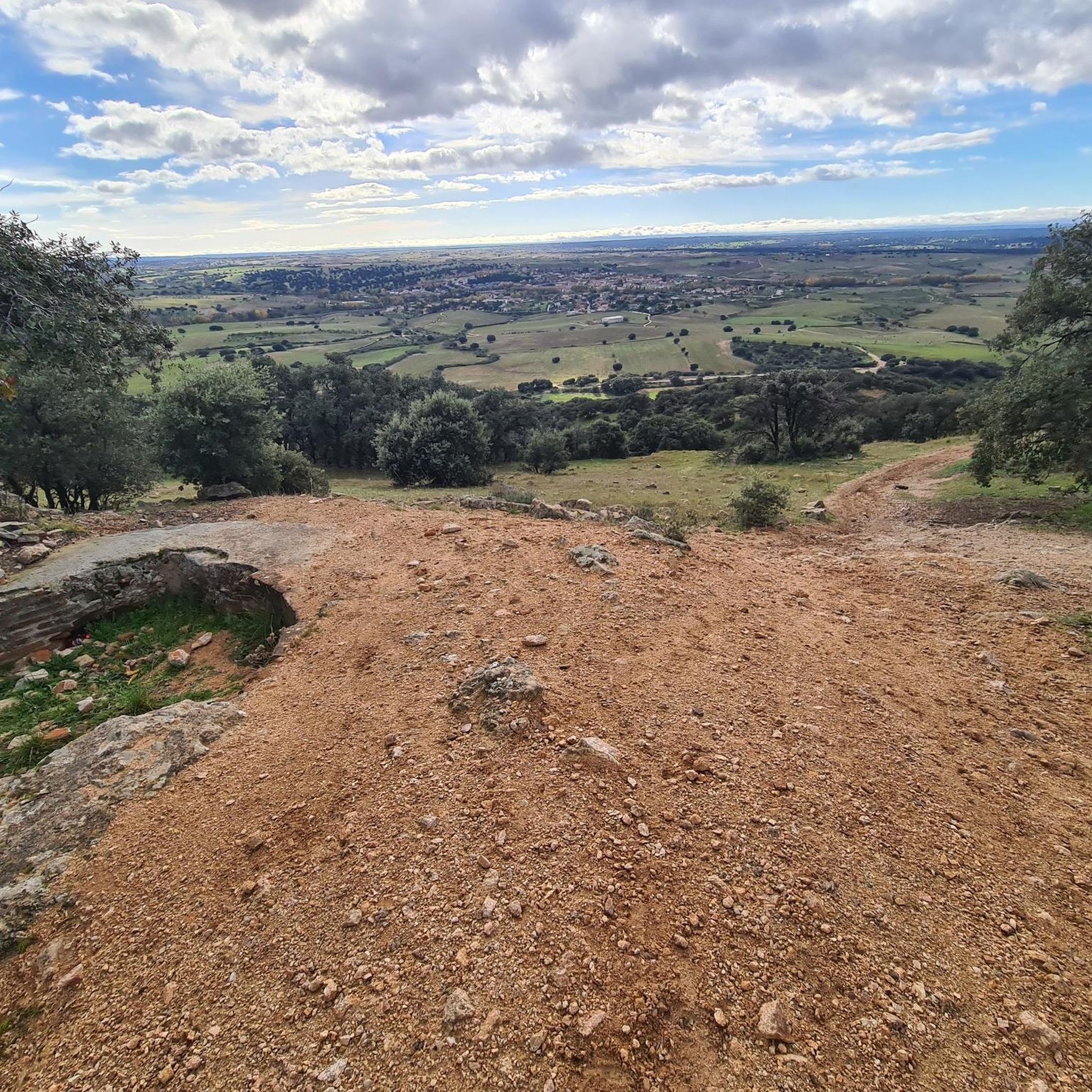
Madrid is a beautiful city, and from this point along the way, if the day permits, you can have good views of the city in the distance, highlighting the famous five towers of its skyline.
1
0
This juniper is one of the unique trees in the Community of Madrid. Due to its size and, taking into account the slow growth of this type of tree, it is estimated that it has between 3 and 4 centuries of life. An example of resistance.
0
0

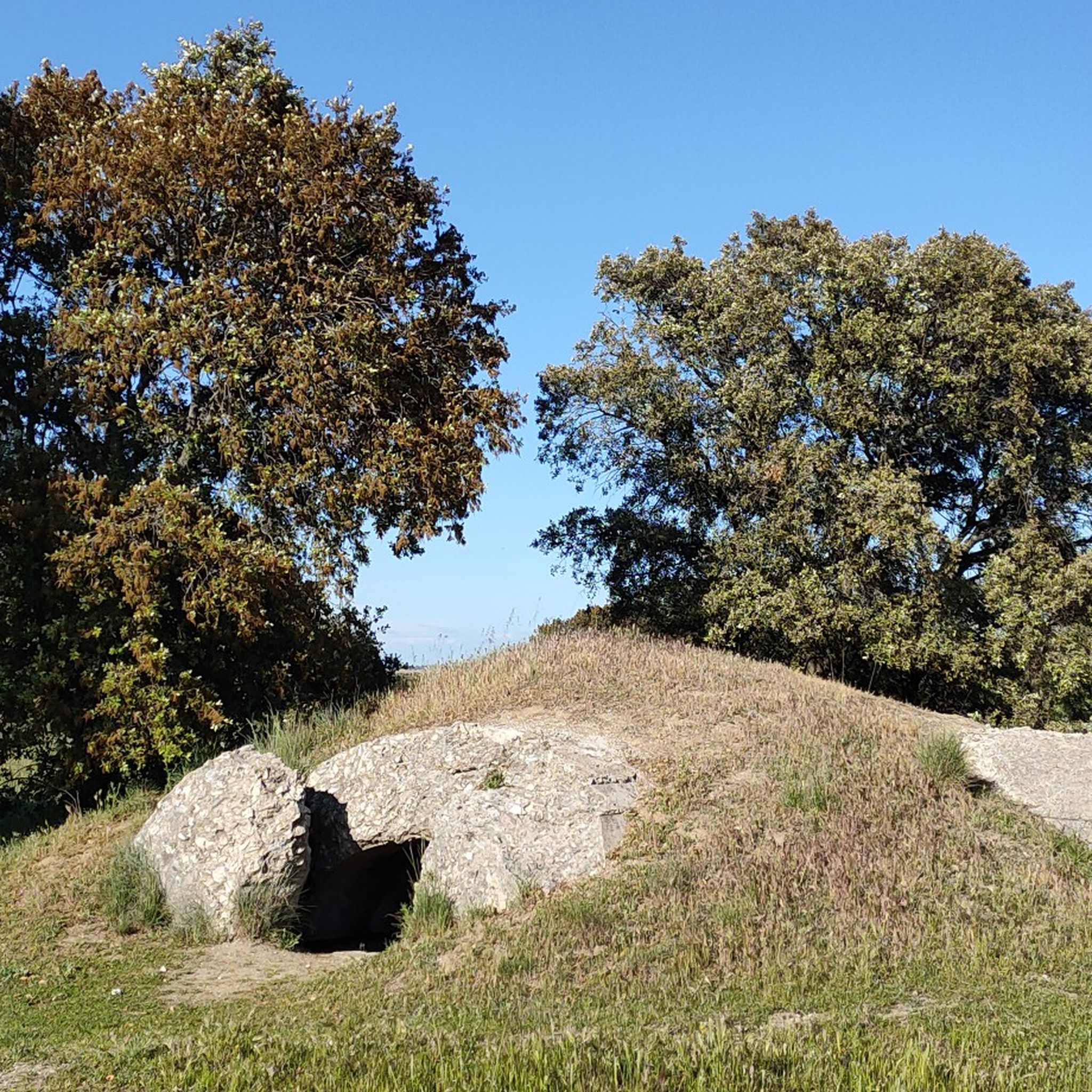
The Aulencia dam was built in 1945, it is also known as Presa Vieja or Valmenor reservoir. The hydraulic utility of the reservoir ceased to be operational in 1975, when the imposing Valmayor reservoir was built.
1
0

The Chopo de Sacedón is the Singular Tree of the Community of Madrid Nº 278. It has a height of about 32 meters. Its main singularity is its age: more than 100 years, something strange in this species. https://bigjoe.es
1
0

From afar, Madrid is even beautiful. At sunset, especially
1
0
Frequently Asked Questions
What unique natural features can I explore around Quijorna?
Beyond specific monuments, Quijorna's landscape is rich with Mediterranean forests, primarily holm oak, and diverse scrublands. You'll also find rivers and arroyos that add to the natural charm. Areas like Dehesa Boyal and Mesa de los Llanos offer typical Spanish countryside experiences with high ecological value.
Are there any notable trees or singular natural monuments to visit?
Yes, you can visit the Chopo de Sacedón, a singular poplar tree over 100 years old and about 32 meters tall. Another impressive example is the Juniper of Cerro Alarcón, estimated to be between 3 and 4 centuries old due to its significant size and slow growth.
What kind of views can I expect from the natural areas near Quijorna?
From certain points, like the View of Madrid, you can enjoy expansive vistas towards Las Rozas with the capital's skyline in the background, especially beautiful at sunset. The region also offers scenic views of the surrounding fields and mountains.
Are there any waterfalls or water features to discover?
Absolutely. You can visit Las Chorreras de Valdemorillo, which features streams of water and plains perfect for picnicking by the river. Additionally, the Aulencia Dam, also known as Presa Vieja, offers a historical water feature, though its hydraulic utility ceased in 1975.
What outdoor activities can I do near these natural monuments?
The area around Quijorna is excellent for various outdoor activities. You can find numerous hiking trails, including the popular "Cerro Alarcón Reservoir and Puente del Pasadero Loop." For cycling enthusiasts, there are gravel biking routes like the "Bridge Over the Perales River – Villamantilla Town Center loop." You can explore more options for hiking, gravel biking, and running.
Are there family-friendly natural monuments or trails?
Yes, several natural monuments are suitable for families. The Chopo de Sacedón and the Juniper of Cerro Alarcón are both listed as family-friendly. Las Chorreras de Valdemorillo also offers easy access and picnic spots, making it ideal for a family outing.
What is the best time to visit the natural monuments around Quijorna?
The natural environment of Quijorna is enjoyable throughout much of the year. Spring and autumn offer pleasant temperatures for hiking and exploring. Evenings are particularly recommended to witness beautiful sunsets over the mountains from the open fields.
Are there any historical elements integrated with the natural landscapes?
Yes, the region combines natural beauty with historical significance. You can find remnants of the Civil War and old lime kilns along various trails. The "Cerro Alarcón Reservoir and Puente del Pasadero Loop" hiking route, for instance, includes the historic Puente del Pasadero, blending nature with a touch of history.
What should I wear when hiking near Quijorna's natural monuments?
Given the diverse terrain, which includes Mediterranean forests, scrublands, and trails, it's advisable to wear comfortable hiking shoes or boots. Layers of clothing are recommended to adapt to changing temperatures, especially if you plan to be out for an extended period or during different times of the day.
Can I bring my dog to the natural monuments and trails?
While specific regulations for each natural monument may vary, generally, the rural and natural trails around Quijorna are dog-friendly. It's always best to keep your dog on a leash and ensure you clean up after them to preserve the natural environment for everyone.
Are there any less crowded natural areas or hidden gems to explore?
Quijorna itself offers a peaceful, rural setting away from the city's bustle, making many of its natural features feel less crowded. Exploring the dehesas and scrublands, or the trails around the 'natural golf course' (which is appreciated for its untouched terrain), can provide a serene experience away from typical tourist spots.
Most popular attractions around Quijorna

Get inspired with the komoot mobile app


Explore more
Extend your search for the best caves by checking out these guides of the top ones around Quijorna:
