Top 20 Natural Monuments around La Taha
Best natural monuments around La Taha are found within the Sierra Nevada National Park, where the landscape is shaped by dramatic mountains and deep river valleys. This region, nestled in the Alpujarras, features a unique blend of natural beauty and ancient human-made structures like terraced fields and irrigation channels. Visitors can explore diverse ecosystems, panoramic viewpoints, and unique natural springs. The area offers a rich natural heritage intertwined with its cultural history.
Best natural monuments around La Taha
- The most popular natural monuments is Hondera Lagoon, a lake and viewpoint known for its beauty within the Sierra Nevada National Park. This idyllic lagoon serves as an ideal spot for rest or as a starting point for ascents to Mulhacén.
- Another must-see spot is Tajos del Ángel Viewpoint, a viewpoint offering spectacular views of the high Sierra Nevada mountains and the Poqueira ravine. From here, visitors can see the three famous towns of Pampaneira, Bubión, and Capileira.
- Visitors also love Mulhacén Summit, the highest peak of the Iberian Peninsula. This challenging summit provides impressive views of the surrounding peaks of the Sierra Nevada.
- La Taha is known for its high mountain summits, serene lakes, and expansive viewpoints. The region offers a variety of natural monuments to see and explore, from challenging peaks to family-friendly vistas.
- The natural monuments around La Taha are appreciated by the komoot community, with more than 100 upvotes and over 170 photos shared across the highlights.
Last updated: May 20, 2026
Mulhacén Summit
Highlight • Summit
Translated by Google •
Tip by

Hondera Lagoon
Highlight • Lake
Important note: if you plan to spend the night here, do not pitch your tent in the borreguiles (the grasslands). They are home to several species of flora endemic to the Sierra Nevada and it is necessary to protect them.
Translated by Google •
Tip by
Sign up now to discover places like this
Get recommendations on the best single tracks, peaks, & plenty of other exciting outdoor places.
Sign up for free
Tajos del Ángel Viewpoint
Highlight • Viewpoint
Translated by Google •
Tip by
Pico Veleta viewpoint
Highlight • Viewpoint
Tip by

Peñabón
Highlight • Summit
Tip by

Sign up for free to discover even more natural monuments around La Taha.
Sign up for free
Already have an account?
Start today with a free account
Your next adventure awaits.
Login or Signup
Popular around La Taha
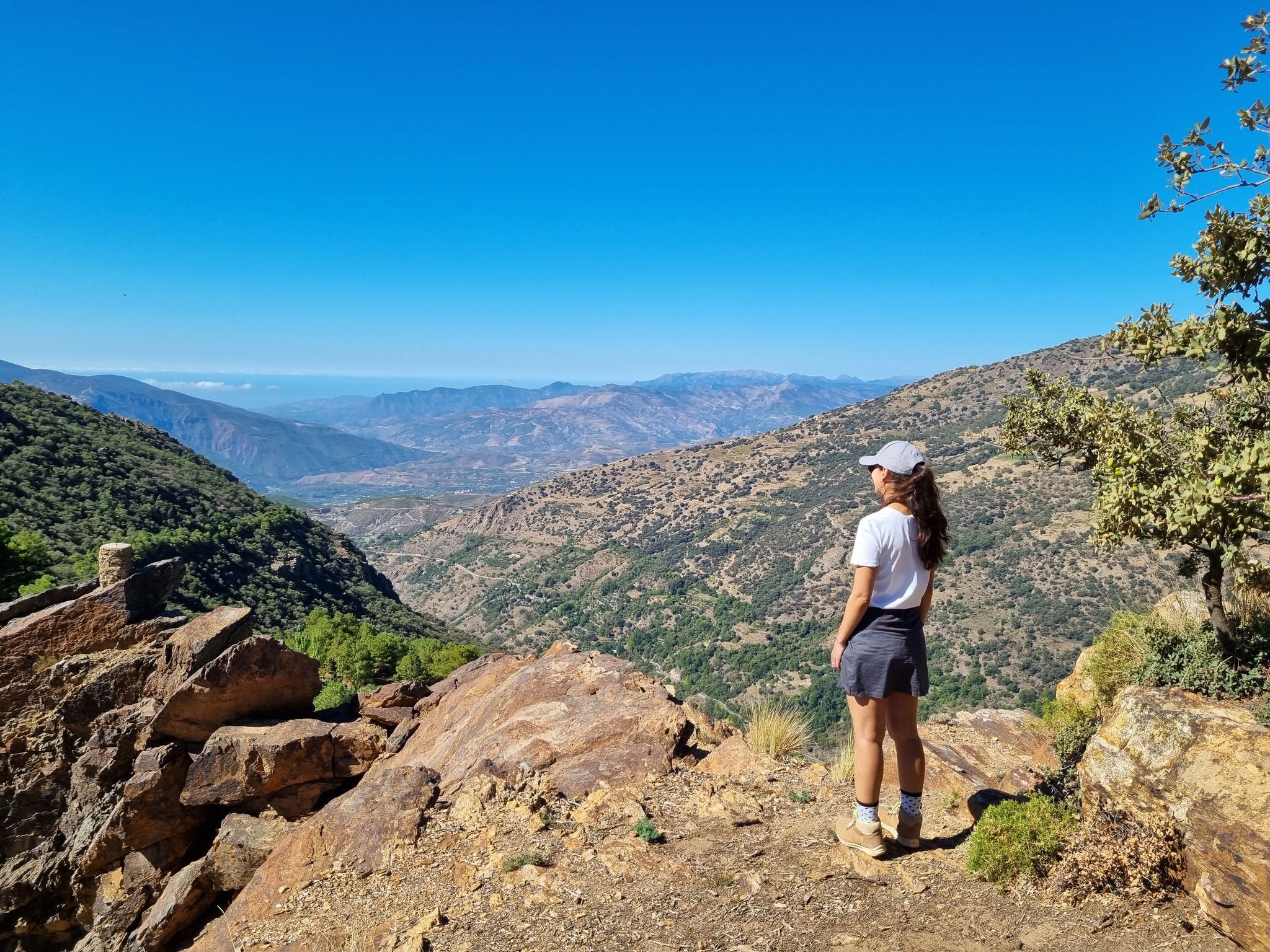
Lanjarón to Trevélez – five days in the Alpujarra of Granada
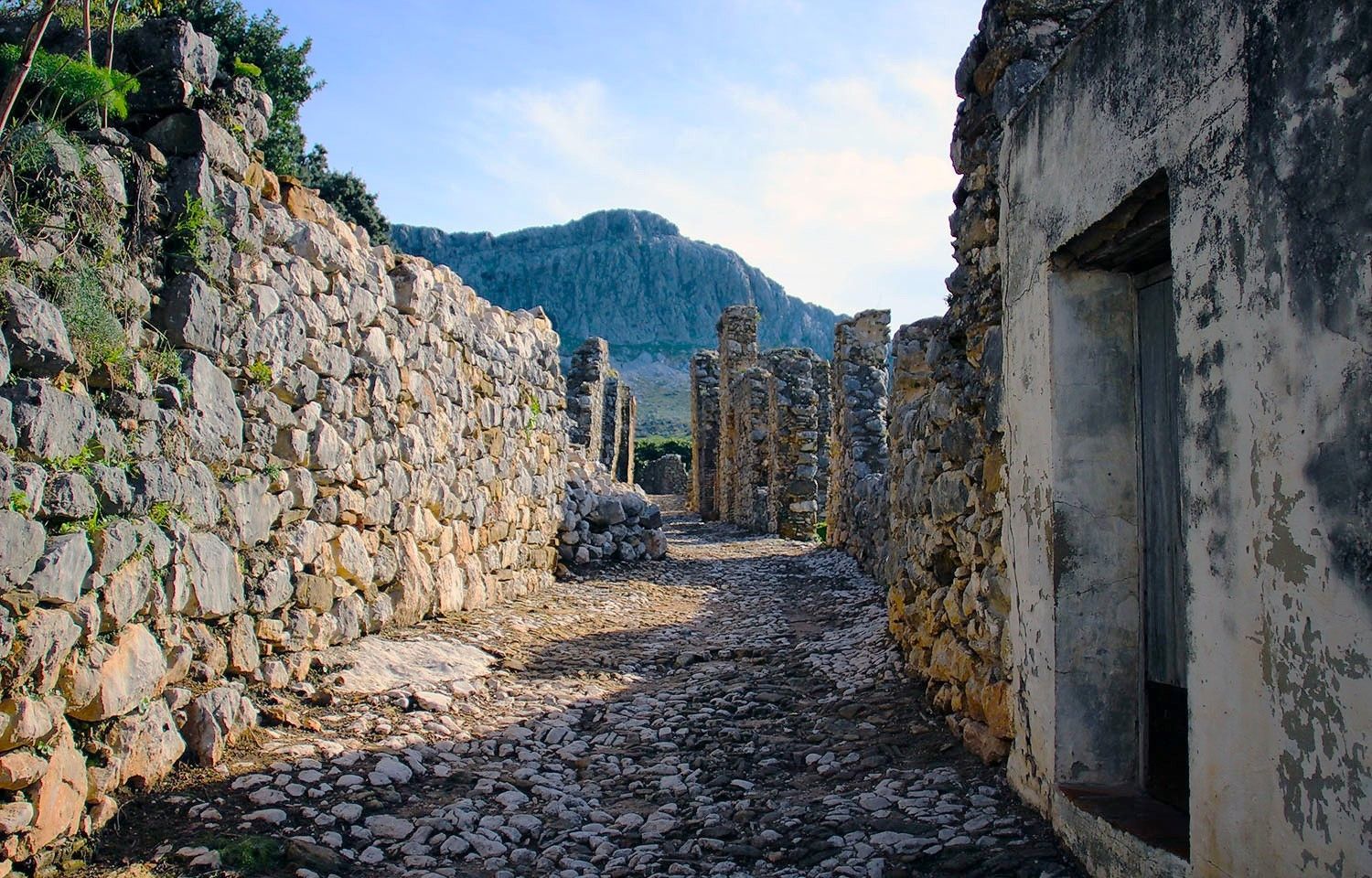
Andalusia without limits – Tarifa to La Puebla de Don Fabrique on the GR 7
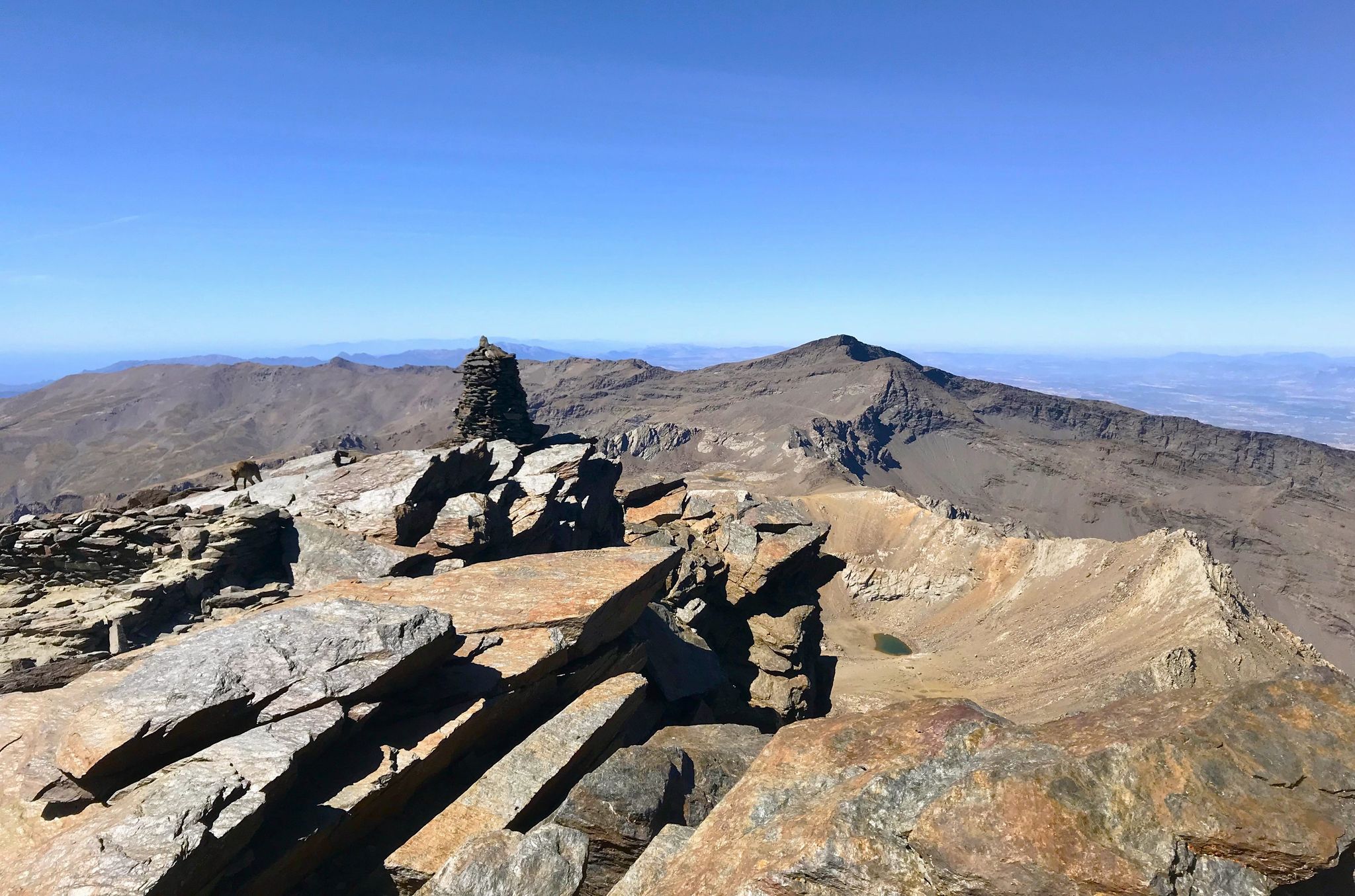
A night under the roof of the Iberian Peninsula – Mulhacén ascent
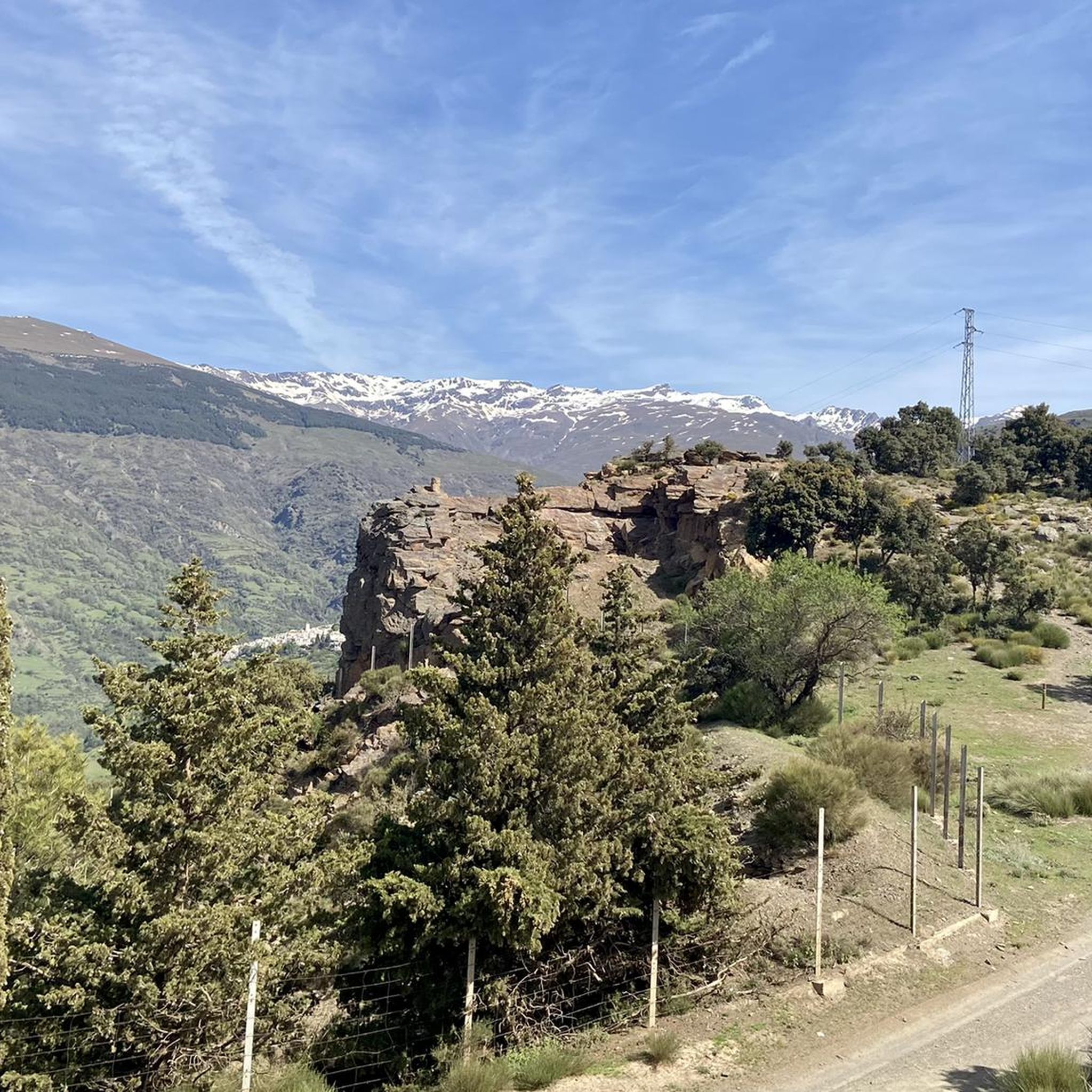
Hiking around La Taha
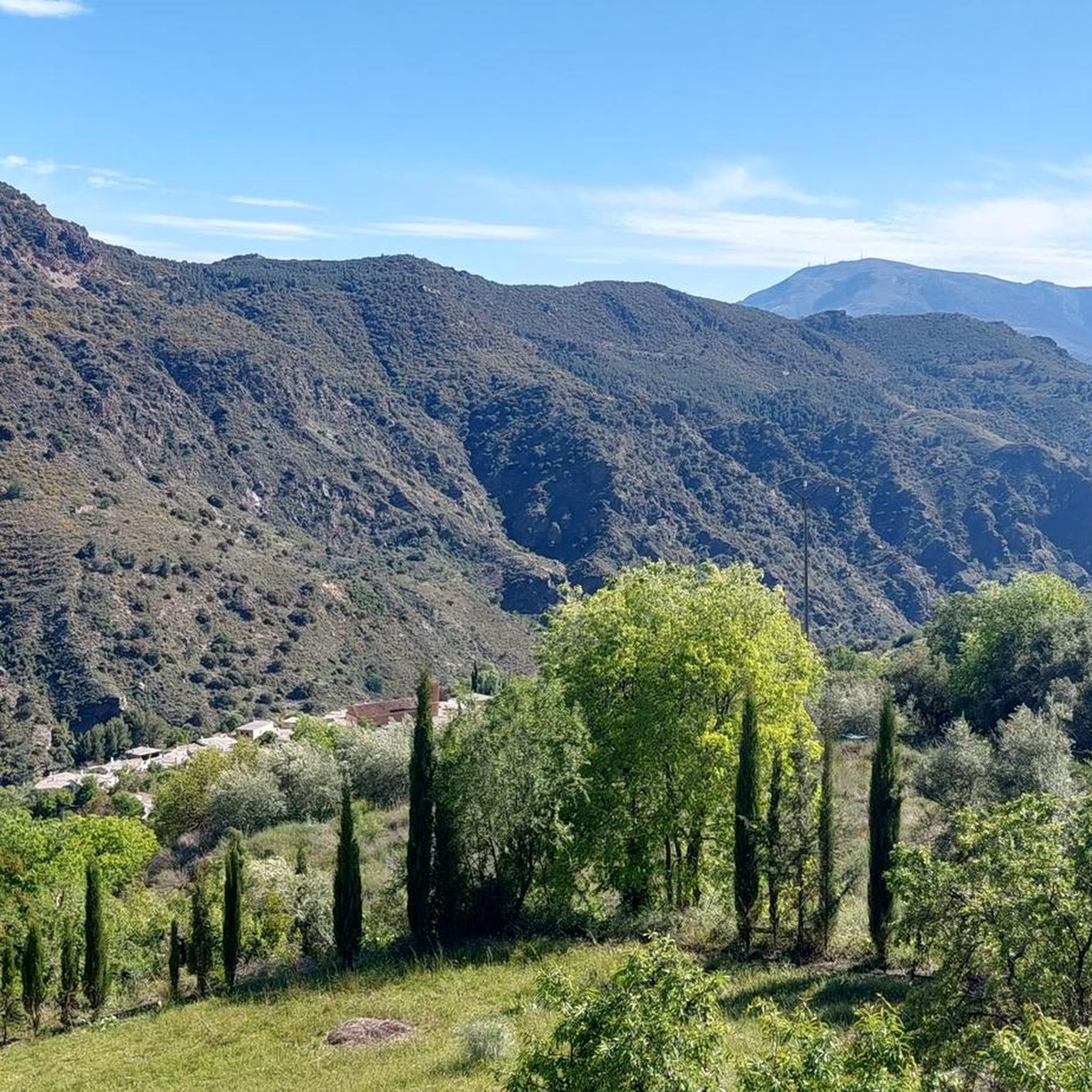
Road Cycling Routes around La Taha
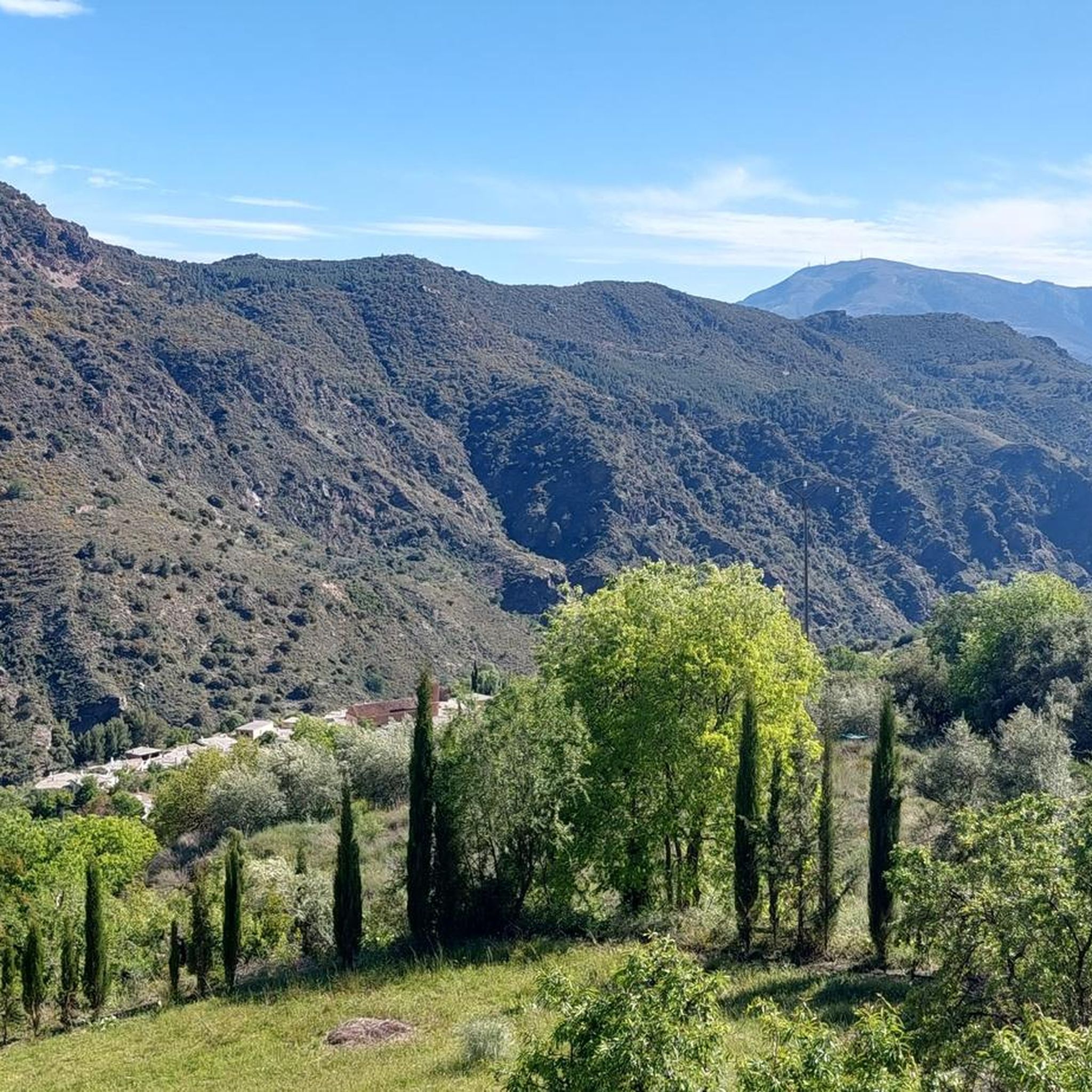
Running Trails around La Taha
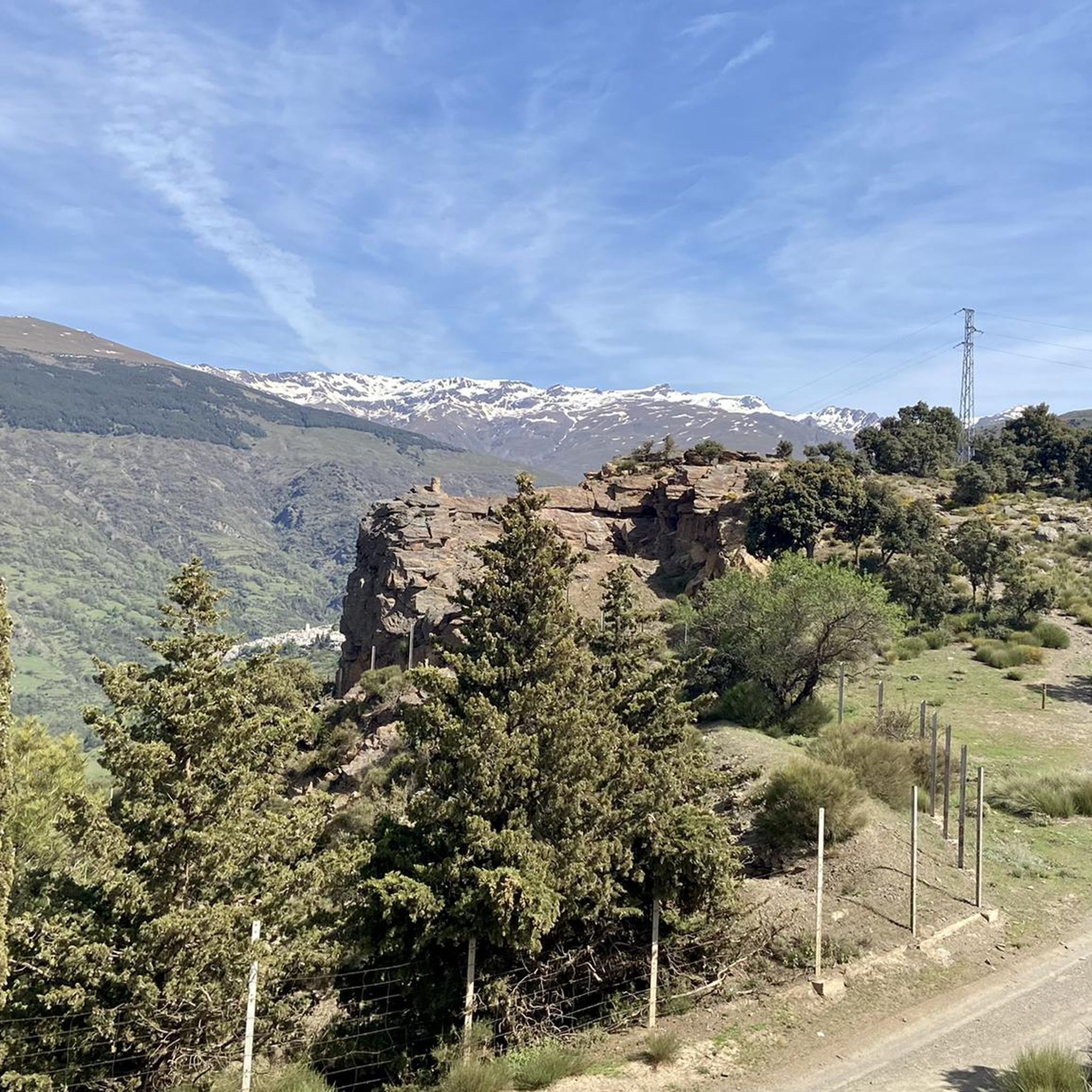
MTB Trails around La Taha
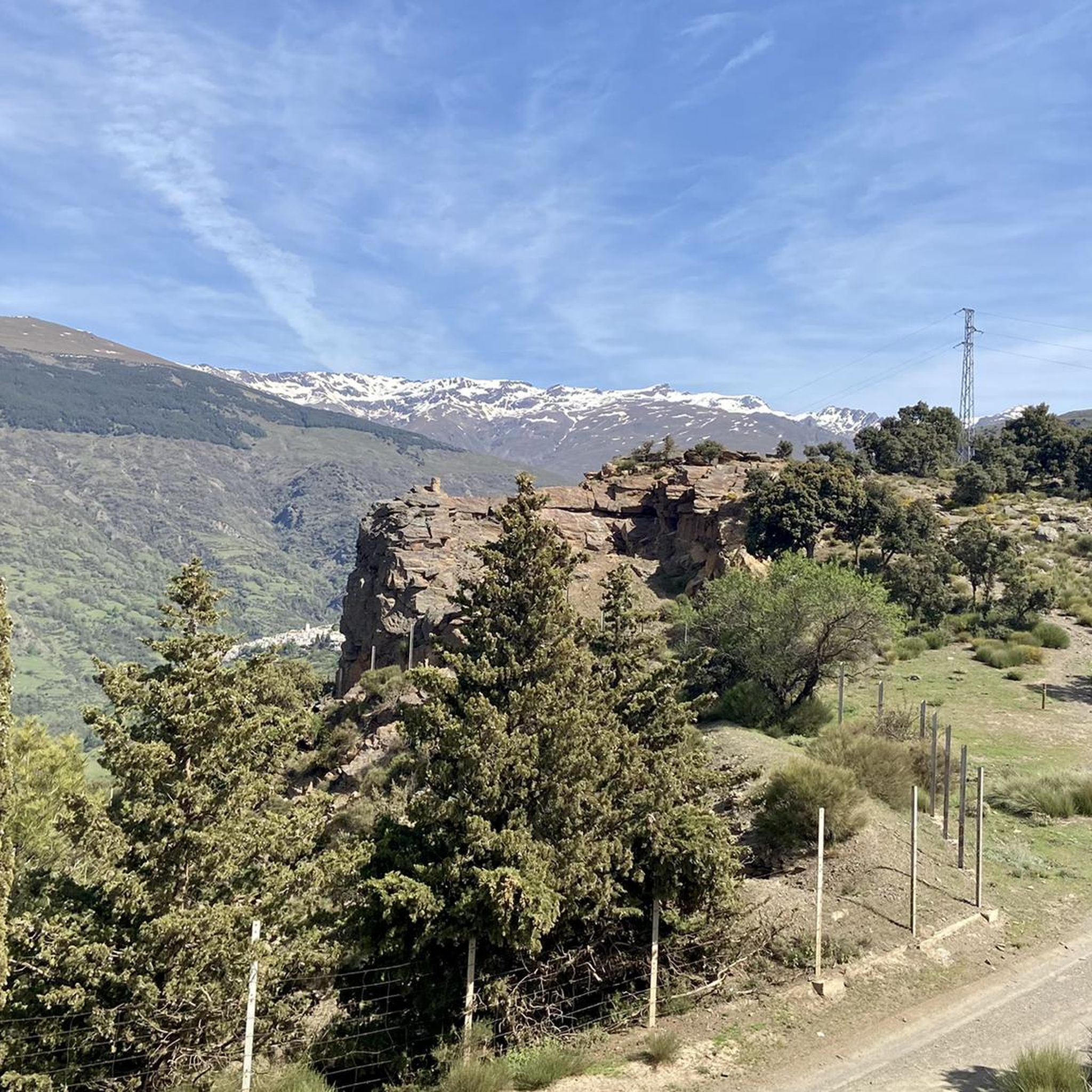
Cycling around La Taha

Mountain Hikes around La Taha
Other adventures around La Taha


Tips from the Community

This hike is really tough: -very poorly signposted -inaccurate komoot navigation -long, constant ascent, 560 meters of altitude gain -during the ascent, you have to climb a section on scree, for me even on hands and knees -the descent goes for a long time over scree, loose slate, along a very narrow path next to the ravine -we took 8 hours for it..(got lost for a bit and had to turn back to find the right path again) -tip: look for the 'stone men', so you can still orient yourself now and then
0
0

The Veleta Peak viewpoint, located in the Sierra Nevada mountains (Granada), is one of the most spectacular spots to enjoy panoramic high-mountain views on the Iberian Peninsula. From the summit of Veleta you can enjoy: Views of the Mediterranean Sea on clear days. Panoramic views of Mulhacén, the highest peak on the peninsula. High-mountain landscapes with rock formations, snow (in winter), and native flora.
2
0

No problem at all with the north way, really nice landscape; 1h30 in running
2
0


The trail is pretty easy to find until you get to the waterfalls. To reach Laguna Hondera you must climb up beside the first waterfall. That is between the two waterfalls. There are cairns on the path but it’s quite easy to miss them amongst the other routes up there. It’s a beautiful location. We saw a few ibex but only 2 other hikers!
1
0

The area of the Seven Lagoons (and Laguna Hondera in particular) is one of the most beautiful places in the Sierra Nevada National Park. The climb up here next to the waterfall formed by the Chorreras Negras is demanding, but all the pain in your legs is forgotten as soon as you reach the top and see the beauty of the place. Important note: if you plan to spend the night here, do not pitch your tent in the borreguiles (the grasslands). They are home to several species of flora endemic to the Sierra Nevada and it is necessary to protect them.
4
0
If you want to access the viewpoint, you just have to walk along a paved road that takes you there in a gentle climb. The views from above are spectacular: you can see the high mountains of Sierra Nevada, as well as the entire Poqueira ravine and its three famous towns: Pampaneira, Bubión and Capileira.
2
0

Tajos del Ángel viewpoint one of the best places to rest from the long and intense climb to the vane from the coast
0
0
Frequently Asked Questions
What are some unique natural features to explore in La Taha beyond the main highlights?
Beyond well-known spots, La Taha's landscape is rich with unique natural features. You can explore the dramatic Valleys of the Trevélez and Bermejo Rivers, which carve through the mountainous terrain and offer serene settings for walks. Another remarkable feature is the Fuente Gaseosa near Pitres, a naturally carbonated, iron-rich spring with a subtle spicy taste, accessible via a picturesque rural road. The region also boasts ancient paths and forests of oaks and sweet chestnuts, including medieval trails known as 'escarihuelas', offering immersive experiences in nature and history.
What is the best time to visit the natural monuments in La Taha?
The best time to visit La Taha's natural monuments largely depends on your preferred activities. The summer months offer lush greenery, especially around places like Hondera Lagoon, which is ideal for rest or as a starting point for ascents. However, high mountain areas like Mulhacén Summit can be very hot in summer and extremely cold in winter, with rapidly changing weather. Spring and autumn generally provide more moderate temperatures, making them excellent for hiking and exploring the diverse ecosystems.
Are there family-friendly natural monuments around La Taha?
Yes, there are family-friendly options. The Tajos del Ángel Viewpoint is particularly suitable, as it's accessible via a gently climbing paved road, offering spectacular views of the high Sierra Nevada and the Poqueira ravine without requiring strenuous effort. The terraced fields and ancient irrigation channels (acequias) also offer scenic and relatively easy walking paths that are engaging for families.
Are there any challenging hikes among the natural monuments in La Taha?
Absolutely. La Taha is situated on the southern slopes of the Sierra Nevada, offering numerous challenging routes. The ascent to Mulhacén Summit, the highest peak of the Iberian Peninsula, is a demanding but rewarding experience with impressive views. The climb to Hondera Lagoon, especially next to the Chorreras Negras waterfall, is also considered demanding, but the beauty of the Seven Lagoons area makes it worthwhile. For other challenging routes, you can explore the running trails around La Taha, many of which are rated difficult.
Can I bring my dog to the natural monuments and trails in La Taha?
La Taha is located within the Sierra Nevada National Park, which has specific regulations regarding dogs. While many trails are generally dog-friendly, it's crucial to keep dogs on a leash to protect wildlife and livestock. Always check local signage and park guidelines, especially in sensitive areas or during certain seasons, to ensure compliance and a pleasant experience for everyone.
How accessible are the natural monuments and trails in La Taha?
Accessibility varies significantly across the region. Some natural monuments, like the Tajos del Ángel Viewpoint, are accessible via paved roads, making them suitable for a wider range of visitors. However, many of La Taha's trails, especially those leading to high mountain summits or through ancient paths, involve steep, uneven terrain and are not suitable for wheelchairs or strollers. It's best to research specific routes for their accessibility before your visit.
What outdoor activities can I do near the natural monuments in La Taha?
The area around La Taha's natural monuments is a hub for outdoor activities. You can enjoy extensive hiking on ancient paths and trails, with options ranging from easy walks along terraced fields to challenging ascents in the Sierra Nevada. There are also numerous road cycling routes, such as the 'Trevélez and Cáñar Alpujarras Loop' found in the Road Cycling Routes around La Taha guide, and diverse mountain biking trails, including sections of the Transnevada Route, detailed in the MTB Trails around La Taha guide. Running trails are also popular, with routes like the 'Medieval Trail of the Alpujarra Loop' available in the Running Trails around La Taha guide.
Where can I find information about parking for natural monuments in La Taha?
Parking availability varies by location. For popular viewpoints or trailheads, there are often designated parking areas, though they might be small, especially in the charming white villages. For high mountain access points, such as those leading to Mulhacén Summit, you might find parking further down the mountain with shuttle services or specific access rules. It's advisable to check local information or visitor centers in villages like Pitres, Pampaneira, Bubión, or Capileira for the most current parking details for your intended destination.
What are the flora and fauna like around La Taha's natural monuments?
La Taha's diverse altitude, ranging from 600m to over 2,400m, contributes to rich flora and fauna. The river valleys and lower slopes feature Mediterranean vegetation, while higher up, you'll find forests of oaks and sweet chestnuts. The borreguiles (grasslands) around Hondera Lagoon are home to several endemic Sierra Nevada flora species, which are protected. The region is part of the Sierra Nevada National Park, a UNESCO Biosphere Reserve, meaning it's a habitat for various bird species, mountain goats, and other wildlife, especially in less disturbed areas.
What do visitors particularly enjoy about the natural monuments in La Taha?
Visitors frequently praise the spectacular panoramic views, especially from spots like Tajos del Ángel Viewpoint, which overlooks the Poqueira ravine and its famous white villages. The sense of accomplishment from reaching challenging summits like Mulhacén Summit is also a highlight. Many appreciate the serene beauty of places like Hondera Lagoon, describing it as an idyllic spot for rest. The blend of natural beauty with the ancient cultural landscape of terraced fields and irrigation channels also leaves a lasting impression.
Do the natural monuments in La Taha have any historical or cultural significance?
Yes, the natural landscape of La Taha is deeply intertwined with its cultural history. The extensive system of terraced fields (paratas or bancales), supported by dry-stone walls, and the intricate network of ancient irrigation channels (acequias) are living examples of sustainable agriculture and engineering inherited from Moorish times. These human-made features, integrated seamlessly into the natural slopes, are considered a cultural landscape monument within the Sierra Nevada National Park, reflecting centuries of human adaptation to the environment.
What kind of views can I expect from the natural monuments in La Taha?
From La Taha's natural monuments, you can expect breathtaking and diverse views. From high points like Tajos del Ángel Viewpoint, you'll see the majestic high Sierra Nevada mountains, the deep Poqueira ravine, and the iconic white villages of Pampaneira, Bubión, and Capileira. From Mulhacén Summit, the views encompass the surrounding peaks of the Sierra Nevada. Even from lower elevations, the interplay of imposing mountains, fertile river valleys, and ancient terraced fields creates a continuously stunning panorama.
Most popular attractions around La Taha

Get inspired with the komoot mobile app


Explore more
Extend your search for the best caves by checking out these guides of the top ones around La Taha:
