Top 15 Natural Monuments around Valle Del Zalabí
Best natural monuments around Valle Del Zalabí are found within a region characterized by its diverse natural features. The area is an integral part of the Sierra de Baza Natural Park, offering varied landscapes from plains to deep valleys. Distinctive geological formations, including striking "badland" landscapes, are prominent due to intense erosion. These natural features contribute to a unique environment for exploration.
Best natural monuments around Valle Del Zalabí
- The most popular natural monuments is Viewpoint of the Cárcavas de…
Last updated: July 1, 2026
Granada Geopark
Highlight • Natural Monument
The landscape is deeply marked by the erosion of …
Tip by

End of the World Viewpoint
Highlight • Viewpoint
Tip by
Sign up now to discover places like this
Get recommendations on the best single tracks, peaks, & plenty of other exciting outdoor places.
Sign up for free
Prados del Rey
Highlight • Natural Monument
Translated by Google •
Tip by

Badlands de Purullena Viewpoint
Highlight • Viewpoint
Translated by Google •
Tip by

Viewpoint of the Cárcavas de Marchal
Highlight • Viewpoint
Translated by Google •
Tip by
Sign up for free to discover even more natural monuments around Valle Del Zalabí.
Sign up for free
Already have an account?
Start today with a free account
Your next adventure awaits.
Login or Signup
Popular around Valle Del Zalabí
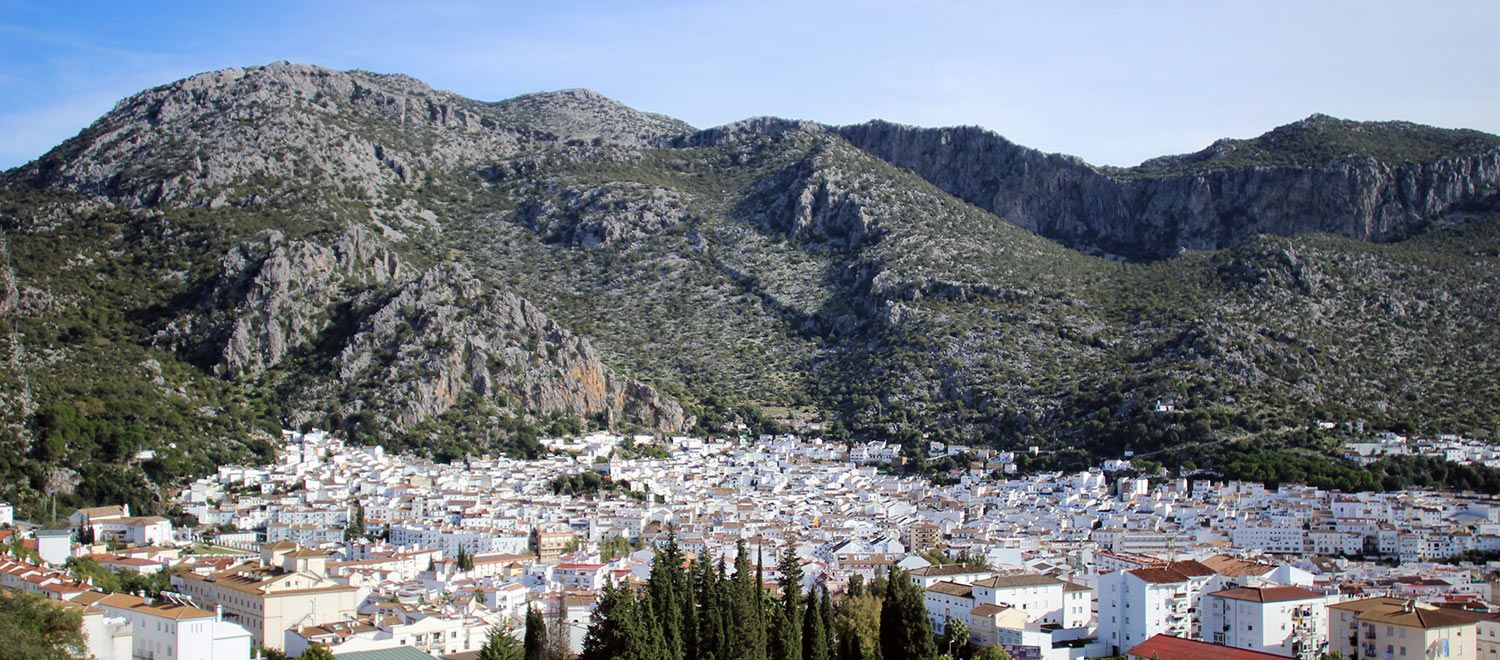
Explore the Betic Mountains on two wheels – Altravesur
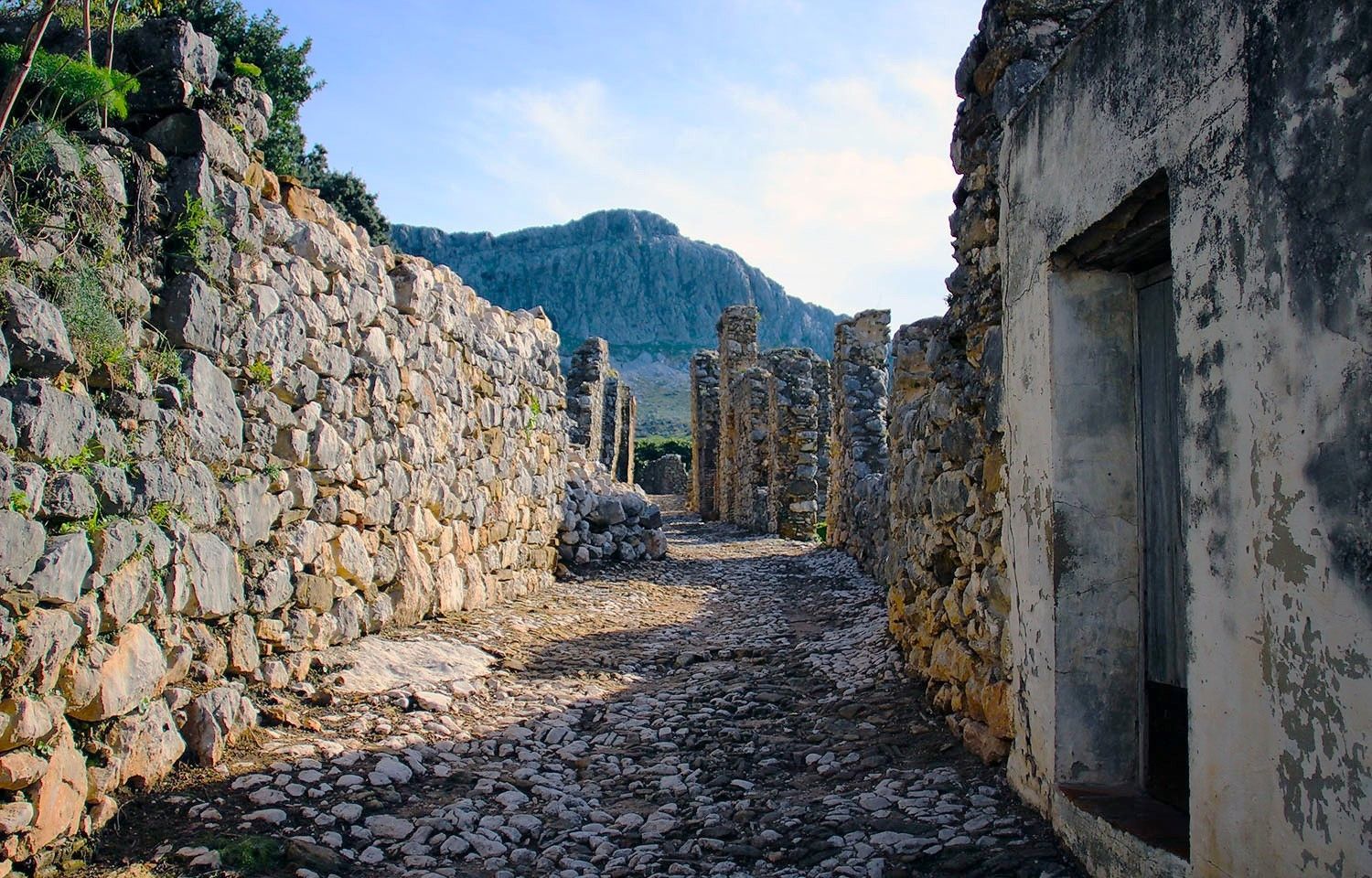
Andalusia without limits – Tarifa to La Puebla de Don Fabrique on the GR 7
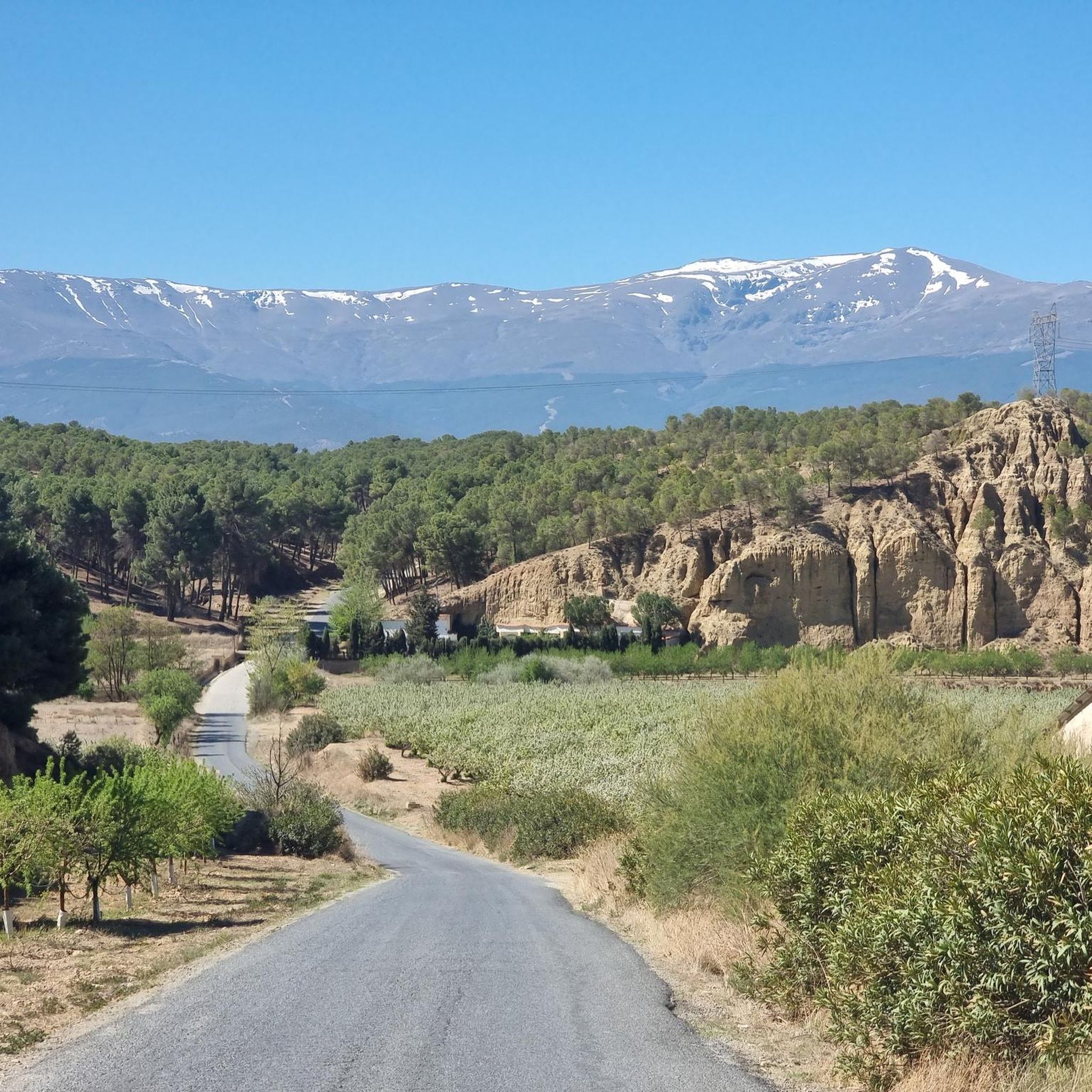
Road Cycling Routes around Valle Del Zalabí
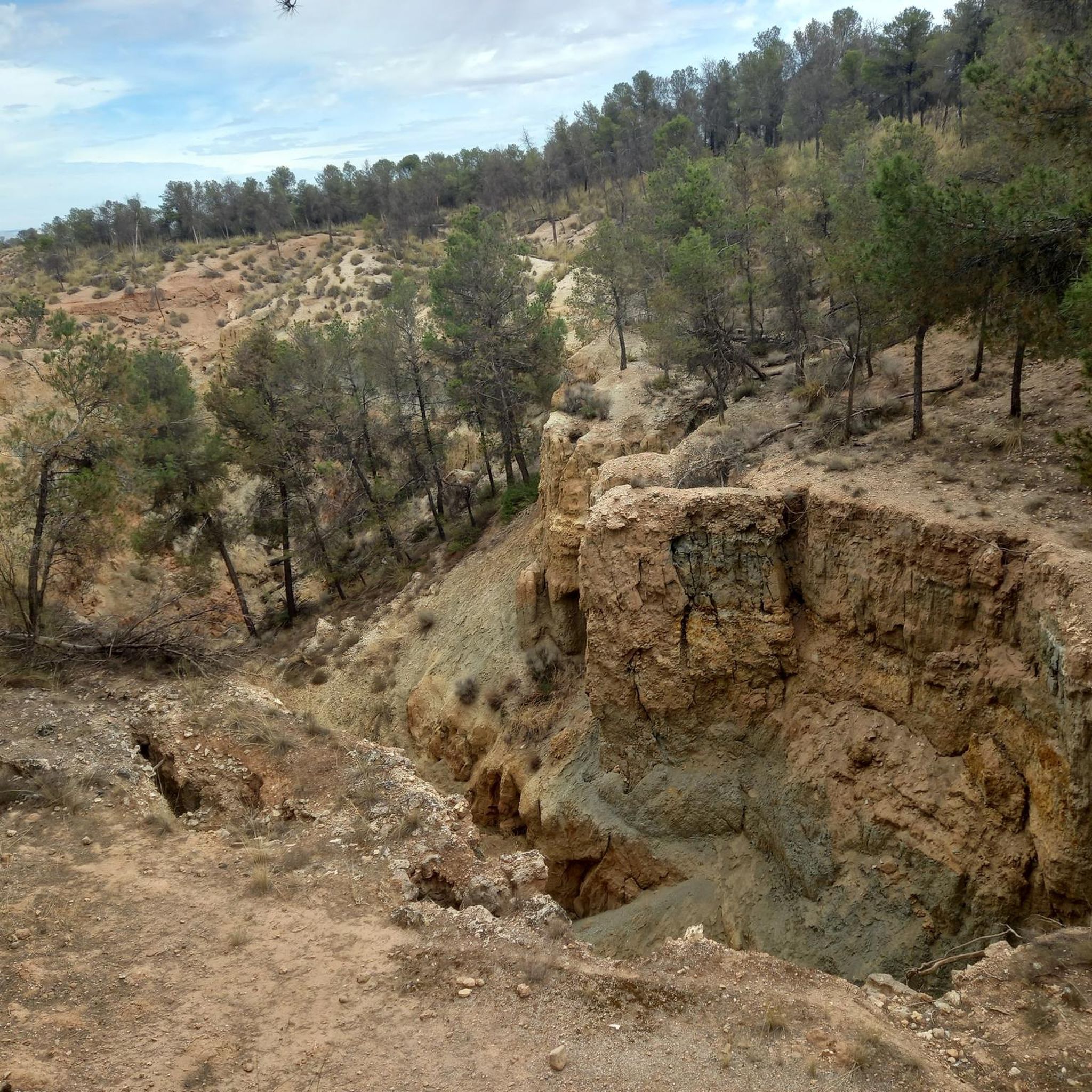
MTB Trails around Valle Del Zalabí

Gravel biking around Valle Del Zalabí
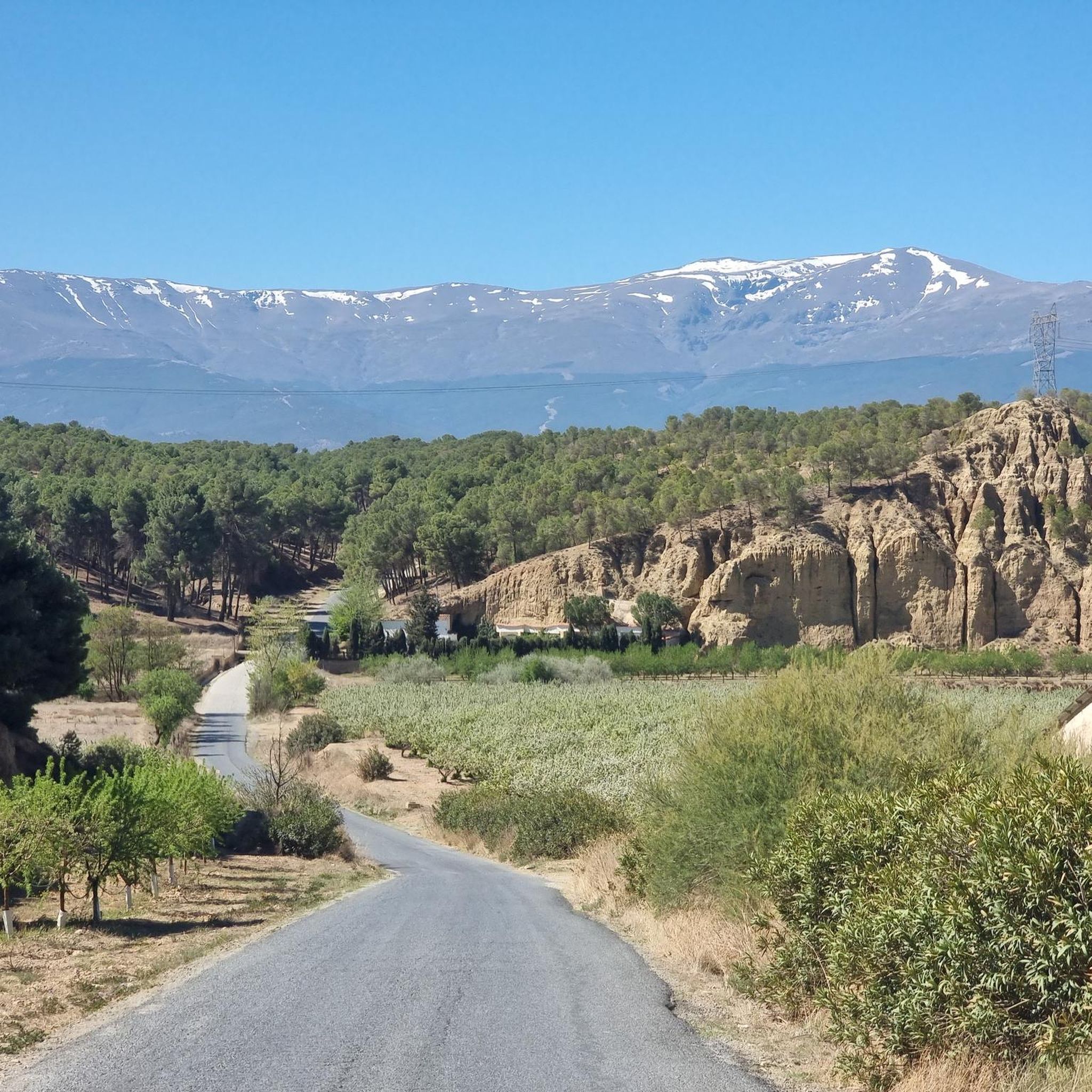
Hiking around Valle Del Zalabí
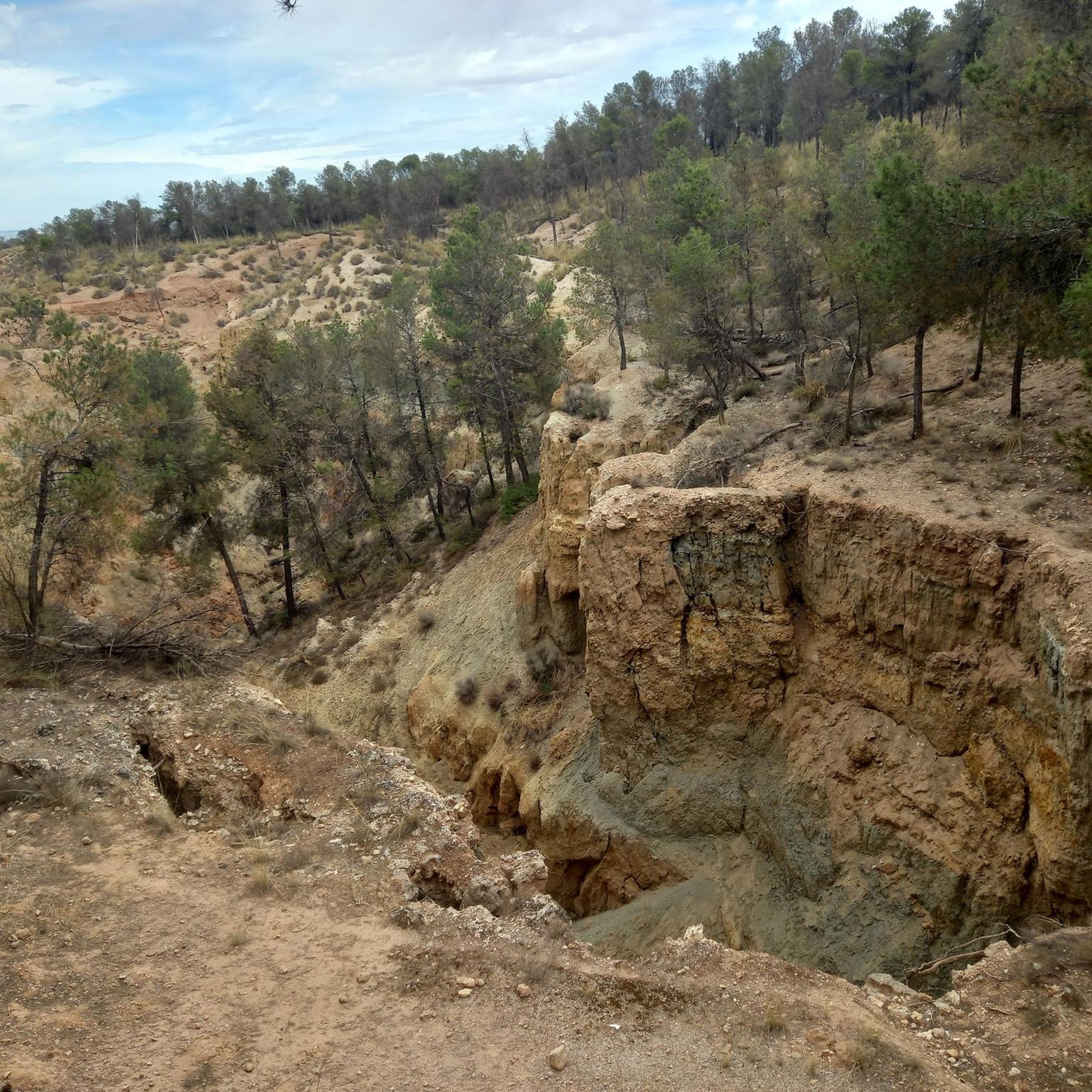
Running Trails around Valle Del Zalabí
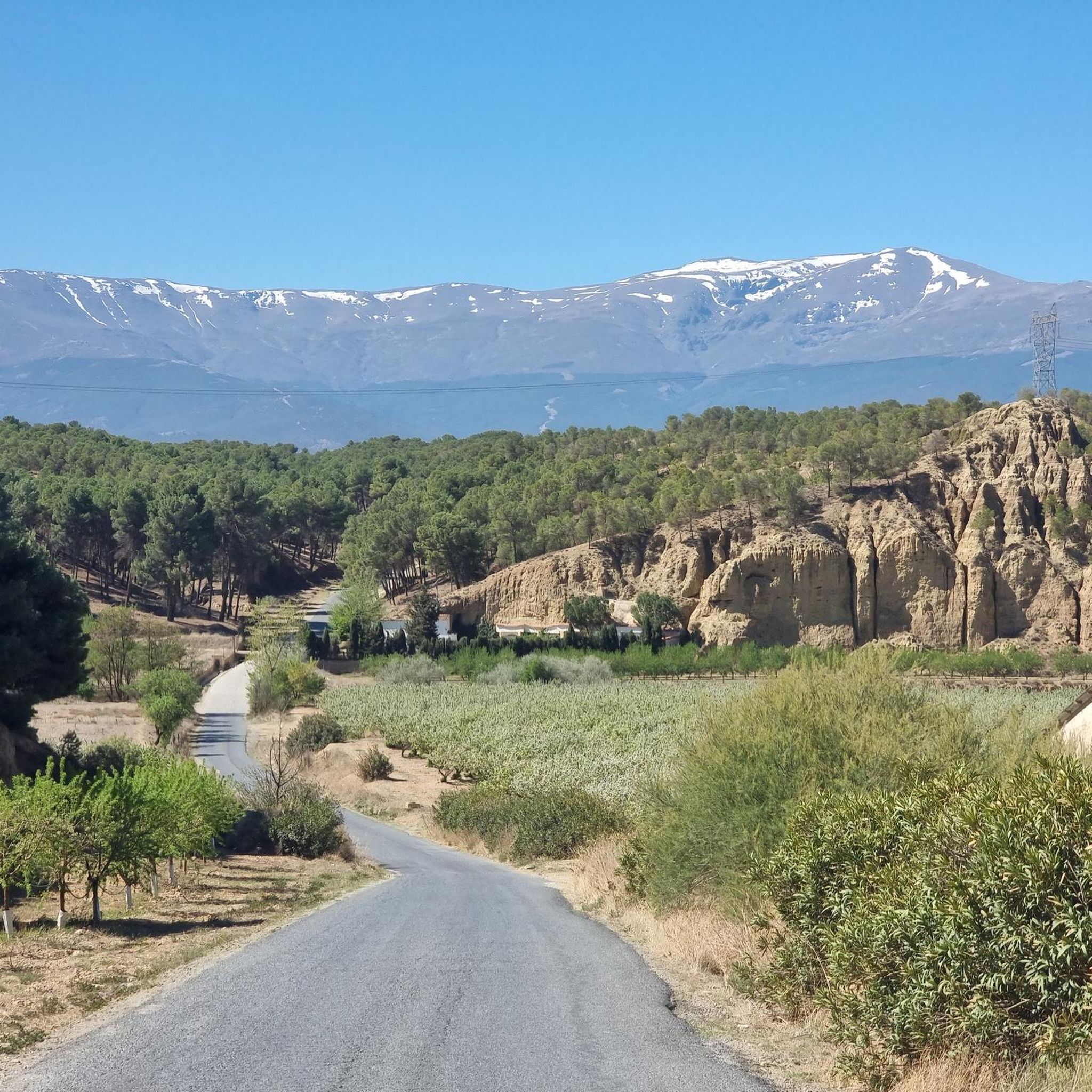
Cycling around Valle Del Zalabí


Tips from the Community

There are panels at this viewpoint explaining the formation process of the Marchal Gullies, making it a very impressive viewpoint.
4
0

Coming from Beas de Guadix, you first have to overcome a steep climb. Doable with a MTB cassette, 38/42 were quite strenuous with a loaded bike. At the top, however, you are rewarded with a fantastic view. Absolutely brilliant and recommended.
3
0

Great view from here over the Sierra Nevada, the Hoya de Guadix and of course the town of Beas de Guadix.
3
0
Totally impressive and very steep path to the Mirador del Fin del Mundo.
1
0

The Mirador del Fin del Mundo is a natural balcony over the Granada Geopark, a plain plenty of gullies and badlands in the northern part of the province of Granada that contains the largest concentration of cave dwellings and dolmens in Europe. This iconic climb is just 700m in length but with an average of 15% and a maximum gradient over 25%.
7
0

Worthwhile, easy hike, but with incredibly beautiful views
3
0

Very nice little hike with geological curiosities.
1
0

Easy course with paths accessible to everyone, even beginners. Provide good shoes because paths with stones in places. This hike passes through the Miradors de Carcavas and Badlands which are magnificent and unmissable viewpoints in the region of the "cuevas". We started our hike at 7am to avoid the scorching heat of the day. Much of the route is in the shade through trees but plan your walk depending on the temperature in summer or winter. We had made a small detour because the route crosses private property, which unfortunately is surrounded by a fence and closed with a padlock. This forced us to bypass this field but we joined the course without problem.
1
0
Frequently Asked Questions
What are the most prominent natural features to explore around Valle Del Zalabí?
The region is renowned for its striking "badland" landscapes, characterized by intense erosion on rocky outcrops and clay hills, creating dramatic red ochre formations. Additionally, the area is an integral part of the Sierra de Baza Natural Park, offering diverse landscapes from plains to deep valleys and mountainous terrain. You can also find significant geological formations like the Granada Geopark, which features extensive gullies and badlands.
Are there family-friendly natural monuments or activities in Valle Del Zalabí?
Yes, several natural monuments are suitable for families. The Badlands de Purullena Viewpoint is noted as family-friendly, offering impressive views of the arid landscapes. The general area provides opportunities for easy walks to appreciate the unique geological formations without strenuous effort, making it accessible for various ages.
What kind of wildlife can I expect to see in the natural monuments around Valle Del Zalabí?
The Sierra de Baza Natural Park, which encompasses much of the area, is rich in biodiversity. You might spot a wide array of birdlife, including Golden, Booted, and Bonelli's eagles, Egyptian vultures, and eagle owls. Mammals such as roe deer, wild boar, foxes, badgers, genets, and wild cats also inhabit the slopes. The park's watercourses are vital habitats for amphibians like the Betic midwife toad and the Spanish painted frog.
What hiking opportunities are available near the natural monuments?
The Sierra de Baza Natural Park offers numerous signposted hiking trails varying in difficulty, allowing visitors to explore its breathtaking scenery. For specific routes, you can find various options in the hiking guide for Valle Del Zalabí. For example, the area around the Viewpoint of the Cárcavas de Marchal offers easy courses with paths accessible to everyone, even beginners.
What is the best time of year to visit the natural monuments around Valle Del Zalabí?
The region experiences an extreme and varied climate. To avoid the scorching heat of summer, it's often recommended to visit during spring or autumn when temperatures are milder, making outdoor activities like hiking more comfortable. If visiting in summer, plan your walks for early morning or late afternoon to avoid the midday sun. Winter can offer a different perspective, especially in the higher elevations of Sierra de Baza, with potential snow cover.
Are there any specific viewpoints that offer panoramic views of the natural landscapes?
Absolutely. The Viewpoint of the Cárcavas de Marchal provides excellent views of the badland landscapes and grooved formations. Another notable spot is the Badlands de Purullena Viewpoint, offering vistas over arid terrains. For a truly spectacular panorama, the End of the World Viewpoint offers a natural balcony over the Granada Geopark and views towards the Sierra Nevada.
Can I find any historical or archaeological sites within or near these natural monuments?
Yes, beyond its natural beauty, the Sierra de Baza Natural Park holds archaeological value. Findings from the area are preserved in the Municipal Archaeological Museum of Baza, and there are rock paintings on Jabalcón Hill. The Granada Geopark is also significant, being one of the oldest human settlements in the Iberian Peninsula and containing the largest concentration of cave dwellings and dolmens in Europe.
What other outdoor activities can I do near the natural monuments besides hiking?
The diverse terrain around Valle Del Zalabí supports various outdoor activities. Within the Sierra de Baza Natural Park, popular activities include canyoning, mountain biking, horse riding, and caving. For cycling enthusiasts, there are numerous road cycling routes, MTB trails, and touring bicycle routes that explore the badlands and natural park.
Are there any natural monuments that are particularly unique or offer a distinct experience?
The "badland" landscapes themselves are quite unique, offering a dramatic visual experience often compared to the American Badlands. The Prados del Rey within the Sierra de Baza is a magical place known for its high mountain meadows and pine trees, where melting snow forms famous wet meadows, creating a postcard-worthy panorama. Rambla del Agua, a picturesque hamlet, also offers unique geological formations of metamorphic rocks from the Paleozoic Age.
What should I wear or bring when visiting the natural monuments?
Given the varied terrain and climate, it's advisable to wear appropriate footwear, especially if you plan to hike, as some paths can be stony. Layers of clothing are recommended to adapt to temperature changes, particularly in mountainous areas. Sun protection (hat, sunscreen) is essential, especially during warmer months. Always carry enough water, as facilities might be limited in more remote natural areas.
Is public transport available to reach the natural monuments?
While specific public transport routes directly to all natural monuments might be limited, the main towns and villages in Valle Del Zalabí and surrounding areas like Baza or Guadix are generally accessible by bus. From these points, you might need to rely on local taxis, personal vehicles, or organized tours to reach the more remote natural sites and trailheads within the Sierra de Baza Natural Park. Planning ahead is recommended.
What makes the Sierra de Baza Natural Park a special place to visit?
The Sierra de Baza Natural Park is a special destination due to its status as a vast and verdant "climatic island" with elevated humidity and dense vegetation, contrasting sharply with the drier surrounding plains. It boasts nearly 150 endemic plant species and a rich fauna. Its mountainous terrain, with peaks like Santa Bárbara, offers superb panoramic views, making it an ideal destination for nature enthusiasts and those seeking diverse ecosystems.
Most popular routes around Valle Del Zalabí
Most popular attractions around Valle Del Zalabí

Get inspired with the komoot mobile app


Explore more
Extend your search for the best caves by checking out these guides of the top ones around Valle Del Zalabí:
