Top 5 Natural Monuments around Fuente-Tójar
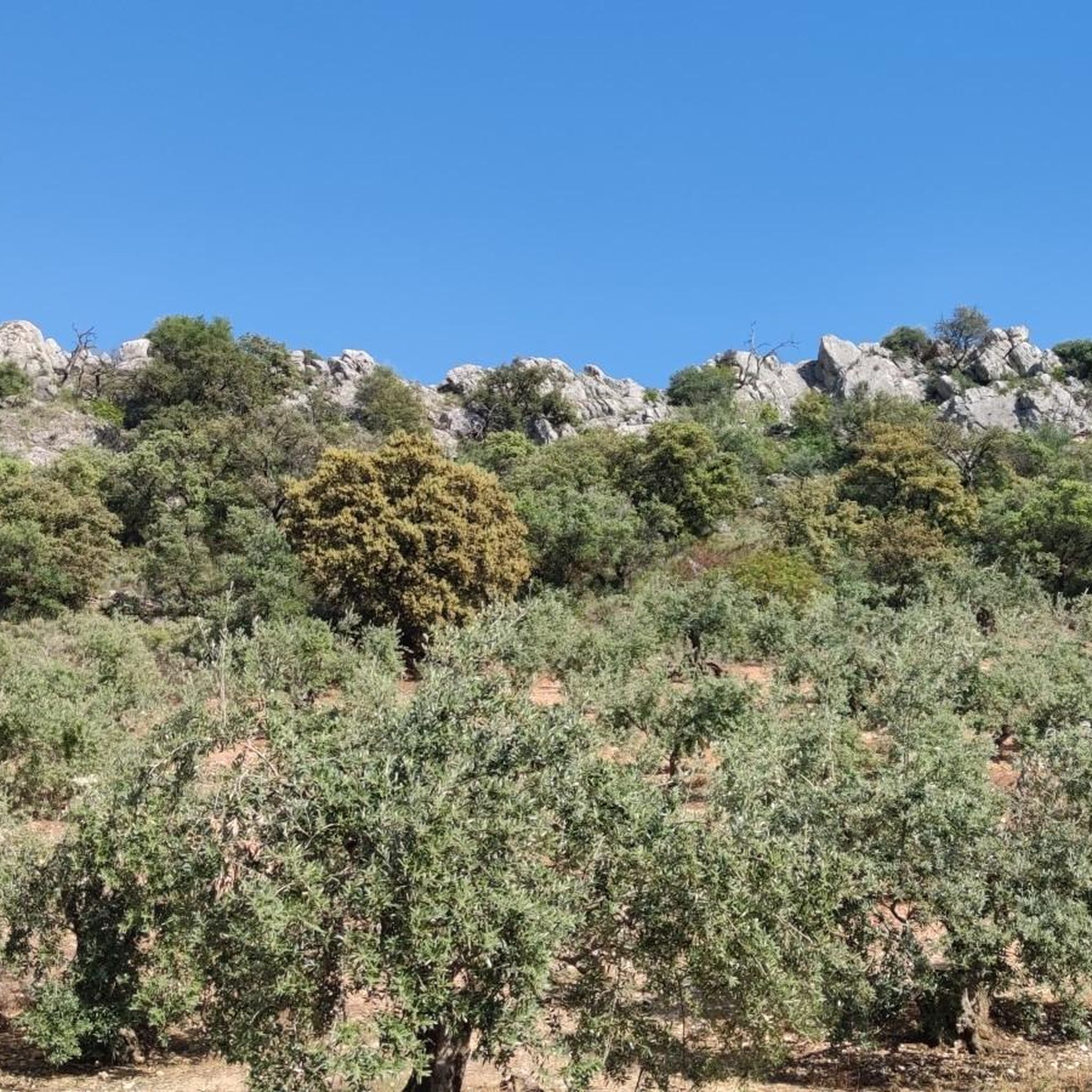
Best natural monuments around Fuente-Tójar include a landscape defined by extensive olive groves and significant wetlands. The region is characterized by its agricultural heritage, with the "Paisaje del Olivar de Andalucía" forming a key part of its natural and cultural identity. Several lagoons and a reservoir contribute to the area's ecological diversity, providing habitats for various bird species. These natural features offer opportunities for exploration and observation of the local environment.
Best natural monuments around Fuente-Tójar
- The most popular natural…
Last updated: July 1, 2026
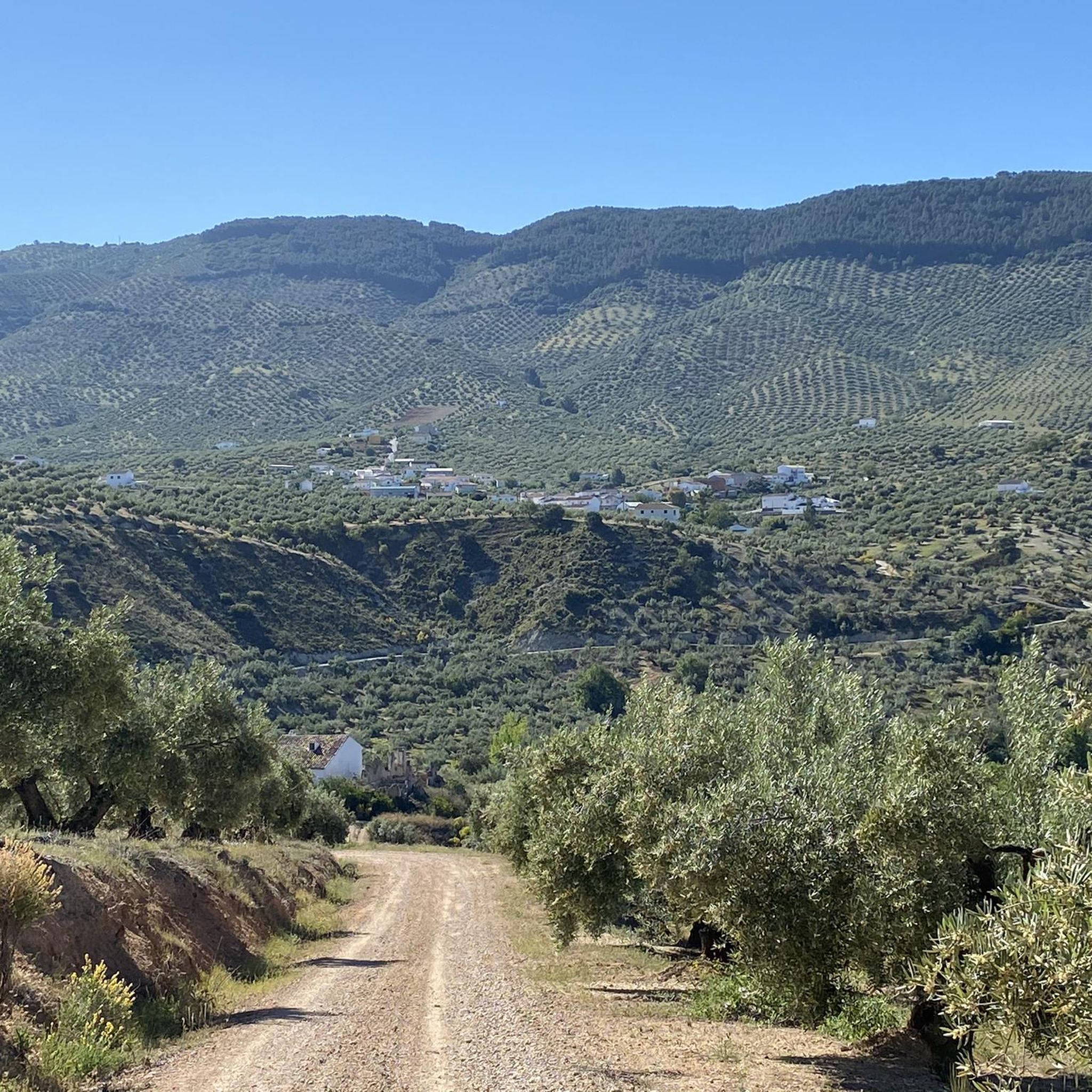
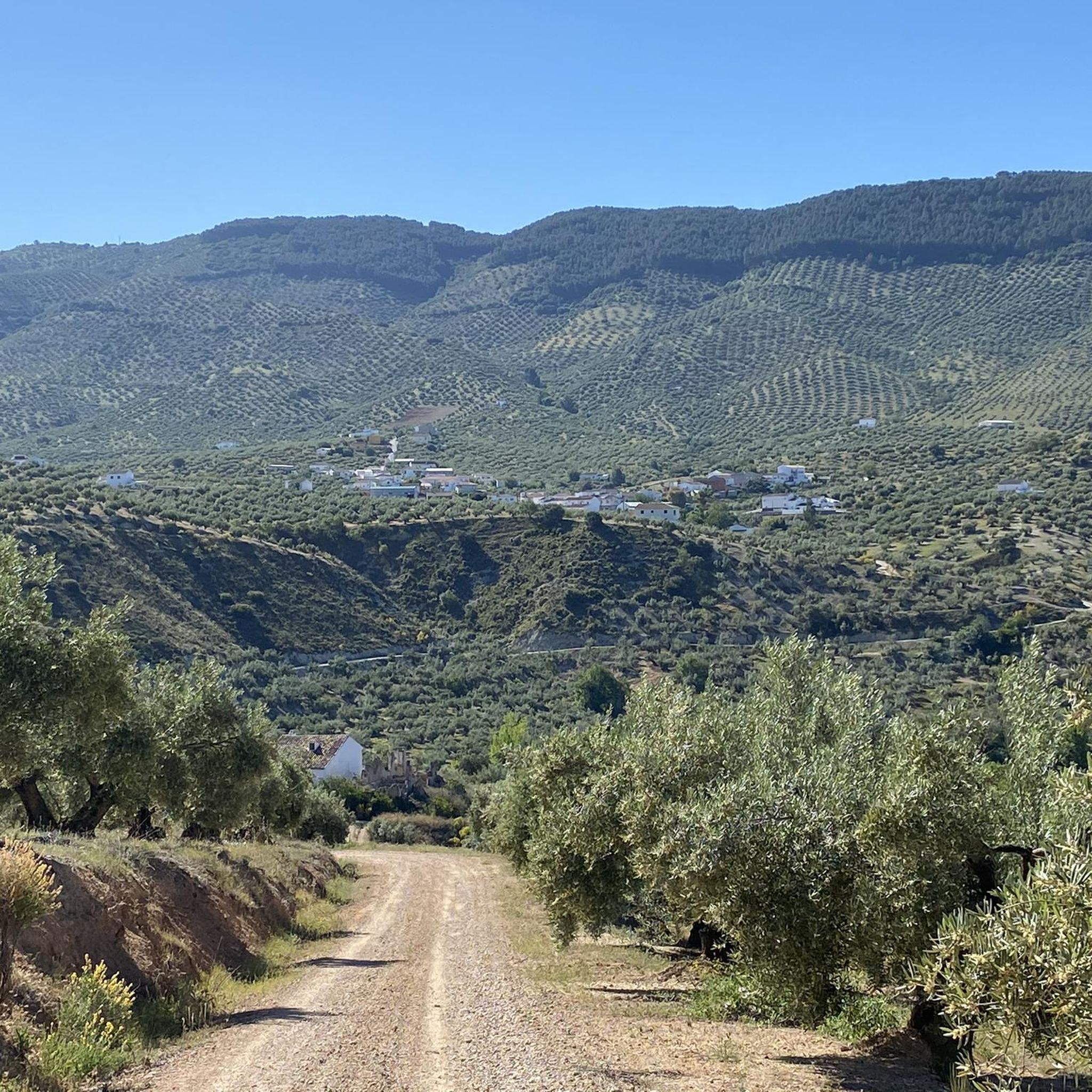
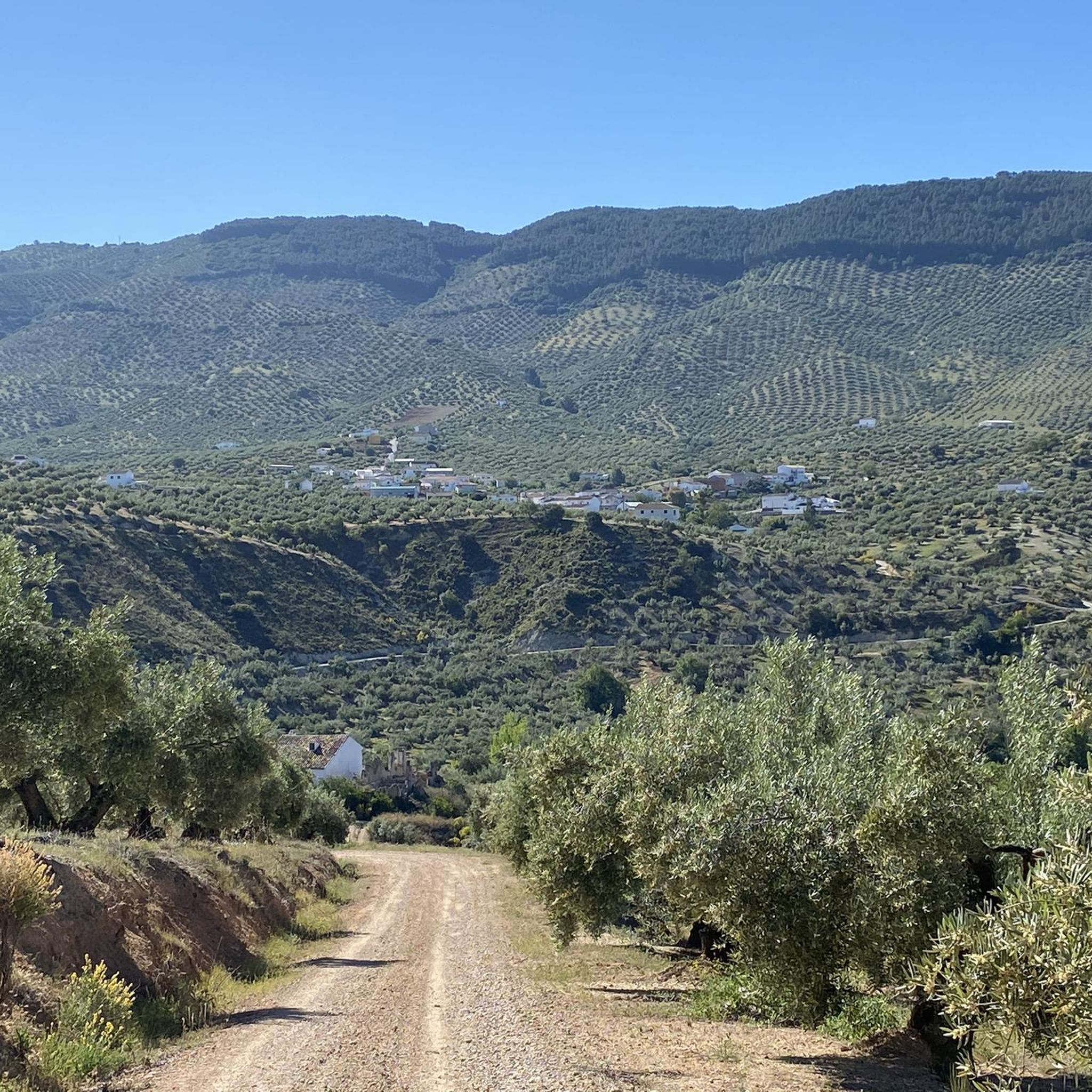
Views over the Laguna del Conde
Highlight • Viewpoint
Translated by Google •
Tip by

Vadomojón Reservoir
Highlight • Lake
Translated by Google •
Tip by
Sign up now to discover places like this
Get recommendations on the best single tracks, peaks, & plenty of other exciting outdoor places.
Sign up for free
Laguna Honda Viewpoint
Highlight • Lake
Translated by Google •
Tip by

Zurreón Waterfall
Highlight • Waterfall
Translated by Google •
Tip by

Salto del Caballo Waterfall
Highlight • Waterfall
Translated by Google •
Tip by
Start today with a free account
Your next adventure awaits.
Login or Signup
Tips from the Community

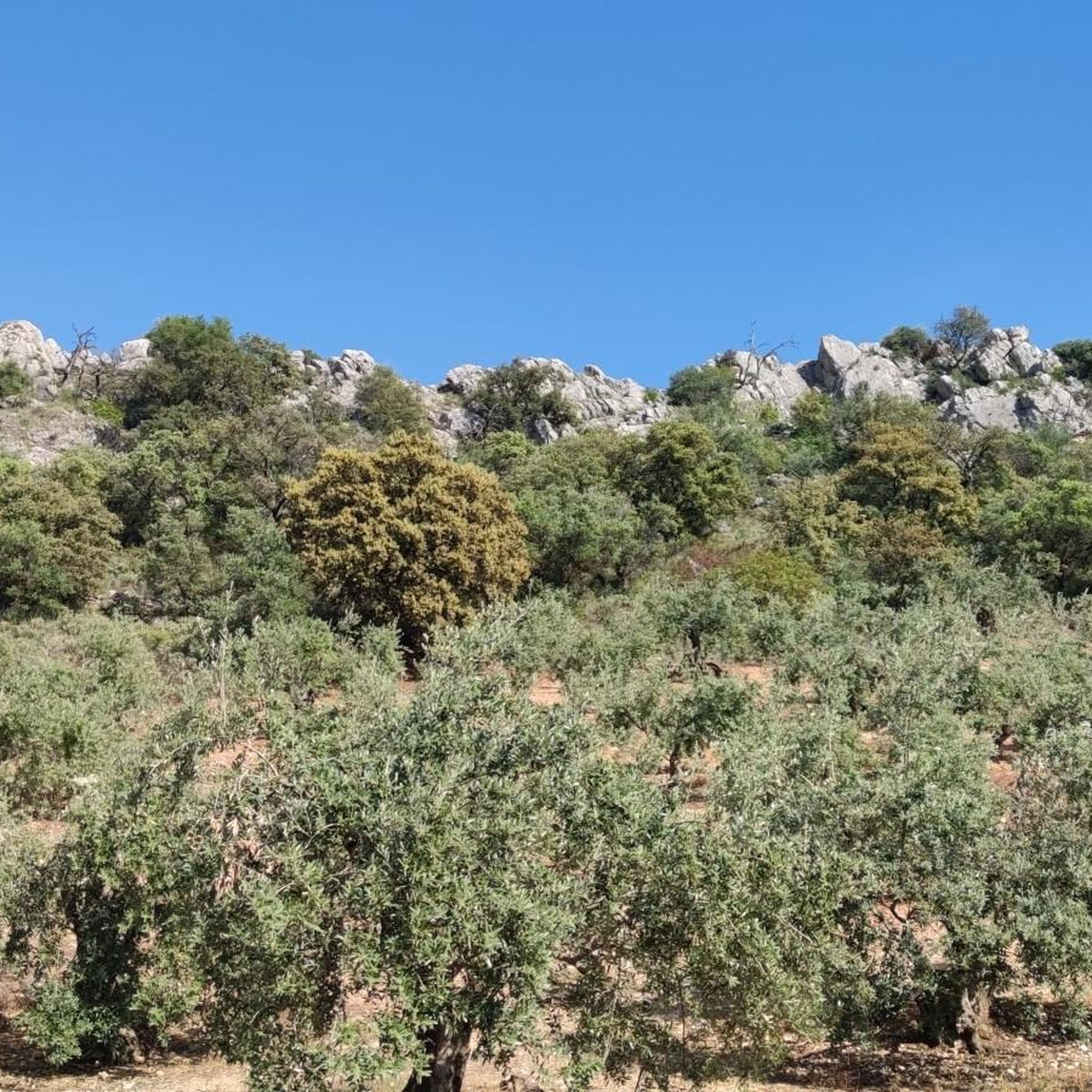
The Laguna Honda is a remarkable nature reserve along the Vía Verde del Aceite in the province of Jaén, Andalusia. It is located in the municipality of Alcaudete, about 7 km northwest of the town center, nestled between the Sierra de Orbes and the Guadalquivir plain. With an area of around 65 hectares and an additional protected zone of 220 hectares, it is one of the most important wetlands in the region. Laguna Honda is an endorheic, shallow salt lagoon whose high salt content is due to the clayey and calcareous soils. It is mainly fed by rainwater and a small tributary from the Sierra de Orbes. Despite its shallow depth, it is a valuable habitat for numerous bird species, including flamingos, ducks, and other water birds that rest or breed here.
0
0
The Laguna del Conde (also known as Laguna del Salobral) is an important wetland that serves as a habitat for numerous bird species such as flamingos, cormorants, and ducks. Along the Vía Verde, there are viewpoints from which visitors can observe the wildlife.
1
0

Laguna Honda, located in a place known as Tumbalagraja, is a unique space that was declared a nature reserve in 1989 and belongs to the municipality of Alcaudete in Jaén. The first autumn rains flood the lagoon, which manages to retain a small amount of water until the arrival of spring. This fact, together with the contribution of the current that enters from a small stream in the Sierra de Orbes, makes it the most persistent natural wetland in the province. Of the original vegetation, two species remain, the bulrush and the reed, which together with the reed and the tamarisk form the vegetation around the lagoon. Visitors who come to this beautiful place can enjoy the birds that can be found there, such as the redfish, the coot or the white-headed duck. On some occasions you can even see small flocks of pink flamingos.
8
0

The Lagoon del Conde or Salobral Lagoon is a temporary lagoon that reaches a maximum flood level in spring and subsides in summer. The lagoon is filled by rainfall that falls directly on the surface of the lagoon and by surface runoff from its catchment area, particularly from the Carrascón stream. The lagoon is on the migratory route that many birds follow towards the African continent in northeastern Europe. Like the rest of the wetland areas south of Córdoba, the Salobral Lagoon is integrated into the European Natura 2000 network.
10
0
This lagoon, which belongs to the municipality of Luque, is the largest of all the seasonal waters in the province of Córdoba, with a surface area of 46.6 hectares. It was declared a nature reserve in 1989 due to its special value as a wintering and breeding ground for migratory birds. Due to the gentle slope of the terrain and its shallow depth, the wetland is home to numerous wading birds that use the lagoon as a passage and breeding area. The main bird species are the black-winged stilt, the European lapwing, the curlew, the teal, the white-headed duck, the Kentish plover, the tern and the Montagu's harrier, among many other species.
10
1
The Guadajoz River rises just before the tail of the reservoir from the union of the Salado River and the San Juan River and flows into the Guadalquivir near the municipality of Córdoba.
7
0

Currently difficult to access. Extensive construction work is already visible and gives an idea of a beautiful place.
0
1

It's a pity: the last time I went there it was completely dry.
6
0
Frequently Asked Questions
What are the most prominent natural features to explore around Fuente-Tójar?
The region around Fuente-Tójar is characterized by its extensive olive groves, which form part of the nominated UNESCO World Heritage Site, the "Paisaje del Olivar de Andalucía." Additionally, significant wetlands like the Laguna del Conde (Salobral Lagoon) and the Vadomojón Reservoir are key natural attractions, providing habitats for diverse bird species and offering unique landscapes.
What can I expect to see at the Laguna del Conde (Salobral Lagoon)?
The Laguna del Conde, also known as Salobral Lagoon, is a crucial habitat for numerous bird species, including flamingos, cormorants, ducks, and the rare white-headed duck. It's a declared Nature Reserve and a Special Protection Area for Birds. You can observe the rich wildlife from viewpoints, such as Views over the Laguna del Conde, especially during winter and migration periods when the lagoon is fullest.
Are there any waterfalls to visit near Fuente-Tójar?
Yes, you can visit the Salto del Caballo Waterfall, which is accessible via a path following an ancient route. Before reaching the main waterfall, you'll find several pools. Another waterfall in the area is the Zurreón Waterfall, which forms a pool that is a great spot for bathing.
What is the best time of year to visit the natural monuments for wildlife observation?
The best time to experience the vibrant birdlife at wetlands like the Laguna del Conde is during winter and migration periods. The lagoon's water levels fluctuate, reaching maximum capacity in spring and often subsiding in summer, so visiting when water levels are higher will offer better wildlife viewing opportunities.
Are there family-friendly natural monuments or trails around Fuente-Tójar?
Yes, several natural monuments are considered family-friendly. The Views over the Laguna del Conde and Laguna Honda Viewpoint are great for enjoying nature with children. For hiking, there are easy trails like the 'Salto del Caballo Waterfall – Zurreón Waterfall loop from Almedinilla' which is 5.8 km long, perfect for a family outing. You can find more options in the Hiking around Fuente-Tójar guide.
Can I go hiking or cycling near these natural monuments?
Absolutely. The region offers various outdoor activities. For hiking, you can explore trails like the 'Cerro de la Cruz and Salto del Caballo Trail' (8 km, moderate difficulty). Cycling enthusiasts can enjoy routes such as the 'Olive Oil Greenway: Alcaudete Loop' (29.7 km, moderate). Mountain biking options are also available, including the 'Vadomojón Reservoir – Ruins by the Bridge loop from Alcaudete' (56.4 km, moderate). Find more details in the Hiking around Fuente-Tójar, Cycling around Fuente-Tójar, and MTB Trails around Fuente-Tójar guides.
What is the significance of the olive groves around Fuente-Tójar?
The extensive olive groves surrounding Fuente-Tójar are more than just agricultural land; they form the "Paisaje del Olivar de Andalucía," a landscape nominated as a UNESCO World Heritage Site. This area showcases centuries of traditional knowledge and the profound interaction between humans and their natural environment, deeply ingrained in the local economy, culture, and history of Andalusia. You can explore hiking trails through these ancient groves and learn about olive oil production.
Are there viewpoints to enjoy panoramic scenery?
Yes, there are several viewpoints offering scenic vistas. The Views over the Laguna del Conde provides excellent perspectives of the wetland. Additionally, the Vadomojón Reservoir offers spectacular views that contrast with the surrounding olive groves, often from old railway bridges.
What kind of terrain can I expect on trails near the natural monuments?
The terrain around Fuente-Tójar varies. Many trails wind through the extensive olive groves, offering relatively gentle paths. Near the wetlands and reservoirs, you might find flatter sections, while routes leading to waterfalls like Salto del Caballo Waterfall may involve ancient routes or more rugged paths. The Vía Verde (Greenway) offers converted railway lines, providing smoother surfaces for cycling and walking.
Are there any specific rules for visiting natural areas, especially with dogs?
While specific rules for dog access vary by location, it's generally recommended to keep dogs on a leash in natural reserves and protected areas like the Laguna del Conde to protect wildlife. Always ensure you clean up after your pet. For detailed regulations on specific trails or natural monuments, it's best to check local signage or official park websites.
What do visitors particularly enjoy about the natural monuments in this region?
Visitors appreciate the contrasting landscapes, from the vast 'sea of olive groves' to the significant wetlands. The opportunity for birdwatching at places like Laguna del Conde and the Vadomojón Reservoir is highly valued. Many also enjoy the serene settings for picnics and the chance to explore ancient routes leading to waterfalls like Salto del Caballo Waterfall, with opportunities for bathing in natural pools.
Most popular attractions around Fuente-Tójar

Get inspired with the komoot mobile app


Explore more
Extend your search for the best caves by checking out these guides of the top ones around Fuente-Tójar:
