Top 20 Natural Monuments around Junta De Villalba De Losa
Best natural monuments around Junta De Villalba De Losa are concentrated within the Monte Santiago Natural Monument, located in the province of Burgos, Spain. This area features a significant karstic landscape with limestone formations, extensive beech forests, and the dramatic Sierra Salvada mountain range. It is known for its diverse ecosystems and geological features, offering various natural points of interest for exploration.
Best natural monuments around Junta De Villalba De Losa
- The most popular natural monuments is Nervión River,…
Last updated: July 1, 2026
Views of Pico del Fraile
Highlight • Summit
Translated by Google •
Tip by

Nervión River
Highlight • Waterfall
Translated by Google •
Tip by

Sign up now to discover places like this
Get recommendations on the best single tracks, peaks, & plenty of other exciting outdoor places.
Sign up for free
Santiago Spring
Highlight • Natural Monument
Translated by Google •
Tip by

Nervión Waterfall
Highlight • Waterfall
Translated by Google •
Tip by

Delika Canyon Waterfalls
Highlight (Segment) • Canyon
Translated by Google •
Tip by
Sign up for free to discover even more natural monuments around Junta De Villalba De Losa.
Sign up for free
Already have an account?
Start today with a free account
Your next adventure awaits.
Login or Signup
Popular around Junta De Villalba De Losa
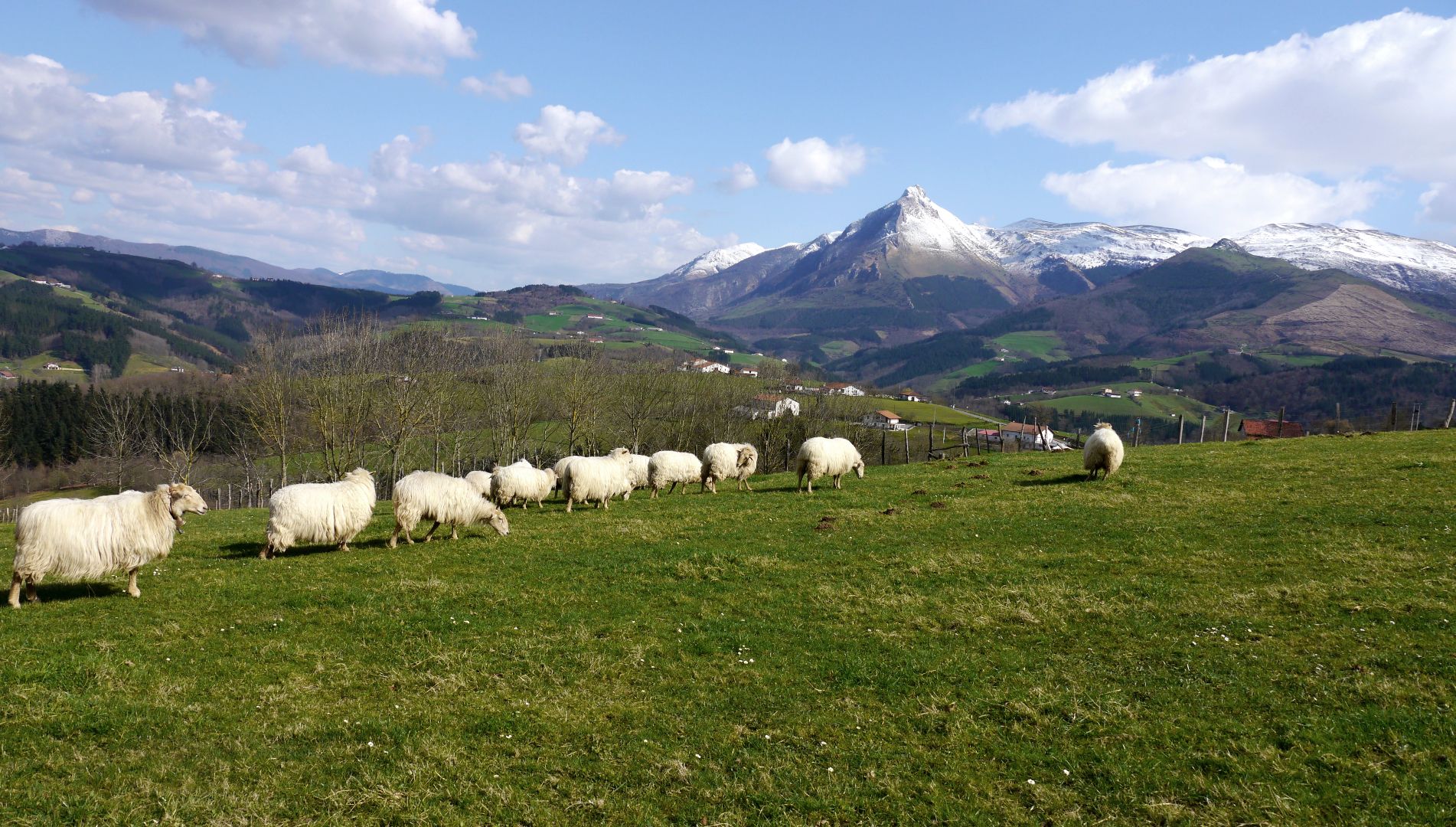
Mountains with tradition in Spain’s Basque Country – Shepherd's Path (GR 282)
Road Cycling Routes around Junta De Villalba De Losa
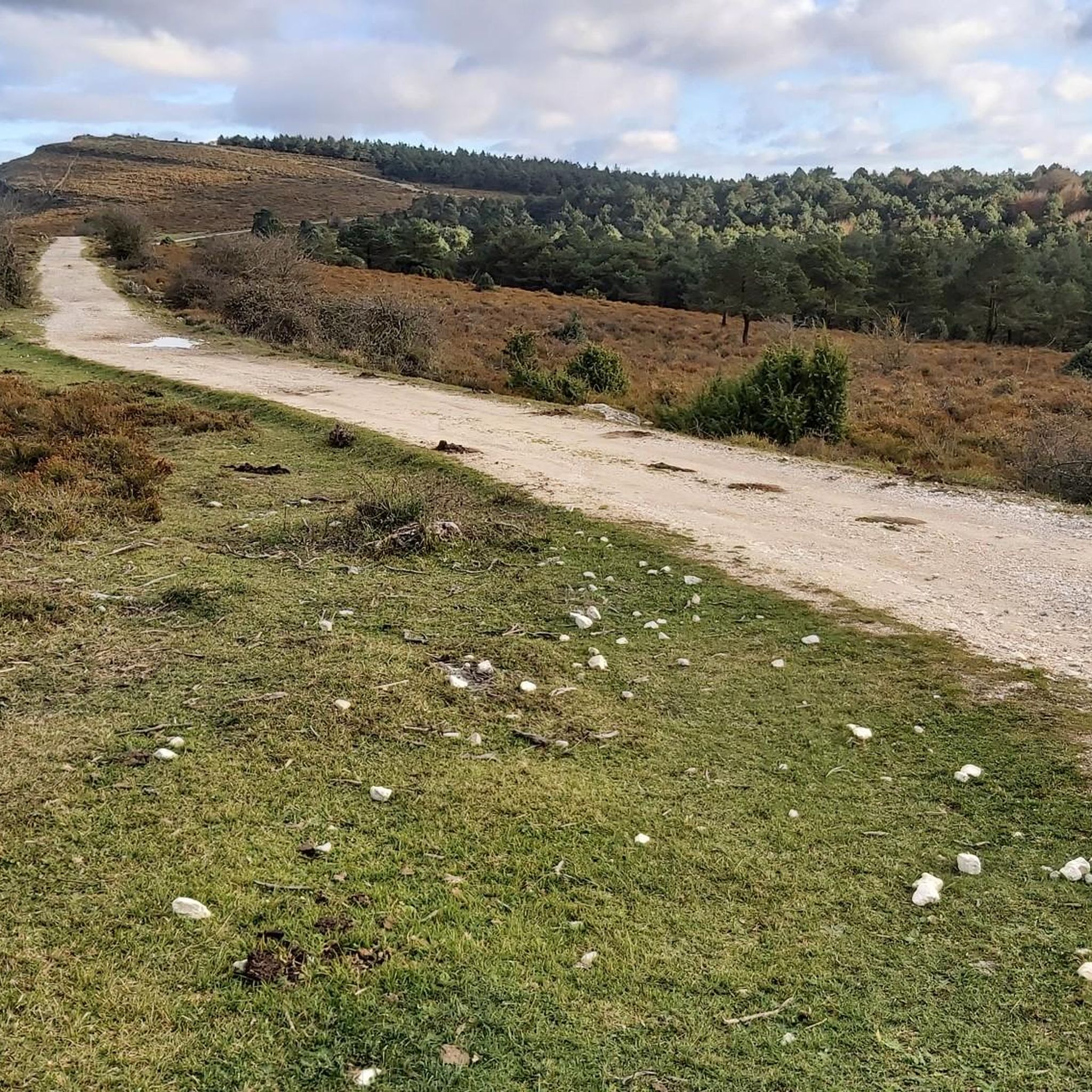
Running Trails around Junta De Villalba De Losa
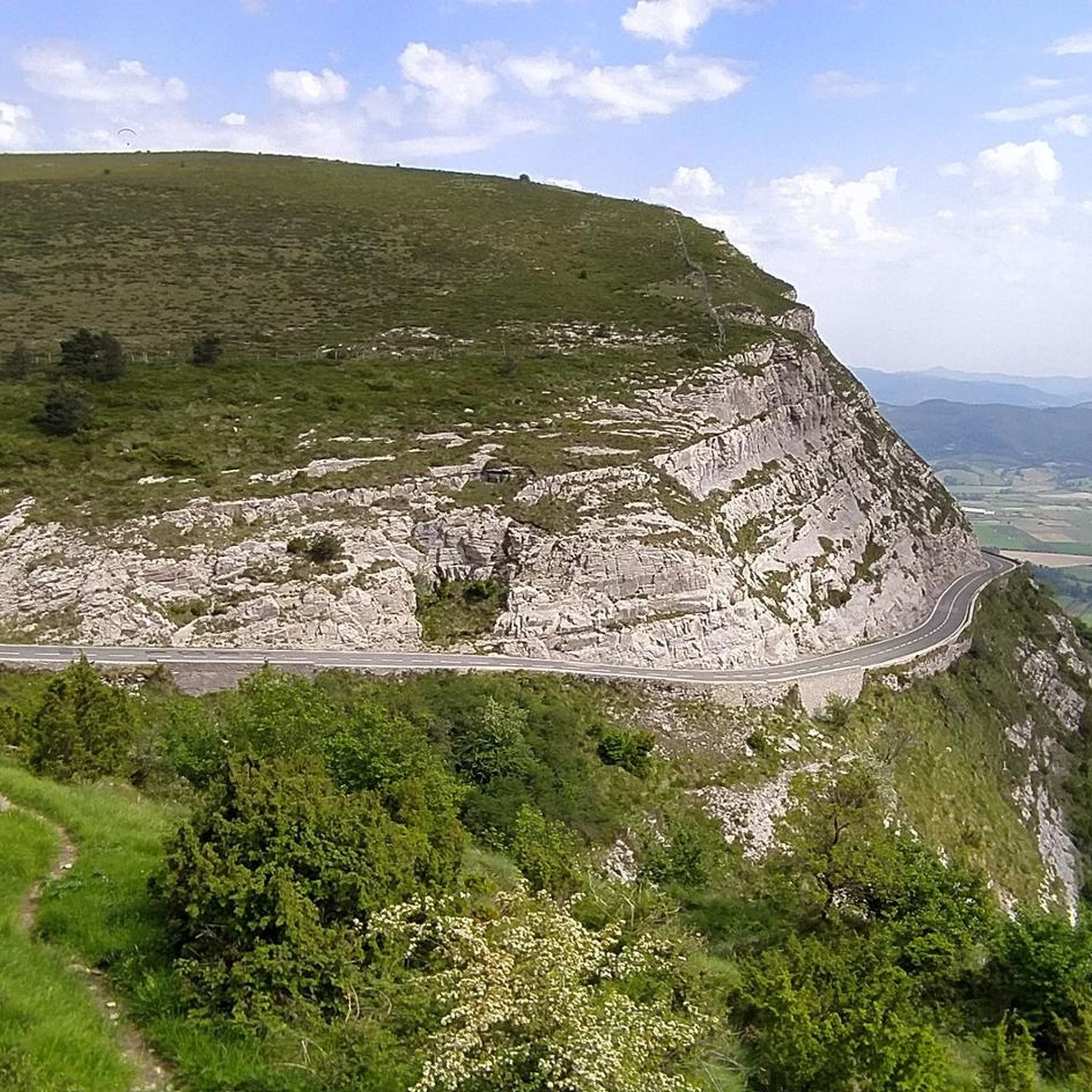
Hiking around Junta De Villalba De Losa
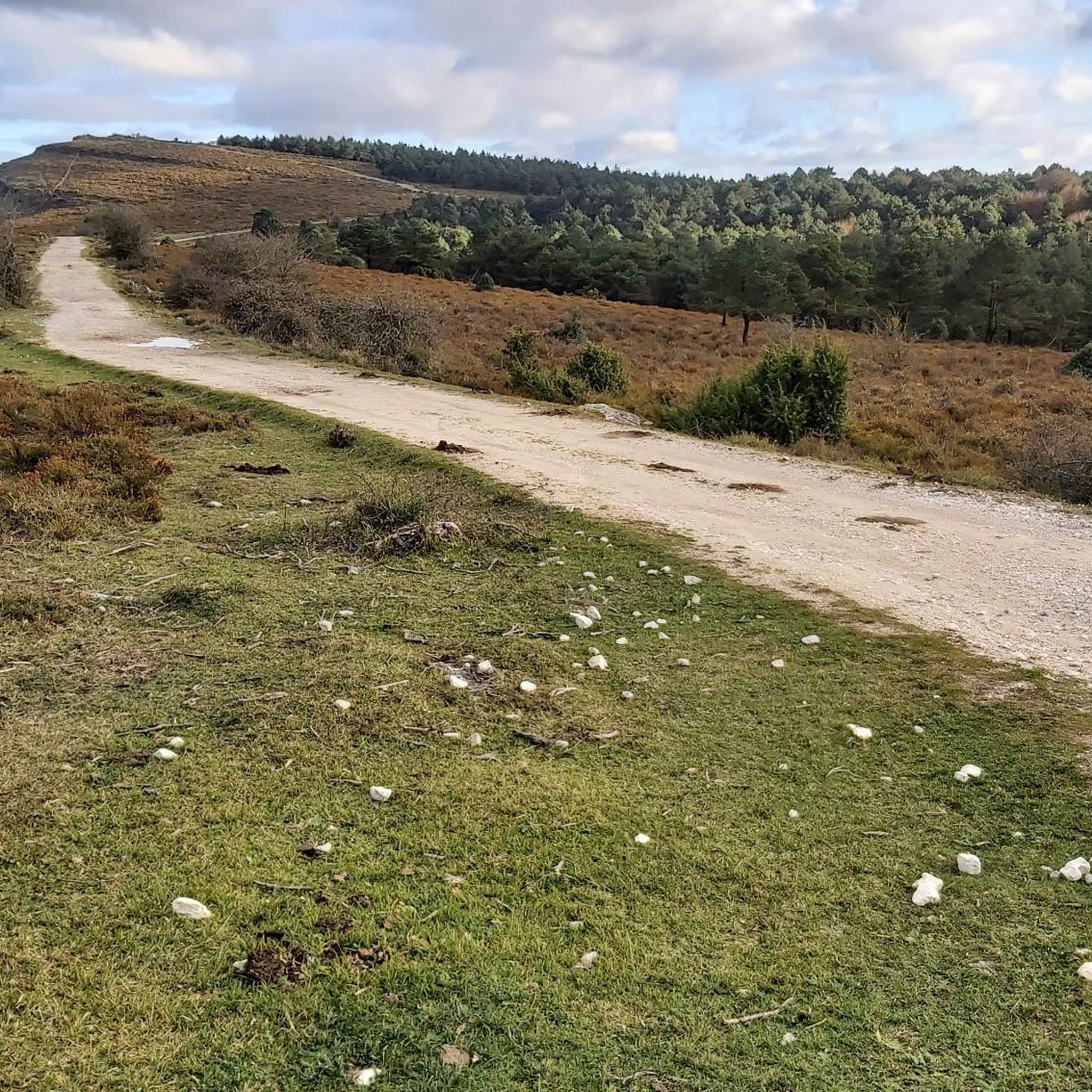
Cycling around Junta De Villalba De Losa
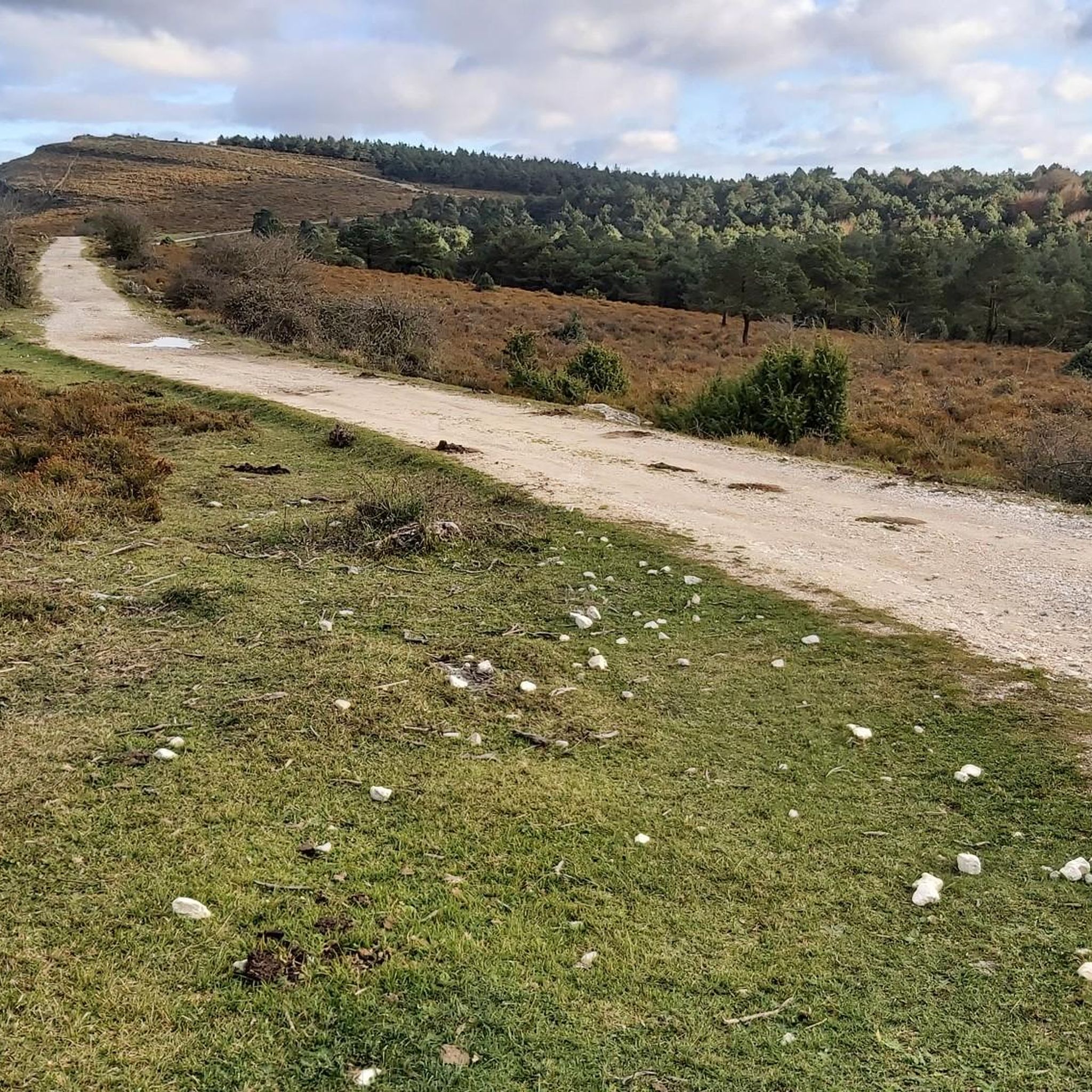
MTB Trails around Junta De Villalba De Losa

Gravel biking around Junta De Villalba De Losa
Other adventures around Junta De Villalba De Losa

Tips from the Community

The gorge was formed by the Nervión River near the village of Delika. The Salto de Nervión, a periodic waterfall that is the highest in Spain [222 meters], flows from the gorge.
2
0
Pico del Fraile (864 m) is a mountain in the Cordillera. There is a path to the top. The nearest mountain refuge is Refugio del Tolope, located 1,037 m/3,402 ft NNW from the summit.
3
0
After rain you can have a beautiful 222 meter high waterfall in a picturesque setting with cycling and walking paths and monastery ruins. Beautiful to look at, even without water.
1
0

Small environment equipped with fences and bridges, to see the fountain and the small karst spring.
2
0

Impressive views, very bearable route but the jump has to be caught with water
2
0

The fountain of Santiago is part of the natural monument of Monte Santiago. It is a spring of water that quickly disappears behind some rocks. Nearby are the ruins of a monastery, an interpretation center and a beech forest with a monumental specimen.
2
0

This rocky peak is vertical on all its flanks, which makes it necessary to use leather straps during the ascent. It was first climbed in 1924 by Ángel Sopeña, precursor of climbing in the Basque Country. Its name comes from its resemblance to the figure of an abbot.
5
0

Choose the day well, that it is clear, the views from this other side of the Nervión waterfall are spectacular.
0
1
Frequently Asked Questions
What are the primary natural attractions within the Monte Santiago Natural Monument?
The Monte Santiago Natural Monument, located in Junta de Villalba de Losa, is renowned for several key natural attractions. These include the spectacular Salto del Nervión, one of Western Europe's largest waterfalls, extensive and well-preserved beech forests, and a unique karstic landscape featuring caves and sinkholes. The dramatic cliffs of the Sierra Salvada also contribute to the area's natural beauty.
What is the most famous natural monument in the Junta de Villalba de Losa area?
The most famous natural monument is arguably the Nervión Waterfall (Salto del Nervión). This impressive waterfall boasts a drop of over 200 meters and is particularly spectacular after heavy rain or during thaw periods. You can also find the Nervión River itself, which can be crossed when water levels are low.
Are there any family-friendly natural monuments to visit?
Yes, the Santiago Spring is considered family-friendly. It's a small, equipped environment within the Monte Santiago Natural Monument, featuring a karst spring that quickly disappears behind rocks. It's a beautiful and accessible spot for all ages.
What kind of wildlife can I expect to see in the Monte Santiago Natural Monument?
The Monte Santiago Natural Monument is a haven for diverse wildlife. You can spot significant populations of vultures and various birds of prey, such as Griffon vultures, golden eagles, and peregrine falcons, nesting in the sierra's ravines. Other animals like roe deer, wild boars, squirrels, and even wolves inhabit the area. It's also part of a migratory bird corridor.
What unique geological features characterize the natural monuments in this region?
The region is defined by a significant karstic landscape, a result of its predominant limestone soils. This geological activity has sculpted numerous caves, sinkholes (dolinas), and chasms. The Sierra Salvada mountain range also exhibits a characteristic 'cuesta' relief with dramatic cliffs facing north, contrasting with gentler slopes.
What is the best time to visit the natural monuments around Junta de Villalba de Losa?
The best time to visit depends on what you want to see. For the most spectacular views of the Nervión Waterfall, visit after heavy rainfall or during the spring thaw. The extensive beech forests offer a serene and picturesque environment throughout spring and autumn. The area is also part of a migratory bird corridor, making certain times of year ideal for birdwatching.
Are there historical elements within the Monte Santiago Natural Monument?
Yes, the monument includes archaeological sites such as the 'Túmulos de Ramalejo' and the 'lobera de Monte Santiago,' an ancient wolf trap. Additionally, the remains of an old monastery, Santiago Langreriz, which gives the territory its name, are present, offering insights into the region's past.
What outdoor activities can I do near these natural monuments?
The area around Junta de Villalba de Losa offers various outdoor activities. You can find numerous routes for mountain biking, cycling, and road cycling. For example, there are routes like the 'Views of Pico del Fraile – Statue of the Virgin of Orduña loop' for MTB, or the 'Salto del Nervión Viewpoint – Fountain in Orduña loop' for cycling. You can explore more options on the MTB Trails, Cycling, and Road Cycling Routes guides for the region.
What do visitors enjoy most about the natural monuments in Junta de Villalba de Losa?
Visitors frequently praise the breathtaking natural beauty, especially the majestic Salto del Nervión. The extensive and well-preserved beech forests provide a serene backdrop for exploration. The unique karstic formations and the opportunity for birdwatching, particularly for birds of prey, are also highly appreciated. Many enjoy the spectacular views from spots like Views of Pico del Fraile.
Are there hiking trails available within the Monte Santiago Natural Monument?
Yes, the Monte Santiago Natural Monument features a network of marked trails, including circular routes suitable for hiking. These trails offer spectacular views and allow visitors to explore the diverse ecosystems, from dense beech forests to extensive heathlands. Some trails are flat and without difficulty, making them accessible for a range of visitors.
What is the <a href="https://www.komoot.com/highlight/3079407" target="_blank" rel="noopener">Pico del Fraile</a> and what makes it notable?
The Pico del Fraile is a rocky peak known for its spectacular views. It is distinctive because it is vertical on all its flanks, making it a prominent natural landmark. It was first climbed in 1924 and its name comes from its resemblance to the figure of an abbot.
Is there a visitor center for the Monte Santiago Natural Monument?
Yes, there is a visitor center, often referred to as 'Casa del Parque,' which provides information and resources for visitors exploring the Monte Santiago Natural Monument. This center can be a good starting point for your visit to learn more about the area's natural and historical significance.
Most popular routes around Junta De Villalba De Losa
Most popular attractions around Junta De Villalba De Losa

Get inspired with the komoot mobile app


Explore more
Extend your search for the best caves by checking out these guides of the top ones around Junta De Villalba De Losa:
