Top 20 Natural Monuments around Firgas
Best natural monuments around Firgas are characterized by abundant springs, deep ravines, and lush vegetation, remnants of ancient laurel forests. The region offers significant natural attractions for outdoor activities and ecological exploration. Firgas, known as the "water village," provides a landscape rich in biodiversity and scenic beauty. This area is ideal for those seeking natural spaces with historical and ecological significance.
Best natural monuments around Firgas
- The most popular natural monuments is Marquesa de Arucas Garden, a natural monument…
Last updated: July 1, 2026
Caballero Caves
Highlight • Cave
Translated by Google •
Tip by

Canary Botanical Garden
Highlight • Natural Monument
Translated by Google •
Tip by

Sign up now to discover places like this
Get recommendations on the best single tracks, peaks, & plenty of other exciting outdoor places.
Sign up for free
Municipal Park
Highlight • Natural
Translated by Google •
Tip by

Marquesa de Arucas Garden
Highlight • Natural Monument
Translated by Google •
Tip by

Jardín de la Marquesa de Arucas
Highlight • Natural
Translated by Google •
Tip by
Sign up for free to discover even more natural monuments around Firgas.
Sign up for free
Already have an account?
Start today with a free account
Your next adventure awaits.
Login or Signup

Tips from the Community

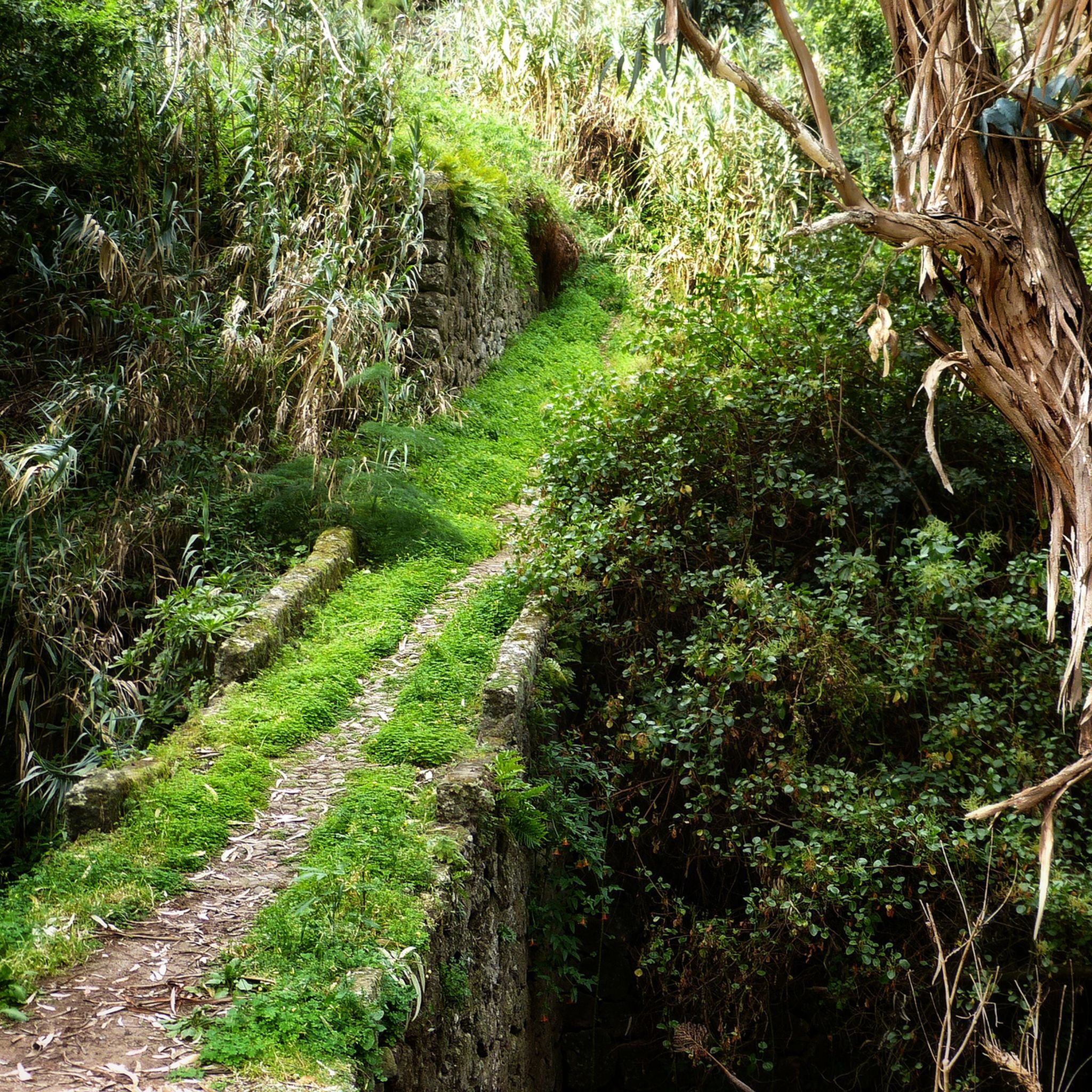
Definitely worth checking out if you're in the area 🤩
0
0

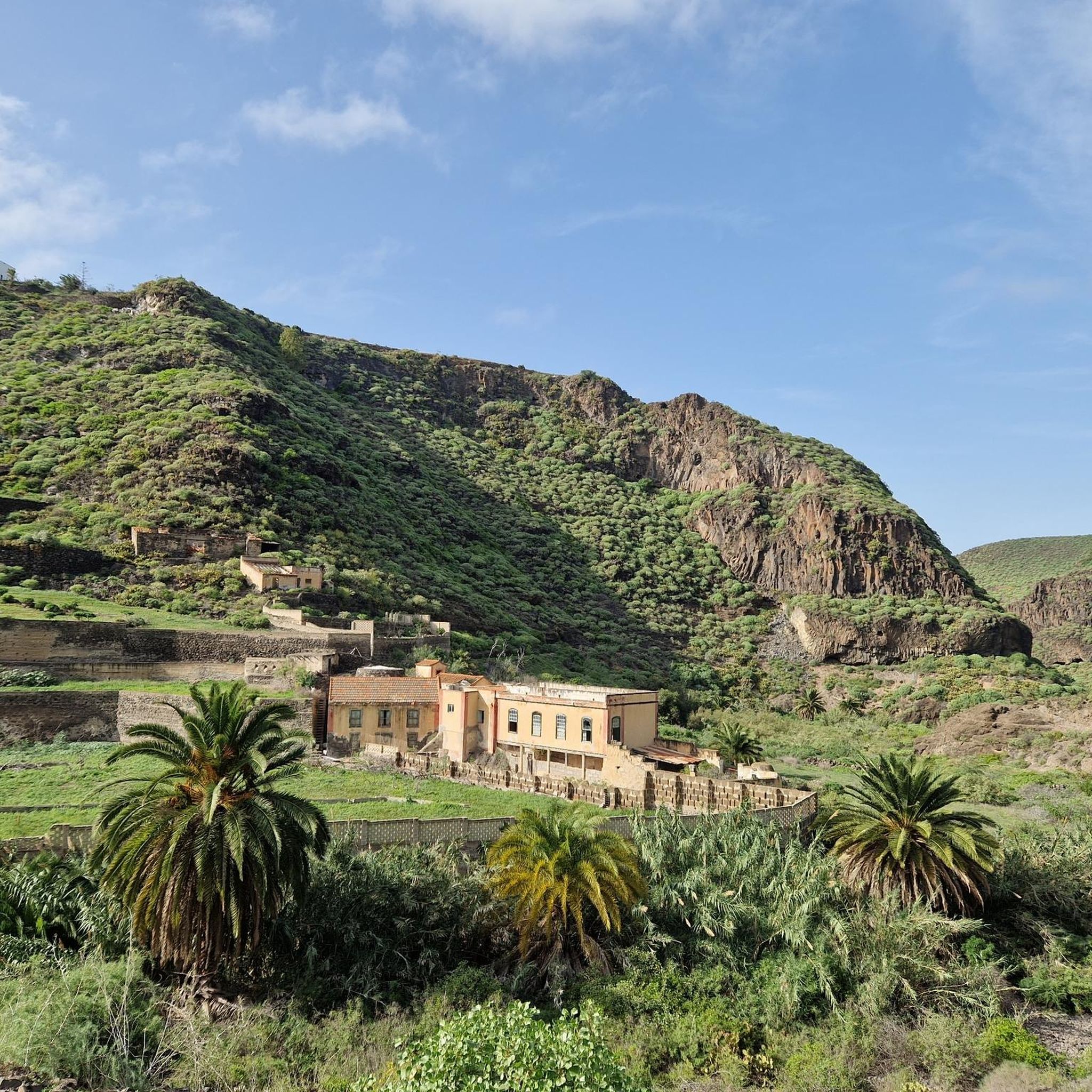
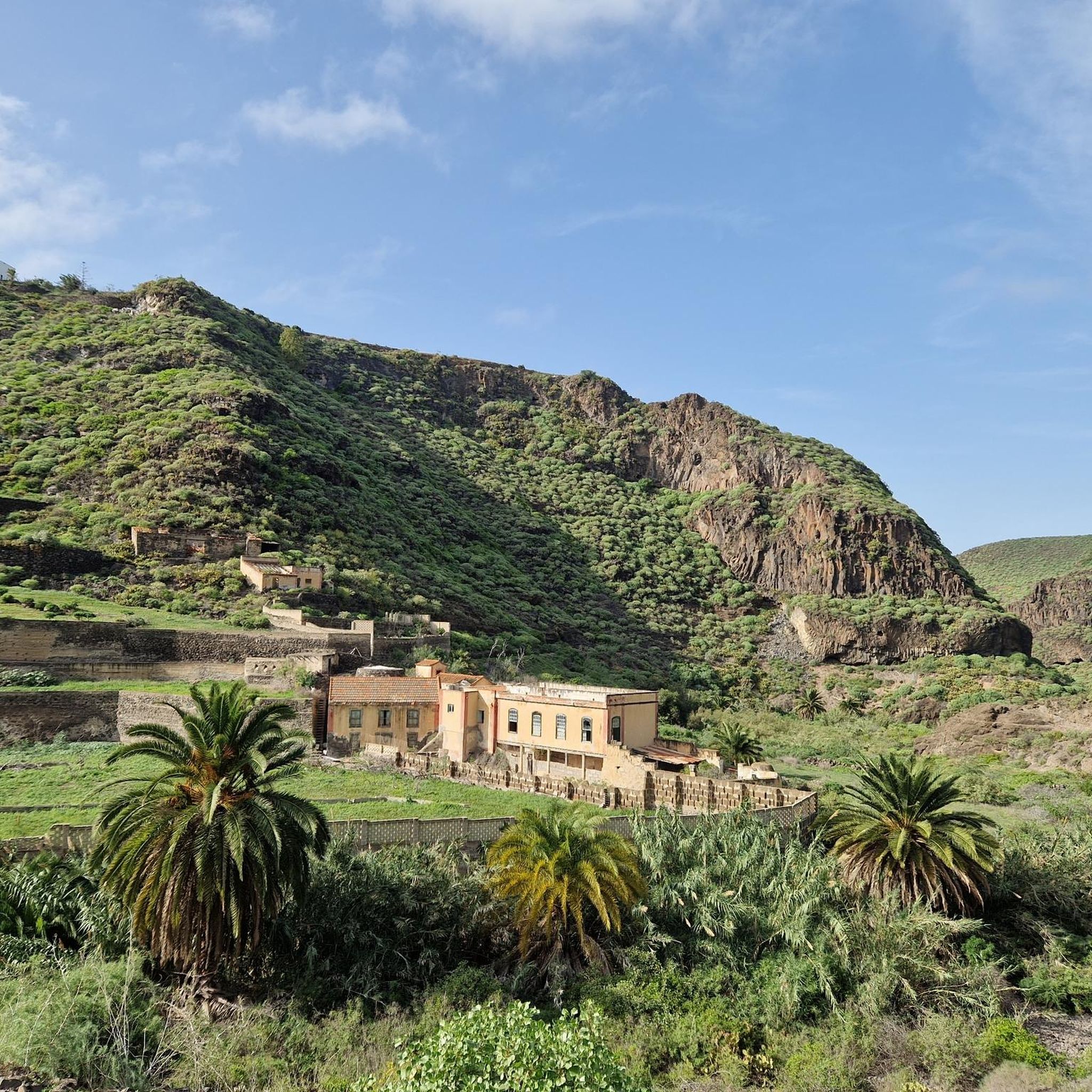
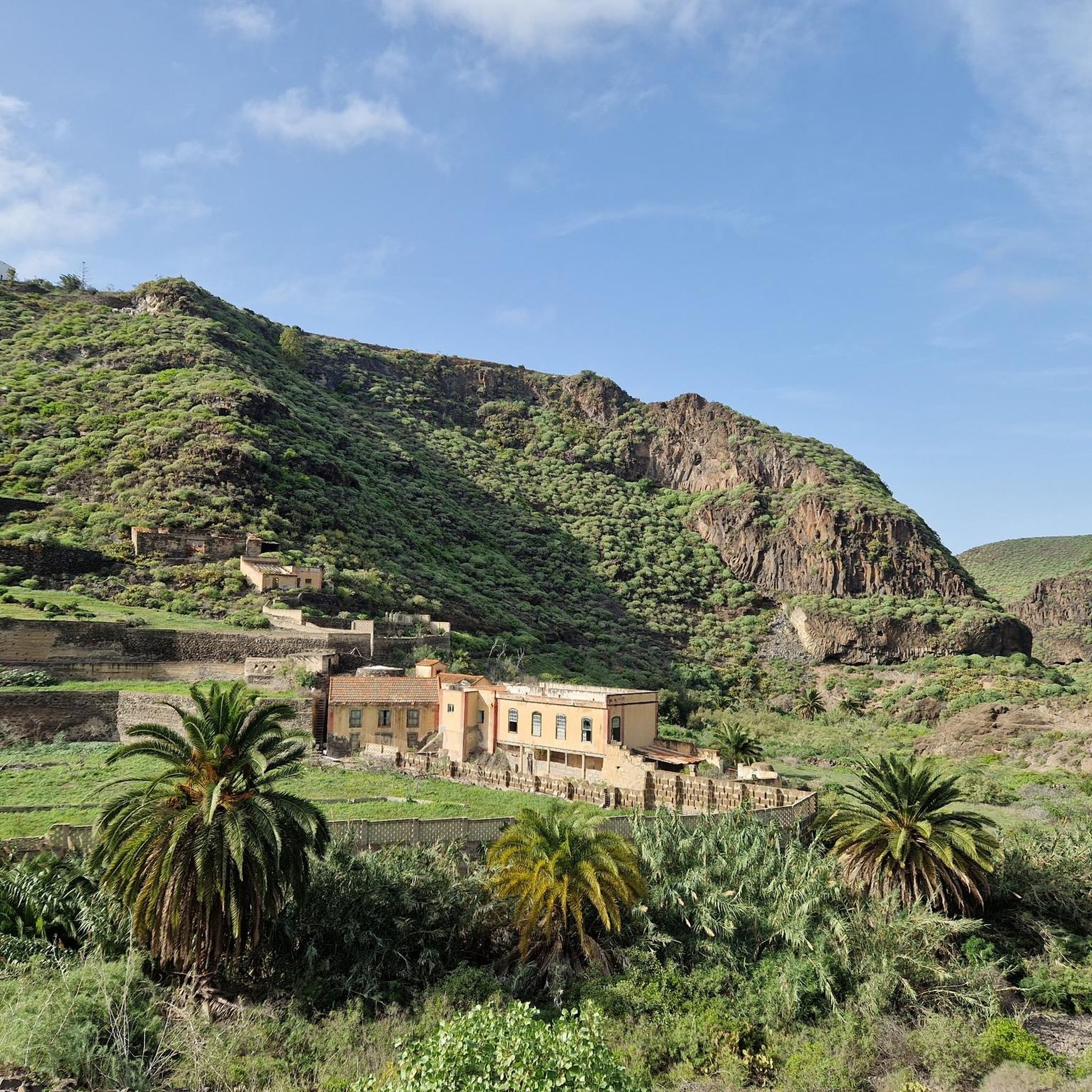
They are an archaeological complex made up of twelve natural caves, most of which were adapted to be habitable through their chiseling. These caves are distributed along a south-facing platform, which protects them from the northern trade winds and offers beautiful views over the Bentayga and the Cuenca del Nublo.
0
0

Beautiful botanical garden, lots of various plants from all around the world
0
0

This really beautiful botanical garden is free to enter! Please note: dogs are not allowed in the park! I was impressed by this botanical garden with its large variety of different plants and birds! https://www.bloggmaus.de/2018/12/jardin-botanico-canario-viera-y-clavijo.html?m=1
3
0

In addition to the private Jardin de la Marquesa, you will also find a public park in the municipality of Arucas, the Parque Municipal, which is also known as "The Flower Park" due to its beauty. This park is an oasis of happiness. Colorful, fragrant, small gardens with trees from all over the world, a wide variety of flowers and wonderful, sometimes exotic ornamental plants, wonderful, often enchanted-looking paths, canals, dancing water features, small ponds, wonderful sculptures and ornate benches complement each other in perfect harmony.
2
0
The Jardín de la Marquesa de Arucas is a natural paradise for enjoyment and relaxation. This botanical garden is located in the municipality of Arucas in Gran Canaria. Here you have the opportunity to admire an incredible variety of plants and vegetation from all over the world. A real gem for nature lovers, in an excellent location and with the best weather all year round. In the middle of the garden is the manor house "El Palacete", the family's summer residence, whose façade stands out for its basalt stone (the "blue stone"), a stone typical of Arucas. The garden was built around 1880, when the Marquis began collecting plant species. Among them were both native species and others imported from abroad. Many species were brought to the island from different places around the world for this purpose, others were exchanged with the noble families of the time.
3
0

A garden space with a lot of history. The Municipal Park of Arucas dates back to the time of the Mayorazgo de Arucas and today represents an authentic green lung in the heart of the city. Against the backdrop of the Atlantic Ocean and the mountain that bears the name of the city, this place attracts every day the footsteps of visitors and residents seeking the freshness of this beautiful corner. In this garden you can visit elements of architectural and ethnographic interest, such as the old house and garden of Gourié, the stone walls, the water network with its corners, fountains and a considerable number of native and exotic botanical species of great value. ornamental.
2
1
A garden space with a lot of history. The Municipal Park of Arucas dates back to the time of the Mayorazgo de Arucas and today represents an authentic green lung in the heart of the city. Against the backdrop of the Atlantic Ocean and the mountain that bears the name of the city, this place attracts every day the footsteps of visitors and residents seeking the freshness of this beautiful corner. In this garden you can visit elements of architectural and ethnographic interest, such as the old house and garden of Gourié, the stone walls, the water network with its corners, fountains and a considerable number of native and exotic botanical species of great value. ornamental.
2
0
Frequently Asked Questions
What are some other notable natural monuments around Firgas?
Beyond the popular spots, Firgas is home to the Barranco de Azuaje Special Natural Reserve, a significant natural attraction known for its ancient Laurisilva forest remnants. The broader Doramas Natural Park also offers extensive areas of natural beauty with deep ravines and lush vegetation. Additionally, the Mountain of Firgas and Peak of Osorio provide panoramic views of the northern part of Gran Canaria.
Are there family-friendly natural monuments to visit in Firgas?
Yes, several natural monuments around Firgas are suitable for families. The Marquesa de Arucas Garden and the Municipal Park are both family-friendly garden spaces with historical elements and diverse plant species. The Canary Botanical Garden is also a great option, offering a large variety of plants and birds in a natural setting, and it's free to enter.
What kind of outdoor activities can I do near Firgas' natural monuments?
The region around Firgas offers diverse outdoor activities. You can enjoy cycling with routes like 'Historic Center of Teror' or 'Pico de las Nieves Viewpoint' as part of Cycling around Firgas. Gravel biking is also popular, with routes such as 'Switchbacks with a view' or 'Las Alcaravaneras Beach' available in Gravel biking around Firgas. For those who prefer running, there are trails like 'Parque Rural de Doramas' or 'Pico de Osorio loop' detailed in Running Trails around Firgas.
Are there specific hiking trails recommended near these natural monuments?
Yes, the Barranco de Azuaje is an excellent location for hiking, allowing visitors to explore lush laurel forests and cross pristine streams. The broader Doramas Natural Park also provides ample opportunities for walking and enjoying the natural surroundings. For running, which often involves hiking-like trails, you can find routes like 'Parque Rural de Doramas – trail running circular to Pico de Osorio' or 'Pico de Osorio loop' in the Running Trails around Firgas guide.
What makes the Barranco de Azuaje Special Natural Reserve unique?
The Barranco de Azuaje is unique because it hosts one of the last remaining redoubts of the ancient Laurisilva forest in Gran Canaria, a subtropical forest rich in biodiversity. It features a year-round water channel and steep, V-shaped walls, making it the deepest ravine in the northern part of the island. It's a designated Special Natural Reserve, highlighting its ecological significance.
Can I see wildlife in the Barranco de Azuaje?
Yes, the Barranco de Azuaje is home to endemic species, some of which are endangered, due to its rich biodiversity and the presence of the ancient Laurisilva forest. While specific animal sightings can vary, the lush environment supports a variety of unique flora and fauna, making it a great spot for nature observation.
What historical or cultural elements can be found within Firgas' natural monuments?
Firgas' natural monuments often blend natural beauty with historical significance. The Caballero Caves are an archaeological site, potentially used as ancient cave houses, offering views over the Bentayga and Nublo basin. The Cueva Pintada Museum and Archaeological Park, though not in Firgas itself, is a significant nearby historical site with ancient cave paintings and a prehistoric settlement. Within the Barranco de Azuaje, you can also find remains of a former spa resort that utilized medicinal springs.
What is the best time of year to visit Firgas' natural monuments?
Firgas, with its mild climate, is generally pleasant year-round. However, to best enjoy the lush vegetation and water features, visiting during the cooler, wetter months (typically autumn to spring) might be ideal. This ensures the ravines and forests are at their most vibrant. Summer can be warm, but the higher elevations and shaded ravines still offer comfortable conditions.
Are there any less crowded or 'hidden' natural gems in Firgas?
While the Barranco de Azuaje and Doramas Natural Park are well-known, their extensive areas mean you can often find quieter paths away from main access points. Exploring the less-trafficked trails within these larger natural spaces can lead to discovering serene spots. The repopulated Laurisilva areas on the Peak of Osorio also offer a chance to experience unique flora in a tranquil setting.
What should I wear when hiking in Firgas?
When hiking in Firgas, it's advisable to wear comfortable, layered clothing suitable for varying temperatures, as conditions can change, especially in ravines or at higher elevations. Sturdy hiking shoes with good grip are essential, particularly for trails in areas like Barranco de Azuaje, which can be uneven or damp. Bringing water, sun protection, and a light rain jacket is also recommended.
Are there any wheelchair-accessible natural areas near Firgas?
While many natural monuments in Firgas, particularly those involving ravines and forests, may have challenging terrain, some urban parks and botanical gardens offer more accessible paths. For example, the Canary Botanical Garden has paved sections, though some areas might still be steep. It's best to check specific accessibility details for each location prior to your visit.
What do visitors enjoy most about the natural monuments around Firgas?
Visitors frequently appreciate the lush greenery and the sense of being immersed in nature. The Canary Botanical Garden is praised for its large variety of plants and birds, and its natural, free-to-enter environment. The historical garden spaces like Marquesa de Arucas Garden are valued for their beauty and historical significance, offering a 'green lung' in the city. The panoramic views from elevated points like the Mountain of Firgas are also a major draw.
Most popular attractions around Firgas

Get inspired with the komoot mobile app


Explore more
Extend your search for the best caves by checking out these guides of the top ones around Firgas:
