Top 12 Natural Monuments around Guadalaviar
Best natural monuments around Guadalaviar are characterized by the river's path through diverse landscapes, including canyons and riverine ecosystems. The region features significant geological formations and water features, shaped by the Guadalaviar River and its tributaries. These natural areas offer opportunities to observe varied flora and fauna, including bird species. The landscape provides a setting for exploring natural beauty and geological interest.
Best natural monuments around Guadalaviar
- The most popular natural monuments is Barranco Mingo Marco, a gorge that…
Last updated: July 1, 2026
Barranco Mingo Marco
Highlight • Gorge
Showing Translation
Tip by

Moricacho of the Gorge
Highlight • Natural Monument
Translated by Google •
Tip by

Sign up now to discover places like this
Get recommendations on the best single tracks, peaks, & plenty of other exciting outdoor places.
Sign up for free
Source of the Cuervo River
Highlight • Natural Monument
Translated by Google •
Tip by

Source of the River Tagus
Highlight • River
Translated by Google •
Tip by
Molino Waterfall
Highlight • Waterfall
Translated by Google •
Tip by
Sign up for free to discover even more natural monuments around Guadalaviar.
Sign up for free
Already have an account?
Start today with a free account
Your next adventure awaits.
Login or Signup

Tips from the Community

The hiking trails are not perfectly maintained, sometimes there are protruding pins, missing beams, or anchoring in the rocks is loose. If you take photos and look around, you might get dizzy.
11
0
This seven-to-nine-kilometer hike takes you past suspension bridges and waterfalls, with cliffs overlooking the road as you walk along a charming watercourse.
11
0

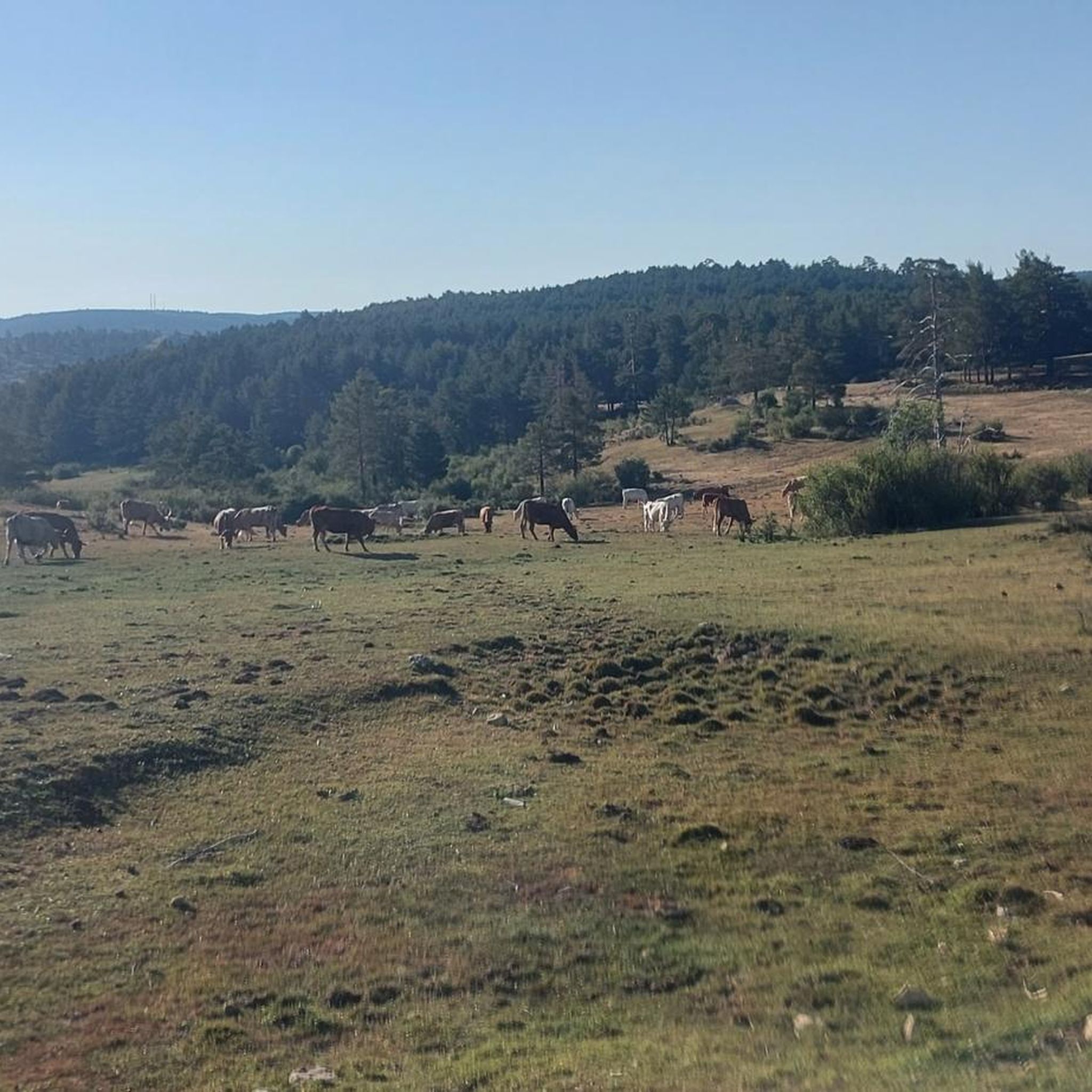
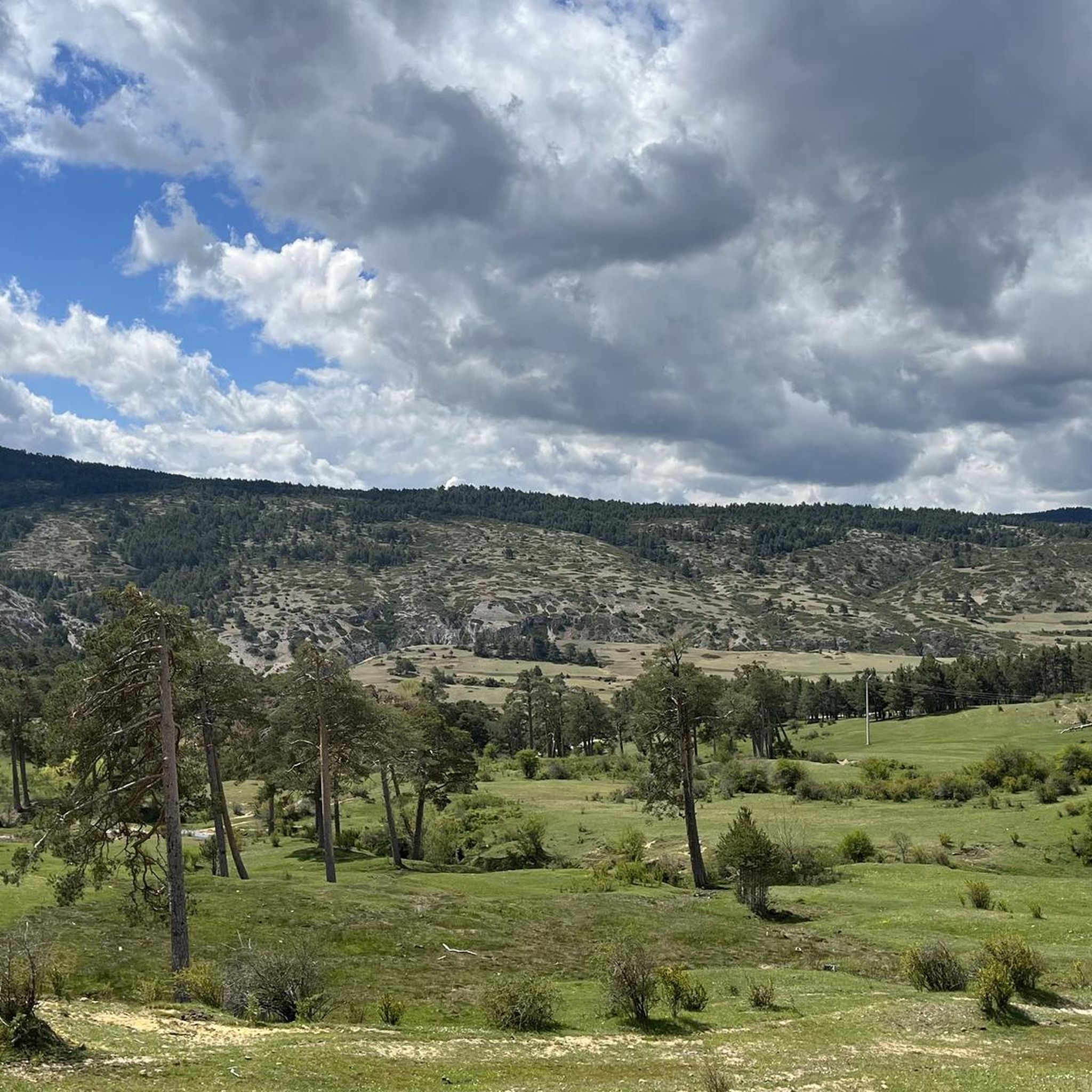
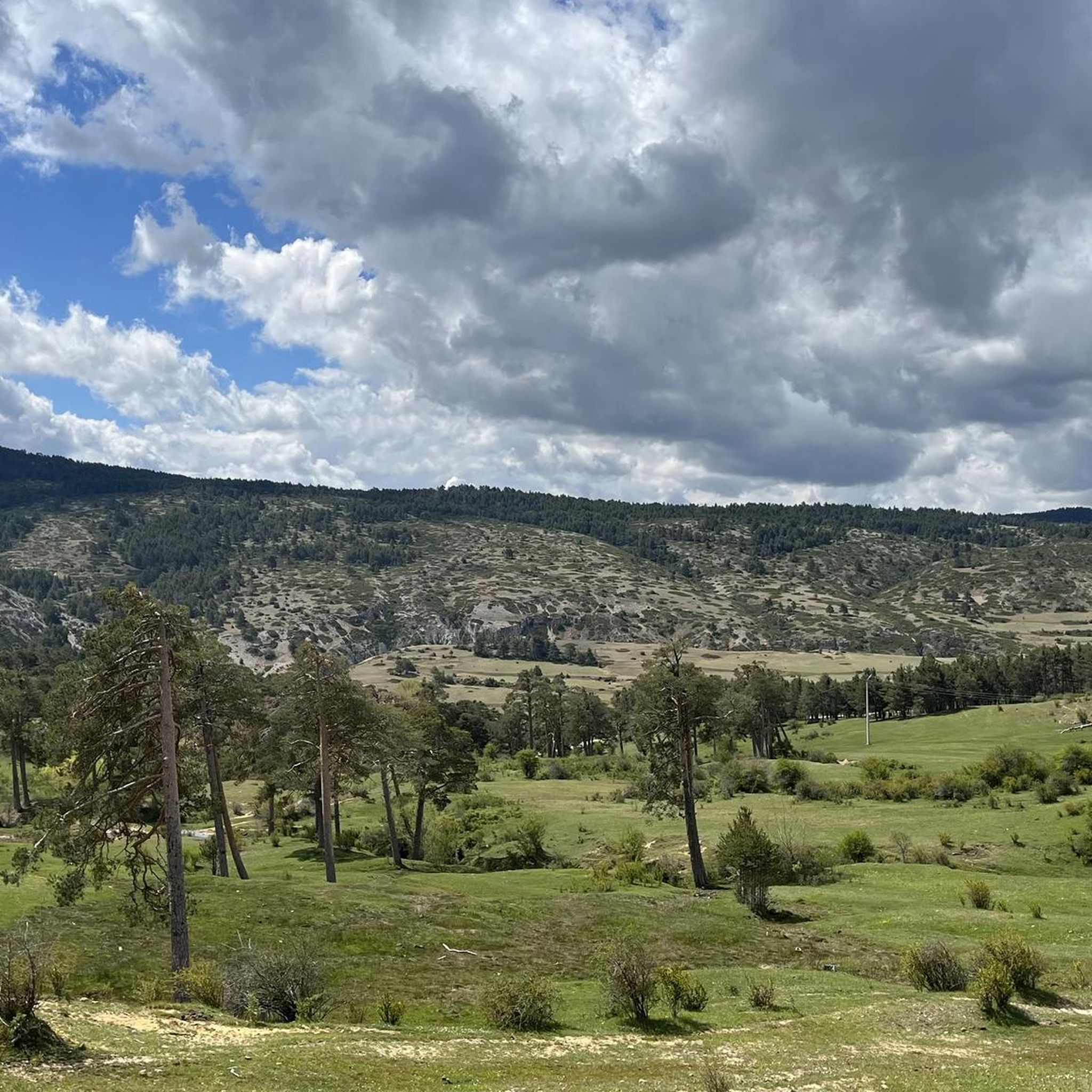
The official source of water is located at Fuente de García, in the Montes Universales, within the municipality of Frías de Albarracín (Teruel). It is located at an altitude of approximately 1,590 meters, surrounded by pine forests and high mountain meadows. Access is very easy and well signposted. Take the A-1704 highway, which connects Frías de Albarracín with Huélamo (Cuenca). From the highway, a paved detour of approximately 2 km takes you directly to the recreational area and the monument. There is free parking next to the monument.
10
0
Access is very easy and well signposted. Take the A-1704 highway, which connects Frías de Albarracín with Huélamo (Cuenca). From the highway, a paved detour of approximately 2 km takes you directly to the recreational area and the monument. There is free parking next to the monument.
5
0
The official source is located at Fuente de García, in the Montes Universales, within the municipality of Frías de Albarracín (Teruel). It is located at an altitude of approximately 1,590 meters, surrounded by pine forests and high mountain meadows.
5
0

It is a reference to the place where the longest river in Spain originates, stretching over 1,000 km and flowing into neighboring Portugal. These statues symbolize this point in the Albarracín mountain range.
8
0
The source of the Cuervo River is a dreamlike location in the Serranía de Cuenca, Spain. This Natural Monument houses a main waterfall with a height of over 20 meters, leaving those who behold it breathless. Here, the Cuervo River emerges from a travertine spring, flowing over moss-covered limestone rock, forming beautiful waterfalls called chorreras.
19
0

Perfectly natural in a beautiful location.
4
0
Frequently Asked Questions
What are some of the most impressive natural monuments to visit around Guadalaviar?
The region around Guadalaviar offers several remarkable natural monuments. Among the most popular are Barranco Mingo Marco, a gorge known for its erosion landscapes and steep stone walls, and Moricacho of the Gorge, an impressive monolith rising above the Rio Blanco. Another must-see is the Cuervo River Waterfall, famous for its spectacular cascades over moss-covered rocks.
Are there any family-friendly natural monuments in the Guadalaviar area?
Yes, several natural monuments are suitable for family visits. The Cuervo River Waterfall is a wonderful place with a circular itinerary that is not technically difficult, especially enjoyable after rainfall. The Source of the Cuervo River is also considered family-friendly, offering a beautiful natural setting with impressive waterfalls. Additionally, the Molino Waterfall near Tragacete provides a short, easy itinerary ideal for families.
What kind of geological formations and water features can I expect to see?
The natural monuments around Guadalaviar are rich in geological formations and water features. You'll encounter impressive canyons carved by rivers, such as the one traversed by the Natural Trail of Guadalaviar. There are numerous waterfalls, including the spectacular Cuervo River Waterfall and the Molino Waterfall. You can also observe the source of rivers like the Source of the Cuervo River, where water emerges from karstic caves, and unique monoliths like Moricacho of the Gorge.
What outdoor activities can I do near these natural monuments?
The area around Guadalaviar is excellent for various outdoor activities. You can explore numerous hiking trails, including those that start at Barranco Mingo Marco. For more structured routes, you can find options for road cycling, mountain biking, and running. For instance, there are road cycling routes like the Albarracín loop, MTB trails such as the 'Birth of the Rio Guadalaviar' circular route, and running trails like the Fuente del Buey Local Trail.
What is the best time of year to visit the natural monuments in Guadalaviar?
Visiting after rainfall is often recommended, especially for waterfalls like the Cuervo River Waterfall, when they are at their most spectacular. Generally, spring and autumn offer pleasant temperatures for hiking and exploring the diverse flora. Summer can be warm, but the riverine environments provide cooler spots. Always check the local weather forecast before your visit.
Can I spot wildlife at the natural monuments around Guadalaviar?
Yes, the canyons and riverine ecosystems are havens for wildlife, particularly birds. The Natural Trail of Guadalaviar is an excellent spot for birdwatching, where you might see birds of prey such as golden eagles, Egyptian vultures, bearded vultures, and griffon vultures soaring overhead. The diverse plant life also supports various other species.
Are there any historical elements to discover along the natural trails?
Yes, the natural landscapes around Guadalaviar also hold historical interest. Along routes like the Natural Trail of Guadalaviar, you can encounter the remains of old mills and even a small, deserted medieval dam. The area around Barranco Mingo Marco is also noted for its historical intrigue.
What kind of plant life can be found in the natural monuments?
The riverbanks and canyons boast a rich variety of plant life. Along the Natural Trail of Guadalaviar, you can observe large willows, ashes, hawthorns, and black poplar trees. There's also dense undergrowth of thornless blackberry bushes, snowy mespilus, and rose bushes. In some areas, thick reedbeds cover the water, and juniper thickets, like the Sabinar de San Blas, are also present.
What do visitors enjoy most about the natural monuments in Guadalaviar?
Visitors frequently praise the spectacular natural beauty, the opportunities for wildlife observation, and the dramatic canyon views. The combination of diverse ecosystems, impressive geological formations, and the tranquility of the riverside environments makes for a captivating experience. Many appreciate the well-maintained trails and the chance to immerse themselves in nature, especially the stunning waterfalls and river sources.
Are there any natural monuments that are considered 'hidden gems' or less known?
While not explicitly 'hidden gems' in the guide data, the region research points to several less-prominent but equally captivating natural attractions. These include the Barranco de la Hoz, White River, and La Sima de Frias de Albarracin, which offers a unique night view. These spots provide additional opportunities to explore the varied landscapes beyond the main highlights.
What are the main characteristics of the natural monuments around Guadalaviar?
The natural monuments around Guadalaviar are primarily characterized by the river's path through diverse landscapes, including dramatic canyons and lush riverine ecosystems. They feature significant geological formations, such as impressive rock strata and monoliths, and numerous water features like waterfalls and river sources. These areas offer rich biodiversity, providing opportunities to observe varied flora and fauna, including notable bird species.
Are there any circular routes available for exploring the natural monuments?
Yes, for instance, the Cuervo River Waterfall offers a circular itinerary without technical difficulty, making it ideal for a leisurely exploration. For mountain biking, there's a 'Birth of the Rio Guadalaviar' circular route through the Montes Universales. Running enthusiasts can also find circular routes, such as 'Guadalaviar - Griegos - circular running by the Fuente Coveta'.
Most popular routes around Guadalaviar
Most popular attractions around Guadalaviar

Get inspired with the komoot mobile app


Explore more
Extend your search for the best caves by checking out these guides of the top ones around Guadalaviar:
