Top 6 Mountain Passes around Mazcuerras
Mountain passes around Mazcuerras offer access to the diverse landscapes of Cantabria, from high plateaus to the Cantabrian mountain range. The region is characterized by its scenic hiking routes and high points, providing views of natural parks and surrounding municipalities. Mazcuerras serves as a gateway to exploring both local "altos" and more traditional mountain passes in the wider Cantabrian area. These routes often feature native forests, conifer stands, and opportunities for panoramic vistas.
Best mountain passes around Mazcuerras
- The most…
Last updated: November 1, 2026
El Moral Plateau
Highlight • Viewpoint
Translated by Google •
Tip by

Collada de Carmona
Highlight • Mountain Pass
Translated by Google •
Tip by

Sign up now to discover places like this
Get recommendations on the best single tracks, peaks, & plenty of other exciting outdoor places.
Alto de San Cipriano
Highlight • Mountain Pass
Translated by Google •
Tip by
Collada de Brenes
Highlight • Mountain Pass
Translated by Google •
Tip by

Collado de Naranjos
Highlight • Mountain Pass
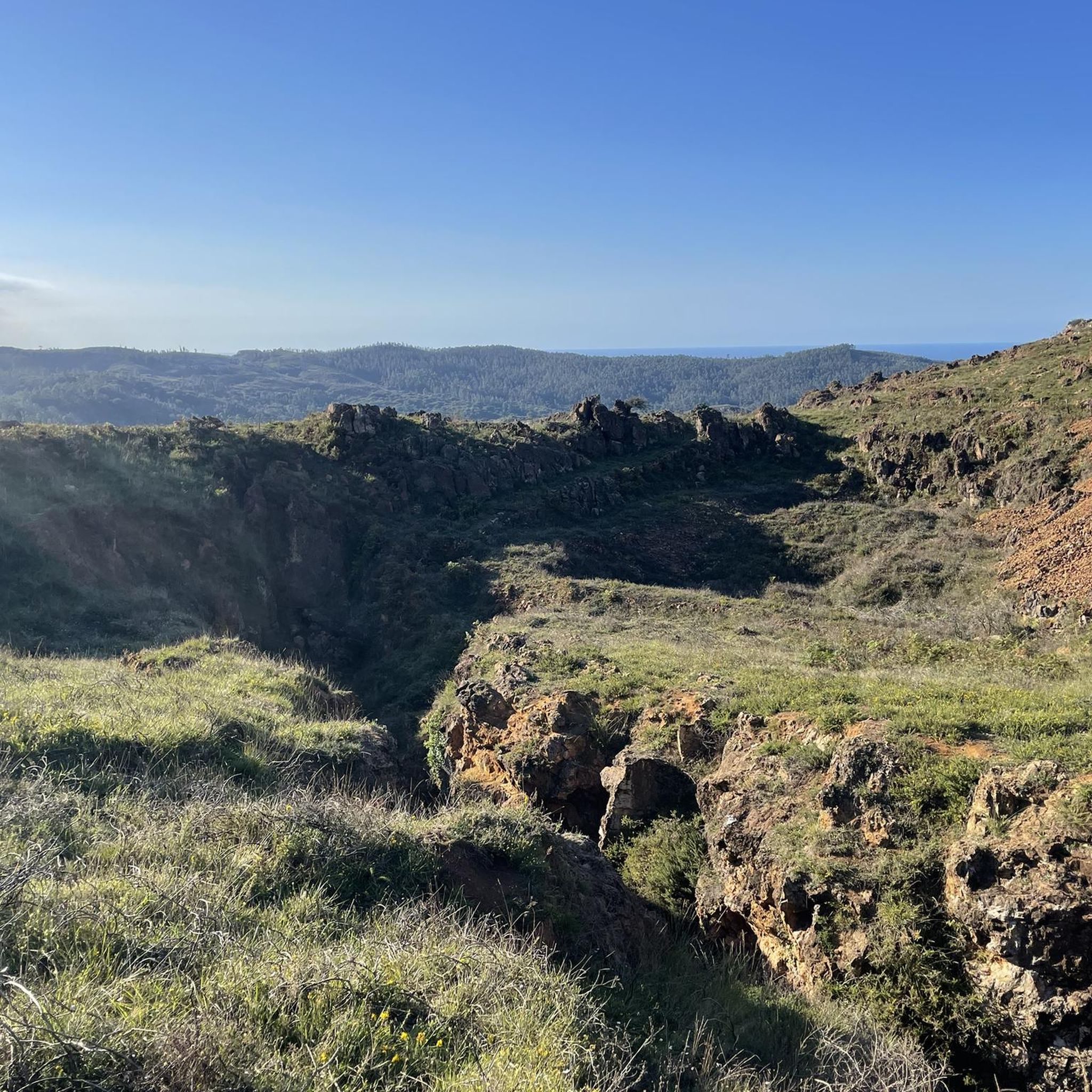
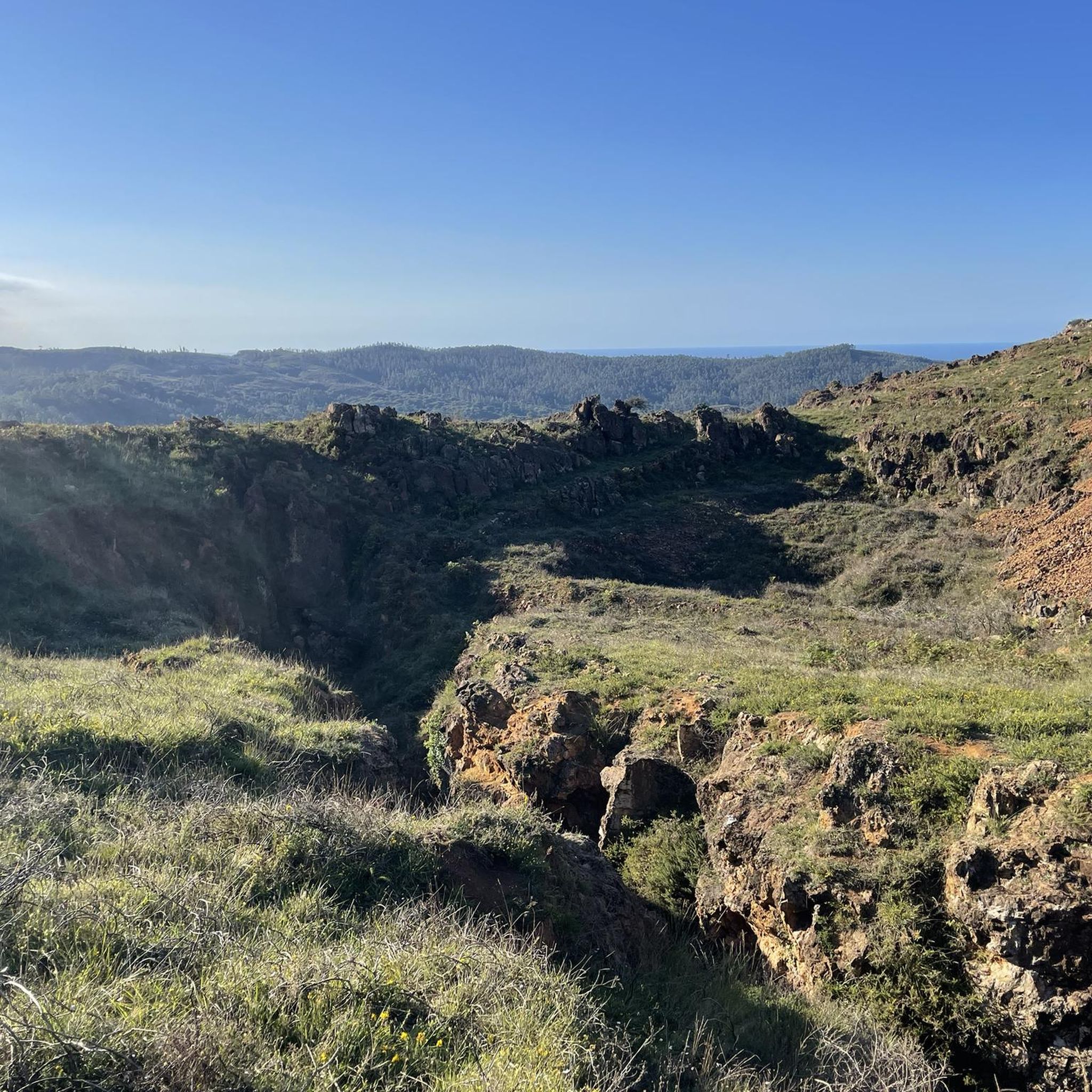
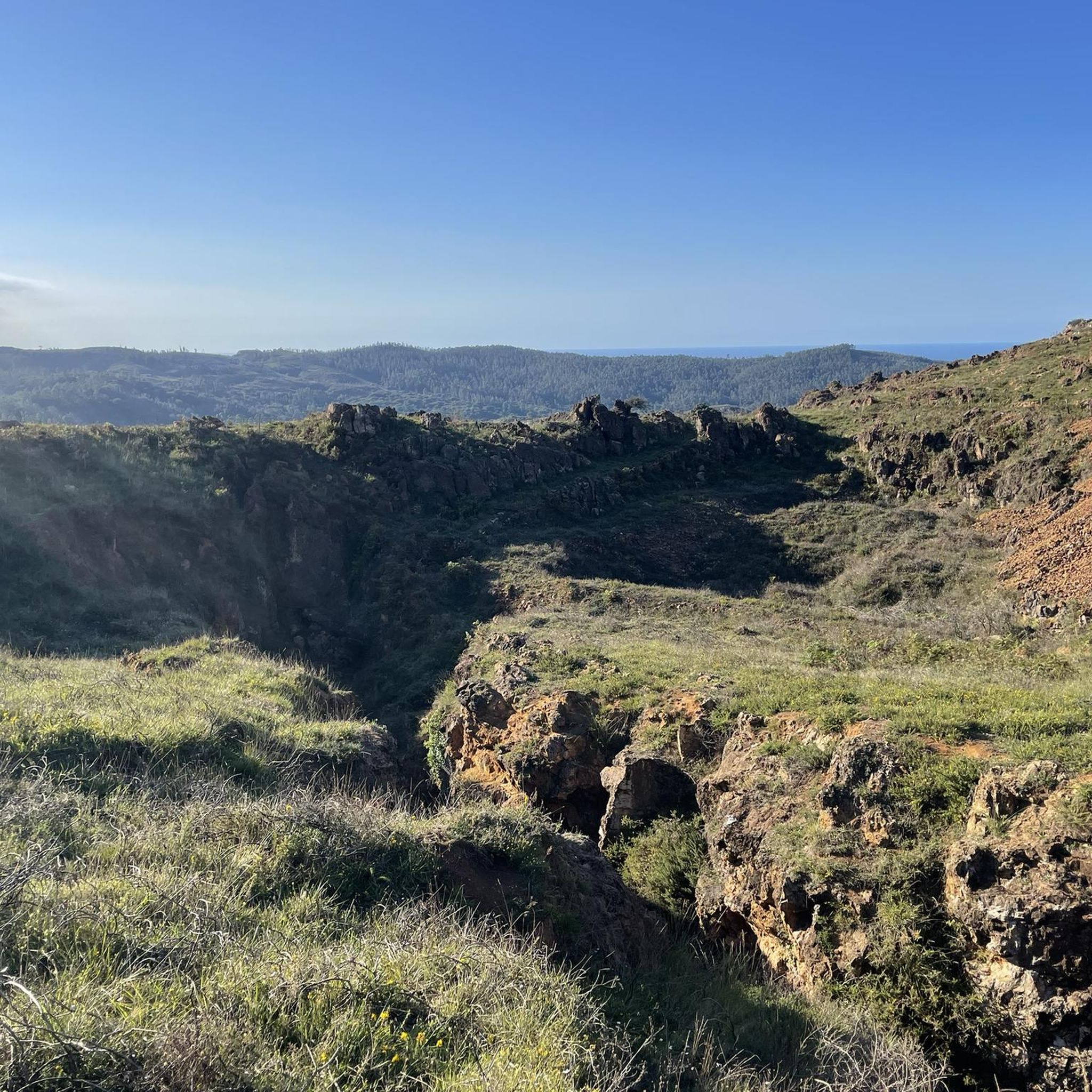
It has beautiful views, including a quarry looking straight ahead.
Translated by Google •
Tip by

Sign up for free to discover even more mountain passes around Mazcuerras.
Already have an account?
Start today with a free account
Your next adventure awaits.

Tips from the Community

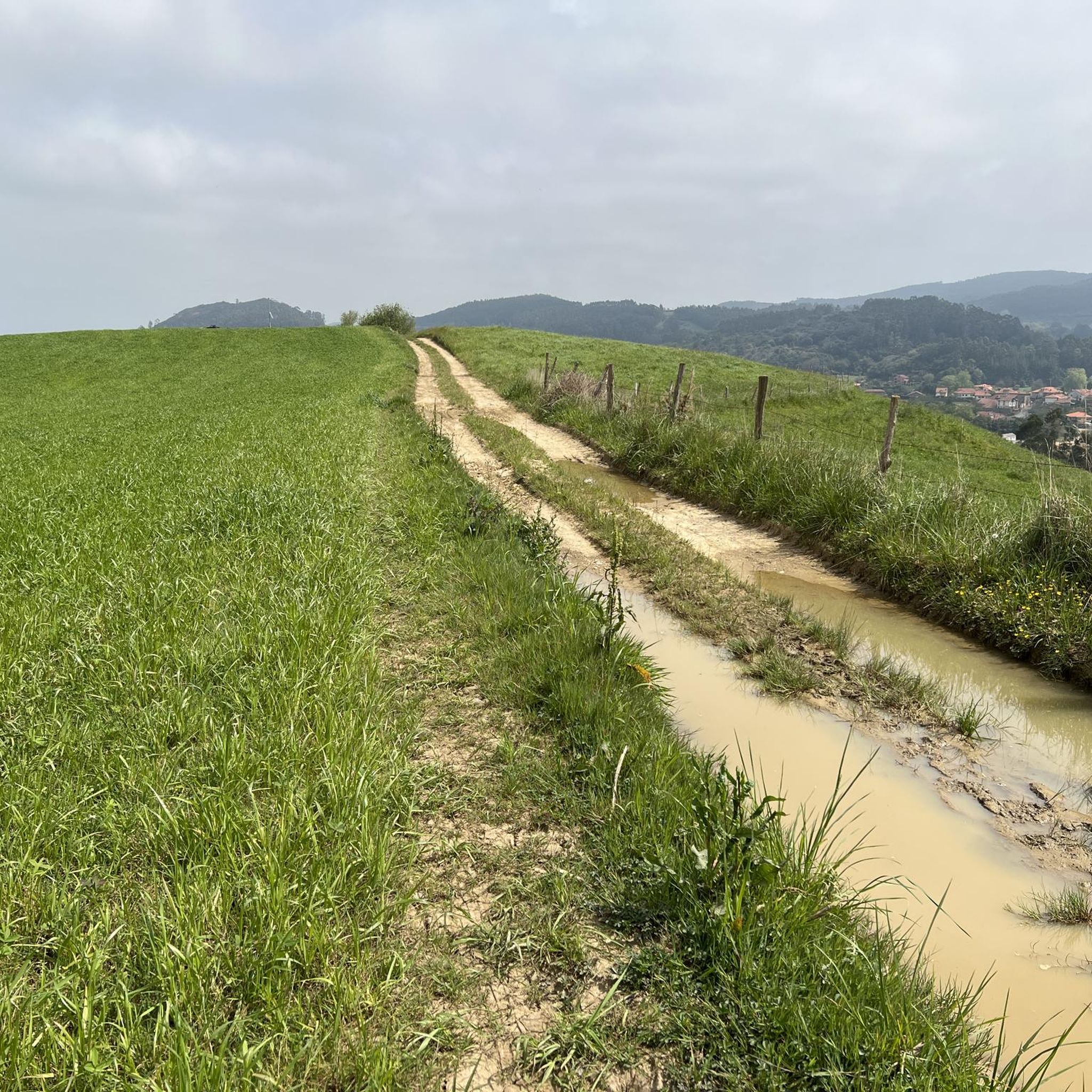
After a beautiful gravel climb, you reach this plateau with stunning views (including the Picos de Europa in the distance). The path then continues for a long time at altitude, with many cows and horses. Take a look: https://www.youtube.com/watch?v=OgEcgF17RDw
0
0
Indeed, a beautiful spot with breathtaking views, both towards the Picos de Europa and other Cantabrian mountains. The (gravel) road there is also stunning; just take a look: https://www.youtube.com/watch?v=OgEcgF17RDw
0
0

The Collada de Brenes is a mountain pass belonging to the Cantabrian mountain range and located in Cantabria. It links the municipality of Cieza to the north with that of Arenas de Iguña to the south.
0
0
The Collada de Carmona is a mountain pass in the Cantabrian mountain range located in western Cantabria.[1] It rises to 601 m above sea level and links the towns of Valle to the east and Carmona to the west, both belonging to the municipality of Cabuérniga.
0
0

After some tough previous slopes, a little respite and good views.
2
0

A famous pasture in the region, close to a thousand meters of altitude. In the center of the braña stands the hermitage of Moral, and attached to it a small refuge. Legend has it that the Virgin appeared in this place, which led to the construction of the small sanctuary, next to the route that linked the Coast with Campoo.
2
0
Mountain pass very busy by all the cyclists of Cantabria. Of moderate slopes, with a slightly harder final kilometer and a small descent after completing the initial 1000 meters.
1
0
Frequently Asked Questions
What are some popular mountain passes and high points near Mazcuerras?
Beyond the local 'altos' within Mazcuerras, the broader Cantabrian region offers several notable mountain passes. Popular choices include Collada de Carmona, known for its spectacular biking paths, and El Moral Plateau, a high mountain viewpoint offering stunning vistas towards the Picos de Europa. For cyclists, Alto de San Cipriano is a frequented climb with moderate slopes.
Are there mountain passes suitable for families or those seeking easier routes?
Yes, several passes offer accessible experiences. Alto de San Cipriano features moderate slopes, making it suitable for a less strenuous cycling experience. For hiking, the route to Alto de San Cipriano from Sierra de Ibio is a manageable 3.2 km with an average gradient of 4.7%. Puerto de la Braguía, with its moderate difficulty, is also accessible for many, including families looking to explore the Pasiegos Valleys.
What kind of natural landscapes can I expect to see at these mountain passes?
The mountain passes around Mazcuerras showcase diverse natural beauty. You'll find native forests, coniferous stands, and lush beech forests, particularly around Collado de Monte Aa and Puerto de Piedrasluengas. Many passes, like Puerto de Palombera within the Saja-Besaya Natural Park, offer picturesque landscapes, serene environments, and opportunities to spot local wildlife.
Which mountain passes offer the best panoramic views?
For breathtaking vistas, El Moral Plateau provides views towards the Picos de Europa and other Cantabrian mountains. Puerto de la Braguía boasts two viewpoints with spectacular panoramic views of the Pas, Pisueña, and Miera Valleys, and even the Cantabrian Sea on clear days. Puerto de Piedrasluengas also offers impressive views of the Picos de Europa, the Palentina Mountain, and the entire Liébana Valley from its viewpoint.
Can I find hiking trails near the mountain passes around Mazcuerras?
Absolutely. Many mountain passes serve as excellent starting points for hiking. For instance, Alto de San Cipriano is a gateway to a scenic route leading towards the hermitage of San Cipriano and Pico de Ibio. Puerto de Palombera offers well-marked hiking trails varying in difficulty within the Saja-Besaya Natural Park. You can explore more hiking options in the area by checking out the Mountain Passes around Mazcuerras guide.
What cycling opportunities are available at these mountain passes?
The region is popular with cyclists. Collada de Carmona is known for its spectacular biking paths that are almost traffic-free. Alto de San Cipriano is a frequently visited climb with moderate slopes. Puerto de Palombera's CA-280 road is an 'absolute must for road lovers' with a curvy ascent. Puerto de la Braguía has even been part of the Vuelta a España. For more cycling routes, refer to the Road Cycling Routes around Mazcuerras guide.
Are there any historical or cultural points of interest near the mountain passes?
Yes, some passes have cultural significance. Puerto de Piedrasluengas, for example, is part of ancient Roman roads. The area around Puerto de la Braguía is known for its traditional Pasiego culture, offering opportunities to explore quaint villages and enjoy local delicacies. El Moral Plateau features a hermitage that serves as a refuge, with legends of the Virgin appearing there.
What kind of wildlife can I spot near the mountain passes?
The natural environments around the passes are home to various wildlife. At Collado de Monte Aa, you might spot birds like goshawks, sparrowhawks, and woodpeckers, as well as mammals such as roe deer, red deer, and badgers. Puerto de Piedrasluengas is excellent for birdwatching, with forest birds and raptors like Griffon Vultures and Golden Eagles.
When is the best time to visit the mountain passes around Mazcuerras?
The region offers beauty year-round, but the experience varies by season. Puerto de Palombera is generally open year-round with occasional winter closures due to snow. The surrounding beech forests of Puerto de Piedrasluengas change dramatically with the seasons, from vibrant spring blooms to colorful autumn foliage and snowy winters. For hiking and cycling, spring and autumn generally offer pleasant temperatures and stunning scenery.
Are there any challenging mountain passes for experienced adventurers?
For those seeking a challenge, the full hiking route to Alto del Toral is approximately 17 km with an accumulated elevation gain of 727 meters. Puerto de Palombera, with its 33.8 km road and an average gradient of 4.9% from some points, offers a significant challenge for road cyclists. The ascent from Selaya to Puerto de la Braguía is about 8.2 km with an average gradient of 5.8% and maximum ramps of 11%.
What do visitors particularly enjoy about the mountain passes in this region?
Visitors frequently praise the spectacular views and natural beauty. Many enjoy the quiet, almost traffic-free roads for cycling, as noted for Collada de Carmona. The opportunity to explore traditional culture and local gastronomy, especially in areas like the Pasiegos Valleys near Puerto de la Braguía, is also a highlight. The diverse landscapes, from forests to panoramic viewpoints, provide memorable experiences for all.
Most popular routes around Mazcuerras
Most popular attractions around Mazcuerras

Get inspired with the komoot mobile app


Explore more
See even more epic mountain passes by checking out these guides around Mazcuerras:
