Top 18 Natural Monuments around Jumilla
Best natural monuments around Jumilla include 18 distinct sites, offering diverse natural beauty and geological features. Jumilla, situated in the northern "Altiplano" area of Murcia, Spain, is characterized by mountain ranges, ancient geological formations, and areas of natural beauty. The region provides opportunities to explore varied landscapes, from rugged peaks to sites with prehistoric rock art. These natural monuments offer a blend of outdoor exploration and cultural heritage.
Best natural monuments around Jumilla
- The most popular natural monuments is Cortao…
Last updated: July 1, 2026
Horadada Cave of Monte Arabí
Highlight • Cave
The space is included in the delimitation of the environment for the protection of Cantos de Visera …
Translated by Google •
Tip by

Geodetic Vertex of La Capilla
Highlight • Summit
Translated by Google •
Tip by
Sign up now to discover places like this
Get recommendations on the best single tracks, peaks, & plenty of other exciting outdoor places.
Sign up for free
Cortao de las Peñas
Highlight • Viewpoint
Translated by Google •
Tip by

Coliseum Crema Marfil del Vinalopó
Highlight • Monument
Translated by Google •
Tip by

Piedra del Corazón
Highlight • Natural Monument
Translated by Google •
Tip by
Sign up for free to discover even more natural monuments around Jumilla.
Sign up for free
Already have an account?
Start today with a free account
Your next adventure awaits.
Login or Signup
Popular around Jumilla
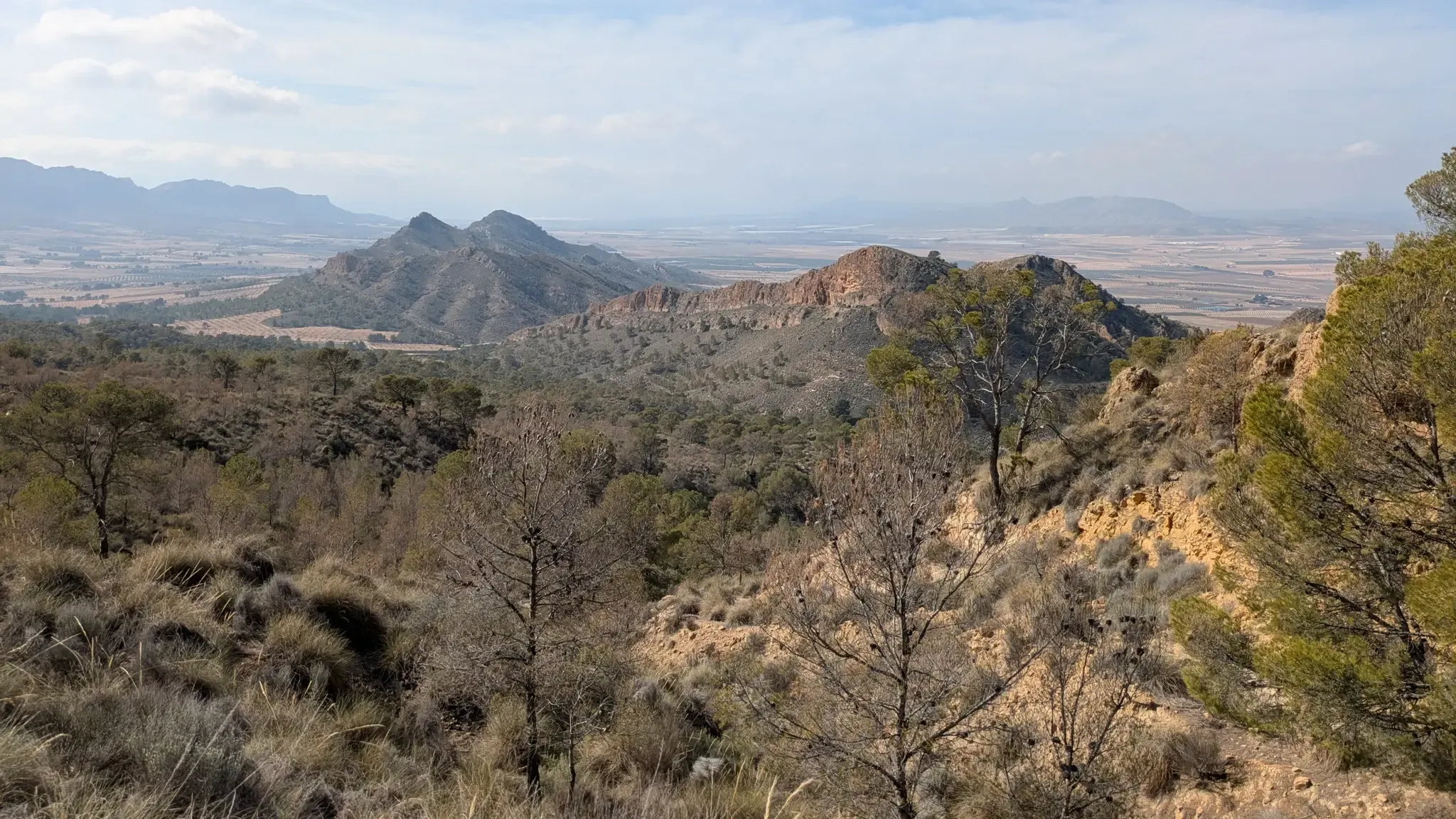
Path of the Cross of the Altiplano – GR 251
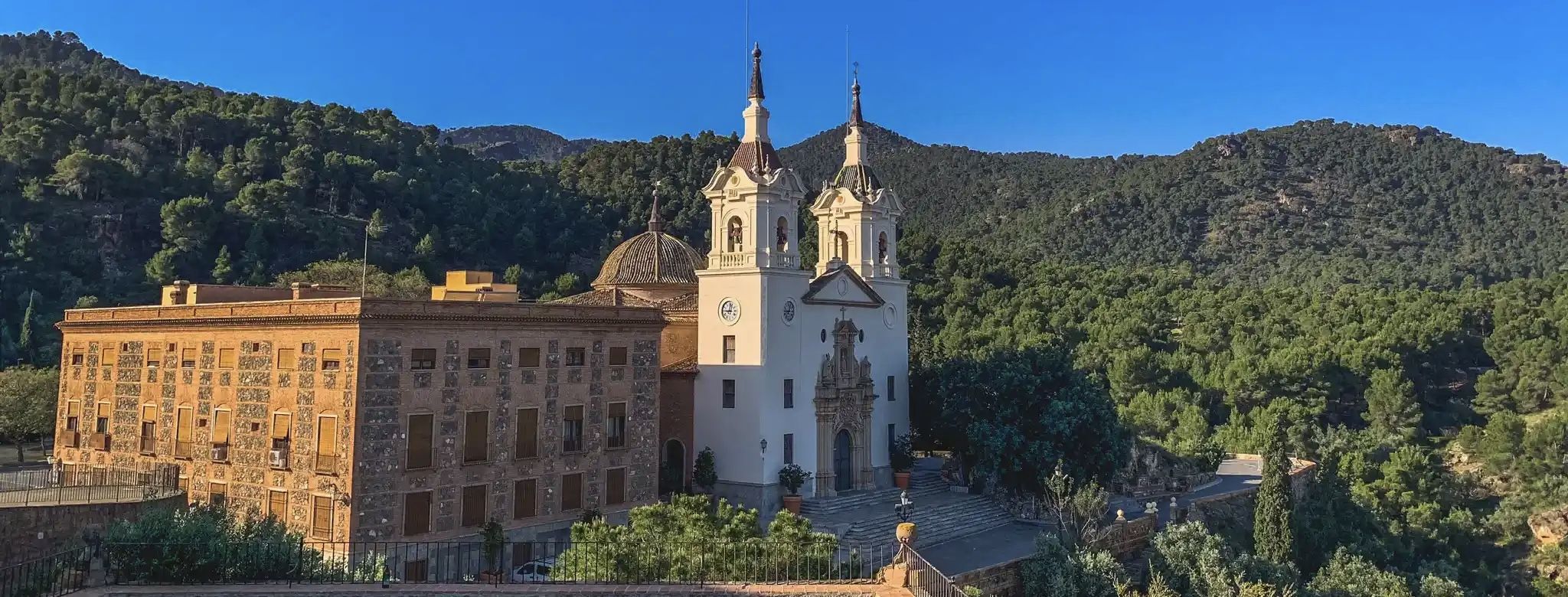
A ride through the "Huerta de Europa" – Transmurciana on MTB
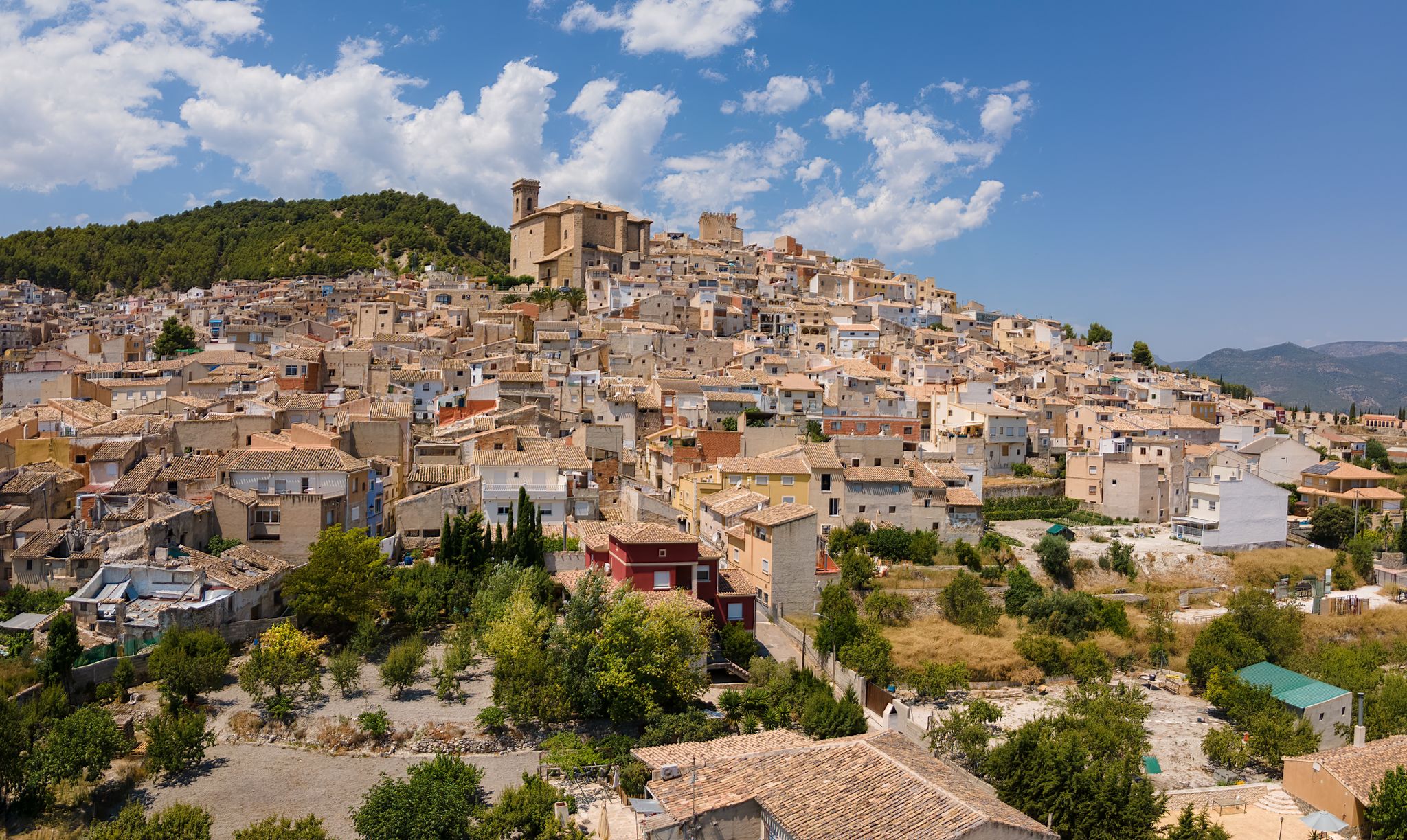
Castles, plains and charming villages – Murcia on foot (GR 7)
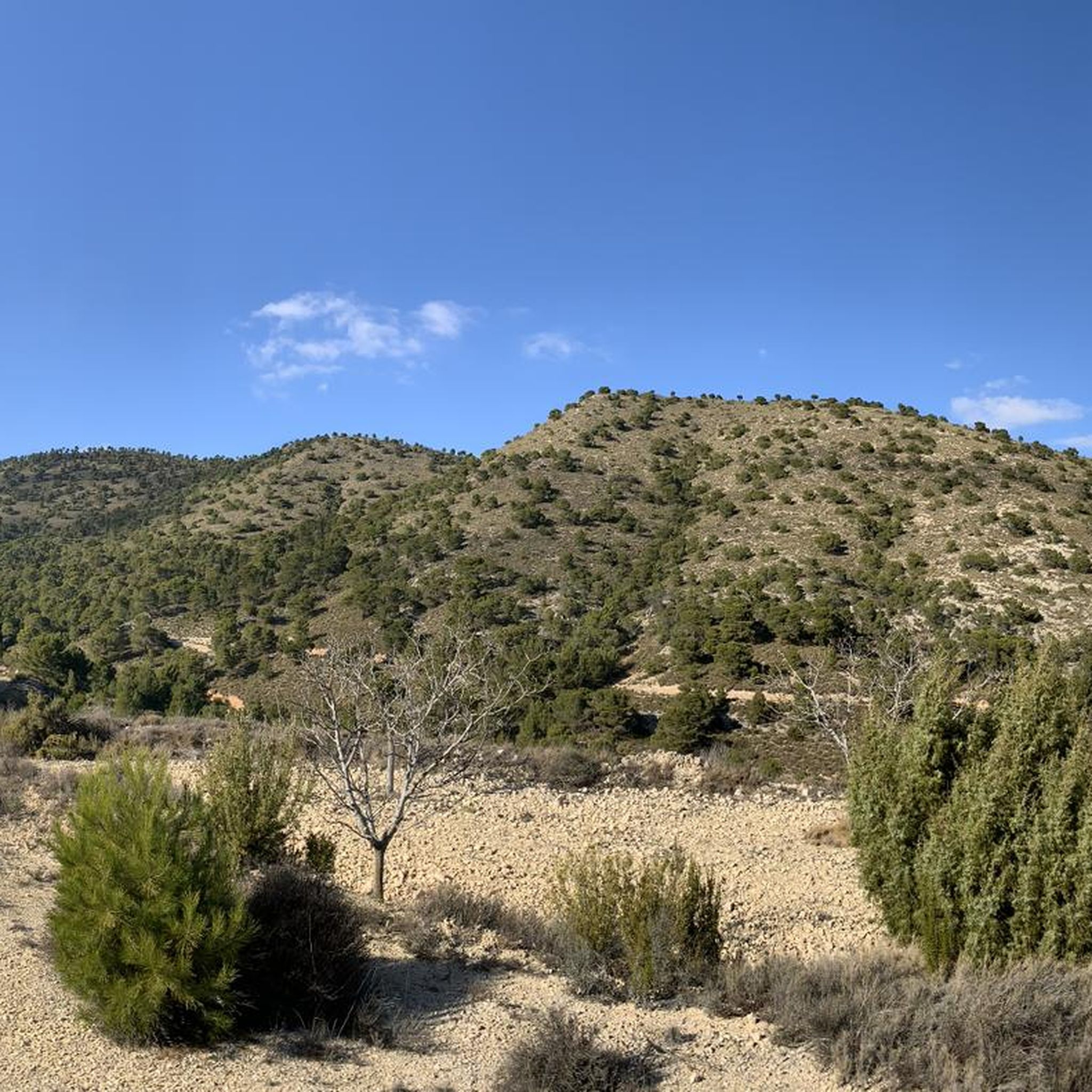
Road Cycling Routes around Jumilla
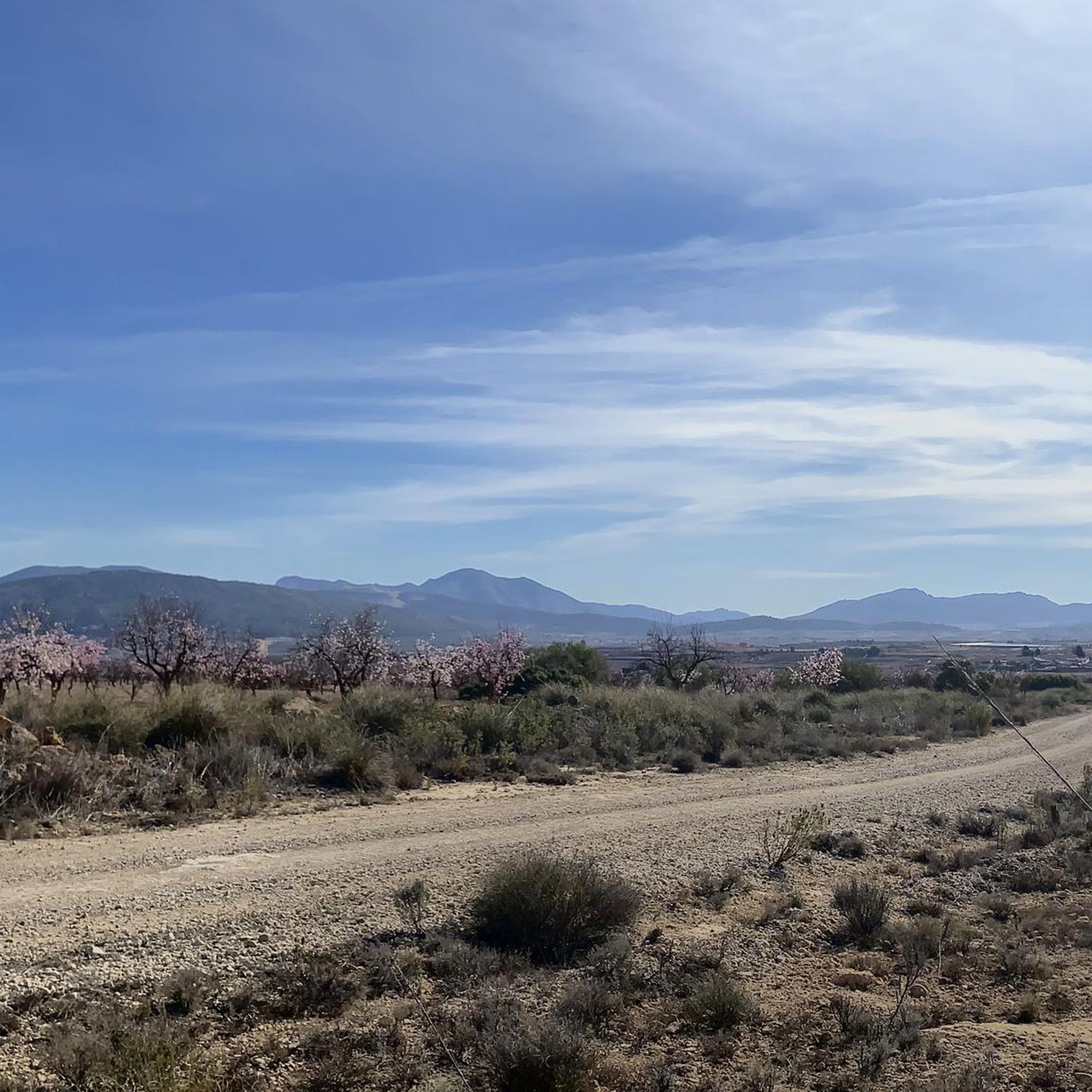
MTB Trails around Jumilla
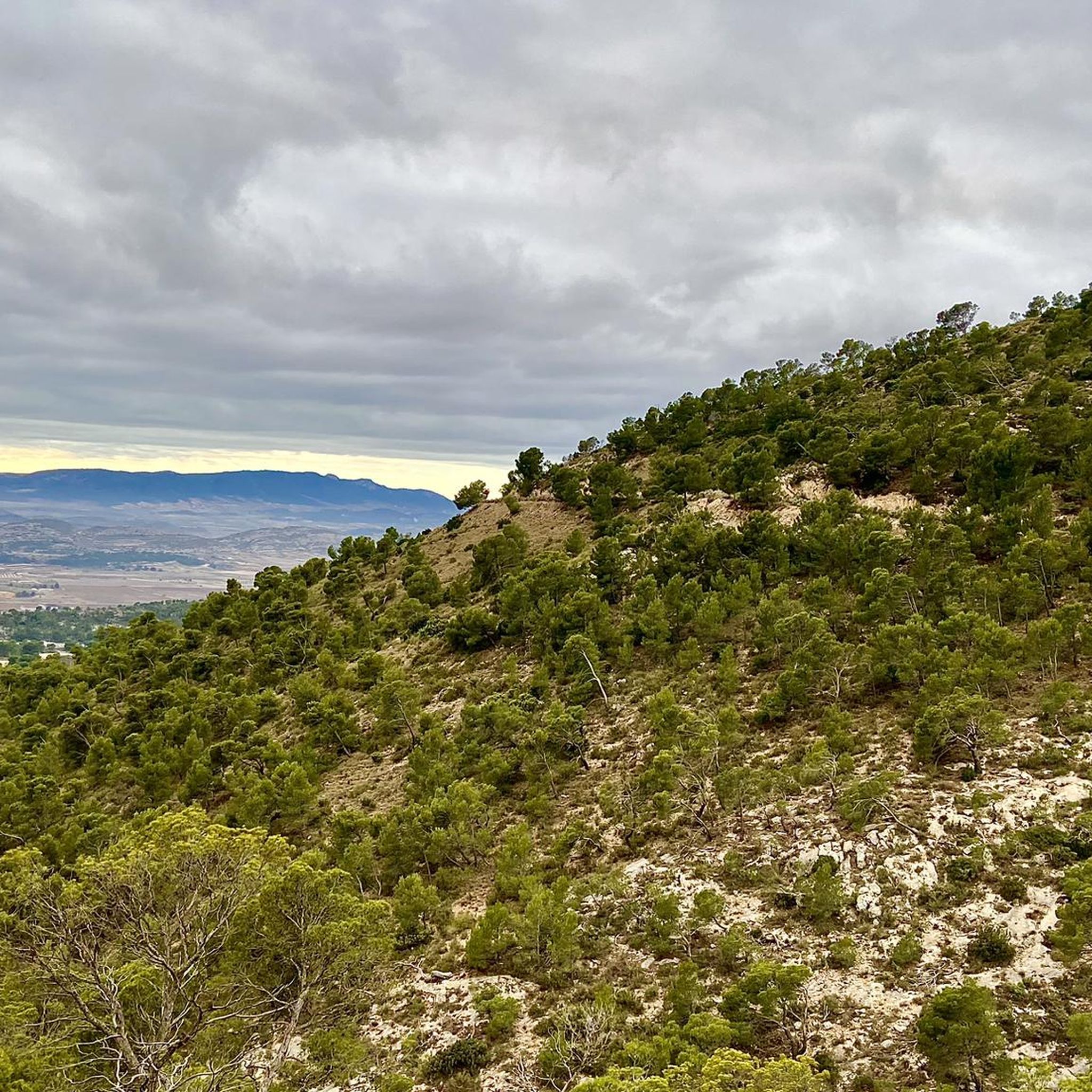
Cycling around Jumilla
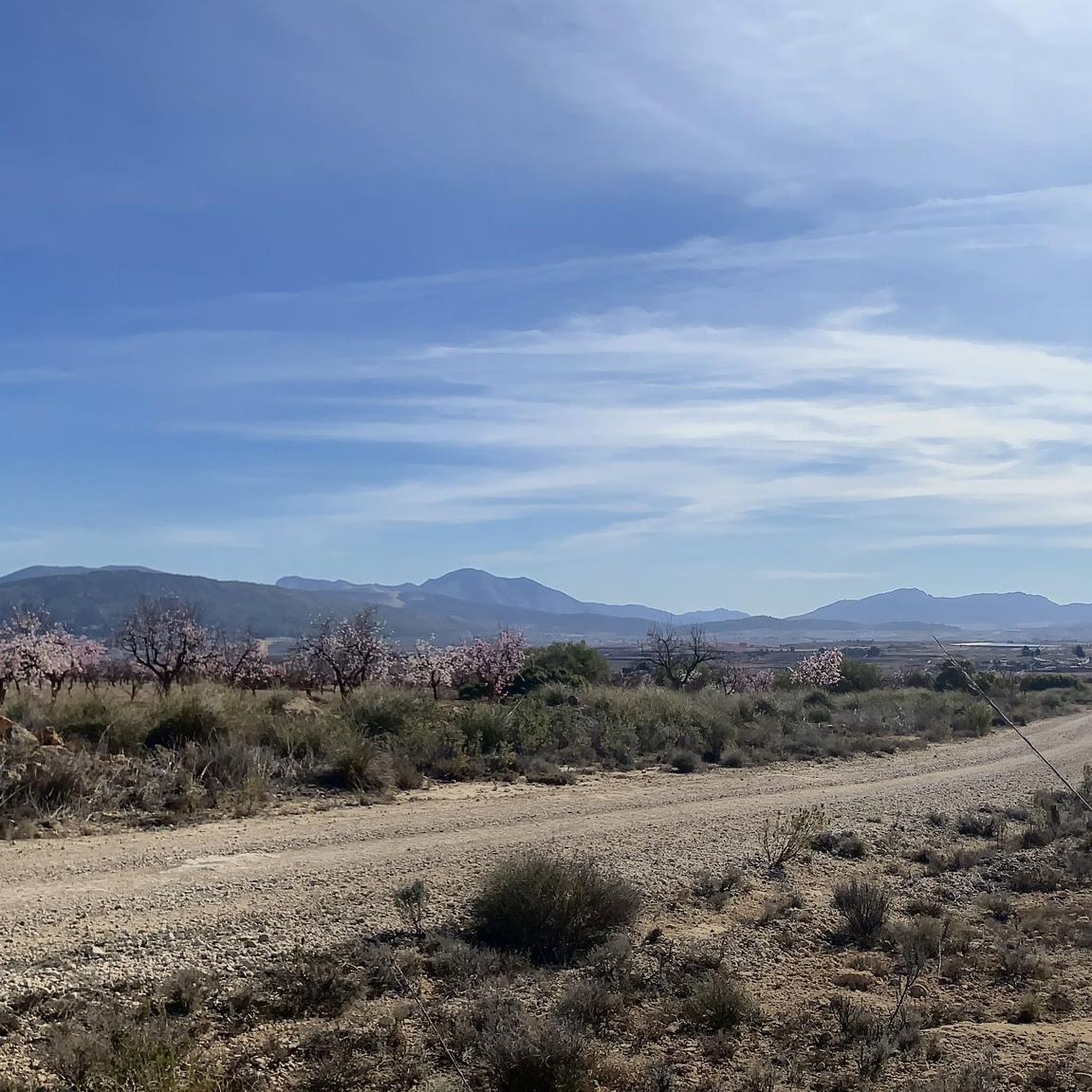
Hiking around Jumilla
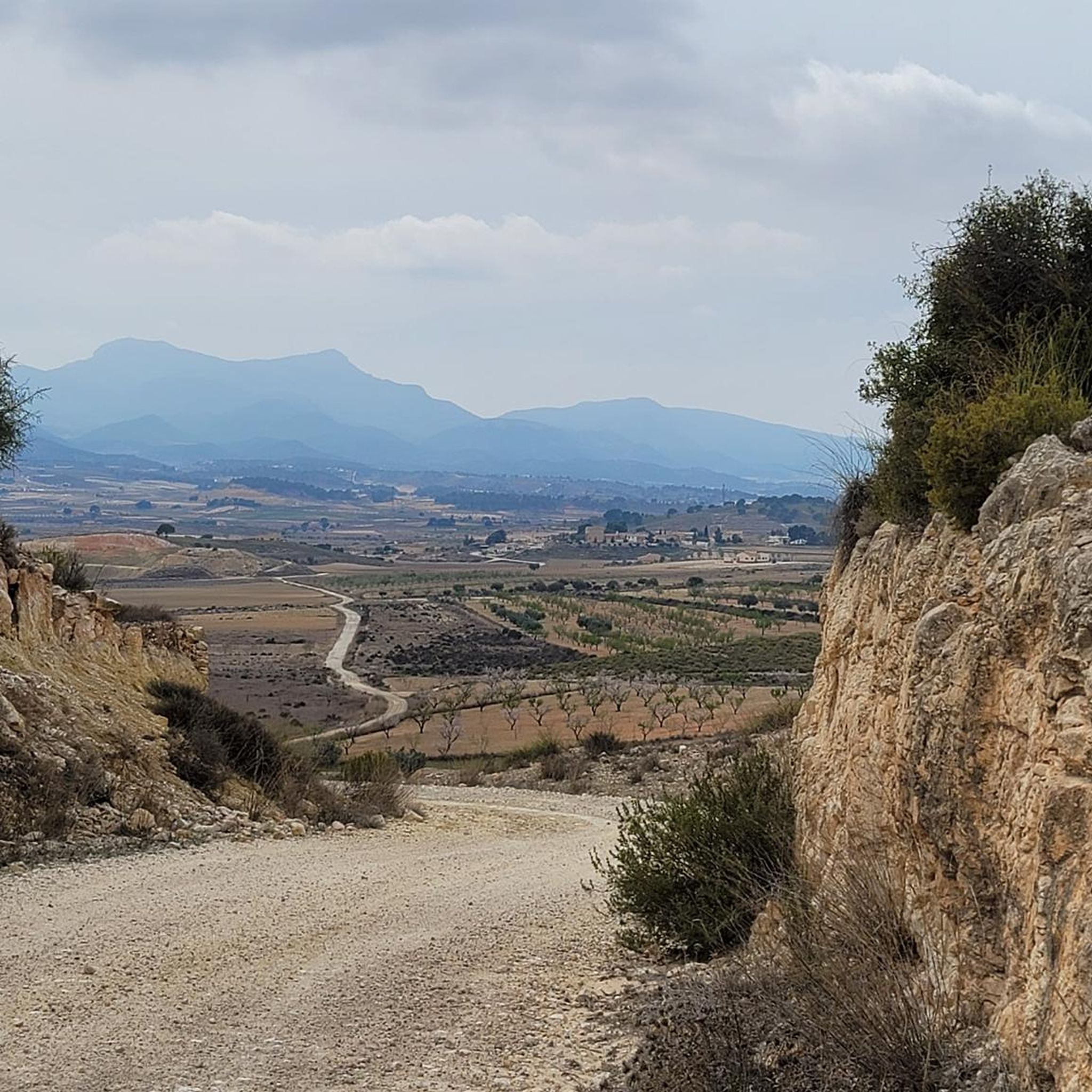
Running Trails around Jumilla

Gravel biking around Jumilla
Other adventures around Jumilla


Tips from the Community

Great views and when the wind blows, it really blows. It is worth the effort and the reward is a good lunch with great views.
1
0

The Geodetic Vertex of La Capilla is a geographical reference point that marks an exact position on the ground. These vertices are used to construct topographic maps and establish precise coordinates.
4
1
The Heart Stone is located precisely near Cantos de Visera. Without a doubt, it is a photograph not to be missed before or after visiting the Cueva de la Horadada. There are even more attractions like going to the cave paintings of the Cueva del Medio Día, or seeing the Dinosaur Stone.
8
0

beautiful 360° view
1
0
It is located 18 km NW of the urban area, on Mount Arabí. The space is included in the delimitation of the environment for the protection of Cantos de Visera I and II, Abrigos del Mediodía I and II and petroglyphs, on Monte Arabí.
8
0

Located on Mount Arabí, another of nature's works of art. For mandatory if we are in this area.
2
0
Beautiful views as we pass through a popular place for nature lovers. It is the Cortao de las Peñas as we go up or down from Puerto Frío. Without a doubt, an ideal place to take a break or recover energy from the viewpoint.
2
0

A beautiful, naturally formed heart-shaped stone.
2
0
Frequently Asked Questions
What unique geological features can I explore among Jumilla's natural monuments?
Jumilla offers several unique geological features. The Horadada Cave of Monte Arabí is a large open cavity, approximately 32 meters deep and 35 meters high, showcasing impressive wind erosion. The region also features the globally recognized "Jumillita" in the La Celia Mines. Additionally, the geological composition of Jumilla, rich in carbonate materials, has led to numerous caves and sinkholes, such as the legendary Cueva de los Encantados.
Are there any natural monuments in Jumilla that are suitable for families?
Yes, several natural monuments in Jumilla are family-friendly. The Horadada Cave of Monte Arabí is an ideal place to visit with children, who will enjoy exploring its impressive cavity. Another great option is the Piedra del Corazón, a naturally formed heart-shaped stone that makes for a memorable photo opportunity near other sites like Cantos de Visera and Cueva del Medio Día.
Where can I find the best viewpoints among Jumilla's natural monuments?
For stunning panoramic views, visit the Cortao de las Peñas, a popular spot for nature enthusiasts to take a break and enjoy the scenery. Another excellent choice is the Geodetic Vertex of La Capilla, a summit in the Sierra de Salinas that offers beautiful 360° views of the surrounding landscape.
What kind of outdoor activities can I do near Jumilla's natural monuments?
The natural monuments around Jumilla are excellent starting points for various outdoor activities. The Sierra del Carche Regional Natural Park is perfect for active tourism, including climbing, caving, potholing, hiking, and hang-gliding. You can find numerous routes for road cycling, running, and mountain biking in the area. For specific routes, explore the Road Cycling Routes around Jumilla, Running Trails around Jumilla, and MTB Trails around Jumilla guides.
Are there any natural monuments with historical or archaeological significance in Jumilla?
Yes, Jumilla's natural monuments often blend natural beauty with rich history. The Sierra de La Cingla and Sierra de la Pedrera are home to prehistoric rock art, which is a UNESCO World Heritage Site, and contain fossils dating back approximately 7 million years. The Barranco del Buen Aire also features significant rock paintings. The Horadada Cave of Monte Arabí is also considered a historical site due to its ancient context.
What is the best time to visit the natural monuments around Jumilla?
The natural monuments around Jumilla can be enjoyed throughout the year, but spring and autumn offer the most pleasant weather for outdoor activities like hiking and exploring. During these seasons, temperatures are mild, and the landscapes are particularly vibrant. Winter can also be a good time for hikes, especially in areas like the Sierra del Carche, though it's advisable to check local conditions.
Can I find hiking trails within the natural monuments of Jumilla?
Absolutely. The Sierra del Carche Regional Natural Park, for instance, offers numerous trails through pine-forested areas and vineyard-lined slopes, suitable for various hiking levels. You can find detailed hiking routes in the Running Trails around Jumilla guide, which includes options like the challenging La Madama loop.
Is the Sierra del Carche Regional Natural Park suitable for birdwatching?
Yes, the Sierra del Carche Regional Natural Park is known for its compelling birdlife, making it an excellent destination for birdwatching enthusiasts. The diverse habitats within the park support a variety of species, offering great opportunities for observation.
What is the 'Coliseum Crema Marfil del Vinalopó' and where is it located?
The Coliseum Crema Marfil del Vinalopó is a man-made monument, though categorized as a natural monument due to its material. It is a roundabout constructed from 1,100 tons of ivory cream marble, serving as a tribute to those dedicated to the natural stone sector. It is located at the access to Pinoso, on the regional road connecting Elda and Jumilla.
Are there any natural monuments in Jumilla associated with local legends?
Yes, the Cueva de los Encantados is a notable natural monument in Jumilla that is associated with local legends, specifically one involving a soldier named Bernardo. This adds a layer of cultural and folkloric interest to the geological site.
What is the highest point in the natural monuments region of Jumilla?
The highest point in the region's natural monuments is La Madama del Carche, standing at 1,372 meters within the Sierra del Carche Regional Natural Park. It offers challenging routes for experienced hikers and runners.
Can I find tranquil and meditative spots among Jumilla's natural monuments?
Yes, the Sierra de Santa Ana offers a tranquil setting. This range of hills and mountains houses the Santa Ana del Monte Monastery, nestled amidst pine forests, providing a peaceful environment ideal for meditation and quiet contemplation while roaming the mountains and countryside.
Most popular attractions around Jumilla

Get inspired with the komoot mobile app


Explore more
Extend your search for the best caves by checking out these guides of the top ones around Jumilla:
