Top 18 Natural Monuments around Los Corrales De Buelna
Best natural monuments around Los Corrales De Buelna are situated in Cantabria, a region known for its varied natural landscape. The area encompasses mountain plateaus, river valleys, and forests, presenting a range of natural attractions. These locations offer opportunities to observe unique geological formations and notable natural features.
Best natural monuments around Los Corrales De Buelna
- The most popular natural monument is El Moral Plateau, a viewpoint that is a high mountain plateau accessible by a forest track. It…
Last updated: May 20, 2026
El Moral Plateau
Highlight • Viewpoint
Translated by Google •
Tip by

Altamira Cave
Highlight • Cave
Translated by Google •
Tip by

Sign up now to discover places like this
Get recommendations on the best single tracks, peaks, & plenty of other exciting outdoor places.
Sign up for free
Fallen Oak of Brujilices
Highlight • Natural Monument
Translated by Google •
Tip by

Churrón de Borleña Waterfall
Highlight • Waterfall
Translated by Google •
Tip by
Summit of Pico La Capía (Pico Dobra)
Highlight • Summit
Translated by Google •
Tip by
Sign up for free to discover even more natural monuments around Los Corrales De Buelna.
Sign up for free
Already have an account?
Start today with a free account
Your next adventure awaits.
Login or Signup

Tips from the Community

Added to the collection: komoot.com/de-de/collection/3600632/-naturdenkmaeler-besondere-baeume-und-weitere-schaetze-der-natur
0
0

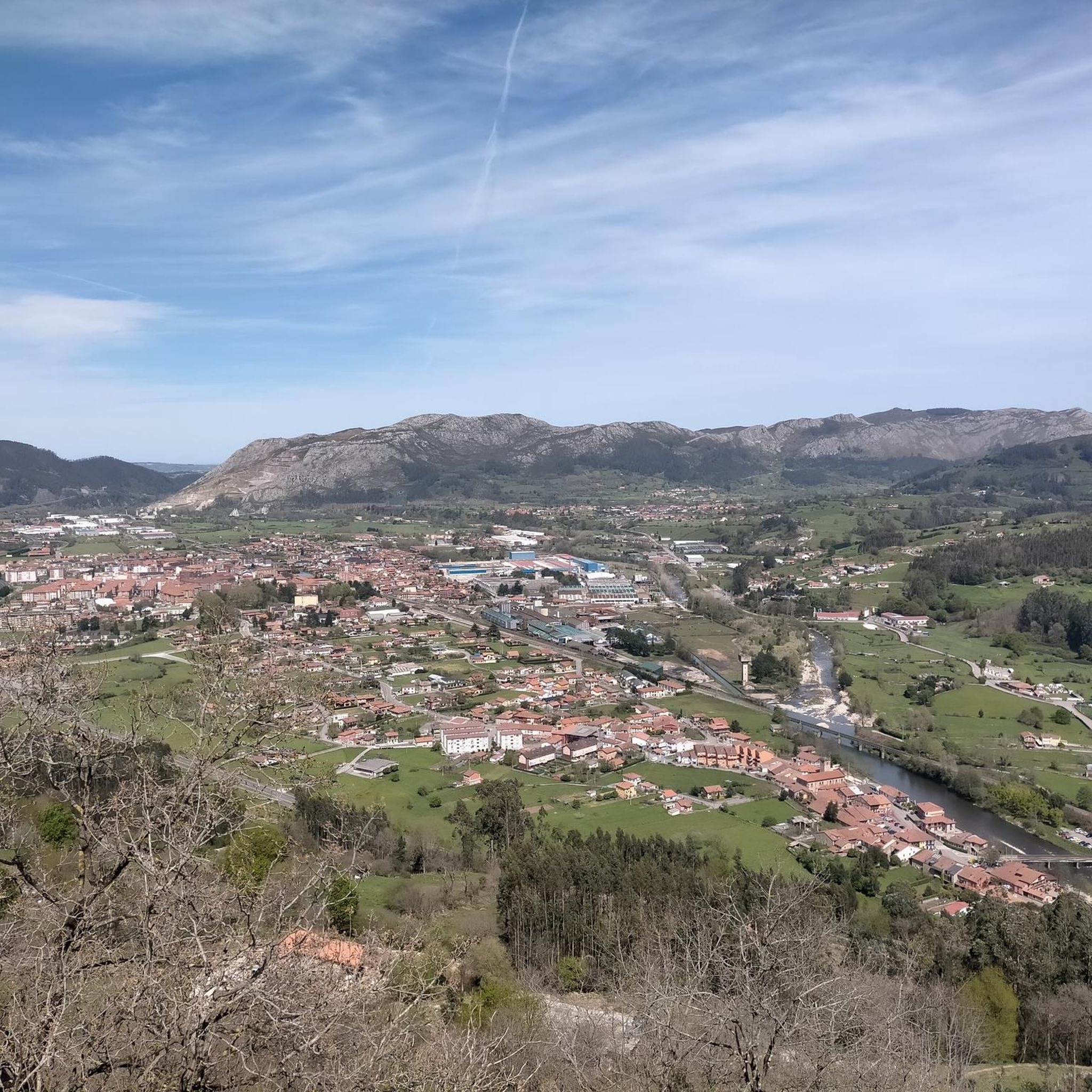
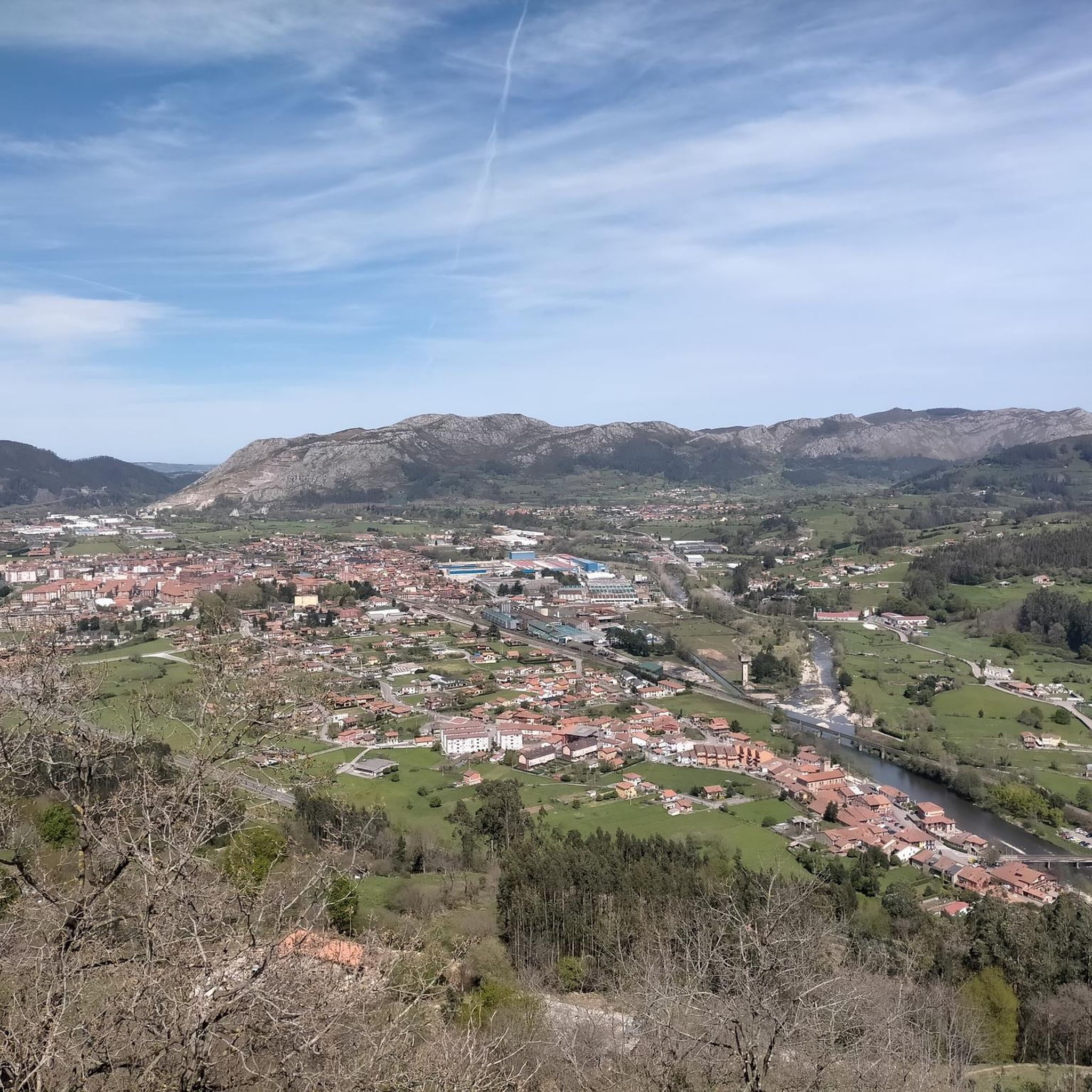
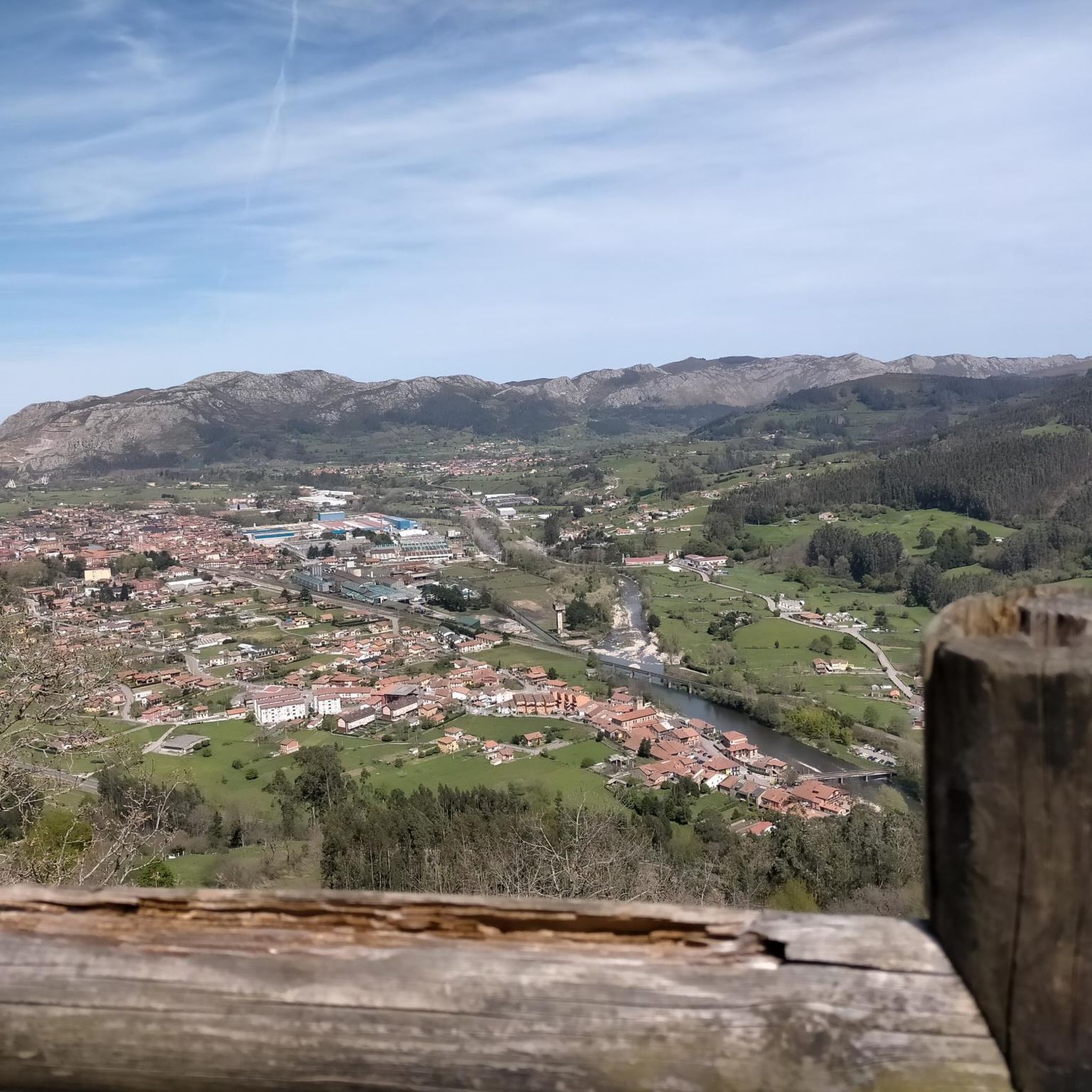
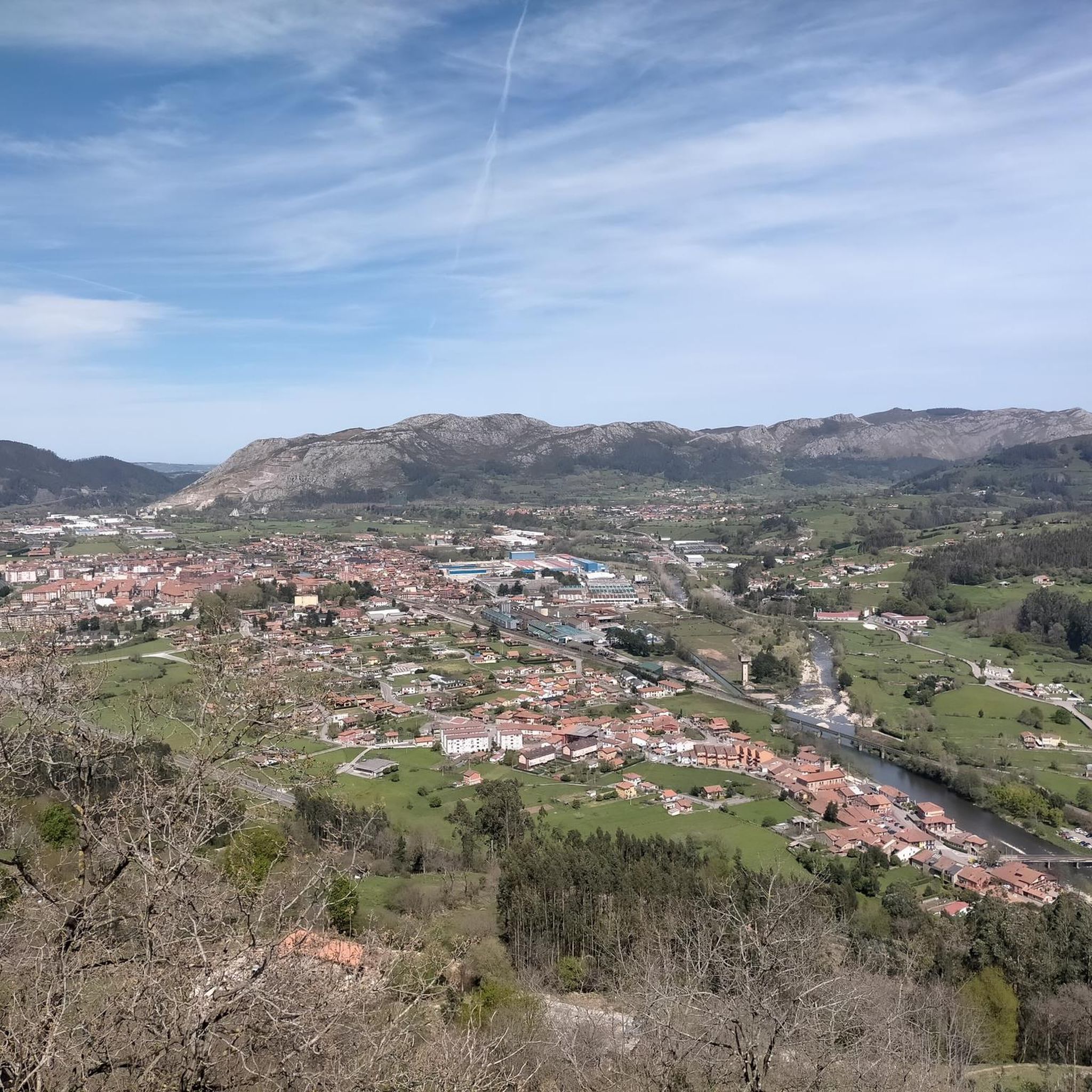
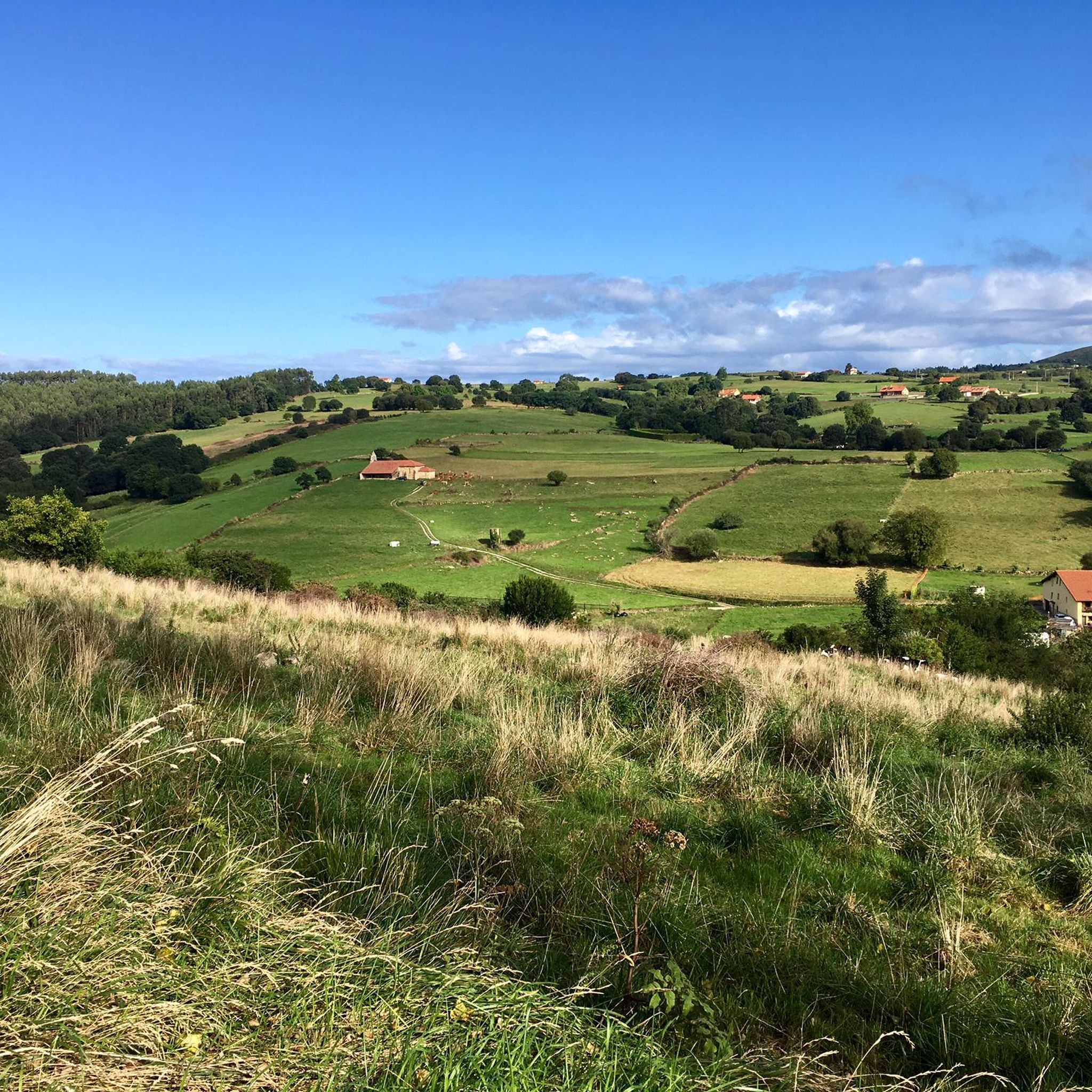
After a beautiful gravel climb, you reach this plateau with stunning views (including the Picos de Europa in the distance). The path then continues for a long time at altitude, with many cows and horses. Take a look: https://www.youtube.com/watch?v=OgEcgF17RDw
0
0
Indeed, a beautiful spot with breathtaking views, both towards the Picos de Europa and other Cantabrian mountains. The (gravel) road there is also stunning; just take a look: https://www.youtube.com/watch?v=OgEcgF17RDw
0
0

The Bujilices "Tumbao" Oak, located in Ucieda (Ruente) within the Saja-Besaya Natural Park, is one of Cantabria's most unique and magical trees. The tree fell under the weight of snow and wind at the end of the 19th century, but it didn't die. Four vertical branches sprouted from the fallen trunk, developing as if they were independent trees, creating a unique and spectacular shape.
2
0

The Altamira Cave covers an area of more than 5500 m². It was used from 33,600 BC until the entrance collapsed in 11,000 BC. The particularly impressive ceiling paintings are dated to the period 16,500 to 13,000 BC.[3] The cave was discovered in 1868 by a hunter due to the disappearance of a hunting dog, who immediately reported the discovery to the lord of Santillana,[2] the naturalist Marcelino Sanz de Sautuola (1831–1888). The paintings were discovered by Sautuola's five-year-old daughter Maria, who was able to walk upright through the cave and made out images of "cattle" on the ceiling.[2] Marcelino began systematically digging in the cave in 1879[2] and published a short description of the "prehistoric objects in the province of Santander". Even the Spanish King Alfonso XII was invited into the cave. However, the academic world doubted the authenticity of the cave paintings.[2] The French prehistorian Émile Cartailhac described the paintings as a "vulgar prank by a scribbler" that he and his contemporaries did not even want to look at. The discovery had to wait almost 23 years for recognition. It was only when similar paintings were discovered in the Font-de-Gaume cave near Les Eyzies-de-Tayac-Sireuil in the Dordogne department (France) in 1901 that the attitude of French researchers and Cartailhac, who became the symbol of archaeological ignorance, changed. Cartailhac apologized posthumously to the Marquis de Sautuola in an essay in 1902 ("Mea culpa" d'un sceptique[4]).
0
0
The Altamira Cave covers an area of more than 5500 m². It was used from 33,600 BC until the entrance collapsed in 11,000 BC. The particularly impressive ceiling paintings are dated to the period 16,500 to 13,000 BC.[3] The cave was discovered in 1868 by a hunter due to the disappearance of a hunting dog, who immediately reported the discovery to the lord of Santillana,[2] the naturalist Marcelino Sanz de Sautuola (1831–1888). The paintings were discovered by Sautuola's five-year-old daughter Maria, who was able to walk upright through the cave and made out images of "cattle" on the ceiling.[2] Marcelino began systematically digging in the cave in 1879[2] and published a short description of the "prehistoric objects in the province of Santander". Even the Spanish King Alfonso XII was invited into the cave. However, the academic world doubted the authenticity of the cave paintings.
2
0

Bujilices fallen oak tree in Ucieda. Bucolic place to make a stop along the way, read life.
0
0
Frequently Asked Questions
What are some of the most notable natural monuments to visit in Los Corrales de Buelna?
Among the most notable natural monuments, you can explore the El Moral Plateau, a high mountain plateau offering extensive landscapes and panoramic views. Another unique site is the Fallen Oak of Brujilices, a singular tree with a remarkable story of resilience. For those who enjoy waterfalls, the Churrón de Borleña Waterfall provides a beautiful natural pool at its base.
What makes the Fallen Oak of Brujilices a unique natural monument?
The Fallen Oak of Brujilices is unique because, despite falling due to strong winds and snow, its roots remained partially in the ground, allowing new branches to sprout. Today, four of its branches have grown into what appear to be separate, rootless trees, making it a testament to nature's resilience and a beautiful sight within the Vados River Forest.
Are there family-friendly natural monuments in Los Corrales de Buelna?
Yes, the Churrón de Borleña Waterfall is considered family-friendly. It's reached via an easy path through a beautiful forest, making it suitable for all ages. The natural pool at its base is also a refreshing spot, especially in warmer months.
What kind of views can I expect from the natural monuments in the area?
You can expect stunning panoramic views from several locations. The El Moral Plateau offers extensive landscapes, while the Summit of Pico La Capía (Pico Dobra), at 606 meters altitude, provides excellent vistas across the Besaya and Pas rivers, marking the boundary between three municipalities of Cantabria.
What outdoor activities can I do near these natural monuments?
The region around Los Corrales de Buelna offers various outdoor activities. You can find numerous hiking routes, such as the 'Alto del Cueto Moroso and Canal de las Tejeras Loop' or the 'Monte Brazo Refuge – Canal de las Tejeras loop'. For more options, explore the Hiking around Los Corrales De Buelna guide. There are also running and cycling trails available for different difficulty levels.
Are there hiking trails suitable for different difficulty levels near the natural monuments?
Yes, the area provides hiking trails ranging from moderate to challenging. For example, the path to the Churrón de Borleña Waterfall is easy and suitable for most visitors. More challenging routes can be found leading to summits like Pico La Capía. You can find detailed information on various routes in the Hiking around Los Corrales De Buelna guide.
What is the best time of year to visit the natural monuments in Los Corrales de Buelna?
Cantabria experiences a varied climate. Generally, spring and autumn offer pleasant temperatures for outdoor exploration, with lush greenery in spring and vibrant colors in autumn. Summer is also popular, especially for visiting waterfalls like Churrón de Borleña where the natural pool can be enjoyed. Winter can bring snow to higher elevations like El Moral Plateau, offering a different, often serene, experience.
What should I wear when visiting natural monuments in Los Corrales de Buelna?
Given the varied terrain, it's advisable to wear comfortable, sturdy footwear suitable for walking or hiking. Layers of clothing are recommended as weather conditions can change, especially at higher altitudes or in forested areas. A waterproof jacket is also a good idea, particularly outside of peak summer months.
Can I go cycling near the natural monuments?
Yes, Los Corrales de Buelna offers several cycling routes. You can find options ranging from moderate to difficult, such as the 'Main Street of Riocorvo – Statue of Francis of Assisi loop' or the 'Iglesia de Santa María, Potes – Main Street of Riocorvo loop'. For a comprehensive list of routes, refer to the Cycling around Los Corrales De Buelna guide.
Are there any refuges or resting spots near the natural monuments?
Yes, near the El Moral Plateau, there is a hermitage that is often used as a refuge and a place to take a break. Additionally, the Monte Brazo Refuge is a private refuge located on a small plain called Campo de La Cruz, perfect for a stop during your explorations.
What kind of natural features can I expect to see beyond the main monuments?
Beyond the specific natural monuments, the region is characterized by its diverse natural landscape. You'll encounter mountain plateaus, river valleys, and forests, such as those in the Castañal and Fresneda areas. The broader Valle de Iguña offers rich natural beauty, and the area is also known for its geological features, including hot springs that feed the Las Caldas de Besaya Spa.
What do visitors enjoy most about the natural monuments in Los Corrales de Buelna?
Visitors frequently highlight the stunning landscapes and panoramic views, especially from spots like El Moral Plateau and Pico La Capía. The unique story and appearance of the Fallen Oak of Brujilices also captivates many. The easy and picturesque routes, like the one to Churrón de Borleña Waterfall, are also highly appreciated for their accessibility and beauty.
Most popular routes around Los Corrales De Buelna
Most popular attractions around Los Corrales De Buelna

Get inspired with the komoot mobile app


Explore more
Extend your search for the best caves by checking out these guides of the top ones around Los Corrales De Buelna:
