Top 9 Natural Monuments around Castro De Rei
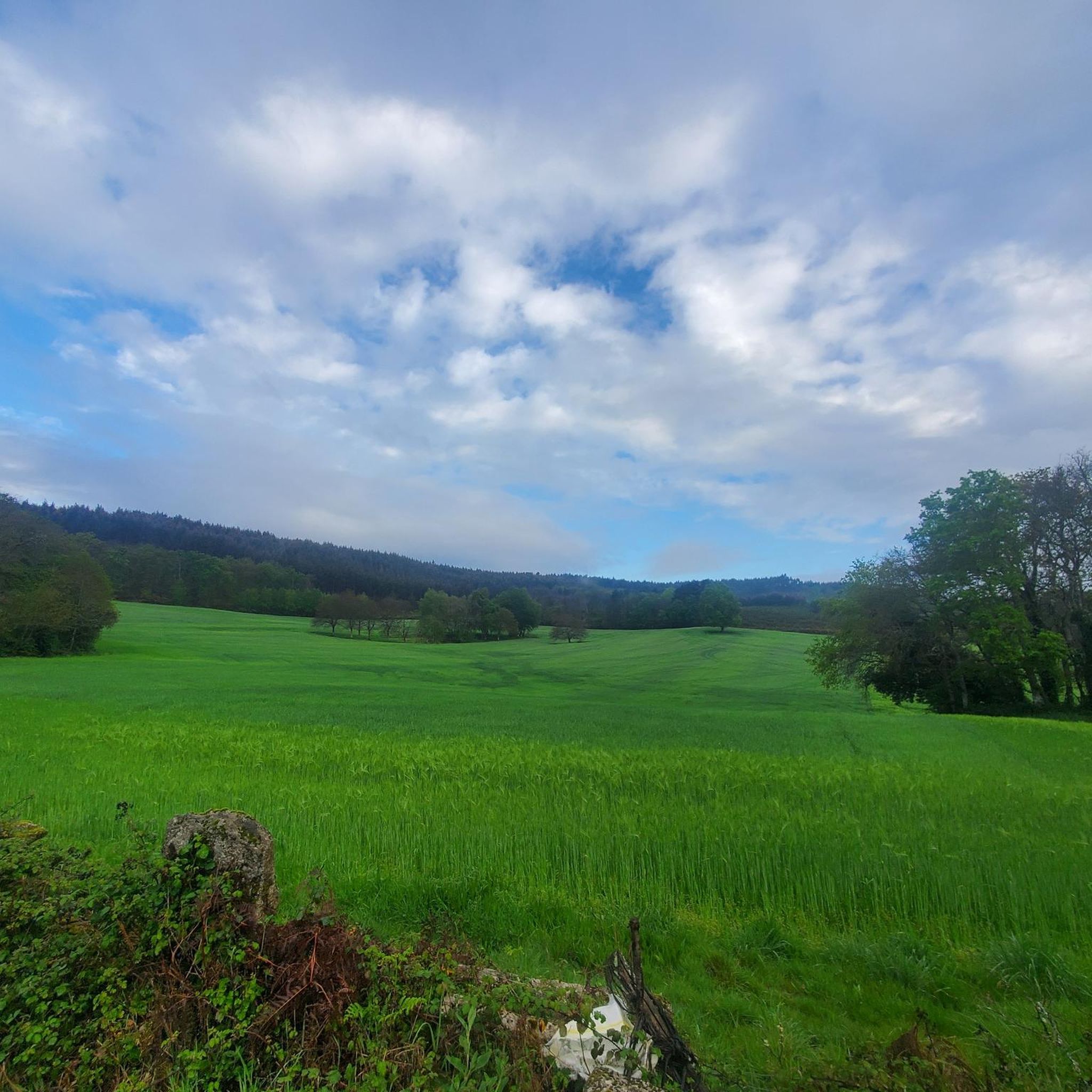
Best natural monuments around Castro De Rei are found in a municipality in the province of Lugo, Galicia, known for its serene landscapes and rich biodiversity. The region, part of the Terra Chá, features extensive wetlands and plains. These areas offer opportunities for outdoor activities and exploration of natural features.
Best natural monuments around Castro De Rei
- The most popular natural monuments is Castro de Viladonga Archaeological Site, a historical site and natural monument that stands out in the…
Last updated: July 1, 2026
Cospeito Lagoon
Highlight • Lake
Translated by Google •
Tip by

Castro de Viladonga Archaeological Site
Highlight • Historical Site
Translated by Google •
Tip by

Sign up now to discover places like this
Get recommendations on the best single tracks, peaks, & plenty of other exciting outdoor places.
Sign up for free
Fonte de la Rich and Teixeiro Lakes
Highlight • Lake
Translated by Google •
Tip by

Source of the Miño River
Highlight • River
Translated by Google •
Tip by
Río Miño in Reserva da Biosfera Terras do Miño
Highlight • River
Translated by Google •
Tip by

Sign up for free to discover even more natural monuments around Castro De Rei.
Sign up for free
Already have an account?
Start today with a free account
Your next adventure awaits.
Login or Signup
Tips from the Community

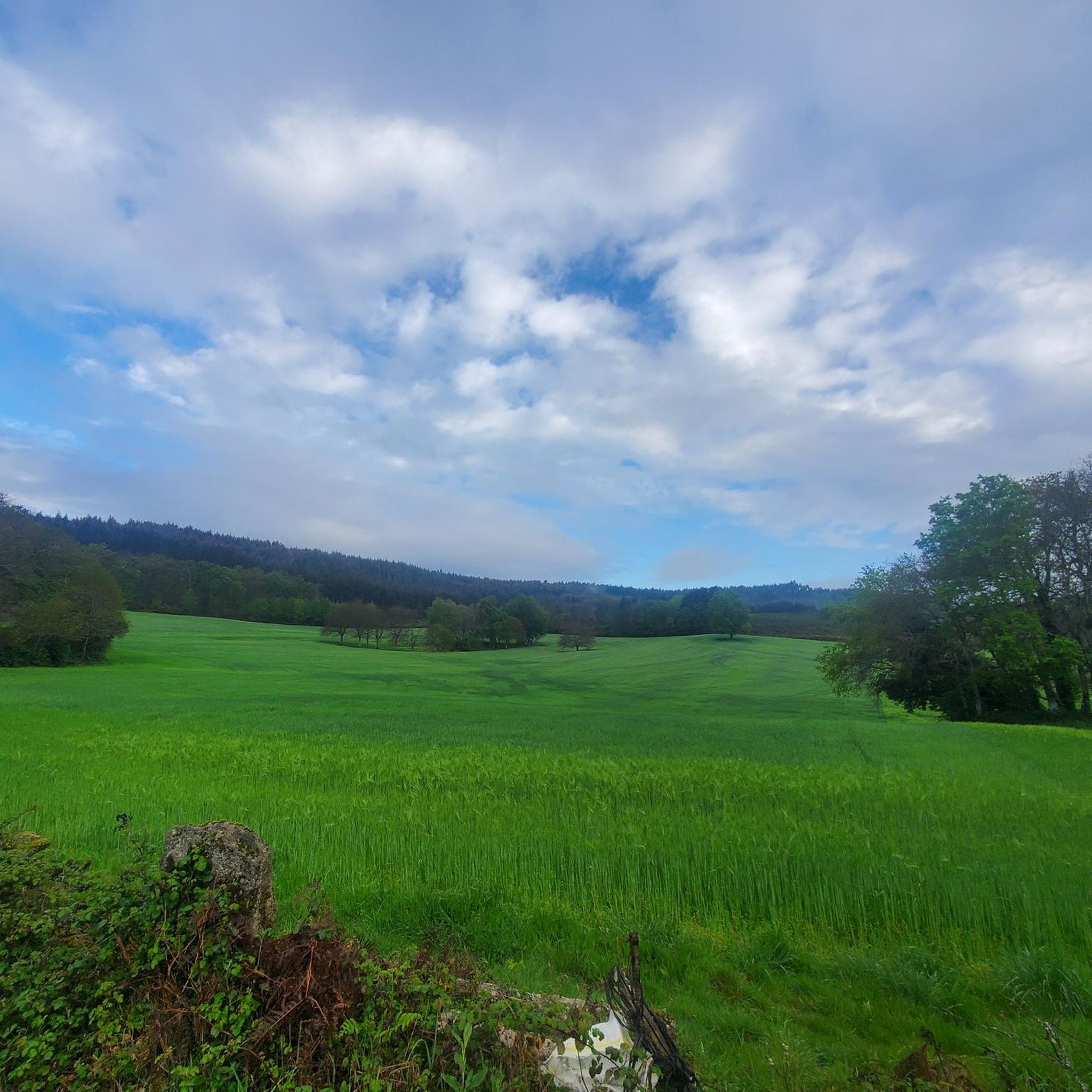
Cospeito Lagoon, also known as Santa Cristina Lagoon, is one of the most important wetlands in Galicia, located in the municipality of Cospeito, about 25 km north of Lugo, within the Terra Chá region. The lagoon and its wet meadows are home to a wide variety of species.
4
0
This archaeological site stands out in the landscape of the Terra Chá of Lugo. Here you will find several walls, moats and a large central croa. The buildings discovered include homes, corrals, warehouses and buildings for social or communal use. The Viladonga Castro had a long-lasting and especially important settlement between the 2nd and 5th centuries AD, which makes it a key site for understanding the evolution of the forts and the rural environment in the Galician-Roman period. It's a fascinating place to explore the history and culture of the region! 😊
5
0

If you are interested in history, the best place to visit is the old wall remains. Here you can still see the urban planning of the former settlement very well.
2
1
Very beautiful lake in the middle of nature. A really beautiful sight
2
1

The source of the river Miño, located in Terra Chá before beginning a 315 km journey towards the Atlantic coast near A Guarda in the province of Pontevedra. The source is located on a steep mountain facing rocky boulders. The climb can be difficult for some.
1
0
Forest park and recreational trails around the Teixeiro lakes with delimited BTT trails around the Alto de Chousa
2
0
Recreational area and natural park El Pedregal de Irimia is the birthplace of the mighty river Miño. The river flows from the mountains of the Sierra de Meira in Lugo to the Atlantic Ocean
1
0

Small but nice lake for a walk
5
2
Frequently Asked Questions
What are the most popular natural monuments to visit around Castro De Rei?
Visitors frequently enjoy the Castro de Viladonga Archaeological Site, which combines historical significance with natural surroundings. Another highly regarded spot is Cospeito Lagoon, known for its rich biodiversity and tranquil atmosphere, making it one of Galicia's most important wetlands.
Are there family-friendly natural monuments in the Castro De Rei area?
Yes, several natural monuments are suitable for families. The Castro de Viladonga Archaeological Site offers an engaging historical experience in a natural setting. Cospeito Lagoon and Río Miño in Reserva da Biosfera Terras do Miño are also great for families, providing opportunities for easy walks and wildlife observation.
What kind of wildlife can I observe at the natural monuments in Castro De Rei?
The wetlands and rivers of Castro De Rei are rich in wildlife. At Cospeito Lagoon and Laguna de Caque, you can observe a wide variety of bird species, amphibians, and reptiles. These areas serve as important wintering grounds for numerous northern birds. The Río Miño also supports diverse tree, bird, and animal species on its numerous islands.
What outdoor activities can I do near the natural monuments?
The region offers various outdoor activities. You can enjoy hiking along the Río Azúmara, which features trails through mountainous areas and past restored mills. For cycling enthusiasts, there are numerous routes, including those around Castro De Rei. You can find more details on MTB Trails around Castro De Rei, Running Trails around Castro De Rei, and Cycling around Castro De Rei.
Are there easy walking trails suitable for beginners around Castro De Rei's natural monuments?
Yes, there are options for easy walks. The Lagunas de Cospeito offer a 3-kilometer easy trail, perfect for a tranquil stroll and wildlife observation. The areas around the Río Azúmara also provide pleasant and calm paths, particularly near the fluvial club, suitable for leisurely walks.
What is the best time of year to visit the natural monuments in Castro De Rei?
The natural monuments in Castro De Rei can be enjoyed year-round. The summer months are ideal for activities like bathing in the calm waters of the Río Azúmara. For birdwatching, especially at Laguna de Caque, the winter months are significant as it serves as a wintering ground for many northern birds. Spring and autumn offer pleasant temperatures for hiking and exploring the wetlands.
Where can I see the source of the Miño River?
You can visit the Source of the Miño River, located in Terra Chá. While the climb to the source can be steep, it's a rewarding experience to see where this significant river begins its journey. There's also a recreational area and natural park called El Pedregal de Irimia at its birthplace.
Are there any unique geological or hydrological features in the region?
Yes, the region is known for its extensive wetlands and plains, part of the Terra Chá. A unique hydrological feature is found in the parish of Triabá, where the Río Miño uniquely diverges into two branches before converging again, forming a small island. This area offers a recreational zone to admire the gently flowing waters.
What historical natural monuments can I explore?
The Castro de Viladonga Archaeological Site is a prominent historical natural monument. It features well-preserved walls, moats, and a central croa, offering insights into the evolution of forts and the rural environment during the Galician-Roman period. It's a key site for understanding the region's past.
Are there any lakes or lagoons besides Cospeito Lagoon?
Yes, besides Cospeito Lagoon, the region is home to Laguna de Caque, another significant wetland in the Terra Chá. It's nestled amidst arboreal vegetation and features an observation deck for birdwatching. You can also find the Fonte de la Rich and Teixeiro Lakes, which offer forest park and recreational trails.
What do visitors enjoy most about the natural monuments around Castro De Rei?
Visitors particularly appreciate the tranquility and natural beauty of the area. The opportunity for wildlife observation, especially birdwatching at the lagoons, is a highlight. Many also enjoy the peaceful walks and the chance to immerse themselves in Galicia's serene landscapes, whether along riverbanks or through historical sites like the Castro de Viladonga Archaeological Site.
Most popular routes around Castro De Rei
Most popular attractions around Castro De Rei

Get inspired with the komoot mobile app


Explore more
Extend your search for the best caves by checking out these guides of the top ones around Castro De Rei:
