Top 20 Natural Monuments around Montederramo
Best natural monuments around Montederramo are situated within the Ribeira Sacra region, an area characterized by mountainous terrain, dense forests, and significant peaks. This landscape offers diverse natural features recognized for their ecological importance. Montederramo's natural monuments provide opportunities for outdoor activities and exploration of Galician wilderness. The region is known for its dramatic river canyons and lush forests.
Best natural monuments around Montederramo
- The most popular natural monuments is Balcones de Madrid Viewpoint (Os Torgás Viewpoint), a viewpoint…
Last updated: May 20, 2026
Monastery of San Pedro de Rocas
Highlight • Religious Site
Translated by Google •
Tip by

O Boqueiriño Viewpoint
Highlight • Viewpoint
Translated by Google •
Tip by

Sign up now to discover places like this
Get recommendations on the best single tracks, peaks, & plenty of other exciting outdoor places.
Sign up for free
Chestnut Trail in Parada de Sil
Highlight • Trail
Translated by Google •
Tip by

San Vítor de Barxacova Chapel and Necropolis
Highlight • Historical Site
Translated by Google •
Tip by

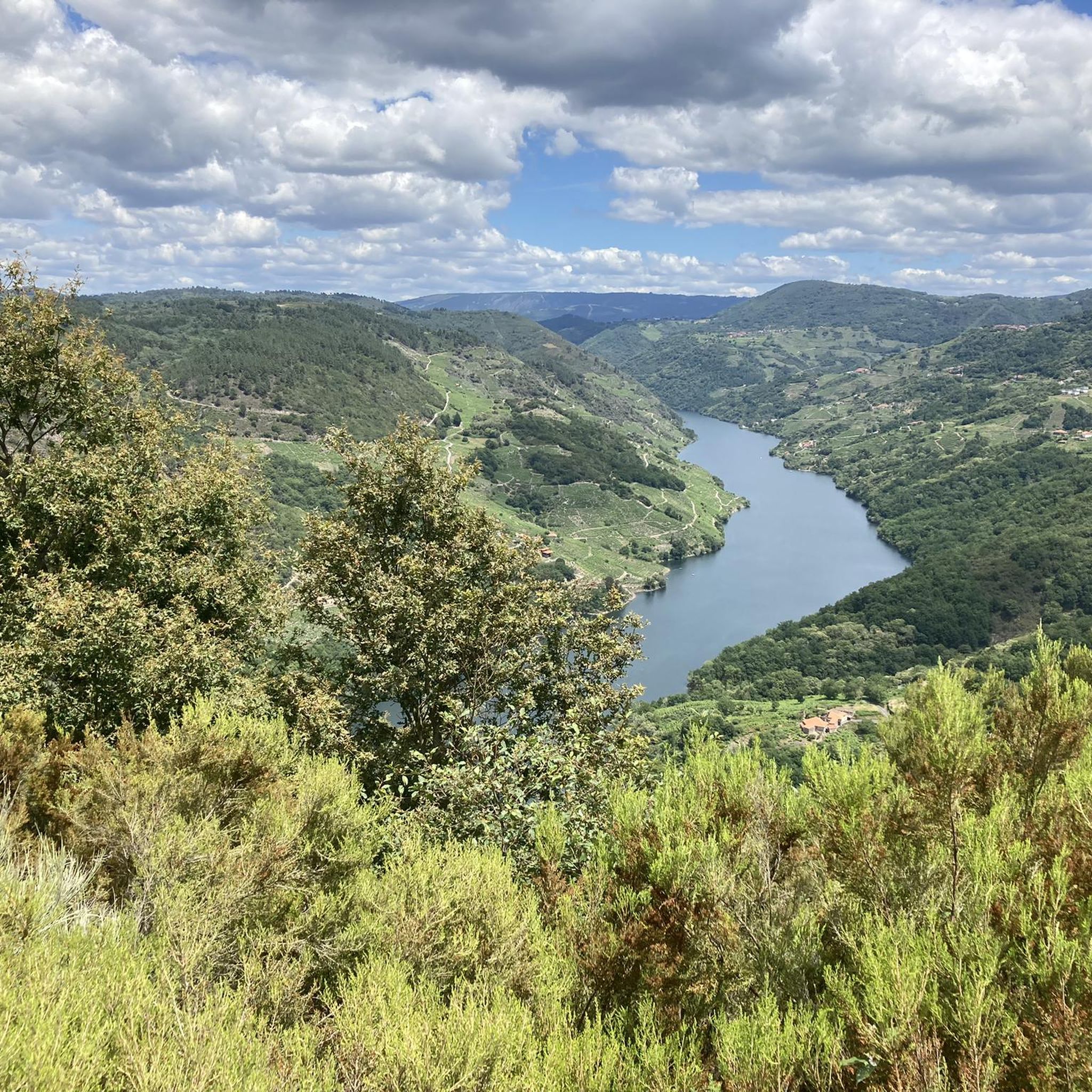
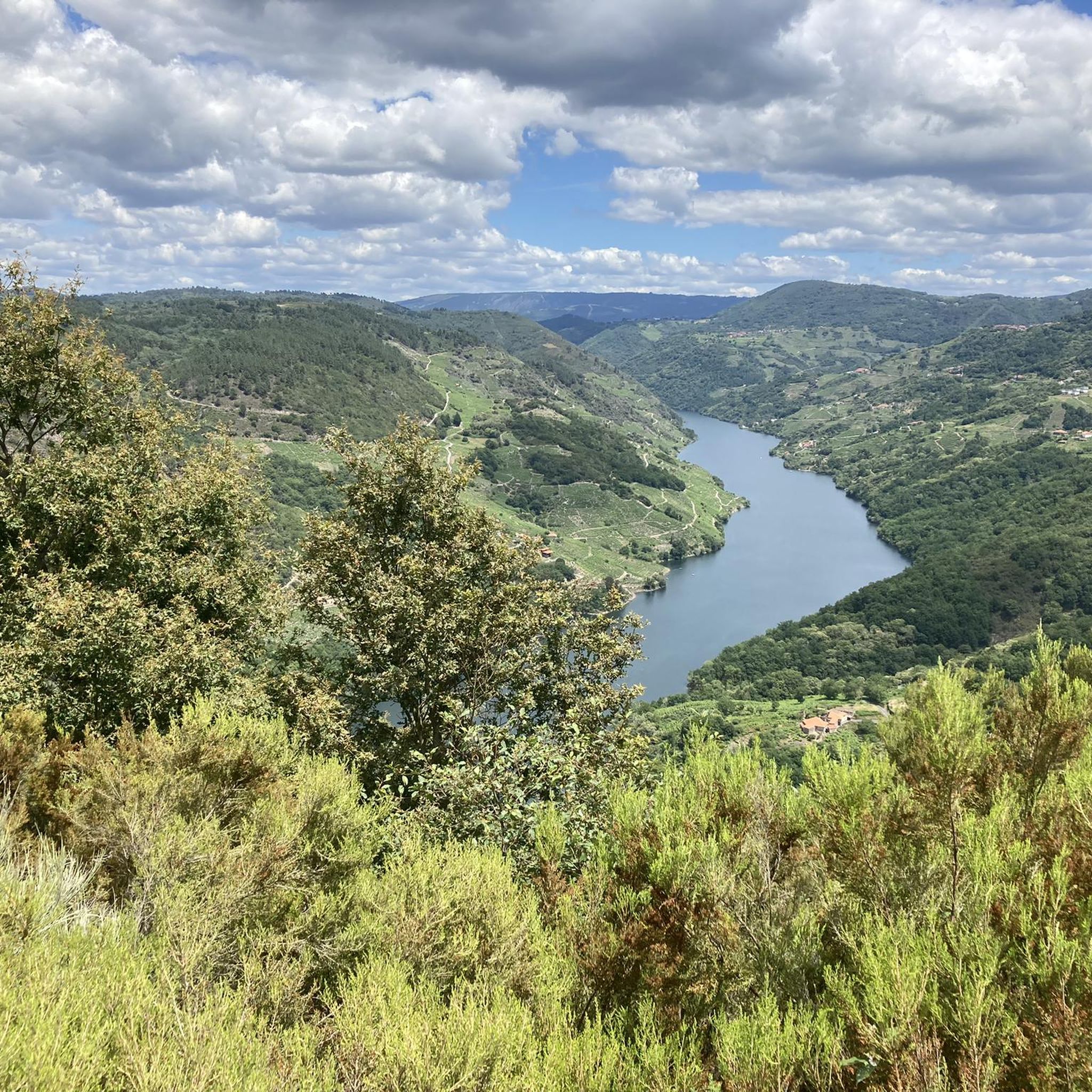
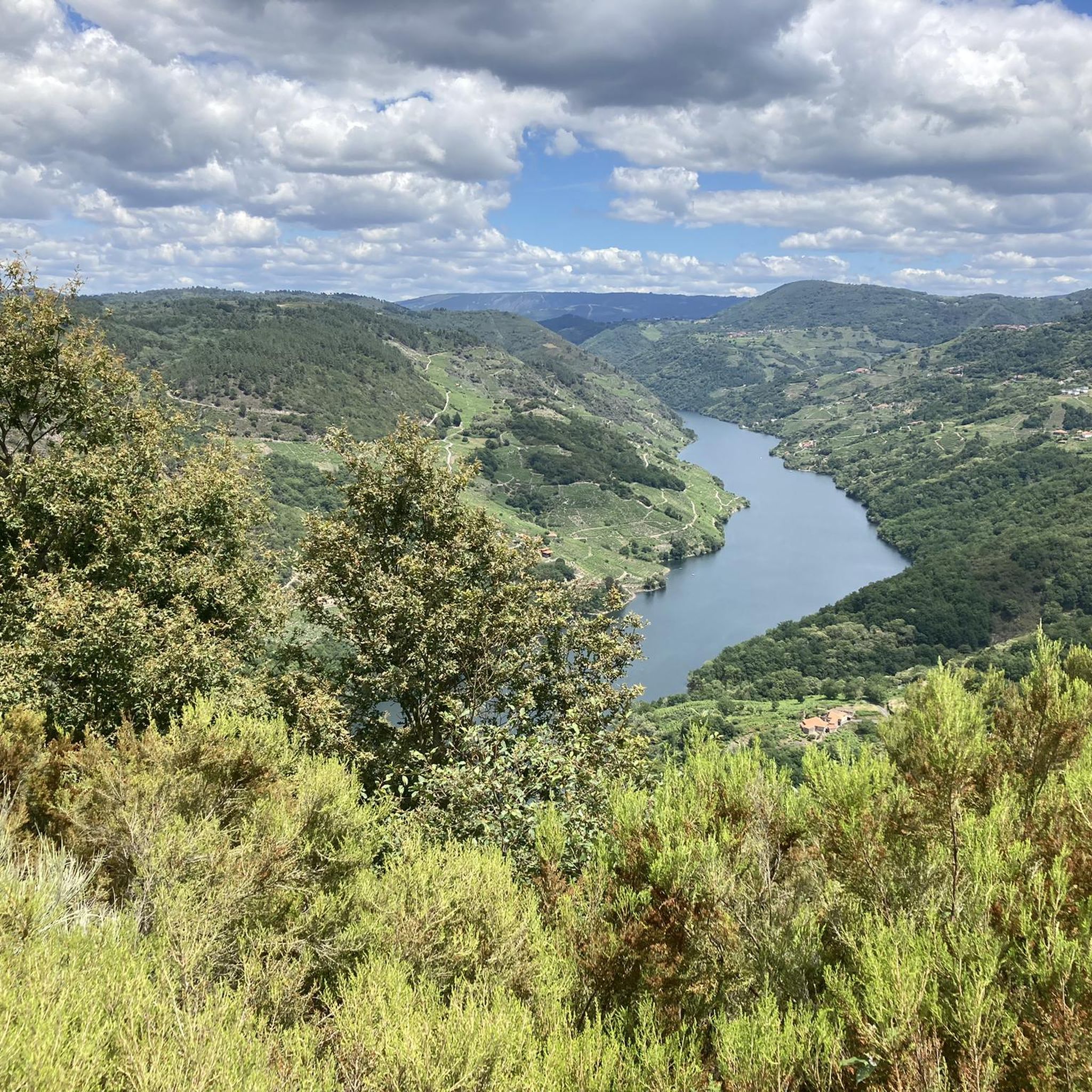
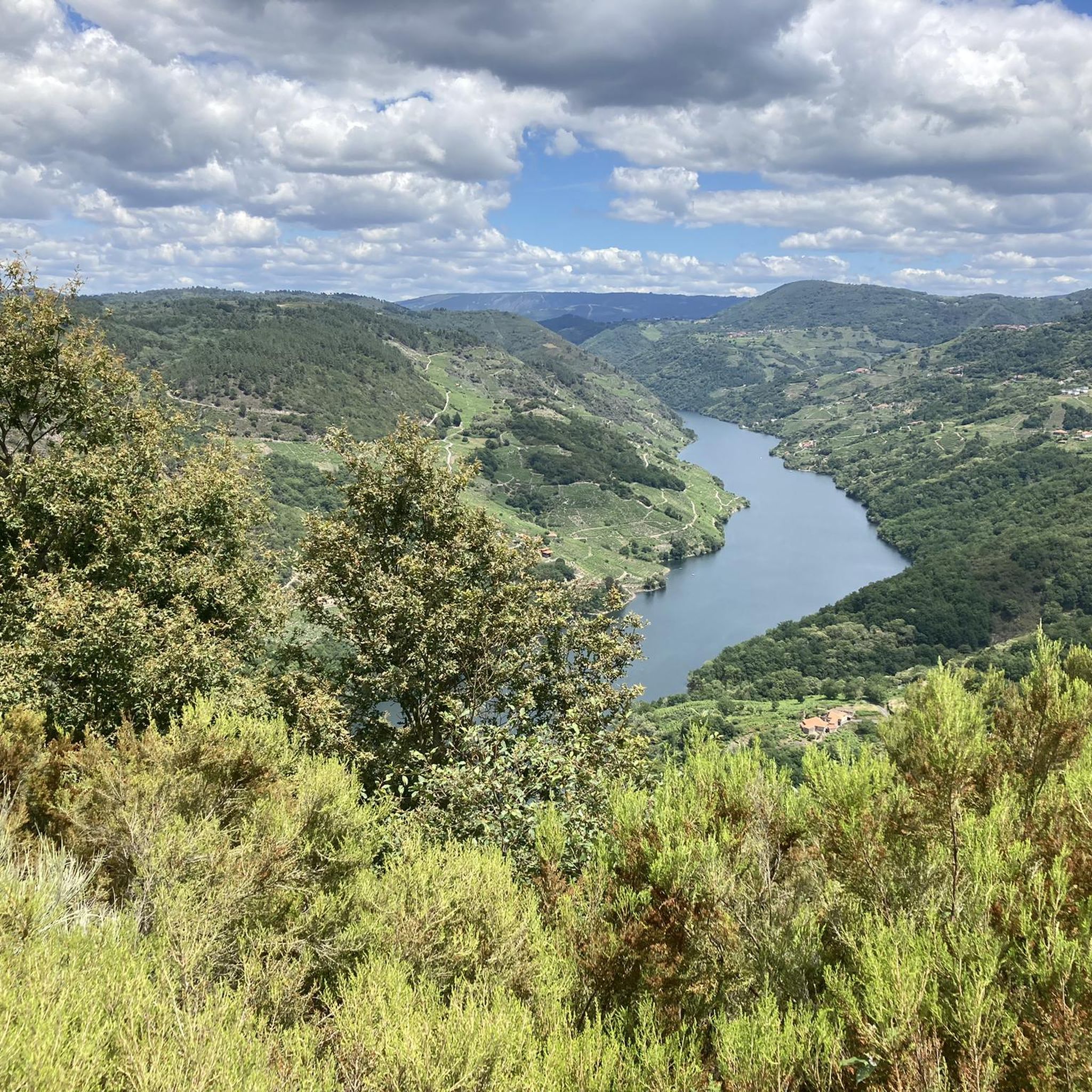
Balcones de Madrid Viewpoint (Os Torgás Viewpoint)
Highlight • Viewpoint
Mountainous hiking area, with viewpoints that offer panoramic views of a river valley.
Translated by Google •
Tip by
Sign up for free to discover even more natural monuments around Montederramo.
Sign up for free
Already have an account?
Start today with a free account
Your next adventure awaits.
Login or Signup
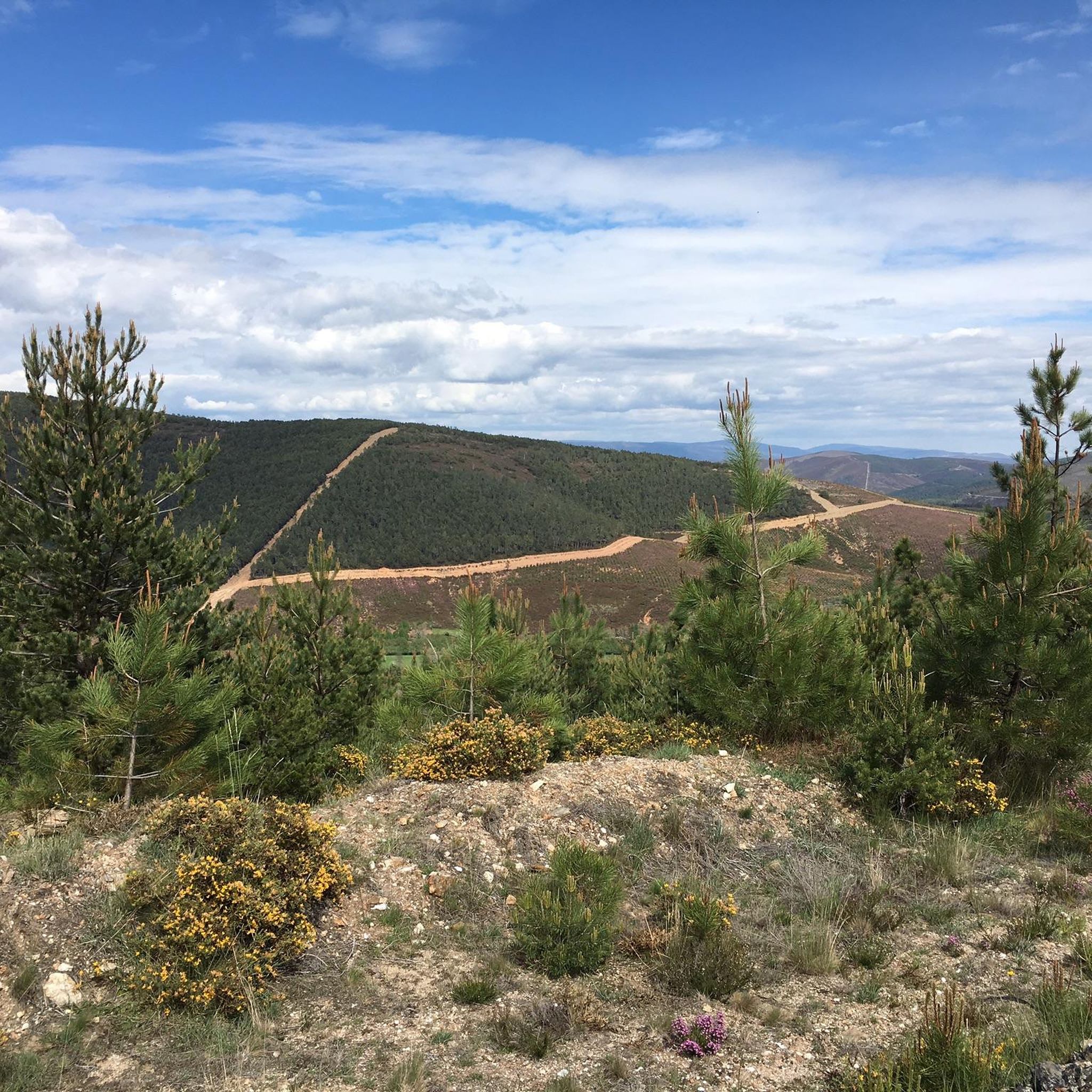
Tips from the Community

In the surroundings of Parada de Sil there are several paths marked by old “carriozas” or traditional paths that run through beautiful “castiñeiros” (chestnut) forests, with centuries-old specimens, buildings and ethnographic remains linked to chestnut cultivation. The “souto” of chestnut trees is a living symbol of the rural world of the Galician interior. The itinerary is a thematic walk in the chestnut culture, an open-air museum among centuries-old specimens that serves to protect resources and maintain the cultural and environmental value of the rural environment.
1
0
The Balconies of Madrid have a history that speaks of emigration, dreams and human adventures in unknown lands. The original name of Os Torgás was changed when the people of the Ourense villages of the Ribeira Sacra hung themselves from the cliffs of the River Sil to say goodbye to their loved ones who were leaving for Madrid and other lands in the south with the dream of a new life. The viewing points form small steps hanging over the river gorge and cause a special fascination. The breeze in the air carries the aromas of vineyards hanging on steep rocky terraces and melodies of elves emerging from enchanted forests, descendants of the primitive mythological beings who resisted the sacralisation of their plant kingdom by the monks and long before by the Roman legions. The walls of the Sil Canyon are a monumental sculpture five hundred metres high made of fierce, bare granite, a fortress of living rock up to the edge of the viewing points that filter the wind, the lights and the eternal songs of all the people who have passed through this fantastic natural balcony to say goodbye or find someone.
1
1

The Monastery of San Pedro de Rocas is one of the oldest and most unique monasteries in Galicia, located in the municipality of Esgos, in the province of Ourense. This monastery stands out for being partially excavated in the rock, which gives it a unique and mysterious character. The foundation of the monastery dates back to the 6th century, although most of the structures visible today date from the 9th and 10th centuries. The monastery church is composed of three naves excavated in the rock, with a series of anthropomorphic tombs also carved in the stone. Outside, you can see a bell tower that was added in the 15th century. San Pedro de Rocas is known not only for its architecture, but also for its natural environment, surrounded by forests and mountains, making it a place of great beauty and tranquility. The monastery has been declared a Historic-Artistic Monument and is an important tourist and pilgrimage destination.
6
2

The Mirador de O Boqueiriño, in the Ribeira Sacra, is located on the slope of the Sil River canyon. It offers spectacular views of the terraced vineyards and the Sil canyon. Built from wood and Corten steel, it is designed to blend into the natural landscape. It is an ideal place to contemplate the unique landscapes of the region, known for their beauty and serenity.
0
0

The chapel and necropolis of San Vítor de Barjacoba (in Galician, Capela e necropole de San Vítor de Barxacova) is an archaeological complex located in the town hall of Parada de Sil, formed by the remains of a medieval chapel and a necropolis with excavated anthropomorphic tombs in stone. Many pieces of kitchen pottery were found, a conrad of Sancho IV of León, a real de vellón of Enrique II of Castile, and a ceiti of Alfonso V of Portugal. In one of the chapel's tombs a fragment of a human tibia appeared.
1
0

Spectacular. It is part of the route of the viewpoints that you can do on Mtb or walking
1
0
The Torgás recreational area is in an area where a bush called heather abounds, it is also close to leafy groves of century-old chestnut trees. Mountainous hiking area, with viewpoints that offer panoramic views of a river valley.
5
1
This necropolis is an exceptional testimony of hermitage and one of the most important in the northwest of the peninsula, for the early medieval period, X-XI centuries. The research work revealed the existence of a chapel and more than 40 tombs excavated in the rock, divided into three different sectors.
4
1
Frequently Asked Questions
What are some unique natural monuments to visit in Montederramo?
Montederramo offers a variety of unique natural monuments. You can explore the ancient Monastery of San Pedro de Rocas, partially excavated in natural rock, or discover the Chestnut Trail in Parada de Sil, an open-air museum among centuries-old chestnut trees. For breathtaking views, the Balcones de Madrid Viewpoint (Os Torgás Viewpoint) offers panoramic vistas of the Sil river valley.
Are there family-friendly natural sites in Montederramo?
Yes, Montederramo has several natural sites suitable for families. The Chestnut Trail in Parada de Sil is a wonderful option, offering an easy walk through beautiful forests. Viewpoints like O Boqueiriño Viewpoint are also generally accessible and provide spectacular scenery for all ages.
What kind of landscapes and natural features can I expect to see in Montederramo?
Montederramo, nestled within the Ribeira Sacra, is characterized by diverse landscapes. You'll find mountainous terrain, dense forests like the expansive Bidueiral de Montederramo (Birch Forest), and dramatic river canyons, especially those of the Sil and Mao rivers. Expect breathtaking panoramic views from various viewpoints, lush forests, and areas of significant ecological importance.
What outdoor activities can I do near Montederramo's natural monuments?
The region around Montederramo is ideal for various outdoor activities. You can enjoy hiking through the Bidueiral de Montederramo or along the Mao River boardwalks. For cycling enthusiasts, there are numerous routes, including those around Montederramo for touring bicycles and MTB trails. Running is also popular, with dedicated running trails available.
Are there historical or cultural sites integrated with the natural monuments?
Absolutely. The Monastery of San Pedro de Rocas is a prime example, being one of Galicia's oldest monasteries partially excavated into the rock. Another significant site is the San Vítor de Barxacova Chapel and Necropolis, an archaeological complex with a medieval chapel and rock-cut tombs, offering a glimpse into early medieval history amidst nature.
What is the best time of year to visit Montederramo's natural monuments?
The best time to visit Montederramo's natural monuments largely depends on your preferred activities. Spring and autumn offer pleasant temperatures for hiking and exploring the forests, with vibrant colors in spring and rich hues in autumn. Summer is also popular, especially for enjoying the river areas, though it can be warmer. Winter can be beautiful, particularly in the Sierra de San Mamede, but some trails might be more challenging due to conditions.
Where can I find easy walking trails around Montederramo's natural monuments?
For easy walks, the Chestnut Trail in Parada de Sil is an excellent choice, offering a gentle path through ancient chestnut groves. The Mao River boardwalks also provide a unique and relatively easy way to experience the stunning canyon landscape.
What makes the Sierra de San Mamede a significant natural monument?
The Sierra de San Mamede is one of Galicia's most important mountain ranges, dominating Montederramo's southern landscape. It's renowned for its rich and varied fauna and flora, and ascending to its summit offers breathtaking panoramic views that can stretch for miles. The area also features hiking routes and holds cultural significance with the presence of the 'Capela do Santo' and a legendary spring.
Can I spot wildlife in the natural areas around Montederramo?
Yes, the diverse ecosystems around Montederramo, particularly in areas like the Bidueiral de Montederramo and the Sierra de San Mamede, support rich fauna. While specific sightings are never guaranteed, these areas are recognized for their biodiversity, offering opportunities for wildlife spotting, especially for birds and smaller mammals.
What do visitors enjoy most about the natural monuments in Montederramo?
Visitors frequently praise the spectacular views from various viewpoints, such as the Balcones de Madrid Viewpoint and O Boqueiriño Viewpoint, which offer impressive vistas of the Sil canyon and terraced vineyards. The serene beauty of the ancient forests, like those found on the Chestnut Trail, and the unique historical integration of sites like the Monastery of San Pedro de Rocas, are also highly appreciated.
Are there any natural monuments with unique geological features?
The region is known for its dramatic river canyons, particularly those of the Miño and Sil rivers, which are significant geological features. The Monastery of San Pedro de Rocas itself is a testament to unique geology, being partially excavated directly into the natural rock formations of the mountains.
Most popular attractions around Montederramo

Get inspired with the komoot mobile app


Explore more
Extend your search for the best caves by checking out these guides of the top ones around Montederramo:
