Top 20 Natural Monuments around Beas De Granada
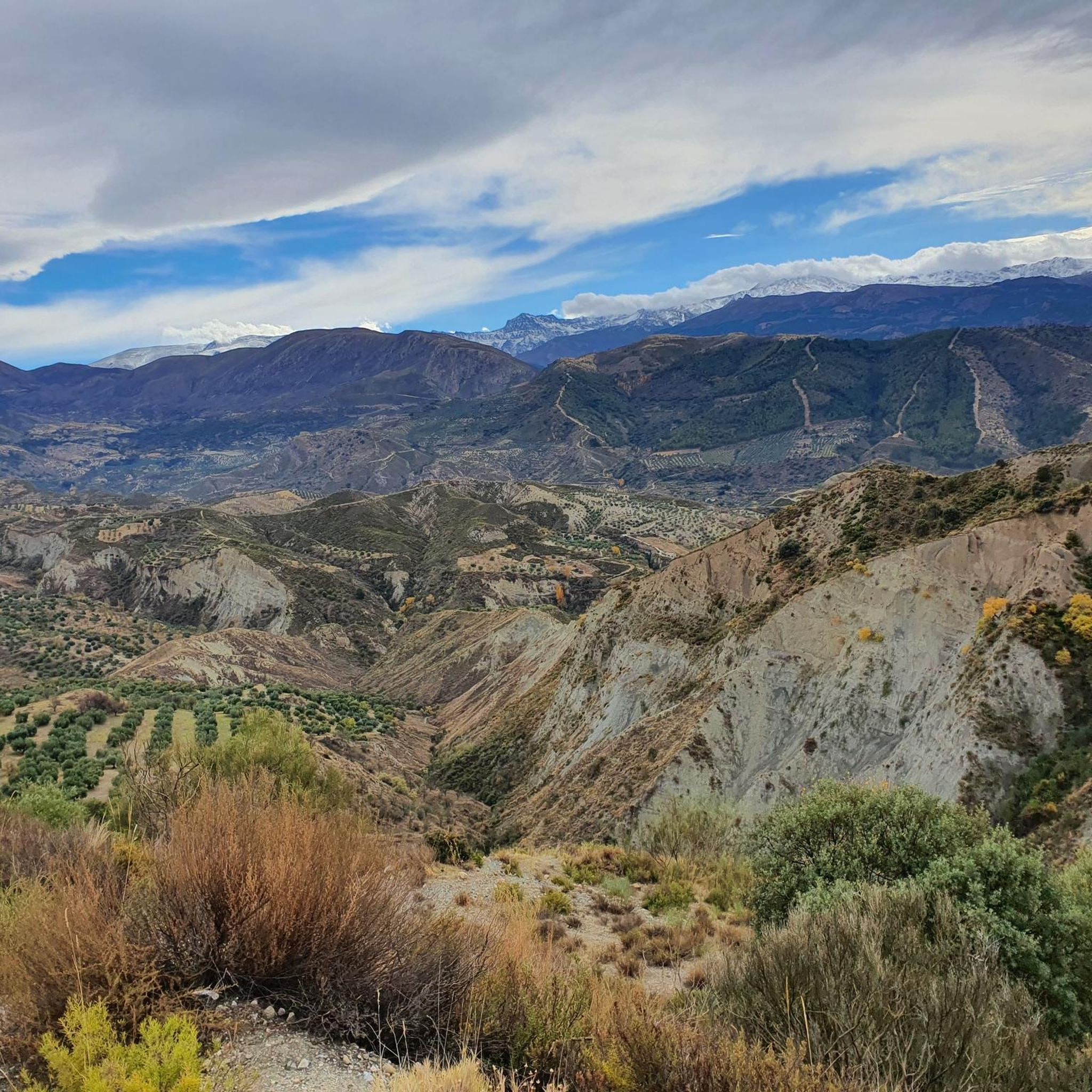
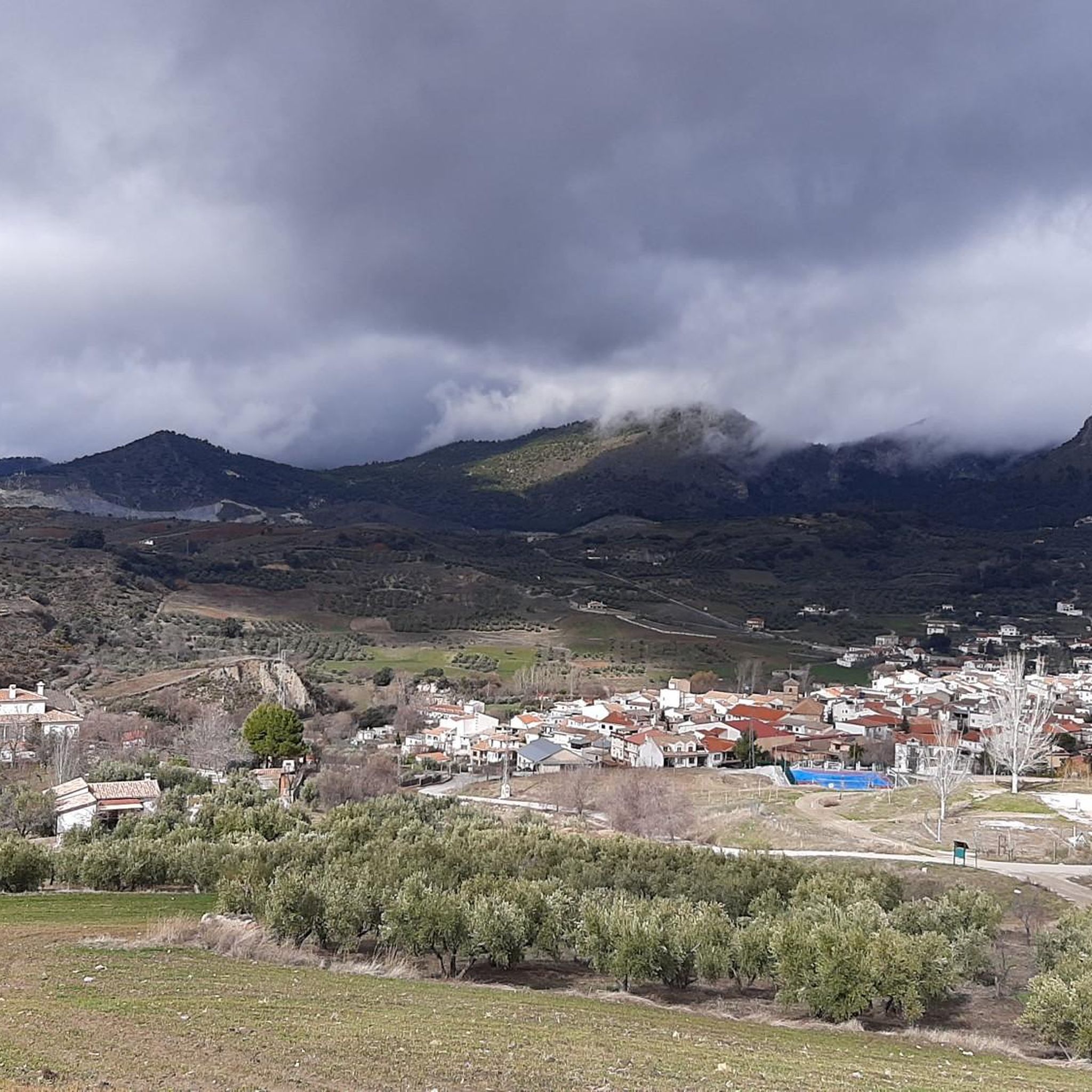
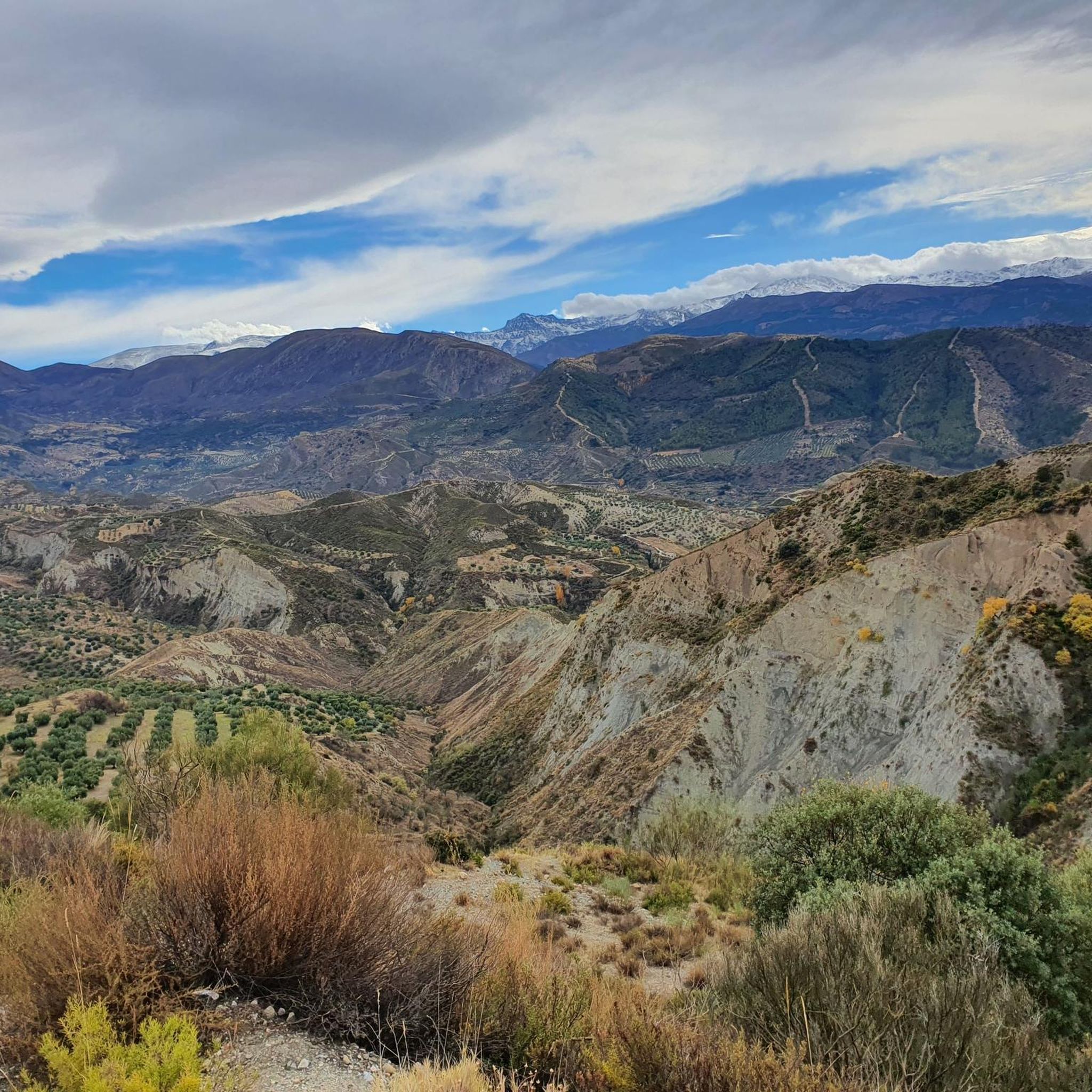
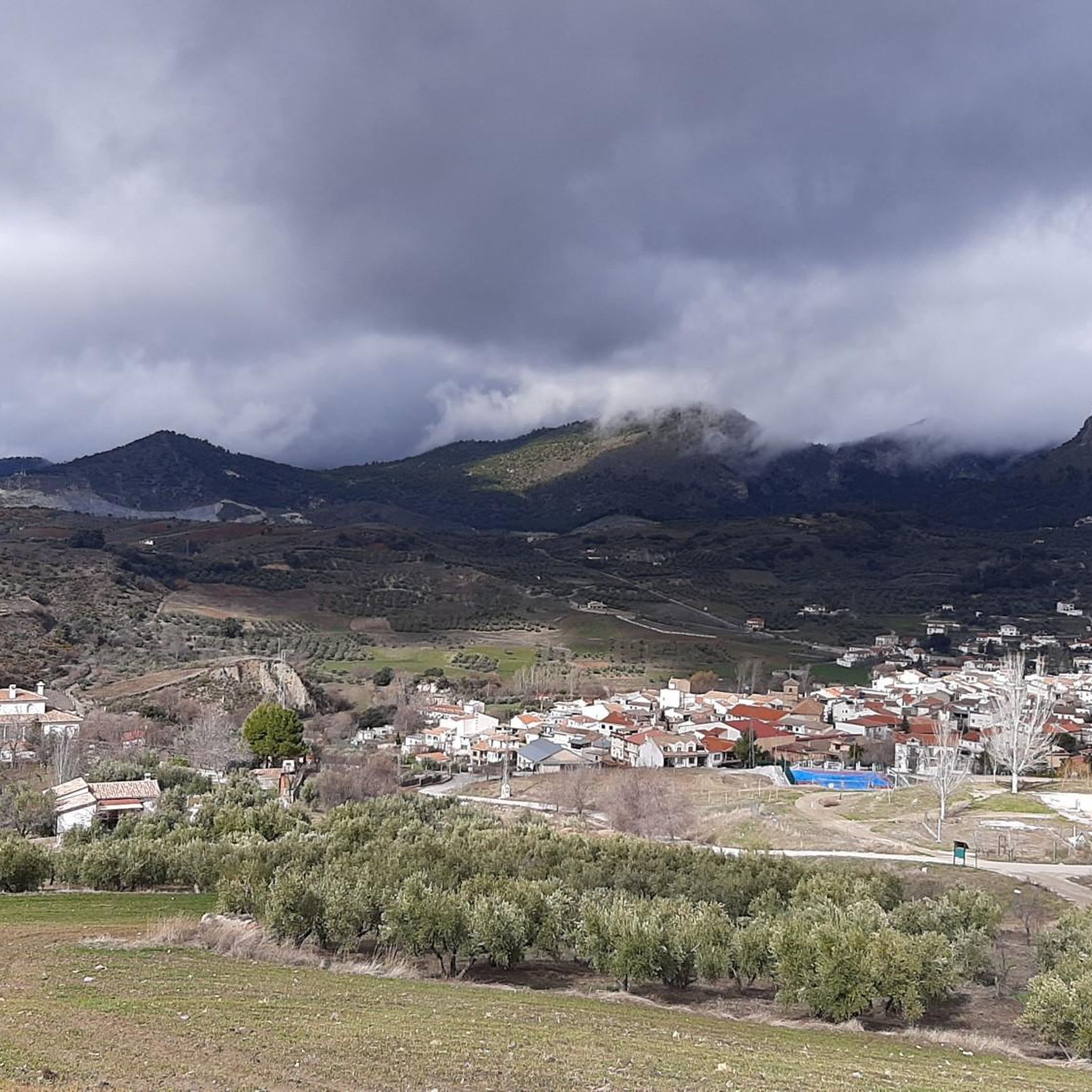
Best natural monuments around Beas De Granada are found within a natural environment featuring unique geological formations and diverse landscapes. The area is closely connected to the Sierra de Huétor Natural Park, characterized by dramatic features like ravines, cliffs, and caves. This region offers opportunities to explore natural beauty and historical geology, with a variety of natural attractions from unique rock formations to historically significant trails.
Best natural monuments around Beas De Granada
- The most popular natural monuments is Tajo…
Last updated: May 20, 2026
Tajo de las Palomas
Highlight • Gorge
Translated by Google •
Tip by

Quéntar Reservoir
Highlight • Lake
Translated by Google •
Tip by

Sign up now to discover places like this
Get recommendations on the best single tracks, peaks, & plenty of other exciting outdoor places.
Sign up for free
University of Granada Botanical Garden
Highlight • Natural
Translated by Google •
Tip by
Lower Gardens of the Generalife
Highlight • Natural Monument
Translated by Google •
Tip by
Carmen de los Mártires Gardens
Highlight • Historical Site
Translated by Google •
Tip by
Sign up for free to discover even more natural monuments around Beas De Granada.
Sign up for free
Already have an account?
Start today with a free account
Your next adventure awaits.
Login or Signup


Tips from the Community

The University of Granada Botanical Garden is an oasis of tranquility in the heart of the city. The garden is home to a variety of native and exotic plants.
0
0

The Pantano de Quéntar is a reservoir in Quéntar, Granada, built between 1971 and 1975 and officially inaugurated on 11 May 1976. It is located at the confluence of the Aguas Blancas and Padules rivers and has a capacity of 14 million cubic metres. The reservoir plays an important role in the water supply of the city of Granada and the irrigation of the surrounding agricultural lands.
9
0

a spectacular area with very good roads
0
0
The Jardín Botánico of the University of Granada is a beautiful botanical garden founded in 1783 by Mariano del Campo. The garden is located in the heart of the city, next to the old university building. Here you will find a wide variety of plant species, both native and exotic, divided into different sections such as systematic, geographical and medicinal plants. The garden is an oasis of peace and a perfect place to relax and enjoy nature in the middle of the city.
7
0
The Embalse de Quéntar, is also known as the Quéntar Reservoir. The reservoir is surrounded by a picturesque landscape and offers a variety of recreational opportunities. Visitors can enjoy activities such as hiking, fishing, and even water sports. The reservoir was built in the 1970s and plays an important role in the water supply of Granada and the surrounding agricultural areas.
1
0

The Carmen de los Mártires is a Carmen (house with gardens) in Granada, located in the immediate vicinity of the Alhambra; it is one of the largest such complexes in the city. Inside the Carmen there is a representative building, a palm garden, a landscaped lake with an island of ruins, a French garden, a historic kitchen garden and a viewing point that opens up onto the city, the Vega behind it and the Sierra Nevada. https://de.wikipedia.org/wiki/Carmen_de_los_M%C3%A1rtires
0
0

The Garden of the Martyrs is not called one of the three most beautiful gardens in Granada for nothing. A visit is a must. Located next to the Alhambra, you can enjoy its beauty for hours. It is open daily. Monday to Friday 10:00 - 14:00 & 18:00 - 20:00, Saturday & Sunday 10:00 to 20:00. Admission is free.
1
0

Frequently Asked Questions
What unique natural features can I explore around Beas de Granada?
Beas de Granada is rich in unique natural features. You can discover impressive rock formations like El Fraile, a prominent symbol sculpted by wind erosion within the Sierra de Huétor Natural Park. The area also features geological wonders such as the narrow ravines, steep cliffs, and caves typical of the Sierra de Huétor, offering diverse landscapes and scenic beauty.
Are there any historical natural monuments or sites of cultural significance in the area?
Yes, the region offers several sites with historical and cultural significance. The La Carchita Cave, for instance, historically served as a shelter for shepherds, providing a glimpse into the traditional uses of the natural landscape. Additionally, the Lower Gardens of the Generalife, designed between 1931 and 1951, interpret the Muslim garden style with irrigation ditches and cypress hedges, offering a historical and aesthetic experience.
What are some popular hiking trails near the natural monuments?
For hikers, the area offers diverse trails. The Tajo de las Palomas features an 8.2-kilometer loop trail near Monachil, running through the upper part of the Monachil River canyon with spectacular views of Granada and the Alhambra. Another option is the Beas River Path Trail, a historical route known for its natural beauty and accessibility, connecting the Periurban Park "Dehesa del Generalife" and the Sierra de Huétor Natural Park.
Are there family-friendly natural monuments or activities suitable for children?
Absolutely. The Lower Gardens of the Generalife are considered family-friendly, with their beautiful garden designs. The University of Granada Botanical Garden is also an oasis of peace in the city, perfect for a relaxing family visit to enjoy nature. The Beas River Path Trail is mostly flat and accessible, making it suitable for families.
What is the best time of year to visit the natural monuments around Beas de Granada?
The region around Beas de Granada, including the Sierra de Huétor Natural Park, is generally pleasant to visit during spring and autumn when temperatures are milder, and the natural scenery is vibrant. These seasons are ideal for hiking and exploring without the intense heat of summer or the chill of winter, though winter walking can also be enjoyed.
What kind of cycling routes are available near these natural monuments?
The area offers various cycling opportunities. You can find several routes for touring bicycles, mountain biking, and gravel biking. For instance, there are difficult cycling routes like the "Cueva del Gato Viewpoint – La Teja Spring loop" or the "Sierra de Huétor – La Teja Spring loop." You can explore more options and detailed routes on the Cycling around Beas De Granada guide.
Are there any natural monuments that offer panoramic views?
Yes, several spots provide excellent panoramic views. The Tajo de las Palomas offers spectacular views of the Monachil River canyon and, on clear days, the city of Granada and the Alhambra. The Carmen de los Mártires Gardens also provides extraordinary panoramic views of the Sierra Nevada, La Vega, and the city of Granada.
What do visitors particularly enjoy about the natural monuments in this region?
Visitors appreciate the diverse experiences offered, from exploring unique rock formations and historical sites to hiking through picturesque trails. Many enjoy the stunning views, the tranquility of places like the University of Granada Botanical Garden, and the opportunity to connect with nature and history. The resilience of the environment, as seen along the Hydrological Correction Dams/Dykes Trail, also leaves a lasting impression.
Are there any natural monuments that showcase environmental conservation efforts?
Yes, the Hydrological Correction Dams/Dykes Trail is a notable example. These partially man-made dykes were constructed after a devastating fire to control water runoff and contain eroded soil. Along this trail, you can observe nature's significant recovery work, showcasing the resilience of the environment and insights into conservation efforts.
Where can I find information about parking or accessibility for these natural monuments?
While specific parking details vary by location, many natural areas and trails around Beas de Granada, especially those within the Sierra de Huétor Natural Park, often have designated parking areas. For accessibility, the Beas River Path Trail is noted for being mostly flat and without architectural barriers, making it accessible for a wide range of visitors. It's advisable to check specific access points for each monument.
Are there any hidden gems among the natural monuments in Beas de Granada?
Beyond the well-known spots, the La Carchita Cave can be considered a hidden gem, offering a quiet glimpse into the area's historical geology and traditional uses. The Hydrological Correction Dams/Dykes Trail also provides a unique perspective on environmental recovery, which might be less frequented but equally rewarding for those interested in conservation.
Most popular routes around Beas De Granada
Most popular attractions around Beas De Granada

Get inspired with the komoot mobile app


Explore more
Extend your search for the best caves by checking out these guides of the top ones around Beas De Granada:
