Top 8 Natural Monuments around Revilla Del Campo
Natural monuments around Revilla Del Campo are primarily found in the wider Burgos province, offering diverse geological features and ecosystems. This small municipality, situated on a plain above the Ausines river valley, serves as a gateway to exploring significant natural landmarks. The region is characterized by its varied landscapes, including extensive cave systems, dramatic canyons, and glacial lakes. These protected areas provide opportunities for geological exploration and observing local flora and fauna.
Best natural monuments around Revilla Del Campo
- The…
Last updated: July 1, 2026
Carcedo Lagoons
Highlight • Lake
Translated by Google •
Tip by

Quintanilla de las Viñas Park
Highlight • Rest Area
Translated by Google •
Tip by

Sign up now to discover places like this
Get recommendations on the best single tracks, peaks, & plenty of other exciting outdoor places.
Sign up for free
Dolmen of Cubillejo de Lara
Highlight • Historical Site
Translated by Google •
Tip by

Cave of the Spring
Highlight • Cave
Translated by Google •
Tip by

Castillejo
Highlight • Summit
Translated by Google •
Tip by
Sign up for free to discover even more natural monuments around Revilla Del Campo.
Sign up for free
Already have an account?
Start today with a free account
Your next adventure awaits.
Login or Signup
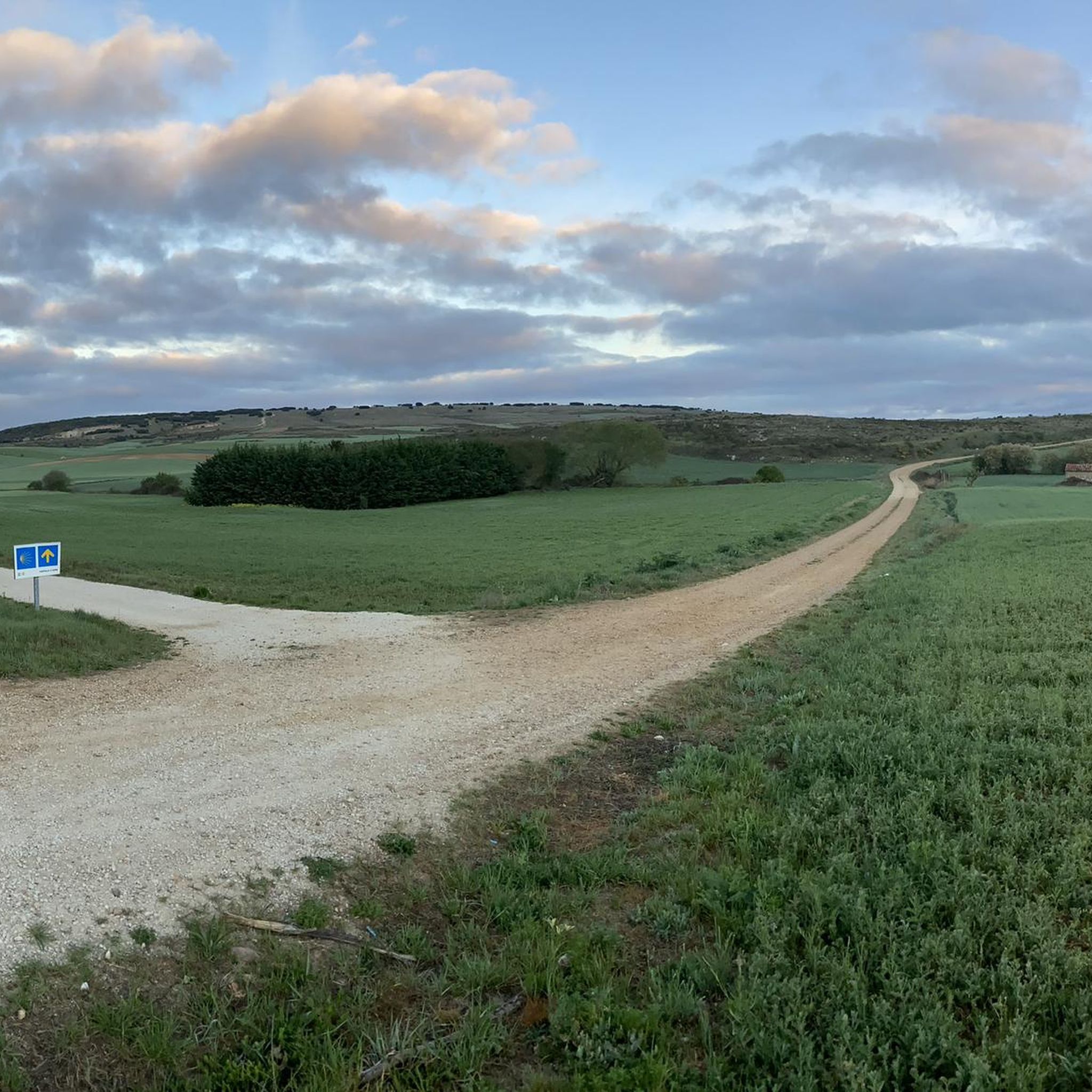
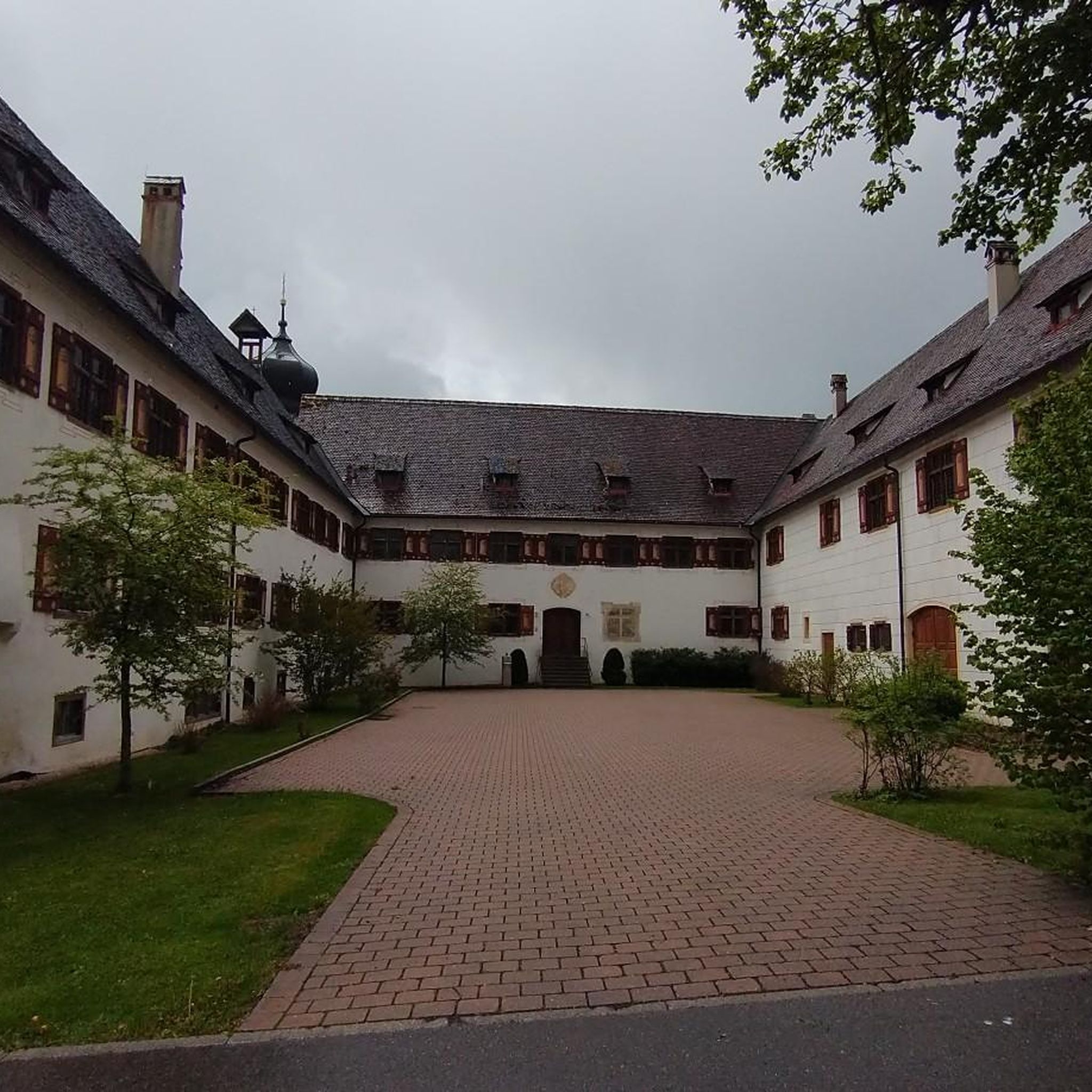
Tips from the Community


A very beautiful cave with a spring
0
0

The Cubillejo/Mazariegos dolmen is considered the prototype of the megalithic passage tomb and preserves, on one of the large stone blocks that form its structure, a series of interesting rock carvings.
0
0
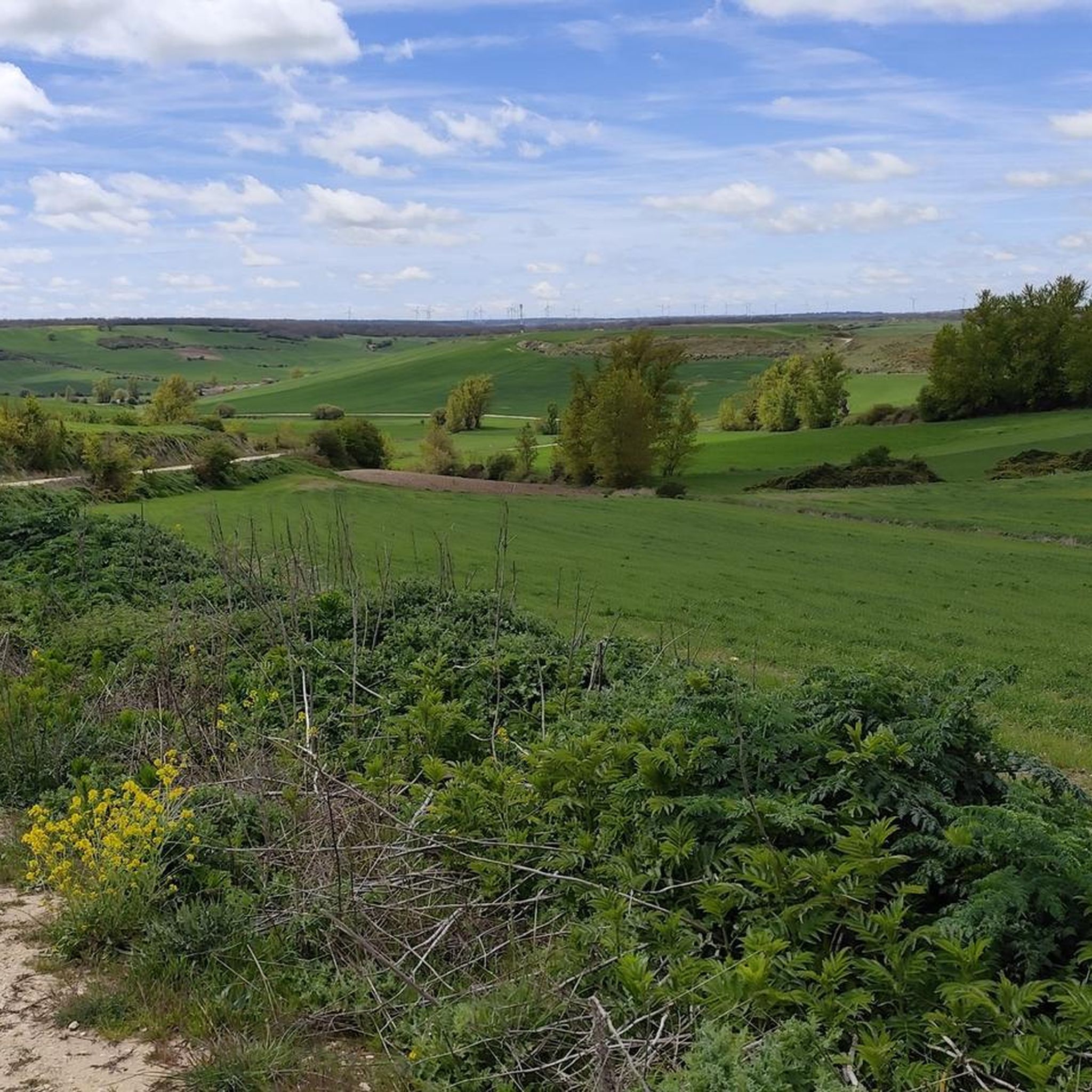
A small wetland near Carcedo, ideal for a quick stop, enjoying the scenery, and birdwatching.
0
0
The beautiful cave welcomes travelers; the spring that gives the town its name and provides drinking water to its population.
0
0
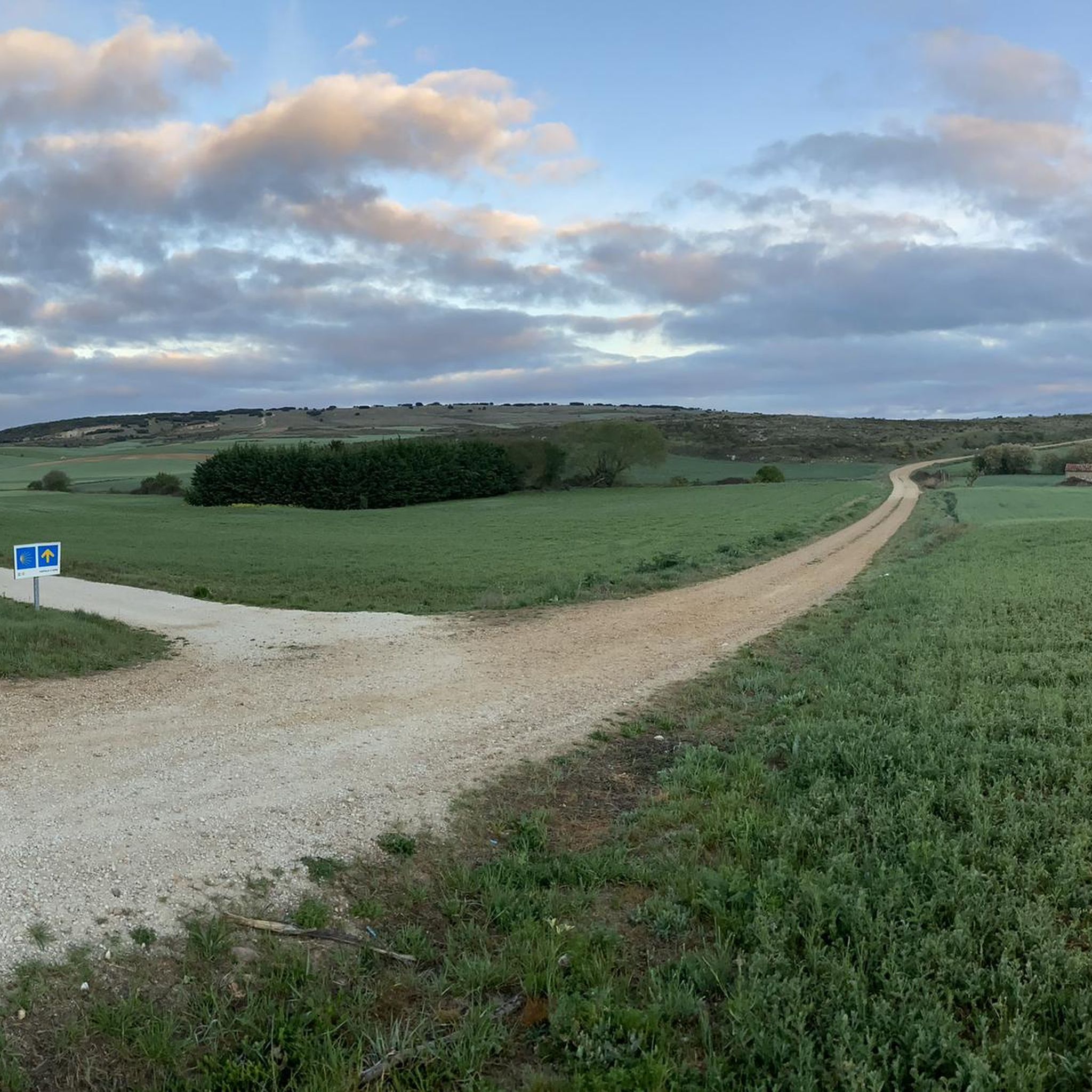
Ideal places for mountain biking and hiking routes
1
0


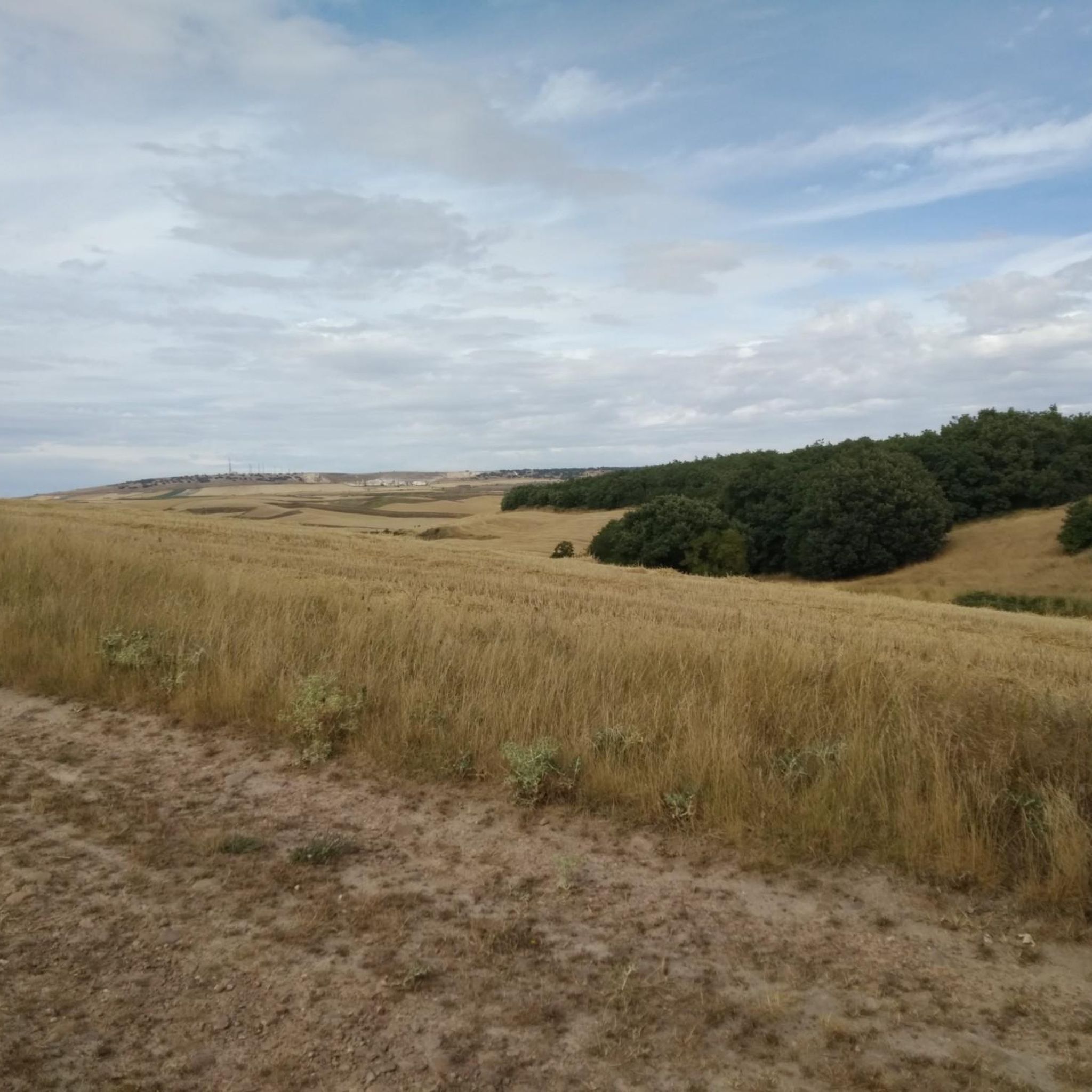
The peak bears this name thanks to its tower shape. The views are spectacular, highlighting the Sierra del Mencilla to the North, the Sierra de Cervera to the South, and that of its partner, the Muela de las Mamblas to the East.
1
0
Frequently Asked Questions
What natural features can I explore near Revilla Del Campo?
The region around Revilla Del Campo, particularly within the wider Burgos province, offers a diverse range of natural features. You can explore extensive cave systems like the Cave of the Spring, dramatic limestone canyons such as the Cañón del Río Lobos, and serene glacial lakes in the Lagunas Glaciares de Neila Natural Park. Other notable features include the impressive gorge of Desfiladero de La Yecla and the unique tower-shaped peak of Castillejo, offering spectacular views.
Are there any impressive viewpoints to visit around Revilla Del Campo?
Yes, several natural monuments offer stunning views. The peak of Castillejo provides spectacular panoramas of the Sierra del Mencilla and Sierra de Cervera. Additionally, the Monte Santiago Natural Heritage Site offers panoramic views, especially when the Nervión waterfall is active. The Carcedo Lagoons also offer a tranquil spot to enjoy the scenery.
Are there historical or archaeological sites among the natural monuments?
Absolutely. The Dolmen of Cubillejo de Lara is a significant funerary megalithic monument, approximately 5,000 years old, featuring a circular chamber and rock carvings. Further afield, the Ojo Guareña Natural Monument is a vast karst complex with archaeological findings ranging from cave paintings to tools from various historical periods. The Cañón del Río Lobos Natural Park also hosts the Templar hermitage of San Bartolomé, a Romanesque construction from the 13th century.
What outdoor activities can I do near these natural monuments?
The natural monuments around Revilla Del Campo are excellent for various outdoor activities. You can enjoy hiking and mountain biking, especially around Quintanilla de las Viñas Park. The Cañón del Río Lobos and Lagunas Glaciares de Neila Natural Park offer extensive hiking opportunities. For cycling enthusiasts, there are numerous routes available, such as those detailed in the Cycling around Revilla Del Campo guide and Road Cycling Routes around Revilla Del Campo guide. Running trails are also popular, with options like those found in the Running Trails around Revilla Del Campo guide.
Are there family-friendly natural monuments around Revilla Del Campo?
Yes, several spots are suitable for families. Quintanilla de las Viñas Park is a great option, featuring a park next to a river with a natural pool, ideal for relaxation and gentle activities. The Carcedo Lagoons offer a tranquil setting for a quick stop and birdwatching, which can be enjoyable for children. The walkways through Desfiladero de La Yecla also provide an accessible and unique walking experience for families.
Can I see wildlife in the natural monuments around Revilla Del Campo?
The natural monuments in the Burgos province are rich in wildlife. The Cañón del Río Lobos Natural Park and Desfiladero de La Yecla are Special Protection Areas for birds, hosting large colonies of griffon vultures, along with golden eagles and Egyptian vultures. Montes Obarenes-San Zadornil Natural Park is also known for its diverse avian species. The Carcedo Lagoons are ideal for birdwatching, offering a chance to spot various wetland species.
What is the best time of year to visit the natural monuments?
The best time to visit depends on the specific natural monument and your preferred activities. Spring and autumn generally offer pleasant temperatures for hiking and exploring. If you wish to see the spectacular Nervión waterfall at Monte Santiago Natural Heritage Site, it is best visited during periods of moderate rainfall, typically in late autumn, winter, or early spring, as it is seasonal. For winter sports like ice climbing, the Lagunas Glaciares de Neila Natural Park is ideal during the colder months.
Are there opportunities for winter activities in the natural monuments?
Yes, the Lagunas Glaciares de Neila Natural Park, with its high-mountain alpine landscapes and glacial lakes, offers opportunities for winter activities, including ice climbing. For general winter hiking, it's advisable to check local conditions and be prepared for colder weather and potential snow, especially in higher elevations.
Where can I find unique geological formations in the area?
The region is home to several unique geological formations. The Ojo Guareña Natural Monument is one of Europe's largest karst complexes, featuring over 110 kilometers of interconnected caves with extraordinary geological formations. The Cañón del Río Lobos is a spectacular limestone canyon carved by the river, while Desfiladero de La Yecla showcases impressive limestone crags and unique rock formations within a narrow gorge. The Lagunas Glaciares de Neila Natural Park is notable for its glacial lakes and formations of glacial origin.
What do visitors enjoy most about the natural monuments around Revilla Del Campo?
Visitors appreciate the diverse landscapes and unique experiences. Many enjoy the tranquility of places like the Carcedo Lagoons and the opportunity for relaxation at Quintanilla de las Viñas Park with its natural pool. The historical significance of sites like the Dolmen of Cubillejo de Lara and the stunning views from Castillejo are also highly valued. The beauty of the Cave of the Spring and its role in providing drinking water is also a point of interest.
Are there any specific natural parks or protected areas nearby?
Yes, the wider Burgos province features several significant natural parks and protected areas. These include the Ojo Guareña Natural Monument, Cañón del Río Lobos Natural Park (partially in Burgos), Sabinares del Arlanza Natural Area (which encompasses Desfiladero de La Yecla), Lagunas Glaciares de Neila Natural Park, and Montes Obarenes-San Zadornil Natural Park. Each offers unique ecosystems and conservation efforts.
Can I find cafes or accommodation directly in Revilla Del Campo?
While Revilla Del Campo is a small municipality, it serves as a base for exploring the surrounding natural monuments. For specific information on cafes, pubs, or accommodation directly within Revilla Del Campo, it is recommended to check local tourism resources or online booking platforms for rural tourism options in the village itself or nearby towns.
Most popular routes around Revilla Del Campo
Most popular attractions around Revilla Del Campo

Get inspired with the komoot mobile app


Explore more
Extend your search for the best caves by checking out these guides of the top ones around Revilla Del Campo:
