Top 10 Natural Monuments around Santa Maria De Miralles
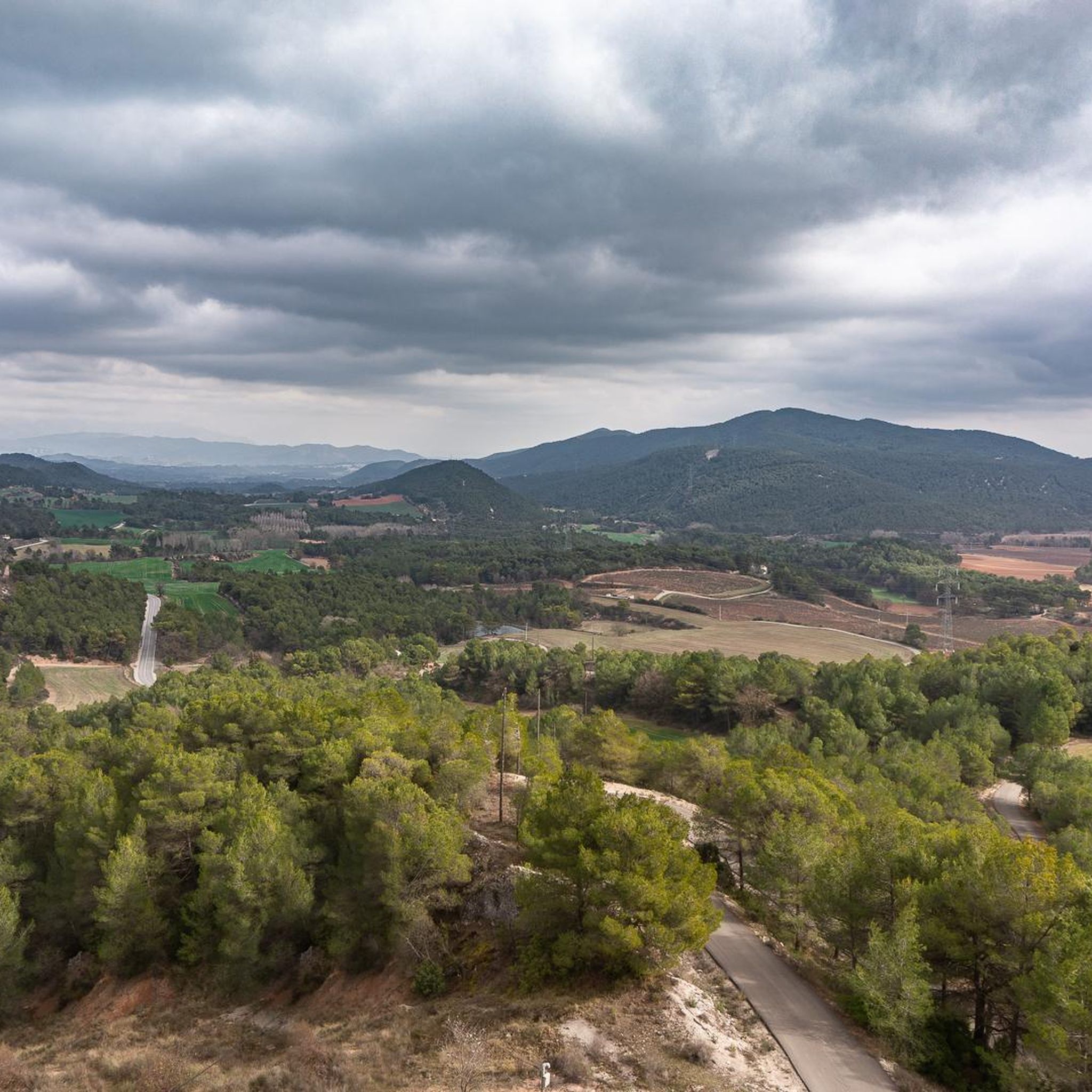
Natural monuments around Santa Maria De Miralles are concentrated within the Catalan Pre-Coastal Range, an area where approximately 44% of the municipality is protected within the Central Pre-Coastal System. This region is characterized by its diverse topography, including the Serra de Miralles mountain range and the Riera de Miralles stream valley. Visitors can explore a variety of natural features, from springs and rivers to forests and cliffs, offering opportunities for outdoor activities. The area provides scenic excursions and panoramic views…
Last updated: July 1, 2026
Les Deus Fountains
Highlight • Natural Monument
Translated by Google •
Tip by

Pèlags del Foix
Highlight • River
Translated by Google •
Tip by

Sign up now to discover places like this
Get recommendations on the best single tracks, peaks, & plenty of other exciting outdoor places.
Sign up for free
Font del Rector Spring
Highlight • Natural Monument
Translated by Google •
Tip by
Ancosa Oak
Highlight • Natural Monument
Registration number: AM 06.104.01
Municipal term: Llacuna County: l´Anoia
Protection: Order 1990.02.08 (DOGC 1262, 1990.03.02)
Measurements: Total height (h) = 16.0 m Barrel vault (c) = 4.48 m Average head (C) = 24.8 m
Translated by Google •
Tip by

Sanctuary of the Springs of Sant Magí de la Brufaganya
Highlight • Religious Site
Translated by Google •
Tip by

Sign up for free to discover even more natural monuments around Santa Maria De Miralles.
Sign up for free
Already have an account?
Start today with a free account
Your next adventure awaits.
Login or Signup
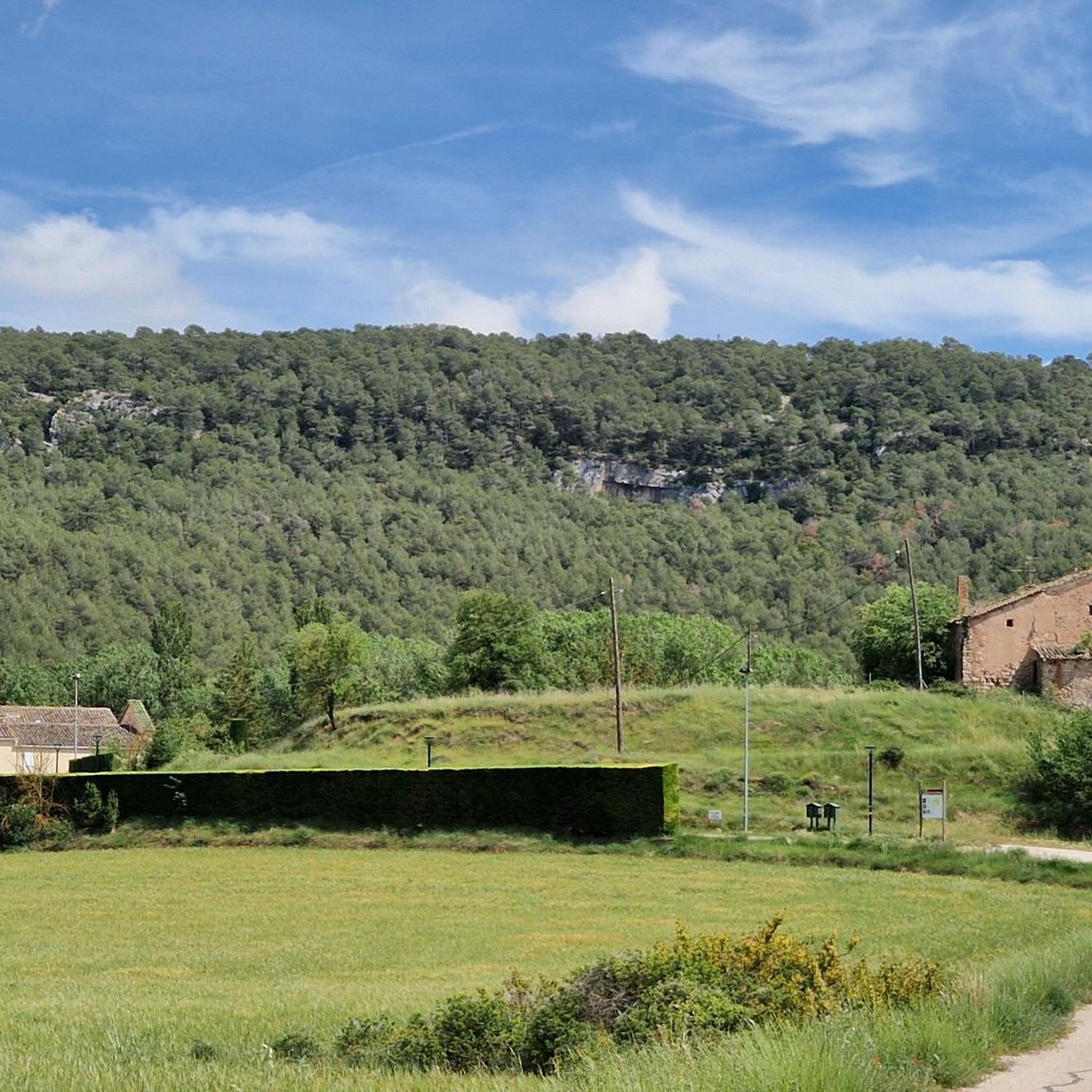
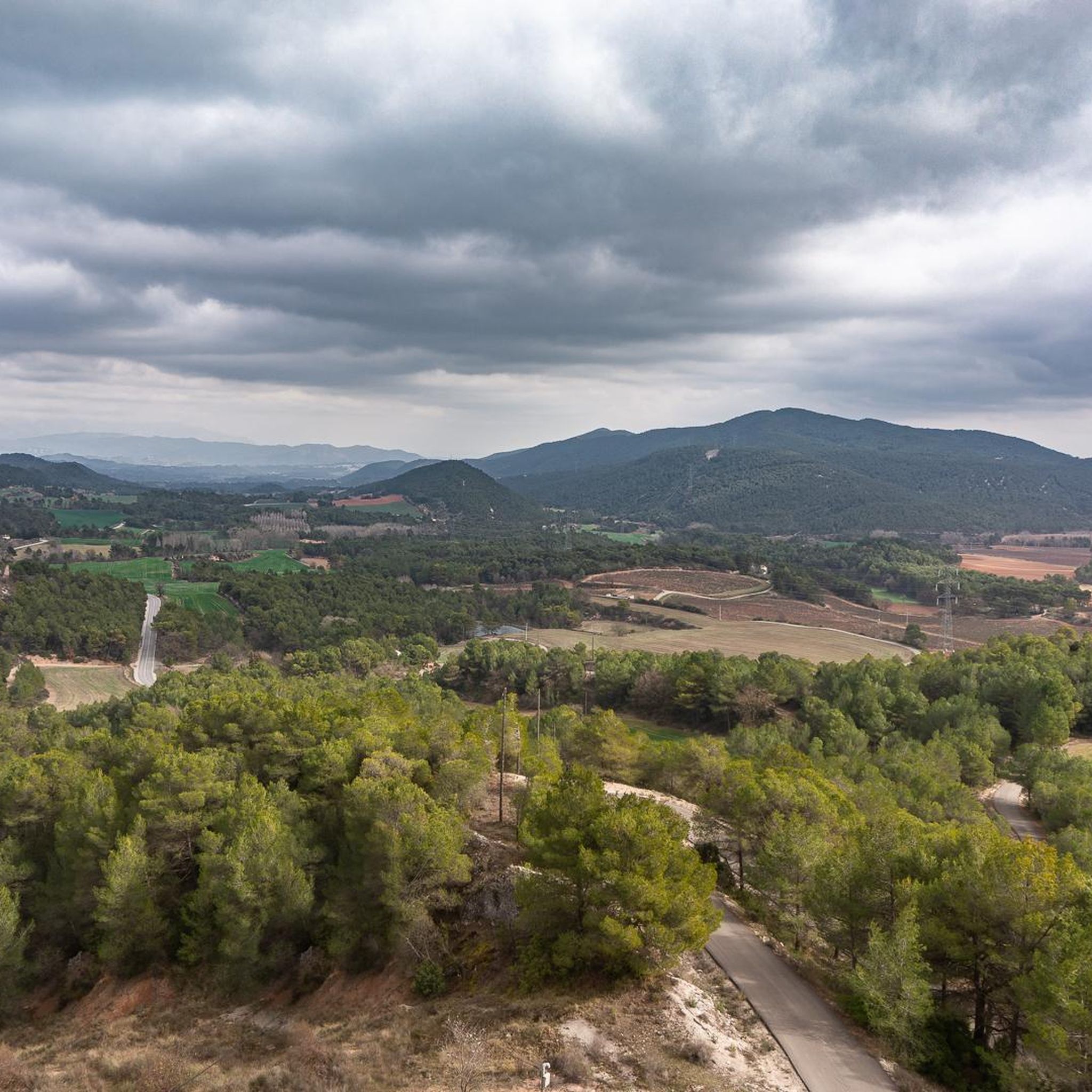
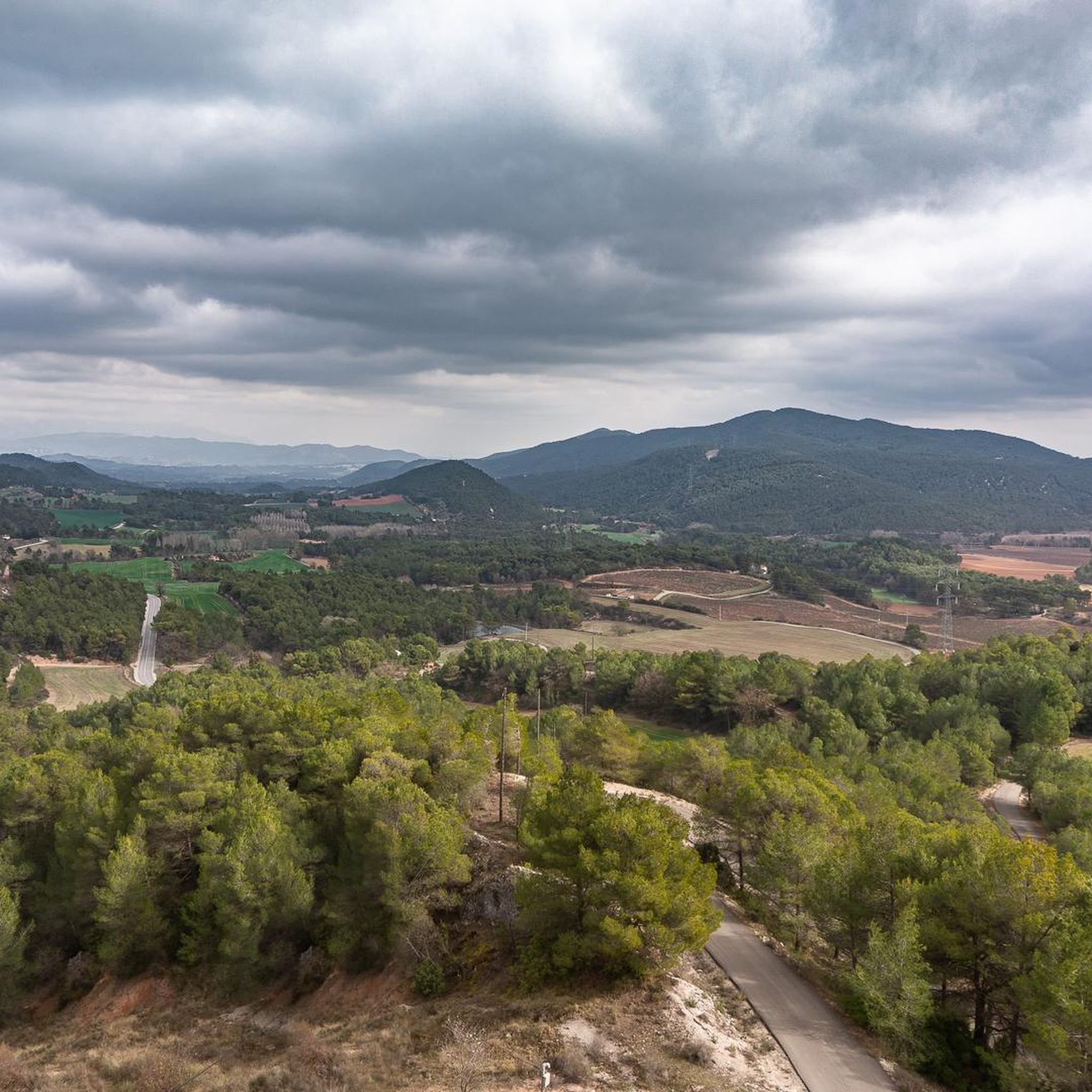
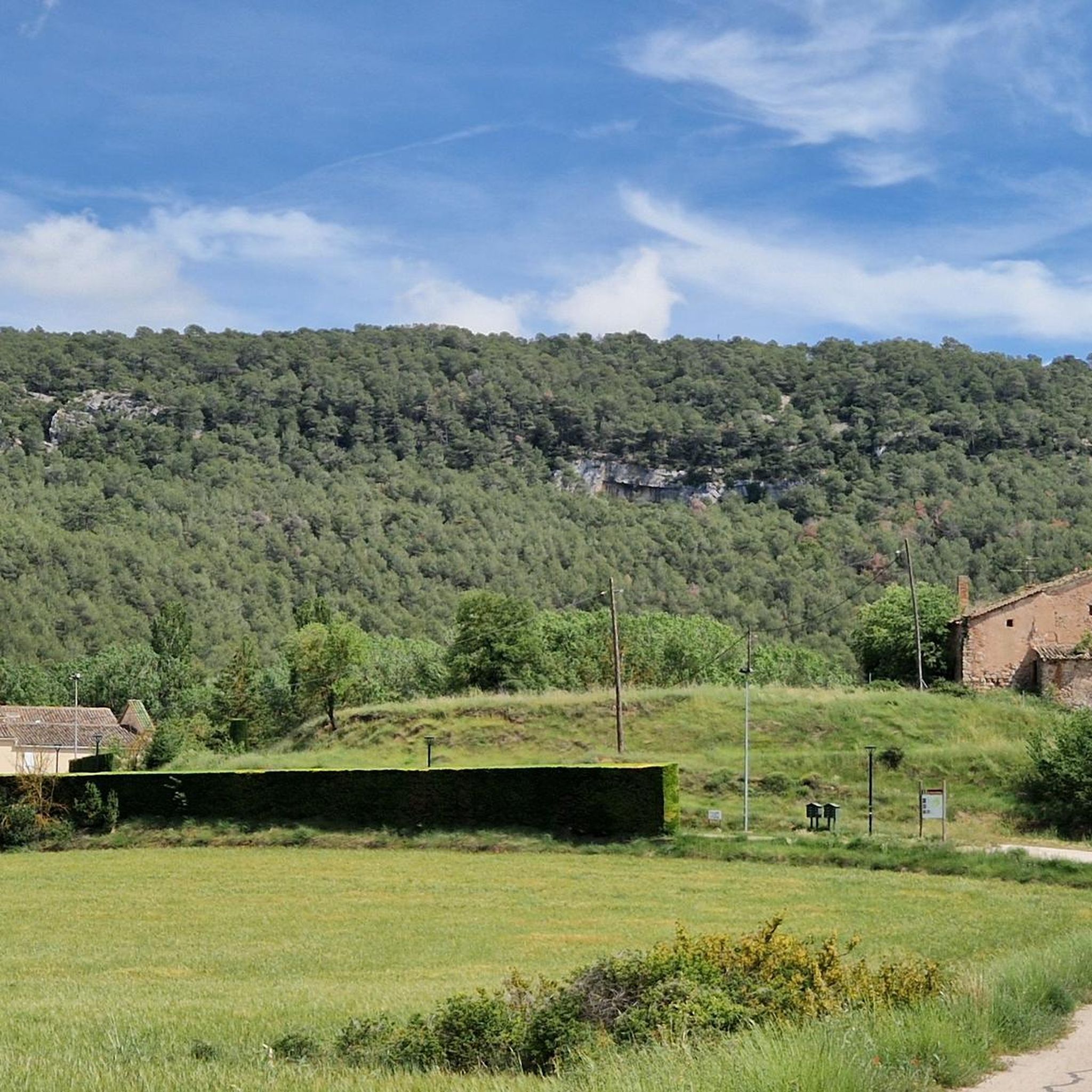

Tips from the Community

Species: Quercus × cerrioides Registration number: AM 06.104.01 Municipal term: Llacuna County: l´Anoia Protection: Order 1990.02.08 (DOGC 1262, 1990.03.02) Measurements: Total height (h) = 16.0 m Barrel vault (c) = 4.48 m Average head (C) = 24.8 m Notes (NB): This tree was left in the middle of the Plana d'Ancosa because in the summer the herds of cattle went there to take the shade. In the fork it has a cup where the rainwater accumulates. It is located within the area of natural interest (EIN) of Ancosa-Montagut. From the Lagoon, take the Marimon road, passing by the Dorita farm. At the crossroads, continue along the Col del Corral route. After about 500 m take the path on the right in the direction of the Monastery of Ancosa and once there, follow 500 m to El Roure (section of Route 2 Blava de la Llacuna) Source: Medi Ambien GenCat website
1
0
Sant Magí de la Brufaganya is a sanctuary located at 760 m above sea level, above the beginning of the Torrent de Sant Magí, in the municipality of Pontils (Conca de Barberà). It is part of the nucleus of Sant Magí de Brufaganya. It is accessed by a detour on the Pontils a la Llacuna road. A gathering is held on the third Sunday of September. Under the sanctuary is the Chapel of the Fonts de Sant Magí, with water considered miraculous and object of pilgrimage; according to legend, the saint made it spring up by hitting the ground three times with his staff when the Roman soldiers were taking him down from the Brufaganya mountain, in Santa Perpètua de Gaià. For centuries, towns such as Barcelona, Tarragona, Lleida, Cervera or Igualada have gone to fetch water from the sources of Sant Magí de la Brufaganya, to then bring it solemnly into their municipality and distribute it among the neighbors. Near the Capella de les Fonts there is a stone dedicated to Sant Magí by the city of Igualada. It is a one and a half meter column with an inscription that attests to the devotion of the Igualadin. It was inaugurated on August 16, 1927 and was destroyed in 1936 during the Civil War. The people of Igualada returned in 1950 to restore it and for the second inauguration by priest Amadeu Amenós. On August 16, 2010, it was reopened by representatives of the Igualada City Council and the Friends of the Horses of Anoia, after a new restoration.
0
0
Sant Magí de la Brufaganya is a sanctuary located at 760 m above sea level, above the beginning of the Torrent de Sant Magí, in the municipality of Pontils (Conca de Barberà). It is part of the nucleus of Sant Magí de Brufaganya. It is accessed by a detour on the Pontils a la Llacuna road. A gathering is held on the third Sunday of September. Under the sanctuary is the Chapel of the Fonts de Sant Magí, with water considered miraculous and object of pilgrimage; according to legend, the saint made it spring up by hitting the ground three times with his staff when the Roman soldiers were taking him down from the Brufaganya mountain, in Santa Perpètua de Gaià. For centuries, towns such as Barcelona, Tarragona, Lleida, Cervera or Igualada have gone to fetch water from the sources of Sant Magí de la Brufaganya, to then bring it solemnly into their municipality and distribute it among the neighbors. Near the Capella de les Fonts there is a stone dedicated to Sant Magí by the city of Igualada. It is a one and a half meter column with an inscription that attests to the devotion of the Igualadin. It was inaugurated on August 16, 1927 and was destroyed in 1936 during the Civil War. The people of Igualada returned in 1950 to restore it and for the second inauguration by priest Amadeu Amenós. On August 16, 2010, it was reopened by representatives of the Igualada City Council and the Friends of the Horses of Anoia, after a new restoration. Source: Wikipedia
0
0

Les Deus is a natural site of Sant Quintí de Medionai is a space where there are 23 sources of water in a beautiful area to take a break.
0
0

The Font del Rector is about 300 meters from the sanctuary of Foix, sunk below ground level, protected by three stone walls. On the central wall there is a push-button faucet. Above the spring is the mine, dug out of the mountain. It is accessed through an opening and some steps and inside there is an iron tube that channels the water, when it exists, towards the fountain. Next to the entrance there is a tile with the name of the fountain and a cute owl on a log.
1
0
A natural area where you can enjoy lakes, pools, caves and waterfalls. Les Deus are a series of 23 fountains in a row - the water comes from a main source of the Carme Capellades aquifer. In high season, people take advantage of the lakes as a bathing area. On the highest part there is a restaurant and a bar with views and below there is a picnic area. There is also an adventure park where there is via ferrata etc.
1
0

Spectacular corner where you can enjoy the River Foix, and even be able to cool off, respecting the fauna and flora that nature offers us. The sounds of nature will make you relax and unwind.
0
0

The hermitage of the Fuentes de Sant Magí is built on a spring of water considered miraculous. It is an object of pilgrimage even today by people from Barcelona, Tarragona and Lleida. It is accessed via the paved road that is in perfect condition.
0
0
Frequently Asked Questions
What types of natural features can I explore in Santa Maria De Miralles?
Santa Maria De Miralles is rich in diverse natural features, primarily within the Catalan Pre-Coastal Range. You can explore the tranquil riparian forests along the Riera de Miralles and Carme Stream Valley, offering serene spots with natural springs like the Font del Bosc. The Serra de Miralles mountain range provides panoramic views, while the Balç de Fontanilles cliff showcases dramatic geological formations. The area is also known for its numerous springs, rivers, and forests.
Are there any natural springs or water features worth visiting?
Yes, the region is known for its springs and water features. You can visit Font-rubí Spring, located at the highest point of Alt de Font-rubí, which also offers a viewpoint. Another notable spot is Font del Rector Spring, near the sanctuary of Foix, which features a mine dug into the mountain. Additionally, Pèlags del Foix offers natural pools and waterfalls along the River Foix, perfect for cooling off.
What are some family-friendly natural monuments in the area?
Several natural monuments are suitable for families. Pèlags del Foix is great for all ages, allowing visitors to enjoy the river and its natural pools. Les Deus Fountains is another excellent choice, featuring lakes, pools, caves, and waterfalls, with a picnic area and even an adventure park nearby. The Ancosa Oak, a majestic tree in the Plana d'Ancosa, also offers a pleasant, family-friendly natural setting.
What kind of hiking trails can I find near these natural monuments?
The area around Santa Maria De Miralles offers a variety of hiking trails, ranging in difficulty. You can find trails that lead through pine forests in the Serra de Miralles, along riparian areas of the Riera de Miralles, and to various springs and viewpoints. For specific routes, you can explore the Running Trails around Santa Maria De Miralles guide, which includes options like the 'Castillo de Miralles y L'Aubereda' circular route.
Are there opportunities for cycling near the natural monuments?
Yes, the region is well-suited for cycling. The landscape, characterized by vineyards and forests, provides scenic routes for both road and touring cyclists. You can find various routes in the Road Cycling Routes around Santa Maria De Miralles and Cycling around Santa Maria De Miralles guides. These guides offer routes of varying distances and difficulties, often passing by natural highlights.
What is the best time of year to visit the natural monuments?
The natural areas around Santa Maria De Miralles can be enjoyed throughout the year. Spring and autumn offer pleasant temperatures for hiking and exploring, with lush greenery or vibrant fall colors. Summer is ideal for visiting water features like Pèlags del Foix or Les Deus Fountains to cool off. Even winter hiking can be rewarding, offering a different perspective of the serene landscapes.
What should I wear for hiking in Santa Maria De Miralles' natural areas?
For hiking, it's recommended to wear comfortable, layered clothing suitable for the season. Sturdy hiking shoes with good grip are essential, especially for trails that may involve varied terrain or inclines. During warmer months, bring sun protection like a hat and sunscreen. In cooler seasons, a waterproof or windproof outer layer is advisable. Always carry enough water, regardless of the season.
Are there any viewpoints offering panoramic views of the region?
Yes, the region offers several excellent viewpoints. The Serra de Miralles, with its highest point Grony de Miralles (866 meters), provides expansive views over almost the entire municipal area and the Anoia plain. The Font-rubí Spring is also located at a strategic high point, offering great vistas and a path to the Miravinya Balcó del Penedès viewpoint.
Can I bring my dog to the natural monuments and trails?
Many natural areas and trails in Santa Maria De Miralles are generally dog-friendly, allowing you to enjoy the outdoors with your pet. However, it's always best to keep your dog on a leash, especially in protected areas or near wildlife, and to clean up after them. Specific rules might apply to certain sites, so checking local signage is recommended.
What makes the Serra de Miralles mountain range significant?
The Serra de Miralles is a significant part of the Catalan Pre-Coastal Range and defines much of the municipality's topography. It's characterized by extensive pine forests and dryland crops, including prominent vineyards. The range is crucial for its ecological value, with approximately 44% of the municipality included within the protected natural area of the Central Pre-Coastal System. Hiking through these mountains offers scenic excursions and a deep connection with nature.
Are there any hidden natural gems or less-known spots?
While the main highlights are well-loved, the broader protected natural area of the Central Pre-Coastal System, encompassing the Serra Miralles-Queralt and Natura 2000 Network, holds many tranquil and less-trafficked spots. Exploring the various routes that connect with natural springs along the Riera de Miralles, beyond the main named ones, can lead to serene and contemplative environments away from the crowds. The Ancosa Oak, for instance, is a unique natural monument nestled within the EIN of Ancosa-Montagut, offering a peaceful stop.
What do visitors enjoy most about the natural monuments in Santa Maria De Miralles?
Visitors particularly enjoy the tranquility and natural beauty of the area. The opportunity to cool off in the natural pools of Pèlags del Foix, the relaxing sounds of nature, and the scenic views from spots like Font-rubí Spring are frequently praised. The diverse landscape, from mountain ranges to stream valleys, offers a rich experience for those seeking outdoor activities and rural peace.
Most popular routes around Santa Maria De Miralles
Most popular attractions around Santa Maria De Miralles

Get inspired with the komoot mobile app


Explore more
Extend your search for the best caves by checking out these guides of the top ones around Santa Maria De Miralles:
