The best cycling routes around Santa Maria De Miralles
4.8
(7)
367
riders
30
rides
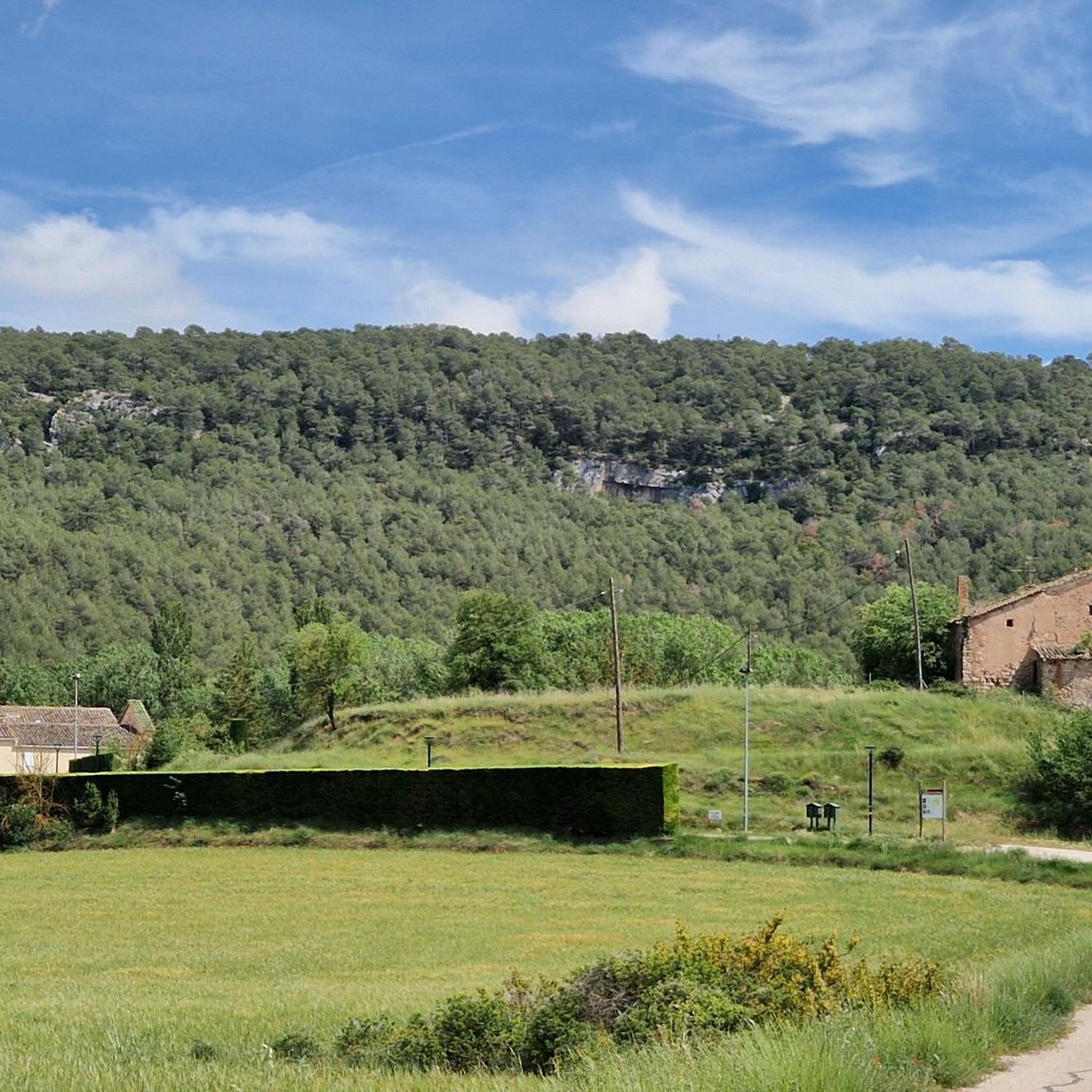
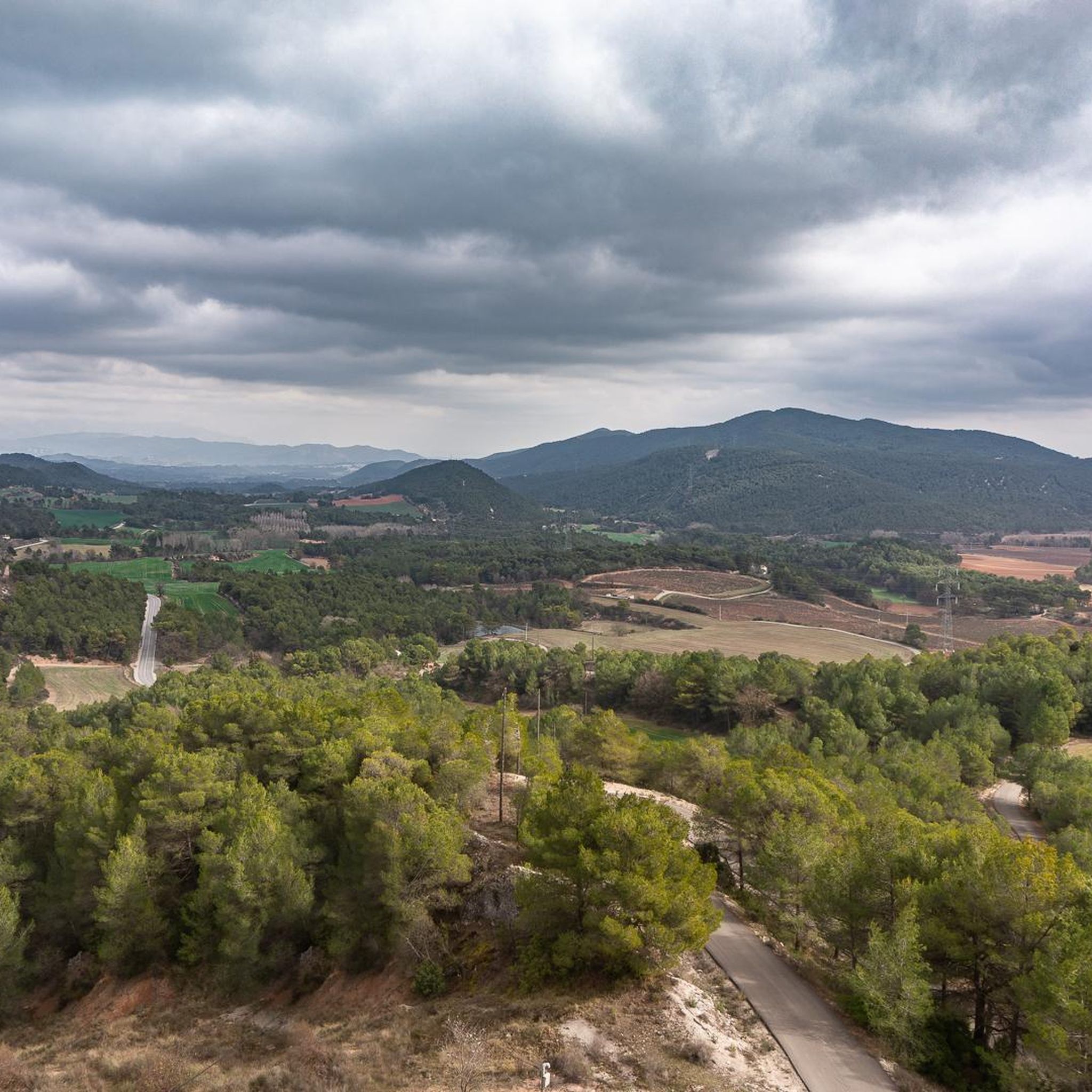
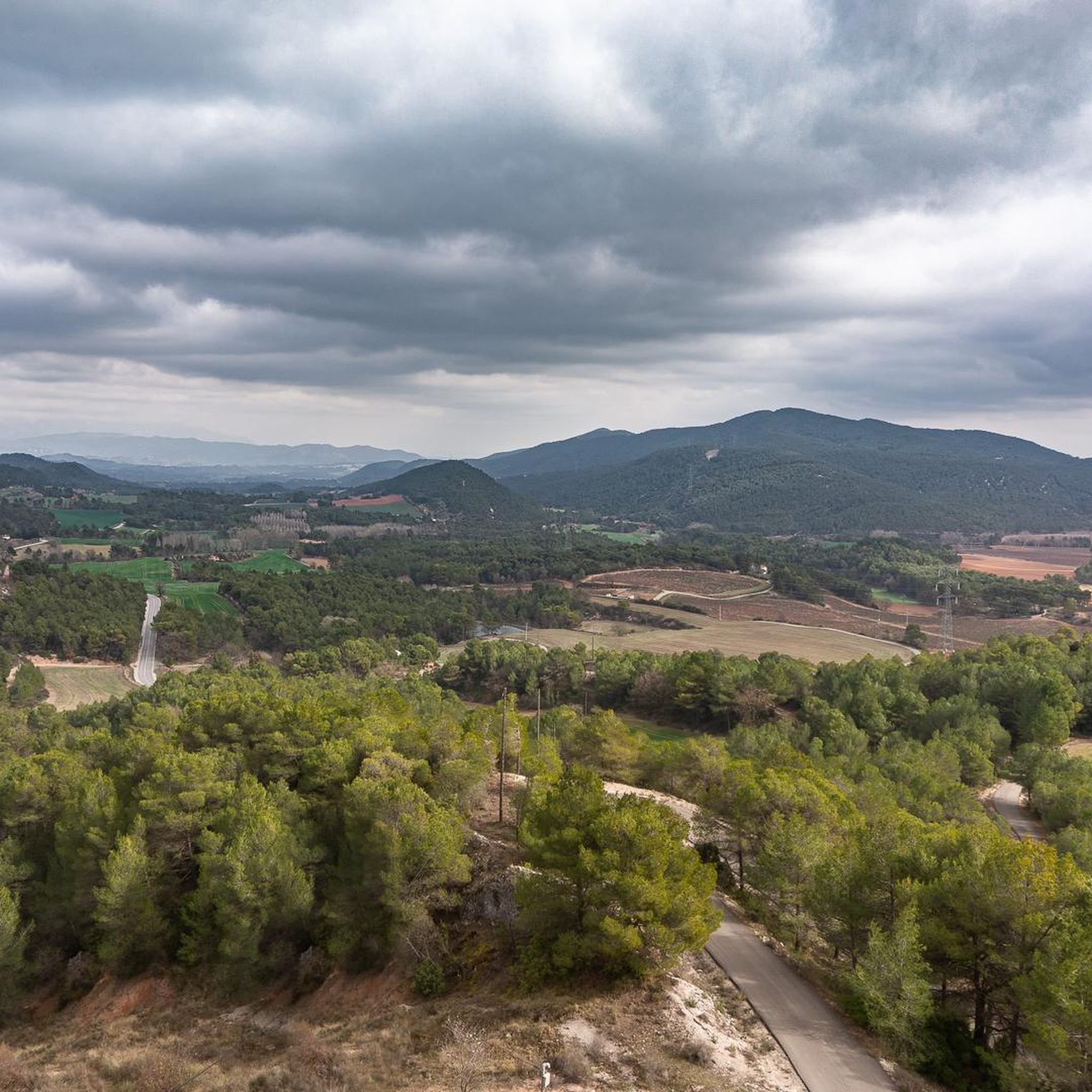
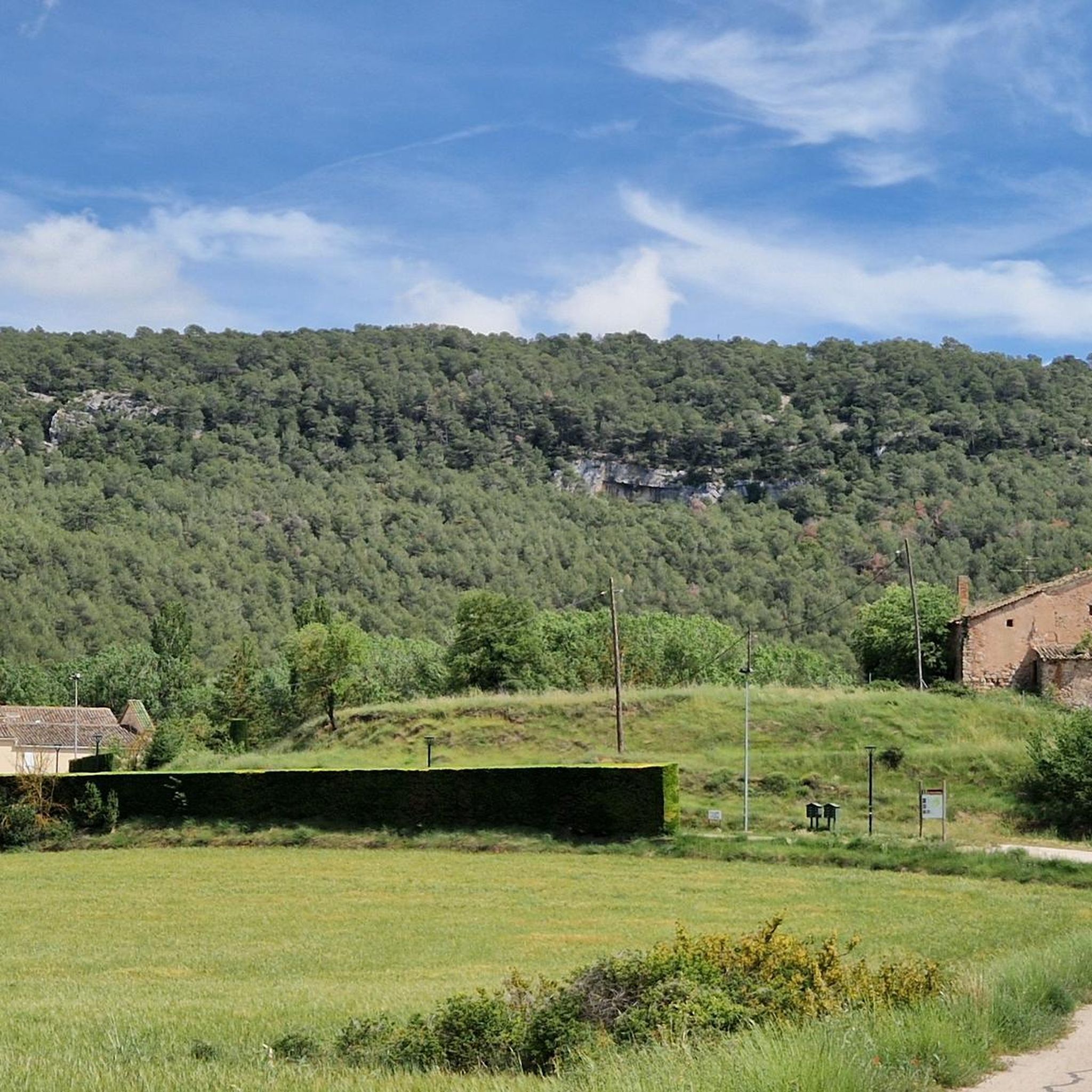
Touring cycling routes around Santa Maria De Miralles traverse the Valley of Miralles within Catalonia's Pre-Coastal Range, characterized by a rugged and forested relief. The area features an average altitude of around 650 meters, situated between the Sierras d'Ancosa and de Queralt. Significant viticultural activity means vineyards form a prominent part of the landscape, alongside extensive forests and the Riera de Miralles stream. Approximately 44% of the municipality's surface area is part of the Central Pre-Coastal System protected natural space.
Best touring cycling routes around Santa Maria De Miralles
- The most popular touring cycling route is Vilafranca – Hermitage of Sant Joan de Lledó loop from la Llacuna, a 43.5 miles (70.0 km) trail that takes 4 hours 48 minutes to complete. This difficult route features significant elevation gain through the region's varied terrain.
- Another top favourite among local touring cyclists is Turó de Coll d'Orpí – Encosa loop from la Llacuna, a difficult 21.9 miles (35.3 km) path. This route offers challenging climbs and descents through forested areas and hills.
- Local touring cyclists also love the Church of Santa Susanna loop from la Llacuna, a 23.8 miles (38.3 km) trail leading through the Pre-Coastal Range, often completed in about 2 hours 33 minutes.
- Touring cycling around Santa Maria De Miralles is defined by vineyards, dense forests, and the rugged relief of the Pre-Coastal Range. The network offers options for different ability levels, though many routes present challenging climbs.
- The routes in Santa Maria De Miralles are highly rated by the komoot community with an average score of 4.8 stars from 7 reviews. More than 300 touring cyclists have used komoot to explore Santa Maria De Miralles's varied terrain.
Last updated: June 29, 2026
22
riders
70.0km
04:48
1,050m
1,050m
Hard bike ride. Very good fitness required. Mostly paved surfaces. Suitable for all skill levels.
10
riders
34.0km
03:37
830m
830m
Hard bike ride. Very good fitness required. Mostly paved surfaces. Suitable for all skill levels.

Sign up for free
6
riders
38.3km
02:33
610m
610m
Hard bike ride. Very good fitness required. Mostly paved surfaces. Suitable for all skill levels.
7
riders
Hard bike ride. Very good fitness required. Mostly paved surfaces. Suitable for all skill levels.
5
riders
64.5km
04:14
940m
940m
Hard bike ride. Very good fitness required. Mostly paved surfaces. Suitable for all skill levels.
Get access to more routes and recommendations from other explorers.
Sign up for free
Already have an account?
Our route recommendations are based on thousands of hikes, rides, and runs completed by other people on komoot.
Start today with a free account
Your next adventure awaits.
Login or Signup

Tips from the Community

Vilafranca del Penedès is the heart of one of the most important wine regions in Catalonia. It is worth stopping to stroll through its historic center and enjoy the atmosphere that has grown around viticulture over centuries.
0
0

The path is very easy and pleasant.
0
0

It is located in a rural environment of vine cultivation that has certainly been a mute witness to conflicts between the farmers, to dead rabassa contracts, to the appearance of phylloxera... but also to the prosperity of its inhabitants, of demographic growth, changes... Sant Joan de Lledó is a small church of Romanesque origin, whose factory has been modified over the years. It is one of the many testimonies that are part of the repopulating movement of these borderlands. It is a chapel with a single rectangular nave with an added side building, the sacristy, which has the shape of a pre-Romanesque apse. It has lateral buttresses and a raised apse, with a Romanesque window, in the Baroque period. It has a door on the west facade with an archivolt and above it, an open bull's eye and a redone bell tower. The chapel is located in the middle of vineyards, almond trees and olive trees. Source: https://ca.wikipedia.org/wiki/Sant_Joan_de_Lled%C3%B3
0
0

It is located in a rural environment of vine cultivation that has certainly been a mute witness to conflicts between the farmers, to dead rabassa contracts, to the appearance of phylloxera... but also to the prosperity of its inhabitants, of demographic growth, changes... Sant Joan de Lledó is a small church of Romanesque origin, whose factory has been modified over the years. It is one of the many testimonies that are part of the repopulating movement of these borderlands. It is a chapel with a single rectangular nave with an added side building, the sacristy, which has the shape of a pre-Romanesque apse. It has lateral buttresses and a raised apse, with a Romanesque window, in the Baroque period. It has a door on the west facade with an archivolt and above it, an open bull's eye and a redone bell tower. The chapel is located in the middle of vineyards, almond trees and olive trees.
0
0

Sant Martí Sarroca is a municipality in the Alt Penedès region. As is typical of this region, the town is surrounded by extensive vineyards and rolling hills. On the outskirts of the urban area, the monumental complex of Sa Roca stands out, where a medieval castle and hermitage are preserved.
0
0

Very big city with a lot of history. Important to visit the cathedral!
0
0

Small Romanesque hermitage (12th century) with a single rectangular nave to which a sacristy was added on one side, in the shape of a pre-Romanesque apse. It has lateral buttresses and a door on the west façade, with a porthole and bell tower. Located in the middle of vineyards, olive and almond trees, it is one of the most typical images of the area, especially if we find it in the direction of Sant Martí Sarroca, with its monumental complex as a backdrop.
0
0
This church, built in 1945 and also known as "la Mercè de Pontons", is a construction with a single nave, with two side chapels, in neo-modernist style and with a flat brick vault roof supported by parabolic arches.
2
0
Frequently Asked Questions
How challenging are the touring cycling routes around Santa Maria de Miralles?
The touring cycling routes in Santa Maria de Miralles are generally quite challenging, with 21 out of 31 routes rated as 'difficult' on komoot. They feature significant elevation gains and varied terrain, characteristic of the Pre-Coastal Range. For example, the Vilafranca – Hermitage of Sant Joan de Lledó loop from la Llacuna covers 70 km with over 1000 meters of elevation gain.
Are there any easier touring cycling routes suitable for beginners in Santa Maria de Miralles?
While many routes are challenging, there is at least one touring cycling route rated as 'easy' among the 31 available in Santa Maria de Miralles. These routes offer a gentler introduction to the region's beautiful landscapes, though specific details for easy routes would need to be explored on komoot.
What kind of landscapes can I expect to see while touring cycling in Santa Maria de Miralles?
Touring cyclists in Santa Maria de Miralles will experience a diverse landscape. The routes traverse the Valley of Miralles, featuring picturesque vineyards, dense forests, and the rugged relief of the Pre-Coastal Range. You'll cycle through areas with an average altitude of 650 meters, between the Sierras d'Ancosa and de Queralt, and along the ecologically significant Riera de Miralles stream. Approximately 44% of the municipality is part of a protected natural space.
Are there any circular touring cycling routes available in Santa Maria de Miralles?
Yes, many of the touring cycling routes in Santa Maria de Miralles are designed as loops, allowing you to start and finish at the same point. Examples include the Turó de Coll d'Orpí – Encosa loop from la Llacuna and the Church of Santa Susanna loop from la Llacuna, which offer varied terrain and scenic views.
What historical landmarks or cultural sites can I visit along the touring cycling routes?
Santa Maria de Miralles offers several historical and cultural points of interest. You can cycle to the medieval Miralles Castle, a cultural asset of national interest offering panoramic views. The Romanesque Church of Santa Maria, consecrated in 1080, is another architectural jewel. Routes like the Torrelles de Foix Town Center – Sant Joan de Lledó Chapel loop from la Llacuna might pass by historical chapels.
Are there any natural attractions or viewpoints to discover while cycling?
Absolutely. The region is rich in natural beauty. You can find tranquil spots like the Font del Bosc and the Riera de Miralles. Notable natural attractions include the Font-rubí Spring, Pèlags del Foix, and Les Deus Fountains. For impressive vistas, consider visiting the Miravinya Balcó del Penedès viewpoint.
Is Santa Maria de Miralles a good destination for family touring cycling trips?
While many routes are rated 'difficult,' the peaceful, rural setting and the presence of vineyards and forests make Santa Maria de Miralles appealing for families. It's advisable to seek out the 'easy' rated routes or shorter, less strenuous sections, especially those through the picturesque vineyards, to ensure a pleasant experience for all family members.
Can I bring my dog on the touring cycling routes in Santa Maria de Miralles?
The natural and rural character of Santa Maria de Miralles generally makes it a dog-friendly area for outdoor activities. However, specific rules regarding dogs on cycling paths can vary. It's always best to keep your dog on a leash, especially in protected natural areas or near livestock, and to ensure they are well-behaved and don't disturb wildlife or other cyclists.
What are the parking options for cyclists in Santa Maria de Miralles?
Given its small population and rural essence, Santa Maria de Miralles typically offers accessible parking in or near the village center. For specific trailheads, parking availability might vary, but generally, you can find suitable spots to leave your vehicle before starting your cycling tour. It's always recommended to check local signage.
Is public transport available to Santa Maria de Miralles for cyclists with bikes?
Public transport options directly to Santa Maria de Miralles are limited due to its rural location. While some regional bus services might operate, carrying bikes can be challenging. It's often more practical to drive to the area and park, or to cycle from a larger nearby town with better public transport links, such as those in the Anoia comarca.
When is the best time of year to go touring cycling in Santa Maria de Miralles?
The best time for touring cycling in Santa Maria de Miralles is typically during spring (April-May) and autumn (September-October). During these seasons, the weather is generally mild and pleasant, avoiding the intense heat of summer and the cooler, potentially wetter conditions of winter. The changing colors of the vineyards in autumn are particularly scenic.
What do other touring cyclists enjoy most about cycling in Santa Maria de Miralles?
The touring cycling routes in Santa Maria de Miralles are highly rated by the komoot community, with an average score of 4.8 stars from 7 reviews. Cyclists often praise the region's tranquil atmosphere, the stunning views from elevated points like the Collet de la Serra, and the unique experience of cycling through picturesque vineyards and dense forests.
Are there any specific routes that highlight the vineyards in the region?
Yes, Santa Maria de Miralles is known for its viticultural activity, and there are routes specifically designed to showcase the vineyards. The 'Ruta de les vinyes' (Vineyard Route) is highlighted by the local government as a great option for visitors, offering picturesque cycling through the valley where vineyards form a prominent part of the agricultural landscape.
Most popular routes around Santa Maria De Miralles
Most popular attractions around Santa Maria De Miralles

Get inspired with the komoot mobile app


Explore more
Browse the best Cycling routes in other regions.
